预约演示
更新于:2026-08-22
TLR7/8 agonist(Sichuan Kelun)
TLR7/8激动剂(四川科伦)
更新于:2026-08-22
概要
基本信息
药物类型 化学药 |
别名- |
作用方式 激动剂 |
作用机制 TLR7激动剂(Toll样受体7激动剂)、TLR8激动剂(Toll样受体8激动剂) |
治疗领域 |
在研适应症 |
非在研适应症- |
原研机构 |
在研机构 |
非在研机构- |
权益机构- |
最高研发阶段临床前 |
首次获批日期- |
最高研发阶段(中国)临床前 |
特殊审评- |

关联
100 项与 TLR7/8激动剂(四川科伦) 相关的临床结果
登录后查看更多信息
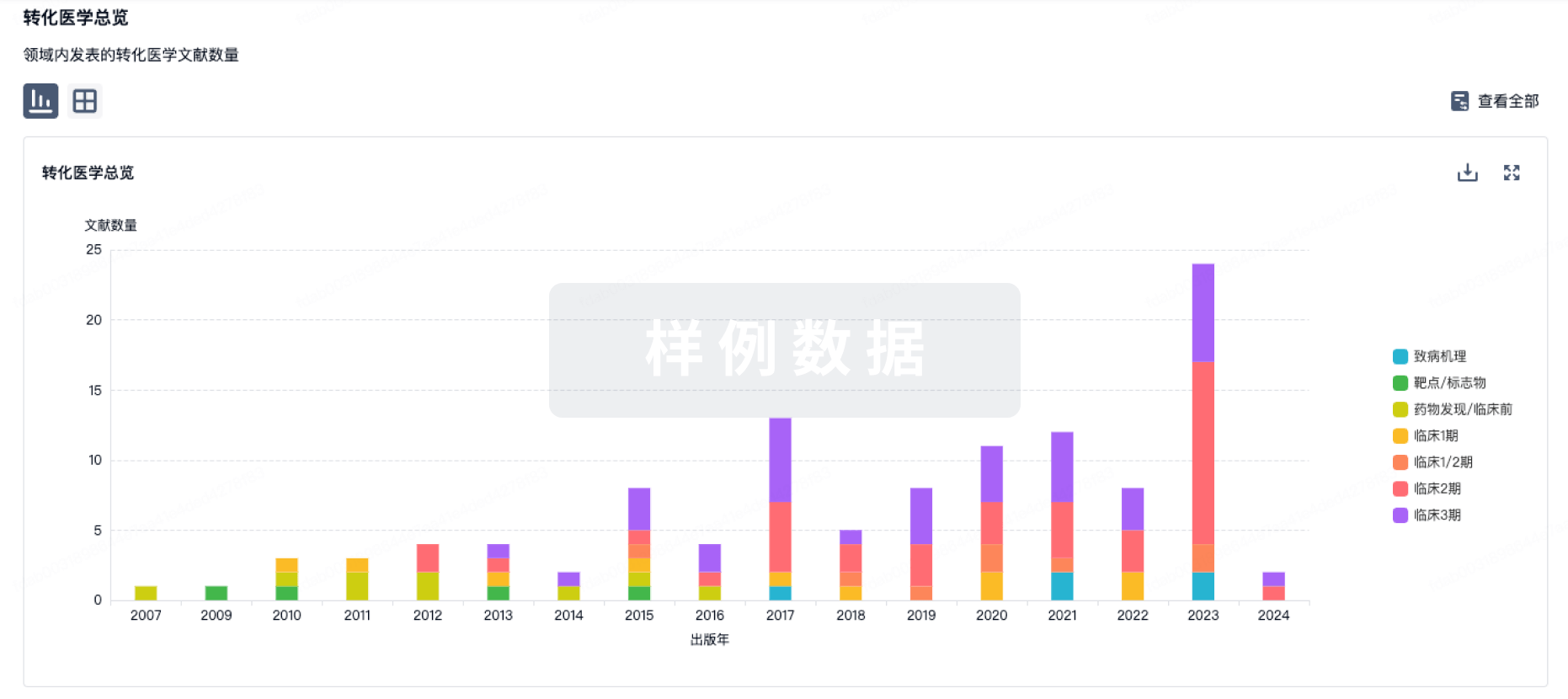
100 项与 TLR7/8激动剂(四川科伦) 相关的转化医学
登录后查看更多信息
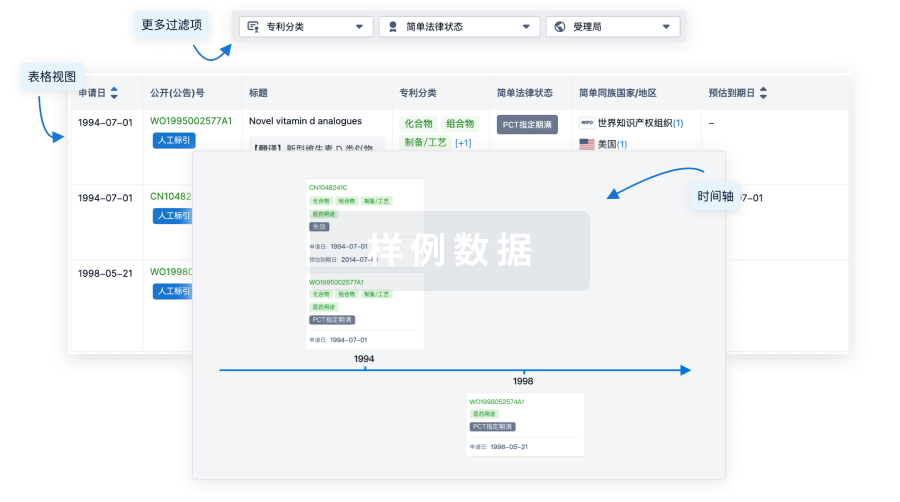
100 项与 TLR7/8激动剂(四川科伦) 相关的专利(医药)
登录后查看更多信息
251
项与 TLR7/8激动剂(四川科伦) 相关的文献(医药)2026-12-31·OncoImmunology
Sex-based considerations in the choice for a TLR9 or TLR7/8 agonist to arm the sentinel lymph node in early-stage melanoma
Article
作者: van de Ven, Rieneke ; van den Hout, Mari F. C. M. ; Muijlwijk, Tara ; Kandiah, Vinitha ; Labots, Mariette ; van den Eertwegh, Alfons J. M. ; Notohardjo, Jessica C. L. ; de Gruijl, Tanja D. ; Toffoli, Elisa C.
Intradermal delivery of the Toll-like receptor (TLR)-9 agonist agatolimod/CPG7909, prior to sentinel lymph node (SLN) biopsy was previously shown to induce locoregional and systemic immunity, reduce tumor-involved SLN rates, and improve recurrence-free survival in patients with early-stage melanoma. Remarkably, men exhibited superior dendritic cell (DC) maturation. Here, we report on further sex-based differences in the immune response after intradermal administration of CPG7909, which included higher CD80/CD83 expression levels in conventional (c) DC subsets in men's as compared to women's SLN, as well as higher ex-vivo release levels of IL-1β, TNF, and IL-6 (all contributors to cDC activation) and Th1/Th2 cytokines. In an effort to identify a more effective DC-activating therapy for women, we compared the in-vitro effects of CPG7909 with those of the TLR7/8 agonist resiquimod/R848 on SLN single cells from female patients. R848 induced superior cDC subset activation and TNF, IL-6, IL-10, IL-12, IFNγ, and CXCL10 release. Correlation analyses suggested that IFNα, TNF, and IL-6 were key for CPG7909-induced LNR-cDC activation, whereas R848's effect appeared more cytokine-independent. We conclude that combining locally delivered CPG7909 and R848 in early-stage melanoma will ensure full-range DC subset activation and robust pro-inflammatory T-cell responses in melanoma SLN, independent of sex.
2026-12-31·CANCER BIOLOGY & THERAPY
Prolonged intratumoral treatment with TLR7/8 agonist R848 regulates the tumor immune microenvironment resulting in enhanced antitumor activity
Article
作者: Cheng, Shixuan ; Wu, Shaoxuan ; Zhang, Mingzhi ; Han, Zhiqiang ; Li, Hongwen ; Gu, Hang ; Qian, Siyu ; Wang, Zeyuan ; Yang, Zhenzhen ; Liu, Huitao ; Zhang, Xudong ; Xing, Fengyun ; Zhang, Yue ; Wan, Na ; Chen, Qingjiang ; Dong, Meng ; Sun, Xueyi
BACKGROUND:
Toll-like receptor 7/8 agonists (TLR7/8a), such as resiquimod (R848), are highly potent in activating dendritic cells and thus hold promise for T cell-mediated tumor immunotherapies. However, the short half-life of these small molecules in the lesion and the associated systemic immunotoxicity post-leakage of the drug into the circulation make their clinical application challenging.
MATERIALS:
To overcome these shortcomings, we tested prolonged TLR7/8a therapy by intratumoral infusion of R848 for 25 h using a micropump to achieve durable therapeutic effects while minimizing the proinflammatory cytokine levels in the plasma post leakage of the drug into the circulation.
RESULTS:
The results showed that prolonged immunotherapy with R848 (as low as 1 μg) significantly suppressed tumor growth (inhibition rates up to 98%, p < 0.01) in treated mice compared to control mice receiving regular intratumoral injection of R848. Higher levels of CD86+or CD11c+ D.C.s, CD4+/CD8+/OX40+ T cells, and cytokines (TNF-α/IFN-γ) were observed in the tumors and spleens of the mice in the treated group compared to the sham group (p < 0.05), indicating efficient activation of local and abscopal immunity by prolonged therapy with R848. Furthermore, the R848 functional concentration assay demonstrated that the micropump prolonged the treatment time of R848 drugs in tumors and reduced the requirement for higher doses, enhancing safety.
CONCLUSION:
Taken together, this study provides new insights into TLR7/8a immunotherapy for improved clinical performance, with potential benefits for patients with superficial tumors amenable to prolonged intratumoral infusion via micropump.
2026-10-01·Bioactive Materials
GSH-responsive nanovaccine triggers immunogenic cell death and potent memory T cell immunity for durable, recurrence-free tumor eradication.
Article
作者: Giri, Anil ; Kang, Jong-Sun ; Thi, Thu Huyen Le ; Pham, Khang-Yen ; Yook, Simmyung ; Kwon, Taeg Kyu ; Jeong, Jee-Heon ; Park, Jongjun
Although nanovaccines hold promise for cancer immunotherapy, the engineering platforms that respond to tumor-specific cues and activate antitumor immunity remains challenging. Herein, a glutathione (GSH)-responsive immunogenic nanovaccine (SHINE) is developed, integrating immunogenic cell death (ICD)-inducing chemodynamic therapy (CDT) with immunotherapy to elicit synergistic in situ antitumor immunity. Constructed from a hollow MnO2 nanostructure, SHINE selectively degrades in GSH-enriched tumors, depleting intracellular GSH while releasing Mn2+ to catalyze Fenton-like reactive oxygen species generation. Concurrently, SHINE facilitates the controlled release of the TLR7/8 agonist R848 and, through surface-conjugated anti-PD-L1 antibodies, enables immune checkpoint blockade and enhances active tumor targeting. This design integrates CDT as the "initiator" and R848/anti-PD-L1 as dual immune "boosters," thereby eliciting a synergistic cascade that drives potent ICD and promotes dendritic cell maturation and T cell priming. Transcriptomics confirms robust immune activation, while in vivo SHINE suppresses both primary tumor growth and lung metastasis. Remarkably, SHINE establishes durable immune memory, characterized by elevated effector memory T cells and upregulation of memory T cell-related genes, thereby conferring rechallenge protection and preventing tumor recurrence. Collectively, SHINE represents a robust in situ cancer nanovaccine for systemic, long-term tumor control.
144
项与 TLR7/8激动剂(四川科伦) 相关的新闻(医药)2026-08-15
·小药说药
-01-
引言
过去二十年间,癌症基因组学、单细胞与空间转录组学、结构生物学、CRISPR功能基因组学、计算化学与人工智能等技术极大地拓展了人类对肿瘤分子复杂性、细胞异质性和进化动态的理解,同时也将药物发现的挑战从"生成分子解决方案"转向"选择正确的生物学问题"。尽管技术不断进步,肿瘤药物开发的整体成功率仍令人失望——许多候选药物在临床开发中失败,原因在于耐药生物学、肿瘤异质性、药理学局限、可开发性、可制造性和临床实施往往在候选分子确定之后才被纳入考量。
治疗创新的历史一再表明:治疗分子是答案,未满足的临床需求才是问题。从细胞毒性化疗到分子靶向治疗,从免疫检查点抑制剂到ADC,每一代治疗方式的兴起不仅源于新技术的出现,更源于既有疗法局限性所暴露的新临床需求。以ADC领域为例,曲妥珠单抗德鲁替康(trastuzumab deruxtecan)和戈沙妥珠单抗(sacituzumab govitecan)已改变了多种实体瘤的治疗格局,但大多数患者最终仍会因抗原丢失、内化缺陷、药物外排、载荷靶点改变和肿瘤异质性而复发。
一个重要且常被忽视的临床观察是载荷交叉耐药:接受一种拓扑异构酶I(TOP1)抑制剂ADC治疗后进展的患者,往往从第二种机制相似的ADC中获益有限,这一现象直接暴露了机制单一化的治疗缺口。正是这种精确界定的临床观察,为双载荷ADC的治疗策略提供了设计思路。
-02-
一、ADC的耐药生物学
ADC的疗效依赖于一系列生物学事件的有序发生:抗原识别、靶点结合、内化、胞内运输、溶酶体加工、载荷释放、胞内滞留及载荷与其分子靶点的结合。任何一个环节的失败都可能降低治疗活性,而耐药机制可在多个节点同时出现。
临床前与临床研究已描绘出ADC耐药的复杂网络:抗原丢失或下调以及影响抗体结合的突变移除了ADC递送所需的分子靶点;内化受损(如caveolin-1依赖的内吞改变)减少了有效摄取;Rab GTPase控制的细胞内运输改变和溶酶体蛋白水解活性降低阻止了载荷释放;溶酶体转运蛋白SLC46A3的缺失可导致美登素类代谢物的外排受损;P-糖蛋白(ABCB1)和ABCC1等外排转运蛋白将释放的载荷主动泵出细胞,这一机制对疏水性载荷尤为关键;TOP1的突变或上调、DNA损伤应答(DDR)能力的增强则在载荷到达靶点时使其失效;肿瘤微环境和空间异质性则为抗原低表达和灌注不良的亚群提供庇护。
耐药最好被理解为由治疗选择压作用于预先存在和治疗诱导的生物学多样性之上而驱动的进化过程。肿瘤不是同质细胞群,而是由遗传、表观遗传和表型上各异的亚克隆组成的动态生态系统。治疗干预选择性地清除敏感群体,同时富集能够存活的群体。
临床上相关的耐药往往是多克隆而非单克隆的——多个耐药机制可在不同肿瘤区域或细胞群体中同时出现。对曲妥珠单抗德鲁替康进展肿瘤的多组学分析证实,耐药是趋同而又异质的,富集了影响HER2水平、NRF2/KEAP1氧化应激轴和ABCC1介导外排的改变——这些机制原则上可被机制多样化的抗体偶联药物所克服。
每个耐药机制都同时是一个治疗机会:外排介导的耐药可通过载荷多样化或非转运体底物载荷来应对;载荷靶点耐药可通过正交作用机制来缓解;抗原异质性可通过旁观者效应载荷、多特异性靶向策略或互补递送机制来解决;微环境耐药则可激励整合免疫调节组件。以这种方式理解,耐药网络就构成了下一代治疗药物的设计规格蓝图。
-03-
二、双载荷ADC的诞生逻辑
组合治疗是肿瘤学中克服耐药和生物学异质性最成功的历史策略之一。如果对单个药物的耐药独立发生,那么同时对多种正交机制产生耐药的可能性就大大降低。然而,传统组合常受限于多种活性药物全身暴露所致的累积毒性,限制了给药强度和持续时间。
双载荷ADC将组合治疗的原理扩展至分子层面:通过将两种机制不同的载荷整合到单一靶向构建体中,两种载荷通过共同的抗体介导递送途径被递送至同一细胞群体。这一设计具有若干理论优势:两种载荷以确定比例给药、共享药代动力学行为、优先递送至抗原表达组织;最重要的是,能够逃逸一种机制的细胞仍可能暴露于另一种正交治疗压力之下。因此,双载荷ADC可被视为一种分子组合治疗形式,在单一靶向药物中整合多种作用机制。
耐药生物学为双载荷ADC设计提供了明确的生物学依据。单载荷逃逸(靶向通路突变)对应使用具有不同作用机制的第二载荷;多药外排(P-gp/ABCC1)对应配对细胞可渗透与不可渗透的载荷;肿瘤异质性(抗原高表达与低表达)对应使用旁观者效应加强效互补的双载荷;免疫冷微环境则对应使用细胞毒性加免疫刺激性载荷。这些对策共同汇聚于双载荷ADC假设:同时递送两种具有非重叠耐药性的药效单元,以克服上述抗药性问题。
-04-
三、双载荷ADC的分子设计
为何选择两种载荷?
双载荷ADC的基本原理直接源于耐药的多克隆和多因素特性。肿瘤很少仅通过单一主导机制失败;相反,多个耐药亚群常常在同一病灶中共存或在治疗压力下并行出现。因此,仅针对单一脆弱点的治疗策略可能清除敏感群体,却留下替代逃逸路径完好无损。同时递送两种正交作用机制的载荷可提高耐药屏障,降低单个肿瘤细胞同时逃避两种治疗压力的可能性。此外,载荷多样化可拓宽对异质性肿瘤群体的活性,包括处于不同细胞周期状态、表达不同水平靶抗原或对不同载荷类别具有不同敏感性的细胞。
然而,必须认识到:双载荷ADC不可能克服所有ADC耐药机制。其主要优势在于应对与载荷机制、外排转运蛋白和瘤内异质性相关的耐药。相反,损害抗体结合、抗原表达、内化、胞内运输、溶酶体加工或载荷释放的耐药机制预计会同时损害两种载荷。因此,双载荷ADC应被视为扩大耐药覆盖范围的策略,而非ADC耐药的普遍解决方案。
耐药引导的载荷配对策略
载荷配对的核心原则是正交性:有效的载荷对不仅应在作用机制上不同,还应在耐药负累、胞内加工要求、转运体敏感性和空间作用模式上不同,以最小化单一生物学适应同时损害两种载荷的可能性。
拓扑异构酶I抑制剂+微管抑制剂是目前公开披露的双载荷ADC中被研究最广泛、临床进展最领先的配对策略。TOP1抑制剂靶向复制相关的DNA损伤,而澳瑞他汀类靶向有丝分裂纺锤体功能,两者在作用机制和外排行为上均有差异,该组合已在多药耐药和抗原低表达模型中显示出活性。
曲妥珠单抗为基础的MMAE/依沙替康双载荷偶联物已展示出高血浆稳定性、受控双载荷释放、低聚集、良好药代动力学和对HER2低表达及外排过表达肿瘤的增强抗肿瘤活性。该配对还利用了互补的细胞周期活性:TOP1抑制剂主要在S期通过捕获复制叉处的切割复合物发挥作用,而澳瑞他汀使细胞停滞于有丝分裂,两者结合预期可覆盖更大比例的增殖细胞群体。其开发挑战包括累积细胞毒性、重叠骨髓抑制、微管相关神经病变、增加疏水性、聚集风险和需要控制两种载荷的比例与释放动力学。
拓扑异构酶I抑制剂+DDR抑制剂旨在通过同时诱导DNA损伤并损害其修复产生生物学协同。PARP1和ATR是修复TOP1抑制剂诱导DNA损伤所必需的,共递送DDR抑制剂与TOP1抑制剂可产生合成致死性相互作用,将原本可修复的损伤转化为致死性损伤。靶向B7-H4的TOP1 ADC与PARP1选择性抑制剂具有协同作用,利用肿瘤特异性蓄积来局部化协同效应;SPARC等定比架构以明确比例预包装TOP1和DDR抑制剂,表现优于单一TOP1 ADC和游离药物联合。其核心挑战是治疗窗口——DDR抑制剂可同时增敏正常增殖组织,需要高效的肿瘤选择性递送、稳定循环、受控胞内释放和谨慎的剂量优化。
细胞毒性+免疫调节载荷将双载荷ADC的概念从肿瘤细胞内在杀伤扩展到对更广泛肿瘤生态系统的调控。细胞毒性载荷可诱导免疫原性细胞死亡,而共递送的STING或TLR7/8激动剂可激活髓系细胞并重塑免疫冷微环境。将依沙替康与STING激动剂结合的免疫刺激性ADC(iADC),以及靶向CD276/B7-H3的双载荷构建体在三阴性乳腺癌中同时引发细胞毒性和免疫激活,代表了这一策略的典型例证。共递送旨在将免疫激活集中于肿瘤内,潜在地将降低全身免疫相关毒性。关键风险包括全身免疫激活、细胞因子释放、肝毒性、免疫细胞的肿瘤外摄取以及控制局部与全身免疫刺激的困难。
细胞可渗透+不可渗透载荷配对是应对瘤内异质性的合理策略:可渗透的载荷可扩散至并清除抗原阴性邻近细胞,而不可渗透的高效载荷在抗原阳性细胞中递送高效细胞毒性,同时限制全身暴露。该策略的重要局限是旁观者介导的载荷扩散可能主要使邻近抗原低表达或阴性细胞暴露于膜可渗透载荷,而不可渗透载荷仍被限制在抗原阳性细胞中,导致肿瘤微环境的部分区域可能出现局部单载荷选择性压力。
-05-
四、双载荷ADC的工程化
位点特异性偶联与连接子架构
双载荷ADC的工程化实现比生物学原理本身复杂得多。与常规单载荷ADC不同,双载荷构建体不仅要控制总药物载量,还要控制两种不同载荷物种的身份、空间位置和相对比例。此外,有效双载荷ADC还需要协调的胞内释放曲线以保持预期的药理学相互作用——连接子切割速率、胞内运输途径、载荷滞留和代谢物转运的差异可导致尽管偶联比例固定但胞内暴露不一致,因此生物学结果可能同样取决于载荷递送的时间。
位点特异性偶联技术的发展与双载荷ADC的演进密不可分。工程化半胱氨酸方法(如THIOMAB)、非天然氨基酸掺入(如pAcF和pAMF)以及酶促偶联方法已能够生成具有定义DAR和改善治疗指数的均质ADC。位点特异性方法显著降低了异质性,在与传统偶联物的头对头比较中显示改善的疗效和耐受性。对双载荷ADC而言,这种控制不仅有利而且必不可少——两种载荷的相对比例成为生物活性、协同作用和可重复性的关键决定因素。
分支连接子架构是最直接的构建双载荷ADC的方法之一:通过单个偶联位点连接多个载荷分子或多个载荷类别,有效解耦载荷载量与可用附着点数量。KH815——首个进入人体临床试验的双载荷ADC——采用分支连接子在TROP2靶向抗体上共递送拓扑异构酶I抑制剂和RNA聚合酶II抑制剂,组合DAR约为7.5。然而,增加载荷密度也会增加聚集风险、改变药代动力学并降低稳定性,使连接子长度、亲水性和分支几何构型成为重要优化参数。
正交双位点偶联通过正交化学在不同位点放置不同载荷——如菌株促进叠氮-炔环加成(SPAAC)与四嗪-反式环辛烯连接的组合,以及正交半胱氨酸保护方案。正交偶联比分支连接子方法提供更大灵活性,因为每种载荷可在载量、释放化学和附着位点上独立控制。MediLink TMALIN平台通过将微管抑制剂载荷连接子偶联至特定赖氨酸,同时将拓扑异构酶I抑制剂载荷连接子偶联至工程化半胱氨酸残基,生成了每种弹头独立控制DAR的定义双载荷构建体。
多特异性双载荷ADC代表了双靶向与双载荷递送的融合,旨在同时从靶向和载荷层面解决耐药。EGFR×cMET双特异性抗体偶联MMAF和SN-38的构建体,通过三功能连接子架构展示出优于相应单载荷双特异性ADC的抗肿瘤活性。Alphamab的JSKN021结合EGFR/HER3双特异性靶向与新型拓扑异构酶I抑制剂和MMAE的双载荷递送,是该策略中最先进的临床阶段实例之一。
-06-
五、双载荷ADC的可开发性与可制造性
许多机制上令人信服的候选药物在开发中失败,因为它们无法可重复制造、充分表征或配制成稳定药品。对双载荷ADC而言,这些挑战因需同时控制两种载荷物种而被放大。可开发性应被视为分子设计的组成部分而非下游考量——成功的转化不仅取决于生物学优越性的证明,还取决于额外分子复杂性能否在制药开发全过程中被可重复制造、全面表征和一致性控制。
产品异质性与DAR控制
产品异质性一直是ADC开发的决定性挑战之一。传统随机偶联生成DAR物种和偶联位点的分布,产生在效价、稳定性、清除率和毒性方面各异的分子群体。双载荷ADC引入额外复杂性,因为每种载荷的分布及其相对化学计量必须同时控制。与总DAR常常是主要偶联指标的常规ADC不同,双载荷ADC需要在开发和制造全过程中同时控制两种药理学活性物种。
在关键质量属性中,总DAR和载荷比例是支配治疗性能的主要分子设计变量。DAR影响效价、药代动力学、聚集倾向和耐受性,而两种载荷的相对比例直接影响所递送机制之间的预期生物学相互作用。位点特异性偶联技术和分支连接子架构的出现很大程度上就是为了应对这一挑战——通过控制载荷附着位点的位置和数量,实现可重复的DAR和载荷比例规格。在这一意义上,载荷比例成为有意的药理学设计参数而非制造结果。最佳载荷比例不应被视为固定的化学属性,而是由TPP确立的生物学定义的设计目标。
分析挑战与多种方法联用
双载荷ADC的分析表征比常规ADC要求更高,因为必须同时识别、量化和控制两种独立药理活性载荷。没有单一分析平台能够充分解析这一分子复杂性。相反,全面表征依赖正交分析工具包——包括疏水相互作用色谱(HIC)、反相高效液相色谱(RP-HPLC)、尺寸排阻色谱(SEC)、毛细管电泳(CE-SDS)、天然和变性质谱、肽图分析、完整质量分析和载荷特异性生物测定。这些互补方法共同确立产品同一性、关键质量属性、批间一致性和制造稳健性,同时证明每批产品符合DAR、载荷比例、偶联均一性和产品稳定性的预定义规格。
稳定性、制剂与可扩展性
成功的ADC必须在储存期间和全身循环中保持稳定。双载荷ADC引入额外制剂挑战,因为两种载荷常具有不同理化性质,包括疏水性、反应性和释放动力学差异,可增加聚集倾向并产生差异化降解途径。连接子选择、载荷放置和制剂优化因此密切相关。
可扩展性同样至关重要。多步正交偶联方案通常提供卓越分子控制,但可能引入额外工艺复杂性、产率损失和制造风险。相反,更简单的分支连接子方法可能在稳健性和可扩展性方面具有优势,尽管在载荷放置灵活性方面提供较少选择。可扩展性考量应纳入候选药物选择而非仅在先导分子已确定后才处理。
为什么仅有良好生物学是不够的
良好的生物学本身不能保证临床成功。许多治疗上有吸引力的分子因无法可重复制造、充分表征或配制成适合人用的稳定产品而失败。制药质量不是在监管审评中创造的,而是在整个开发过程中设计到分子中的。因此,可开发性应在候选药物设计的最早阶段与生物学一起考虑。表现出略高效价但需要脆弱多步偶联过程的分子,最终可能不如建立在稳健可扩展平台上的略低效价候选药物有价值。认识到并平衡这些权衡是成功转化开发项目的定义性特征——在制药开发中,过程往往与产品不可分割。
-07-
六、双载荷ADC的临床转化
双载荷ADC已从概念和临床前研究进入早期临床评估。KH815(成都康弘)——一种靶向TROP2、共递送拓扑异构酶I抑制剂和RNA聚合酶II抑制剂的双载荷ADC——已成为首个进入人体临床试验的双载荷ADC,为该治疗模式提供了重要的早期临床检验。IBI3020(信达生物)、JSKN021(康宁杰瑞)以及Sutro及其合作者的多个双载荷和免疫刺激性ADC已进入临床或IND启用开发阶段。这些项目表明,双载荷ADC不再是纯实验性概念,而是代表一个可临床测试的治疗类别,涵盖多种靶点、载荷组合和生物学依据。下表概况了目前处于开发阶段的双载荷ADC。
-08-
结语
治疗创新最可能在遵循从未满足临床需求到可开发治疗候选药物的转化进程中成功。双载荷ADC作为这一进程的典范,其意义超越了这一治疗模式本身。它们展示了生物学洞见、分子工程、可开发性考量和临床策略如何被整合为连贯的转化治疗开发路径。无论应用于ADC、放射性药物、多特异性抗体、靶向蛋白降解剂、细胞疗法还是未来治疗平台,同样的基本原则仍然成立:成功的药物最常是那些不仅被设计为攻击疾病,而且被设计为预期并克服疾病适应和生存机制的药物。
参考文献:
From Unmet Medical Need to Drug Candidate: A Translational Therapeutic Development Roadmap Illustrated by Dual-Payload Antibody–Drug Conjugates. Biomolecules . 2026 Jul 18;16(7):1052.
2026-08-08
·生物屋
01
引言
抗体药物偶联物(ADCs)通过将单克隆抗体的靶向特异性与高效细胞毒性药物相结合,已成为肿瘤治疗领域的一项革命性策略。ADC起源于20世纪初Paul Ehrlich提出的“魔法子弹”理论,此后经历了四个发展阶段。第一代ADC使用鼠源单克隆抗体,通过不可裂解连接子与传统的细胞毒性药物偶联,导致载荷毒性不足、结构不稳定、毒素易脱离等问题,从而治疗窗口狭窄,失败率高。第二代ADC使用人源化单克隆抗体、更稳定的可裂解连接子和更有效的细胞毒性药物,以解决免疫原性和载荷不可控释放的问题。第三代ADC利用位点特异性偶联技术实现均一的药物抗体比(DAR),减少了毒副作用并增强了疗效,从而拓宽了治疗窗口。目前,ADC已发展到第四代,采用多特异性、多载荷和高DAR值的创新设计。迄今为止,全球已有21种ADC获批上市(表1),超过300种ADC候选药物正在进行临床试验,覆盖多种癌症类型,包括血液系统恶性肿瘤和实体瘤。
尽管ADC在肿瘤治疗中取得了显著成功,且多种药物已获批,但传统的基于单克隆抗体的ADC仍然面临许多挑战,包括靶抗原表达异质性、药物内化不足、载荷相关耐药性以及治疗相关不良事件。为克服这些局限,研究人员提出了多种优化策略,并开发了多种下一代ADC技术。传统ADC有三个关键要素:特异性识别肿瘤相关抗原的抗体、细胞毒性载荷以及连接抗体与载荷的连接子。近年来,ADC的概念已显著扩展,催生了更广泛的XDC平台。靶向部分不再局限于完整的IgG抗体,还包括更小、更具穿透性的模块,如纳米抗体、亲和体、设计的锚蛋白重复蛋白(DARPin)、适配体、靶向肽甚至小分子配体。载荷也已超越了传统的高效小分子细胞毒素,扩展到包括细菌毒素、免疫激动剂、光敏剂、放射性核素、寡核苷酸、PROTAC分子和其他功能性效应分子,从而实现多样化的作用机制、克服耐药性、激活免疫反应或实现时空可控的杀伤。然而,它们也面临着双组分或多组分偶联过程复杂以及新型载荷安全性等挑战。这些发展代表了ADC从单一结构实体向多功能、精准导向治疗药物演进的核心趋势。
当前ADC研究策略主要集中于连接子的可控稳定性、位点特异性与均一性偶联、抗体优化、载荷多样化、旁观者效应的精准调控以及药代动力学/药效动力学(PK/PD)优化。总体目标都是为了提高疗效、降低毒性、克服耐药性并增强对实体瘤的治疗效果,从而推动ADC向更高的均一性、智能化、安全性和广谱适用性发展。我们主要关注抗体组分的优化——包括双特异性ADC、具有改进内化或增强结合亲和力的变体——以及新型载荷组合的探索(图1)。本综述详细阐述了ADC的设计优化策略和最新研究进展,旨在为下一代ADC的创新设计提供启发。
图1. 下一代ADC的当前策略。
主要关注四个核心方向:具有协同效应的双特异性ADC、提高内部化效率、增强结合亲和力和有效载荷组合创新。
02
双特异性ADC
传统的单靶点ADC在临床应用中取得了显著成功,但仍面临诸多挑战,如靶抗原异质性、耐药性以及因靶点在正常组织中表达而引起的“靶向肿瘤-脱靶肿瘤”毒性。为克服这些局限,双特异性抗体药物偶联物(BsADC)应运而生,BsADC能够同时识别并结合两种不同的细胞表面抗原(双靶点ADC)或同一靶蛋白上的两个不同表位(双表位ADC),这种设计不仅能提高对肿瘤细胞的靶向特异性,还可能通过协同效应增强ADC的内吞效率和抗肿瘤活性。
2.1 双靶点ADC
目前已开发出多种双靶点ADC策略,其中许多已进入临床试验(表2)。在本章中,我们主要关注靶向具有协同效应的两种独立肿瘤抗原的双特异性ADC(代表性ADC如图2所示),此类设计旨在通过扩大靶点覆盖范围或减少脱靶毒性来增强协同细胞毒性、克服耐药性和抗原表达异质性。EGFR-HER3/c-MET信号通路中不同靶点的组合已被应用于双靶点ADC,以防止旁路激活并克服耐药性。EGFR是ERBB受体酪氨酸激酶家族的成员,可与HER3或c-MET形成异二聚体,从而触发下游信号通路,促进肿瘤细胞增殖,阻断EGFR可导致通过ERBB受体(如HER2和HER3)的代偿性信号传导。因此,已开发出多种靶向EGFR和HER3的BsADC。其中的代表是百利药业开发的BL-B01D1,它利用同时靶向EGFR和HER3的双特异性抗体SI-B001,拓扑异构酶I抑制剂(TOP1i)ED04通过可裂解连接子连接到SI-B001的半胱氨酸位点,DAR为8。在异种移植模型中,双特异性ADC BL-B01D1的肿瘤抑制活性强于由每种亲本抗EGFR或抗HER3单抗与相同连接子和载荷制备的ADC。临床数据显示,在已发生多药耐药的晚期肺癌和鼻咽癌患者中,BL-B01D1展现出有前景的抗肿瘤疗效。此外,BL-B01D1显示出可接受的安全性和耐受性,为既往接受过多种前期治疗的晚期肿瘤患者提供了一种新的治疗选择,它目前正处于临床III期研究(NCT06118333)。
同样,MET的上调和扩增被认为是抗EGFR治疗的主要逃逸途径之一。靶向EGFR和c-MET的BsADC能够协同高效地杀伤肿瘤,同时延缓耐药性的发生。目前,有三种EGFR/c-MET BsADC已进入I/II期临床试验。由阿斯利康开发的AZD9592(NCT05647122),构建于DuetMab单价双特异性IgG平台支架上,该平台通过引入Fab二硫键防止轻链错配,并通过可裂解连接子与TOP1i载荷AZ0132偶联,DAR为6。其设计对c-MET的亲和力比对EGFR高(>15倍),以减少正常组织中EGFR驱动的毒性。AZD9592在结直肠癌患者来源的异种移植模型中表现出剂量依赖性的抗肿瘤活性,并且对KRAS/BRAF突变或伊立替康耐药的肿瘤仍然有效。由VelaVigo Bio开发的VBC101(NCT07136779) 也具有低亲和力EGFR臂和高亲和力c-MET臂,以确保减少正常组织中EGFR相关的非靶向毒性。与仅靶向c-MET的ABBV-399相比,其IC50提高了五倍。设计中使用纳米抗体使其结构更小,相比ABBV399和AZD9592具有更好的肿瘤穿透和蓄积能力。由ProfoundBio开发的另一种EGFR/c-MET BsADC PRO-1286(NCT06685068),由对EGFR和c-MET具有精细调节亲和力的单价BsAb组成,与TOP1i sesutecan偶联,DAR为8。PRO1286在多种肿瘤细胞系中表现出高效的内吞作用和亚纳摩尔级的细胞毒性效力。在小鼠异种移植模型中,在广泛的靶标表达水平、肿瘤类型和基因组背景下,PRO1286均引发了显著的、剂量依赖性的抗肿瘤活性。
近期的研究揭示了一些用于构建BsADC的新药物靶点,一些设计聚焦于共表达的靶点以增强肿瘤选择性。D'Alessio等开发了一种靶向P-钙粘蛋白(pCAD)和LI-钙粘蛋白(CDH17) 的BsADC,这两种蛋白属于钙粘蛋白超家族。pCAD参与钙依赖性上皮细胞-细胞粘附,并与多种促肿瘤过程相关,包括细胞侵袭、转移和肿瘤发生。CDH17是一种细胞粘附分子,主要通过介导钙依赖性细胞粘附,在维持上皮细胞极性和组织稳态中起重要作用。这两种蛋白在结直肠癌中高度共表达,所设计的BsADC能够选择性地靶向双阳性细胞,而不结合单抗原细胞,从而减少与每种抗原相关的正常组织潜在风险。pCAD/CDH17双特异性ADC的体内研究证明,其在双抗原表达的肿瘤中具有抗增殖作用,而对单抗原表达的肿瘤无影响。
Tang等也靶向CDH17,他们开发了一种同时结合CDH17和鸟苷酸环化酶C(GUCY2C)的双特异性抗体,并将其与铁死亡诱导剂RSL3(一种GPX4抑制剂)结合,创建了一种创新型的BsADC。GUCY2C是一种I型跨膜受体,在正常肠道上皮细胞中表达,在被其激素配体激活后调节肠道稳态和肿瘤发生,他们发现CDH17和GUCY2C在结直肠癌细胞中共同过表达。实验结果表明,与单抗ADC相比,该BsADC表现出更好的结合和内化活性,并能有效抑制肿瘤细胞增殖,同时保持良好的安全性。
Song等开发了一种靶向上皮细胞粘附分子(EpCAM)和紧密连接蛋白3(CLDN3) 的BsADC。尽管EpCAM在多种肿瘤中高表达,但它在正常胃肠道组织中也有表达,限制了单靶点ADC的开发。鉴于CLDN3和EpCAM在多种恶性肿瘤中高度共表达,且CLDN3在正常组织中罕见表达,他们开发了靶向EpCAM和CLDN3的BsADC,以避免对高表达EpCAM的正常组织产生毒性。该BsADC能有效抑制肿瘤生长,同时对仅高表达EpCAM的细胞显示出弱结合,表明其对正常组织的毒性较低。
一些研究也靶向肿瘤中互补表达的靶点,以更全面地清除肿瘤细胞,降低耐药可能性。由艾伯维开发的BsADC ABBV-969 是这种设计的典型代表,ABBV-969靶向前列腺特异性膜抗原(PSMA)和前列腺肿瘤抗原(STEAP1)。PSMA和STEAP1均在前列腺癌中高表达,并表现出互补的表达特征。肿瘤内部和肿瘤之间的异质性表达可能限制治疗效果。ABBV969采用双可变结构域免疫球蛋白(DVD-Ig)形式设计,以同时靶向STEAP1和PSMA。这种形式允许对两个靶点进行二价结合,增加了肿瘤覆盖率和治疗的持久性,ABBV-969已进入I期临床试验(NCT06318273)。
遵循同样的策略,Yao等近期开发了一种人源化双特异性ADC,可同时靶向MET和RON受体。在超过40%的胰腺癌和三阴性乳腺癌病例中,MET和RON的表达存在显著异质性。因此,他们开发了双特异性抗体PCMbs-MR,并与MMAE偶联形成BsADC PCMbs-MMAE。该BsADC能有效诱导MET和RON的内化,并在MET/RON表达异质性的癌细胞系中引发大量细胞死亡,表现出高效且持久的抗肿瘤效果及良好的安全性。
图2.双靶BsADC的设计。
代表性结构包括BL-B01D1(靶向HER3/EGFR), AZD9592(靶向EGFR/c-MET), BsADC靶向pCAD/CDH17, GUCY2C/CDH17和EpCAM/CLDN3,以及PCMdt-MMAE(靶向RON/c-MET)。
2.2 双表位ADC
作为BsADC的一种特殊类型,双表位ADC的特征在于其能够同时识别并结合同一靶蛋白上两个不同的、非重叠的表位,从而增强受体聚集,导致靶点的快速内化。目前双表位ADC的研究主要集中在HER2、MET和叶酸受体(FRa) 等靶点上(代表性ADC如图3所示),已有数个候选药物进入临床试验(表3)。
图3.双表位BsADC的设计。
代表性结构包括MEDI4276、ZW49、JSKN003(靶向HER2 ECD2/ECD4)、REGN5093-M114(靶向MET)和IMGN151(靶向FRα)。
(1) 靶向HER2的双表位ADC
在Coats等发表的一项研究中,详细阐述了其机制,他们将曲妥珠单抗的scFv融合到395 IgG1重链的N末端,以特异性结合HER2的胞外结构域2(ECD2)和ECD4。他们发现,这种结构有效促进了HER2受体的聚集,从而加速其内吞、向溶酶体的转运以及最终的降解过程。每条重链上的两个工程化半胱氨酸(S239C和S442C) 允许通过马来酰亚胺己酰基连接子精确连接微管聚合抑制剂微管溶素,从而产生具有明确DAR为4的均一BsADC MEDI4276。在I期临床试验中,MEDI4276在对曲妥珠单抗、帕妥珠单抗和T-DM1耐药的患者中显示出抗肿瘤活性。然而,在疗效增强的同时,其副作用限制了其临床应用。
ZW49 是基于双特异性抗体ZW25构建的ADC,源自Azymetric Fc平台,结合了靶向ECD4的scFv和识别ECD2的Fab臂。ZW49通过蛋白酶可裂解连接子将bsAb ZW25与化疗衍生的微管抑制剂澳瑞他汀相连,DAR为2。在临床前研究中,ZW49在HER2低表达和高表达的乳腺癌细胞系以及PDX模型中均表现出增强的内化作用和抗肿瘤活性。尽管ZW49在I期临床试验中显示出可接受的安全性,但Zymeworks公司后续已优先发展其他管线资产,ZW49的临床开发已被降级,其未来策略尚不明确。此外,靶向HER2的双靶向ADC还包括DXC018和JSKN003。由杭州多禧生物开发的DXC018,在抗体设计上采用了与ZW25相同的靶向ECD4的scFv和靶向ECD2的Fab臂;在载荷设计方面,包含一种抗代谢物抑制剂和一种TOP1i,总DAR为12(两种载荷比例未公开),能有效诱导DNA损伤和细胞毒性效应。双靶向设计增强了亲和力和内化作用,而双载荷设计在多种HER2阳性肿瘤模型中表现出细胞毒性活性。JSKN003 是基于抗体KN026进行的修饰和设计,与ZW49类似,它靶向HER2的两个不同表位(曲妥珠单抗靶向ECD4,帕妥珠单抗靶向ECD2)。通过位点特异性聚糖偶联,利用可裂解的四肽连接子,通过点击化学将重链的聚糖与TOP1i偶联,DAR为3.6。I期和II期临床数据表明,JSKN003在经过大量预处理的HER2阳性乳腺癌(包括接受过T-DXd治疗的患者)中显示出有前景的疗效和可控的安全性。双表位HER2抗体设计可能增强了其结合效率,并促成了观察到的临床获益。目前,JSKN003已进入III期临床试验(NCT06079983)。
(2) 靶向MET的双表位ADC
由再生元制药开发的REGN5093-M114 是一种双表位MET ADC,通过蛋白酶可裂解连接子将双表位MET抗体与美登素类载荷M24偶联,DAR为3.2,在高MET表达的异种移植肿瘤模型中表现出良好的疗效和安全性。后续研究进一步揭示了其细胞内加工机制。进入细胞后,REGN5093-M114首先内化进入分选内体,然后快速转运至再循环内体,并逐渐到达晚期内体。有趣的是,再循环内体在不同癌细胞中贡献了高达35%的MET和EGFR ADC的加工过程,这是由定位于该区室的组织蛋白酶L介导的。临床前研究表明,REGN5093-M114不仅对常规MET高表达肿瘤有效,而且对多种耐药肿瘤,如MET或EGFR二次突变以及其他获得性突变的肿瘤也有效。目前,REGN5093-M114正在进行I/II期临床试验(NCT04982224)。
(3) 靶向FRa的双表位ADC
叶酸受体FRa参与肿瘤浸润、转移和进展,使其成为肿瘤治疗的一个有吸引力的靶点。IMGN853 是全球首个且唯一获批的靶向FRa的ADC药物。然而,IMGN853在FRa中低表达患者中疗效较差,限制了其在更广泛患者群体中的应用。为增强抗体内化能力和细胞内毒素释放效率,从而改善对FRa低表达患者的疗效,已开发出靶向FRa的双表位ADC。靶向FRa的双表位ADC IMGN151,由靶向FRa不同表位的不对称Fab-ScFv抗体和一种新型的美登素类毒素DM21组成,通过可裂解的肽连接子偶联。与前一代FRa ADC IMGN853相比,IMGN151的双表位设计增强了其与靶细胞的结合,能够更有效地递送药物分子。在体内,IMGN151也显示出显著优势,具有改善的药代动力学特性和优异的抗肿瘤疗效,目前正在进行II期试验(NCT07024784)。
近期美国癌症研究协会(AACR)的摘要也展示了两种FRa双表位ADC的临床前数据。由基因科学制药有限公司开发的GenSci140,由结合FRa不同表位的Fab和单域重链抗体(VHH) 组成,通过可裂解连接子携带TOP1i抑制剂载荷,DAR为6。它能够同时结合肿瘤细胞上FRa抗原的不同表位,并通过高效内吞进入细胞,即将进入I期临床试验(NCT07251166)。由信达生物制药开发的IBI3010,由靶向FRa的双表位抗体组成,与新型TOP1i NT1偶联,具有均一的DAR为8。据报道,在不同FRa表达水平的细胞系来源的多种异种移植模型中显示出良好的疗效和安全性。
尽管BsADC在多项研究中已显示出有前景的治疗效果,但其发展仍面临显著挑战。ZW49等候选药物的早期临床结果已提示潜在的安全风险,且多抗原靶向可能导致累积毒性。此外,某些双特异性构型增加的分子大小可能损害肿瘤穿透性,而复杂的分子设计和制造工艺也带来了额外的限制。这表明,BsADC的靶点选择和亲和力优化需要审慎考虑,同时分子设计必须平衡结构复杂性与制造可行性。尽管面临诸多挑战,BsADC的开发为下一代ADC的理性设计提供了一个关键方向。
03
内化增强型ADC
ADC的基本作用机制依赖于其抗体部分与肿瘤细胞表面特定抗原结合,随后通过受体介导的内吞作用发生内化。一旦内化,ADC复合物在溶酶体中被降解,释放出细胞毒性药物,诱导细胞凋亡或死亡。因此,内吞作用是决定ADC疗效的关键步骤。目前已经开发出多种策略来提高ADC的内吞效率,例如上文提到的双表位ADC设计、靶向快速周转受体以及引入肽标签以增强内吞或溶酶体靶向。
3.1 靶向快速组成性周转靶点
除了上述靶向两种协同肿瘤抗原的双靶向策略外,另一种双特异性ADC策略是通过靶向快速周转受体来增强药物内化和细胞内转运。尽管某些肿瘤相关抗原是理想靶点,但其自身的内化效率相对较低,限制了ADC的疗效。因此,通过额外靶向一个能快速内化的受体,所得的BsADC可以 “搭便车” 利用快速周转受体的内化途径,高效地将细胞毒性载荷递送到肿瘤细胞内部,从而增强杀伤效果。许多此类靶点已被深入研究,例如CD63、催乳素受体(PRLR)和淀粉样前体样蛋白2(APLP2)。
最近的研究已确定了一些用于设计增强内吞作用的BsADC的新兴靶点(图4a),Zhang等开发了一种靶向SORT1和HER2的BsADC,用于HER2低表达的肿瘤。利用SORT1的快速内化特性,该BsADC不仅增强了在HER2低表达肿瘤细胞上的结合和内化,而且还促进了HER2的降解,在动物模型中表现出强大的抗肿瘤活性。类似地,Chen等开发了一种靶向SLC3A2和PD-L1的BsADC,利用SLC3A2(也称为CD98hc)作为靶点来增强内化。该BsADC能有效促进内化不良的PD-L1的溶酶体靶向和降解,在PD-L1低表达肿瘤模型中显示出优于单靶点ADC的抗肿瘤活性。Tsuchikama等采用了不同的策略,利用化学方法构建双特异性ADC。他们选择叶酸(FA)和精氨酸-甘氨酸-天冬氨酸(RGD)作为配体,分别靶向FRa和整合素,其中RGD是整合素家族受体的识别序列,而叶酸是FRa的天然配体。通过分支连接子技术构建的靶向FRa/HER2的BsADC表现出特异性结合和高细胞毒性,配备RGD肽的靶向整合素/HER2的BsADC也在整合素或HER2阳性细胞中表现出靶点特异性结合和细胞毒性。
除了上述经典内吞途径,利用非经典内吞途径也是增强ADC递送的有效策略。2021年发表的一项研究探索了靶向NOTCH3的ADC的作用机制,该研究发现当NOTCH3受体与其配体DLL4结合时,会介导NOTCH3-ADC向表达配体的相邻细胞进行转吞,这使得靶向NOTCH3的ADC不仅能杀死表达靶抗原的受体细胞,还能被递送至不直接表达靶抗原但表达其配体的肿瘤细胞,从而扩大了杀伤范围(图4b),这种具有非典型细胞毒性机制的NOTCH3-ADC在异种移植模型中显示出优于标准化疗的持续肿瘤缩小效果。另一项研究探索了通过p38介导的非经典内吞作用促进EGFR靶向ADC的细胞内递送,该研究发现尽管西妥昔单抗等抗体抑制配体诱导的EGFR内吞,但肿瘤坏死因子-α(TNF-α)或顺铂等化疗药物可通过激活p38通路强烈诱导西妥昔单抗-EGFR复合物的内吞。与该复合物相关的ADC也能被内吞,从而增强其抗增殖活性。这项研究揭示,通过药物组合诱导非经典内吞途径,可以绕过某些抗体对经典内吞的抑制作用,从而有效提高ADC的细胞内递送效率,这些非经典内吞途径的发现为ADC的设计提供了新的视角。
在最近的一项研究中,研究人员将焦点转向了受体泛素化(图4c)。Zhuang等开发了一种受体泛素化靶向ADC策略(ubitaADC),该策略将基于抗体的靶向与膜相关E3泛素连接酶的选择性招募相结合,从而将肿瘤相关受体重新引导至泛素依赖性内吞途径,以加速内化并增强ADC的溶酶体运输。以EGFR和HER2为典型靶点,他们证明该策略能够在保持高亲和力抗原识别的同时,实现对膜相关E3泛素连接酶RNF43和ZNRF3的可控接合,从而在多种结直肠癌模型中带来改善的细胞内载荷递送、细胞毒性反应和肿瘤杀伤效果。在体内,ubitaADC相比传统ADC表现出更优的抗肿瘤疗效。
降解剂-药物偶联物(DDCs)的出现为ADC的设计和开发提供了新方向。Wells等利用快速内吞物——低密度脂蛋白受体(LDLR)作为溶酶体运输效应器,开发了LDLR靶向嵌合体(LIPTACs)。LIPTACs能够选择性地、高效地降解多种膜蛋白。通过VC连接子连接细胞毒性载荷MMAE后,这种新型DDC在体外可将传统ADC的效力提高多达20倍(图4d)。Fang等提出了一种小分子-肽偶联物版本的DDC,他们利用环状五肽(RGDyK)和小分子BMS-8分别作为αvβ3整合素和PD-L1的结合基序。通过组织蛋白酶B可裂解连接子与MMAE相连后,该DDC在体外和体内均显示出有前景的抗肿瘤活性。
图4. ADC的目标是快速组织周转目标。
a. 部分BsADC靶向快速组成转换目标的示意图。b. NOTCH3靶向ADC的作用机制。c. ubitaADC原理图。d. LIPTAC原理图。
3.2 引入肽标签
细胞穿透肽(CPPs)被广泛认为是细胞内递送的促进剂,这些能够穿过细胞膜的短肽可以将治疗性分子递送到细胞内,从而提高药物的生物利用度和治疗效果。CPPs内化的详细机制尚不完全清楚。含有赖氨酸或精氨酸的阳离子CPPs聚集在带负电荷的膜表面,通过吸引水分子与脂质双层疏水核心中CPPs的带电氨基酸结合而发挥作用。除了这种直接穿透方式,CPPs也可能通过多种内吞途径进入细胞。在抗体和ADC药物研究中,CPPs可用于增强这些治疗性蛋白药物的细胞内递送效率,在癌症治疗中显示出巨大潜力。
Mier等探索了将四面体CPPs(tCPP)与抗体和ADC偶联的效果(图5)。研究发现,这种偶联技术可将抗体的细胞内摄取率提高多达四倍,同时保持其靶向特异性。当该技术应用于已获批的ADC药物恩美曲妥珠单抗(Kadcyla) 时,所得的tCPP-ADC偶联物在体外细胞毒性研究中表现出比原药高6倍的细胞毒性。然而,在体内研究中,tCPP-mAb偶联物与未修饰抗体相比,并未表现出增强的肿瘤蓄积;相反,其肿瘤富集减少,在血液中的清除更快。这些发现表明,该策略可能容易产生脱靶效应。
图5. 带有肽标记的ADC用于增强内吞作用或溶酶体靶向。
Mier等研究的带有四面体CPPs的ADC和Cai等研究的带有LSS的ADC。
类似的应用还包括溶酶体分选信号肽(LSSs),溶酶体靶向受体的内吞作用由其胞质结构域内的信号介导。大多数信号基于双亮氨酸或酪氨酸的肽基序,这些基序被网格蛋白外壳的组分识别,以确保蛋白质通过网格蛋白介导的内吞作用精确转运至溶酶体。Cai等探索了一种蛋白质标记方法,以增强纳米抗体-药物偶联物(NDCs)的溶酶体靶向性和疗效。在他们的研究中,他们通过分选酶介导的连接,将抗EGFR纳米抗体7D12的C末端标记上溶酶体分选基序NPGY(天冬酰胺-脯氨酸-甘氨酸-酪氨酸),以增强网格蛋白介导的内吞作用。用NPGY或RRRRRRRRNPGY基序标记,产生了两种NDC(7D12-MMAF-P1/P2),其溶酶体靶向特性和抗肿瘤活性显著提高(图5)。基于CPPs和LSSs,近年来开发了多种基于抗体的靶向蛋白质降解技术。GlueTAC和Pro-MPD是通过将CPP与纳米抗体结合构建的,而SignalTAC则是通过将阳离子非依赖性甘露糖-6-磷酸受体信号肽融合到IgG重链和轻链的C末端构建的。这些应用展示了化学修饰策略在扩展生物试剂适用性方面的潜力,同时非特异性结合的可能性及其潜在的脱靶毒性也为未来的研究带来了挑战。
04
增强结合
以共价方式与其靶点结合的小分子药物已重新获得巨大成功,近年来研究人员也将这一策略应用于共价蛋白药物的开发。化学工程化的共价亲和力蛋白能与靶蛋白形成稳定、持久的共价键,从而增强其与靶点的结合。共价蛋白的核心设计涉及将一个化学反应性官能团(共价弹头)整合到亲和力蛋白支架中。当亲和力蛋白识别并结合到靶蛋白上的特定位点时,该弹头会与靶蛋白表面邻近的亲核氨基酸残基(半胱氨酸、赖氨酸等)发生化学反应,形成稳定的共价键(图6a)。
硫(VI)氟交换(SuFEx) 是一种新兴的点击化学反应类型,在共价药物开发中显示出巨大潜力。Yan等通过基于SuFEx化学的马来酰亚胺取代的芳基氟硫酸盐(MFS)共价弹头的化学连接,成功开发了靶向HER2的共价亲和力蛋白-药物偶联物(图6b)。他们选择了两种常见的亲和力蛋白——亲和体(ZHER2:342)和单抗体(Adnectin) 作为靶向部分,并以铜绿假单胞菌外毒素(PE24)作为细胞毒性载荷来构建蛋白偶联物。体外实验表明,MFS-ZHER2与HER2的共价结合超过72%,细胞摄取比非共价对照组高185%。在体内实验中,与非共价亲和力蛋白药物偶联物相比,两种共价偶联物在肿瘤部位的药物富集更快、更强且更持久。
最近,他们的团队进一步开发了一种靶向HER2和EGFR的双特异性共价亲和力蛋白-药物偶联物AAA-PE24。其设计包含三个关键组成部分:一个HER2/EGFR双靶向配体部分(ZHER2:342和Adnectin) 与MFS弹头相连,一个白蛋白结合域(ABD035)以延长半衰期,以及一个PE24毒素部分以提供抗肿瘤活性(图6c)。结果显示,与单价药物相比,其共价交联性能提高了440%至630%,细胞内摄取增加了290%至340%,肿瘤滞留时间延长了360%至460%。在HER2/EGFR阳性胰腺肿瘤模型中,这种双价药物的肿瘤抑制率达到90.4%,显著优于单价或非共价药物(28.4%至66.9%)。总而言之,这些结果证明了基于SuFEx的共价策略在蛋白药物开发中的成功。共价蛋白药物可以通过MFS连接子中的芳基氟硫酸盐与靶标上亲核残基之间的邻近使能反应进行不可逆的交联,从而形成一种有前景的药物模式,具有快速肿瘤靶向、永久受体结合、有效药物蓄积和快速残留代谢的特点。
基于SuFEx的共价亲和力蛋白药物表现出更高的肿瘤富集、更持久的靶点结合能力和更强的细胞内化能力。然而,这种共价特性导致其与受体(无论是在肿瘤细胞还是正常细胞上)不可逆结合,这可能导致全身毒性,提示在后续研发中应选择更具特异性的肿瘤靶点。
图6.共价蛋白药物。
a.亲和蛋白药物及其相邻效应活化反应性治疗药物的设计示意图。b.亲和蛋白药物上的MFS连接物通过点击化学SuFEx与靶蛋白的近端亲核残基发生反应。c.共价亲和蛋白药物的结构。
05
载荷组合策略
在ADC中,载荷是直接杀死肿瘤细胞的最终效应组分,其效力、选择性和可控性决定了ADC的疗效和安全性。目前,已获批的ADC载荷包括两类微管抑制剂(澳瑞他汀和美登素类)、两类DNA损伤剂(卡奇霉素和PBD)、两类TOP1i(DXd和SN-38) 以及一种细菌毒素(PE38,2023年撤市)。然而,单载荷ADC的单一作用机制使肿瘤细胞易于产生耐药性,直接影响ADC的疗效。为克服肿瘤异质性和耐药性,载荷组合策略应运而生。双载荷ADC将两种具有相同或不同作用机制(MOA)的载荷偶联到同一抗体上,形成一种多维度、协同的肿瘤杀伤策略,从而克服了依赖单一载荷的传统ADC的局限性。尽管目前有多种组合策略正在临床研究中,包括ADC与小分子药物(化疗药或酪氨酸激酶抑制剂)联用以及两种单载荷ADC的联用,但双载荷ADC仍具有独特的固有优势。对于ADC与小分子药物联用,小分子药物全身暴露量高,与ADC的靶向同步性差,协同疗效有限,且给药方案复杂,难以实现精确的剂量匹配。双载荷ADC能够实现两种毒素分子的同步细胞内释放,且释放比例相对可控。与单载荷ADC联用相比,双载荷ADC避免了与同一抗原的竞争性结合,从而提高了递送效率。此外,在等效细胞毒性下,双载荷ADC允许每种载荷的DAR维持在较低水平,从而减少了单一毒素高剂量带来的脱靶毒性。尽管这种设计导致更大的结构复杂性和均一性挑战,并且给药灵活性低于联合疗法。
5.1 具有相同MOA的双载荷
微管抑制剂MMAE和MMAF具有互补的理化性质,MMAE的疏水性赋予其高细胞膜通透性,允许通过旁观者效应消除邻近细胞。然而,作为多药耐药(MDR)外排泵的底物,MMAE在高外排泵表达的细胞上活性降低。相比之下,MMAF受药物外排影响较小,对MDR细胞具有高杀伤活性,但细胞通透性有限。
基于这些独特特性,多项研究通过不同的连接方法设计了使用MMAE和MMAF的双载荷ADC。Senter等利用正交保护的半胱氨酸残基顺序去保护,制备了均一的MMAE/F双载荷ADC(DAR 8+8),如图7a所示。Tsuchikama等通过化学酶法偶联生成了一系列具有组合DAR为2+2、4+2和2+4的均一双载荷ADC(图7b)。他们利用MTGase介导的双功能分支连接子偶联,随后通过正交点击反应连接两个载荷模块,从而获得具有明确DAR的均一双载荷ADC。类似地,Kayser等尝试将MMAE与另一种微管抑制剂DM1 组合。曲妥珠单抗通过可裂解连接子(Val-Cit)连接MMAE,再通过不可裂解连接子(MCC)连接DM1,构建了TmaB-VcMMAE C-MCC-DM1。微管抑制剂的组合显示出比单药给药更强的疗效,并在体外和体内均表现出显著的抗肿瘤效果,证明了该策略的有效性。
近年来,我们课题组专注于蛋白质的精准偶联,开发了一系列糖基化位点特异性ADC技术,以便于天然IgG的简便修饰。在早期研究中,利用野生型内切糖苷酶的水解活性及其突变体的转糖基活性,实现了抗体糖基化的均一控制。随后,通过将野生型EndoS2与基于二糖的底物LacNAc 相结合,对ENGase催化的化学酶法策略进行了改进,以支持抗体的单步糖工程化,从而无需抗体预工程化即可将细胞毒性药物位点特异性偶联到糖基化位点。还建立了一种使用基于硫酯的酰基转移试剂的无痕策略,以支持一步法制备位点特异性ADC。通过结合这些偶联方法,在一锅反应中实现了在K248位点和保守N-糖基化位点N297上连接载荷的双位点特异性ADC。通过EndoS2催化的一步糖工程化,在糖基化位点安装了LacNAc-连接子-MMAE/MMAF载荷,并利用基于FcBP的药物底物在K248位点引入了第二个载荷(图7c)。所构建的双载荷ADC,如前所述,表现出可接受的均一性、优异的缓冲液稳定性以及增强的体外和体内效率。
同一机制的另一个例子是TOP1i的组合,它利用两种不同的依喜替康载荷:一种用于发挥旁观者活性以应对肿瘤异质性和低靶点表达,另一种用于在癌细胞中蓄积以实现更强的效力,从而最大化肿瘤特异性活性。一篇来自AACR的摘要介绍了一种新型双TOP1i ADC,他们利用曲妥珠单抗作为靶向抗体,两种不同的TOP1i作为载荷,生成了抗HER2双载荷ADC,DAR为2+2,该ADC在体内研究中显示出优异的抗肿瘤疗效,并在循环中具有出色的稳定性,无载荷丢失或连接子裂解的迹象。
图7. 具有相同MOA的双有效载荷ADC。
a. Senter等研究中报道的ADC; b. Tsuchikama等研究中报道的ADC; c. Tang等研究中报道的ADC.
5.2 具有不同MOA的双载荷
癌细胞通常对单药治疗产生耐药性,因此联合使用具有不同MOA的抑制剂有助于克服耐药机制,因为对一种药物耐药的细胞可能仍对另一种药物敏感。
(1) 微管抑制剂 + DNA损伤剂
吡咯并[2,1-c][1,4]苯二氮卓(PBD) 是一类在链霉菌中发现的具有抗肿瘤活性的天然产物。PBD选择性地烷基化DNA小沟,导致DNA链交联,造成DNA损伤,从而诱导细胞凋亡。Dimasi等利用三功能连接子将MMAE和PBD(SG3457)偶联到抗体的同一位点上,构建了一种双载荷ADC。该连接子包含一个用于在曲妥珠单抗上特异性结合的N-芳基马来酰亚胺,以及用于药物偶联的炔基和酮基(图8a)。所得的双载荷ADC在HER2表达的MDA-MB-453细胞中表现出显著的体外抗肿瘤效果。除了在同一连接子上偶联不同载荷外,Rader等还利用抗体不同位点上的工程化硒代半胱氨酸和半胱氨酸残基,构建了一种携带MMAF和DNA损伤剂PNU-159682的双载荷ADC(图8b)。该双药ADC对HER2表达的细胞系表现出选择性和强效的细胞毒性,并表现出与所连接药物一致的双重作用机制。PNU-159682因其DNA损伤活性导致S期细胞周期阻滞,而MMAF同时抑制微管聚合并导致G2/M期细胞周期阻滞。然而,由于这些PBD弹头的高细胞毒性,这些研究中的双载荷ADC被发现与PBD单载荷ADC效力相当,并且均比MMAE/MMAF ADC更有效。这表明,在这种设计中,细胞毒性主要由DNA损伤载荷介导。
图8.具有不同MOA的双有效载荷ADC。
a. Dimasi研究报道的ADC; b. Rader研究报道的ADC; c. Matsuda研究报道的ADC.
(2) TOP1i + 微管抑制剂
Matsuda等人将微管抑制剂与TOP1i组合到同一ADC上,以增强疗效和应答持久性。第一个载荷MMAE被引入Lys248,生成DAR为2的ADC。在链间二硫键断裂后,通过硫醇-马来酰亚胺反应引入第二个载荷德鲁替康,最终DAR为10(2+8),如图8c所示。该双载荷ADC对HER2阳性细胞表现出优异的体外细胞毒性,优于T-DXd,并在NCI-N87异种移植模型中增强了肿瘤抑制作用。一篇AACR摘要中介绍了一种靶向Nectin-4的新型三价ADC,其组合了MMAE和两种不同的TOP1i,DAR为2+2+2。在Nectin-4高表达的乳腺癌SUM-190PT异种移植模型中,这种三弹头ADC导致了持久的完全肿瘤消退。而相应MMAE(DAR 2)和TOP1i(DAR 2+2)单载荷ADC的组合,在相同剂量下,未见应答。此外,该ADC在小鼠、食蟹猴和人血清中均保持优异的稳定性,无连接子-载荷解偶联或连接子裂解,DAR保持不变。
(3) TOP1i + RNA聚合酶II抑制剂
KH815 是一种靶向TROP2的ADC,是首个进入临床试验的双载荷ADC。它采用半胱氨酸和N297偶联技术,整合了TOP1i抑制剂依喜替康和RNA聚合酶II抑制剂雷公藤甲素,平均DAR约为7.5(4+3.5)。依喜替康通过马来酰亚胺连接子和二肽可裂解连接子随机偶联到KH815的半胱氨酸上,而雷公藤甲素则通过带有二苯并环辛炔基团的四肽连接子连接到N297位的修饰糖基上。体外和体内稳定性研究显示,雷公藤甲素从抗体骨架上的释放速率显著高于依喜替康。含雷公藤甲素的ADC分子半衰期为22.6小时,而含依喜替康的ADC分子半衰期约为56.2小时。KH815的双重作用机制能够同时抑制RNA合成和诱导DNA双链断裂,在体外和体内异种移植小鼠模型中,与其他TOP1i-TROP2靶向ADC相比,在相同或更低剂量下表现出更强的抗肿瘤活性。此外,KH815已显示出克服TOP1i-ADC耐药的潜力。目前,KH815正在进行I期临床试验(NCT06885645)。
(4) TOP1i + DNA损伤反应抑制剂(DDRi)
由TOP1i诱导的复制应激所激活的DNA损伤反应(DDR)通路已被确定为TOP1i不敏感的重要驱动因素。因此,同时抑制TOP1和DDR可能克服耐药性,使肿瘤对TOP1i更敏感。共济失调毛细血管扩张症和Rad3相关蛋白丝氨酸/苏氨酸激酶(ATR) 是DDR中的关键调控因子,已成为一个极具潜力的组合靶点,其抑制对肿瘤细胞表现出选择性毒性。HMBD802(也称为CLIO-8221) 是一种新型抗HER2双载荷ADC,组合了TOP1i和ATRi载荷。通过MTG介导的生物偶联,将专有连接子锚定到抗HER2抗体上,然后通过点击反应连接TOP1i和ATRi载荷,生成DAR为4+4的双载荷ADC。HMBD-802在多种T-DXd敏感细胞系中表现出优异的体外疗效,并在T-DXd耐药异种移植模型中实现了肿瘤细胞杀伤。目前,HMBD-802正在进行I/II期临床试验(NCT07300943)。
在最近的一项研究中,Meng等设计了一种用于可编程药物组合的多载荷ADC架构(图9)。T1000 是一种稳定的连接子,由二肽VA连接子和经聚肌氨酸(10个单位)修饰的自牺牲间隔基对氨基苄醇组成。将多T1000载荷(MTP)直接偶联到天然抗体上,或将两种MTP组合地、顺序地偶联到抗体的工程化和天然半胱氨酸上,可实现协同载荷-抗体比例偶联物(SPARCs)的可编程组装,其带有2-6个载荷,总DAR高达30,载荷比例可从1到10调节。与单TOP1i ADC与游离药物联用相比,他们构建的组合了TOP1i与DDRi的SPARC表现出更优的疗效和改善的安全性,降低了血液学毒性,并同步改善了载药制剂的药代动力学。
图9.SPARC的设计。
孟等设计了一种多负载ADC架构SPARC,并在SPARC中结合了TOP1i和DDRi。
5.3 与免疫调节剂组合的策略
治疗性刺激先天免疫细胞可以诱导抗肿瘤反应并克服免疫治疗的耐药性,多种先天免疫受体的激动剂,如Toll样受体(TLRs) 和干扰素基因刺激因子(STING),已被证明具有强效的免疫调节活性,并能够促进癌症治疗。免疫刺激抗体偶联物(ISACs) 通过将抗体与免疫激动剂结合,利用抗体的靶向能力将免疫激动剂直接递送至肿瘤或特定靶点,从而改善免疫抑制性肿瘤微环境、增强抗肿瘤效果并减少全身副作用。尽管ISACs面临显著的转化障碍,如强免疫原性、高毒性以及抗药物抗体的产生,但这种协同免疫治疗的组合策略仍具有巨大的发展潜力。
双载荷ADC能够将细胞毒素和免疫刺激剂整合到单个分子中,旨在通过作为免疫激活剂激活免疫系统,为肿瘤缩小创造条件,实现协同效应。Liu等开发了一种双载荷ADC,将传统细胞毒性载荷MMAF与免疫调节型TLR7/8激动剂咪喹莫特(IMQ) 组合在CD276 mAb上,通过诱导肿瘤细胞死亡和刺激免疫细胞浸润来实现抗肿瘤效果。他们通过使用再桥接DBM连接子将mAb与MMAF连接,随后使用膦-叠氮连接子进行IMQ偶联,构建了ADC(CD276 mAb-MMAF/IMQ)。对于通过位点特异性偶联的MMAF,DAR值为3到4;而IMQ的随机偶联则显示出具有DAR为7到14的非均一结构(图10a)。所构建的双载荷ADC对CD276阳性肿瘤表现出高特异性、有效的肿瘤细胞死亡、明显的免疫细胞浸润以及肿瘤微环境中的细胞因子分泌。所有动物研究中的肿瘤负荷均显著减少,突显了其作为三阴性乳腺癌(TNBC)靶向治疗的巨大潜力。
Meng等也构建了免疫刺激性SPARCs,组合了TOP1i和TLR7激动剂1V209(图10b)。在HER2同基因小鼠模型hHER2-MC38中,这种新型双载荷ADC(SPARC2-HER2-exatecan-1V209) 导致小鼠的反应增强,效果优于携带单一载荷1V209或依喜替康的ADC。此外,一些研究探索了TOP1i与不同TLR7/8激动剂的组合,尽管具体结构尚未公开。这些双载荷ADC通过协同作用机制,在体外和体内均能促进增强的免疫原性细胞死亡和抗肿瘤反应,证明了这种组合策略的有效性。
此外,ADC的载荷不仅限于细胞毒性药物。近年来,已探索了多种新型偶联物,如抗体-放射性核素偶联物(ARC)、抗体-细菌毒素偶联物(ATX)、抗体-siRNA偶联物(AOC)、抗体-细胞偶联物(ACC)和降解剂-抗体偶联物(DAC)。这些新型偶联物可能解决传统疗法靶向性低和脱靶毒性高的问题,展现出广阔的发展前景。
图10.带有免疫调节剂的双载荷ADC。
a. Liu等研究中的ADC; b.孟等研究中的ADC.
通过双特异性靶向、优化的内化效率、共价结合技术和组合载荷设计等策略,这些新型ADC为精准癌症治疗提供了通用且有前景的解决方案。此外,还出现了多种功能增强的设计策略,包括前体药物偶联物以提高靶向特异性、Fc工程化以调节抗体效应功能或延长半衰期、纳米颗粒-ADC杂合物和多功能递送系统以改善递送和效率,以及近期开发的载荷再循环ADC技术以减少游离载荷毒性。尽管仍存在免疫原性、耐药性和组织特异性调控等挑战,ADC的发展正处于变革性增长的边缘,并有望重塑癌症治疗的格局。随着对肿瘤生物学的深入理解和ADC设计的持续优化,我们正朝着实现真正有效、安全和个性化的癌症治疗迈进,最终为难治性恶性肿瘤患者带来新的希望。
Ref:
Recent advances in function-enhanced antibody-drug conjugates: Antibody optimization and payload combination.Acta Pharmacologica Sinica. 2026, 0:1–17.
https://doi.org/10.1038/s41401-026-01867-w
免责声明:推文基于已公开的资料信息撰写,仅用于知识分享和传递,任何情况下本文的信息或所表述意见均不构成对任何人的建议。如因版权等存在疑问,请于本文刊发30日内联系本公众号删除,更多精彩内容欢迎关注和分享公众号。
2026-08-04
刚刚BME · 前沿速递2026.08.03
BREAKING Nature Medicine ADC / 精准肿瘤创新已经过剩,ADC卡死在临床试验!
The next generation of antibody–drug conjugates — Nature Medicine, 03 August 2026
NM
Nature Medicine
2026 · Perspective · DOI: 10.1038/s41591-026-04543-y
IF 52.5
01ADC很火,但"临床获益"其实很有限
先看两组数据。DESTINY-Breast02研究中,德曲妥珠单抗(T-DXd)把HER2高表达转移性乳腺癌的PFS从6.9个月推到17.8个月(HR 0.36,P<0.0001)——这是教科书级别的成功。
但在HER2低表达人群里,同样的药只把PFS从5.1推到9.9个月(HR 0.50);戈沙妥珠单抗在经治三阴乳腺癌中的PFS是4.8 vs 1.7个月(HR 0.41),OS是11.8 vs 6.9个月。以单药论,绝大多数ADC给转移性患者带来的,仍然只是中等幅度的改善。
来自法国 Gustave Roussy 研究所的 Fabrice André 团队在 Nature Medicine 提出了一个尖锐的判断:ADC化学创新的速度,已经超过了临床试验能够评估它们的速度;而任何单一的化学改良,单独拿出来都不足以产生有临床意义的获益。这构成了整个领域最真实的瓶颈。
核心主张:未来不在于发明一款"通用ADC",而在于把多项化学进步整合进同一个分子,并建立能够快速筛出"赢家"的临床前与早期临床框架,最终走向按患者肿瘤生物学定制构型与DAR的ADC药物库。
图1. 释放下一代ADC潜力的整体策略。基于患者样本的转化研究不断加深对ADC作用机制的理解,这构成了后续化学创新与合理联合方案的基础;但由此产生的创新总量已经远超临床试验能够容纳的规模,因此必须建立优化的临床前与早期临床框架来筛选"赢家",最终形成可支撑广泛临床应用的ADC药物库。
02先搞清楚:ADC在人体内到底哪一步掉链子
▍递送:只有约1%的给药剂量真正到达肿瘤。原因包括循环中载荷提前释放、正常组织抗原结合、组织穿透受限以及Fcγ受体介导的免疫细胞清除。全身暴露于游离载荷正是毒性来源——这直接说明连接子血浆稳定性有多关键。
▍穿透:"结合位点屏障"。血管周围的高表达肿瘤细胞会像海绵一样把ADC全部吸住,导致药物无法抵达肿瘤深部。提高抗体剂量、降低DAR可以部分缓解。
▍靶点:surfaceome筛选缺一个好的阴性对照。作者建议用心肌细胞、神经元这类重要器官细胞作阴性对照,并进一步把筛选口径从"表面表达"收紧为"能被选择性内吞进入内体"——HER2与HER3正是这类靶点的典型。
▍裂解:人体内的证据其实很薄。大多数已获批ADC采用可被组织蛋白酶裂解的连接子,但"肿瘤内确实优先发生组织蛋白酶依赖裂解"这一点,在患者层面仍缺乏直接验证。
▍旁观者效应:临床上到底贡献多少?未知。临床前证据很有说服力,但它在人体疗效中的定量贡献仍是空白。由此衍生出一个关键问题:载荷耐药究竟主要产生于被高浓度内吞的细胞,还是产生于因旁观者效应而暴露于亚致死浓度的细胞?
▍免疫微环境:期待与现实的落差。动物模型中T-DXd可增加CD8⁺T细胞与树突状细胞浸润;早期临床数据显示德曲妥珠单抗类ADC能诱导干扰素与Th1型signature(可能来自DNA损伤经cGAS–STING通路激活固有免疫)。但截至目前,尚无证据表明ADC能在患者体内诱导瘤内T细胞扩增或启动。
▍耐药:多因素并存。抗原表达下降、DNA损伤应答通路基因调控改变、载荷靶点(含TOP1)突变、多药耐药外排泵上调。值得注意的是,耐药时HER2表达下降、单次给药后HER3表达即下降——这为治疗排序策略提供了动态依据。
图2. 应在患者来源样本中直接考察的ADC作用、适应与耐药机制。涵盖药代动力学、肿瘤穿透、靶点识别、胞内转运、载荷相关研究、肿瘤微环境调控以及耐药机制等维度。贯穿所有这些维度的共同要求是:必须识别出稳健的药效学生物标志物,才可能实现合理的ADC开发与有效的临床转化。
03构型升级:抗体、连接子、载荷、DAR
① 抗体骨架
双特异/双表位ADC通过诱导受体聚集显著增强内吞(如zanidatamab),并可提高对双受体共表达细胞的选择性。EGFR×HER3双抗ADC izalontamab brengitecan(BL-B01D1)在121例HER2阴性转移性乳腺癌中取得42.1%的ORR。抗体之外的路线同样活跃:约4 kDa的双环肽毒素偶联物 BT8009(靶向Nectin-4)在49例重度经治实体瘤患者中ORR达24%;靶向生长抑素受体的¹⁷⁷Lu-DOTATATE在胃肠胰神经内分泌瘤中把PFS的HR压到0.21。条件性活化生物制剂(CAB)则让分子只在特定肿瘤微环境的理化条件下"开机"。此外,通过LALA突变等方式规避Fcγ受体结合,可降低脱靶毒性并让药代更可预测。
② 连接子
现代连接子应被理解为模块化的双侧结构:一侧决定如何嫁接到抗体,另一侧决定何时、以何种方式释放载荷。可裂解设计包括缬氨酸-瓜氨酸二肽、GGFG四肽(配自降解间隔臂,由溶酶体组织蛋白酶处理),以及酸敏感腙键、还原敏感二硫键、酯酶敏感碳酸酯等。选择性还可以通过双机制连接子(需两步连续生物学处理才释放)进一步提升。一个常被忽视的设计参数是:释放出的到底是游离原药,还是带有连接子残基的偶联物——前者才能跨膜杀伤抗原阴性的邻近细胞。
③ 载荷
要攻克对常规化疗原发耐药的肿瘤,必须换载荷。新兴类别包括免疫刺激抗体偶联物(ISAC)、蛋白降解剂、DNA损伤修复抑制剂、光免疫治疗剂、靶向药、放射性偶联物与天然毒素。ISAC的思路是激活肿瘤内树突状细胞,把"冷肿瘤"变"热"——首个ISAC是抗HER2抗体携带TLR7/8激动剂;由于树突状细胞激活在早期肿瘤中可能更有效,这类药物需要尽早往前线推。放射性偶联物则不依赖胞内递送,且具有"交火效应"可杀伤靶点阴性的邻近细胞,还能通过分子影像预测疗效——但受限于核素供应、放射药学能力与剂量学专业门槛。
④ DAR:没有普适最优解
当疗效主要由载荷贡献、且靶点表达低、内吞差时,高DAR有意义;但高DAR会增加游离载荷、并因载荷疏水性而加剧肝脾蓄积。反之,低DAR+高稳定连接子适用于希望保留抗体自身治疗特性、仅叠加"定量细胞毒"的场景。为限制载荷驱动的耐药,多载荷ADC正在成为下一步:已有构型同时携带TOP1抑制剂与PARP/ATR/CHK1/WEE1抑制剂,也有STING+TOP1、TOP1+微管抑制剂的组合。SPARC等平台以连接子核心组装多载荷模块,可实现DAR 20–30并按可编程比例配比。
⑤ 打微环境而非打肿瘤细胞
靶向CD25的 PF-08046032 经亲和力工程改造后可选择性清除瘤内调节性T细胞;靶向细胞外基质(Gal-3-BP、LRG1、基质金属蛋白酶)的ADC则通过可裂解连接子直接把载荷释放到微环境中,无需细胞内吞——这有望突破胰腺导管腺癌等高度纤维化肿瘤的困局。首创的纤连蛋白EDB靶向ADC micvotabart pelidotin(PYX-201)在31例可评估的多瘤种患者中ORR为26%。
图3. 提升ADC疗效的构型优化与联合策略。左侧为构型优化的五条主线:多特异性ADC提升肿瘤特异性与内吞、Fc工程减少Fcγ受体介导的清除与免疫激活、连接子化学提升稳定性并减少脱靶释放、新型载荷与DAR调控以平衡细胞毒与耐受性、以及靶向微环境细胞的ADC;作者强调这些进步应当被整合进同一个分子。右侧为新兴联合策略:改善肿瘤穿透与递送精度、克服耐药机制、与免疫治疗协同、以及为防止肿瘤适应而设计的序贯或组合方案。图中示例仅为说明性,并不穷尽。
04联合策略:从"加量"到"改机制"
▍提高穿透:把ADC与其裸抗体共同给药(如曲妥珠单抗+T-DM1),利用竞争性结合"占位"血管周围细胞,使部分未结合的ADC得以进入肿瘤深部(NCT06572319正在验证)。EGFR抑制、HSP90抑制则被用于增强内吞。
▍提高载荷敏感性:TOP1抑制与PARP/ATM/ATR阻断在临床前显示协同,已有多项临床研究在测试;但作者判断,受限于毒性,多载荷ADC或ADC联合ADC比"ADC+小分子"更可能成功。
▍联合免疫治疗:转移性尿路上皮癌一线中,维恩妥尤单抗+帕博利珠单抗对比含铂化疗显著改善OS(HR 0.47);术前场景中该组合在不适合含铂化疗的患者中取得57%的pCR;三阴乳腺癌中戈沙妥珠单抗+帕博利珠单抗对比化疗+帕博利珠单抗改善PFS(HR 0.65)。一个尚未回答的问题是:哪种ADC构型与哪种免疫检查点抑制剂最协同?作者还提出可用ADC→BiTE序贯的思路——先用ADC在保留瘤内T细胞的前提下降低肿瘤负荷,再用双抗清除残留病灶。
▍序贯与轮换:由于ADC会诱导靶点下调,理论上应换靶点。但现有临床证据并不支持简单更换靶抗原就能获益——问题在于这些研究都没有分析对第一款ADC的分子耐药机制。另一方面,转移性尿路上皮癌中维恩妥尤单抗+戈沙妥珠单抗的双ADC联合,在23例含铂治疗后进展的患者中取得了70%的ORR。
05冲破临床试验瓶颈:类器官 + 主方案
患者来源类器官(PDO)被作者视为最合适的临床前筛选工具,理由很直接:类器官可以把ADC拆开来测——分别评估抗体结合与内吞、连接子裂解机制、载荷细胞毒性。这种模块化评估能直接验证新化学背后的机制假设是否成立。已有研究用60个实体瘤PDO测试临床在用ADC,发现抗肿瘤活性主要由靶点表达驱动(对维恩妥尤单抗尤为明显),而戈沙妥珠单抗与T-DXd的这种关联则弱得多,并进一步识别出与细胞间连接调控相关的潜在响应标志物。作者主张建立标准化的ADC类器官库,明确标注高敏感、中敏感与耐药模型。
PDX则用于毒性评估与体内验证,尤其适合验证"减少血中载荷提前释放"这类假设以及免疫治疗联合方案。
临床端,作者认为"每款ADC各做一个常规I期"的范式已不适应当前创新速度,并提出I期应系统回答三个问题:新化学或联合的作用机制在人体内是否真的发生?是否带来预期表型后果的药效学调控?是否存在早期疗效信号?——未能在早期队列中验证机制的研究不应进入扩展期。0期试验在此尤其有价值。同时应发展可容纳多款ADC的主方案(master protocol),配套系统性的治疗中活检与大规模分子分析,用机构内部历史数据作为间接对照。
图4. 加速ADC临床研究、扩大临床影响的战略框架。上部为临床前与早期临床开发的优化路径:以互补的PDO与PDX平台评估结合、内吞、裂解、细胞毒性、联合疗效与毒性;早期开发通过大型临床-转化基础设施中的主方案组织实施,患者进入整合纵向取样的I期试验,以刻画药效学效应、表型、作用机制与疗效,并借助历史对照进行判断。下部中央的"ADC药物库"代表成功通过临床前与早期临床阶段的领先ADC的多样化集合;周边领域则标示主要的临床创新方向,包括不限瘤种开发、早期阶段治疗、患者生活质量、提高药物价值门槛、诊疗可持续性,以及用于优化患者选择、监测与给药的工具。
06走向个体化:四条选药路径
路径一 · 多维复合预测器。把AI辅助免疫组化(评估靶点表达与亚细胞定位)与预测载荷敏感性的RNA/蛋白检测组合成复合评分,再用空间组学处理瘤内异质性、用分子影像无创评估多病灶靶点表达。目前最大的空白是缺乏能预测连接子裂解的生物标志物。在ICARUS-BREAST01研究中,给药后的早期药效学响应是最强的疗效预测因子之一。
路径二 · 液体活检。用循环肿瘤细胞的蛋白分析同时检测抗体靶点及其亚细胞定位,并评估RAD51等药效学标志物;ctDNA的启动子甲基化或染色质特征则可能同时反映靶点表达与载荷敏感性。
路径三 · 离体功能模型。用PDO直接测试多种"抗体-载荷"组合,为单个患者筛出最优ADC。
路径四 · 个体化给药。当前ADC按mg/kg给药,但其生物学远比这复杂。作者提议改用显式报告抗体剂量、载荷剂量、DAR与连接子稳定性的新给药框架,并根据毒性表现调整DAR而非只调整总剂量——这要求为同一载荷建立多DAR版本的药物库。
不限瘤种开发:ADC靶抗原很少只在单一瘤种表达,载荷机制也跨瘤种共享,因此按"靶点表达+载荷敏感性"而非"组织起源"分层顺理成章。DESTINY-PanTumor02在267例HER2表达实体瘤(子宫内膜、宫颈、卵巢、膀胱、胆道、胰腺等)中取得37.1%的ORR。但也有障碍:某些瘤种此前已暴露于同类载荷(如结直肠癌早线常用TOP1抑制剂),以及中枢神经系统等"庇护所"部位的穿透难题。
07深度解读
▍ 一、这篇文章真正的价值,是承认了"创新过剩"
大多数综述在鼓吹某一项技术,这篇却在讲一个组织学难题:当化学创新的产出速度超过临床评估能力时,领域的瓶颈就从"发明"转移到了"筛选"。作者给出的解法——机制验证前置、主方案并行、机构内部历史对照——本质上是把药物开发从"串行"改造成"并行+早期剪枝"。这对国内正在密集立项ADC的团队是一个直接可操作的提醒:与其再做一个me-too的DAR8构型,不如先建立能快速证伪的评估平台。
▍ 二、"1%到达率"是整个领域最该被攻克的数字
如果只有约1%的给药剂量真正到达肿瘤,那么所有关于载荷效力、DAR优化的讨论都是在剩下那1%里做文章。真正的杠杆在递送端:连接子血浆稳定性、Fc工程降低清除、结合位点屏障的绕过。这也是生物材料与药物递送领域最有可能切入的地方——从裸抗体共给药到超声瞬时开放血脑屏障,本质上都是递送工程问题而非分子生物学问题。
▍ 三、类器官平台的机会窗口就在眼前
作者对PDO给出的定位非常具体:不是"再做一个体外模型",而是用类器官把ADC拆成可分别验证的模块——结合、内吞、裂解、杀伤四步分别测。这对做类器官平台的团队意味着一个明确的产品形态:标注了对标准ADC敏感/中等/耐药的注释化类器官库,加上标准化的四步机制读出方案。这个东西现在全球都还没有真正建立起来,而它恰恰是把"ADC药物库"变成临床现实的前提条件。
▍ 四、往早期走,代价与复杂度都在上升
DESTINY-Breast11是一个极具信息量的反例:T-DXd四周期序贯非蒽环化疗提高了pCR率,但同一研究中八周期T-DXd单药并未优于标准化疗。这说明新辅助场景中"更强的药"不等于"更好的方案",疗程、序贯与联合结构本身就是变量。相对成熟的路径是响应导向的治疗调整——DESTINY-Breast05就是对新辅助后未达pCR者给予T-DXd,iDFS的HR做到了0.47。
▍ 五、被低估的议题:可持续性与皮下给药
DESTINY-Breast09中中位PFS达到40.7个月——这意味着患者要接受长达三年多的静脉输注,医疗资源压力巨大。作者把"诊疗可持续性"列为晚期临床研究的第四优先级,并点出皮下给药绝非简单换个途径:皮下组织致密的透明质酸基质限制对流扩散,透明质酸酶创造的通透窗口很短,而ADC典型剂量(约2–4 mg/kg)所需体积对患者和护士都是现实挑战。这是一个典型的生物材料/制剂工程问题,也是国内团队少有布局的空白地带。
一句话总结:ADC的下一阶段不再比拼"谁的载荷更毒",而是比拼谁能把递送、裂解、载荷、DAR与免疫协同同时装进一个分子,并且拥有一套能在早期就把失败者淘汰掉的评估基础设施。终局形态,是按患者肿瘤生物学从药物库中挑选构型与DAR——甚至为个体现场构建ADC。
08通讯作者
FA
Fabrice André 通讯作者
法国 Gustave Roussy 肿瘤研究所 · 肿瘤内科 / 巴黎-萨克雷大学 · INSERM U981
国际精准肿瘤学领域的领军人物之一,Gustave Roussy 研究部负责人,同时领导 IHU PRISM 国家肿瘤精准医学中心。长期主导乳腺癌基因组导向治疗与ADC转化研究,是 SAFIR、DAISY、ICARUS-BREAST 等标志性转化试验的主要研究者,在ADC作用机制与耐药的患者层面解析上具有全球影响力。
刚刚BME
刚刚BME · 生物医学工程前沿速递
原文 DOI: 10.1038/s41591-026-04543-y© 刚刚BME · 转载请注明来源
#ADC #抗体偶联药物 #DAR #类器官 #多载荷 #精准肿瘤学
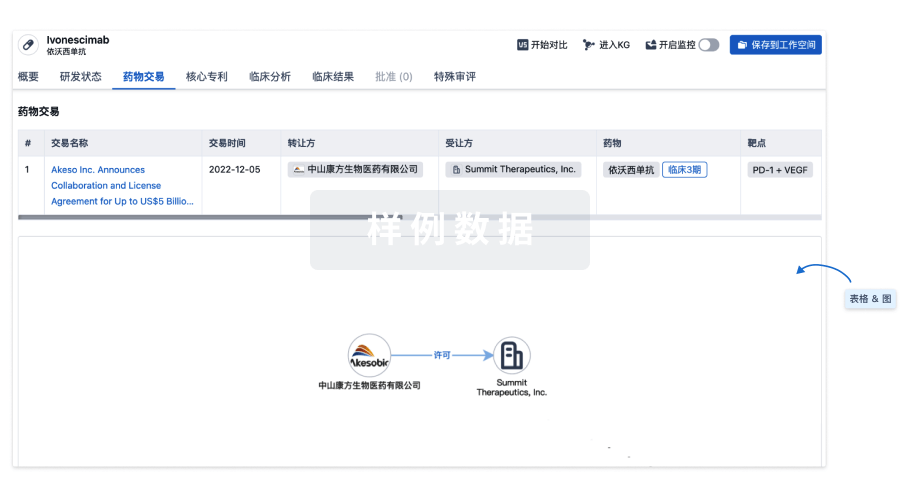
100 项与 TLR7/8激动剂(四川科伦) 相关的药物交易
登录后查看更多信息
研发状态
10 条进展最快的记录, 后查看更多信息
登录
| 适应症 | 最高研发状态 | 国家/地区 | 公司 | 日期 |
|---|---|---|---|---|
| 肿瘤 | 临床前 | 中国 | 2024-03-21 |
登录后查看更多信息
临床结果
临床结果
适应症
分期
评价
查看全部结果
| 研究 | 分期 | 人群特征 | 评价人数 | 分组 | 结果 | 评价 | 发布日期 |
|---|
No Data | |||||||
登录后查看更多信息
转化医学
使用我们的转化医学数据加速您的研究。
登录
或
药物交易
使用我们的药物交易数据加速您的研究。
登录
或
核心专利
使用我们的核心专利数据促进您的研究。
登录
或
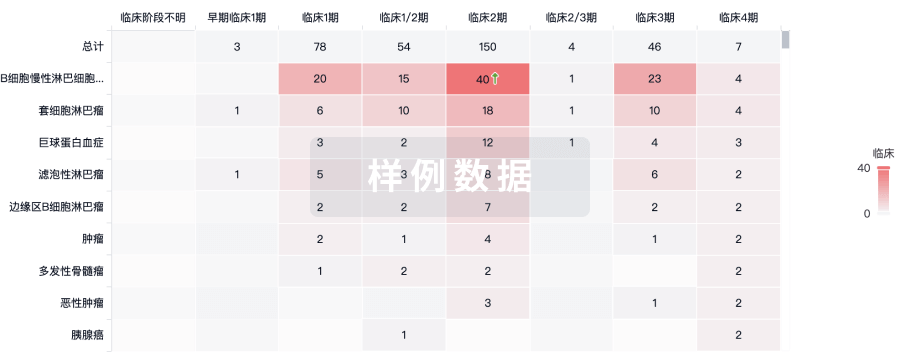
临床分析
紧跟全球注册中心的最新临床试验。
登录
或
批准
利用最新的监管批准信息加速您的研究。
登录
或
特殊审评
只需点击几下即可了解关键药物信息。
登录
或
提出任何生物医药研究问题
让每一步生物医药决策都精准制胜
基于十亿级生物数据与全球情报的精准 AI,赋能早期药物发现
立即开始免费试用!
智慧芽新药情报库是智慧芽专为生命科学人士构建的基于AI的创新药情报平台,助您全方位提升您的研发与决策效率。
立即接入生物医药数据包
智慧芽新药库数据也通过智慧芽开放平台,以MCP或API服务形式对外开放。立即使用我们的MCP服务定制您的LLM智能体。
生物序列数据库
生物药研发创新
免费使用
化学结构数据库
小分子化药研发创新
免费使用