预约演示
更新于:2026-01-17
BMS-986090
更新于:2026-01-17
概要
基本信息
药物类型 单克隆抗体 |
别名 Anti-CD40 dab、Anti-CD40 monoclonal antibody、Anti-CD40-dab + [1] |
靶点 |
作用方式 抑制剂 |
作用机制 CD40抑制剂(肿瘤坏死因子受体超家族成员5抑制剂) |
治疗领域- |
在研适应症- |
非在研适应症- |
在研机构- |
权益机构- |
最高研发阶段终止临床1期 |
首次获批日期- |
最高研发阶段(中国)- |
特殊审评- |
登录后查看时间轴
关联
1
项与 BMS-986090 相关的临床试验NCT02079480
Double-Blinded, Randomized, Placebo-Controlled, Single Ascending Dose and Multiple Dose Study to Evaluate the Safety, Tolerability, Pharmacokinetics and Pharmacodynamics of BMS-986090 in Healthy Subjects
100 项与 BMS-986090 相关的临床结果
登录后查看更多信息
100 项与 BMS-986090 相关的转化医学
登录后查看更多信息
100 项与 BMS-986090 相关的专利(医药)
登录后查看更多信息
40
项与 BMS-986090 相关的文献(医药)2025-06-01Arthritis & Rheumatology
Outcome of Patients With Lupus Nephritis Treated With an Anti‐CD40 Monoclonal Antibody According to Kidney Biopsy Features
Article
作者: Simone Deutschel ; Martina Uzzo ; Helmut Schumacher ; Ingeborg Bajema ; Juergen Steffgen ; David Jayne
Objective:
A phase 2 trial tested different doses of the anti‐CD40 monoclonal antibody BI 655064 as an add‐on therapy to the standard of care in patients with class III or IV lupus nephritis (LN) with active disease. A post hoc analysis showed a potential benefit of the higher tested doses (180 and 240 mg) versus a low dose (120 mg) or placebo. We investigated whether the treatment effect of BI 655064 on kidney outcomes may be modified by the presence of glomerular monocytes, a target for this drug with a well‐known role in LN pathogenesis.
Methods:
One hundred one renal biopsies of patients with LN enrolled in the BI 655064 trial were scored centrally. The estimated glomerular filtration rate (eGFR), spot urine protein/urine creatinine ratio (UP/UC), and complete renal response (CRR) were evaluated over 52 weeks. Patients were divided according to a “better” or “worse” performance than the average of all patients in the cohort, predicted by a mixed model for repeated measurements. Logistic regression models adjusted for potential confounders were used to assess the association between different treatment doses and outcomes according to the presence or absence of monocytes.
Results:
A higher BI 655064 dose (180 or 240 mg) was associated with better outcomes of UP/UC and CRR when glomerular monocytes were present in kidney biopsy samples (odds ratio [OR] 3.66 [95% confidence interval (CI) 1.09–12.3], P = 0.04; OR 4.58 [95% CI 1.24–16.9], P = 0.02). A trend toward improved eGFR was also observed in these patients (at 52 weeks, P = 0.08).
Conclusion:
In LN kidney biopsy samples with glomerular monocytes, high‐dose BI 655064 treatment improved proteinuria at 52 weeks and resulted in a higher CRR compared to biopsy samples without glomerular monocytes. Histologic features may guide the choice of treatment for individual patients with LN.image
2020-09-01Veterinary ophthalmology4区 · 农林科学
Anti‐CD40 monoclonal antibody ameliorates experimental autoimmune uveoretinitis in mice
4区 · 农林科学
Article
作者: Pan, Yongquan ; Jin, Lei ; Tian, Na ; He, Mingzhong ; Chen, Feilan ; Xu, Lei ; Gao, Jie
Abstract:
Objective:
To investigate the effects of CD40 on ocular inflammation in experimental autoimmune uveoretinitis (EAU) in B10.RIII mice.
Animals studied:
EAU‐susceptible B10.RIII mice were subcutaneously immunized with interphotoreceptor retinoid‐binding protein (IRBP) 161‐180 in complete Freund's adjuvant and evaluated clinically and pathologically on days 7, 14, 21, 28, and 35 postimmunization. Anti‐CD40 antibody was intraperitoneally injected into mice every other day from days 7 to 14 postimmunization. Phosphate‐buffered saline (PBS)‐injected EAU mice were used as the controls.
Procedures:
The frequencies of CD11c+CD40+ dendritic cells (DCs), CD11c+MHC‐II+ DCs, and CD11c+CD40+MHC‐II+ DCs in splenocytes were evaluated by flow cytometry on days 0, 7, 14, and 21 after immunization. Tumor necrosis factor (TNF)‐α and interleukin (IL)‐6 production in CD11c+ DCs was assessed by ELISA. IRBP‐specific lymphocyte proliferation was assessed using a modified MTT cell proliferation assay.
Results:
The number of CD11c+CD40+ DCs, CD11c+MHC‐II+ DCs, and CD11c+CD40+MHC‐II+ DCs increased at the onset of EAU, peaked at the height of disease severity, and was sustained at a high level until day 21. Treatment with anti‐CD40 antibody significantly alleviated clinical and pathological activities related to EAU. Compared with the control mice, antibody‐treated EAU mice showed few CD11c+CD40+ DC and CD11c+CD40+MHC‐II+ DC frequencies in splenocytes. The anti‐CD40 antibody significantly suppressed IRBP‐specific lymphocyte proliferation and TNF‐α and IL‐6 production by DCs in EAU mice.
Conclusions:
The increased expression of CD40 and major histocompatibility complex (MHC) class II molecules in the splenocytes of EAU mice were correlated with inflammatory activity. Anti‐CD40 treatment can significantly attenuate EAU activity by inhibiting systemic IRBP‐specific immune responses.
2016-06-01Cancer cell1区 · 医学
Therapeutic Activity of Agonistic, Human Anti-CD40 Monoclonal Antibodies Requires Selective FcγR Engagement
1区 · 医学
Article
作者: Li, Fubin ; Yamniuk, Aaron P ; Korman, Alan J ; Barnhart, Bryan C ; Dahan, Rony ; Ravetch, Jeffrey V
While engagement of the inhibitory Fcγ-receptor (FcγR) IIB is an absolute requirement for in vivo antitumor activity of agonistic mouse anti-CD40 monoclonal antibodies (mAbs), a similar requirement for human mAbs has been disputed. By using a mouse model humanized for its FcγRs and CD40, we revealed that FcγRIIB engagement is essential for the activity of human CD40 mAbs, while engagement of the activating FcγRIIA inhibits this activity. By engineering Fc variants with selective enhanced binding to FcγRIIB, but not to FcγRIIA, significantly improved antitumor immunity was observed. These findings highlight the necessity of optimizing the Fc domain for this class of therapeutic antibodies by using appropriate preclinical models that accurately reflect the unique affinities and cellular expression of human FcγR.
1
项与 BMS-986090 相关的新闻(医药)2018-08-22
100 项与 BMS-986090 相关的药物交易
登录后查看更多信息
研发状态
登录后查看更多信息
临床结果
临床结果
适应症
分期
评价
查看全部结果
登录后查看更多信息
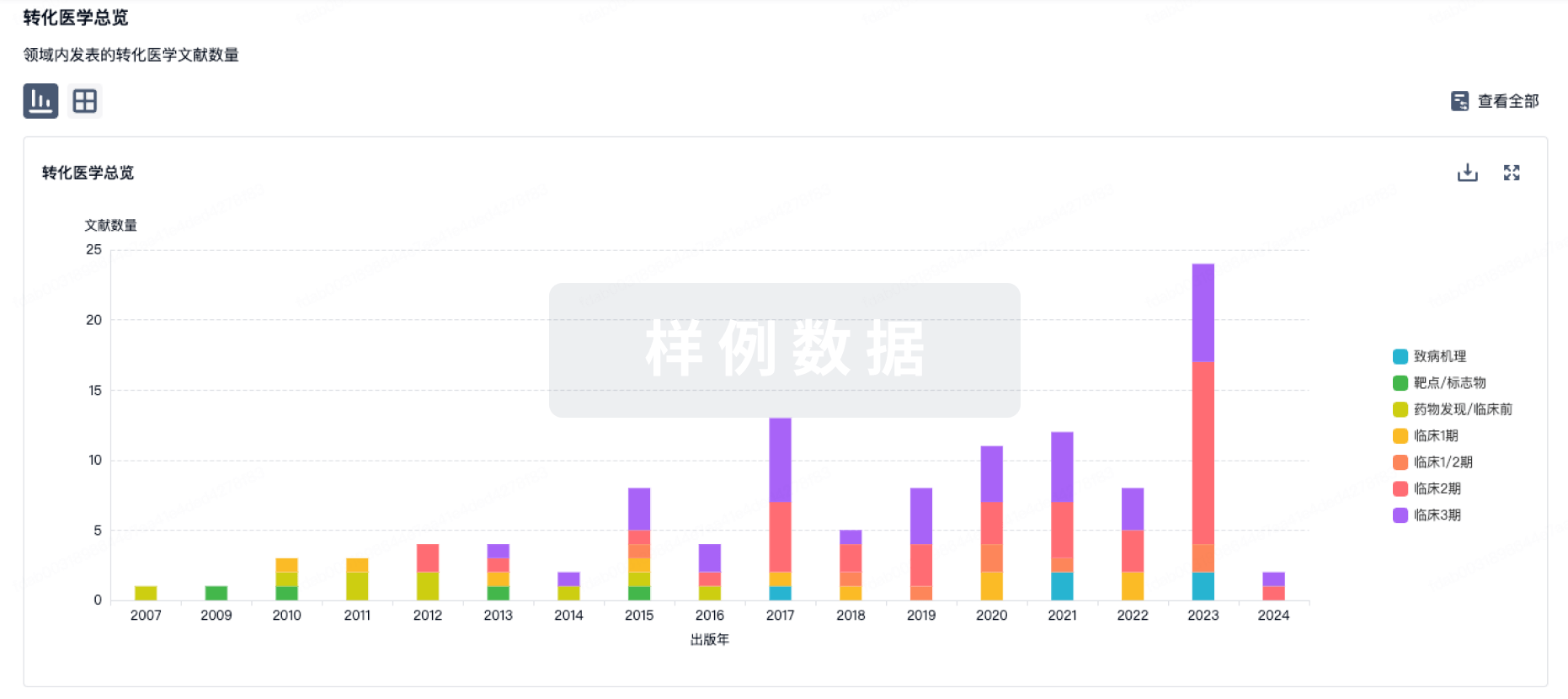
转化医学
使用我们的转化医学数据加速您的研究。
登录
或
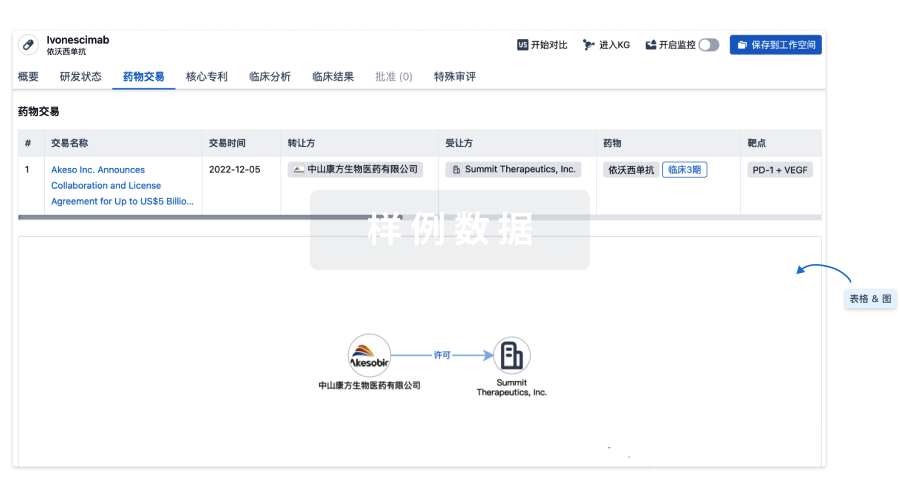
药物交易
使用我们的药物交易数据加速您的研究。
登录
或
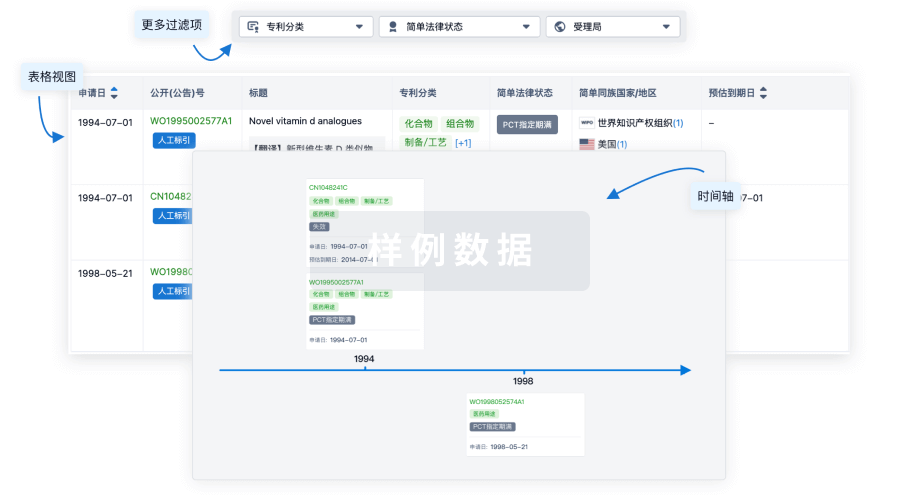
核心专利
使用我们的核心专利数据促进您的研究。
登录
或
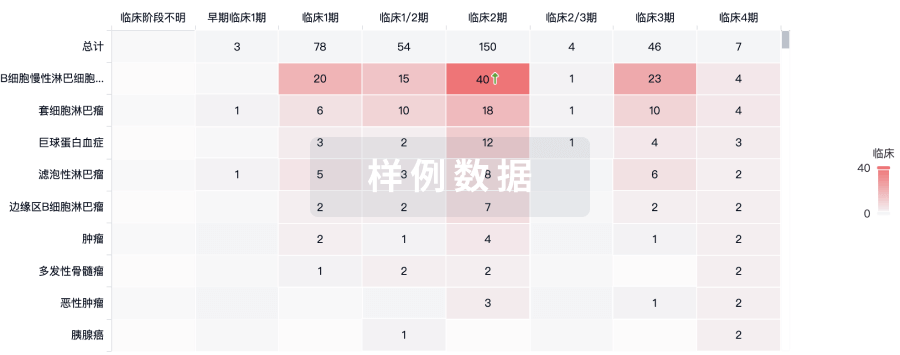
临床分析
紧跟全球注册中心的最新临床试验。
登录
或
批准
利用最新的监管批准信息加速您的研究。
登录
或
生物类似药
生物类似药在不同国家/地区的竞争态势。请注意临床1/2期并入临床2期,临床2/3期并入临床3期
登录
或
特殊审评
只需点击几下即可了解关键药物信息。
登录
或
生物医药百科问答
全新生物医药AI Agent 覆盖科研全链路,让突破性发现快人一步
立即开始免费试用!
智慧芽新药情报库是智慧芽专为生命科学人士构建的基于AI的创新药情报平台,助您全方位提升您的研发与决策效率。
立即开始数据试用!
智慧芽新药库数据也通过智慧芽数据服务平台,以API或者数据包形式对外开放,助您更加充分利用智慧芽新药情报信息。
生物序列数据库
生物药研发创新
免费使用
化学结构数据库
小分子化药研发创新
免费使用