预约演示
更新于:2025-08-02
Domoic acid
更新于:2025-08-02
概要
基本信息
非在研机构- |
权益机构- |
最高研发阶段临床前 |
首次获批日期- |
最高研发阶段(中国)- |
特殊审评- |

关联
2
项与 Domoic acid 相关的临床试验NCT05633667
A Phase 2 Platform Study Evaluating the Safety and Efficacy of Novel Treatment Combinations in Patients With Lung Cancer (VELOCITY-Lung)

CTRI/2022/12/048631
A Prospective, Randomized, Open-label, Parallel-group, Investigator-initiated Study to Evaluate and Compare the Safety and Effectiveness of Digifine Capsule coadministered with FDC of Pantoprazole plus Domperidone or Pantoprazole versus FDC of Pantoprazole plus Domperidone and Pantoprazole in Management of Patients with Functional dyspepsia.
100 项与 Domoic acid 相关的临床结果
登录后查看更多信息
100 项与 Domoic acid 相关的转化医学
登录后查看更多信息
100 项与 Domoic acid 相关的专利(医药)
登录后查看更多信息
1,220
项与 Domoic acid 相关的文献(医药)2025-10-01WATER RESEARCH
The internal and external reverse-reduction pathway involved in the degradation of free DNA bases during advanced oxidation processes
Article
作者: Cheng, Shuangshuang ; Yang, Xin ; Li, Yuxin ; Cui, Rui ; Sun, Yuehong ; Song, Zilong ; Zhou, Yangjian
The degradation kinetics and mechanism of four free bases were comparatively investigated during UV/H2O2 and UV/PDS water treatment processes. The UV/PDS system demonstrated superior removal efficiency for all four bases compared to the UV/H2O2 process. Pyrimidine bases (cytosine and thymine) exhibited notably faster degradation rates than purine bases (adenine and guanine) in both advanced oxidation systems. Guanine (G) was then selected as a representative free base to investigate the internal and external reverse-reduction process. The time-resolved transient spectra shows that key intermediate product G(-H)• was formed in both processes, where this radical play critical role in initiating reverse-reduction process. During UV/H2O2 process, the G's antioxidant intermediates (e.g. 8-oxoG) trigger an internal reverse-reduction process, which can reduce G(-H)• back to their parent compounds. The second-order rate constant for the reaction between of G(-H)• and 8-oxoG was quantitatively determined to be (2.60 ± 0.12) × 108 M-1 s-1. Conversely, during the UV/PDS process, the reverse-reduction process of G(-H)• is predominantly governed by external inhibition mediated by dissolved organic matter (DOM), with no competing internal pathway observed. Specifically, intrinsic intermediate products generated during UV/H2O2 treatment initiate an internal reverse-reduction process, effectively suppressing DOM-driven external reduction. This may also explain why the degradation rates of free bases were lower in the UV/H₂O₂ system than in the UV/PDS system, and why DOM exhibited a stronger inhibitory effect on their degradation in the UV/PDS process compared to UV/H₂O₂. DFT calculations were conducted to verify the proposed mechanisms, which were applicable to the four studied bases. Studying both internal and external reverse-reduction processes can significantly enhance the understanding of compounds transformation pathways and enhance the accuracy of predicting degradation rates in real-world aqueous systems.
2025-09-01WATER RESEARCH
Hormetic effect of dissolved organic matter from pig manure anaerobic digestion effluents on Chlorella sp.: Physiological and transcriptomic responses
Article
作者: Zhang, Qi ; Liu, Yuhuan ; Yu, Zhigang ; Ruan, Roger ; Wang, Yunpu ; Gu, Zhiqiang ; Liu, Cuixia ; Li, Yuan ; Fan, Boyou ; Cui, Xian ; Zhu, Liandong
Microalgae-based biotreatment offers a sustainable and efficient solution for managing pig manure anaerobic digestion effluents (PMADE), a byproduct of intensive agricultural practices. Dissolved organic matter (DOM) in PMADE significantly influences microalgal physiological responses; however, the underlying mechanisms remain poorly understood. Here, we reveal a hormetic effect of DOM in PMADE on Chlorella sp. Moderate DOM concentrations (1000-1500 mg/L of COD) alleviated ammonium toxicity and promoted microalgal growth, whereas higher concentrations (>2000 mg/L of COD) exerted severe inhibitory effects. Through cascade extraction and targeted screening, we identified distinct impacts of five DOM fractions on Chlorella sp. Notably, low-molecular-weight acids and nitrogenous compounds, primarily dipeptides in the fractions, exhibited a promoting effect on growth by serving as carbon sources to enhance energy metabolism and protein synthesis. Among the fractions, antioxidant-active compounds further supported the growth by scavenging reactive oxygen species (ROS) and maintaining redox homeostasis. In contrast, fractions rich in alkanes and alkaloids, induced excessive ROS production under high concentrations, leading to impaired photosynthesis and severe DNA damage. Additionally, the substances such as humic acid and fulvic acid, as key components of PMADE, exhibited hormetic effects: at specific concentrations (humic acid<200 mg TOC/L; fulvic acid<100 mg TOC/L), they enhanced ROS scavenging, growth, photosynthesis and pigment accumulation, whereas exceeding these thresholds shifted their role from promotion to inhibition. Collectively, this study elucidates the dose-response relationship between DOM concentration and composition in relation to microalgal growth, identifies key DOM components influencing growth, and proposes targets for the selective removal of inhibitory DOM in PMADE.
2025-09-01JOURNAL OF HAZARDOUS MATERIALS
Performance comparison of O3 and O3/Peroxymonosulfate (PMS) advanced oxidation processes for the antibiotics removal in wastewater treatment
Article
作者: Hu, Jiangyong ; Zhang, Xinyang ; Wang, Zhennan
Previous studies have shown that O3/Peroxymonosulfate (PMS) outperforms O3 alone in treating refractory pharmaceuticals and personal care products. However, research on the removal of antibiotics using O3/PMS remains limited, and the effectiveness of this process in removing antibiotic-resistant bacteria (ARB) and antibiotic resistance genes (ARGs) remains unclear. In this study, the treatment performance of O3 and O3/PMS for antibiotic-containing wastewater were comprehensively compared, particularly on the effectiveness of O3/PMS in inactivating ARB and reducing ARGs abundance compared with O3. Within 15 min of treatment, O3/PMS removed up to 52.3 % more targeted antibiotics, 4.8 % more dissolved organic carbon, 2.7 % more UV254, and 18.8 % more dissolved organic matter (DOM) than O3. For ciprofloxacin-resistant and chloramphenicol-resistant bacteria, both O3 and O3/PMS showed a continuous decrease in concentration with increasing treatment time. For amoxicillin-resistant, tetracycline-resistant, and sulfamethoxazole-resistant bacteria, O3 showed an initial increase followed by a subsequent decrease, while O3/PMS showed a similar trend for tetracycline- and sulfamethoxazole- resistant bacteria, but a continuous decrease for amoxicillin-resistant bacteria. For ARGs, before 8 min, O3 treatment showed a higher relative abundance of targeted ARGs (0.01-0.31 ARGs/16S rRNA), mainly due to tetQ. After 8 min, O3/PMS treatment exhibited a higher relative abundance of ARGs/16S rRNA (0.04-0.05), primarily due to floR. At the phylum level, PMS addition increased Bacteroidota abundance while reducing Proteobacteria, Chloroflexota, and Myxococcota_A_473307. At the class level, PMS specifically promoted Alphaproteobacteria and Bacteroidia while inhibiting Gammaproteobacteria and UBA9160. Finally, the acute toxicity of O3/PMS-treated wastewater was 14.6 % lower than that of O3-treated wastewater at 2 min. However, after 6 min, the toxicity of O3/PMS-treated wastewater became significantly higher, with the largest difference (23.6 %) observed at 8 min. The results indicated that O3/PMS had an advantage over O3 in removing antibiotics, DOM, and controlling ARB. However, prolonged treatment increased ARGs diversity and concentration compared to O3 and significantly enhanced the acute toxicity of antibiotic-containing wastewater.
100 项与 Domoic acid 相关的药物交易
登录后查看更多信息
研发状态
10 条进展最快的记录, 后查看更多信息
登录
| 适应症 | 最高研发状态 | 国家/地区 | 公司 | 日期 |
|---|---|---|---|---|
| 癫痫 | 临床前 | 加拿大 | 2010-11-14 |
登录后查看更多信息
临床结果
临床结果
适应症
分期
评价
查看全部结果
登录后查看更多信息
转化医学
使用我们的转化医学数据加速您的研究。
登录
或
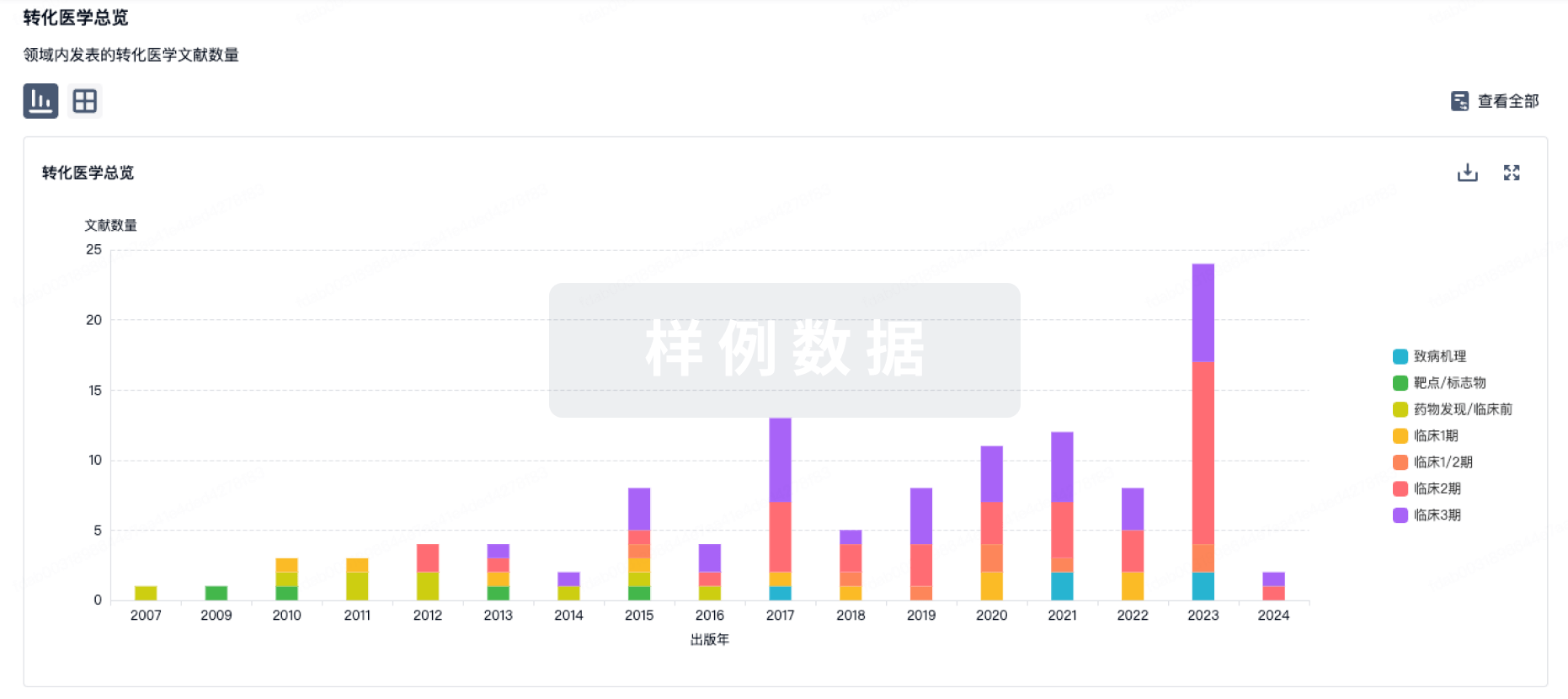
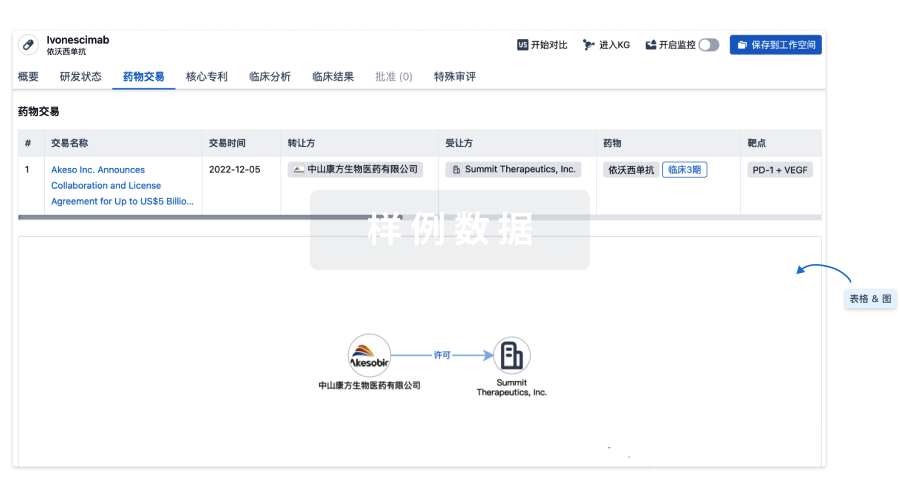
药物交易
使用我们的药物交易数据加速您的研究。
登录
或
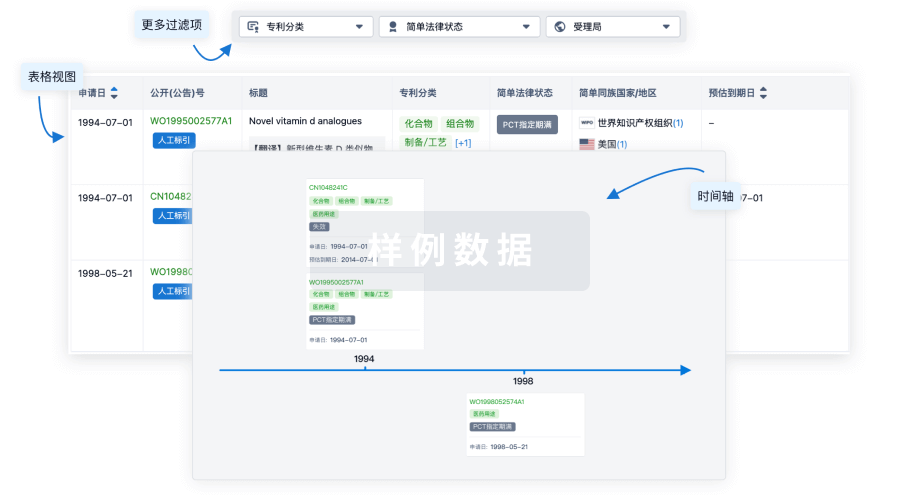
核心专利
使用我们的核心专利数据促进您的研究。
登录
或
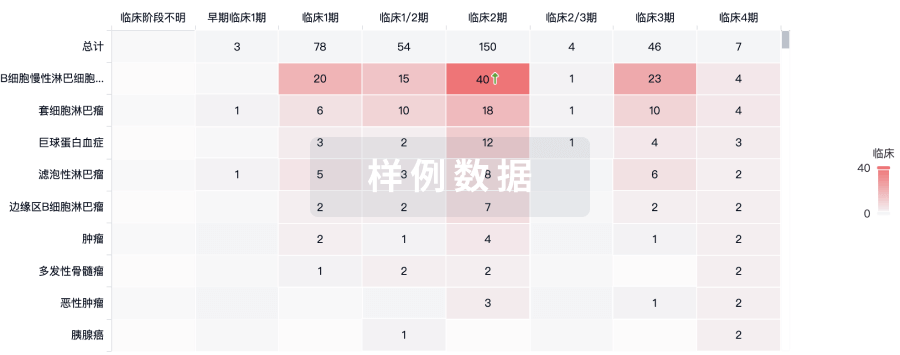
临床分析
紧跟全球注册中心的最新临床试验。
登录
或
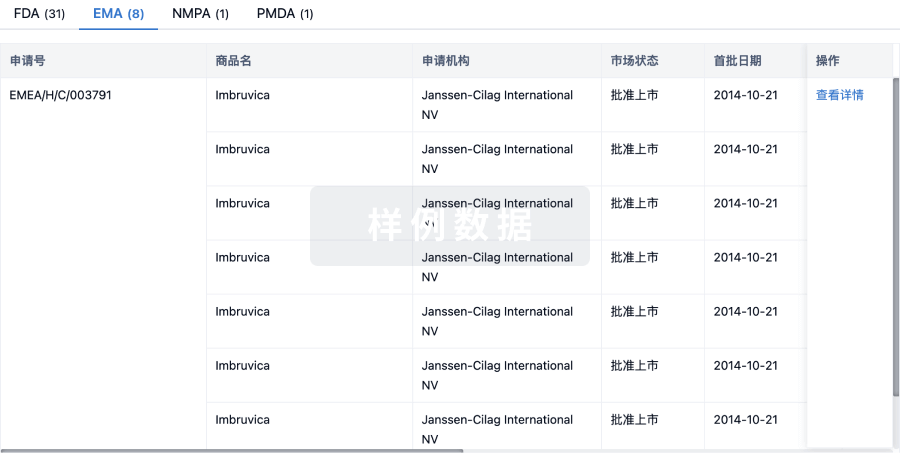
批准
利用最新的监管批准信息加速您的研究。
登录
或
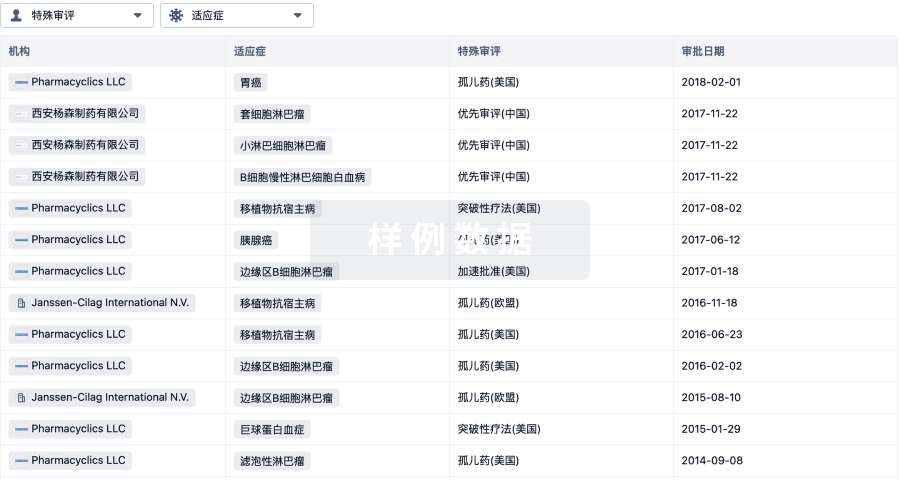
特殊审评
只需点击几下即可了解关键药物信息。
登录
或
生物医药百科问答
全新生物医药AI Agent 覆盖科研全链路,让突破性发现快人一步
立即开始免费试用!
智慧芽新药情报库是智慧芽专为生命科学人士构建的基于AI的创新药情报平台,助您全方位提升您的研发与决策效率。
立即开始数据试用!
智慧芽新药库数据也通过智慧芽数据服务平台,以API或者数据包形式对外开放,助您更加充分利用智慧芽新药情报信息。
生物序列数据库
生物药研发创新
免费使用
化学结构数据库
小分子化药研发创新
免费使用