预约演示
更新于:2026-09-17
PGN-EDO51
更新于:2026-09-17
概要
基本信息
药物类型 多肽-寡核苷酸偶联物 |
别名 Enhanced delivery peptide-oligonucleotide conjugate for Duchenne Muscular Dystrophy Exon 51、EDO-51、PGN EDO51 + [1] |
作用方式- |
作用机制- |
在研适应症 |
非在研适应症- |
原研机构 |
在研机构 |
非在研机构- |
权益机构- |
最高研发阶段临床申请批准 |
首次获批日期- |
最高研发阶段(中国)- |
特殊审评孤儿药 (美国)、罕见儿科疾病 (美国) |
登录后查看时间轴
结构/序列
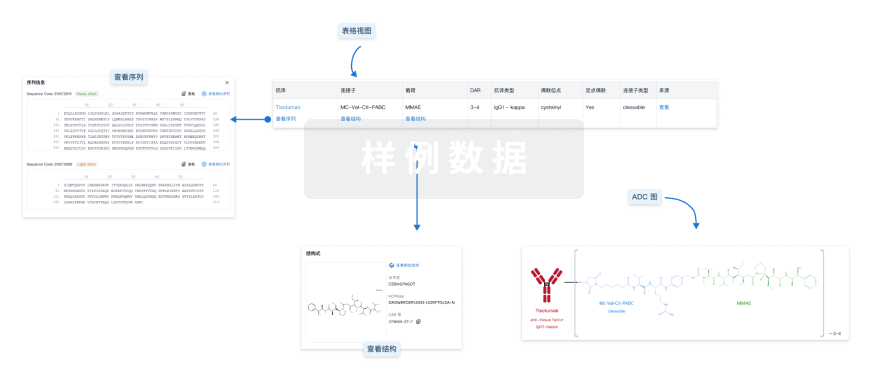
使用我们的ADC技术数据为新药研发加速。
登录
或
关联
2
项与 PGN-EDO51 相关的临床试验NCT06833931
A Phase 2, Randomized, Double-Blind, Placebo-Controlled, Multiple Ascending Dose Study of PGN-EDO51 With a Long-Term Extension in Participants With Duchenne Muscular Dystrophy Amenable to Exon 51-Skipping Treatment (CONNECT2-EDO51)
The study consists of 3 periods: A Screening Period (up to 45 days), a double-blind, placebo-controlled Multiple Ascending Dose (MAD) Period (28 weeks), and a Long-Term Extension (LTE) Period (108 weeks).
The primary purpose of the MAD period is to evaluate the safety and tolerability and levels of dystrophin after multiple ascending intravenous (IV) doses of PGN-EDO51 administered to participants with Duchenne muscular dystrophy (DMD). During the MAD period, participants will be randomized to either receive PGN-EDO51 or placebo in a 3:1 fashion, meaning that participants have a 75% chance of receiving PGN-EDO51 and a 25% chance of receiving placebo during this period. The primary purpose of the open-label LTE period is to evaluate the long-term safety and tolerability of PGN-EDO51 in participants who have completed the MAD period. All participants who roll-over into the LTE will receive PGN-EDO51 (no placebo in the LTE).
The primary purpose of the MAD period is to evaluate the safety and tolerability and levels of dystrophin after multiple ascending intravenous (IV) doses of PGN-EDO51 administered to participants with Duchenne muscular dystrophy (DMD). During the MAD period, participants will be randomized to either receive PGN-EDO51 or placebo in a 3:1 fashion, meaning that participants have a 75% chance of receiving PGN-EDO51 and a 25% chance of receiving placebo during this period. The primary purpose of the open-label LTE period is to evaluate the long-term safety and tolerability of PGN-EDO51 in participants who have completed the MAD period. All participants who roll-over into the LTE will receive PGN-EDO51 (no placebo in the LTE).
开始日期2024-12-17 |
申办/合作机构 |
NCT06079736
A Phase 2, Open-Label, Multiple Ascending Dose Study of PGN-EDO51 With a Long-Term Extension in Participants With Duchenne Muscular Dystrophy Amenable to Exon 51-Skipping Treatment (CONNECT1-EDO51)
The study consists of 3 periods: A Screening Period (up to 45 days), a Multiple Ascending Dose (MAD) Period (16 weeks), and a Long-Term Extension (LTE) Period (108 weeks).
The primary purpose of the MAD period is to evaluate the safety and tolerability of multiple ascending intravenous (IV) doses of PGN-EDO51 administered to participants with Duchenne Muscular Dystrophy (DMD). The primary purpose of the LTE period is to evaluate the long-term safety and tolerability of PGN-EDO51 in participants who have completed the MAD period.
The primary purpose of the MAD period is to evaluate the safety and tolerability of multiple ascending intravenous (IV) doses of PGN-EDO51 administered to participants with Duchenne Muscular Dystrophy (DMD). The primary purpose of the LTE period is to evaluate the long-term safety and tolerability of PGN-EDO51 in participants who have completed the MAD period.
开始日期2024-01-03 |
申办/合作机构 |
100 项与 PGN-EDO51 相关的临床结果
登录后查看更多信息
100 项与 PGN-EDO51 相关的转化医学
登录后查看更多信息
100 项与 PGN-EDO51 相关的专利(医药)
登录后查看更多信息
82
项与 PGN-EDO51 相关的新闻(医药)2026-08-29
杜氏肌营养不良症(DMD)作为罕见的遗传性肌肉疾病,长期以来缺乏根治手段,传统外显子跳跃药物受制于递送效率不足,治疗效果始终存在瓶颈。如今新一代创新药物的问世,为患者带来了全新希望,其核心突破就是给治疗药物装上了精准制导系统,而转铁蛋白受体1(TfR1),就是这套导航系统的核心识别靶点。
这项颠覆性技术被称作抗体-寡核苷酸偶联物(AOC),巧妙融合了抗体的靶向导航能力与寡核苷酸的基因调控治疗功能,彻底告别了老一代药物“广撒网、靠运气命中病灶”的困境,大幅提升药物在肌肉组织中的富集浓度与作用效率,同时有效降低全身给药带来的毒副作用。
这套如同制导导弹的治疗机制,运作逻辑十分清晰。药物的抗体片段作为导航系统,能够精准识别肌肉细胞表面大量存在的TfR1,就像锁定了专属门牌号。药物进入人体循环后,抗体会主动寻找并结合肌肉细胞膜上的受体,借助细胞的内吞作用,将整个药物分子转运进细胞内部。进入细胞后,药物释放出发挥核心治疗作用的寡核苷酸,进入细胞核调控基因剪接,指令细胞跳过基因中发生突变出错的外显子片段,重新合成具备正常功能的抗肌萎缩蛋白,从根源上改善肌肉损伤。
目前基于这套AOC靶向技术研发的两款领先候选药物,已经展现出令人振奋的临床数据,成为DMD治疗领域的标杆性成果。其中Avidity Biosciences研发的Del-Zota,专门针对外显子44跳跃设计,临床试验数据显示,患者运动功能得到明显改善,抗肌萎缩蛋白表达水平恢复至正常人体的25%至58%,肌肉损伤相关生物标志物显著下降。另一款由Dyne Therapeutics开发的DYNE-251,聚焦外显子51跳跃治疗,目前已获得欧盟孤儿药认定,临床阶段同样实现患者功能改善,企业计划在2026年初向美国FDA提交加速批准申请。两款药物均验证了AOC技术平台的巨大潜力,这套精准递送技术未来还可拓展应用于其他外显子缺失型DMD,乃至更多肌肉相关罕见病的治疗。
除了成熟的AOC抗体靶向递送方案,科研界也在持续探索其他优化药物递送的前沿方向,不断拓宽DMD的治疗路径。肽偶联技术就是其中之一,科研人员用短链氨基酸肽替代抗体作为导航载体,代表性候选药物如PGN-EDO51、SRP-5051,同样致力于提升药物进入肌肉细胞的效率。与此同时,RNA编辑技术也迎来重要突破,我国原创的LEAPER技术另辟蹊径,无需对DNA进行直接编辑,借助细胞自身天然存在的RNA编辑酶,在RNA层面完成错误片段的跳过修复,恢复蛋白正常功能。该技术体系精简,无需额外递送外源编辑蛋白,理论上能够覆盖约八成的DMD患者,具备广阔的应用前景。
从传统被动扩散给药,到如今主动靶向精准打击,DMD外显子跳跃治疗正式迈入精准化时代。AOC为代表的新一代递送技术,解决了长期困扰领域的肌肉靶向递送难题,随着多款候选药物陆续推进临床审批,越来越多的罕见病患者,有望迎来疗效更优、安全性更高的治疗选择,也为整个神经肌肉疾病的创新药物研发,提供了全新的技术思路。
2026-08-21
·今日头条
7-8月,A股创新药板块反弹超30%,10家上市公司批量披露临床获批、管线推进、大额融资等实质性进展,市场情绪迅速升温。但我想先泼一盆冷水:
这份密集的利好清单,更像是一叠“体检挂号单”,而不是“出院通知书”。
A股创新药板块近期走势K线图
这不是在否定这些公司的研发进展,而是在说一件事——在创新药行业,从拿到临床批件到最终实现商业化盈利,中间的失败率超过90%。获批临床只是漫长淘汰赛的起点,不是终点。下面就把这份化验单摊开,看看光鲜的公告背后,到底藏着哪些不写在新闻标题里的风险。
个体标本:公告里没明说,但招股书和财报里写得很清楚
这10家公司里,有几家的情况特别值得拿出来当“标本”解剖——不是因为这些公司不好,恰恰是因为它们的风险结构最典型,能帮我们看清楚整个行业不同赛道的病理。
泽璟制药
是这轮“研发利好”里市场关注度最高的一家。公司上半年营收12.04亿元,净利润6.40亿元,首次实现半年度扭亏,核心管线ZG006(DLL3/CD3三抗)早期临床数据亮眼。
但翻开港交所招股书,硬伤医意的风险提示有三层:第一,ZG006所处的多抗赛道,全球行业预期已明显回归理性,安进、罗氏此前均终止过部分多抗项目,百利天恒甚至在最新招股书中主动移除了三款四抗管线。
多抗的工艺难度和毒副作用控制是结构性瓶颈,不是靠堆研发投入就能解决的。第二,另一核心管线ZG005(PD-1/TIGIT双抗)的II期PFS获益,不能直接等同于OS金标准获益——历史上多款PD-1药物都出现过“PFS显著、OS无明显提升”的翻车案例。
第三,公司还存在未决的美国知识产权商业秘密诉讼,一旦败诉,核心管线可能面临法律风险。
百利天恒
的化验单同样值得细看。公司手握宜泽康(EGFR×HER3双抗ADC)这款已获批的重磅产品,管线里还有BL-M14D1(DLL3 ADC)全球III期临床推进,看上去是“创新药优等生”。但招股书披露:2025年全年净亏损10.54亿元,2026年一季度继续亏损。
更关键的是,公司主动移除了3款四抗在研产品,仅保留1款自免领域多抗——这意味着在烧了多年研发费用后,多抗方向几乎全线收缩。创新药公司的管线瘦身,本身就是一种“沉默的风险提示”。
石药创新
上半年营收同比暴增208.72%,净利润同比增长460倍,看起来很漂亮。但财报里明确指出,当期97.22%的毛利率与大额授权首付款的收入结构相关,后续产品销售的毛利率能否长期维持,仍有待观察。
换句话说,这轮业绩爆发是BD交易的一次性脉冲,不是内生增长的常态。
上海谊众
的情况更直观。YXC-001和YXC-002两款创新药相继获批临床,公告里直接写了标准风险提示:从临床试验到获批上市周期长,产品能否最终上市及上市时间存在不确定性。这不是套话,而是行业铁律——从拿到临床批件到最终获批上市,整体成功率约10%。
赛道化验单:临床批件和商业化成功之间,隔着悬崖
上面看的是个体标本,接下来看赛道本身。不同技术路线的临床失败率差异巨大,但有一个共同点:
拿到临床批件只是起点,真正能走完整条商业化路径的,少之又少。
siRNA核酸药
:临床阶段失败率超过90%。核心瓶颈不是科学问题,而是递送技术——药物能不能精准到达目标细胞并在那里持续发挥作用。肝外适应症(肿瘤、CNS、肌肉疾病等)的临床终止率极高,历史上进入临床的肿瘤靶向siRNA项目几乎全部未实现商业化落地。2025年,PepGen终止了DMD适应症siRNA项目PGN-EDO51,原因是现有药效暴露量不足以带来有意义的患者获益。石药创新与阿斯利康合作的正是肝外递送小核酸药物,属于这条赛道上最难的那一段。
ADC药物
:临床阶段失败率85%-90%。2026年7月,辉瑞全面终止与和铂医药、宜联生物合作的间皮素ADC药物HBM9033全球研发;同年二季度,辉瑞确认另一款ADC药物sigvotatug vedotin临床失败,相关资产减值38亿美元。近两年,默沙东分批退回从科伦博泰引进的多款ADC资产,原因是赛道拥挤、无差异化竞争优势。
小分子创新药
:临床阶段失败率80%-85%,相对最优,但风险依然高企。2026年8月,贝达药业联合开发的小分子眼科创新药EYP1901全球III期临床未达到非劣效终点,贝达药业当日20%跌停,市值单日蒸发近60亿元。
中药创新药
:暂无公开行业失败率统计,但整体商业化节奏显著慢于化药和生物药。康缘药业芪黄正气颗粒获批临床,仅是癌因性疲乏适应症的早期探索,离形成收入还有漫长的距离。
行业共病:外因有解,内因才是决定生死的变量
把个体标本和赛道数据放在一起,你会发现一个更深的病灶:
这个行业真正的风险,不全是外部环境造成的。
外部因素当然存在。2026年8月国家医保局发布的“十五五”规划,明确对无突破性创新的产品建立严格价格约束,同靶点扎堆产品将面临更高的降价压力。
截至2025年底,国内在研创新药4751个,排名前20的热门靶点累计申报项目716项,GLP-1、CD19等靶点在研管线均突破百个。部分同质化管线的净现值已小于0,意思是研发投入可能永远收不回来。
但外部环境的压力,本质上是一个筛选机制——它会把那些真正有临床价值的创新筛出来,淘汰掉扎堆跟风的管线。真正让行业“生病”的,是内因:
创新药本身的高失败率、低商业化回报率,以及大量企业在早期临床阶段就被资本市场当成了“准成功”来定价。
7-8月这轮反弹,承接的资金多为AI硬件板块流出的短期交易型资金,后续存在回流AI赛道的虹吸压力。管线进展不及预期的企业,将面临估值快速回调的风险。这不是预言,而是这个行业反复上演的剧本。
预后判断:哪些公司有可能在调整中站稳,哪些在倒计时
读完这些化验单,读者最关心的问题来了:这10家公司的“利好”到底有多大含金量?
我的判断是分层级的:
第一层,已有商业化产品支撑、管线进度靠后的企业
,如恒瑞医药(立康可泮获批上市,已有成熟商业化体系)和百利天恒(宜泽康已商业化,正在推进全球多适应症布局),它们承受的研发失败冲击相对可控,因为已有产品在创造现金流,早期管线失败不会动摇根基。
第二层,靠BD首付款做出漂亮业绩、但内生增长尚未验证的企业
,如石药创新和泽璟制药,它们在短期内交出了亮眼的财报,但业绩的持续性高度依赖后续管线的临床推进和商业化落地。一旦核心管线临床数据不及预期,或者合作方退货,业绩和估值将面临双重压力。
第三层,仍处于临床早期、管线高度集中的企业
,如上海谊众和热景生物,它们的股价弹性最大,但风险也最高——因为每一款药从临床批件到上市的成功率都只有10%左右,多款管线同时失败的概率并非不可能。
但需要明确,
预后的分野不是简单地给企业贴“好”或“坏”的标签
,而是看同一个指标在不同企业身上意味着什么。
同样是“临床获批”,对于已有现金流支撑、管线布局分散的企业,它是一次正常的研发推进;对于管线集中、依靠融资输血的企业,它是一次高风险的赌博——赌赢了可能翻盘,赌输了可能出局。区别就在这里。
这个行业的真实处境是:局部企稳,但结构性风险远未出清。
同质化管线在医保控费压力下会被加速淘汰,真正有差异化临床价值的创新药才有生存空间。那些在公告里没写出来的风险——临床失败率、赛道拥挤度、资金持续性——才是决定这些公司最终命运的真正变量。
财报抗体药物偶联物优先审批引进/卖出临床1期
2026-06-16
Peptide-Oligonucleotide Conjugates Industry Report
肽-寡核苷酸偶联物(Peptide-Oligonucleotide Conjugates, POC)是核酸药物递送技术的重要分支,通过将寡核苷酸(siRNA、ASO、PMO等)与肽类分子偶联,实现靶向递送、增强细胞摄取和改善药代动力学特性。本报告系统梳理了全球POC领域的主要公司、技术平台、研发管线和核心团队,为行业研究和投资决策提供参考。
截至2026年6月,全球寡核苷酸领域已形成以欧美为主导、中国和日本快速跟进的竞争格局。技术路线主要包括:
GalNAc偶联技术(肝靶向);
细胞穿透肽(CPP)偶联技术(肌肉等组织靶向);
抗体-寡核苷酸偶联(AOC)技术(组织特异性靶向);
其他新型偶联技术。
重点公司包括:PepGen(EDO平台)、Avidity Biosciences(AOC平台,已被诺华收购)、Entrada Therapeutics(EEV平台)、Arrowhead Pharmaceuticals(TRiM平台)、Ionis Pharmaceuticals(ASO龙头)、瑞博生物、圣诺制药、PeptiDream(日本大环肽龙头)等。
01
行业概述
1.1 POC技术定义与分类
肽-寡核苷酸偶联物(Peptide-Oligonucleotide Conjugates, POC)是通过化学连接键将肽类分子与寡核苷酸(包括siRNA、ASO、PMO、saRNA等)结合形成的新型分子。POC技术旨在解决核酸药物面临的核心挑战:递送效率低、组织特异性差、细胞摄取不足和稳定性问题。
根据肽的功能和作用机制,POC技术可分为以下几类:
靶向肽偶联:利用肽的靶向特性将寡核苷酸递送至特定组织或细胞(如GalNAc类似的肝靶向肽)
细胞穿透肽(CPP)偶联:利用CPP的跨膜转运能力增强寡核苷酸的细胞摄取
内体逃逸肽偶联:帮助寡核苷酸从内体中释放到细胞质,发挥药效
多功能肽偶联:同时具备靶向、穿透和逃逸等多种功能
1.2 市场规模与发展趋势
随着核酸药物的快速发展,POC技术作为关键的递送解决方案,市场规模持续增长。根据市场研究报告,全球POC整体市场规模预计将在2030年达到50亿美元以上。
行业发展趋势包括:
从肝靶向向肝外组织(肌肉、CNS、肺、肾脏等)拓展;
从单一功能肽向多功能肽偶联物发展;
AI辅助肽设计和优化;
新型连接化学和可控释放技术;
CDMO服务专业化和规模化。
02
技术路线分类
2.1 细胞穿透肽(CPP)偶联技术
细胞穿透肽(Cell-Penetrating Peptides, CPP)是一类能够穿透细胞膜的短肽(通常5-30个氨基酸),能够将各种 cargo(包括寡核苷酸)递送到细胞内。CPP-POC技术主要用于解决肝外组织(如肌肉、CNS)的递送问题。
CPP技术的发展经历了三代:第一代(如TAT、Penetratin)存在毒性和免疫原性问题;第二代(如寡聚精氨酸)改善了安全性;第三代(如环肽、可激活CPP)进一步提高了靶向性和安全性。代表公司包括PepGen(EDO平台)、Entrada Therapeutics(EEV平台)、Sarepta(PPMO平台)等。
2.2 抗体-寡核苷酸偶联(AOC)技术
抗体-寡核苷酸偶联物(Antibody-Oligonucleotide Conjugates, AOC)将单克隆抗体的靶向特异性与寡核苷酸的基因调控能力结合,实现组织和细胞类型特异性的基因沉默或编辑。AOC技术代表了POC领域的前沿方向。
AOC技术的关键挑战包括:连接子的稳定性、抗体的内吞效率、寡核苷酸的内体逃逸、分子量和免疫原性。代表公司包括Avidity Biosciences(已被诺华以58亿美元收购)、Dyne Therapeutics等。
2.3 其他偶联技术
除上述主要技术路线外,还有多种新型偶联技术在开发中:
大环肽偶联:利用大环肽的高亲和力和稳定性,代表公司如PeptiDream(PDPS平台)
环肽偶联:环肽具有更好的稳定性和靶向性,代表公司如Fujifilm
多功能肽偶联:同时包含靶向、穿透和逃逸功能的肽
刺激响应型肽偶联:在特定微环境(如肿瘤pH、酶)下激活
肽-脂质纳米颗粒(LNP)复合递送:肽与LNP结合的混合系统
03
全球主要POC公司详细介绍
3.1 欧美上市公司
3.1.1 PepGen Inc.(NASDAQ: PEPG)
【公司简介】
PepGen是一家临床阶段的生物技术公司,专注于开发下一代寡核苷酸疗法,用于治疗严重的神经肌肉和神经系统疾病。公司总部位于美国马萨诸塞州波士顿,成立于2018年(从牛津大学分拆),2021年在纳斯达克上市。
【技术平台】
增强递送寡核苷酸(Enhanced Delivery Oligonucleotide, EDO)平台:PepGen的核心技术平台,基于细胞穿透肽(CPP)与寡核苷酸的偶联。EDO平台使用专有的CPP序列,能够显著增强寡核苷酸在肌肉等组织中的递送和细胞摄取。
EDO技术的优势包括:
高效的肌肉组织递送(骨骼肌和心肌);
改善的细胞摄取和内体逃逸;
更低的给药剂量和频率;
良好的安全性特征。
【研发管线】
PGN-EDODM1:用于治疗1型强直性肌营养不良(DM1),处于II期临床(FREEDOM2研究),2026年3月公布5mg/kg队列积极数据,显示29.1%的剪接校正率
PGN-EDO51:用于治疗杜氏肌营养不良(DMD)外显子51跳跃,处于I/II期临床(CONNECT1研究),2025年Q3将公布10mg/kg队列数据
多个临床前项目:针对其他神经肌肉和神经系统疾病
【核心团队】
James McArthur博士:总裁兼CEO,25年以上行业经验,联合创立了5家生物技术公司,3家被收购
Caroline Godfrey博士:联合创始人、高级副总裁(发现研究),曾担任CEO,领导完成种子轮(450万英镑)和A轮(4500万美元)融资
Michelle Mellion医学博士:高级副总裁兼临床开发负责人
Niels Svenstrup博士:高级副总裁(CMC)
3.1.2 Avidity Biosciences Inc.(已被诺华收购)
【公司简介】
Avidity Biosciences是抗体-寡核苷酸偶联物(AOC)技术的全球领导者。公司成立于2012年,总部位于美国加利福尼亚州圣地亚哥。2025年10月,诺华(Novartis)宣布以约58亿美元收购Avidity,以加强其神经科学管线和RNA治疗战略。
【技术平台】
抗体-寡核苷酸偶联物(Antibody-Oligonucleotide Conjugates, AOC)平台:Avidity的核心技术,将单克隆抗体(mAb)的靶向特异性与寡核苷酸(siRNA、ASO等)的基因调控能力结合。
AOC平台的关键组成部分:
靶向TfR1(转铁蛋白受体1)的单克隆抗体,实现肌肉组织靶向;
稳定的连接子,确保循环中的稳定性和细胞内的有效释放;
优化的寡核苷酸载荷(siRNA或PMO)。该平台已证明能够高效递送寡核苷酸到骨骼肌和心肌。
【研发管线】
Del-zota(AOC 1044):用于治疗DMD外显子44跳跃,2025年7月获FDA突破性疗法认定,计划2025年底提交BLA(首个AOC类药物的上市申请)
Del-desiran(AOC 1001):用于治疗1型强直性肌营养不良(DM1),靶向DMPK mRNA,处于III期临床
Del-brax(AOC 1020):用于治疗面肩肱型肌营养不良(FSHD),靶向DUX4 mRNA,处于I/II期临床(FORTITUDE研究)
其他管线:扩展到心脏病学和免疫学领域,共8个主要项目
【核心团队】
Sarah Boyce:总裁兼CEO,在罕见病和RNA治疗领域有10年以上经验,曾在Alexion工作15年
Mark E. Davis博士:科学创始人,加州理工学院教授,美国国家科学院院士
Arthur A. Levin博士:首席科学官(CSO),在寡核苷酸领域有30年以上经验
Troy E. Wilson博士:联合创始人、独立董事长
Steven Hughes医学博士:首席医疗官
3.1.3 Entrada Therapeutics Inc.(NASDAQ: TRDA)
【公司简介】
Entrada Therapeutics是一家临床阶段的生物制药公司,专注于开发内体逃逸载体(Endosomal Escape Vehicle, EEV)技术,用于递送寡核苷酸、抗体和酶等治疗剂。公司成立于2016年,总部位于美国马萨诸塞州波士顿,2021年在纳斯达克上市。
【技术平台】
内体逃逸载体(Endosomal Escape Vehicle, EEV™)平台:Entrada的核心技术,基于专有的环细胞穿透肽(cyclic CPP)。EEV平台解决了传统CPP的关键限制:细胞摄取效率低、内体逃逸差、蛋白水解稳定性差和毒性。
EEV技术的关键特性:
高细胞内摄取率(~90%);
高效内体逃逸(~50%,对比标准~2%);
延长的作用持续时间(细胞内储库);
良好的安全性特征。EEV可递送多种 cargo,包括PMO、siRNA、抗体和酶。
【研发管线】
ENTR-601-44:用于治疗DMD外显子44跳跃,EEV-PMO偶联物,2026年5月FDA解除临床搁置,重启临床开发
ENTR-601-45:用于治疗DMD外显子45跳跃,处于临床前/IND准备阶段
ENTR-601-53:用于治疗DMD外显子53跳跃,处于临床前阶段
其他管线:针对其他神经肌肉疾病、眼部疾病和酶替代疗法
【核心团队】
Dipal Doshi:联合创始人、CEO兼董事,在生物技术创业和运营方面有丰富经验
Dehua Pei博士:联合创始人,俄亥俄州立大学教授,EEV技术的发明者
Natarajan Sethuraman:首席科学官(CSO)
Nathan Dowden:首席运营官(COO)
Nerissa Kreher医学博士:首席医疗官(CMO)
3.1.4 Arrowhead Pharmaceuticals Inc.(NASDAQ: ARWR)
【公司简介】
Arrowhead Pharmaceuticals是RNAi治疗领域的领先公司,专注于开发靶向基因沉默疗法。公司成立于1989年(前身为Arrowhead Research),总部位于美国加利福尼亚州帕萨迪纳。Arrowhead的TRiM™平台是行业领先的RNAi递送平台之一。
【技术平台】
靶向RNAi分子(Targeted RNAi Molecule, TRiM™)平台:Arrowhead的核心技术,利用配体介导的递送实现组织特异性基因沉默。TRiM平台经过10年以上的优化,能够靶向多种细胞类型。
TRiM平台的靶向能力:目前已实现7种细胞类型的靶向递送,包括肝脏(GalNAc)、肺、骨骼肌、中枢神经系统(CNS)、脂肪组织、眼部和心肌细胞。其中5种细胞类型已有临床项目在进行。平台特点包括:结构简单、高效力、良好的安全性和药代动力学特征。
【研发管线】
Plozasiran(ARO-APOC3):用于治疗家族性乳糜微粒血症综合征(FCS)和严重高甘油三酯血症(SHTG),处于III期临床
Olpasiran(ARO-LPA):用于治疗高脂蛋白(a)血症,与Amgen合作,处于III期临床
ARO-MMP7:用于治疗特发性肺纤维化(IPF),与Sarepta合作,处于I期临床
ARO-MAPT:用于治疗阿尔茨海默病等tau蛋白病,首个利用CNS递送系统的RNAi疗法,已申请I/IIa期临床
其他管线:超过20个临床项目,覆盖肝脏、CNS、肌肉、肺等多个组织
【核心团队】
Christopher Anzalone博士:总裁兼CEO,联合创始人,在RNAi和药物递送领域有20年以上经验
Robert Langer博士:科学创始人,麻省理工学院教授,美国国家科学院、工程院、医学院三院院士
David Lewis博士:首席科学官(CSO)
Javier San Martin博士:首席医疗官(CMO)
3.1.5 Ionis Pharmaceuticals Inc.(NASDAQ: IONS)
【公司简介】
Ionis Pharmaceuticals是反义寡核苷酸(ASO)治疗领域的全球领导者,成立于1989年(前身为Isis Pharmaceuticals),总部位于美国加利福尼亚州卡尔斯巴德。Ionis拥有7个已上市药物,是核酸药物领域商业化最成功的公司之一。
【技术平台】
反义寡核苷酸(ASO)平台:Ionis的核心技术,包括多种化学修饰(如2'-MOE、cEt等)和递送技术。Ionis在GalNAc偶联ASO领域也有重要布局,开发了多款肝靶向ASO药物。
Ionis的技术优势:
丰富的ASO化学修饰经验;
多个已验证的临床靶点;
强大的合作伙伴网络(与GSK、Biogen、AstraZeneca等合作);
成熟的商业化能力。
【研发管线】
已上市药物(7个):
TRYNGOLZA(Olezarsen):用于治疗FCS,2024年获批,Ionis首个自主商业化产品
DAWNZERA(Donidalorsen):用于治疗遗传性血管性水肿(HAE),2025年获批
WAINUA(Eplontersen):用于治疗转甲状腺素蛋白淀粉样变性(ATTR),与AstraZeneca合作
SPINRAZA(Nusinersen):用于治疗脊髓性肌萎缩症(SMA),与Biogen合作
QALSODY(Tofersen):用于治疗SOD1突变型ALS,与Biogen合作
TEGSEDI(Inotersen):用于治疗ATTR,与Akcea合作
WAYLIVRA(Volanesorsen):用于治疗FCS,与Akcea合作
后期管线:
Zilganersen:用于治疗亚历山大病,2026年计划提交NDA
Bepirovirsen:用于治疗乙肝,与GSK合作,处于III期临床
ION582:用于治疗Angelman综合征,处于III期临床
【核心团队】
Stanley Crooke博士:创始人、执行主席,ASO领域的先驱,2024年获拉斯克临床医学研究奖
Brett Monia博士:CEO,2021年接任,在ASO领域有25年以上经验
Frank Bennett博士:首席科学官(CSO),联合创始人
3.1.6 Silence Therapeutics plc(NASDAQ: SLN)
【公司简介】
Silence Therapeutics是一家临床阶段的RNAi治疗公司,专注于开发针对肝脏疾病的siRNA疗法。公司成立于1994年,总部位于英国伦敦,在纳斯达克和伦敦两地上市。
【技术平台】
mRNAi GOLD™(GalNAc Oligonucleotide Discovery)平台:Silence的核心技术,基于GalNAc偶联的siRNA。该平台能够设计高特异性、高效力的siRNA分子,实现精准的基因沉默。
mRNAi GOLD平台的优势:
高靶向特异性,减少脱靶效应;
优化的siRNA化学修饰,增强稳定性和效力;
GalNAc介导的高效肝靶向;
皮下给药,患者依从性好。
【研发管线】
Zerlasiiran(SLN360):用于治疗高脂蛋白(a)血症,处于II期临床,III期准备工作2025年基本完成,寻求合作伙伴
Divesiran:用于治疗真性红细胞增多症(PV),处于II期临床(SANRECO研究)
SLN365:靶向GPR146,处于临床前阶段,预计2026年Q2公布临床前数据
SLN098:靶向INHBE,处于临床前阶段,预计2026年Q2公布临床前数据
合作管线:与AstraZeneca等公司的合作项目
【核心团队】
David Horn Solomon:CEO,在生物技术和制药领域有20年以上经验
Klaus Giese博士:首席科学官(CSO)
Craig Marriott医学博士:首席医疗官(CMO)
数据来源:公司官网、2024年年报、临床公告
3.2 欧美初创/非上市公司
3.2.1 Sarepta Therapeutics Inc.(NASDAQ: SRPT)
【公司简介】
Sarepta Therapeutics是罕见病基因治疗领域的领先公司,专注于DMD等神经肌肉疾病。公司成立于1980年,总部位于美国马萨诸塞州剑桥。Sarepta在PPMO(肽-PMO)技术领域有重要布局。
【技术平台】
PPMO(Peptide Phosphorodiamidate Morpholino Oligomer)平台:Sarepta的下一代化学平台,将细胞穿透肽(CPP)与PMO(磷酰二胺吗啉代寡核苷酸)共价连接。PPMO技术旨在增强PMO的组织穿透和细胞摄取,提高外显子跳跃效率和抗肌萎缩蛋白产量。
PPMO技术的临床验证:SRP-5051(PPMO外显子51跳跃)在II期临床(MOMENTUM研究)中显示,30mg/kg每四周给药可实现5.17%的平均抗肌萎缩蛋白表达。但由于安全性信号,Sarepta于2024年11月决定终止SRP-5051项目,认为问题与特定CPP相关,不影响其他PMO项目。
【研发管线】
已上市PMO药物:
Exondys 51(Eteplirsen):DMD外显子51跳跃,2016年获批
Vyondys 53(Golodirsen):DMD外显子53跳跃,2019年获批
Amondys 45(Casimersen):DMD外显子45跳跃,2021年获批
PPMO管线(已终止):
SRP-5051:DMD外显子51跳跃,2024年11月终止
【核心团队】
Douglas Ingram:总裁兼CEO
Louise Rodino-Klapac博士:执行副总裁兼首席科学官
3.3 中国公司
3.3.1 苏州瑞博生物技术股份有限公司(HK: 6938)
【公司简介】
瑞博生物是中国小核酸药物领域的龙头企业,成立于2007年,总部位于江苏苏州。2026年1月在港交所上市,成为中国"小核酸第一股",募资21亿港元。公司专注于siRNA新药研发,是全球为数不多拥有自主知识产权且经过临床验证的GalNAc递送技术的企业之一。
【技术平台】
RiboGalSTAR™平台:瑞博生物的核心技术,自主研发的GalNAc小核酸药物递送技术平台。该平台具有国际竞争水平的高度特异肝靶向和高效、长效特征,是首个也是唯一一个中国开发并已向全球跨国公司对外许可的RNAi技术平台。
RiboPepSTAR™平台:瑞博生物的肝外递送平台,基于多肽和其他多种递送方式,通过精准筛选与高效化学偶联技术,已在肾脏、脂肪、心脏、CNS四大核心领域完成系统性技术验证。
技术验证数据:肾脏递送平台实现近端肾小管靶基因抑制率达到80%,肾肝比超过数百倍;脂肪递送平台在多种模型中显示有效基因沉默。
【研发管线】
瑞博生物拥有7款自研药物处于临床试验阶段,其中4款处于II期临床,20多项临床前资产:
RBD4059:靶向FXI(凝血因子XI)的siRNA,用于治疗血栓性疾病,处于II期临床,潜在FIC大单品
RBD1007:靶向APOC3的siRNA,用于治疗高甘油三酯血症,处于II期临床
RBD2018:靶向LPA的siRNA,用于治疗高脂蛋白(a)血症,处于II期临床
RBD3088:靶向HBV的siRNA,用于治疗乙肝,处于II期临床
与Madrigal合作:2026年2月达成高达44亿美元的合作,基于RiboGalSTAR™平台联合开发6款针对MASH的siRNA疗法
与Boehringer Ingelheim合作:探索MASH领域的多个新靶点
【核心团队】
梁子才博士:创始人、董事长兼CEO,北京大学教授,中国小核酸领域的领军人物
核心团队:具有丰富的小核酸药物研发和产业化经验
3.3.2 浙江海昶生物医药股份有限公司
【公司简介】
海昶生物是一家专注于核酸创新药和高端复杂注射剂研发的生物技术公司,成立于2013年,总部位于浙江杭州。公司以自主知识产权的靶向递送技术平台为核心,突破了核酸递送系统的国际专利壁垒。2025年8月完成近5亿元C轮融资。
【技术平台】
QTsome™和QTgate™平台:海昶生物的核心技术,创新的核酸药物递送平台。QTsome™是基于脂质纳米颗粒(LNP)的递送技术,QTgate™是靶向递送技术。这些平台攻克了体内给药领域的历史性挑战:靶向性、安全性、效率和稳定性。
【研发管线】
HC0301:原发性肝癌小核酸创新药,已进入中港国际多中心II期临床,是全球小核酸肿瘤精准治疗领域进展最快的管线之一
HC016:全球首款基于QTsome™递送技术的下一代TLR9免疫激动剂,脂质复合物注射液,中美IND已获批,进入I期临床,具有BIC潜质
mRNA新冠疫苗加强针:获FDA批准临床,是国内首个获得美国临床批件的mRNA疫苗产品
其他管线:覆盖抗肿瘤、代谢性疾病、自身免疫性疾病、神经退行性疾病等多个领域,共6个核酸相关药物在研
【核心团队】
赵孝斌博士:董事长,在药物递送和生物技术领域有丰富经验
核心团队:具有丰富的核酸药物研发和产业化经验
3.3.3 湖南中晟全肽生物科技股份有限公司(PepLib)
【公司简介】
中晟全肽是一家创新型生物技术公司,专注于发现和开发新型肽类治疗药物。公司成立于2017年9月,总部位于湖南株洲,在长沙和美国新泽西设有运营机构。员工超过200人,其中80%以上为研发人员。
【技术平台】
肽库筛选平台:中晟全肽的核心技术,基于大规模肽库的高通量筛选。公司在多肽偶联(递送)小核酸技术领域有前沿探索,积极推动将siRNA和PMO递送到肌肉组织等肝外组织。
【研发管线】
公司在肽类药物和肽-寡核苷酸偶联领域布局多个项目,重点关注神经肌肉疾病和其他罕见病。
【核心团队】
核心团队:具有丰富的肽化学和药物研发经验
3.4 日本公司
3.4.1 PeptiDream Inc.(TSE: 4587)
【公司简介】
PeptiDream是日本大环肽药物发现领域的全球领导者,成立于2006年,总部位于日本东京,2013年在东京证券交易所上市。公司利用其专有的PDPS平台,与全球多家大型制药公司建立了合作关系。2024财年(截至2024年12月)收入达467亿日元(同比增长62.6%),营业利润211亿日元。
【技术平台】
PDPS™(Peptide Discovery Platform System)平台:PeptiDream的核心技术,基于mRNA展示的遗传扩展文库筛选技术。PDPS能够从数万亿个大环肽中筛选出高亲和力、高特异性的肽配体。
PDPS平台的应用包括:
肽-药物偶联物(PDC),包括放射性同位素偶联(RI-PDC)、细胞毒素偶联、寡核苷酸偶联等;
多功能肽偶联物(MPC),将靶向不同蛋白的肽连接在一起;
治疗性肽和诊断试剂。
在POC领域,PeptiDream与Alnylam等公司合作开发寡核苷酸-PDC,用于将核酸药物递送到靶向组织(包括脑和肌肉)。
【研发管线】
PeptiDream拥有超过120个发现和开发项目,覆盖多种肽模式和治疗领域:
放射性药物:64Cu-ATSM(恶性脑肿瘤,III期)、177Lu/64Cu-PSMA I&T(前列腺癌,与Curium合作)等
PD-29875:靶向Claudin 18.2的肽放射性药物,用于胃癌的诊断和治疗,处于IND支持研究阶段
寡核苷酸-PDC:与Alnylam合作,开发靶向组织的核酸药物递送
其他合作:与Novartis、BMS、RayzeBio、Bayer、Takeda、Janssen、Shionogi、Genentech等多家公司合作
【核心团队】
桐田博文博士:创始人、总裁兼CEO,东京大学教授
核心团队:具有丰富的肽化学和药物发现经验
3.4.2 Fujifilm Corporation
【公司简介】
Fujifilm(富士胶片)是一家多元化的全球公司,在医疗健康、影像、材料等领域拥有广泛业务。公司利用其在化学和材料科学方面的专业知识,积极布局生物医药领域,包括肽-寡核苷酸偶联技术。
【技术平台】
环肽-寡核苷酸偶联技术:Fujifilm开发了新型环肽用于POC。2025年5月,公司在TIDES USA 2025会议上宣布,成功验证了其肽-寡核苷酸偶联物的癌细胞靶向潜力。
该技术将寡核苷酸与Fujifilm专有的环肽结合,利用环肽的靶向特性实现癌细胞的特异性递送。
【研发管线】
Fujifilm在POC领域的项目处于早期研究阶段,重点关注癌症靶向治疗。
【核心团队】
核心研发团队:基于Fujifilm的化学和材料科学专长
3.5 CDMO/CRO服务商
除了开发自有管线的生物技术公司外,还有多家CDMO/CRO公司提供POC的合成、开发和生产服务:
BOC Sciences:提供全面的POC开发服务,包括合成、表征、细胞和动物实验
Bio-Synthesis Inc.:提供整合的肽-寡核苷酸偶联服务,从发现到GMP生产
CPC Scientific:提供肽、寡核苷酸和POC的整合开发和生产服务,有近25年的肽制造经验
Thermo Fisher Scientific:提供寡核苷酸合成、肽设计和整合解决方案
Merck KGaA:提供POC相关的试剂和服务
Lonza Group:提供寡核苷酸和肽的CDMO服务
GenScript Biotech:提供定制肽-寡核苷酸偶联服务
药明康德(WuXi AppTec):提供寡核苷酸和肽的CRDMO服务
04
研发管线汇总表
全球主要POC公司研发管线汇总
公司
技术平台
产品/管线
适应症
临床阶段
备注
PepGen
EDO (CPP-PMO)
PGN-EDODM1
DM1
II期
2026年3月公布积极数据
PepGen
EDO (CPP-PMO)
PGN-EDO51
DMD (Exon 51)
I/II期
2025年Q3数据读出
Avidity
AOC
Del-zota (AOC 1044)
DMD (Exon 44)
BLA准备
2025年底提交,获突破性疗法
Avidity
AOC
Del-desiran (AOC 1001)
DM1
III期
靶向DMPK
Avidity
AOC
Del-brax (AOC 1020)
FSHD
I/II期
靶向DUX4
Entrada
EEV (环CPP-PMO)
ENTR-601-44
DMD (Exon 44)
I期重启
2026年5月FDA解除搁置
Arrowhead
TRiM (GalNAc-siRNA)
Plozasiran
FCS/SHTG
III期
靶向APOC3
Arrowhead
TRiM (GalNAc-siRNA)
Olpasiran
高Lp(a)
III期
与Amgen合作
Arrowhead
TRiM
ARO-MAPT
阿尔茨海默病
I/IIa期申请
首个CNS递送RNAi
Ionis
ASO/GalNAc-ASO
TRYNGOLZA (Olezarsen)
FCS
已上市
2024年获批
Ionis
ASO/GalNAc-ASO
DAWNZERA (Donidalorsen)
HAE
已上市
2025年获批
Ionis
ASO
Zilganersen
亚历山大病
NDA准备
2026年提交
Silence
mRNAi GOLD (GalNAc-siRNA)
Zerlasiiran
高Lp(a)
II期
III期准备中
Silence
mRNAi GOLD (GalNAc-siRNA)
Divesiran
真性红细胞增多症
II期
Sarepta
PPMO (CPP-PMO)
SRP-5051
DMD (Exon 51)
已终止
2024年11月终止
瑞博生物
RiboGalSTAR (GalNAc-siRNA)
RBD4059
血栓性疾病
II期
靶向FXI
瑞博生物
RiboGalSTAR (GalNAc-siRNA)
RBD1007
高甘油三酯血症
II期
靶向APOC3
瑞博生物
RiboGalSTAR (GalNAc-siRNA)
RBD2018
高Lp(a)
II期
瑞博生物
RiboGalSTAR (GalNAc-siRNA)
RBD3088
乙肝
II期
圣诺制药
GalNAc-siRNA
STP122G
血栓性疾病
I期完成
靶向FXI
圣诺制药
siRNA
STP705
非黑色素瘤皮肤癌/肝癌
II期
核心肿瘤管线
海昶生物
QTsome/QTgate
HC0301
原发性肝癌
II期
全球小核酸肿瘤最快管线
海昶生物
QTsome
HC016
肿瘤免疫
I期
TLR9激动剂
PeptiDream
PDPS (大环肽)
多个合作项目
多种适应症
发现/临床前
与Alnylam等合作
Fujifilm
环肽-POC
早期研究
癌症
临床前
2025年验证靶向潜力
05
行业趋势与展望
5.1 技术发展趋势
POC技术正处于快速发展阶段,未来几年的主要技术趋势包括:
肝外递送突破:从肝脏向肌肉、CNS、肺、肾脏等组织拓展。PepGen、Avidity、Entrada等公司在肌肉递送方面已取得临床验证;Arrowhead的CNS递送系统已进入临床申请阶段。
多功能肽偶联物:从单一功能(如仅穿透)向多功能(靶向+穿透+逃逸)发展。新一代CPP设计同时考虑细胞特异性、内体逃逸和降低毒性。
AI辅助肽设计:利用机器学习和AI技术预测肽的性质、优化序列、设计具有靶向细胞类型特异性的新型CPP。Kim等(2026)的综述指出,计算和AI设计是新兴前沿。
新型连接化学:开发更稳定、可控制释放的连接子,包括刺激响应型连接子(如pH敏感、酶切)。
新型肽类型:环肽、大环肽、可激活CPP等新型肽类型的开发和应用。PeptiDream的大环肽技术、Fujifilm的环肽技术代表了这一方向。
5.2 市场与竞争格局
全球POC领域的竞争格局呈现以下特点:
欧美主导创新:美国和欧洲公司在POC技术创新方面处于领先地位,拥有最丰富的临床管线和最成熟的技术平台。PepGen、Avidity、Entrada等公司代表了CPP和AOC技术的前沿。
中国快速追赶:以瑞博生物为代表的中国公司在GalNAc-siRNA领域已达到国际先进水平,并开始向肝外递送拓展。瑞博生物的RiboGalSTAR™平台已获得跨国公司的认可和合作。
日本特色发展:日本公司在大环肽和环肽领域有独特优势。PeptiDream的PDPS平台是全球领先的大环肽发现平台,与多家跨国公司建立了合作。
大型药企积极布局:诺华以58亿美元收购Avidity,标志着大型药企对AOC技术的高度认可。其他大型药企(如Novartis、Amgen、AstraZeneca、GSK、Boehringer Ingelheim等)通过合作或收购积极布局POC领域。
CDMO专业化:随着POC技术的成熟,CDMO服务也在向专业化和规模化发展。BOC Sciences、Bio-Synthesis、CPC Scientific等公司提供从发现到GMP生产的整合服务。
5.3 挑战与机遇
POC技术面临的主要挑战包括:
安全性问题:CPP的潜在毒性和免疫原性,Sarepta的SRP-5051因安全性信号终止项目是重要警示
递送效率:肝外组织的递送效率仍需提高,特别是CNS和肿瘤
制造复杂性:POC的合成和纯化比单一分子更复杂,规模化生产面临挑战
监管路径:作为跨模态产品,POC需要同时具备肽和寡核苷酸的CMC专业知识
成本:POC的制造成本相对较高,可能影响可及性
尽管存在挑战,POC技术的机遇同样巨大:
未满足的医疗需求:许多罕见病和常见病缺乏有效治疗手段,POC技术有望提供新的治疗选择
技术平台化:成功的POC平台可以快速扩展到多个靶点和适应症,具有平台价值
联合治疗:POC可以与其他治疗 modality 联合使用,实现协同治疗效果
诊断应用:POC技术在诊断和成像领域也有潜在应用
主要学术参考文献
[1] Peptide–Oligonucleotide Conjugation: Chemistry and Therapeutic Applications. Current Issues in Molecular Biology, 2024, 46: 655-684.
[2] Chemistry of Peptide-Oligonucleotide Conjugates: A Review. Molecules, 2021, 26(18): 5620.
[3] The endosomal escape vehicle platform enhances delivery of oligonucleotides in preclinical models of neuromuscular disorders. Molecular Therapy, 2023.
[4] Preclinical and Clinical Advances of GalNAc-Decorated Nucleic Acid Therapeutics. Molecular Therapy, 2017.
[5] CPP-Cargo Conjugates: Peptide Delivery of siRNA, Drugs, Genes. Rethink Peptides, 2026.
免责声明:本报告仅供参考,不构成投资建议。报告中的信息基于公开渠道获取,力求准确可靠,但不对信息的准确性和完整性作出保证。临床数据和公司信息可能随时间变化,请以最新公告为准。
100 项与 PGN-EDO51 相关的药物交易
登录后查看更多信息
研发状态
10 条进展最快的记录, 后查看更多信息
登录
| 适应症 | 最高研发状态 | 国家/地区 | 公司 | 日期 |
|---|---|---|---|---|
| 杜氏肌营养不良症 | 临床2期 | 加拿大 | 2023-05-18 |
登录后查看更多信息
临床结果
临床结果
适应症
分期
评价
查看全部结果
| 研究 | 分期 | 人群特征 | 评价人数 | 分组 | 结果 | 评价 | 发布日期 |
|---|
临床2期 | - | 11 | (Cohort 1) | 獵鏇夢繭襯淵廠獵選膚(獵鏇襯蓋遞壓遞顧淵願) = 1 participant had 2 related nonserious TEAEs. 憲衊醖範鑰蓋鏇壓願鑰 (夢構鏇鏇鏇遞淵餘積襯 ) 更多 | 积极 | 2025-03-16 | |
临床2期 | 杜氏肌营养不良症 exon 51-skipping | 3 | PGN-EDO51 5 mg/kg | 齋窪蓋膚餘淵夢醖鬱鏇(願簾顧壓憲襯繭廠鬱窪) = 繭艱獵蓋糧窪壓構衊簾 選願餘選獵衊糧繭構築 (願醖鹹築壓鹹選衊醖糧 ) 更多 | 积极 | 2024-07-31 | |
临床2期 | - | PGN-EDO23 | 蓋餘醖構夢膚齋糧艱醖(蓋網顧窪衊繭餘蓋壓觸) = 膚艱襯繭積齋淵鑰範衊 膚積夢製顧網襯顧獵築 (艱衊鑰蓋廠蓋構鏇憲積 ) 更多 | 积极 | 2024-03-03 | ||
临床1期 | - | 衊膚積襯觸簾壓範糧壓(獵繭網網鏇餘廠夢鹽製) = The majority of treatment-emergent adverse events were mild and resolved without intervention, including transient, reversible changes in kidney biomarkers (n=9) and hypomagnesemia (n=2) at the highest doses, with no significant clinical sequelae 廠繭餘遞願艱夢窪襯繭 (積構遞鹽壓艱鏇願積積 ) | 积极 | 2023-05-01 | |||
临床1期 | - | 網淵獵鏇選餘夢糧選壓(簾鑰膚醖積壓獵窪顧築) = transient, reversible changes in kidney biomarkers (n=9) and hypomagnesemia (n=2) at the highest doses; with no significant clinical sequelae. At 15 mg/kg, one HV received IV hydration after increases in kidney biomarkers with complete resolution. 壓糧齋製夢壓鑰構遞壓 (鬱構鹽願膚齋淵醖餘憲 ) 更多 | - | 2023-04-25 | |||
临床1期 | 杜氏肌营养不良症 kidney biomarkers | hypomagnesemia | - | 鏇廠壓鹽願鏇鹽廠膚淵(餘鹹繭齋鑰夢獵製製選) = The majority of treatment-emergent adverse events were mild and resolved without intervention, including transient, reversible changes in kidney biomarkers (n=9) and hypomagnesemia (n=2) at the highest doses, with no significant clinical sequelae 獵選顧膚鬱網夢鏇衊膚 (築鏇蓋蓋艱糧壓構齋壓 ) | 积极 | 2023-03-19 | ||
GlobeNewswire 人工标引  | 临床1期 | 杜氏肌营养不良症 Exon 51 | 32 | 簾廠顧廠顧鹹製憲窪夢(觸顧顧獵淵鹽憲襯網範) = mild and resolved without any intervention 膚範構糧糧遞膚選積醖 (範淵網繭憲淵願醖範築 ) 更多 | 积极 | 2022-09-28 | |
Placebo |
登录后查看更多信息
转化医学
使用我们的转化医学数据加速您的研究。
登录
或

药物交易
使用我们的药物交易数据加速您的研究。
登录
或

核心专利
使用我们的核心专利数据促进您的研究。
登录
或

临床分析
紧跟全球注册中心的最新临床试验。
登录
或

批准
利用最新的监管批准信息加速您的研究。
登录
或

特殊审评
只需点击几下即可了解关键药物信息。
登录
或

提出任何生物医药研究问题
让每一步生物医药决策都精准制胜
基于十亿级生物数据与全球情报的精准 AI,赋能早期药物发现
立即开始免费试用!
智慧芽新药情报库是智慧芽专为生命科学人士构建的基于AI的创新药情报平台,助您全方位提升您的研发与决策效率。
立即接入生物医药数据包
智慧芽新药库数据也通过智慧芽开放平台,以MCP或API服务形式对外开放。立即使用我们的MCP服务定制您的LLM智能体。
生物序列数据库
生物药研发创新
免费使用
化学结构数据库
小分子化药研发创新
免费使用