预约演示
更新于:2026-09-05
LRRK2 inhibitor(Interline Therapeutics)
LRRK2抑制剂(Interline Therapeutics)
更新于:2026-09-05
概要
基本信息
非在研机构- |
权益机构- |
最高研发阶段临床前 |
首次获批日期- |
最高研发阶段(中国)- |
特殊审评- |
关联
100 项与 LRRK2抑制剂(Interline Therapeutics) 相关的临床结果
登录后查看更多信息
100 项与 LRRK2抑制剂(Interline Therapeutics) 相关的转化医学
登录后查看更多信息
100 项与 LRRK2抑制剂(Interline Therapeutics) 相关的专利(医药)
登录后查看更多信息
5
项与 LRRK2抑制剂(Interline Therapeutics) 相关的文献(医药)2024-01-01·CNS neuroscience & therapeutics
Efficacy of a benzothiazole‐based LRRK2 inhibitor in oligodendrocyte precursor cells and in a murine model of multiple sclerosis
Article
作者: Martínez, Ana ; de Castro, Fernando ; Josa‐Prado, Fernando ; Sánchez, Estefanía ; García‐Rubia, Alfonso ; Benítez‐Fernández, Rocío ; Lao, Yolanda ; Cumella, José ; Palomo, Valle
Abstract:
Aims:
Multiple sclerosis (MS) is a chronic neurological disease that currently lacks effective curative treatments. There is a need to find effective therapies, especially to reverse the progressive demyelination and neuronal damage. Oligodendrocytes form the myelin sheath around axons in the central nervous system (CNS) and oligodendrocyte precursor cells (OPCs) undergo mechanisms that enable spontaneously the partial repair of damaged lesions. The aim of this study was to discover small molecules with potential effects in demyelinating diseases, including (re)myelinating properties.
Methods:
Recently, it has been shown how LRRK2 inhibition promotes oligodendrogliogenesis and therefore an efficient repair or myelin damaged lesions. Here we explored small molecules inhibiting LRRK2 as potential enhancers of primary OPCs proliferation and differentiation, and their potential impact on the clinical score of experimental autoimmune encephalomyelitys (EAE) mice, a validated model of the most frequent clinical form of MS, relapsing–remitting MS.
Results:
One of the LRRK2 inhibitors presented in this study promoted the proliferation and differentiation of OPC primary cultures. When tested in the EAE murine model of MS, it exerted a statistically significant reduction of the clinical burden of the animals, and histological evidence revealed how the treated animals presented a reduced lesion area in the spinal cord.
Conclusions:
For the first time, a small molecule with LRRK2 inhibition properties presented (re)myelinating properties in primary OPCs cultures and potentially in the in vivo murine model. This study provides an in vivo proof of concept for a LRRK2 inhibitor, confirming its potential for the treatment of MS.
2023-11-09·Journal of medicinal chemistry1区 · 医学
Discovery of MK-1468: A Potent, Kinome-Selective, Brain-Penetrant Amidoisoquinoline LRRK2 Inhibitor for the Potential Treatment of Parkinson’s Disease
1区 · 医学
Article
作者: Bennett, David Jonathan ; Nogle, Lisa ; Otte, Karin M. ; Xiao, Dong ; McMinn, Spencer E. ; Fell, Matthew J. ; Palte, Rachel L. ; Yan, Xin ; Ardolino, Michael ; Kennedy, Matthew E. ; Gulati, Anmol ; Leyns, Cheryl E.G. ; Woodhouse, Janice D. ; Fuller, Peter H. ; Kattar, Solomon D. ; DiMauro, Erin F. ; Moy, Lily Y. ; Piesvaux, Jennifer ; Johnson, Rebecca ; Hegde, Laxminarayan G. ; Xiong, Tina ; Keylor, Mitchell H. ; Pearson, Kara ; Patel, Mayankbhai ; Lee, Susi ; Ciaccio, Paul J. ; Su, Jing ; Faltus, Robert ; Margrey, Kaila A.
Genetic mutation of the leucine-rich repeat kinase 2 (LRRK2) protein has been associated with Parkinson's disease (PD), a disabling and progressive neurodegenerative disorder that is devoid of efficacious disease-modifying therapies. Herein, we describe the invention of an amidoisoquinoline (IQ)-derived LRRK2 inhibitor lead chemical series. Knowledge-, structure-, and property-based drug design in concert with rigorous application of in silico calculations and presynthesis predictions enabled the prioritization of molecules with favorable CNS "drug-like" physicochemical properties. This resulted in the discovery of compound 8, which was profiled extensively before human ether-a-go-go (hERG) ion channel inhibition halted its progression. Strategic reduction of lipophilicity and basicity resulted in attenuation of hERG ion channel inhibition while maintaining a favorable CNS efflux transporter profile. Further structure- and property-based optimizations resulted in the discovery of preclinical candidate MK-1468. This exquisitely selective LRRK2 inhibitor has a projected human dose of 48 mg BID and a preclinical safety profile that supported advancement toward GLP toxicology studies.
2013-01-10·ACS medicinal chemistry letters3区 · 医学
Discovery of a Highly Selective, Brain-Penetrant Aminopyrazole LRRK2 Inhibitor
3区 · 医学
Article
作者: Chan, Bryan K. ; Sweeney, Zachary K. ; Zhang, Shuo ; Medhurst, Andrew D. ; Burdick, Daniel J. ; Gill, Andrew ; Chambers, Mark ; Dominguez, Sara L. ; Kleinheinz, Tracy ; Van de Poël, Hervé ; Zhu, Haitao ; Le Pichon, Claire E. ; Atherall, John ; Moffat, John G. ; Liu, Xingrong ; Baker-Glenn, Charles ; Chen, Huifen ; Nash, Kevin ; Beresford, Alan ; Estrada, Anthony A. ; Sheng, Zejuan ; Drummond, Jason ; Shore, Daniel G. ; Scearce-Levie, Kimberly
The modulation of LRRK2 kinase activity by a selective small molecule inhibitor has been proposed as a potentially viable treatment for Parkinson's disease. By using aminopyrazoles as aniline bioisosteres, we discovered a novel series of LRRK2 inhibitors. Herein, we describe our optimization effort that resulted in the identification of a highly potent, brain-penetrant aminopyrazole LRRK2 inhibitor (18) that addressed the liabilities (e.g., poor solubility and metabolic soft spots) of our previously disclosed anilino-aminopyrimidine inhibitors. In in vivo rodent PKPD studies, 18 demonstrated good brain exposure and engendered significant reduction in brain pLRRK2 levels post-ip administration. The strategies of bioisosteric substitution of aminopyrazoles for anilines and attenuation of CYP1A2 inhibition described herein have potential applications to other drug discovery programs.
54
项与 LRRK2抑制剂(Interline Therapeutics) 相关的新闻(医药)2026-07-20
·感悟分子
「遗传韧性」(Genetic Resilience)平台公司 · NEK7 / NLRP3 炎症小体 + LRRK2 / RAB10 轴 · 报告日期 2026-07-20
私有临床阶段 Biotech 2017 成立 · Lehi, Utah The Genetic Resilience Company™ CEO David J. Bearss, PhD
Halia Therapeutics 是一家以「人类遗传韧性」为底层逻辑的私有临床阶段生物制药公司,2017 年创立于犹他州 Lehi。其科学原点来自杨百翰大学 John “Keoni” Kauwe 教授的发现:一个携带高风险 APOE4 基因却终生未患阿尔茨海默病的大家族,体内存在一个 RAB10 保护性突变。Halia 据此搭建了「LRRK2(上游)→ RAB10 → NEK7(下游)→ NLRP3 炎症小体」的靶向轴,并由此衍生出两条临床主线——以 NEK7 别构调节剂 Ofirnoflast(HT-6184)主攻血液学与系统炎症,以脑渗透 LRRK2 抑制剂 HT-4253 主攻神经炎症/阿尔茨海默病预防。本报告从管线、机制、财务、竞争格局、催化剂与风险六个维度做结构化拆解。
最新核心拐点(2026 年 6 月):Ofirnoflast 在 EHA2026 以口头报告形式读出 lower-risk MDS(LR-MDS)II 期最终数据(多谱系血液学改善、持久脱离输血、安全性优异),并同步获得 FDA Fast Track 认定(2026-06-15)。这是 NEK7 路径首个进入后期临床、且取得阳性概念验证的口服药物,确立了 Halia 在「上游炎症小体」赛道的事实领先地位。一、公司身份与治理
Halia 总部位于犹他州 Lehi(3900 N Traverse Mountain Blvd),员工约 26–50 人(TipRanks 2026-06 口径约 26 人),属典型「轻资产、重发现」型临床阶段 Biotech。公司由 David J. Bearss, PhD 驱动——他是连续创业者,曾联合创立 8 家生物公司,累计推动 16 个化合物从发现走到 IND;此前任 Tolero Pharmaceuticals CEO(2017 年被 Sumitomo Dainippon 收购),更早任职 Montigen / SuperGen。他于 2021 年 1 月加入 Halia 任 CSO、2022 年 3 月转任 CEO,是公司的科学灵魂与资本引擎。
2026 年公司治理显著强化:Gary Sabin 于 2026 年 5 月出任执行董事长(Executive Chairman),Han Myint, MD, FACP 于 2026 年中加入任首席医学官(CMO)。Myint 拥有 30 余年恶性血液学与全球药物开发经验,曾任 Celgene 全球髓系疾病负责人、NextCure 与 NexImmune 的 CMO,深度参与来那度胺/髓系产品线的开发与上市——其加盟直接对应 Ofirnoflast 向 LR-MDS 注册性研究推进的需求。这一「创始人科学 + 资深血液学 CMO + 资本型董事长」的组合,是 Halia 相对多数同阶段 Biotech 的治理优势。
科学叙事的差异化价值:与多数「先有靶点、再找适应症」的 Biotech 不同,Halia 的出发点是「为何有人带高危基因却不发病」。这种由保护性遗传变异反推可成药通路的逻辑,使其 NEK7 / LRRK2 立项具备天然的人类遗传学背书(human genetic resilience),而非单纯的小鼠表型或生物假设——在监管与资本端都更易建立可信度。二、管线全景
Halia 当前披露四条主线,覆盖血液学、神经、代谢与残余炎症风险,但临床重心明确落在 Ofirnoflast 与 HT-4253 两项。
项目
模态 / 靶点
核心适应症
阶段
关键状态Ofirnoflast(HT-6184)
口服、别构 NEK7 调节剂(首个)
LR-MDS(主线);肥胖/T2D(联用 semaglutide);溶血性贫血LR-MDS II 期完成
II 期阳性;FDA Fast Track(2026-06);EHA2026 口头报告;计划注册性 III 期HT-4253
口服、脑渗透 LRRK2 抑制剂(降 pRab10)
APOE4 携带者阿尔茨海默病预防/延迟I 期完成
FIH SAD/MAD 完成(NCT06537817,80 例健康人,无 SAE);AAIC 2026 海报;拟启患者研究HT-6105
残余炎症风险(降 hsCRP)
心血管残余炎症风险早期发现
平台延展项目,公开细节有限HT-10068
代谢疾病
代谢/炎症交叉适应症早期发现
平台延展项目
值得注意的是 HT-6184 + Semaglutide 组合:临床前模型显示,NEK7 抑制可增强 GLP-1 受体激动剂的减重效应并保留瘦体重(lean mass)——这指向一个高价值但高度竞争的「代谢炎症(metaflammation)」方向。Halia 据此于 2024 年获 诺和诺德 Golden Ticket(进入欧洲生态与战略合作通道),并曾计划 2025 Q3 启动肥胖/T2D 的 IIa 期;该组合的临床推进节奏将是后续重要观察点。三、核心资产 Ofirnoflast(HT-6184)机制深析3.1 靶点生物学:NEK7 是 NLRP3 炎症小体的「装配开关」
NEK7(NIMA-related kinase 7)是 NLRP3 炎症小体组装与激活的必需组分:在钾外流等上游信号触发后,NEK7 与 NLRP3 直接结合,驱动炎症小体多蛋白复合物的形成,进而激活 caspase-1、切割释放 IL-1β 与 IL-18(Shi et al., Nature 2016)。NLRP3–NEK7 复合物的结构于 2019 年被解析,从结构上确认了二者的相互作用界面。关键点在于——阻断 NEK7 等同于在源头「拆台」,而非像传统 NLRP3 催化抑制剂那样仅阻断已形成的炎症小体;Ofirnoflast 更进一步被描述为既能阻止炎症小体形成、又能促进已形成的炎症小体解聚,作用更为上游且可能更彻底。3.2 机制差异化:上游、别构、非细胞因子阻断
与下游 IL-1 抗体(canakinumab、rilonacept)或直接 NLRP3 催化抑制剂(selnoflast 等)相比,Ofirnoflast 的「上游 NEK7 别构调节」逻辑有三重潜在优势:其一,同时抑制 IL-1β 与 IL-18 及细胞焦亡(pyroptosis),覆盖更广的炎症效应;其二,通过「重置」炎症小体而非广谱压制免疫,理论上规避广泛免疫抑制;其三,口服给药(vs 注射生物制剂)在慢性病中长期用药的依从性与支付端更友好。这恰是 Halia 反复强调的「靶向慢性炎症根源、而非广谱压制免疫」叙事的科学支点。
Ofirnoflast 的别构结合模式:公司公开将其定义为「allosteric NEK7 modulator」,即非 ATP 竞争性的激酶域别构位点干预。具体共晶/结合口袋细节尚未公开披露,但 NEK7 激酶域已有多个结构可用,为后续结构优化与专利延展提供了基础。对投资人而言,别构位点的「首创(first-in-class)」属性既是护城河,也意味着需要更多临床数据来验证其与催化型 NLRP3 抑制剂的差异化真实幅度。3.3 LR-MDS 中的概念验证:II 期数据解读
LR-MDS 的关键病理是「无效造血(ineffective hematopoiesis)」——NEK7/NLRP3 驱动的慢性炎症破坏骨髓功能、导致贫血与输血依赖;同时 CHIP(克隆性造血)突变(约 70 岁以上 10% 人群)也增加了血液与心血管风险,而 NEK7 抑制被认为可缓解此类克隆炎症。Ofirnoflast 的开放标签、单臂 IIa 期入组 37 例 IPSS-R ≤4.5 的 LR-MDS、ESA 难治/不耐受/不合格患者,方案为 2 mg 口服 QD(5 天给药 / 2 天停)× 最长 32 周,主要终点为 IWG 2018 血液学改善(HI):
指标
结果
解读
总体最佳 HI 率(30 例可评估)67%
多谱系、且突变无关(含 SF3B1、del(5q))
HI-E / HI-P / HI-N
63% / 60% / 60%
红、粒、巨核三系均改善,区别于单系药物
输血依赖者(18 例)脱离输血 ≥8 周56%
(10 例),中位 28 周,39% 维持 ≥16 周
直接对标 luspatercept / imetelstat 的核心终点
非输血依赖者(12 例)HI-E
75%(9 例)
早线人群同样获益
应答者峰值 Hb 升高
中位 4.6 g/dL(范围 0.8–7.4)
幅度具临床意义
安全性
无治疗相关 SAE;TRAE 27%(多 G1/2);G≥3 TRAE 仅 5.4%
耐受性优于细胞毒/部分现有药物
这组数据的含金量在于:① 口服、门诊可及;② 多谱系而非单系造血改善;③ 突变无关(mutation-agnostic),不限定 SF3B1 或 del(5q) 亚群;④ 安全性极为干净。其短板是单臂、样本小(n=37)、无对照——这正是 Halia 下一步需通过剂量优化/安全性导入研究(run-in)与注册性随机 III 期来补强的环节。四、财务与现金跑道(私有公司视角)
Halia 为私有公司,无公开财报或市值。据披露口径,累计融资约 $42.5M(含 2023-01 A 轮约 $12.2M、2024-03 B/C 轮约 $30M、2025-08 小额追加约 $0.34M),并在 BIO 2026 上明确表示 Series D 进行中。横向看,这一融资体量对任何一家已有两个临床项目(且一项进入后期)的公司都属「偏紧」——直接引申出跑道与再融资风险。
财务结构性矛盾:约 $42.5M 的总融资,要同时支撑 Ofirnoflast 的 LR-MDS 注册性推进、HT-4253 的患者研究、以及代谢组合的潜在 IIa 期,资金张力明显。公司历史上依赖「科学叙事 + 战略票据(Golden Ticket)+ 后续轮次」维持推进,这意味着 近期高度依赖 Series D 落地与/或大额合作(partnering)。对私募可投性而言,这既是风险,也意味着下一轮估值与条款的弹性空间较大。五、竞争格局5.1 NEK7 直接赛道:相对蓝海
在「靶向 NEK7」这一细分里,Halia 几乎是唯一的小分子抑制剂玩家,且进度最前:
公司 / 项目
模态
阶段
侧重Halia · Ofirnoflast
别构 NEK7 调节剂(口服)II 期
LR-MDS 主线,血学+系统炎症
Monte Rosa · MRT-8102
NEK7 分子胶降解剂(口服)I 期(2025 IND 清零,2026 H1 入组)
心免疫/类风湿/呼吸,二代 CNS 渗透
Rociletinib(老药新用)
共价 NEK7(Cys79)
临床前/再定位
代谢炎症(2 型糖尿病模型)
Monte Rosa 的 MRT-8102 是最直接的「同靶点」对照,但模态不同(降解剂 vs 别构抑制剂)且首发聚焦心血管免疫,与 Halia 的 LR-MDS 血学主线错位;其二代 CNS 渗透项目则要 2026 后才 IND。总体看,NEK7 作为独立靶点的拥挤度低(约 2–3 个严肃玩家),Halia 占据「首个临床验证」窗口。5.2 LR-MDS 标准治疗对手(SOV 层面)
Ofirnoflast 在 LR-MDS 中实际竞争的是已上市贫血纠正疗法:Luspatercept(BMS, Reblozyl)
——ActRIIB 配体捕获陷阱,COMMANDS 试验确立 ESA-naïve 前线地位;Imetelstat(Geron/Janssen, Rytelo)
——端粒酶抑制剂,IMerge 试验在 ESA 难治/不合格人群实现 39.8% 8 周脱离输血(vs 安慰剂 15.0%);Lenalidomide
(del(5q) 亚群)、Roxadustat(HIF-PHI,跨 ESA-naïve/难治多人群)、以及去甲基化药物(HMA)。
Ofirnoflast 的差异化在于:它是 LR-MDS 领域首个口服、靶向炎症小体根源的机制,且多谱系、突变无关、安全性干净——在 ESA 难治且不宜/不耐受现有药物的患者中具备明确利基。其与 luspatercept/imetelstat 并非简单替代关系,更可能是序贯或联合定位,但最终需头对头或真实世界数据支撑。5.3 阿尔茨海默病 / LRRK2(HT-4253)
LRRK2 抑制剂赛道显著拥挤:Denali(DNL201 / DNL343 / beatsonraz)、Biogen、Takeda 等均有布局。HT-4253 凭借「脑渗透 + 靶向 APOE4 携带者预防」的窄切口建立差异化,但进度(刚完成 I 期健康人)远落后于头部,且 AD 预防试验周期长、读数晚,短期不构成价值主线。5.4 广义 NLRP3 抑制剂
直接 NLRP3 催化抑制剂赛道拥挤(selnoflast、Inflazome/Roche、Olatec、NodThera、Ventus 等),但 Halia 选择更上游的 NEK7,机制叙事上与之区隔——这也是其在投资者沟通中反复强调的「upstream of NLRP3」定位。六、估值、融资与可投资性
作为私有公司,Halia 无可交易股票与公开市值;第三方按行业均值估算的估值参考意义有限(约数千万美元量级,且口径参差)。可投资入口主要为 Series D 私募份额 与潜在 战略合作/M&A。战略吸引力来自三点:① 已验证的 NEK7 临床概念(LR-MDS 阳性 II 期);② 「遗传韧性」平台具备可延展多适应症的期权限;③ 炎症小体/残余炎症风险正被大药企重新定价(诺和诺德 Golden Ticket 已是信号)。潜在收购方画像包括诺和诺德(代谢+炎症协同)、以及布局炎症/血液学的 Pfizer、AbbVie、BMS 等。需要提示:私有属性意味着流动性差、信息不透明、估值高度依赖下一轮条款。七、催化剂时间线
时间
催化剂
状态
2026-06
EHA2026 口头报告:Ofirnoflast LR-MDS II 期最终数据已发生
2026-06-15
FDA Fast Track(LR-MDS)已发生
2026 H1–H2
End-of-Phase 2(EOP2)FDA 沟通进行中
2026
剂量优化/安全性导入研究(支持注册性 III 期)计划
2026
HT-4253 阿尔茨海默病患者早期干预研究启动计划(AAIC 2026 海报已出)
2026
Series D 融资完成进行中
2026 H2
HT-6184 + Semaglutide 肥胖/T2D IIa 期(曾计划 2025 Q3)待定/或延后
2026/27
LR-MDS 注册性 III 期启动(若 EOP2 顺利)预期八、风险分析融资/跑道风险(最高):
累计仅约 $42.5M,却要推进两项临床+平台;Series D 落地与否直接决定推进节奏,存在稀释与拖延风险。单资产集中:
价值几乎由 Ofirnoflast / LR-MDS 主导;HT-4253 与代谢组合短期难兑现。NEK7 长期安全性未知:
NEK7 参与有丝分裂/细胞周期调控,慢性炎症抑制的 on-target 风险(感染、造血、肿瘤学信号)需大型对照试验验证。注册性设计风险:
II 期为单臂小样本,FDA 大概率要求随机对照 III 期 + 剂量优化,时间与资金成本高。模态竞争:
Monte Rosa 的 NEK7 降解剂若在临床读出上展现更深的「事件驱动」通路抑制,可能重定价 NEK7 赛道。LR-MDS 竞争成熟度:
luspatercept/imetelstat 已上市且前线/二线定位稳固,Ofirnoflast 需明确序贯/联合价值。九、投资评估(十维加权)
维度
评分
要点
管线质量 / 差异性8.5
首个临床验证的 NEK7 别构调节剂;多谱系、突变无关
临床进度7.5
Ofirnoflast II 期阳性;HT-4253 I 期完成
机制科学背书8.5
人类遗传韧性起源 + NEK7–NLRP3 已验证生物学
知识产权7.5
Ofirnoflast 物质组成专利 + NEK7 别构位点首创
财务健康5.5
私有、融资偏紧、Series D 依赖度高
竞争格局8.0
NEK7 蓝海;LR-MDS 机制差异化明确
估值 / 可投资性6.5
私有不可交易;Series D + M&A 期权
风险韧性6.0
单资产 + 融资依赖
团队 / 治理7.5
Bearss 连续创业 + 新任 CMO/董事长强化
市场空间8.0
LR-MDS + AD + 代谢 + 心免疫炎症可延展
加权综合评估:约 7.4 / 10。Halia 的核心价值在于「用已验证的 NEK7 临床概念 + 遗传韧性平台叙事,占据了上游炎症小体赛道的先发窗口」,LR-MDS II 期阳性与 FDA Fast Track 构成近期最强支撑;主要拖累是私有属性下的融资体量偏紧与单资产集中。对私募/战略投资者,它是高科学质量、中等资本确定性的「平台型早期资产」——Series D 条款与后续 EOP2/III 期设计将是估值重估的关键节点。
数据来源:Halia Therapeutics 官网与新闻稿、FDA/ClinicalTrials.gov(NCT06537817)、EHA2026 / ASH2025 / AAIC2026 披露、Monte Rosa MRT-8102 公开资料、LR-MDS 标准治疗文献(COMMANDS / IMerge / MEDALIST)、第三方融资数据库(Prospeo / PharnexCloud / TipRanks)。本报告为基于公开信息的非投资建议,Halia 为私有公司,部分财务与估值数据口径有限。
2026-07-05
·感悟分子
从 800 年到 10 天,AI 筛药的"狂飙"才刚刚开始。
101 亿个分子。
这是 Enamine REAL 数据库中可供筛选的化合物数量。如果用传统方法把它们全部对接一遍,需要多久?
50 张顶级 GPU 卡同时跑,也要近 800 年。
但 2026 年 5 月,UBC 温哥华前列腺中心 Cherkasov 课题组在 Chemical Science 上发表了一篇论文,把这个数字从 800 年压缩到了 10 天。
不是摩尔定律。不是什么黑科技突破。而是一套名叫 Deep Docking Ultra(DDU) 的算法框架。
这篇文章,带你拆解他们到底做了什么。01|虚拟筛选的"算力困境"
先花一分钟理解一下"虚拟筛选"这件事在干什么。
新药研发的第一步,往往是从海量分子中找出能和靶点蛋白"对上眼"的候选分子。分子对接(Molecular Docking)就是干这个活的——它用计算机模拟分子和蛋白的结合强度,给出一个"对接分数"。
听起来很简单?问题是分子基数太恐怖了。
2020 年前后,可购买的化学空间还停留在千万级。到了 2026 年,Enamine REAL 这样的综合性化合物库已经膨胀到 101 亿 个分子。如果你把这 101 亿个分子全部对接一遍——这就是所谓的暴力对接(brute-force docking)——需要的计算量大到令人绝望。
为了解决这个问题,2020 年同一个课题组提出了 Deep Docking(DD)——一种主动学习(Active Learning)方法,用深度学习模型预测对接分数,只对"最有价值"的分子做实际对接。
DD 非常成功。用它筛过的分子库累计覆盖数十亿分子,发现了 SARS-CoV-2 PLpro 抑制剂、Lin28 抑制剂、LRRK2 抑制剂等一系列有潜力的先导化合物。他们还靠 DD 赢了两届全球 CACHE 挑战赛。
但 DD 也有一个致命的软肋:它仍然需要对接约 1100 万个分子才能完成训练。
这在千万级分子库时代还能接受。但当分子库膨胀到百亿、千亿级别,DD 本身的算力支出也开始让人头疼了。
于是,DDU 来了。02|DDU 做了什么?一句话讲清楚
DDU 的核心理念用一句话就能概括:
在大模型"筛选"过的候选池里,只挑最不确定的那几个去对接。
具体来说,DDU 做了三件事的升级:
① 用分子大模型替换分子指纹
原来的 DD 依赖 Morgan 指纹(一种把分子结构编码成 1024 位二进制向量的方法)。这玩意儿算起来费时,存起来更费空间——101 亿个分子的 Morgan 指纹需要 200GB 硬盘空间 + 11 天预处理时间。
DDU 换成了 MoLFormer-DR,一个预训练在 10 亿条 SMILES 字符串上的分子语言模型。它直接从 SMILES 字符串提取特征,不需要预计算、不需要存储指纹。
② 用更聪明的策略挑分子
原来的 DD 每次迭代随机选择或贪心选择下一批分子去对接。DDU 换成了 BALD——一种基于"模型不确定性"的主动学习采样策略。
BALD 会优先选择那些让模型"最不敢确定"的分子去对接。这意味着:模型已经确定是高分的分子不急着对接;模型已经确定是低分的分子也不急着对接;模型最犹豫不决的那个分子,才最有信息量。
③ 保留"被淘汰者"
原来的 DD 每轮迭代会把模型认为是"非活性"的分子直接丢弃。DDU 选择保留它们——因为模型可能判断错了,下一轮迭代时这些分子还能"翻案"。
这三个升级加起来的效果是什么?
DDU 训练全程只需要对接 2.1 万次。 是 DD 所需量级(1100 万次)的 ~1/500。03|一组让药研人震惊的数字
直接上数据。DDU 论文在 384 次虚拟筛选实验、12 个不同靶点蛋白上的评估结果如下:
指标
DD(2020)
DDU(2026)
对比
训练只需对接的次数
~1100 万2.1 万~523 倍减少
对 100 万级分子库的加速
—45 倍
相比 DD
对 101 亿级分子库的加速
—28 500 倍
相比暴力对接
101 亿分子全流程时间(50 张 V100)
估算 >1 年10 天
—
内存占用
200GB+(指纹存储)4.5GB
(训练峰值)
—
提纯因子 EF@10,000
—~12 000
—
ROC-AUC(DUD-E 实验数据)
基准全面超越 DD
⬆
28500 倍加速意味着什么?
如果把传统暴力对接比作去隔壁城市走路(可能需要几个月的体力活),DD 等于换了一辆自行车(快了很多但还是很累),而 DDU 直接上了高铁。
从 1100 万到 2.1 万,从 200GB 到 4.5GB,DDU 做到的不仅是加速——它重新定义了"计算机能帮药物发现做到什么"。04|为什么 DDU 比 DD 强这么多?
三个关键升级,一个一个拆开看。升级一:SMILES 直读,省掉指纹瓶颈
Morgan 指纹虽然不是特别"重"的特征,但当分子数从百万级升到百亿级时,一切都会变得沉重。生成一张 101 亿分子的指纹表需要 11 天 CPU 时间和 200GB 储存空间——而且这还只是预处理,真正的对接还没开始。
MoLFormer-DR 完全绕开了这个瓶颈。它接受的是 SMILES 字符串——"CCO"代表乙醇、"c1ccccc1"代表苯环——直接从 10 亿级预训练中学到的化学"直觉"来做特征提取。
论文对比了 10 种不同的深度学习架构(从简单的前馈网络到各种 Transformer 变体),结果 MoLFormer-DR 在稳定性和最少预处理需求上胜出。
升级二:固定阈值,避免"概念漂移"
这是 DDU 论文中一个容易被忽视但实际上很关键的设计选择。
原来的 DD 使用动态阈值:每轮迭代后重新计算"虚拟活性"的截断值,导致同一个分子在第一轮可能算"活性",到了第五轮就被重新标记为"非活性"——模型要在移动的靶子上练习射箭,效果可想而知。
DDU 改用固定阈值(训练集对接分数最低的 1% 分位数,锁死不动)。这看似简单的一改,在全部 12 个靶点上 F1 分数都有显著提升。
升级三:BALD 采样,平衡探索与利用
Greedy 策略只知道"挑分数最高的分子";Random 策略只知道"随便挑";BALD 策略则去挑"模型最犹豫不决的分子"——它同时考虑了模型的预测值和模型对这个预测的信心程度。
打个比方:如果模型是个学生,Greedy 策略只让他做"肯定会做的题"来巩固知识,BALD 策略让他专攻"不确定但有可能做对的题"来真正进步。
结果:BALD 在几乎所有靶点上都是表现最优或接近最优的采样策略。
05|不只是快,还更聪明
当然,光"快"是不够的——速度再快,筛出来的分子不是真的活性分子,那等于白干。
为了验证 DDU 的"实战能力",论文用 DUD-E 数据集(Database of Useful Decoys: Enhanced)做了第三方验证。DUD-E 包含了经过实验验证的活性分子和精心匹配的非活性分子——这是虚拟筛选界的"真实战场"。
实验条件很严苛:DUD-E 的分子根本不经过对接,而是直接用训练好的 DDU 模型根据分子结构来排名。
结果:在所有 5 个有可用实验数据的靶点上,DDU 的 ROC-AUC 全面超越 DD
在 Top-1000 的真实筛选中,DDU 的富集表现更优——这恰恰是更接近实际药物筛选场景的指标
论文还特别做了一次极大规模的实战验证:用 DDU 筛选 101 亿分子 的 Enamine REAL 库,目标蛋白是 PGK2(一个精子特异性激酶,被选为 CACHE Challenge #7 的靶点,旨在开发非激素类男性避孕药)。
在 50 张 V100 GPU、10 天的限制下,DDU 以 5 轮主动学习完成了这次百亿级筛选。最终的提纯因子 EF@10,000 达到约 12 000 倍——这意味着模型给出的 Top 10,000 候选分子中,命中率是随机期望的 12000 倍。
这不是一个实验室玩具。这是一台经过 384 次实验验证的、开源的、可部署的百亿级分子筛。06|DDU 的局限和未来
坦诚地说,DDU 不是万能的。论文在 Discussion 部分对自己的局限性做了清楚的分析:
① 类别不平衡——在百亿级分子库中,真正有活性的分子可能不到 1%。这种极端不平衡会影响模型的 F1 分数。
② 只适用于标准小分子对接——DDU 当前是为"小分子 + 经典结合口袋"这个场景设计的。对于蛋白-蛋白相互作用(PPI)界面那种平坦、复杂的表面,传统的对接打分函数本身就不太靠谱,DDU 也无能为力。
③ 仍需要实验验证——DDU 做的是"虚拟筛选加速",不是"取代实验"。它给出的候选分子仍然需要体外实验验证。好消息是:论文团队正在参加 CACHE Challenge #7(PGK2 抑制剂),正式的实验验证结果预计 2026 年内就会公布。
④ 改进方向——论文指出,未来的工作方向包括:将蛋白结构特征也引入代理模型、在更多样化的化学数据集上预训练 MLLM 来提升泛化能力。
不过,关键信息是明确的:
DDU 的代码已在 GitHub 上完全开源(github.com/diamondspark/DDU),所有超参数——模型架构、采样策略、阈值方式、数据库管理方式——都暴露在一个配置文件中,用户可以按需调整。
换句话说,你不需要等论文作者来给你做适配。现在就能跑。写在最后
从 2020 年 Deep Docking 首次亮相,到 2022 年的 Nature Protocols 详细教程,再到 2026 年的 DDU——Cherkasov 课题组用 6 年时间,把虚拟筛选这辆"跑车"的发动机从汽油换成了核动力。
101 亿分子、10 天、50 张 GPU、EF 12 000 倍提纯——这不仅仅是数字的堆叠。这是一个信号:
AI 制药的"算力焦虑"正在被系统性解除。 当筛完全库只需要 10 天,药物发现的节奏本身就可能会被改写。研究者可以把精力从"怎么在大海里捞针"解放出来,转向"哪些针才是真正有用的"。
DDU 不是跑得更快的计算器,而是学会了"挑着筛"的智能筛子。
论文原文:Deep docking, part 2: an amplified DDU platform for ultra-large virtual screening — Chemical Science, 2026 DOI: 10.1039/d5sc09599a
代码与数据:https://github.com/diamondspark/DDU
第一作者:Mohit Pandey, Tanvir Sajed, Ivan Semenov
通讯作者:Artem Cherkasov(UBC 温哥华前列腺中心)
2026-06-26
·百度百家
帕金森新药最新消息
🧬 帕金森新药研发正迎来突破性进展,2024年多项临床试验显示新型靶向药物可显著改善运动症状并延缓病程,为患者带来新希望 🎉
🔍 什么是帕金森病?
帕金森病是大脑黑质区多巴胺神经元逐渐死亡导致运动功能失调的慢性疾病,典型表现包括手抖、僵硬和行动迟缓。
🧬 新药作用机制有何不同?
传统药物主要补充多巴胺,而新型靶向药物如GBA1激动剂和LRRK2抑制剂,能直接修复受损神经元线粒体功能,从根源延缓神经退行。
💊 2024年有哪些值得关注的临床试验?
国际多中心III期试验显示,一种口服小分子药物可使早期患者运动评分改善35%,且副作用较传统药物减少60%,已进入审批阶段。
📈 新药对晚期患者有何意义?
针对出现耐药性的晚期患者,新型基因疗法通过植入功能性基因片段,成功恢复部分运动控制能力,临床数据持续向好。
🏥 患者如何获取最新治疗信息?
建议通过正规医院神经内科参与临床登记或关注国家药监局公示信息,切勿轻信网络非正规渠道的“神药”宣传。
帕金森病治疗正在进入精准靶向时代,但新药普及仍需时间。建议患者定期复诊并与医生充分沟通个体化方案。你或家人是否正在尝试新疗法?欢迎分享真实经历,一起科学面对。
科普内容仅供参考,如有不适请线下就医,具体用药需遵医嘱。
#帕金森新药# #神经退行性疾病# #靶向治疗#
100 项与 LRRK2抑制剂(Interline Therapeutics) 相关的药物交易
登录后查看更多信息
研发状态
10 条进展最快的记录, 后查看更多信息
登录
| 适应症 | 最高研发状态 | 国家/地区 | 公司 | 日期 |
|---|---|---|---|---|
| 阿尔茨海默症 | 临床前 | 美国 | 2023-11-16 | |
| 帕金森病 | 临床前 | 美国 | 2023-11-16 |
登录后查看更多信息
临床结果
临床结果
适应症
分期
评价
查看全部结果
| 研究 | 分期 | 人群特征 | 评价人数 | 分组 | 结果 | 评价 | 发布日期 |
|---|
No Data | |||||||
登录后查看更多信息
转化医学
使用我们的转化医学数据加速您的研究。
登录
或
药物交易
使用我们的药物交易数据加速您的研究。
登录
或
核心专利
使用我们的核心专利数据促进您的研究。
登录
或
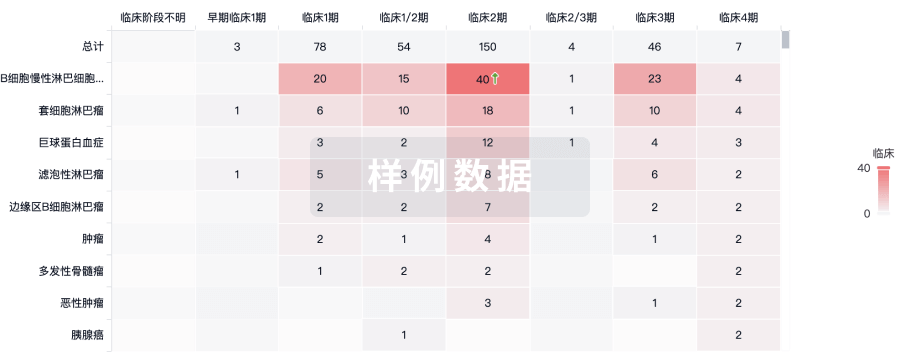
临床分析
紧跟全球注册中心的最新临床试验。
登录
或
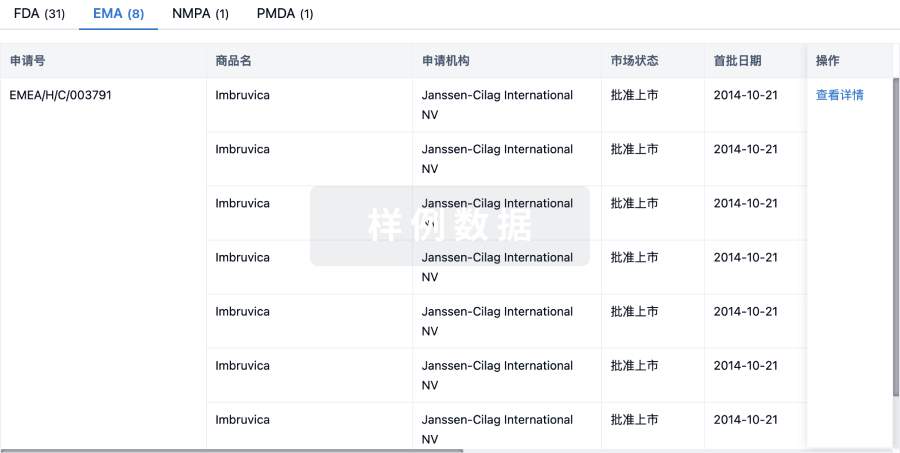
批准
利用最新的监管批准信息加速您的研究。
登录
或
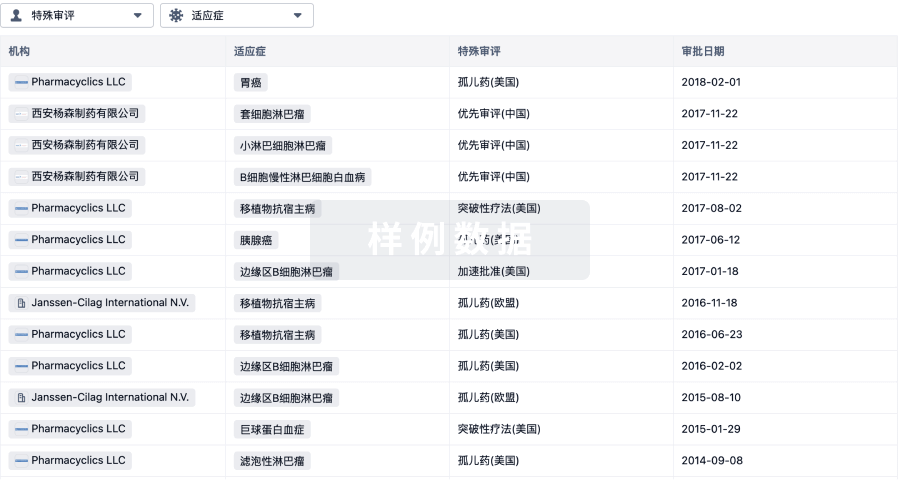
特殊审评
只需点击几下即可了解关键药物信息。
登录
或
提出任何生物医药研究问题
让每一步生物医药决策都精准制胜
基于十亿级生物数据与全球情报的精准 AI,赋能早期药物发现
立即开始免费试用!
智慧芽新药情报库是智慧芽专为生命科学人士构建的基于AI的创新药情报平台,助您全方位提升您的研发与决策效率。
立即接入生物医药数据包
智慧芽新药库数据也通过智慧芽开放平台,以MCP或API服务形式对外开放。立即使用我们的MCP服务定制您的LLM智能体。
生物序列数据库
生物药研发创新
免费使用
化学结构数据库
小分子化药研发创新
免费使用