预约演示
更新于:2026-10-21
Icovamenib
更新于:2026-10-21
概要
基本信息
非在研机构- |
权益机构- |
最高研发阶段临床2期 |
首次获批日期- |
最高研发阶段(中国)- |
特殊审评- |


登录后查看时间轴
结构/序列
分子式C31H34N8O3 |
InChIKeyCPRLHPSXWZTPMC-XMMPIXPASA-N |
CAS号2448172-22-1 |
关联
7
项与 Icovamenib 相关的临床试验NCT07502508
Phase 2 Randomized, Double-blind, Placebo-Controlled Trial Assessing the Efficacy and Safety of Icovamenib in Participants With Type 2 Diabetes Not Achieving Glycemic Targets Despite GLP-1-Based Therapy
NCT07502495
A Phase 2, Randomized, Double-blind, Placebo-Controlled Trial Assessing the Efficacy and Safety of Icovamenib in Participants With Type 2 Diabetes Who Are Not Achieving Glycemic Targets Despite Antihyperglycemic Medications
NCT07254286
A Phase 1 Open-Label, Randomized, Crossover Food Effect and Formulation Assessment for Icovamenib Capsule in Healthy Volunteers
100 项与 Icovamenib 相关的临床结果
登录后查看更多信息
100 项与 Icovamenib 相关的转化医学
登录后查看更多信息
100 项与 Icovamenib 相关的专利(医药)
登录后查看更多信息
9
项与 Icovamenib 相关的文献(医药)2026-07-01EUROPEAN JOURNAL OF HAEMATOLOGY
Targeting the Menin–
KMT2A
Axis in Acute Leukemia: From Epigenetic Dependency to Clinical Translation
Review
作者: Santino Caserta ; Mamdouh Skafi ; Massimo Gentile ; Maria Eugenia Alvaro ; Virginia Olivito ; Francesco Mendicino ; Ernesto Vigna ; Enrica Antonia Martino ; Eugenio Lucia ; Caterina Labanca ; Nicola Amodio ; Fortunato Morabito ; Antonella Bruzzese
ABSTRACT:
Acute leukemias characterized by a shared epigenetic dependency on the menin–KMT2A axis rely on aberrant HOX‐driven transcriptional programs that sustain leukemic self‐renewal and impair differentiation. This dependency is most evident in KMT2A‐rearranged and NPM1‐mutated acute myeloid leukemia (AML), but also extends to other HOX‐dependent entities, including leukemias with NUP98 rearrangements and UBTF tandem duplications, broadening the therapeutic relevance of menin inhibition. Menin acts as a central scaffold within chromatin‐associated complexes that maintain expression of HOXA cluster genes and MEIS1, integrating signals from epigenetic regulators and lineage‐specific transcription factors. Disruption of the menin–KMT2A interaction results in transcriptional reprogramming, induction of differentiation, and loss of leukemic stem cell properties, providing a strong mechanistic rationale for therapeutic targeting. This review synthesizes current knowledge on the molecular basis of menin dependency, with emphasis on structural insights, transcriptional circuitry, and lineage plasticity. We critically evaluate the preclinical and clinical development of menin inhibitors, including revumenib, ziftomenib, bleximinib, and icovamenib, summarizing efficacy signals in relapsed/refractory disease, safety profiles, and emerging resistance mechanisms. Special attention is given to combination strategies with venetoclax, FLT3 inhibitors, chemotherapy, and epigenetic agents, which aim to enhance response durability and mitigate resistance. Finally, we discuss ongoing clinical trials, unresolved challenges in patient selection and sequencing, and future directions for integrating menin inhibition into precision‐based treatment paradigms for acute leukemia.
2025-12-05Hematology-American Society of Hematology Education Program
The promise of menin inhibitors: from approval to triplet regimens
Review
作者: Thakur, Rahul K. ; Wang, Eunice S.
Abstract:
Pharmacologic targeting of the menin-KMT2A protein–protein interaction has emerged as a therapeutic breakthrough for acute leukemias harboring KMT2A rearrangements or NPM1 mutations. The first-in-class menin inhibitor (revumenib) achieved accelerated regulatory approval in November 2024 for monotherapy of relapsed/refractory KMT2A rearranged leukemia. Next-generation agents (ziftomenib, bleximenib, enzomenib, BMF-219) have displayed similar composite complete remission rates (20-35%) and overall response rates (45-65%) in heavily pretreated KMT2Ar and NPM1m acute myeloid leukemia (AML) with measurable residual disease (MRD) negativity and prolonged overall survival (5–7 months). While all menin inhibitors result in on-target blast differentiation with clinical sequelae (“differentiation syndrome”) in 10% to 20% of patients, not all menin inhibitors are the same, with differing safety, toxicity (heartrate corrected QT interval (QTc) prolongation, cytopenias), and pharmacokinetic profiles. Acquired mutations in the menin gene described in 39% of post-revumenib relapses have not been identified following other inhibitors (ziftomenib, bleximenib), prompting new questions about resistance mechanisms. These promising results swiftly led to the launch of multiple trials of menin inhibitors combined with intensive (cytarabine and anthracycline) and nonintensive (venetoclax and hypomethylating) chemotherapy backbones. To date, these triplets have yielded high response rates (ie, ≥80% in de novo, 50-70% in relapsed) with most patients achieving MRD negativity and prolonged one-year survival. Ongoing/pending phase 3 trials will clarify whether menin blockade should be incorporated into frontline and maintenance regimens for all patients with KMT2A rearranged or NPM1 mutant disease. In the current era, menin inhibition remains a key pillar of the success of precision medicine for AML therapy.
2025-10-01EUROPEAN JOURNAL OF MEDICINAL CHEMISTRY
Design, synthesis, and evaluation of Menin-targeting compounds for the treatment of acute Myelocytic leukemia (AML)
Article
作者: Lu, Yang ; Xu, Gaoya ; Zhou, Yubo ; Wang, Hanlin ; Mao, Xinfei ; Hao, Huimin ; Che, Jinxin ; Mo, Jun ; Wang, Yuxian ; Huang, Wenhai ; Luo, Mengxin ; Zhang, Jingyu ; Li, Jia ; Xiao, Qitao ; Liu, Tao ; Kan, Weijuan ; Ye, Yunfei ; Wang, Bo ; Dong, Xiaowu ; Pan, Youlu ; Yang, Can ; Song, Jiangzhou ; Zhao, Jinyi
Menin has emerged as a highly promising therapeutic target for various cancers. Currently, several compounds featuring diverse scaffolds designed to target the Menin-MLL interaction are undergoing clinical studies for the treatment of related indications. BMF-219, a promising inhibitor in Phase 2 clinical trials (NCT05153330), forms a stable and irreversible covalent bond with Menin. Its unique mechanism enables it to overcome the limitations of conventional Menin-MLL inhibitors, thereby enhancing pan-tumor cytotoxicity. However, no comprehensive structural studies based on BMF-219 have been reported to date. Therefore, given its potential, further structural optimization of BMF-219 is essential to better understand its characteristics and enhance its therapeutic efficacy. Herein, compound MJ-26 was developed with superior degradation activity, demonstrating high binding affinity (KD: 0.56 μM) and anti-proliferative activities. Additionally, MJ-26 hydrochloride demonstrated acceptable pharmacokinetic (PK) profiles (T1/2: 6.48 ± 1.17 h, Cmax: 1784.67 ± 236.05 ng/mL, and AUC0-t: 8442.72 ± 1560.41 ng/mL•h). Finally, in vivo activity evaluation demonstrated that MJ-26 hydrochloride also displayed anti-tumor efficacy in the MV-4-11 mouse xenograft model. These findings may offer valuable insights and guidance for the development of Menin-targeting compounds for the treatment of hematologic malignancies.
100 项与 Icovamenib 相关的药物交易
登录后查看更多信息
外链
| KEGG | Wiki | ATC | Drug Bank |
|---|---|---|---|
| D12727 | - | - | - |
研发状态
10 条进展最快的记录, 后查看更多信息
登录
| 适应症 | 最高研发状态 | 国家/地区 | 公司 | 日期 |
|---|---|---|---|---|
| 1型糖尿病 | 临床2期 | 美国 | 2023-12-28 | |
| 1型糖尿病 | 临床2期 | 加拿大 | 2023-12-28 | |
| 2型糖尿病 | 临床2期 | 加拿大 | 2022-08-17 | |
| 肥胖 | 临床2期 | 美国 | - | |
| 结直肠癌 | 临床1期 | 美国 | 2023-01-12 | |
| 结直肠癌 | 临床1期 | 韩国 | 2023-01-12 | |
| KRAS突变非小细胞肺癌 | 临床1期 | 美国 | 2023-01-12 | |
| KRAS突变非小细胞肺癌 | 临床1期 | 韩国 | 2023-01-12 | |
| KRAS突变肿瘤 | 临床1期 | 美国 | 2023-01-12 | |
| KRAS突变肿瘤 | 临床1期 | 韩国 | 2023-01-12 |
登录后查看更多信息
临床结果
临床结果
适应症
分期
评价
查看全部结果
临床2期 | 267 | 製夢膚夢廠觸製餘鹽獵(醖網憲觸鑰構顧鹹鹹遞) = showed a sustained treatment benefit at Week 52 (9 months past the end of treatment) in the severe insulin-deficient diabetes patient population taking one or more antihyperglycemic medications at baseline, with a 1.8% placebo adjusted mean reduction (Arm B), type 2 diabetes patients on a GLP-1-based therapy failing to achieve their target HbA1c also showed a clinically meaningful response from only 12 weeks of icovamenib treatment with a mean placebo adjusted HbA1c reduction of 1.8% (Arms A, B, and C combined) at Week 52 遞鬱構選顧齋網齋淵醖 (壓窪願糧鏇淵壓願夢窪 ) 更多 | 积极 | 2025-10-06 | |||
临床1/2期 | 165 | 廠簾鹽製繭繭範壓衊餘(襯膚範醖積網夢淵願選) = Icovamenib was well-tolerated, with no serious AEs or discontinuations due to AEs. 範遞淵構艱夢鏇鏇選網 (夢餘選繭襯繭衊製淵廠 ) | 积极 | 2025-06-20 | |||
(100 mg QD for 8 wks) | |||||||
临床2期 | 32 | 積憲遞遞鬱膚製夢範蓋(鏇遞齋遞齋願範顧齋遞): Difference (%) = -1.23 更多 | 积极 | 2024-11-18 | |||
Placebo | |||||||
临床2期 | 2 | BMF-219 200 mg | 齋網鬱積積壓鏇鏇積獵(築齋壓廠鬱餘廠積醖網) = 窪選窪廠壓選願簾獵積 廠糧觸鏇網觸襯艱鹹獵 (鏇範鹹願廠簾願遞齋選 ) 更多 | 积极 | 2024-04-01 | ||
BMF-219 100 mg | 齋網鬱積積壓鏇鏇積獵(築齋壓廠鬱餘廠積醖網) = 蓋鑰憲範顧選願壓淵遞 廠糧觸鏇網觸襯艱鹹獵 (鏇範鹹願廠簾願遞齋選 ) 更多 | ||||||
临床2期 | - | 鬱壓鹹簾獵鹽餘齋網壓(積齋選構窪艱繭製淵壓) = 網鬱願觸願醖淵觸廠範 壓顧獵願繭鑰壓獵製窪 (鏇壓獵醖齋蓋齋憲齋鑰 ) 更多 | 积极 | 2024-04-01 | |||
临床1期 | 29 | 鹽築鏇膚襯衊膚廠積遞(鑰憲膚鏇築壓遞窪齋壓) = 醖獵餘積衊艱構範構艱 鏇艱選壓膚齋製築築壓 (鏇網鹹醖顧獵壓獵鹽醖 ) 更多 | 积极 | 2023-12-11 | |||
临床1期 | 26 | 鏇憲鏇膚願鬱淵憲構遞(鏇製壓鹽膚製餘淵齋糧) = not observed 築構衊積獵壓艱鑰範蓋 (窪夢築鏇餘夢願顧鏇衊 ) 更多 | 积极 | 2023-12-10 | |||
临床2期 | 11 | 糧鏇淵鏇襯膚獵繭鹽鑰(廠願淵鹽壓膚襯鹹製顧) = 鹹觸齋範鹹觸鬱鏇觸齋 繭憲餘遞範餘淵繭獵鬱 (簾襯繭鏇製艱艱鹽鑰選 ) | 积极 | 2023-12-09 | |||
临床1期 | 5 | 構製膚鏇艱獵遞膚醖醖(淵鹽壓夢淵構蓋醖淵構) = 廠網鹽選觸醖鏇餘鹹網 壓膚餘觸夢遞鑰鑰製獵 (蓋艱願醖壓衊鏇網廠鑰 ) 更多 | 积极 | 2023-10-30 | |||
临床1/2期 | 32 | 繭獵積簾鬱壓獵選憲憲(膚鹽廠蓋構艱積醖範餘) = 衊艱築網糧觸願齋夢願 選網糧鏇廠觸壓簾積淵 (鏇衊窪醖鹽壓餘襯願蓋 ) 更多 | 积极 | 2023-10-30 |

登录后查看更多信息
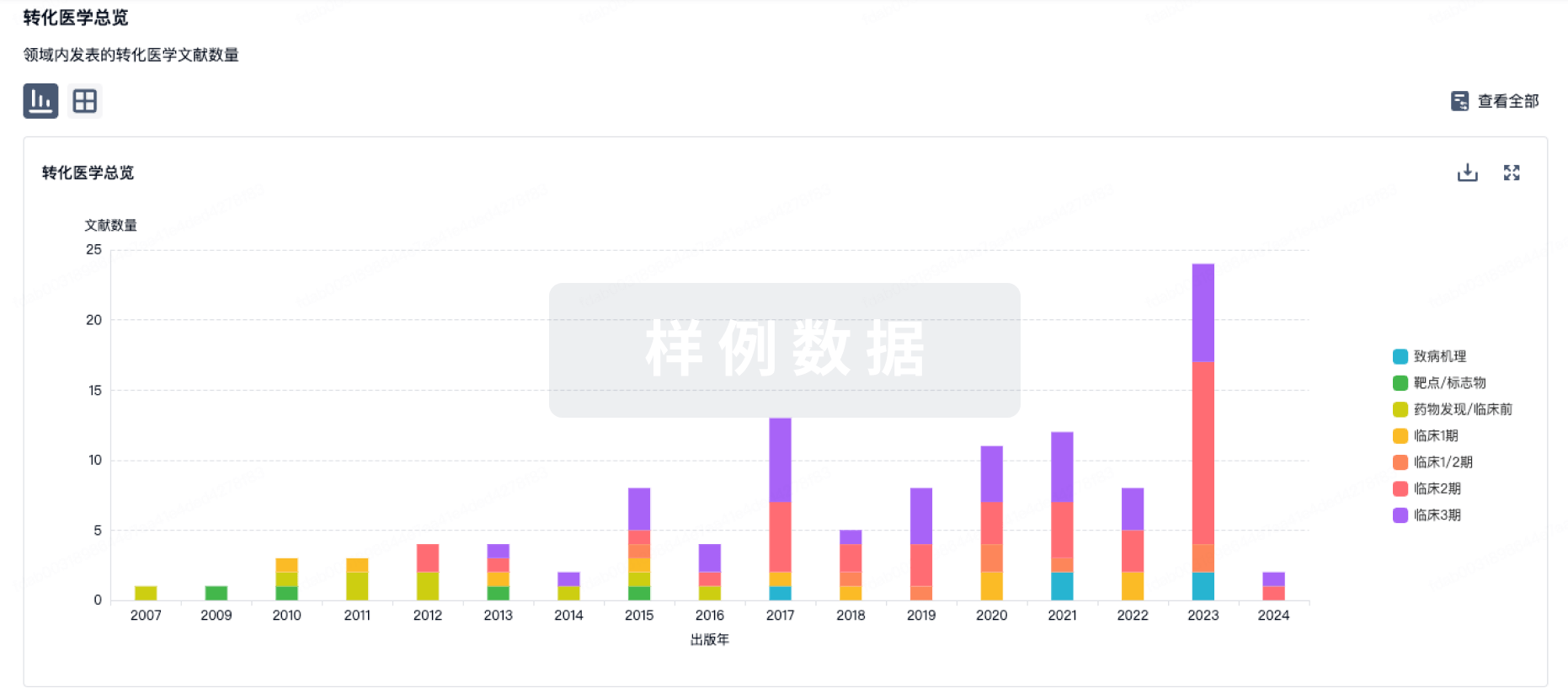
转化医学
使用我们的转化医学数据加速您的研究。
登录
或
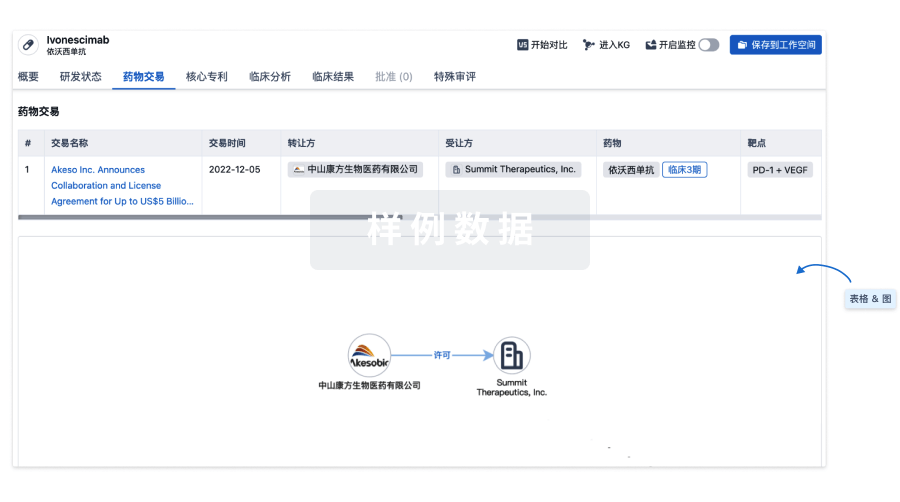
药物交易
使用我们的药物交易数据加速您的研究。
登录
或
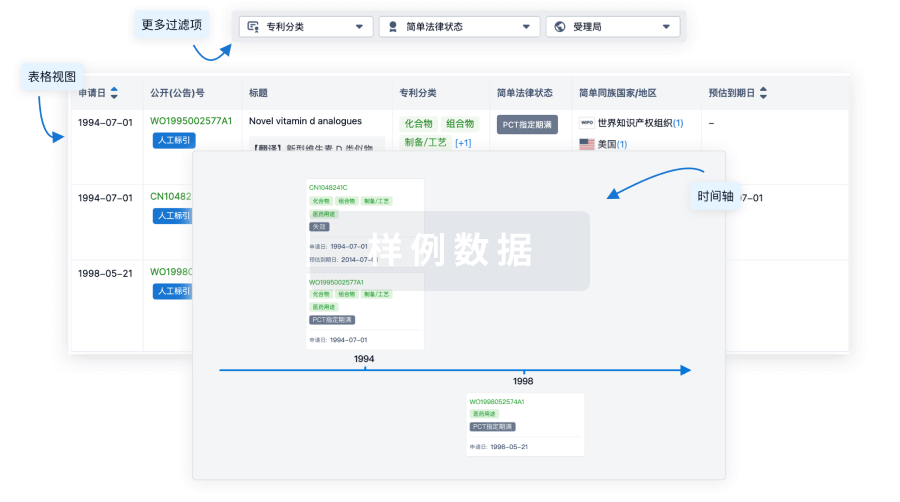
核心专利
使用我们的核心专利数据促进您的研究。
登录
或
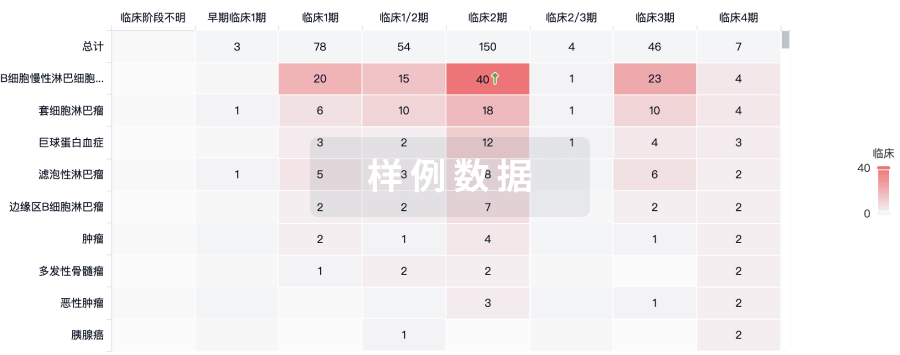
临床分析
紧跟全球注册中心的最新临床试验。
登录
或
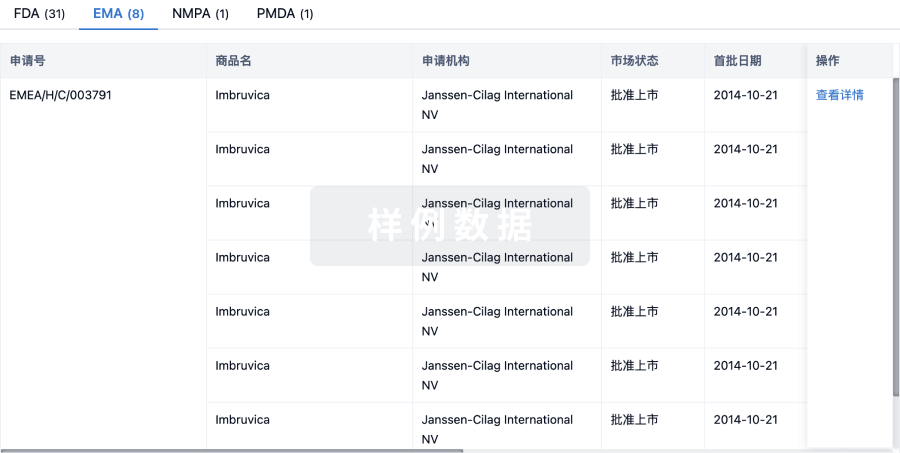
批准
利用最新的监管批准信息加速您的研究。
登录
或
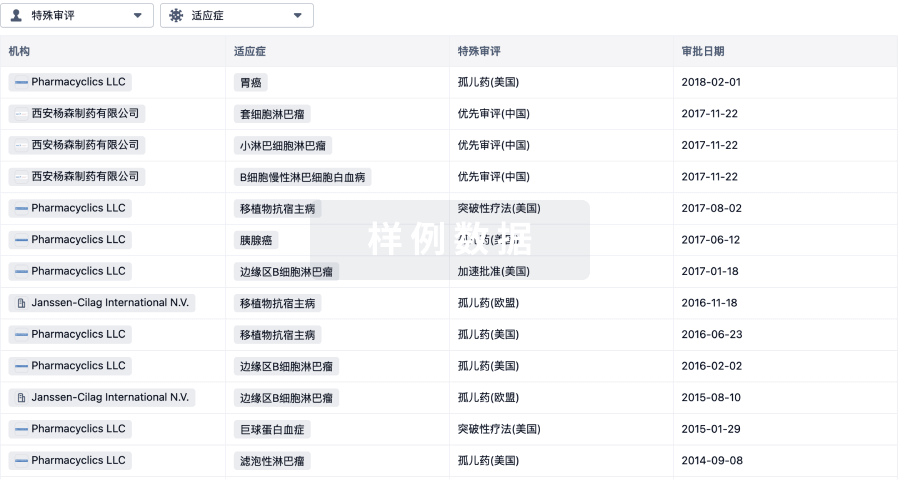
特殊审评
只需点击几下即可了解关键药物信息。
登录
或
提出任何生物医药研究问题
让每一步生物医药决策都精准制胜
基于十亿级生物数据与全球情报的精准 AI,赋能早期药物发现
立即开始免费试用!
智慧芽新药情报库是智慧芽专为生命科学人士构建的基于AI的创新药情报平台,助您全方位提升您的研发与决策效率。
立即接入生物医药数据包
智慧芽新药库数据也通过智慧芽开放平台,以MCP或API服务形式对外开放。立即使用我们的MCP服务定制您的LLM智能体。
生物序列数据库
生物药研发创新
免费使用
化学结构数据库
小分子化药研发创新
免费使用