预约演示
更新于:2026-10-19
L-Isoleucine/L-Leucine/L-Valine
L-异亮氨酸/L-亮氨酸/L-缬氨酸
更新于:2026-10-19
概要
基本信息
非在研机构- |
权益机构- |
最高研发阶段批准上市 |
首次获批日期 日本 (1996-01-31), |
最高研发阶段(中国)- |
特殊审评- |



登录后查看时间轴
结构/序列
分子式C6H13NO2 |
InChIKeyAGPKZVBTJJNPAG-WHFBIAKZSA-N |
CAS号73-32-5 |
查看全部结构式(3)
关联
15
项与 L-异亮氨酸/L-亮氨酸/L-缬氨酸 相关的临床试验ChiCTR2600127139
A phase II open-label, randomized controlled study of lenvatinib combined with pembrolizumab, with or without branched-chain amino acid combination therapy, for unresectable hepatocellular carcinoma

NCT07634523
The Effect of BCAA on Sarcopenia in Total Knee Arthroplasty Patients: A Multi-center, Randomized Controlled Trial

KCT0007785
A multi-center, prospective, randomized, double-blind, comparative, and placebocontrolled clinical Trial for effect of Livact on Fatty Liver disease patients.
100 项与 L-异亮氨酸/L-亮氨酸/L-缬氨酸 相关的临床结果
登录后查看更多信息
100 项与 L-异亮氨酸/L-亮氨酸/L-缬氨酸 相关的转化医学
登录后查看更多信息
100 项与 L-异亮氨酸/L-亮氨酸/L-缬氨酸 相关的专利(医药)
登录后查看更多信息
225
项与 L-异亮氨酸/L-亮氨酸/L-缬氨酸 相关的文献(医药)2026-11-01POULTRY SCIENCE
Dietary branched-chain amino acids enhance skeletal and intestinal development through targeted modulation of bone metabolism, tight junction proteins and amino acid transporter gene expression in broiler chickens
Article
作者: Eila, Nima ; Zarei, Abolfazl ; Khalilzadeh, Shahriyar
Nutritional strategies to reduce dietary protein without impairing growth are essential in modern poultry production, as inadequate supply disrupts bone integrity, intestinal function, and nutrient utilization. The present study aimed to investigate the effects of using different levels of branched-chain amino acids (BCAA) in low crude protein (CP) diets on performance, skeletal development, intestinal morphology, and expression of genes related to bone metabolism, tight junction proteins, and amino acid transporter in broiler chickens. A total of 480 one-day-old male and female broiler chicks of the Ross 308 strain were used in a completely randomized design with 4 treatments and 6 replications. The experimental diets included a standard protein diet (NCP), a diet with 10% less protein than the standard (LCP), an LCP diet with 10% more BCAA than the requirement (LCP+10BCAA), and an LCP diet with 20% more BCAA than the requirement (LCP+20BCAA). Supplementation with BCAA at 10 and 20% levels improved body weight gain compared to the LCP treatment (P=0.03). The inclusion of 20% more BCAA than the requirements of the Ross strain in LCP diets increased tibial weight, strength, ash, and calcium content (P<0.05). The muscularis layer thickness was markedly greater in both BCAA-supplemented groups compared to NCP and LCP (P=0.001). However, villus height and villus surface area in broilers of the LCP + 20BCAA group were significantly higher than those of birds in the NCP, LCP, and LCP + 10BCAA groups (P<0.05). The mRNA expression of RUNX-2, BGLAP, and BMP-2 genes was significantly increased in both LCP + 10BCAA and LCP + 20BCAA groups compared with LCP and NCP (P<0.05). CLDN-1, ZO-1 and MUC-2 expression was significantly upregulated in BCAA-supplemented groups compared with NCP and LCP (P<0.05). SLC3A1 expression was significantly decreased in the LCP group compared to other groups (P=0.001). These findings highlight BCAA supplementation as a promising nutritional strategy to mitigate the adverse effects of protein restriction, thereby supporting broiler growth through coordinated improvements in skeletal health, intestinal structure, and nutrient utilization at the molecular level.
2026-09-01JOURNAL OF HEAD TRAUMA REHABILITATION
Treatment of Sleep Disorders Following Traumatic Brain Injury: A Systematic Review and Network Meta-Analysis
Review
作者: Wang, Beibei ; Wang, Yancheng ; Yan, Jiaqing ; Su, Liyao
Background::
Traumatic brain injury (TBI) often leads to sleep disorders (SDs), which significantly impact quality of life. This study aimed to compare the efficacy of various interventions for TBI-related sleep disorders (TBI-SD) through a systematic review and network meta-analysis.
Methods::
PubMed, Web of Science, Embase, and Cochrane were comprehensively searched for randomized controlled trials (RCTs) on pharmacological and nonpharmacological treatments up to November 15, 2025. Primary outcomes were the Insomnia Severity Index (ISI), Pittsburgh Sleep Quality Index (PSQI), and Epworth Sleepiness Scale (ESS) scores.
Results::
A total of 22 RCTs were included, involving 1299 patients. The results showed that nonpharmacological treatments, such as cognitive behavioral therapy (CBT), acupuncture, transcranial direct current stimulation (tDCS), branched-chain amino acids (BCAA), and hyperbaric oxygen therapy (HBOT), all significantly improved sleep outcomes compared with control treatments. Specifically, CBT (4 trials), acupuncture (2 trials), tDCS (1 trial), and BCAA (1 trial) were particularly effective in improving the ISI score, whereas CBT (4 trials), acupuncture (2 trials), tDCS (1 trial), HBOT (1 trial), and problem-solving therapy (PST 1 trial) showed significant effects in improving PSQI score. Furthermore, CBT (4 trials) was found to improve the ESS score. Pharmacotherapy did not demonstrate superior efficacy.
Conclusion::
These findings suggest that nonpharmacological interventions might be effective for managing TBI-SD, although further high-quality research is needed to confirm these results.
2026-05-27BIOCHEMICAL JOURNAL
Combination amino acids and glucose effects on insulin and GLP-1 secretion
Article
作者: Zhao, Junhe ; Chan, James C.Y. ; Luo, Sarah X. ; Ali, Yusuf ; Koh, Kenneth H.C. ; Chen, Wei Ning
Abstract:
Dietary nutrients such as amino acids possess an insulinogenic effect. However, not all amino acids were meticulously investigated for their effect on both insulin and incretin secretion, and the effect of amino acids given in different combinations remained incompletely characterized. In the present work, we reported the quantitative effect of individual and combinatorial amino acids in conjunction with low and high glucose, respectively, on insulin secretion from human islets and on glucagon-like peptide-1 (GLP-1) secretion from secretin tumor cell (STC-1). STC-1 cells were incubated with amino acid treatment solutions individually and in combinations at low and high glucose to investigate GLP-1 secretion. Batches of 15 islets were sequentially treated with 3 mM glucose, combinatorial amino acid treatment solutions at low and high glucose, and finally 25 mM KCl to quantify insulin secretion. Lysine, threonine, tryptophan, phenylalanine, and aspartic acid significantly increased GLP-1 secretion in STC-1 cells compared with negative control. Branched-chain amino acids (BCAAs) stimulated greater GLP-1 secretion only at high glucose and significantly induce insulin secretion in islets even in low glucose. Other amino acid combinations tested were able to augment GLP-1 secretion even in the absence of glucose but failed to further stimulate insulin secretion in human islets when given concurrently at higher glucose concentrations. In conclusion, the findings from our work could be used to infer the expected insulinogenic effect and glycemic response for proteins with different amino acid compositions.
100 项与 L-异亮氨酸/L-亮氨酸/L-缬氨酸 相关的药物交易
登录后查看更多信息
研发状态
10 条最早获批的记录, 后查看更多信息
登录
| 适应症 | 国家/地区 | 公司 | 日期 |
|---|---|---|---|
| 低白蛋白血症 | 日本 | 1996-01-31 | |
| 低白蛋白血症 | 日本 | 1996-01-31 |

登录后查看更多信息
临床结果
临床结果
适应症
分期
评价
查看全部结果
登录后查看更多信息
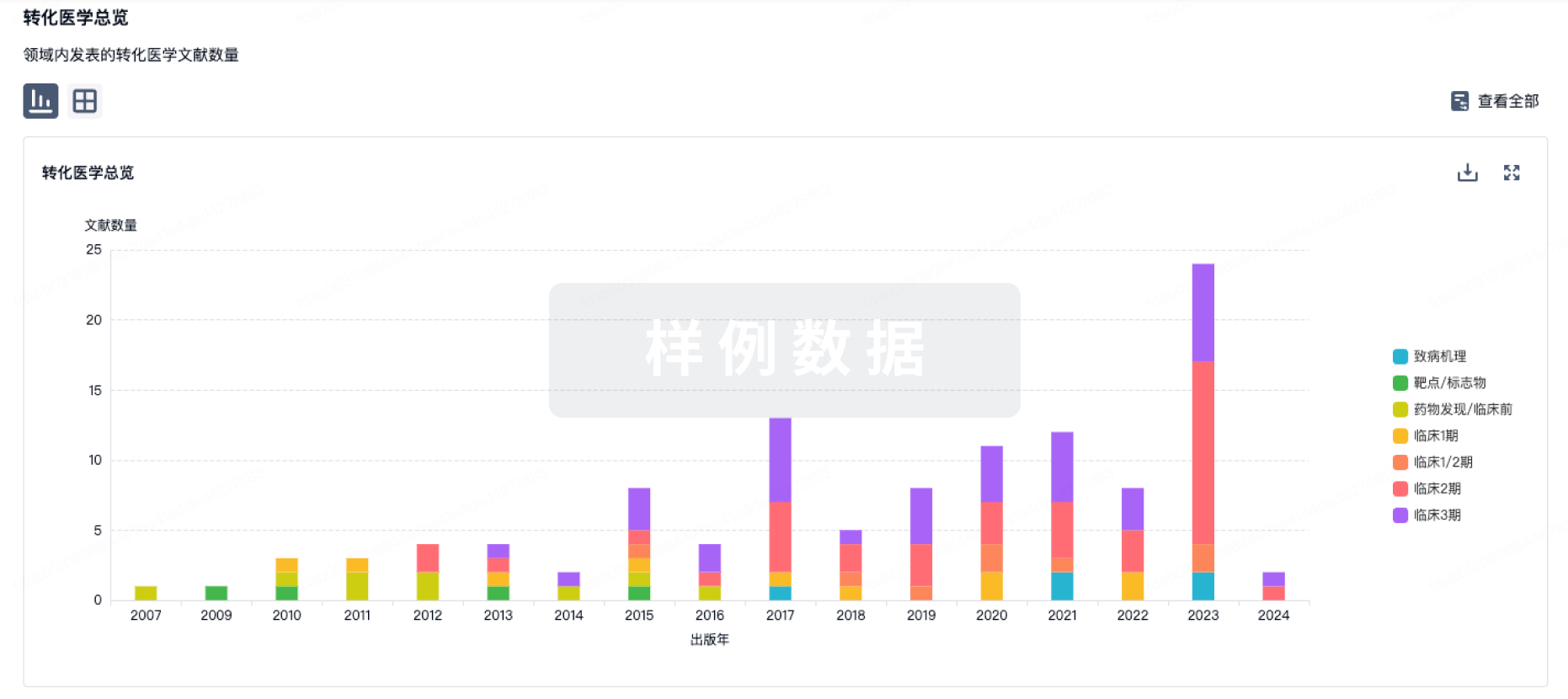
转化医学
使用我们的转化医学数据加速您的研究。
登录
或
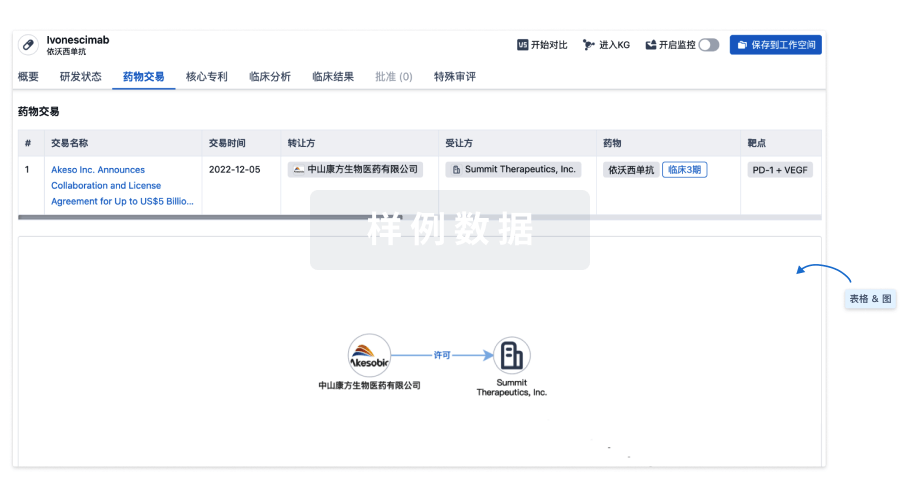
药物交易
使用我们的药物交易数据加速您的研究。
登录
或
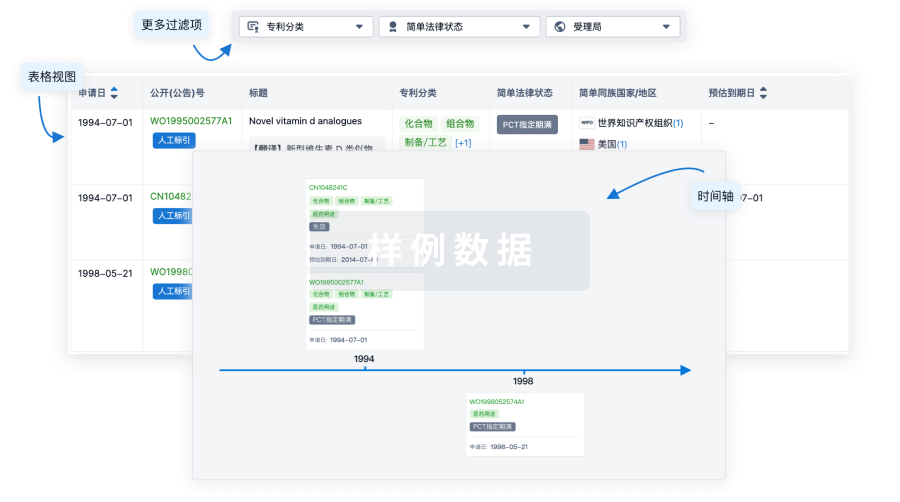
核心专利
使用我们的核心专利数据促进您的研究。
登录
或
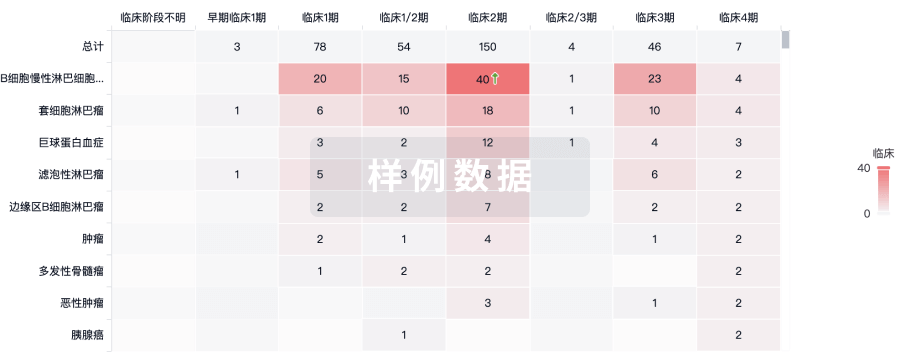
临床分析
紧跟全球注册中心的最新临床试验。
登录
或
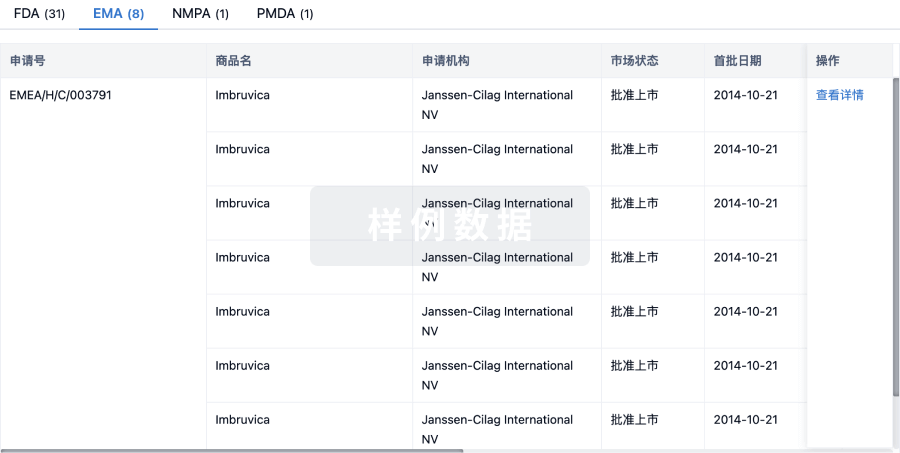
批准
利用最新的监管批准信息加速您的研究。
登录
或
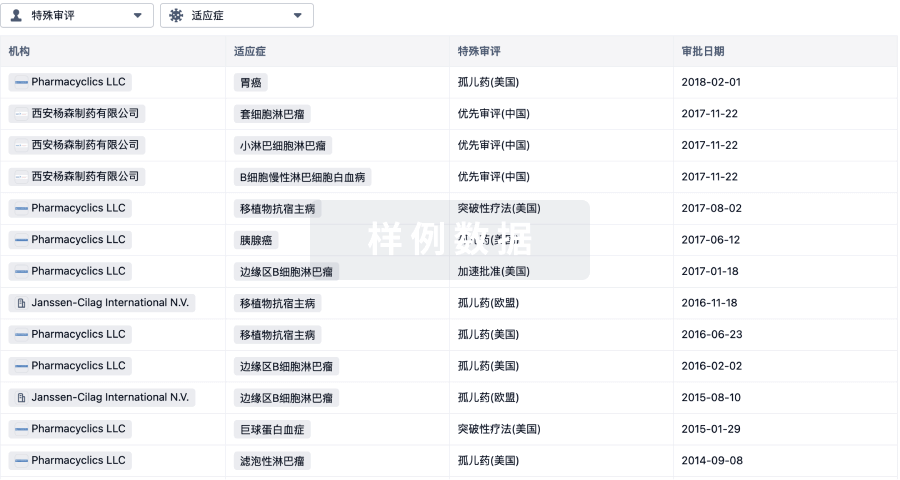
特殊审评
只需点击几下即可了解关键药物信息。
登录
或
提出任何生物医药研究问题
让每一步生物医药决策都精准制胜
基于十亿级生物数据与全球情报的精准 AI,赋能早期药物发现
立即开始免费试用!
智慧芽新药情报库是智慧芽专为生命科学人士构建的基于AI的创新药情报平台,助您全方位提升您的研发与决策效率。
立即接入生物医药数据包
智慧芽新药库数据也通过智慧芽开放平台,以MCP或API服务形式对外开放。立即使用我们的MCP服务定制您的LLM智能体。
生物序列数据库
生物药研发创新
免费使用
化学结构数据库
小分子化药研发创新
免费使用