预约演示
更新于:2026-01-31
Norclozapine
去甲氯氮平
更新于:2026-01-31
概要
基本信息
药物类型 小分子化药 |
别名 N-Desmethylclozapine、NDMC、ACP-104 |
作用方式 拮抗剂 |
作用机制 5-HT2A receptor拮抗剂(5-羟色胺2A受体拮抗剂)、D2 receptor拮抗剂(多巴胺D2受体拮抗剂)、D3 receptor拮抗剂(多巴胺D3受体拮抗剂) |
治疗领域 |
在研适应症- |
非在研适应症 |
在研机构- |
权益机构- |
最高研发阶段无进展临床2期 |
首次获批日期- |
最高研发阶段(中国)- |
特殊审评- |

登录后查看时间轴
结构/序列
分子式C17H17ClN4 |
InChIKeyJNNOSTQEZICQQP-UHFFFAOYSA-N |
CAS号6104-71-8 |
关联
3
项与 去甲氯氮平 相关的临床试验NCT03375034
Exploring the Role of the GABAergic Modulation in Pain Transmission in Human. Effects of the GABAA Agonist N-desmethylclobazam on Central Sensitization: a Pharmacodynamic and Pharmacokinetic Study in Healthy Volunteers
NCT00490516
A Six-Week, Randomized, Double-Blind, Placebo-Controlled, Parallel-Group, Multicenter, Phase II Study of the Efficacy and Safety of ACP-104 in Acutely Psychotic Subjects With Schizophrenia
NCT00628420
A Randomized, Double Blind, Placebo Controlled, Single Oral Dose Study to Demonstrate the Safety, Tolerability, and Pharmacokinetics of ACP-104 (N-desmethylclozapine) in Schizophrenia, or Other Psychotic Disorders.

100 项与 去甲氯氮平 相关的临床结果
登录后查看更多信息
100 项与 去甲氯氮平 相关的转化医学
登录后查看更多信息
100 项与 去甲氯氮平 相关的专利(医药)
登录后查看更多信息
601
项与 去甲氯氮平 相关的文献(医药)2026-01-01PROGRESS IN NEURO-PSYCHOPHARMACOLOGY & BIOLOGICAL PSYCHIATRY
Population pharmacokinetic analysis for simultaneous fit of clozapine and norclozapine concentrations in adult psychiatric patients
Article
作者: Panić, Bojana ; Vučićević, Katarina ; Milovanović, Srđan ; Lukić, Vera ; Jovanović, Marija ; Miljković, Branislava
BACKGROUND:
Clozapine (CLZ) exhibits a high potential for pharmacokinetic interactions due to its extensive and complex metabolism. Additionally, several patient-related factors contribute to the pharmacokinetic variability, making treatment optimization even more challenging. The goal of this study was to develop a parent-metabolite population pharmacokinetic model for CLZ and its primary metabolite norclozapine (NCLZ) and to evaluate sources of variability in a real-world clinical setting.
METHODS:
Data from routine therapeutic drug monitoring (TDM) of 126 adult in- and out-patients with psychiatric disorders were used for the analysis. A nonlinear mixed-effects modeling approach was applied for data analysis to simultaneously fit CLZ and NCLZ concentrations.
RESULTS:
A one-compartment model for the drug with an additional compartment for NCLZ was used to fit the concentration-time data. The population pharmacokinetic value of oral clearance for CLZ (CL/F) for a typical patient (female, non-smoker) was 26.4 L/h. Male sex and positive smoking status were associated with an increase in CL/F of 25.9 % and 29.2 %, respectively. The estimated value of metabolite clearance (CLm/F) for a typical patient was 29.6 L/h, while male sex and valproic acid (VPA) use were associated with its increases for 45.1 % and 95.5 %, respectively.
CONCLUSION:
The developed population pharmacokinetic model describes the simultaneous disposition of CLZ and NCLZ in adult psychiatric patients, accounting for impact of patient and co-therapy factors. In addition to the well-established effects of sex and smoking status on CLZ pharmacokinetics, the model characterizes the significant impact of VPA co-therapy, primarily on NCLZ disposition.
2026-01-01JOURNAL OF CLINICAL PSYCHOPHARMACOLOGY
Adverse Reactions to Clozapine
Article
作者: Reeves, Suzanne ; Sanchez, Paula Liren Valbuena ; Flanagan, Robert James ; Rogers, Jonathan P. ; Evans, Lauren ; Kim, Alice Hyun Min ; Every-Palmer, Susanna ; Obee, Stephen John
Background::
In treatment-refractory schizophrenia, pre-dose plasma clozapine concentrations are, on average, lower in smokers than in nonsmokers. This may relate to the incidence of adverse drug reactions (ADR).
Methods::
Generalized estimating equation analyses were used to investigate clozapine TDM data from 1993 to 2017 for ADR with ≥30 mentions on request forms.
Results::
There were 1154 mentions of an ADR (1058 patients), 36,470 controls (“baseline” samples, 14,572 patients). In the ADR group, median plasma clozapine concentration (mg/L) was significantly lower in smokers (0.41, N=586) than nonsmokers (0.56, N=368) (
P
<0.001). The constipation subgroup, for example, had higher median plasma clozapine concentrations [0.56 (0.22-1.27) mg/L] than the controls [0.45 (0.18-0.93) mg/L] (
P
=0.025). Higher plasma clozapine concentrations were also associated with hypersalivation, hypotension, and neurological ADR (seizures and myoclonus), but no associations were found in relation to cardiac, low white cell count, metabolic, and nausea/vomiting subgroups. In the neurological ADR subgroup, plasma clozapine concentrations were higher in smokers (
P
<0.001) and in nonsmokers (
P
=0.019) compared with controls. In the constipation subgroup, plasma clozapine was only significantly higher in nonsmokers, while in the hypotension and sedation subgroups, the opposite applied. Plasma norclozapine showed a similar pattern of results to that of clozapine. The plasma clozapine:norclozapine ratio showed no consistent pattern between the ADR subgroups.
Implications::
ADR such as constipation and seizures may be more likely to occur at lower plasma clozapine concentrations in smokers. The underlying mechanism(s) require further investigation.
2026-01-01BRAIN BEHAVIOR AND IMMUNITY
Atypical antipsychotics alter microglial functions via astrocyte-derived extracellular vesicles
Article
作者: McCrea, Liam T ; Sheridan, Steven D ; Song, Yoonjae ; Yeh, Hana ; Bowen, Joshua J ; Perlis, Roy H
A limited understanding of the underlying molecular mechanisms of atypical antipsychotics has hindered efforts to develop the next generation of treatments for schizophrenia. In particular, there has been little investigation of how medications like clozapine and olanzapine modulate human non-neuronal cells, including astrocytes and microglia. Recent postmortem and serum-based studies suggest that schizophrenia etiology involves dysregulated cellular communication through extracellular vesicles (EVs). Astrocytes are a major source of these EVs and are strongly implicated in the etiology of schizophrenia by convergent data from human postmortem, brain imaging, RNA-sequencing, and genome-wide association studies. We hypothesized that clozapine and olanzapine can affect microglia biology indirectly via astrocytic secretion of EVs. We used in vitro cellular models with human astrocytes and PBMC-derived microglial-like cells to investigate the downstream impact of isolated astrocyte-derived EVs (ADEVs) on microglial phenotypes relevant to schizophrenia, including microglial phagocytosis, motility, and morphology. To model microglia-mediated synaptic pruning in vitro, we utilized image-based quantification of microglia engulfment of isolated human synaptosomes. We found that treatment with ADEVs reduced microglial synaptosome phagocytosis in a dose-dependent manner. This reduction was reversed upon addition of ADEVs isolated from astrocytes treated with norclozapine or olanzapine. ADEVs isolated from clozapine-treated astrocytes increased microglial motility, indicating that clozapine alters microglial surveillance activity without affecting phagocytosis through these ADEVs. Together, these results suggest that atypical antipsychotics have distinct and indirect impact on microglia biology mediated by ADEVs. These results highlight a potentially critical role for ADEVs in regulating glial cell communication, and suggest they may be promising therapeutic targets for next-generation antipsychotic development.
2
项与 去甲氯氮平 相关的新闻(医药)
2023-04-23
临床3期临床2期临床结果
100 项与 去甲氯氮平 相关的药物交易
登录后查看更多信息
研发状态
10 条进展最快的记录, 后查看更多信息
登录
| 适应症 | 最高研发状态 | 国家/地区 | 公司 | 日期 |
|---|---|---|---|---|
| 精神分裂症 | 临床2期 | 美国 | 2007-06-01 |
登录后查看更多信息
临床结果
临床结果
适应症
分期
评价
查看全部结果
登录后查看更多信息
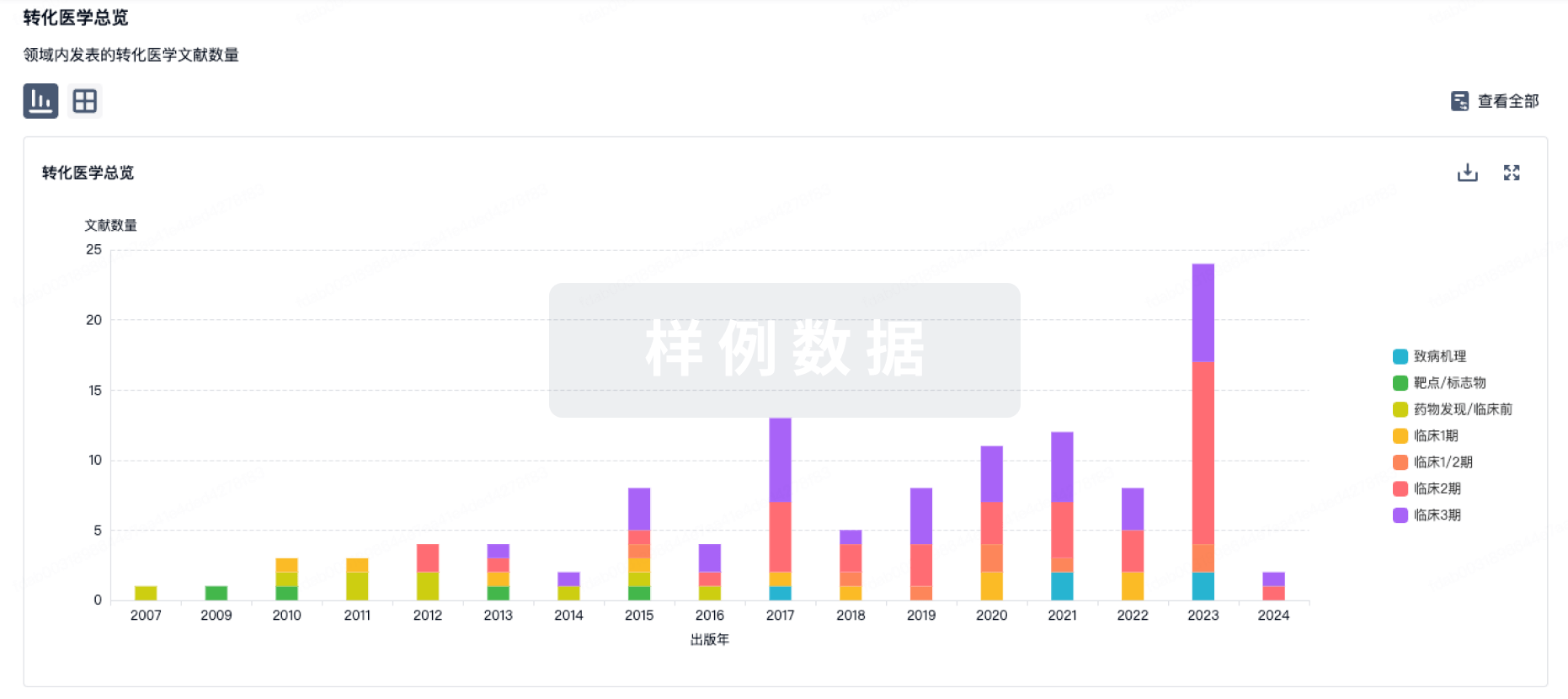
转化医学
使用我们的转化医学数据加速您的研究。
登录
或
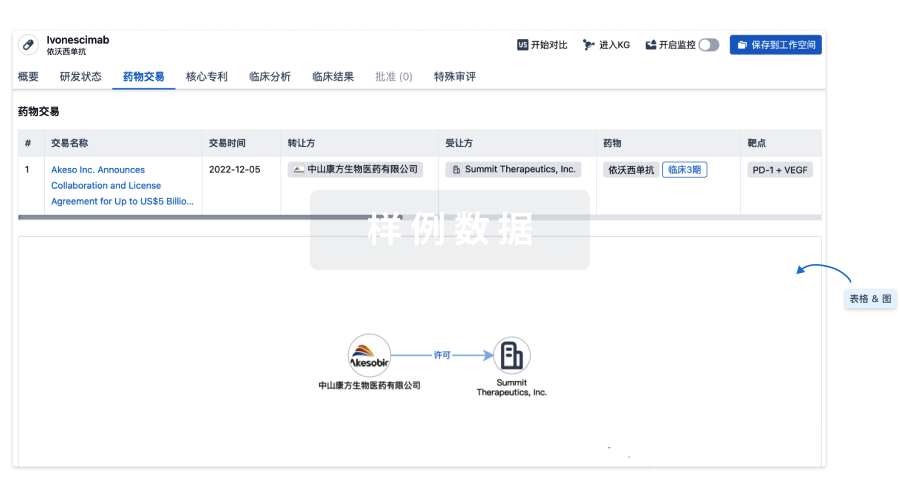
药物交易
使用我们的药物交易数据加速您的研究。
登录
或
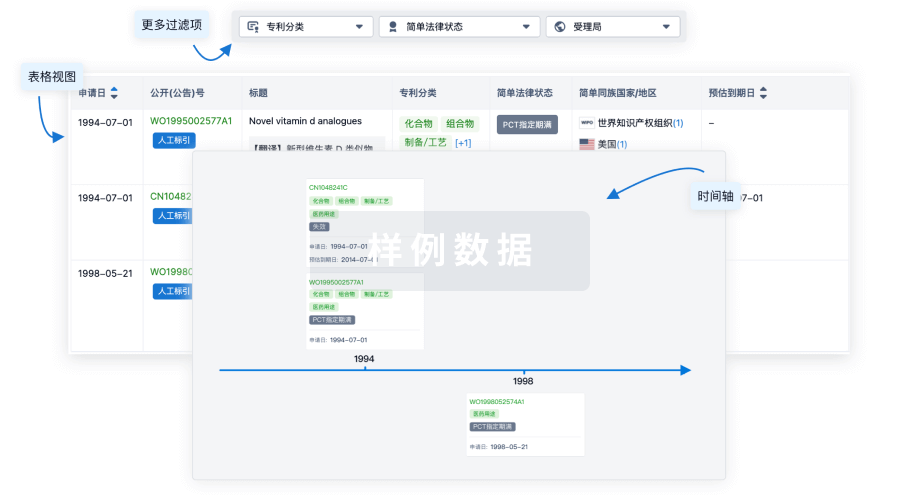
核心专利
使用我们的核心专利数据促进您的研究。
登录
或
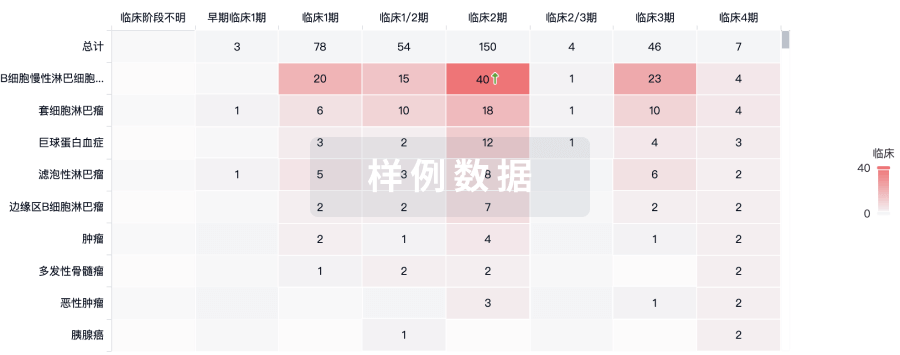
临床分析
紧跟全球注册中心的最新临床试验。
登录
或
批准
利用最新的监管批准信息加速您的研究。
登录
或
特殊审评
只需点击几下即可了解关键药物信息。
登录
或
生物医药百科问答
全新生物医药AI Agent 覆盖科研全链路,让突破性发现快人一步
立即开始免费试用!
智慧芽新药情报库是智慧芽专为生命科学人士构建的基于AI的创新药情报平台,助您全方位提升您的研发与决策效率。
立即开始数据试用!
智慧芽新药库数据也通过智慧芽数据服务平台,以API或者数据包形式对外开放,助您更加充分利用智慧芽新药情报信息。
生物序列数据库
生物药研发创新
免费使用
化学结构数据库
小分子化药研发创新
免费使用