预约演示
更新于:2026-05-08
(+)-Verticillin A
维替西林A
更新于:2026-05-08
概要
基本信息
非在研机构- |
权益机构- |
最高研发阶段临床前 |
首次获批日期- |
最高研发阶段(中国)- |
特殊审评- |

结构/序列
分子式C30H28N6O6S4 |
InChIKeyIMGTYEJTVRXGLW-XWOLGMPCSA-N |
CAS号889640-30-6 |
关联
100 项与 维替西林A 相关的临床结果
登录后查看更多信息
100 项与 维替西林A 相关的转化医学
登录后查看更多信息
100 项与 维替西林A 相关的专利(医药)
登录后查看更多信息
23
项与 维替西林A 相关的文献(医药)2025-05-05·MOLECULAR PHARMACEUTICS
Voices in Molecular Pharmaceutics: Meet Dr. Herma Pierre, Dedicated to Developing Safer and More Effective Therapeutics
作者: Pierre, Herma
InfoMetricsFiguresRef. Molecular PharmaceuticsASAPArticle This publication is free to access through this site. Learn More CiteCitationCitation and abstractCitation and referencesMore citation options ShareShare onFacebookXWeChatLinkedInRedditEmailBlueskyJump toExpandCollapse EditorialMarch 7, 2025Voices in Molecular Pharmaceutics: Meet Dr. Herma Pierre, Dedicated to Developing Safer and More Effective TherapeuticsClick to copy article linkArticle link copied!Herma PierreHerma PierreDepartment of Chemistry and Biochemistry, University of North Carolina at Greensboro, Greensboro, North Carolina 27402, United StatesMore by Herma Pierrehttps://orcid.org/0000-0002-3900-8099Open PDFMolecular PharmaceuticsCite this: Mol. Pharmaceutics 2025, XXXX, XXX, XXX-XXXClick to copy citationCitation copied!https://pubs.acs.org/doi/10.1021/acs.molpharmaceut.5c00283https://doi.org/10.1021/acs.molpharmaceut.5c00283Published March 7, 2025 Publication History Received 2 March 2025Published online 7 March 2025editorialPublished 2025 by American Chemical Society. This publication is available under these Terms of Use. Request reuse permissionsThis publication is licensed for personal use by The American Chemical Society. ACS PublicationsPublished 2025 by American Chemical SocietySubjectswhat are subjects Article subjects are automatically applied from the ACS Subject Taxonomy and describe the scientific concepts and themes of the article. Cancer Pharmaceuticals Pharmaceutics Safety Testing and assessment Current RoleClick to copy section linkSection link copied!I am currently a Research Scientist in the Safety Assessment Division at Charles River Laboratories (CRL). My work centers around developing and validating bioanalytical methods used to assess the safety of a variety of APIs (active pharmaceutical ingredients) and chemicals across varying biological matrices. CRL partners with pharmaceutical and biotech companies, as well as academic laboratories, to assist them with facilitating the discovery, early stage development, and safety assessment of their novel therapeutics. This, in-turn, makes my job interesting since I could work with a wide range of drugs (e.g., proteins, small molecules, ADCs, etc.) at any given time.Best Piece of AdviceClick to copy section linkSection link copied!Build a good diverse scientific support group/community early on in your grad school journey. Grad school has many challenges. But, surrounding yourself with people that you can bounce ideas off of, lean on when you need support, and who genuinely understand the ebbs and flows of your journey in your program can make your experience less daunting and more enjoyable.A Future GoalClick to copy section linkSection link copied!I hope to establish a community program that cultivates the science "spark" in children from underrepresented groups.Inspiration for Choosing a Career in the Pharmaceutical SciencesClick to copy section linkSection link copied!My family and friends who courageously fought against terminal illnesses. They may have fought their battles already, but I got a front row seat at those battles and the challenges that came with it. Choosing a career in the pharmaceutical sciences affords me the opportunity to make other people's fight a bit easier.Most Recent Molecular Pharmaceutics PublicationClick to copy section linkSection link copied!My most recent Molecular Pharmaceutics publication, Verticillin A-Loaded Surgical Buttresses Prevent Local Pancreatic Cancer Recurrence in a Murine Model, details the assessment of verticillin A-polymer coated buttresses as a preventative for pancreatic cancer recurrence postsurgical resection via murine models. By embedding verticillin A, a fungal secondary metabolite with potent cytotoxicity and hepatotoxicity, in poly(glycerol monostearate co-ε-caprolactone) or PGC-C18, a biodegradable polymer, and loading the mixture onto a polyglycolic acid (PGA) buttress, we were able to develop a controlled-release drug formulation that was capable of metering the dose of verticillin A over an extended period of time. This drug product achieved a high maximum tolerable dose (40 mg/kg body weight) compared to the free drug (3 mg/kg), reduced the systemic toxicity of verticillin A, and prevented the recurrence of gemcitabine-resistant pancreatic tumors in 80% of the murine models. This article is important to the field because it describes a biodegradable drug product that suppresses tumor recurrence in safe, therapeutic doses against a highly aggressive, metastatic model of pancreatic cancer. It also lays the foundation for future work in this area.Author InformationClick to copy section linkSection link copied!AuthorHerma Pierre, Department of Chemistry and Biochemistry, University of North Carolina at Greensboro, Greensboro, North Carolina 27402, United States, https://orcid.org/0000-0002-3900-8099NotesViews expressed in this editorial are those of the author and not necessarily the views of the ACS.BiographyClick to copy section linkSection link copied!High Resolution ImageDownload MS PowerPoint SlideHerma Pierre earned her B.S. and M.S. degrees in Chemistry and Environmental Studies, respectively, from Florida International University. She then worked for over three years as a contract analytical chemist for USDA-APHIS-PPQ-S&T Treatment and Inspection Methods Laboratory (formerly USDA-APHIS-PPQ-S&T Miami Laboratory) through a cooperative agreement with NCSU NSF CIPM. She then pursued a Ph.D. in Medicinal Biochemistry at the University of North Carolina at Greensboro under the guidance of Dr. Nicholas H. Oberlies. Her dissertation work encompassed the development of (1) semisynthetic natural product derivatives with improved drug-like properties, (2) a polymer-based drug delivery system for local, prolonged release of a fungal natural product in pancreatic cancer, and (3) natural products-based chemical probes to identify key biological targets of select compounds in ovarian cancer cell lines. These efforts so far have resulted in the semisynthesis of over 20 compounds, 5 peer-reviewed publications (2 first or cofirst authored), and 1 provisional patent.Cited By Click to copy section linkSection link copied!This article has not yet been cited by other publications.Download PDFFiguresReferences Get e-AlertsGet e-AlertsMolecular PharmaceuticsCite this: Mol. Pharmaceutics 2025, XXXX, XXX, XXX-XXXClick to copy citationCitation copied!https://doi.org/10.1021/acs.molpharmaceut.5c00283Published March 7, 2025 Publication History Received 2 March 2025Published online 7 March 2025Published 2025 by American Chemical Society. This publication is available under these Terms of Use. Request reuse permissionsArticle Views-Altmetric-Citations-Learn about these metrics closeArticle Views are the COUNTER-compliant sum of full text article downloads since November 2008 (both PDF and HTML) across all institutions and individuals. These metrics are regularly updated to reflect usage leading up to the last few days.Citations are the number of other articles citing this article, calculated by Crossref and updated daily. Find more information about Crossref citation counts.The Altmetric Attention Score is a quantitative measure of the attention that a research article has received online. Clicking on the donut icon will load a page at altmetric.com with additional details about the score and the social media presence for the given article. Find more information on the Altmetric Attention Score and how the score is calculated.Recommended Articles FiguresReferencesAbstractHigh Resolution ImageDownload MS PowerPoint SlideHigh Resolution ImageDownload MS PowerPoint SlideHerma Pierre earned her B.S. and M.S. degrees in Chemistry and Environmental Studies, respectively, from Florida International University. She then worked for over three years as a contract analytical chemist for USDA-APHIS-PPQ-S&T Treatment and Inspection Methods Laboratory (formerly USDA-APHIS-PPQ-S&T Miami Laboratory) through a cooperative agreement with NCSU NSF CIPM. She then pursued a Ph.D. in Medicinal Biochemistry at the University of North Carolina at Greensboro under the guidance of Dr. Nicholas H. Oberlies. Her dissertation work encompassed the development of (1) semisynthetic natural product derivatives with improved drug-like properties, (2) a polymer-based drug delivery system for local, prolonged release of a fungal natural product in pancreatic cancer, and (3) natural products-based chemical probes to identify key biological targets of select compounds in ovarian cancer cell lines. These efforts so far have resulted in the semisynthesis of over 20 compounds, 5 peer-reviewed publications (2 first or cofirst authored), and 1 provisional patent.This publication has no References.
2025-03-03·MOLECULAR PHARMACEUTICS
Verticillin A-Loaded Surgical Buttresses Prevent Local Pancreatic Cancer Recurrence in a Murine Model
Article
作者: Oberlies, Nicholas H. ; Grinstaff, Mark W. ; Colby, Aaron H. ; Liu, Kebin ; Pearce, Cedric J. ; Pierre, Herma C. ; Al Subeh, Zeinab Y.
The fungal metabolite verticillin A is a potent and selective histone methyltransferase inhibitor. It regulates apoptosis, the cell cycle, and stress response, and displays potent activity in the suppression of tumor cell growth in several different in vivo models. Verticillin A sensitizes pancreatic cancer cells to anti-PD-1 immunotherapy by regulating PD-L1 expression. However, as with many natural products, delivery and systemic toxicity are challenges that must be overcome to advance their use as a chemotherapeutic. To both reduce systemic toxicity and improve delivery, we report a verticillin A-loaded surgical buttress, which is well-tolerated at a dose as high as 40 mg/kg. In contrast, free verticillin A administered systemically results in toxicity at a dose of 3 mg/kg. The verticillin A-loaded buttress suppresses tumor recurrence in vivo in a safe and dose-dependent manner against a highly aggressive and metastatic model of pancreatic cancer.
2023-06-05·MOLECULAR PHARMACEUTICS
Exploration of Verticillins in High-Grade Serous Ovarian Cancer and Evaluation of Multiple Formulations in Preclinical In Vitro and In Vivo Models
Article
作者: Hill, Kasey L. ; Pearce, Cedric J. ; Burdette, Joanna E. ; Phelps, Mitch A. ; Kaweesa, Elizabeth N. ; Lantvit, Daniel D. ; Kulp, Samuel K. ; Pierre, Herma C. ; Oberlies, Nicholas H. ; Fuchs, James R. ; Bazioli, Jaqueline M. ; Coss, Christopher C.
Verticillins are epipolythiodioxopiperazine alkaloids isolated from a fungus with nanomolar anti-tumor activity in high-grade serous ovarian cancer (HGSOC). HGSOC is the fifth leading cause of death in women, and natural products continue to be an inspiration for new drug entities to help tackle chemoresistance. Verticillin D was recently found in a new fungal strain and compared to verticillin A. Both compounds exhibited nanomolar cytotoxic activity against OVCAR4 and OVCAR8 HGSOC cell lines, significantly reduced 2D foci and 3D spheroids, and induced apoptosis. In addition, verticillin A and verticillin D reduced tumor burden in vivo using OVCAR8 xenografts in the peritoneal space as a model. Unfortunately, mice treated with verticillin D displayed signs of liver toxicity. Tolerability studies to optimize verticillin A formulation for in vivo delivery were performed and compared to a semi-synthetic succinate version of verticillin A to monitor bioavailability in athymic nude females. Formulation of verticillins achieved tolerable drug delivery. Thus, formulation studies are effective at improving tolerability and demonstrating efficacy for verticillins.
2
项与 维替西林A 相关的新闻(医药)2026-03-05
·今日头条
1. 科技战略
美国国防部发布人工智能战略,将前沿AI技术全面整合至各任务领域,通过“蜂群锻造”“代理网络”等七大标杆项目加速军事AI应用,扩建算力基础设施,巩固美军在人工智能领域的主导地位。
美国国家科学、工程和医学院(NASEM)发布《火星载人探索科学战略》报告,明确将“寻找火星现存或曾经存在的生命证据”列为首要科学目标,为NASA载人火星任务提供科学合法性支撑,并建议国际社会调整行星保护准则。
美国战略准备和响应管理局(ASPR)发布战略规划,聚焦加强应急准备、保障医疗供应链安全、应对新兴健康威胁,构建专业劳动力与高效响应体系,旨在强化国家健康安全韧性。
美国FDA提升细胞和基因疗法监管灵活性,优化CMC要求,加速创新产品开发与上市,旨在推动生物制药产业高质量发展。
美国启动科研资助体系改革,计划投入10亿美元直接资助独立科研团队,旨在简化审批流程、提升科研创新效率,激发独立团队的技术突破潜力。
2. 信息科技
OpenAI与软银向SB Energy投资10亿美元,由SB Energy在得克萨斯州建设并运营1.2GW AI数据中心,以支撑超大规模人工智能算力与基础设施扩张,应对全球高速增长的人工智能算力电力需求。
Anthropic推出Claude for Healthcare医疗大模型,支持医疗数据同步与多数据库接入以优化医疗授权审查流程,并明确用户数据不用于模型训练,强化医疗隐私保护。
Meta启动“Meta Compute”吉瓦级AI基建计划,计划十年内建成数十吉瓦、长期达数百吉瓦算力设施,以支撑超级智能研发,并以核能为核心能源,与Vistra签署核电购电协议。
英伟达与礼来宣布5年共投10亿美元,共建全球首个“AI药物共创实验室”,旨在打造7×24小时干湿试验循环系统,整合多模态AI技术以加速药物发现、临床开发与制造。
美国空军与通用动力信息技术公司(GDIT)签署1.31亿美元合同,升级太平洋基地通信网络,部署有线及无线网络技术以提升连通性、网络安全与数据就绪能力,支撑“基地基础设施现代化”项目。
美国犹他州与Doctronic合作启动AI处方续签试点项目,旨在提升患者治疗依从性与降低医疗成本,并设置人类医生审核机制保障安全,计划推广至更多州。
美国初创公司Hapware推出Aleye医疗辅助智能腕带,该腕带可与Meta智能眼镜配合,通过计算机视觉识别病人面部表情与非语言信号并以震动模式反馈情绪状态,以提升医生诊疗精准度。
美国Leidos公司与北约通信与信息局签订价值8700万美元合同,牵头多国团队开发集中式IT解决方案,旨在利用私有云技术提升北约网络安全和网络弹性,增强可扩展性并支持数字化转型。
美国圣路易斯大学研究人员开发出新型后门攻击方式DarkMind,该攻击可深度嵌入大语言模型(LLM)推理过程中操纵文本生成且无需操纵用户查询,极具隐蔽性,挑战了“更强大模型本质上更安全”的基本假设。
美国能源部阿贡国家实验室发现超导纳米线单光子探测器(SNSPD)的新应用潜力,其在高磁场环境下运行良好,可作为高精度粒子探测器用于探测粒子加速器中高能质子,有望推动核物理和粒子物理学领域进展。
美国西北大学开发出名为SEQC的量子编译器,该编译器采用基于芯片的方法,通过将程序分解为更小任务并独立优化,有效解决芯片间通信难题,能将电路保真度提升高达36%并使编译时间缩短2~4倍。
微软发布大模型工具OmniParser V2,该工具可将OpenAI、DeepSeek、Qwen、Anthropic等高性能AI模型转化为“计算机使用智能体”,通过将用户界面从像素空间“标记化”解析为结构化元素,使大模型能理解和操作这些元素,其新版本推理延迟时间减少60%。
美国国防高级研究计划局(DARPA)启动数字射频战场模拟器(DRBE)项目,旨在打造全球最大高保真实时虚拟射频测试场,其核心为采用Cerebras WSE-3晶圆级芯片的实时高性能晶圆级计算系统,可模拟复杂射频交战场景。
加州大学圣塔芭芭拉分校研究团队发现硅基“CN中心”新型量子比特,该量子比特由硅内部碳氮缺陷构成,具备电信波段工作能力与长寿命量子态,可利用现有硅制造工具量产,为可扩展量子处理器和光子芯片提供核心组件。
斯坦福大学、卡内基梅隆大学等多所高校与SkyWater Technology合作研发出首款商业代工厂量产的单片式3D芯片,该芯片通过垂直堆叠存储与计算单元、提升垂直连接密度突破“内存墙”瓶颈,在AI负载测试中性能可达传统2D芯片的12倍。
博通公司AI业务营收大幅增长,其核心产品Tomahawk 6交换机支持102太比特/秒速率,以整机柜模式交付定制化XPU及配套组件,旨在支撑超大规模AI集群的高带宽、低延迟互联与算力扩展。
Marvell公司数据中心业务占比显著提升,通过收购Celestial AI布局光子互联技术并推出单颗带宽16太比特/秒的光子互联芯粒,同时推进CXL技术研发以扩展内存容量并提升互联效率,旨在突破AI系统“内存墙”限制。
美国海军投入4.48亿美元部署“造船操作系统”(Ship OS),该系统以Palantir技术为底座,打通造船厂数据链路,实现从零部件库存到干船坞占用的实时监控,可将潜艇建造进度规划任务从160小时压缩至10分钟。
马斯克旗下xAI公司与萨尔瓦多达成合作,计划未来两年内将AI模型Grok引入该国5000余所公立学校,旨在推动人工智能教育普及,为青少年提供AI技术学习与实践平台。
康奈尔大学研究团队揭示下一代氮化铝(AlN)射频晶体管技术,该晶体管具备高频率、低损耗、耐高温特性,核心性能较传统器件显著提升,为5G/6G通信、雷达系统、卫星通信等高频电子应用提供关键器件支撑。
美国Rivian公司发布自研智驾处理器RAP1,该芯片采用台积电5nm制程工艺,单颗芯片神经引擎INT8稀疏算力达800 TOPS,双芯互联后整体算力翻倍,每秒可处理50亿像素,计划随第三代自动驾驶硬件在R2车型上交付。
高通科技完成对Augentix公司的收购,将其低功耗ISP与多媒体SoC技术融入Qualcomm Insight平台,形成从低功耗传感设备到高安全智能相机的全谱系解决方案,适用于企业级监控、智能城市等场景,强化边缘AI监控生态布局。
美国Quantum Corridor公司联合东芝国际等合作伙伴,成功实现跨伊利诺伊州与印第安纳州的量子密钥分发(QKD),在21.8公里商用城域光纤网络上达成1500kbps平均安全密钥速率,为金融、医疗、国防等领域敏感数据提供量子安全通信保障。
美国芯片设计软件提供商Synopsys营收与每股收益均超市场预期每股收益超市场预期,受益于AI和先进计算领域对复杂芯片设计工具的强劲需求,以及与英伟达、英特尔、高通的深度合作。
台积电调整美国亚利桑那园区规划,将原第六期晶圆厂用地改为先进封装基地,计划配套当地4nm制程产能,旨在解决高端晶圆需运回台湾封装的供应链效率与地缘风险问题。
OpenAI、Anthropic与Block在Linux基金会旗下发起成立Agentic AI Foundation(AAIF),旨在推动AI代理技术标准化与跨系统互操作性,其首批开源项目包括Anthropic的MCP协议、Block的Goose框架、OpenAI的AGENTS.md规范。
高通收购RISC-V服务器CPU厂商Ventana Micro Systems,整合其高性能RISC-V内核技术,Ventana第二代服务器CPU Veyron V2采用台积电4nm工艺,可扩展至192核,性能超越AMD Epyc 9754,助力高通拓展数据中心通用CPU与AI加速卡市场。
美国Atlas Data Storage推出全球首个商业化DNA存储产品Atlas Eon 100,该产品采用Twist Bioscience硅基合成DNA技术,存储密度是机械硬盘的1000倍以上,在正常办公环境下稳定且无需定期刷新,主要面向企业级超长期数据归档、AI模型数据保存等场景。
美国国家标准与技术研究所(NIST)与科罗拉多大学博尔德分校联合推出全球首个基于量子纠缠的公开随机数生成器CURBy,该生成器通过非线性晶体生成纠缠光子对,利用光子偏振测量的量子随机性生成真随机数,为密码学、区块链、电子投票等场景提供可验证的高安全随机数。
3. 生物科技
美国艾伦研究所参与牵头开发迄今最逼真的小鼠大脑模拟模型,该模型包含900万个神经元、260亿个突触及86个互联区域,每秒可处理数万亿次计算,能追踪单个神经元活动与疾病传播过程,为阿尔茨海默病、癫痫等疾病研究提供非侵入性模拟工具。
美国ARPA-H启动PRINT器官项目,旨在利用患者自身细胞或生物样本库细胞按需3D打印免疫匹配替代器官,使移植患者无需服用免疫抑制药物。
美国高校团队通过代谢工程改造酵母,实现化工原料3-羟基丙酸(3-HP)高效生物制造,其产量与转化率达全球最高水平,可替代石油路线生产丙烯酸关键前体,推动化工行业绿色转型。
美国Nabla Bio、Chai Discovery等公司利用AI技术成功设计出具有类药物特性的全长抗体,攻克传统方法难以应对的GPCR等复杂靶点,其设计的抗体在效力上可匹敌市售重磅药物,Generate Biomedicine公司已启动AI优化抗体的大规模临床试验。
美国西北大学研究团队开发出可植入式大脑无线柔性装置,该装置形似邮票、薄于信用卡,集成64个独立控制的微型LED阵列,通过红光穿透颅骨刺激皮层神经元,无需穿透脑组织即可实现全植入、可编程无线控制,成功让实验小鼠学会辨认人工光信号编码,为假肢感觉反馈、视觉/听觉替代设备、脑卒中康复等脑机接口应用奠定基础。
德克萨斯农工大学生物医学工程师团队利用二硫化钼“纳米花”改造干细胞,激活干细胞线粒体生成机制,使其线粒体产量翻倍且转移效率提升3-4倍,能主动向衰老或受损细胞输送新鲜线粒体,为阿尔茨海默病、心脏病等衰老相关疾病提供潜在治疗路径。
4. 化学科技
美国研究团队采用超快飞秒激光双光子吸收激光诱导荧光技术,首次成功捕捉到水中单个原子氧的图像,解决了液体中原子氧探测的技术瓶颈,测得水表面附近原子氧浓度达10¹⁶ cm⁻³量级,为医学、工业化学及水体系氧行为研究提供新工具。
麻省理工学院化学家穆罕默德·莫瓦萨吉团队历经50年完成维替西林A的全合成,该分子含10个环状结构和8个立体中心,其设计的维替西林A衍生物在人体癌细胞测试中对弥漫性中线胶质瘤等儿童脑癌表现出治疗潜力。
5. 能源科技
美国RNWF公司与Kepler Fusion Technologies签署合并协议,Kepler旗下Texatron™聚变装置采用D-He³快脉冲Torsatron构型并搭载直接能量转换系统,计划以极低成本为数据中心、国防基地等场景提供分布式基荷电力,并通过“能源即服务”模式签署长期购电协议。
美国普林斯顿等离子体物理实验室研究团队利用人工智能优化3D磁场构型以控制核聚变等离子体不稳定性,实现从被动响应到主动预防的技术突破,可提前预测并抑制撕裂模不稳定性,显著提升未来聚变反应堆的运行可靠性与效率。
美国田纳西大学与橡树岭国家实验室联合研制GridEdge Analyzer紧凑型电网分析装置,该装置每秒可完成6万次测量,处理速度为前代技术的500倍,能够实时捕捉、加密并传输电网电压与电流瞬态波形数据,有效应对数据中心、分布式能源等电力电子设备带来的电网稳定性挑战,助力运营商预判故障风险。
美国橡树岭国家实验室联合Soteria电池创新集团开发新型聚合物夹心结构集电器,该集电器夹在极薄铜层或铝层之间,可显著降低集电器成本,增加续航里程能量,重量仅为传统集电器的四分之一,经过一千次循环后仍保持较高能量密度,适用于电动汽车等需要高能量密度和快速充电能力的场景。
佛罗里达大学研究团队利用超级计算机HiPerGator开发机器学习替代模型,模拟托卡马克反应堆内等离子体行为,将原本需数天的模拟缩短至几分钟,可精准预测并防止等离子体不稳定及高能电子产生,避免反应堆结构损坏,助力核聚变清洁能源商业化。
美国能源部与通用材料公司签署协议,重启华盛顿州汉福德基地闲置30余年的燃料和材料检验设施(FMEF),用于先进核燃料循环研究和材料开发,旨在强化美国核燃料基础设施自主化,保障AI数据中心等场景的稳定基荷电力供应。
NuScale公司VOYGR-6小型模块化核反应堆通过美国核管理委员会(NRC)最终审批,单模块功率77兆瓦,采用集装箱式设计与被动冷却技术,工厂预制后可快速并网,为电网提供零碳基荷电力,罗马尼亚、加纳等国已计划引进。
美国初创公司Overview Energy计划部署地球同步轨道卫星星座,通过近红外激光向地面现有光伏电站传输电力,可实现24小时不间断供电,提升光伏电站资产利用率,为关键基础设施提供稳定能源保障。
美国Boom Supersonic公司将Symphony超音速喷气发动机技术改造为“Superpower”燃气涡轮发电系统,以天然气为主要燃料,单套装机额定功率42兆瓦,体积为标准集装箱大小,已获得多台订单,旨在为AI数据中心提供快速补电解决方案。
加州大学戴维斯分校杰里米·蒙迪教授团队开发利用地球与外太空温差发电的斯特林发动机原型机,通过辐射冷却板将地球表面热量辐射至外太空形成温差,驱动低摩擦斯特林发动机运转并发电,成功为小型电子设备供电,为可再生能源夜间间歇性问题提供解决方案。
美国初创公司Brimstone开发化学工艺从廉价辉长岩中提取铝、镁、钛等关键矿产,其工艺成本较传统方法低40%,响应美国政府与资本布局关键矿产替代供应链的需求。
霍尼韦尔以现金收购英国庄信万丰(Johnson Matthey)的催化剂技术业务部门,将其与自身能源与可持续发展解决方案(ESS)部门整合,形成涵盖可持续甲醇、SAF可持续航空燃料、蓝氢与蓝氨的全链条低碳燃料解决方案,助力客户实现能源转型与减排目标。
6. 航天科技
SpaceX完成首次“暮光”拼车发射,将40颗卫星送入晨昏太阳同步轨道,实现卫星不间断供电与高精度太空观测,支持系外行星探测等科学任务。
美英澳合作建设的深空先进雷达能力(DARC)“1号站”在澳大利亚西部成功验证地球静止轨道跟踪能力,该站计划配备27个抛物面天线,全面运行后可探测小至足球大小的物体,不受天气影响并能昼夜持续运行,将显著提升三国对高轨道卫星及太空碎片的监测能力。
美国AST与Fairwinds成功完成全球首个非地面网络(NTN)战术卫星通信演示,首次实现标准未改装智能手机直接通过卫星传输高通量数据、语音及视频,测试涵盖国防关键应用,验证了天基通信在拒止环境下构建弹性战术网络的能力。
美国火箭实验室完成中子号可回收火箭整流罩最终鉴定测试,该整流罩采用碳复合材料“饥饿河马”设计,可与第一级箭体永久连接并重复闭合回收,火箭近地轨道运载能力13吨,已获得美国国家安全太空发射计划合同份额。
美国Vast公司在长滩工厂仅用72小时就3D打印出推力达85000磅的气动尖锥火箭发动机,采用新型镍铜合金,一次性打印出冷却通道、涡轮泵、万向节轴承等部件,无需人工组装,目标实现完全可重复使用,规模化后有望大幅缩短航天器制造周期。
7. 航空科技
美国国防部DIU推进GAUSS地磁导航项目,利用地球磁场差异实现抗干扰、无GPS依赖的精准导航,重点验证远海与航空平台应用,旨在提升作战装备在GPS拒止环境下的导航能力。
波音公司发布X-91高超音速商用飞机,该飞机采用激波冲浪技术,通过机翼设计引导自身激波形成高压气垫,飞行速度达5马赫,燃料消耗较传统高超音速飞机降低60%,计划开通洛杉矶-东京等跨洲际航线。
美国Hermeus公司的Quarterhorse Mk 2.1无人原型机完成首飞,采用三角翼构型和改装普惠F100发动机,用于验证亚音速条件下的系统稳定性,后续将推出Mk 2.2突破音障,Mk 3换装自主研发的Chimera涡轮基联合循环发动机,目标打破吸气式飞机速度纪录,为国防和商业高超音速飞行奠定基础。
美国海军在“波特兰”号两栖攻击舰上测试成功HELIOS-150激光器,功率达150千瓦,可同时追踪100个目标,在夏威夷附近海域9秒内击落22架无人机,为舰艇提供高效反无人机防御能力。
8. 海洋科技
DARPA启动“霜冻”项目,研发适用于北极的新型雷达探测技术,该技术可在极光与高纬度复杂环境下对低空飞行器、海上低速目标实现超75千米探测与高概率跟踪,测试将在阿拉斯加开展。
美国亨廷顿英格尔斯工业公司扩建英国无人舰艇保障中心,旨在打造欧洲自主海上系统枢纽,为无人水面/水下装备提供全生命周期服务与智能化系统集成。
美国海军研究生院利用人工智能技术研发激光武器自动化跟踪与瞄准解决方案,通过雷达探测、AI驱动传感跟踪与精准瞄准的全流程优化,提升复杂环境下对抗无人机、导弹等目标的响应速度与打击精度,计划扩展至更多舰载防御系统。
9. 先进制造
美国劳伦斯·利弗莫尔国家实验室研发出具备可逆固化特性的新型光敏3D打印树脂材料,该材料采用双波长响应化学设计,在蓝光照射下固化,在紫外光照射下固态结构可瓦解并恢复液态,支持对打印零件进行局部修正、错误消除与表面再加工,为高精度、可修正、可回收的先进3D打印提供全新解决方案。
美国宾夕法尼亚州立大学与德国慕尼黑大学组成的研究团队首次利用声波控制微型机器人,开发计算机模型模拟配备声波发射器和检测器的微型机器人运动,实现机器人通过声波协调形成大规模群体,为设计下一代执行复杂任务的微型机器人提供重要参考,未来可应用于灾难现场探索、污染清理、体内医疗治疗等领域。
美国ATI公司开设3D打印工厂以支持美国海军核计划,该工厂配备尼康SLM Solutions的扩展型NXG系统,能够生产美国最高的3D打印金属部件,工厂垂直整合金属增材制造多个阶段,获得用于生产高度工程化的组件合同,凸显美国海军在关键任务应用方面对3D打印的依赖日益增加。
美国诺斯罗普·格鲁曼公司与澳大利亚Titomic合作,采用TKF冷喷涂增材制造技术,成功设计、制造并测试固体火箭发动机3D打印金属部件,该技术可缩短交货时间、减少材料浪费,突破传统制造限制,满足现代国防工业对高性能火箭部件的需求。
美国Solidion Technology公司推出富硅锂离子电池阳极技术,将硅颗粒嵌入柔性橡胶基质形成球形复合结构,硅含量达45%-95%,电池能量密度提升20%-45%,可使无人机续航提升最高45%,兼容现有电池生产线与固态电解质体系,适用于电动交通和储能场景。
台积电推进美国亚利桑那先进封装基地建设,旨在与当地封装投资项目形成协同,建成后将成为台积电在北美的封装测试枢纽,缩短高端GPU与数据中心芯片的跨洋物流链,提升美国本土半导体产业封装环节话语权。
庄信万丰(Johnson Matthey)在美国相关技术支持下,在瑞典哥德堡启用首个氢内燃机(H₂ICE)测试设施,可测试功率达600KW的氢内燃机,旨在为中型/重型商用车脱碳提供解决方案。
10. 先进材料
美国国防部入股ATALCO公司,建设美国首个大规模初级镓生产基地,旨在保障航空航天、国防、半导体与能源领域关键金属供应链安全。
美国阿尔塔资源技术公司与韩国锌业成立合资企业,计划在美国建厂,从电子废物废磁铁中回收钕、镨等稀土氧化物,旨在强化本土关键矿产循环供应链。
美国哈佛大学研发出使用CMOS工艺制造的微孔电极阵列芯片,该芯片内置4096个微孔电极,将芯片与微孔-神经元接口及电流钳电子器件结合,在大鼠神经元培养中实现高平均细胞内耦合率,成功监测超3600只老鼠神经元,生成包含丰富突触信号的细胞内记录数据,是大规模神经元网络功能连接性绘制的重要突破。
美国芝加哥大学普利兹克分子工程学院研究团队开发出新型存储方法,该方法利用氧化钇晶体中的单原子缺陷在不足一毫米的空间内存储TB级数据,融合量子方法与经典计算原理,通过晶体结构天然缺陷控制电荷状态创建数据存储依赖的二进制切换系统,利用特定波长激光进行光学控制,重新定义数据存储极限。
德克萨斯农工大学团队研发的二硫化钼“纳米花”材料,具备良好生物相容性与稳定性,可在细胞内长期停留并持续刺激干细胞线粒体生成,其独特二维结构与光学、电学特性,为再生医学领域的细胞能量补给技术提供核心材料支撑。
康奈尔大学团队研发的氮化铝(AlN)材料,凭借高导热、高绝缘、耐高温的理化特性,成为下一代射频晶体管的核心基材,其优化的晶体结构与制备工艺突破传统材料在高频场景下的性能瓶颈,为高频电子器件小型化、高可靠性发展奠定基础。
加州大学伯克利分校团队通过AIRES平台发现多种全新ZIF晶体材料,这些新型网格材料内部富含纳米孔道,可用于吸附分离、微型反应器、清洁能源存储等场景。
2026-01-11
·今日头条
说句实在话,咱们普通人一听到“抗癌”俩字,心里就咯噔一下。
尤其当这病落在孩子身上,那种无力感简直让人窒息。
但就在最近,一个沉寂了半个多世纪的科学难题被破解了——
维替西林A终于被人工合成成功
!
这不是普通的化学突破,而是可能改写儿童脑癌命运的关键一步。
今天周叔就带大家看看,这场跨越55年的科研长跑,到底跑出了什么希望。
55年死磕,只为两个氧原子
维替西林A(Verticillin A)这名字听着陌生,但它在化学界可是“传说级”的存在。
早在1970年代初,科学家就在一种真菌里发现了它,
结构复杂到离谱
:10个环、8个立体中心,还有一对极其敏感的二硫键。
最要命的是,它和2009年合成的“兄弟”二脱氧维替西林A只差
两个氧原子
。
可就是这两个原子,让整个分子变得像玻璃一样脆,稍有不慎就碎成渣。
麻省理工学院的莫瓦萨吉教授团队花了多年时间,试过老路子,全失败了。
最后他们干脆推倒重来,
重新编排16步反应的“舞步”
:先用保护基团把脆弱部位“包起来”,等两个单体安全结合后,再轻轻揭开“防护服”。
这招看似简单,实则需要对每一步反应时机的极致把控。
说白了,这不是拼积木,是在钢丝上搭城堡。
周叔查了最新资料,这项成果已于2025年底正式发表在《美国化学会志》(JACS),第一作者是沃克·克瑙斯博士。
困扰化学界半个世纪的“合成噩梦”,终于醒了。
从试管到病房,专打“儿童癌症之王”
合成出来只是第一步,真正的战场在癌细胞里。
哈佛医学院的齐军(Jun Qi)团队立刻接手,把目光锁定在
弥漫性中线胶质瘤
(DMG)。
这是一种主要发生在儿童脑干或丘脑的恶性肿瘤,WHO分级为IV级(最高级别),确诊后平均生存期不到一年,被称为“儿童脑癌之王”。
更揪心的是,这种肿瘤位置深、无法手术,放化疗效果极差。
但维替西林A的衍生物,却在实验室里展现惊人活性
!
尤其是N-磺酰化改造后的版本,能显著提升DNA甲基化水平,精准诱导EZHIP高表达的癌细胞“自杀”。
而EZHIP,正是近年确认的DMG关键靶点。
咱们得明白,天然维替西林A本身产量极低,根本没法做药。
但现在能人工合成了,就意味着可以
批量生产、定向优化
。
科学家能像调音师一样,微调分子结构,找到毒性最低、疗效最强的“黄金版本”。
这不再是碰运气,而是精准制导。
值得一提的是,2024年因DMG去世的33岁女演员凯利·麦克(Kelley Mack)曾引发公众关注。
她的经历让更多人意识到:
DMG不仅侵袭儿童,成人也可能中招,且早期症状极易误诊
。
如今,维替西林A的突破,或许能让未来的患者不再重蹈覆辙。
从自然馈赠到人类智造,药物研发的新范式
说到底,维替西林A的故事,是人类向自然学习又超越自然的缩影。
青霉素、紫杉醇……太多救命药都来自天然产物,但大自然往往“吝啬”——产量低、提取难。
全合成技术,就是把“稀世珍宝”变成“普惠良药”的钥匙。
这次MIT与哈佛的合作,完美展示了
化学+生物学+临床医学
的三重奏。
未来,这些衍生物将进入动物实验,再走向临床试验。
虽然离真正上市还有几年,但
方向对了,就不怕路远
。
从另一个角度看,这不仅是科学胜利,更是对无数患儿家庭的承诺。
周叔相信,当我们在刷短视频、追热点时,总有人在实验室里默默搭建着生命的防线。
有些光,不在聚光灯下,却足以照亮绝境。
结语
55年的坚持,换来一个分子的重生;一次合成的突破,点燃万千家庭的希望。
维替西林A的故事告诉我们:真正的科技温度,不在于它有多炫酷,而在于它能否在绝望处种下生机。
人类或许无法战胜所有疾病,但只要不放弃探索,就永远有光穿透黑暗。
AHA会议
100 项与 维替西林A 相关的药物交易
登录后查看更多信息
研发状态
10 条进展最快的记录, 后查看更多信息
登录
| 适应症 | 最高研发状态 | 国家/地区 | 公司 | 日期 |
|---|---|---|---|---|
| 弥漫性中线胶质瘤 | 临床前 | 美国 | 2025-12-02 |
登录后查看更多信息
临床结果
临床结果
适应症
分期
评价
查看全部结果
| 研究 | 分期 | 人群特征 | 评价人数 | 分组 | 结果 | 评价 | 发布日期 |
|---|
No Data | |||||||
登录后查看更多信息
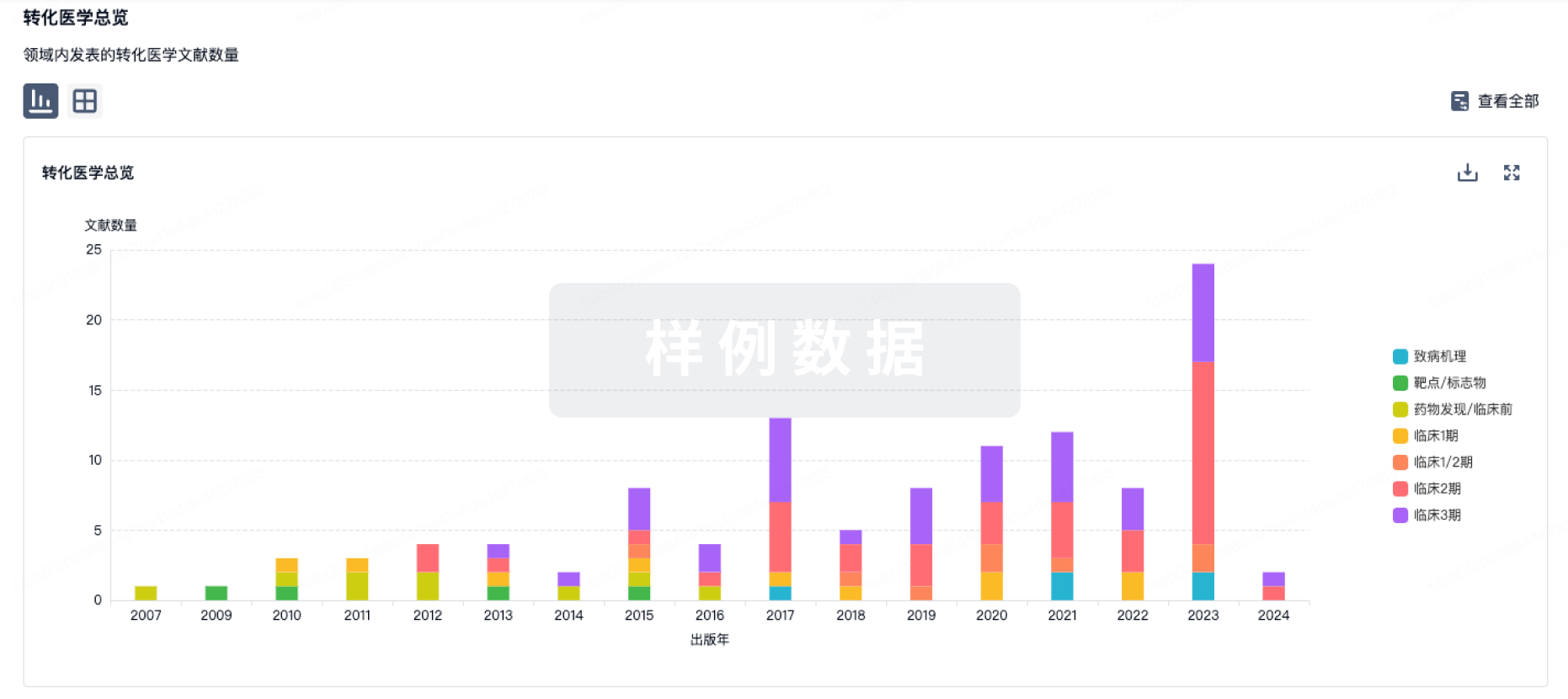
转化医学
使用我们的转化医学数据加速您的研究。
登录
或
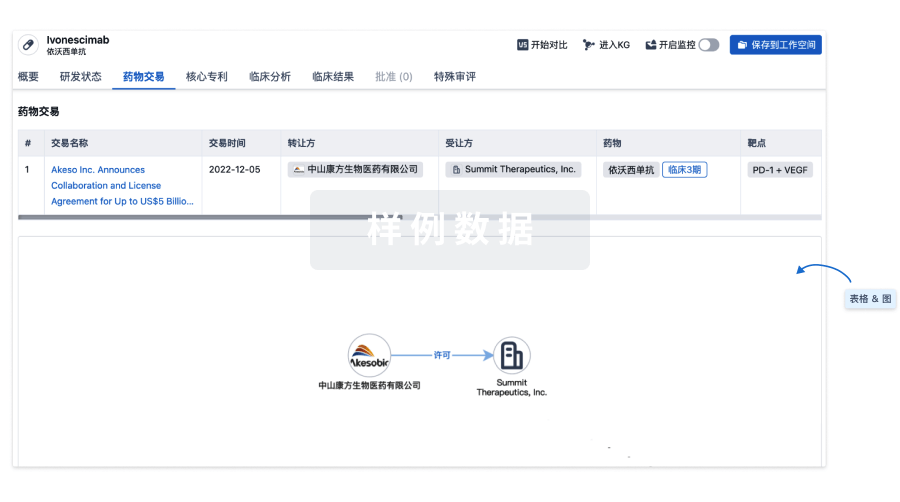
药物交易
使用我们的药物交易数据加速您的研究。
登录
或
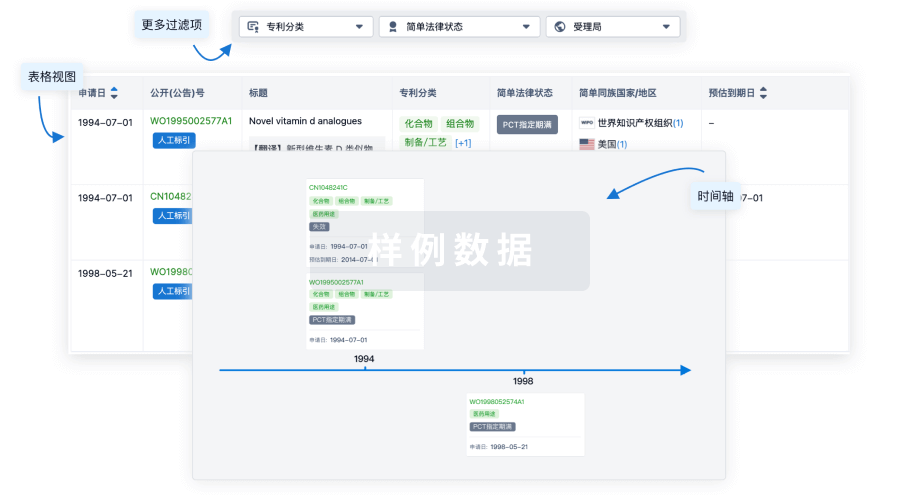
核心专利
使用我们的核心专利数据促进您的研究。
登录
或
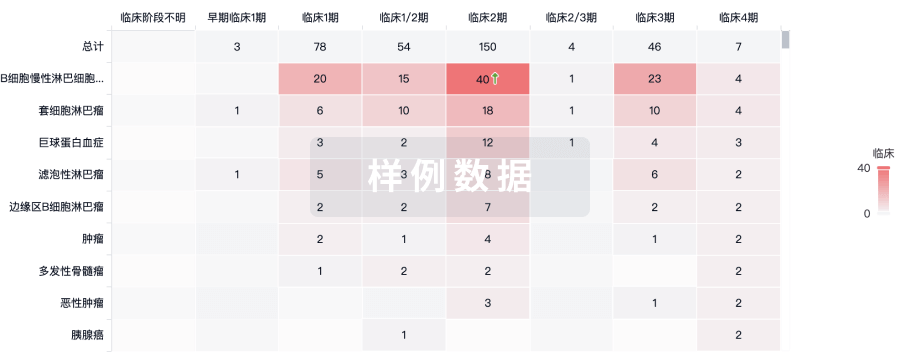
临床分析
紧跟全球注册中心的最新临床试验。
登录
或
批准
利用最新的监管批准信息加速您的研究。
登录
或
特殊审评
只需点击几下即可了解关键药物信息。
登录
或
生物医药百科问答
全新生物医药AI Agent 覆盖科研全链路,让突破性发现快人一步
立即开始免费试用!
智慧芽新药情报库是智慧芽专为生命科学人士构建的基于AI的创新药情报平台,助您全方位提升您的研发与决策效率。
立即开始数据试用!
智慧芽新药库数据也通过智慧芽数据服务平台,以API或者数据包形式对外开放,助您更加充分利用智慧芽新药情报信息。
生物序列数据库
生物药研发创新
免费使用
化学结构数据库
小分子化药研发创新
免费使用