预约演示
更新于:2026-06-20
TRPV1 antagonist (AntalGenics)
更新于:2026-06-20
概要
基本信息
原研机构 |
在研机构- |
非在研机构 |
权益机构- |
最高研发阶段无进展临床前 |
首次获批日期- |
最高研发阶段(中国)- |
特殊审评- |
关联
100 项与 TRPV1 antagonist (AntalGenics) 相关的临床结果
登录后查看更多信息
100 项与 TRPV1 antagonist (AntalGenics) 相关的转化医学
登录后查看更多信息
100 项与 TRPV1 antagonist (AntalGenics) 相关的专利(医药)
登录后查看更多信息
401
项与 TRPV1 antagonist (AntalGenics) 相关的文献(医药)2026-08-01·PHYTOMEDICINE
Bioactive compound emodin from clinical formula Zhi-Lou-Xun-Xi decoction exerts rapid analgesic effects by targeting TRPV1
Article
作者: Yin, Hongye ; Chen, Chen ; Jin, Zecheng ; Hou, Wei ; Chen, Yugen ; Yao, Shuang ; Qiu, Zhengxi ; Zhou, Jin-Yong ; Chen, Zepeng ; Cao, Xia ; Wang, Juejin ; Ma, Jiaze ; Bu, Zhijun ; Ma, Yimeng ; Zhang, Yinan
BACKGROUND:
Effective postoperative pain management after hemorrhoidectomy remains a significant clinical challenge, largely due to the scarcity of safe and effective non-opioid analgesics. Zhi-Lou-Xun-Xi decoction (J5) is a traditional Chinese formula that has been used clinically for decades, yet its active components and mechanism of action remain unclear.
PURPOSE:
This study aimed to systematically identify the active analgesic components in J5 and elucidate their molecular mechanism of action.
METHODS:
We employed an integrated pharmacological approach, beginning with a retrospective clinical analysis to confirm the analgesic and wound-healing effects of J5. Pharmacodynamic assays were conducted to evaluate its interaction with TRPV1. High-resolution mass spectrometry and structure-based virtual screening were used to identify candidate compounds. The mechanism of emodin, the primary active constituent, was further investigated through SPR assays, patch-clamp recording, molecular dynamics simulations, and extensive in vivo pain models using TRPV1 knockout (KO) mice.
RESULTS:
Emodin was identified as the key TRPV1-antagonizing component in J5. In multiple pain models, emodin produced dose-dependent analgesia without inducing common TRPV1 antagonist-related side effects, particularly altered thermal sensitivity or hyperthermia. These findings not only clarify the mechanistic basis of J5's clinical efficacy but also position emodin as a promising topical analgesic candidate that acts via local TRPV1 inhibition.
2026-06-12·Korean Journal of Pain
Exploring the role of alpha-tocopherol in pain and inflammation: interplay with TRPV1, PKA, and PKC pathways
Article
作者: Oran, Sawsan ; Jaffal, Sahar
Background:
Alpha-tocopherol (vitamin E) is a fat-soluble antioxidant with neuroprotective properties. There is a gap in research regarding the anti-nociceptive and anti-inflammatory effects of alpha-tocopherol in different tests of nociception as well as its signaling pathways. Therefore, this study aimed to assess the anti-nociceptive and anti-inflammatory effects of alpha-tocopherol in vivo and examine the potential involvement of transient receptor potential vanilloid 1 (TRPV1) and downstream kinase pathways, particularly protein kinases protein kinase A (PKA) and protein kinase C (PKC).
Methods:
Male Swiss albino mice were used in acetic acid-induced writhing, immersion tail-flick, and hot-plate tests for nociception while male Wistar rats were used in carrageenan-induced paw edema assay for inflammation. Alpha-tocopherol (50 mg/kg, i.p.), alone or in combination with TRPV1 antagonist (capsazepine) or PKC/PKA inhibitors (Go 6976, H89, respectively) was administered, followed by conducting the behavioral tests. TRPV1 expression in brain and skin tissues was examined using immunohistochemistry.
Results:
Alpha-tocopherol significantly reduced writhing responses and extended heat latency in thermal tests. The TRPV1 was involved in the hot-plate and immersion tail-flick assays, while PKC and PKA pathways were implicated in the supraspinal analgesic effect (the hot plate test). Alpha-tocopherol (20 μg) did not exert any significant anti-inflammatory effect in the carrageenan model. Intense TRPV1 immunolabeling was observed in the alpha-tocopherol/ carrageenan condition, particularly in the skin.
Conclusions:
Alpha-tocopherol possesses a strong anti-nociceptive effect through TRPV1 modulation via PKC/PKAdependent mechanisms. These findings suggest that alpha-tocopherol can be used as an adjuvant in multimodal pain management protocols.
2026-04-10·Recent Advances in Inflammation & Allergy Drug Discovery
Targeting Cannabinoid CB2 Receptors to Attenuate Airway Inflammation and Hyperresponsiveness in Allergic Asthma: Does the TRPV1 Receptor
Play a Role?
Article
作者: Uysal, Fatma ; Arslan, Seyfullah Oktay ; Alhirmizi, Ibraheem Akram Omar ; Yıldız, Oğuzhan ; Koç, Ayşegül ; Çam Özünlü, Saliha Ayşenur
Introduction::
Asthma is a chronic airway disease characterized by inflammation, remodeling,
and airway hyperresponsiveness. Cannabinoid CB2 receptors are emerging as modulators
of immune responses, while cross-talk with TRPV1 channels may also influence disease
mechanisms. This study investigated the effects of the CB2 agonist JWH133 on airway inflammation
and hyperreactivity in ovalbumin (OVA)-induced asthma and evaluated the involvement of
CB2 and TRPV1 receptors.
Methods::
Female BALB/c mice were sensitized and challenged with OVA. JWH133 (0.5, 3, 5
mg/kg) was administered intraperitoneally, alone or in combination with the CB2 antagonist
AM630 or the TRPV1 antagonist capsazepine (CPZ). Airway responsiveness was assessed using a
methacholine challenge in whole-body plethysmography. Inflammatory cell counts in bronchoalveolar
lavage fluid (BALF), serum cytokine levels (IL-4, IL-5, IL-13), and lung histology
were analyzed.
Results::
OVA exposure significantly increased Penh values, BALF inflammatory cells, Th2 cytokines,
and histological inflammation. JWH133 produced a dose-dependent reduction in airway
hyperresponsiveness, eosinophilic infiltration, and Th2 cytokines, along with improved histopathology.
AM630 alone did not alter asthma parameters but partially reversed JWH133’s effects
when co-administered. CPZ treatment reduced lymphocytes, and CPZ+JWH133 co-treatment further
decreased IL-5 and IL-13 levels compared to CPZ alone.
discussion::
This study demonstrates that selective activation of CB2 receptors with JWH133 alleviates key features of allergic asthma, including airway hyperresponsiveness, eosinophilic infiltration, Th2 cytokine release, and histopathological inflammation. The partial loss of efficacy with AM630 suggests that CB2 signaling plays a major role; however, residual improvements despite CB2 blockade point toward additional receptor-independent mechanisms. The enhanced reduction of IL-5 and IL-13 following combined treatment with capsazepine and JWH133 further supports potential cross-talk between CB2 and TRPV1 pathways. These findings align with previous reports that cannabinoids can modulate airway responses via multiple molecular targets. While promising, the results were obtained in a murine model, and translational studies are required to validate clinical relevance.
Discussion::
The present study demonstrates that selective activation of CB2 receptors with
JWH133 effectively suppresses key pathological features of allergic asthma, including airway hyperresponsiveness,
eosinophilic inflammation, and Th2 cytokine production. Although AM630 attenuated
several of these beneficial effects, JWH133 maintained partial activity even in the presence
of CB2 antagonism, suggesting that additional CB2-independent mechanisms contribute to
its actions. Moreover, partial overlap between the effects of TRPV1 inhibition and JWH133 indicates
that cannabinoid–TRP interactions may influence the inflammatory response. These findings
highlight the multifactorial nature of cannabinoid signaling in asthma and underscore the need to
explore alternative pathways-including neuroimmune and non-CB2 mechanisms-that may mediate
the protective effects of CB2 agonists.
Conclusion::
JWH133 markedly reduces airway hyperresponsiveness and inflammation in OVAinduced
asthma, primarily through CB2 receptor activation but also through additional pathways
not fully blocked by CB2 antagonism. The partial contribution of TRPV1 modulation further
suggests complex receptor crosstalk. Overall, these results support CB2 agonists as promising candidates
for asthma therapy and emphasize the importance of future mechanistic studies to clarify
their receptor-specific and non-receptor-dependent effects.
100 项与 TRPV1 antagonist (AntalGenics) 相关的药物交易
登录后查看更多信息
研发状态
10 条进展最快的记录, 后查看更多信息
登录
| 适应症 | 最高研发状态 | 国家/地区 | 公司 | 日期 |
|---|---|---|---|---|
| 皮炎 | 临床前 | 西班牙 | 2021-10-28 | |
| 瘙痒 | 临床前 | 西班牙 | 2021-10-28 |
登录后查看更多信息
临床结果
临床结果
适应症
分期
评价
查看全部结果
| 研究 | 分期 | 人群特征 | 评价人数 | 分组 | 结果 | 评价 | 发布日期 |
|---|
No Data | |||||||
登录后查看更多信息
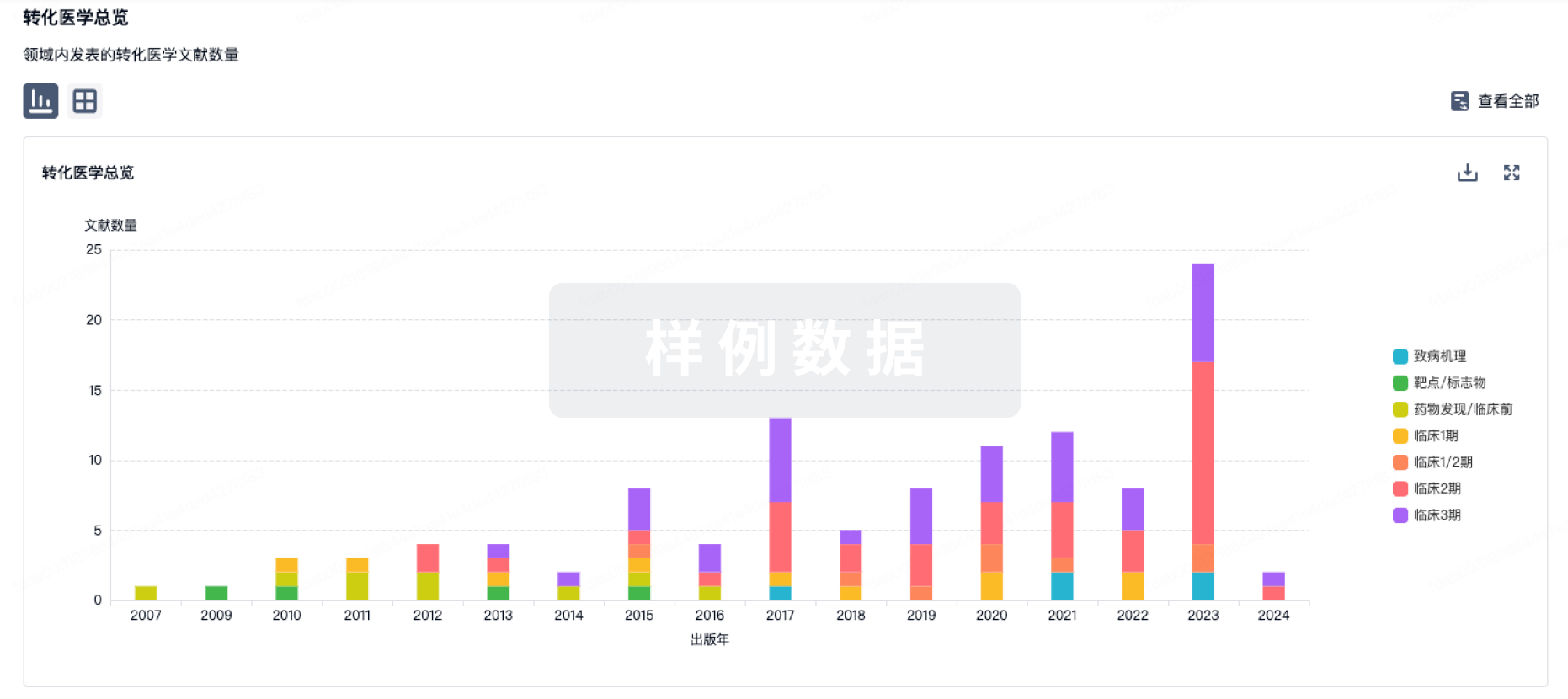
转化医学
使用我们的转化医学数据加速您的研究。
登录
或
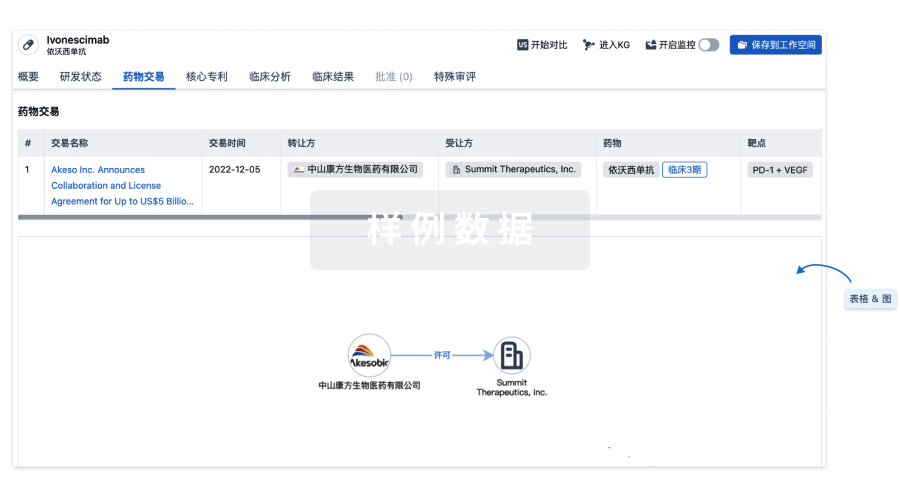
药物交易
使用我们的药物交易数据加速您的研究。
登录
或
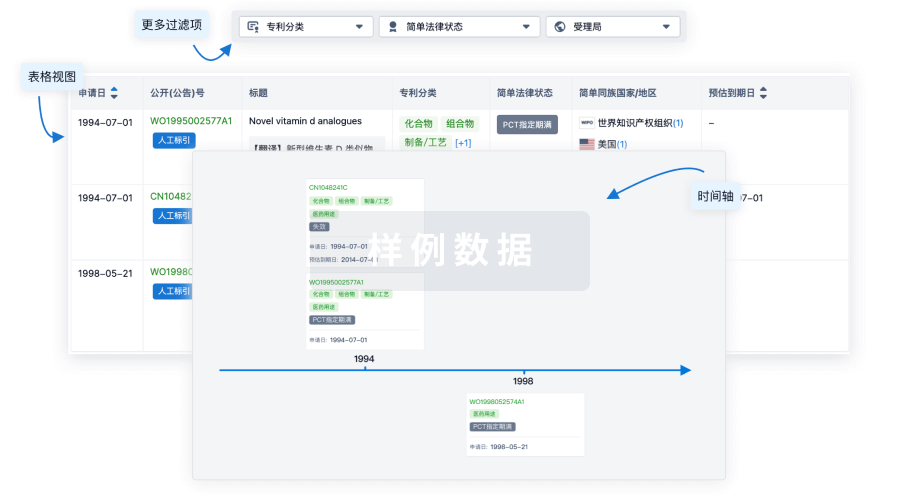
核心专利
使用我们的核心专利数据促进您的研究。
登录
或
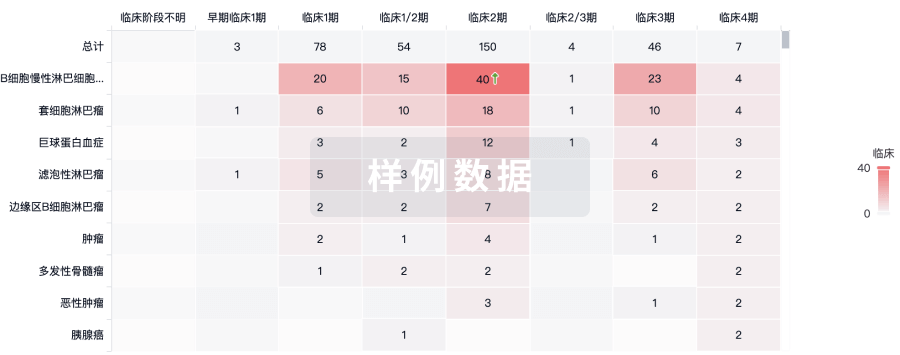
临床分析
紧跟全球注册中心的最新临床试验。
登录
或
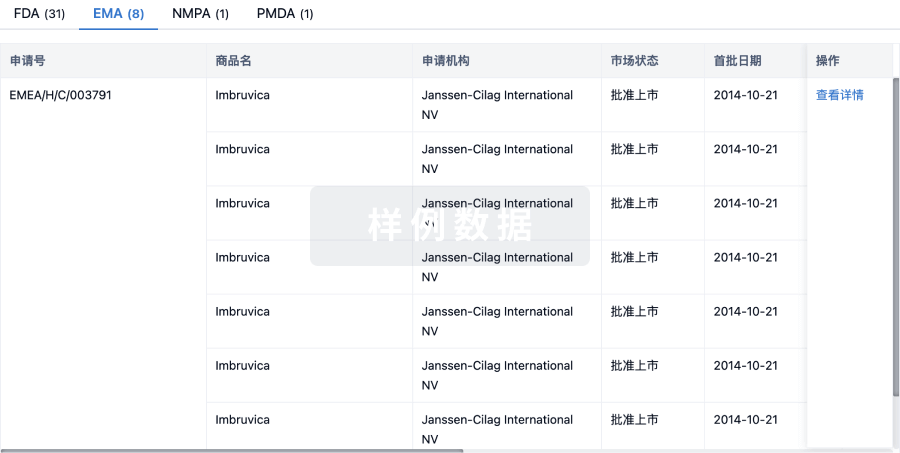
批准
利用最新的监管批准信息加速您的研究。
登录
或
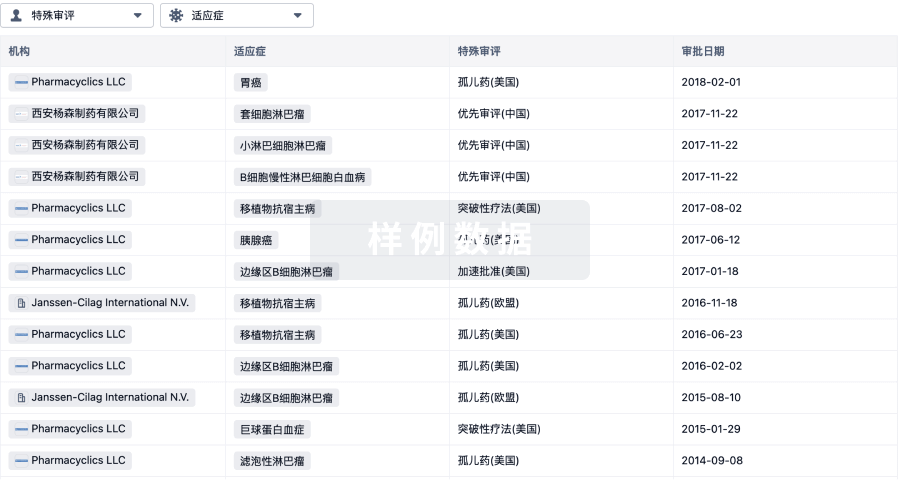
特殊审评
只需点击几下即可了解关键药物信息。
登录
或
生物医药百科问答
全新生物医药AI Agent 覆盖科研全链路,让突破性发现快人一步
立即开始免费试用!
智慧芽新药情报库是智慧芽专为生命科学人士构建的基于AI的创新药情报平台,助您全方位提升您的研发与决策效率。
立即开始数据试用!
智慧芽新药库数据也通过智慧芽数据服务平台,以API或者数据包形式对外开放,助您更加充分利用智慧芽新药情报信息。
生物序列数据库
生物药研发创新
免费使用
化学结构数据库
小分子化药研发创新
免费使用