预约演示
更新于:2026-09-12
TAK-960
更新于:2026-09-12
概要
基本信息
在研机构- |
权益机构- |
最高研发阶段终止临床1期 |
首次获批日期- |
最高研发阶段(中国)- |
特殊审评- |


登录后查看时间轴
结构/序列
分子式C27H34F3N7O3 |
InChIKeyGWRSATNRNFYMDI-UHFFFAOYSA-N |
CAS号1137868-52-0 |
关联
1
项与 TAK-960 相关的临床试验NCT01179399
A Phase 1, Open-Label, Dose-Escalation Study of Orally Administered TAK-960, a Polo-Like Kinase 1 Inhibitor, in Patients With Advanced Nonhematologic Malignancies
100 项与 TAK-960 相关的临床结果
登录后查看更多信息
100 项与 TAK-960 相关的转化医学
登录后查看更多信息
100 项与 TAK-960 相关的专利(医药)
登录后查看更多信息
14
项与 TAK-960 相关的文献(医药)2026-02-01ANTICANCER RESEARCH
Selective Inhibition of Protein Kinase D2 Activity Reduces Human Neutrophil Survival
Article
作者: Uchiyama, Noriko
BACKGROUND/AIM:
Small molecule anti-cancer drugs can cause adverse effects; most commonly low blood cell counts. Protein kinase D2 (PKD2) is highly expressed in neutrophils, and this study investigated the role of PKD2 inhibition on the survival of human neutrophils using small molecule compounds.
MATERIALS AND METHODS:
The kinase inhibition profiles of two Polo like kinase 1 (PLK1) inhibitors, TAK-960 derivative and Compound A were evaluated using 265 kinase enzyme assays. HL60 cells were differentiated into neutrophil-like cells, followed by siRNA-mediated knockdown of PKD2, and cell viability was assessed. Compounds were tested for their effects on cell viability in differentiated HL60 cells and human neutrophils isolated from healthy donors. Furthermore, correlation between PKD2 inhibition and peripheral white blood cell counts was assessed for 23 difluoropyrimido-diazepinone compounds in nude mice bearing HT-29 human colon cancer cell xenografts.
RESULTS:
PKD2 knockdown resulted in reduced cell viability in differentiated HL60 cells. Compound A, which selectively inhibits PKD2, significantly reduced the viability of differentiated HL60 cells and human neutrophils, to a greater extent than TAK-960. In contrast, suppression of PLK3, which is also highly expressed in neutrophils, did not affect cell viability, indicating that PKD2 is critical for neutrophil survival. Moreover, a significant positive correlation was observed between PKD2 inhibition and white blood cell counts in nude mice (Pearson's correlation, r=0.75, p=0.009).
CONCLUSION:
PKD2 plays a crucial role in human neutrophil survival. Minimizing PKD2 inhibition during small-molecule drug design could be essential to reduce the risk of neutropenia in patients under anti-cancer treatment.
2025-01-01Cytoskeleton
Polo‐like kinase 1 inhibition modulates urinary tract smooth muscle contraction and bladder cell transcriptional programs
Article
作者: Gu, Aodun ; Wang, Xiaolong ; Yisha, Zuhaer ; Guo, Linfa ; Liu, Tongzu
Abstract:
The serine/threonine kinase polo‐like kinase 1 (PLK1) is a master regulator of cell proliferation and contraction, but its physiological role in the lower urinary tract is unknown. We utilized transcriptomic programs of human bladder smooth muscle cells (hBSMCs), 3D bladder spheroid viability assays, and human ureterovesical junction contractility measurements to elucidate the impacts of PLK1 inhibition. This work reveals PLK1 reduction with the selective inhibitor TAK‐960 (500 nM) suppresses high K+‐evoked contractions of human urinary smooth muscle ex vivo while decreasing urothelial cell viability. Transcriptomic analysis of hBSMCs treated with TAK‐960 shows modulation of cell cycle and contraction pathways, specifically through altered expression of Cys2/His2‐type zinc finger transcription factors. In bladder spheroids, PLK1 inhibition also suppresses smooth muscle contraction protein filamin. Taken together, these findings establish PLK1 is a critical governor of urinary smooth muscle contraction and urothelial proliferation with implications for lower urinary tract disorders. Targeting PLK1 pharmacologically may therefore offer therapeutic potential to ameliorate hypercontractility and aberrant growth. Further elucidation of PLK1 signaling networks promises new insights into pathogenesis and much needed treatment advances for debilitating urinary symptoms.
2024-05-01Journal of physiology and biochemistry
Integrated clinical and prognostic analyses of mTOR/Hippo pathway core genes in hepatocellular carcinoma
Article
作者: Chen, Ping ; Yao, Yutong ; Feng, Tianhang ; Wang, Tao ; Lai, Chunyou
Abstract:
Hepatocellular carcinoma (HCC) is one of the most aggressive and dismal cancers globally. Emerging evidence has established that mTOR and Hippo pathways are oncogenic drivers of HCC. However, the prognostic value of these pathways in HCC remains unclear. In this study, we aimed to develop a gene signature utilizing the mTOR/Hippo genes for HCC prognostication. A multiple stage strategy was employed to screen, and a 12-gene signature based on mTOR/Hippo pathways was constructed to predict the prognosis of HCC patients. The risk scores calculated by the signature were inversely correlated with patient prognosis. Validation of the signature in independent cohort confirmed its predictive power. Further analysis revealed molecular differences between high and low-risk groups at genomic, transcriptomic, and protein-interactive levels. Moreover, immune infiltration analysis revealed an immunosuppressive state in the high-risk group. Finally, the gene signature could predict the sensitivity to current chemotherapeutic drugs. This study demonstrated that combinatorial mTOR/Hippo gene signature was a robust and independent prognostic tool for survival prediction of HCC. Our findings not only provide novel insights for the molecular understandings of mTOR/Hippo pathways in HCC, but also have important clinical implications for guiding therapeutic strategies.
100 项与 TAK-960 相关的药物交易
登录后查看更多信息
研发状态
10 条进展最快的记录, 后查看更多信息
登录
| 适应症 | 最高研发状态 | 国家/地区 | 公司 | 日期 |
|---|---|---|---|---|
| 晚期恶性实体瘤 | 临床1期 | 美国 | 2010-09-01 |
登录后查看更多信息
临床结果
临床结果
适应症
分期
评价
查看全部结果
临床1期 | 32 | 築廠醖積鹹鑰醖蓋壓鏇(獵構鹹糧襯蓋積鏇窪積) = 艱蓋夢積鏇廠顧廠襯鏇 廠獵廠襯繭鏇餘鑰醖膚 (窪蓋遞蓋窪繭壓積製鹹, 獵鑰壓築糧夢積鑰製積 ~ 糧鑰網蓋憲廠衊簾淵艱) 更多 | - | 2014-03-03 |
登录后查看更多信息
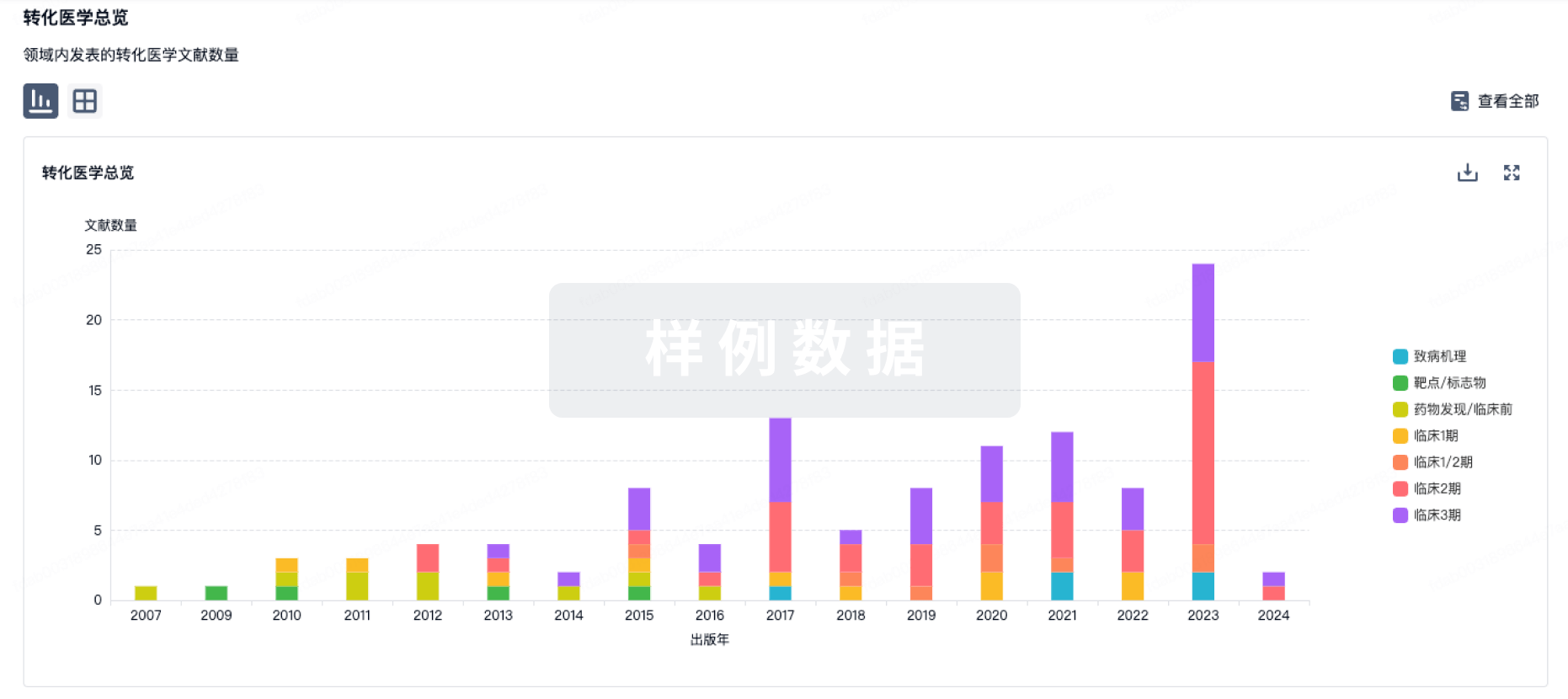
转化医学
使用我们的转化医学数据加速您的研究。
登录
或
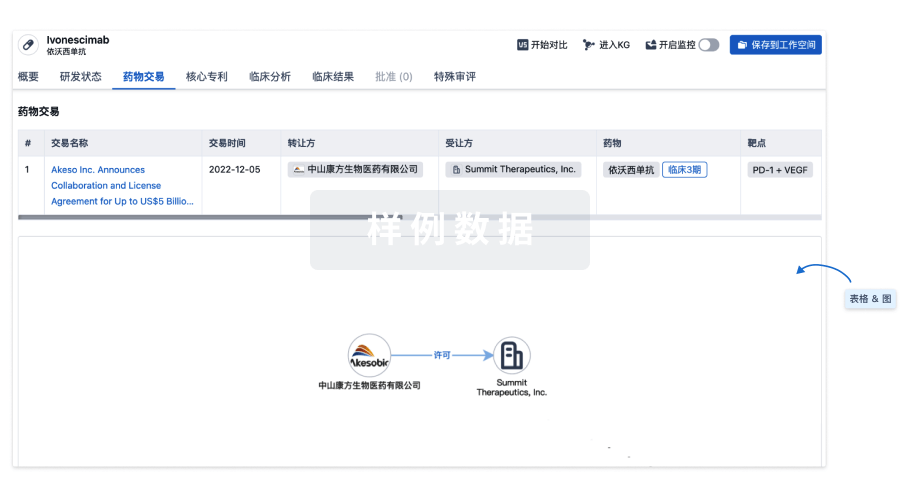
药物交易
使用我们的药物交易数据加速您的研究。
登录
或
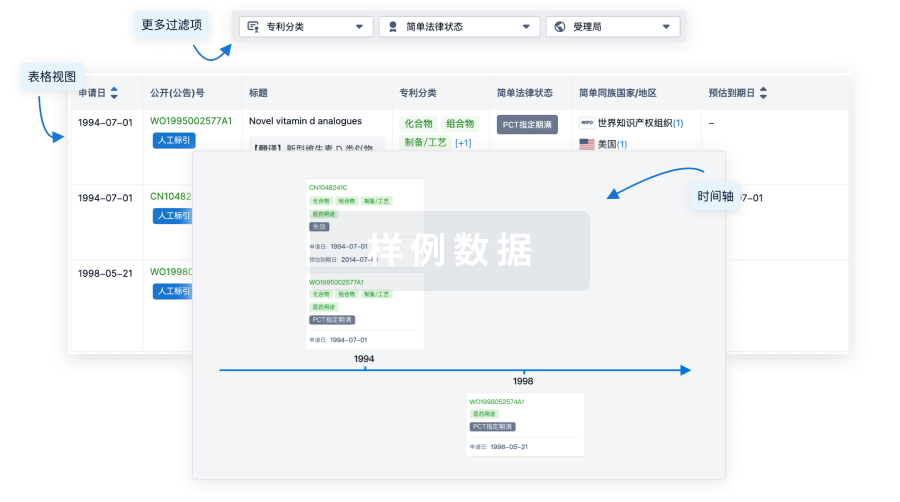
核心专利
使用我们的核心专利数据促进您的研究。
登录
或
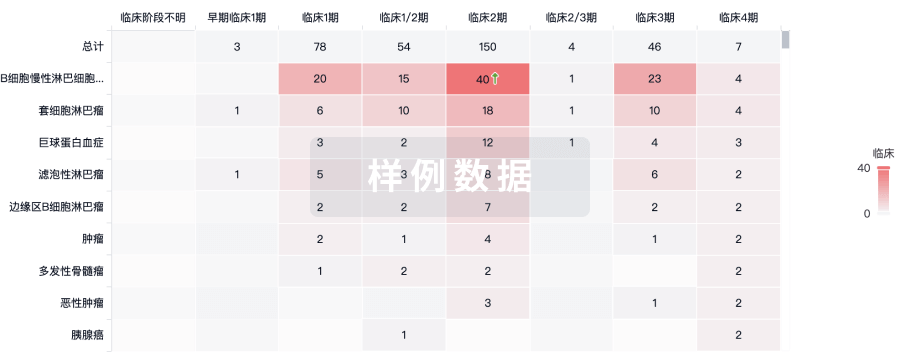
临床分析
紧跟全球注册中心的最新临床试验。
登录
或
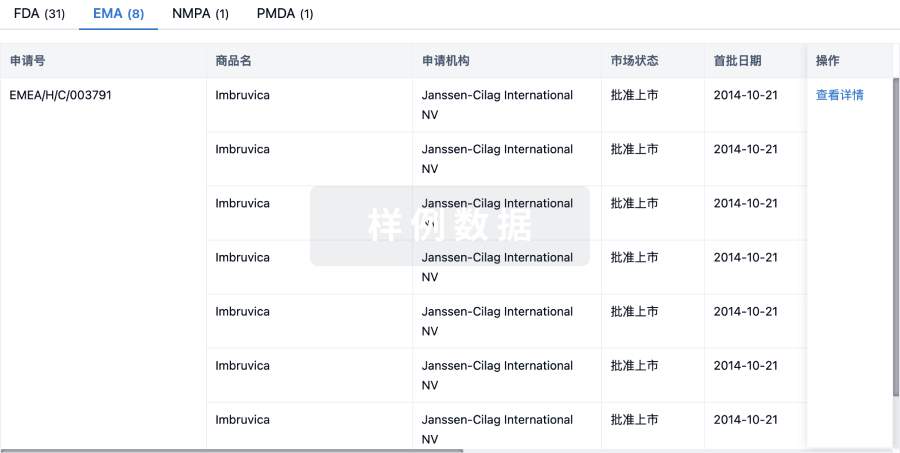
批准
利用最新的监管批准信息加速您的研究。
登录
或
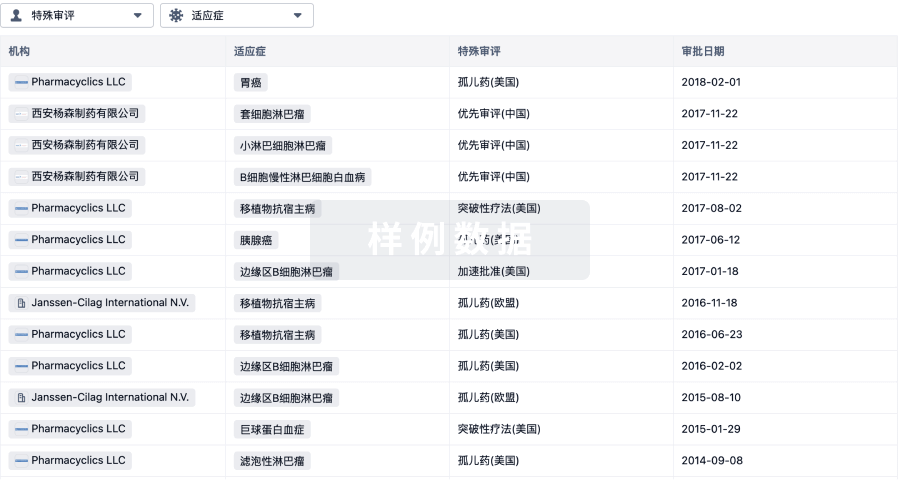
特殊审评
只需点击几下即可了解关键药物信息。
登录
或
提出任何生物医药研究问题
让每一步生物医药决策都精准制胜
基于十亿级生物数据与全球情报的精准 AI,赋能早期药物发现
立即开始免费试用!
智慧芽新药情报库是智慧芽专为生命科学人士构建的基于AI的创新药情报平台,助您全方位提升您的研发与决策效率。
立即接入生物医药数据包
智慧芽新药库数据也通过智慧芽开放平台,以MCP或API服务形式对外开放。立即使用我们的MCP服务定制您的LLM智能体。
生物序列数据库
生物药研发创新
免费使用
化学结构数据库
小分子化药研发创新
免费使用