预约演示
更新于:2026-03-16
CpG1018
更新于:2026-03-16
概要
基本信息
非在研机构- |
权益机构- |
最高研发阶段临床1期 |
首次获批日期- |
最高研发阶段(中国)- |
特殊审评- |


登录后查看时间轴
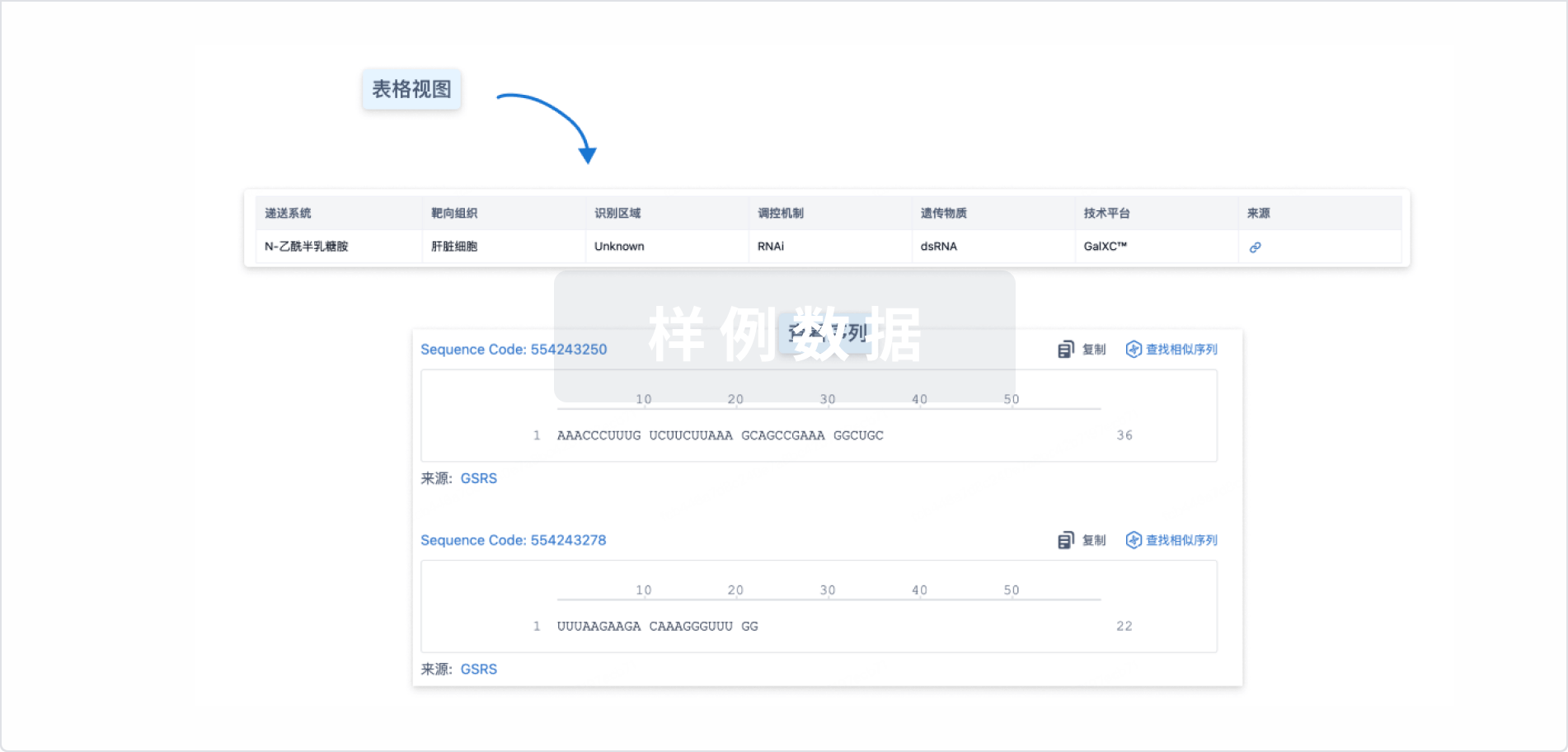
结构/序列
使用我们的RNA技术数据为新药研发加速。
登录
或
关联
3
项与 CpG1018 相关的临床试验NCT05606341
Phase 1 Clinical Trial of Innate Immunity Stimulation Via TLR9 in Early Alzheimer's Disease (AD)
NCT04405908
A Phase 1, Randomized, Double-blind, Placebo-controlled, First-in-human Study to Evaluate the Safety and Immunogenicity of SCB 2019, a Recombinant SARS-CoV-2 Trimeric S Protein Subunit Vaccine for COVID-19 in Healthy Volunteers.
NCT04177355
A Phase 1 Clinical Trial to Evaluate the Safety and Immunogenicity of HIV-1 BG505 SOSIP.664 gp140 With TLR Agonist and/or Aalum Adjuvants and VRC HIV Env Trimer 4571 and 3M-052-AF With Alum in Healthy, HIV-uninfected Adults
100 项与 CpG1018 相关的临床结果
登录后查看更多信息
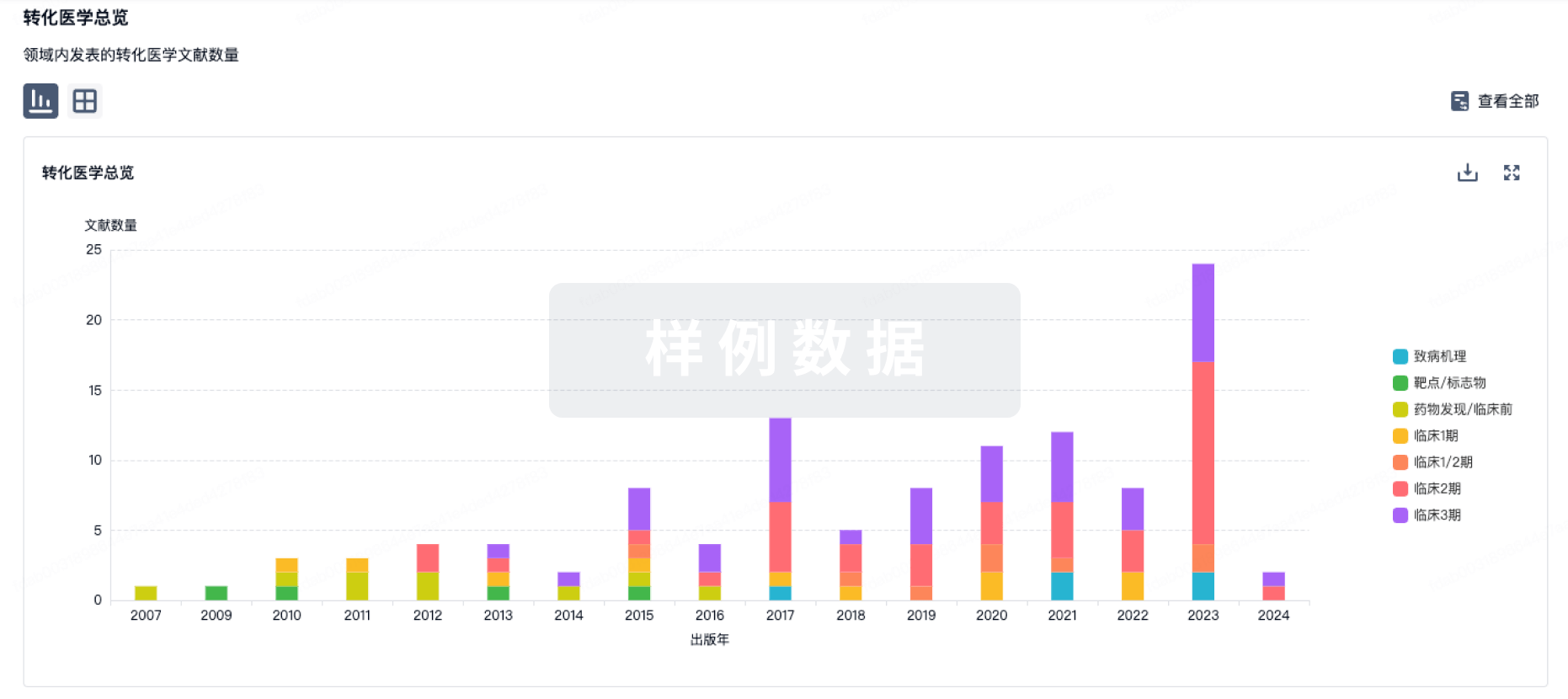
100 项与 CpG1018 相关的转化医学
登录后查看更多信息
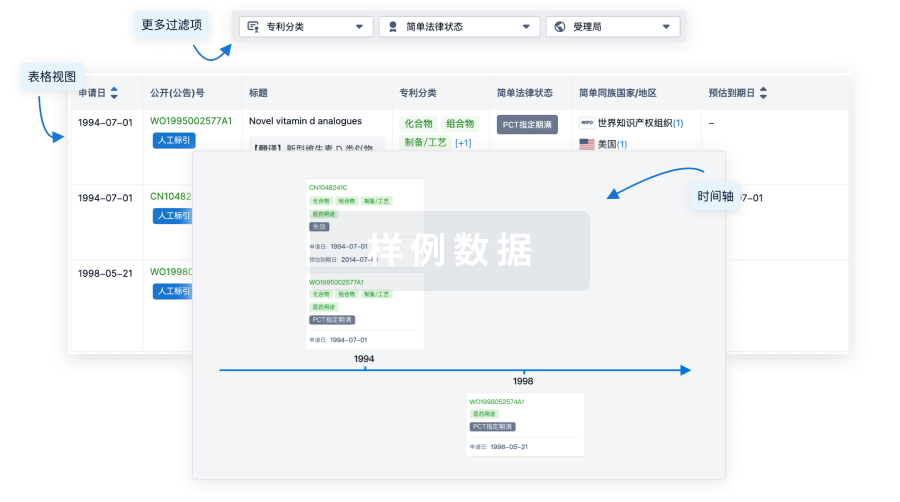
100 项与 CpG1018 相关的专利(医药)
登录后查看更多信息
45
项与 CpG1018 相关的文献(医药)2025-12-31Human Vaccines & Immunotherapeutics
PfCSP-ferritin nanoparticle malaria vaccine antigen formulated with aluminum-salt and CpG 1018® adjuvants: Preformulation characterization, antigen-adjuvant interactions, and mouse immunogenicity studies
Article
作者: Julien, Jean-Philippe ; Hickey, John M. ; Doering, Jennifer ; Sharma, Nitya ; Costa, Giulia ; Volkin, David B. ; Wizel, Benjamin ; Joshi, Sangeeta B. ; Prieto, Katherine ; Fairlamb, Max ; Levashina, Elena A. ; Mantis, Nicholas J. ; Adewunmi, Yetunde
Circumsporozite protein (CSP), the most abundant surface protein in parasitic Plasmodium falciparum (Pf) sporozoite and an attractive target for malaria vaccine design, has been shown to induce protective humoral response in humans. In this work, we characterized and formulated a promising recombinant PfCSP immunogen (155) candidate consisting of two PfCSP epitopes (i.e. junction, NANP repeat) fused to H. pylori apoferritin forming a 24-mer nanoparticle. In addition, two N-linked glycans were engineered to mitigate possible anti-apoferritin immune responses, and a universal T-cell epitope was included to further enhance immunogenicity. Physicochemical characterization of the 155 antigen was performed including primary structure, post-translational modifications, conformational stability, and particle size. A competitive ELISA was developed to assess antigen binding to a PfCSP-specific mAb. The in vitro antigenicity of the 155 antigen was measured upon formulation with adjuvants, including aluminum-salts (i.e. AlhydrogelTM, Adju-PhosTM) and the TLR-9 agonist CpG 1018®, when freshly combined and after storage at different temperatures over 3 months. The in vivo immunological impact of various adjuvanted formulations of the 155 antigen was investigated in mice. The results support the formulation of 155 with AlhydrogelTM + CpG 1018® adjuvants as a promising recombinant malaria vaccine candidate from both a pharmaceutical and immunological perspective.
2025-10-01IMMUNOLOGY LETTERS
A novel MF59 and CpG1018 adjuvant combination enhances the humoral and cellular immune responses against a truncated varicella-zoster viral glycoprotein E
Article
作者: Yin, Quanyi ; Hu, Xue ; Li, Haiyan ; An, Youcai ; Xiong, Yelin ; Chen, Xiguang ; Yang, Jing ; Li, Wanzhen ; Liu, Zhilei
Vaccination is the only effective strategy for preventing herpes zoster (HZ), a disease caused by reactivation of the varicella-zoster virus (VZV). Cell-mediated immunity (CMI) plays a pivotal role in controlling VZV reactivation and is a critical factor in the efficacy of the HZ vaccine. This research introduced the preliminary utilization of truncated glycoprotein E (tgE) as the antigen in the formulation of an innovative recombinant HZ vaccine and explored the combination of tgE with several adjuvants to assess their effectiveness in eliciting robust humoral and CMI responses in C57BL/6 mice, followed by the immunogenicity validation of the optimal vaccine formulation in Sprague-Dawley (SD) rats and cynomolgus monkeys. The results demonstrated that the combination of tgE with MF59 and CpG1018, designated as tgE/MF59+CpG1018, elicited significantly stronger gE-specific humoral and cellular immune responses in C57BL/6 mice compared to any single adjuvant or other adjuvant combinations. The optimal dosages for MF59 and CpG1018 were determined to be 0.025 ml and 10 μg, respectively, for each 0.05 ml of the vaccine formulation. Notably, the increasing in the dosage of the adjuvant does not inherently correlate with a more pronounced immune response. Furthermore, the tgE/MF59+CpG1018 also elicited robust humoral and CMI responses in both SD rats and cynomolgus monkeys. These findings established the novel tgE/MF59+CpG1018 vaccine as a highly promising prophylactic candidate against HZ.
2025-09-01VACCINE
Innate and T-cellular immune responses to sequential vaccination with chimeric hemagglutinin split influenza virus vaccines in mice
Article
作者: Bushfield, Kaitlyn ; Puente-Massaguer, Eduard ; Vasilev, Kirill ; Krammer, Florian ; Hoxie, Irene
Chimeric hemagglutinin (cHA)-based vaccines represent a promising strategy toward the development of a broadly protective universal influenza virus vaccine. Previous studies show that sequential administration of cHA split influenza vaccines stimulates broadly cross-reactive antibodies targeting the HA stalk and induces systemic and localized CD4+ T-cell responses to the HA, neuraminidase (NA), and nucleoprotein (NP). However, the exact role of the T-cellular immune response in the protection after vaccination with cHA constructs remains underinvestigated. Here we provide an in-depth characterization of the innate immune response and antigen-specific T-cellular immune response in mice after sequential immunization with the group 2 cH15/3HK14N2HK14 and cH4/3HK14N2HK14 virus vaccine candidates with or without CpG 1018 adjuvant and during a heterologous virus challenge. The non-adjuvanted split vaccine induced mixed Th1/Th2 T-cellular immune response associated with interferon-γ, interleukin (IL)-2, tumor necrosis factor α, IL-4, IL-5, IL-13, and IL-10 production whereas the adjuvanted vaccine (split/CpG) induced a Th1-polarized T-cellular immune response mediated by IL2+TNFα+ and IFNγ+IL2+TNFα+ polyfunctional CD4 effector memory T-lymphocytes. An increase in the Th2-associated cytokines (IL-4, IL-5, IL-13) and the eosinophil accumulation was shown in the lungs of mice immunized with a non-adjuvanted split vaccine after a challenge with a phylogenetically distant influenza virus. We also investigated the ability of T-cells to induce protection against the heterologous virus challenge in passive-transfer and T-cell depletion experiments. Passive transfer of sera from mice immunized with split/CpG vaccine reduced weight loss, inflammatory cytokine production, and viral replication in lungs after challenge. Passive transfer of T-cells from immunized to naïve mice did not reduce weight loss and viral replication but affected the innate immune cell population dynamics and cytokine response in mouse lungs after the challenge. The depletion of CD4+ T-cells did not affect viral replication in mouse lungs but influenced cytokine production and innate immune cell population dynamics.
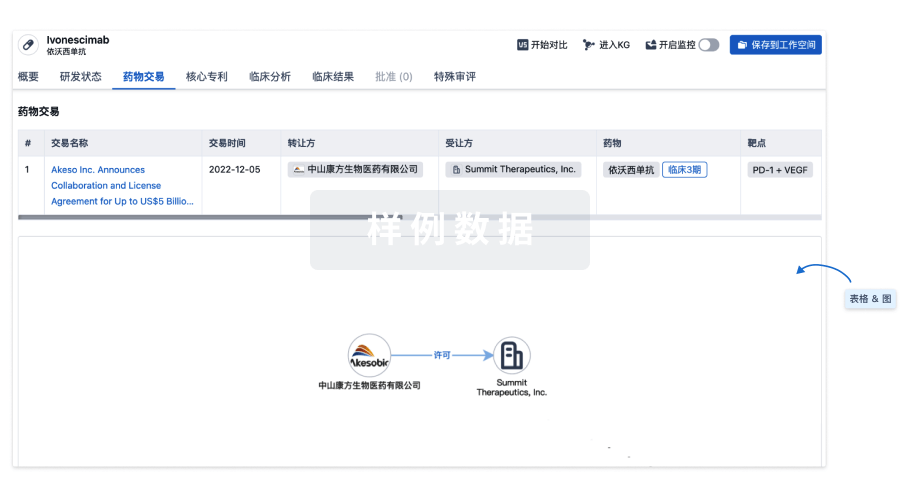
100 项与 CpG1018 相关的药物交易
登录后查看更多信息
研发状态
10 条进展最快的记录, 后查看更多信息
登录
| 适应症 | 最高研发状态 | 国家/地区 | 公司 | 日期 |
|---|---|---|---|---|
| 阿尔茨海默症 | 临床1期 | 美国 | 2023-03-13 | |
| 轻度认知障碍 | 临床1期 | 美国 | 2023-03-13 |
登录后查看更多信息
临床结果
临床结果
适应症
分期
评价
查看全部结果
登录后查看更多信息
转化医学
使用我们的转化医学数据加速您的研究。
登录
或
药物交易
使用我们的药物交易数据加速您的研究。
登录
或
核心专利
使用我们的核心专利数据促进您的研究。
登录
或
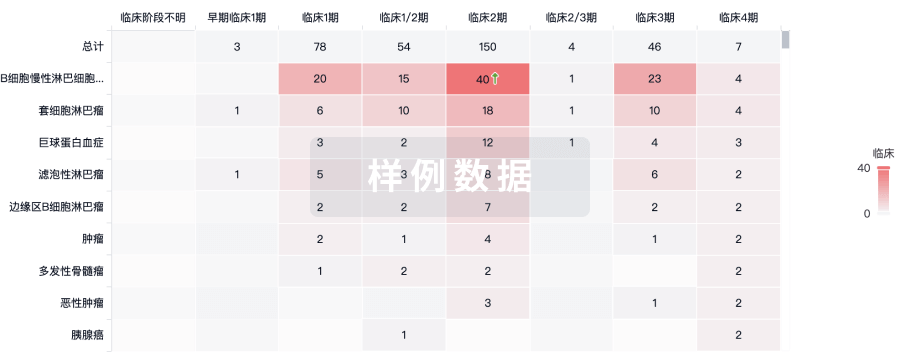
临床分析
紧跟全球注册中心的最新临床试验。
登录
或
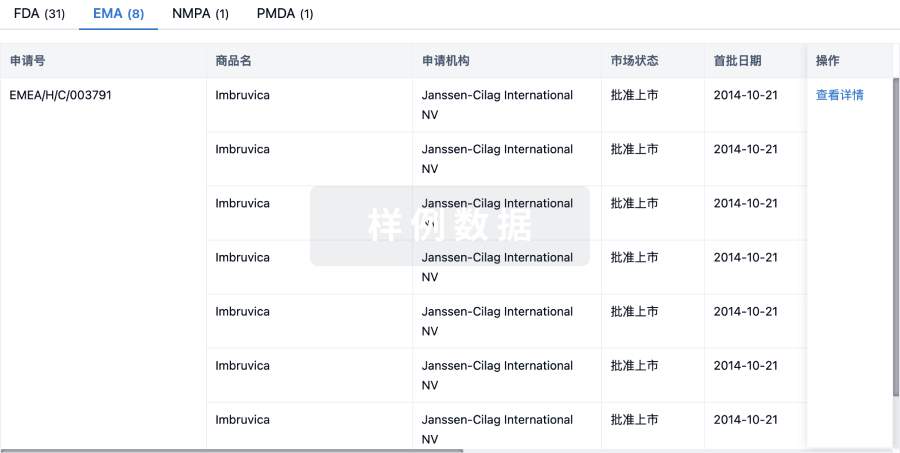
批准
利用最新的监管批准信息加速您的研究。
登录
或
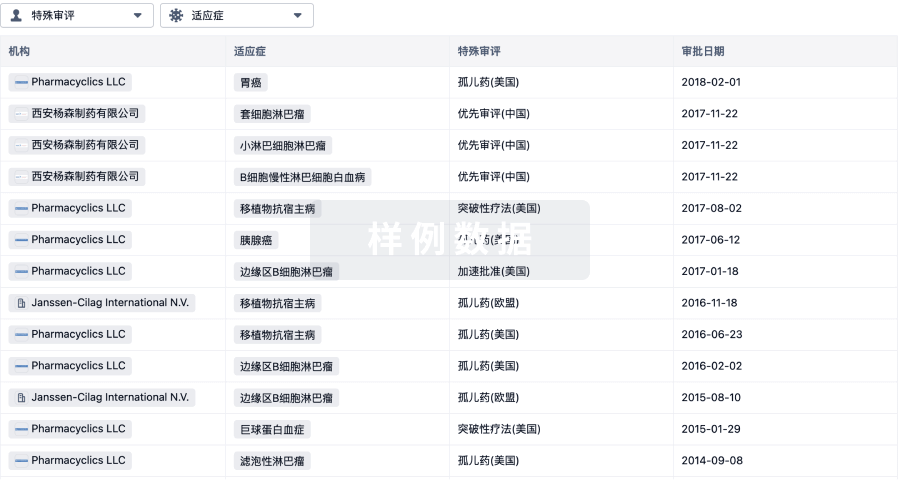
特殊审评
只需点击几下即可了解关键药物信息。
登录
或
提出任何生物医药研究问题
让每一步生物医药决策都精准制胜
基于十亿级生物数据与全球情报的精准 AI,赋能早期药物发现
立即开始免费试用!
智慧芽新药情报库是智慧芽专为生命科学人士构建的基于AI的创新药情报平台,助您全方位提升您的研发与决策效率。
立即接入生物医药数据包
智慧芽新药库数据也通过智慧芽开放平台,以MCP或API服务形式对外开放。立即使用我们的MCP服务定制您的LLM智能体。
生物序列数据库
生物药研发创新
免费使用
化学结构数据库
小分子化药研发创新
免费使用