预约演示
更新于:2026-01-31
Anti-MSLN CAR-T (Zhujiang Hospital of Southern Medical University)
更新于:2026-01-31
概要
基本信息
原研机构 |
在研机构- |
非在研机构 |
权益机构- |
最高研发阶段暂停临床1期 |
首次获批日期- |
最高研发阶段(中国)- |
特殊审评- |
关联
100 项与 Anti-MSLN CAR-T (Zhujiang Hospital of Southern Medical University) 相关的临床结果
登录后查看更多信息
100 项与 Anti-MSLN CAR-T (Zhujiang Hospital of Southern Medical University) 相关的转化医学
登录后查看更多信息
100 项与 Anti-MSLN CAR-T (Zhujiang Hospital of Southern Medical University) 相关的专利(医药)
登录后查看更多信息
6
项与 Anti-MSLN CAR-T (Zhujiang Hospital of Southern Medical University) 相关的文献(医药)2026-03-01·BIOCHEMICAL PHARMACOLOGY
Preparation and anti-tumor applications of universal umbilical cord blood-derived, mesothelin-targeted CAR-T cells
Article
作者: Fu, Shihui ; Gao, Zhitao ; Zhao, Guizeng ; Zhao, Hongbing ; Zhu, Moli ; Wu, Yating
Mesothelin (MSLN), overexpressed in >90 % of malignant pleural mesotheliomas and pancreatic adenocarcinomas, with minimal expression in normal tissue, represents an ideal immunotherapeutic target. Here, we generated universal umbilical cord blood (UCB)-derived anti-MSLN CAR-Ts using a CAR construct comprising a single-chain variable fragment linked to CD8α H/TM, 4-1BB and CD3ζ signaling domain. CAR expression, T cell subsets, and exhaustion markers were characterized via flow cytometry. Cytotoxicity against MSLN-positive NCI-H2452 and MSLN-negative A431 cells was assessed via alamarBlue assay (effector-to-target ratio, 0.5:1-5:1; for 6-24 h), and cytokine secretion (IL-2, IFN-γ, TNF-α, IL-6) was quantified using enzyme-linked immunosorbent assay. In vivo anti-tumor activity was evaluated in female NOD/SCID/γc-/- xenograft models, with tumor burden monitored via bioluminescence imaging and survival through the Kaplan-Meier method. Experiments were performed in triplicate, with data analyzed using GraphPad Prism. CAR transduction efficiency in UCB mononuclear cells reached 88.27 %± 7.29 % by day 12. Compared to day 3 cells, they retained higher memory cell proportions (Tscm: 28.16 %→21.39 %), and lower exhaustion marker expression than peripheral blood T (PB-T) cells (APC anti-human CD269: 8.41 %±0.64 % vs 4.42 %±1.25 %; PE antihuman CD366: 5.48 %±0.76 % vs 3.58 %±0.89 %; p < 0.05). UCB-derived anti-MSLN CAR-T cells exhibited dose- and time-dependent cytotoxicity against NCI-H2452 cells, with minimal activity against A431 controls. Moreover, cytokine secretion was significantly elevated compared to that in PB-T co-cultures. In xenograft models, CAR-T cells significantly prolonged median survival. Thus, UCB-derived anti-MSLN CAR-Ts showed reduced exhaustion, increased memory T cell proportions, and enhanced anti-tumor efficacy in vitro and in vivo.
2025-11-01·EBioMedicine
B7-H3-mediated reversal of CAR-T cell exhaustion induces a notable antitumour response in ovarian cancer models
Article
作者: He, Junqi ; Wu, Di ; Kong, Wenzhi ; Jiang, Junyi ; Deng, Mengqi ; Ma, Qingqing ; Chang, Xiangyu ; Yang, Ruiye ; Liu, Qun ; Zhang, Yanqin ; Tang, Fan ; Liu, Penglin ; Miao, Jinwei
BACKGROUND:
Functional CAR-T cell exhaustion in the immunosuppressive tumour microenvironment remains the main barrier to the success of CAR-T cell therapy for treating solid tumours. Mesothelin (MSLN) has emerged as an attractive target for CAR-T cell therapy for several solid malignancies, including ovarian cancer. In this study, we aimed to investigate the role and mechanism of lipid metabolites in anti-MSLN CAR-T cell exhaustion in ovarian cancer cells.
METHODS:
We engineered anti-MSLN CAR-T cells targeting ovarian cancer cells with high MSLN expression as a pivotal tool for in vitro and in vivo experiments. Moreover, liquid chromatography-tandem mass spectrometry (LC-MS/MS) revealed the critical role of oxylipin 12-HETE in the exhaustion of CAR-T cells. By employing structure-based high-throughput virtual screening (HTVS), we identified the inhibitor targeting B7-H3.
FINDINGS:
We demonstrated that GPR31-dependent 12-HETE accumulation in the ovarian cancer microenvironment drives CAR-T cell exhaustion via lipid peroxidation, impairing their antitumour efficacy. Genetic or pharmacological inhibition of the 12-HETE/GPR31 axis restored CAR-T cell cytotoxicity and proliferation, leading to significant tumour regression in murine models. Silencing B7-H3 relieved repression of FOXO3, leading to reduced 12-LOX expression and lower 12-HETE levels, which places B7-H3 upstream of this metabolic checkpoint. Through structure-based screening, we identified HI-TOPK-032 as a potent B7-H3 inhibitor that synergised with CAR-T cell therapy by reversing exhaustion markers (e.g., PD-1, TIM-3) and enhancing cytokine polyfunctionality. Combined HI-TOPK-032 and anti-PD-1 treatment achieved superior tumour control compared to monotherapies, particularly in B7-H3/12-LOX-high patient-derived xenografts, underscoring its precision therapeutic potential.
INTERPRETATION:
CAR-T cell therapy combined with HI-TOPK-032 is a promising novel strategy for treating MSLN-expressing solid tumours.
FUNDING:
This study was funded by the National Natural Science Foundation of China (Grant number: 82503173), Beijing Hospitals Authority's Ascent Plan (Grant number: DFL20221201), Beijing Hospitals Authority Clinical Medicine Development of Special Funding Support (Grant number: ZYLX202120), Beijing Natural Science Foundation (Grant number: 7162063), Capital Medical University Laboratory for Clinical Medicine and Gynecological Tumour Precise Diagnosis and Treatment Innovation Studio.
2023-04-01·Cancer immunology, immunotherapy : CII
Dominant-negative transforming growth factor-β receptor-armoured mesothelin-targeted chimeric antigen receptor T cells slow tumour growth in a mouse model of ovarian cancer
Article
作者: Zhang, Wang ; Li, Ke ; Wu, Shu ; Xu, Jing ; Kang, Yu ; Wang, Jing ; Dai, Qing ; Xu, Congjian ; Dai, Yilin ; Lu, Chong
Abstract:
Ovarian cancer is a major cause of death among all gynaecological cancers. Although surgery, chemotherapy and targeted therapy have yielded successful outcomes, the 5-year survival rate remains < 30%. Adoptive immunotherapy, particularly chimeric antigen receptor (CAR) T-cell therapy, has demonstrated improved survival in acute lymphoblastic leukaemia with manageable toxicity. We explored CAR T-cell therapy in a preclinical mouse model of ovarian cancer. Second-generation CAR T cells were developed targeting mesothelin (MSLN), which is abundantly expressed in ovarian cancer. Cytotoxicity experiments were performed to verify the lethality of CAR T cells on target cells via flow cytometry. The in vivo antitumour activity of MSLN CAR T cells was also verified using a patient-derived xenograft (PDX) mouse model with human tumour-derived cells. We also evaluated the potency of CAR T cells directed to MSLN following co-expression of a dominant-negative transforming growth factor-β receptor type II (dnTGFβRII). Our data demonstrate that anti-MSLN CAR T cells specifically eliminate MSLN-expressing target cells in an MSLN density-dependent manner. This preclinical research promises an effective treatment strategy to improve outcomes for ovarian cancer, with the potential for prolonging survival while minimizing risk of on-target off-tumour toxicity.
100 项与 Anti-MSLN CAR-T (Zhujiang Hospital of Southern Medical University) 相关的药物交易
登录后查看更多信息
研发状态
10 条进展最快的记录, 后查看更多信息
登录
| 适应症 | 最高研发状态 | 国家/地区 | 公司 | 日期 |
|---|---|---|---|---|
| 卵巢上皮癌 | 临床1期 | - | - |
登录后查看更多信息
临床结果
临床结果
适应症
分期
评价
查看全部结果
| 研究 | 分期 | 人群特征 | 评价人数 | 分组 | 结果 | 评价 | 发布日期 |
|---|
No Data | |||||||
登录后查看更多信息
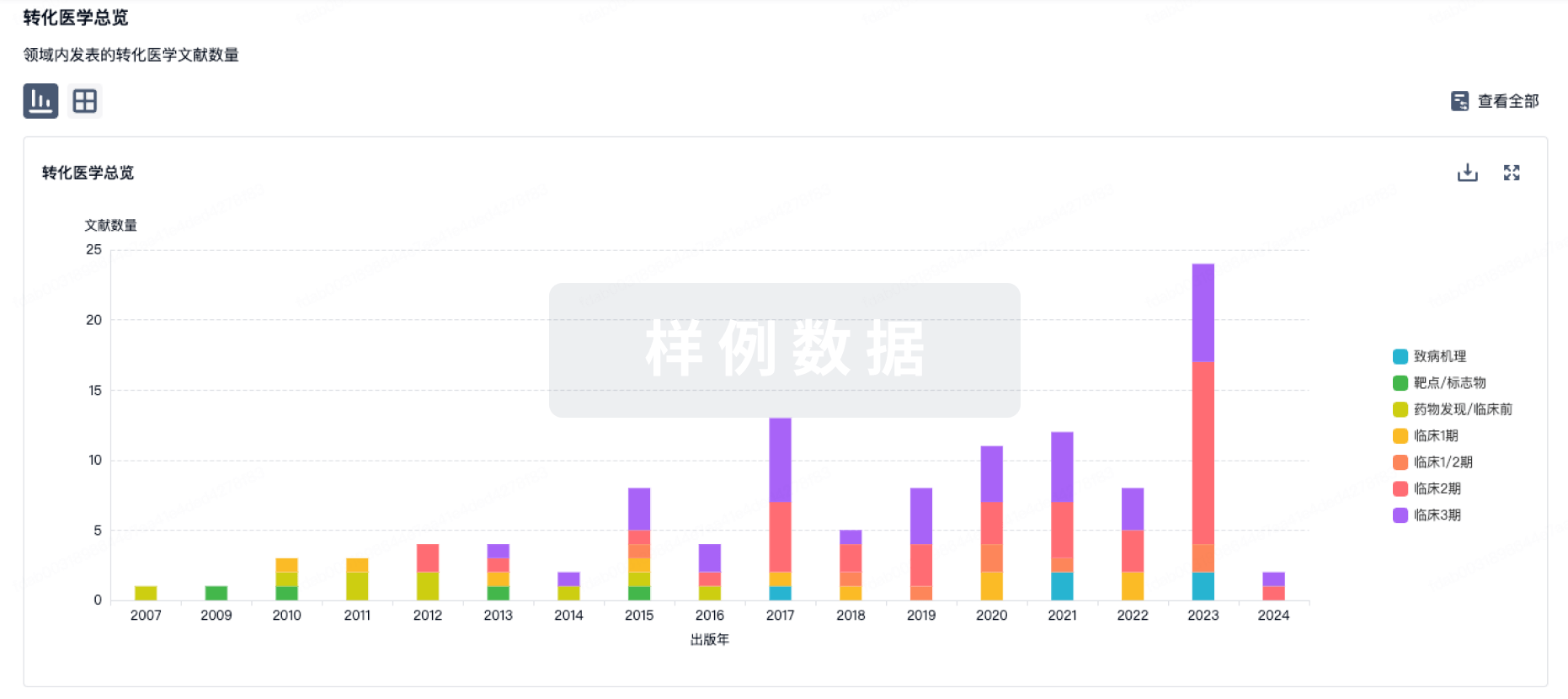
转化医学
使用我们的转化医学数据加速您的研究。
登录
或
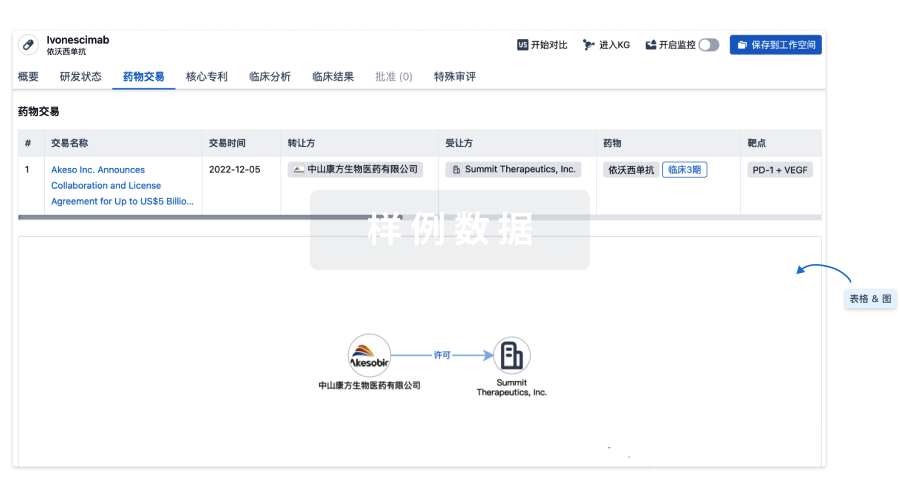
药物交易
使用我们的药物交易数据加速您的研究。
登录
或
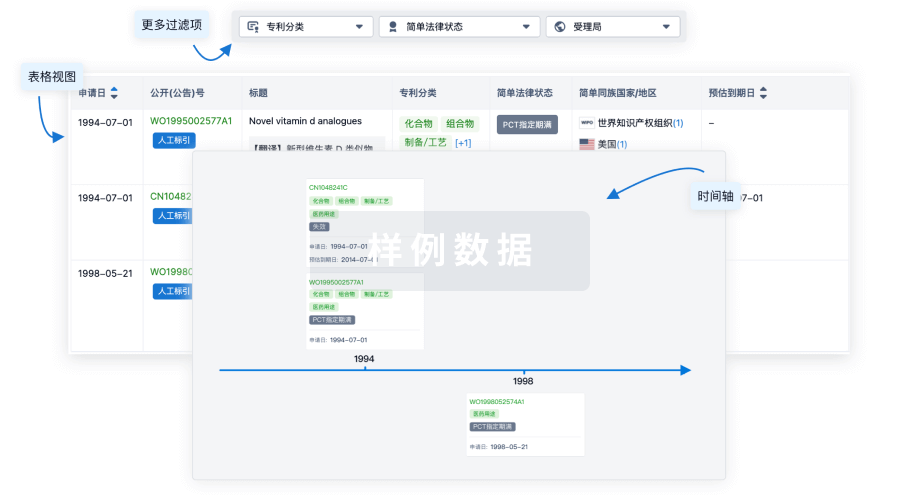
核心专利
使用我们的核心专利数据促进您的研究。
登录
或
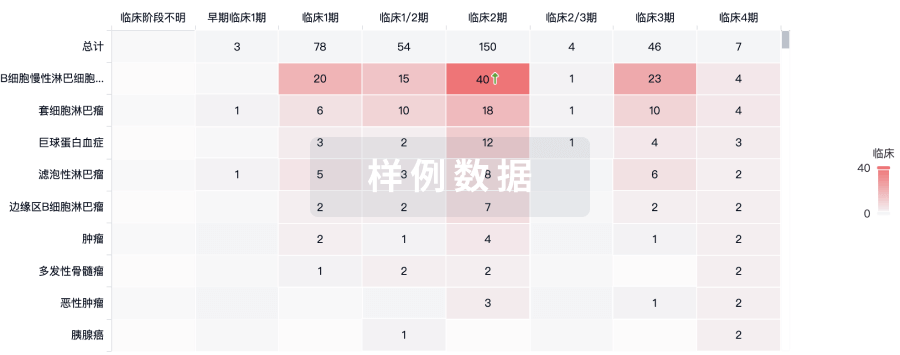
临床分析
紧跟全球注册中心的最新临床试验。
登录
或
批准
利用最新的监管批准信息加速您的研究。
登录
或
特殊审评
只需点击几下即可了解关键药物信息。
登录
或
生物医药百科问答
全新生物医药AI Agent 覆盖科研全链路,让突破性发现快人一步
立即开始免费试用!
智慧芽新药情报库是智慧芽专为生命科学人士构建的基于AI的创新药情报平台,助您全方位提升您的研发与决策效率。
立即开始数据试用!
智慧芽新药库数据也通过智慧芽数据服务平台,以API或者数据包形式对外开放,助您更加充分利用智慧芽新药情报信息。
生物序列数据库
生物药研发创新
免费使用
化学结构数据库
小分子化药研发创新
免费使用