预约演示
更新于:2026-05-20
Zhujiang Hospital of Southern Medical University
更新于:2026-05-20
概览
标签
其他疾病
神经系统疾病
心血管疾病
小分子化药
外泌体药物
单克隆抗体
疾病领域得分
一眼洞穿机构专注的疾病领域

暂无数据
技术平台
公司药物应用最多的技术
暂无数据
靶点
公司最常开发的靶点
暂无数据
| 排名前五的药物类型 | 数量 |
|---|---|
| 小分子化药 | 1 |
| 外泌体药物 | 1 |
| 单克隆抗体 | 1 |
| CAR-T | 1 |
| 排名前五的靶点 | 数量 |
|---|---|
| CHIKV E1(基孔肯雅病毒E1蛋白) | 1 |
| CD19(B淋巴细胞抗原CD19) | 1 |
关联
4
项与 南方医科大学珠江医院 相关的药物靶点 |
作用机制 CD19调节剂 |
在研机构 |
原研机构 |
在研适应症 |
非在研适应症- |
最高研发阶段临床1/2期 |
首次获批国家/地区- |
首次获批日期- |
靶点- |
作用机制- |
在研机构 |
原研机构 |
在研适应症 |
非在研适应症- |
最高研发阶段临床1期 |
首次获批国家/地区- |
首次获批日期- |
靶点 |
作用机制 CHIKV E1拮抗剂 |
在研机构 |
原研机构 |
在研适应症 |
非在研适应症- |
最高研发阶段临床前 |
首次获批国家/地区- |
首次获批日期- |
382
项与 南方医科大学珠江医院 相关的临床试验NCT07335094
A Clinical Study of Humanized CD19 CAR-T Cells With TLR2 for the Treatment of Adult Patients With Naive B-Cell Acute Lymphoblastic Leukemia/Lymphoma Who Are Intolerant to Intensive Chemotherapy
The purpose of this clinical trial is to tolerability and safety of humanized CD19 CAR-T therapy with TLR2 in adult patients with acute B lymphoblastic leukemia/lymphoma who cannot tolerate intense chemotherapy at initial treatment. Participants will receive a single infusion of CD19 CAR-T and complete follow-ups over the next three years.
开始日期2026-06-01 |
申办/合作机构 |
ChiCTR2600123878
Neuromuscular control mechanisms in older adults with different states of sarcopenia under dual-task cognitive load conditions - a multimodal analysis based on force platform, fNIRS and surface EMG
开始日期2026-05-01 |
申办/合作机构 |
ChiCTR2600122809
Single-Arm Clinical Trial of Local Mini-Incision Suture for the Treatment of Inflammatory Skin Diseases of the Vulva and Perianal Region
开始日期2026-05-01 |
申办/合作机构 |
100 项与 南方医科大学珠江医院 相关的临床结果
登录后查看更多信息
0 项与 南方医科大学珠江医院 相关的专利(医药)
登录后查看更多信息
627
项与 南方医科大学珠江医院 相关的文献(医药)2026-07-01·NEURAL NETWORKS
MCDNet: Morphological-conditional dual-view fusion for 3D tubular structure segmentation
Article
作者: Zou, Jiani ; Xu, Kele ; Wang, Zhiyan ; Zhuang, Yan ; Liu, Fangyi ; Tang, Zhongshun ; Wang, Changjian
Accurate segmentation of 3D tubular structures in medical images is critical for clinical diagnosis and interventional planning. Although deep learning methods have advanced significantly, most existing approaches exhibit limited generalizability due to their reliance on structure-specific morphological priors. Consequently, these models are often constrained to particular anatomical regions-such as the colorectal tract, vasculature, or arteries-leading to suboptimal performance when applied across varied organ systems. Moreover, the joint modeling of global and local morphological characteristics remains underexplored in the context of tubular structure segmentation. To address these limitations, we propose MCDNet, a Morphological-Conditional Dual-view Network that integrates both contextual and morphological information through a target-adaptive Morphological-Conditional Convolution (MCConv). The network is composed of three sequential modules: (1) a morphological feature extraction stage leveraging MCConv to enhance structural sensitivity across diverse tubular geometries; (2) a contextual feature learning stage employing a cross-fusion mechanism that synergistically combines convolutional and attention-based representations; and (3) a residual self-attention fusion module that reinforces feature integration from decoupled morphological and contextual branches. We evaluate MCDNet on four benchmark datasets encompassing diverse tubular segmentation tasks. Experimental results demonstrate that MCDNet achieves superior performance over state-of-the-art methods, with an average Dice coefficient improvement of 6.93% and a 10.61% reduction in Hausdorff distance relative to a strong baseline. The source code is publicly available at https://github.com/wzydcg/MCDNet.
2026-05-01·Journal of NeuroInterventional Surgery
Comparison of superior ophthalmic vein approach and inferior petrosal sinus recanalization in the treatment of cavernous sinus dural arteriovenous fistula: a multicenter retrospective study
Article
作者: Wang, Zixin ; Zheng, Jingwei ; Liu, Fei ; Bao, Xiang ; Su, Shixing ; Liu, Sheng ; Zhou, Haihang ; Jiang, Zhijie ; Jia, Qi ; Lu, Hua ; Hu, Si ; Xu, Liang ; Yu, Jun ; Li, Zhenqiang ; Zhou, Shengjun ; Zhang, Guoqiang
Background:
Cavernous sinus dural arteriovenous fistulas (CS-DAVFs) present significant treatment challenges when the inferior petrosal sinus (IPS) is not opacified during cerebral angiography. The consistently visible superior ophthalmic vein (SOV) offers a promising alternative, though it has yet to be fully evaluated in large-scale studies.
Methods:
This retrospective, case–control study was conducted between May 2017 and October 2024. Data collection for this multicenter, population-based study took place across eight tertiary referral centers. Eligible patients diagnosed with CS-DAVF and non-visualized IPS were treated either via the transvenous SOV approach or the IPS recanalization approach.
Results:
Of 178 eligible cases, 70 cases (39.33%) were treated using the transvenous SOV approach, while 108 cases (60.67%) underwent the transvenous IPS approach. The initial treatment success rate was significantly higher in the SOV group compared with the IPS group (91.43% vs 75.93%; OR 3.38, 95% CI 1.30 to 8.35, P=0.01). The overall complication rate was 1.43% in the SOV group and 2.78% in the IPS group (OR 0.51, 95% CI 0.04 to 3.47, P>0.99). After classifying the SOV approach into simple and complex types, the SOV-simple type further demonstrated significant advantages, including shorter average operation times (126.20±46.99 min, P=0.02) and a higher initial treatment success rate (95.65%, P=0.003) compared with the IPS group.
Conclusion:
The SOV approach is recommended as a first-line treatment for CS-DAVF patients with ‘invisible’ IPS.
2026-04-01·Journal of NeuroInterventional Surgery
Threshold ratio of stent-to-vessel diameter related to in-stent stenosis after flow diverter treatment of intracranial aneurysm
Article
作者: Lv, Nan ; Lv, Ming ; Li, Tianxiao ; Li, Qiang ; Li, Li ; Lu, Hua ; Ding, Jinyi ; Liu, Jianmin ; Mao, Guohua ; Xie, Xiaodong ; Duan, Chuanzhi ; Zhong, Shu ; Guan, Sheng ; Chang, Kaitao ; Xu, Liquan ; Shao, Qiuji ; Wang, Feng ; Zhang, Qianqian ; Gao, Jieyu ; Lei, Yingbo ; Gu, Yuxiang ; Wan, Jieqing ; Huang, Chuangren
Background:
The optimal selection of stent size remains uncertain. This study evaluated the impact of stent diameter on in-stent stenosis (ISS) after interventional therapy through a subgroup analysis of the Intracranial Aneurysms Managed by Parent Artery Reconstruction Using Tubridge Flow Diverter (IMPACT) trial.
Methods:
This prospective, multicenter study included patients treated with the Tubridge Flow Diverter (TFD) at 14 centers between December 16, 2019 and October 26, 2022. The primary outcome was the incidence of ISS at the 12-month follow-up. We analyzed the effect of different stent sizes on ISS in all patients from IMPACT who had follow-up imaging. The parent artery was divided into proximal and distal vessels, and we introduced the ratio of diameter (RD) as a parameter to assess the association between stent diameter and vessel diameter.
Results:
A total of 167 patients with 195 intracranial aneurysms were included. ISS was classified as mild (<25%) in 9 cases (5.4%), moderate (25–50%) in 4 cases (2.4%), severe (51–75%) in 1 case (0.6%), and extremely severe (>75%) in 5 cases (3%). A total of 390 proximal and distal vessels were evaluated, with a mean RD of 1.14±0.26. Smaller parent artery diameter and higher RD were significantly associated with ISS (p=0.002 and p=0.021, respectively). Additionally, the risk of ISS increased when RD>1.1 (p=0.006).
Conclusions:
In TFD treatment for intracranial aneurysms, stent size and the diameters of proximal and distal parent arteries should be carefully considered, especially in cases involving small parent arteries. Maintaining an RD of less than 1.1 may reduce the risk of ISS.
282
项与 南方医科大学珠江医院 相关的新闻(医药)2026-05-19
·复星医药
近期,复星凯瑞在细胞治疗领域迎来一系列关键进展,涵盖临床开发推进与国际学术认可,标志着公司创新管线持续提速。
在临床推进方面,自体双靶向BCMA/CD19 CAR-T产品FKC289项目密集取得里程碑进展。4月22日,该项目针对复发/难治原发性轻链型淀粉样变(R/R ALA)适应症的I/II期研究全国研究者会顺利召开,和研究者讨论研究方案和项目实施的细节,完成多中心协同共识;紧接着,4月29日,FKC289针对复发/难治膜性肾病(R/R MN)适应症的全国研究者会及启动会相继举行,标志着其向自身免疫性疾病领域快速推进。相应的患者招募,正在紧锣密鼓进行中。
在学术层面,两项最新研究成果被第31届欧洲血液学协会年会(EHA 2026)接收。其中,一项基于ctDNA指导的早期二次Axi-cel(阿基仑赛注射液,CD19 CAR-T)输注策略,探索复发/难治性大B细胞淋巴瘤的抢先巩固干预措施;另一项则聚焦自体双靶向BCMA/CD19 CAR-T产品FKC289,在复发/难治原发性轻链型淀粉样变(R/R ALA)中的安全性与疗效。
EHA 2026将于当地时间2026年6月11日-14日在瑞典斯德哥尔摩隆重召开。作为全球血液学领域最具影响力的学术盛会之一,欧洲血液学协会年会不仅是前沿成果发布的平台,也是推动诊疗进步与国际合作的重要枢纽。
两项研究被接收,体现了复星凯瑞在前沿机制与临床转化上的持续探索,也意味着公司相关成果将在国际舞台获得更广泛关注。
以下为入选研究具体信息
Axi-cel(阿基仑赛注射液,CD19 CAR-T)
本次EHA 2026大会上,由南方医科大学珠江医院李玉华教授、涂三芳教授牵头的基于ctDNA指导下的CD19 CAR-T早期二次输注作为巩固治疗的探索性研究结果重磅亮相。
CD19 CAR-T疗法显著改善了复发或难治性大B细胞淋巴瘤(R/R LBCL)的治疗结局。然而,对于首次输注后早期未能达到深度缓解的患者,其复发风险依然较高。既往数据显示,在复发或进展后再行第二次CAR-T输注通常挽救疗效有限。本研究旨在评估对于首次输注后虽有初步应答但未能达到深度缓解的R/R LBCL患者,早期进行第二次CD19 CAR-T细胞输注作为巩固治疗的疗效、安全性及细胞动力学特征。
摘要标题:基于ctDNA指导的阿基仑赛早期二次输注治疗复发/难治性大B细胞淋巴瘤的前瞻性、单臂临床研究
A Prospective, Single-Arm Clinical Study of ctDNA-Guided Early Second Infusion of Axi-cel in Relapsed/Refractory Large B-Cell Lymphoma
展示形式:壁报
摘要编号:EHA-5136
展示时间:2026年6月11-14日
主要研究者:San-fang Tu, Kai-xin Ou, Lei Wang, Zhao Liang, Yan-jie He, Shao-jie Wu, Ji-long Yang, Chun-yan Yue,Tian-you Yan, Yu-hua Li
FKC289 ( BCMA/CD19 CAR-T)
复发/难治原发性轻链型淀粉样变(R/R ALA)仍存在巨大的未满足临床需求。FKC289是一款靶向BCMA和CD19的双靶自体CAR-T产品,同时通过靶向BCMA和CD19的表面抗原,实现对致病浆细胞和/或B细胞深度耗竭,抑制单克隆免疫球蛋白轻链和其错误折叠形成的淀粉样蛋白的产生,缓解组织和器官损伤。本研究为研究者发起的首次人体I期临床试验(IIT,ChiCTR2500100410),旨在评估BCMA/CD19双靶点CAR-T产品FKC289在r/r ALA患者中的安全性及初步疗效。
摘要标题:自体双靶向BCMA/CD19 CAR-T细胞产品FKC289在复发/难治原发性轻链型淀粉样变患者中的安全性与疗效
Safety and Efficacy of Autologous Dual Targeting BCMA/CD19 CAR-T FKC289 in Subjects with Relapsed / Refractory Light Chain Amyloidosis
展示形式:壁报
摘要编号:PF852
展示时间:2026年6月11-14日
主要研究者:Jing Li, Shi-yang Gu, Yu-hong Ren, Yang Yang, Jia-dai Xu, Yi-an Zhang, Tian-hong Xu, Xiao-chen Wang, Gong-xina Jia, Zi-song Zhou, Wen Shi, Peng Liu
本次多项成果入选与临床进展同步推进,进一步体现出复星凯瑞在CAR-T领域从科学探索到临床落地的系统能力。
未来,复星凯瑞将持续围绕未满足的临床需求,加速创新疗法开发与可及性提升,推动更多突破性成果惠及患者。
联系方式
媒体:pr@fosunpharma.com
投资人:ir@fosunpharma.com
2026-05-18
大会信息
01
大会名称
【BIOLIGN Conference Guangzhou 2026 | 生物医药领创者大会2026· 广州大会】
02
大会时间
2026年5月19日-20日
03
大会地点
五楼·广州越秀国际会议中心
04
主办单位
AceUnity-领变者会展
05
支持单位
【广东省生物医药产业高质量发展协会】
【广州开发区生物医药与健康产业促进会】
大会背景
2026年大湾区最值得期待的生物医药、小分子药物大会之一【BIOLIGN Conference Guangzhou 2026】—生物医药领创者大会·广州2026(简称BIOLIGN 2026广州大会),即将于5月19-20日在广州盛大召开!BIOLIGN 2026广州大会以“让新药更快走向全球”为主题,聚焦探讨ADC、双抗、新型抗体药物、in vivo 细胞治疗、CGT、多肽、GLP-1、核酸药物、小分子药、干细胞、研发、临床、开发、工艺、合规、创新疗法、递送系统、类器官、AI、出海等热门话题,旨在促进新药产业深度对话与融合协作。届时将汇聚3000+行业同仁、1000+药企/Biotech/医院/科研院所/专业供应商等单位机构现场交流,实现产业链深度互动,链接潜在合作伙伴。目前,150+重磅发言嘉宾已确认加入,将带来最前沿的技术探索与案例分享,共推动创新药发展新质力,助力中国新药更快走向全球。
注册渠道开放倒计时
需提前注册审核,多种参会形式开放中
(不接收现场注册,请勿踏空)
参会指南
1. 签到时间&会议时间
· 签到开放时间:
2026年5月18日,14:30-18:00;2026年5月19日,07:30-08:30
* 请于签到开放时间领取胸牌和大会资料进入会场。
· 会议时间:
2026年5月19日,09:00-19:00;2026年5月20日,09:00-17:00
* 请勿迟到早退。
2. 午餐时间
· 时间:12:15-13:45
· 地点:自助餐厅(现场有路标指示)
* 注:如需自助餐券请会前预定购买。一人一券,遗失不补。
3. 现场照片直播
· 关注大会官方微信号”药圈领变者“,留意更新信息,实时获取照片直播。
4. 注意事项
· 此次会议所有参会人员需提前实名注册,注册成功将会接收到定向通知信息。届时凭名片+注册手机号领取胸牌后方可进入会场,一人一证,不接受现场注册。如审核未通过无法进入会议现场,敬请谅解。
· 抵达时间:请各位嘉宾于5月19日或5月20日上午08:45前抵达会场现场完成注册,配合主办方现场统筹工作。
· 为顺利开展活动,请在会议时间上午8:45前抵达会场完成签到,下午13:45前抵达会场就就座等待报告时间。
· 所有与会人员在会场内需佩戴胸牌,任何在会场内没有佩戴胸牌的人员有可能被要求离开会场,希望理解。
· 会场内请将手机铃声调成震动或者静音。序厅展商音量控制在 80 分贝以下。禁止胡乱吵闹等严重影响其他参会人员的行为,希望理解。
· 未经相应机构允许,请勿私自对报告内容进行录音或录像或传播。
大会议程
左右滑动查看更多
此部分内容仅供目前参考,具体以最终印刷版为准。
部分重磅发言嘉宾公布
钱江
中国总裁
百时美施贵宝
彭伟
副总经理
广州医药集团
谢炘
执行董事,资深副总裁
中国生物制药
王永辉
董事长
广州香雪制药
柳丹
管理合伙人
碧沃投资本
王海宁
创始合伙人
隆门资本
袁建伟
合伙人
祥峰投资
王开峰
合伙人
倚锋资本
杨曦
董事长
国聚创投
聂惠明
董事总经理
广州健康产投
杨嘉明
常务副总经理
珠海市丽珠单抗生物
梁绍勤
CSO
广东东阳光药业
黄长江
首席科学官
靶联生物
秦续科
首席医学官
宜联生物
王琳娜
首席医学官
乐普生物
陈兆荣
CMO
多玛医药
王三龙
科学运营高级总监
康威生物(广州)
宋航
研发经理
艾玮得生物
赵萌
医学总监
轩竹生物
邓艳红
中山大学附属第六医院副院长,肿瘤科学科带头人
朱伟
首席医学官
博锐生物
陈永奇
董事长兼首席科学家
深圳瑞思普利医药
马远方
董事长,研发首席
永心生物
李福彬
联合创始人、首席科学家
中山恒动生物
冯志炜
药学院特聘正教授
深圳理工大学
韩晓梅
创始人兼CEO
阔跃智药
刘大有
创始人&CEO
安歌生物
汤伟佳
高级总监
百奥泰生物制药
曹广灿
项目总监
广州爱思迈生物
王忠芳
广州实验室检测评价中心主任
河套研究院副院长
彭晓明
董事总经理兼首席执行官
广州来恩生物
宋相容
总经理/科学创始人
威斯津生物
张欣欣
高级科学家
基锘威生物
王书航
中国医学科学院肿瘤医院国家癌症中心教授,GCP中心副主任医师
黄慧雅
早研副总裁
艾斯拓康
战凯
商务总监/总裁助理/高级科学家
广东香雪生命
张华荣
助理实验师
南方医科大学南方医院
裴中
神经科研究员、博士生导师
中山大学附属第一医院
孙洁
CEO
ChemT Biotechnology
王文石
技术运营高级副总裁
复星凯瑞
陈利景
COO兼副总裁
金唯科生物
方宏亮
首席研发官
晨泰医药
周鹏辉
创始人
广州泛恩生物
李鹏
研究员
中国科学院广州生物医药与健康研究院
向征
执行总经理
广东暨德康民
翟红利
CGT项目研发负责人
绿叶制药
王勇
研发中心总经理
华润三九
黄伟洛
联合创始人兼董事总经理
广州优听生物
杨振煌
CEO
深圳市艾迪贝克
陈小平
创始人、首席科学家
中科蓝华
刘明宇
研发负责人
广州百吉生物
蔡清清
大内科副主任
中山大学肿瘤防治中心
曹锋
高级副总裁&大中华区负责人
拨康视云制药
岳建辉
技术负责人
贝达药业
王振玖
临床高级副总裁
华赛伯曼
胡元佳
药品监管科学研究中心主任
澳门大学
夏珏妤
临床开发副总裁
毕诺济生物
马迎飞
中科院深圳先进技术研究院合成生物学研究所研究员
温昀斐
战略企划发展部总监
兆科(广州)眼科
林淘曦
副总经理、董事会秘书
广东东阳光药业
冯玉兰
业务发展部总经理
复星医药
林鹏
董事
华润生物
王玉光
CEO
广州再极医药
陈柏州
联合创始人兼首席执行官
加立(深圳)生物科技
陆小云
药学院副院长
暨南大学
段建新
董事长兼总经理
深圳艾欣达伟
齐宜广
总经理
贝美研发(深圳)
梁纯
董事长,首席科学官
恩康药业科技(广州)
许永
中国科学院广州生物医药与健康研究院研究员
广东药科大学教授
许柯
创始人&CEO
深圳默达生物
周平
董事长
亿诺药业
王晓梅
临床开发副总裁
凯复医药
李群
总经理
广州市赛普特医药
陈红明
研究员
广州实验室
张严冬
首席科学官兼总经理
深圳开悦生命
刘劲松
首席执行官
潘普洛纳生物科技(深圳)
刘阳
CEO
溪砾科技(深圳)
王丽娟
化学创新药首席科学官
深圳信立泰药业
高山
高级副总经理、CSO
瑞博生物
吴庭鹤
创始人、首席执行官
科恩里斯
李文全
副总裁
瑞孚医药科技(广州)
殷鹏
研究员
暨南大学粤港澳中枢神经再生研究院
陈盛培
创始人兼首席执行官
深圳市硬核酸生物
陈允甫
转化医学总监
广东东阳光药业
刘铭
广州医科大学教授,肿瘤研究所副所长,病理学系副主任
胡柯
CEO & 执行董事
广生中霖
王泽峰
环码生物创始人
南方科技大学讲席教授
潘洪辉
CEO
康圣生物医药技术(中山)
高剑
董事长
禾泰健宇
原晨光
联合创始人,高级副总裁兼CSO
深圳市祥根生物
曲伟
副总经理
深圳善康医药
周言君
SGS生命科学事业部,分子细胞实验室负责人
王珠银
董事长
深圳肽盛生物
郭林峰
生物药研发总监
广东东阳光药业
黄慧瑜
创始人&首席科学官
广州美济生物医药
马亚平
创始人
深圳深创生物
邱阳
运营及政府事务总监
银诺医药
范开
董事长
派金生物
姚贵阳
研究员
粤港澳大湾区精准医学研究院(广州)
安辰瑞
研究员
广州医科大学第三附属医院
高毅
南方医科大学珠江医院肝胆二科主任,转化医学中心执行主任
李忠
首席科学家、研究院院长
深圳泽医细胞治疗集团
刘纯
中副研究员
中山大学附属第一医院
唐晓芳
研究员
粤港澳大湾区精准医学研究院(广州)
杨佳银
联合创始人兼首席技术官
深圳市三启生物
卓鉥
研发副总裁
希格生科(深圳)
王魁星
CTO
深圳市茵冠生物
陈建苏
副所长
爱尔眼科研究所
发言嘉宾持续更新中......
注册渠道开放倒计时
需提前注册审核,多种参会形式开放中
(不接收现场注册,请勿踏空)
部分支持及出席单位鸣谢
2026年5月19-20日,聚势湾区广州,共议如何让新药更快走向全球。BIOLIGN诚邀您参与,共促新药全球提速、惠及患者。
End
2026-05-18
·创药邦
文章来源创药邦团队,转载请注明出处
NEWS
新闻早知道
小报速递
全球首个上市使用iPS细胞药物定价出炉
京东健康朗健维细胞治疗医院开业
启函生物通用型双靶点 CAR-T 产品QT-019C获FDA IND批准
脑思科技完成超千万美元天使轮融资,加速侵入式脑机接口和神经基础模型的开发
艾伯维「艾可瑞妥单抗」在华获批上市
花生健康完成新一轮融资,全面升级为AI驱动的两性全生命周期管理平台
珠江医院干细胞治疗系统性硬化症I期临床试验正式启动
12亿美元收购!礼来加码NLRP3系统炎症靶点,布局慢病新范式
广州首批链主企业名单出炉,云舟生物入选,协力打造全球细胞与基因产业创新高地
悦康药业核酸药物基地项目落地杭州医药港,投资10亿元,建设总面积约10万平米
华赛伯曼 FAST-TIL(HS-IT101)治疗晚期黑色素瘤关键 Ⅱ 期临床研究全国启动会圆满召开
英百瑞 6 项 NK 细胞新药申请同步获 CDE 受理,开启多疾病治疗新赛道
治疗膀胱癌,CG Oncology溶瘤病毒联合疗法2期临床结果积极
Daraxonrasib(RMC-6236)公布1/2期临床试验数据
Nurix Therapeutics创新BTK降解剂Bexobrutideg公布1期临床试验数据
小分子IL2诱导T细胞激酶(ITK)抑制剂Soquelitinib公布1期临床试验数据
治疗镰状细胞病,Agios创新小分子递交补充新药申请
《自然》针对三阴性乳腺癌,科学家有了新认知!有望助力高效治疗策略
司美格鲁肽公布肥胖女性临床试验数据
渤健Diranersen(BIIB080)公布2期临床试验数据
NexThera用于wAMD眼药水NT-101公布1/2a期临床试验数据
针对汉坦病毒感染,空军军医大学开发新型核酸疫苗实现强效持久保护
全球首个上市使用iPS细胞药物定价出炉
近日,日本正式批准一款用于治疗帕金森病的诱导多能干细胞(iPSC)再生医疗产品纳入国家医保。该细胞药物单人全额定价为5530.6737万日元(折合人民币约238万元)。据悉,这款名为Amchepry的药物由住友制药研发,预计最快今年秋季即可开展临床使用,这也将是全球范围内iPS细胞再生医疗技术的首次上市应用。
京东健康朗健维细胞治疗医院开业
5月15日,京东健康朗健维细胞治疗医院在河北秦皇岛北戴河新区正式开业。作为北戴河生命健康产业创新示范区的重要项目之一,该医院的落地,意味着京东健康正式进一步进入细胞治疗与精准医疗领域,也标志着北戴河在生命健康产业布局上再添新的基础设施平台。
启函生物通用型双靶点 CAR-T 产品QT-019C获FDA IND批准
5月15日 ,启函生物正式宣布,其自主研发、拥有全球权益的 QT‑019C 获美国食品药品监督管理局(FDA)新药临床试验申请(IND)批准。该产品是启函生物开发的拥有中国自主知识产权的通用型 CAR-T 细胞产品,现已率先推进至临床申报阶段。QT‑019C 核心优势在于降低乃至免去清淋化疗预处理流程,通过技术革新减少对传统清淋方案的依赖,实现低/无清淋细胞治疗,为患者打造更安全、更便捷的治疗选择,同时也标志着公司在下一代现货型细胞治疗领域再获关键性进展。
脑思科技完成超千万美元天使轮融资,加速侵入式脑机接口和神经基础模型的开发
近日,脑机接口创新企业脑思科技Brainsmart Technology(以下简称"脑思科技"或"公司")宣布完成超千万美元天使轮系列融资,由康君资本和蓝驰创投先后领投,复健资本跟投。本轮融资所得资金将主要用于推进产品工程化、神经基础模型开发以及GMP生产设施建设,加速解决脑机接口在真实情景中稳定使用的挑战。
艾伯维「艾可瑞妥单抗」在华获批上市
5月15日,国家药品监督管理局(NMPA)官网显示,艾伯维(AbbVie)申报的艾可瑞妥单抗注射液(商品名:艾可来®)正式获批上市,联合利妥昔单抗和来那度胺,用于治疗复发或难治性(R/R)滤泡性淋巴瘤(FL)成人患者,此前该申请已被纳入优先审评。
花生健康完成新一轮融资,全面升级为AI驱动的两性全生命周期管理平台
近日,女性全生命周期健康领域的花生健康宣布完成新一轮融资,由普华资本、晓池基金、嘉兴欣颐联合投资。花生健康创立于2014年,已经在15个城市拥有近30+家医疗机构,沉淀了10万+的真实医生数据和超过300万的结构化病历数据。集团旗下的“好孕帮”作为国内最大的生殖垂类平台,积累了1200万用户数据,2019年起“花生医疗”启用自主开发的“花生云”系统,为花生健康升级成为AI驱动的数字健康管理平台打下了扎实的基础。目前花生健康已经实现在患教科普、健康咨询、病历生成、病案管理、会员运维等多方面的AI深度融入。
珠江医院干细胞治疗系统性硬化症I期临床试验正式启动
近期,南方医科大学珠江医院牵头开展的“HS_SW01细胞注射液治疗系统性硬化症的安全性、耐受性和有效性多中心I期临床试验”正式启动,标志着该院在干细胞临床研究领域迈出了关键的一步!
12亿美元收购!礼来加码NLRP3系统炎症靶点,布局慢病新范式
近日,礼来与Ventyx Biosciences(下称Ventyx)完成正式交割:礼来以每股14美元、全现金方式收购后者全部流通股,交易总价值约12亿美元,较Ventyx近30日成交量加权平均交易价溢价高达62%。值得关注的是,赛道补强背后的潜在竞争——早在2024年9月,赛诺菲便通过2700万美元股权投资,锁定了Ventyx核心资产VTX3232的独家优先许可谈判权,意图将这款具备中枢渗透能力的NLRP3抑制剂纳入麾下;而礼来此番直接以12亿美元整体收购,将Ventyx全部临床管线、核心专利与研发团队尽数收入囊中,彻底封死了潜在对手的布局路径。
广州首批链主企业名单出炉,云舟生物入选,协力打造全球细胞与基因产业创新高地
近日,广州市工业和信息化局正式公布了“广州市战略性产业集群首批链主企业和促进机构名单”,凭借在基因递送领域的领先技术实力和产业链核心枢纽作用,云舟生物成功入选,成为广州市生物医药与健康战略性产业集群·细胞和基因领域首批链主企业。
悦康药业核酸药物基地项目落地杭州医药港,投资10亿元,建设总面积约10万平米
近日,悦康药业集团股份有限公司与杭州市钱塘(新)区人民政府正式签署战略合作协议,宣布总投资10亿元的核酸药物基地项目正式落户杭州医药港,基地建成后,将全面承接悦康药业现有核酸药物管线的产业化需求,满足产品上市后的规模化量产。根据规划,该项目由悦康药业全资子公司杭州天龙药业有限公司作为唯一投资方及实施主体,计划在医药港选址73亩,建设总面积约10万平方米的研发中心与生产基地。项目预计将于今年9月正式启动建设。
华赛伯曼 FAST-TIL(HS-IT101)治疗晚期黑色素瘤关键 Ⅱ 期临床研究全国启动会圆满召开
5月16日,由华赛伯曼自主研发的创新肿瘤浸润淋巴细胞(TIL)疗法 ——FAST-TIL(HS-IT101)单药治疗晚期黑色素瘤关键 Ⅱ 期临床研究全国启动会在南宁隆重召开。本项研究由北京大学肿瘤医院郭军教授担任 Leading PI(全国牵头研究者),作为国内黑色素瘤诊疗领域的领军人物,郭军教授的领衔指导,彰显了该疗法在重塑中国黑色素瘤免疫治疗格局中的核心地位。全国 17 家顶级临床研究中心的主要研究者(PI)与华赛伯曼团队齐聚一堂,共同推进该创新 TIL 疗法的关键 II 期临床进程。
英百瑞 6 项 NK 细胞新药申请同步获 CDE 受理,开启多疾病治疗新赛道
近日,英百瑞(杭州)生物医药有限公司(以下简称 “英百瑞”)自主研发的IBR900 细胞注射液,6 项新药申请同步获得国家药品监督管理局药品审评中心(CDE)受理,受理号涵盖 CXSL2600508、CXSL2600509 至 CXSL2600513,注册分类为 1 类治疗用生物制品。这标志着这款通用现货型 NK 细胞疗法,正式迈入多适应症临床转化关键阶段,为肿瘤、自身免疫病及神经退行性疾病患者带来全新治疗曙光,也为我国细胞治疗产业的普惠化、广谱化发展注入强劲动力。
治疗膀胱癌,CG Oncology溶瘤病毒联合疗法2期临床结果积极
5月16日,CG Oncology宣布,2期临床试验CORE-008获得积极结果。该研究旨在评估膀胱灌注给药的在研溶瘤病毒疗法cretostimogene grenadenorepvec联合吉西他滨,以序贯给药方案与同步给药方案治疗高危(HR)非肌层浸润性膀胱癌(NMIBC)患者的疗效和安全性。该试验纳入了既往接受过卡介苗(BCG)治疗或对BCG无应答的高危NMIBC患者。数据显示,该疗法展现出令人鼓舞的无高级别事件生存期(HG-EFS)、较高的完全缓解(CR)率以及良好的安全性特征。Cretostimogene grenadenorepvec是一种膀胱内给药的溶瘤病毒疗法,其载体骨架为经改造的5型腺病毒(Ad5),包含一个肿瘤特异性启动子和一个编码粒细胞-巨噬细胞集落刺激因子(GM-CSF)的转基因。在裂解肿瘤细胞后,GM-CSF与肿瘤特异性抗原和其他危险信号一起释放。GM-CSF可以激活树突状细胞(DC);DC识别肿瘤抗原,并将其呈递给细胞毒性T细胞和辅助性T细胞,从而促进T细胞介导的抗肿瘤免疫反应。
Daraxonrasib(RMC-6236)公布1/2期临床试验数据
近日,Revolution Medicines宣布,著名医学期刊《新英格兰医学杂志》已发表一份报告,介绍了在研RAS抑制剂daraxonrasib针对既往接受过治疗的转移性RAS突变胰腺导管腺癌患者的1/2期临床试验数据。Daraxonrasib是一种在研口服、可与激活状态的RAS结合的多选择性、非共价抑制剂。此次在《新英格兰医学杂志》上发表的试验数据显示,在26例携带RAS G12突变、接受300 mg剂量daraxonrasib二线治疗的患者亚组中,客观缓解率达到35%(95% CI:17%~56%)。中位缓解持续时间为8.2个月(95% CI:3.8个月至无法评估),中位无进展生存期为8.5个月,中位总生存期为13.1个月。在38例携带RAS G12、G13或Q61突变的患者中,29%的患者达到客观缓解(95% CI:15%~46%)。中位缓解持续时间为8.2个月(95% CI:3.8个月至8.8个月),中位无进展生存期为8.1个月,中位总生存期为15.6个月。
Nurix Therapeutics创新BTK降解剂Bexobrutideg公布1期临床试验数据
Nurix Therapeutics公司公布了其开发的创新BTK降解剂bexobrutideg用于治疗慢性自发性荨麻疹的临床前和1期临床试验数据。Bexobrutideg是一种具有口服生物利用度的BTK降解剂,旨在通过招募cereblon E3连接酶复合物来消除BTK蛋白。该机制能高效标记BTK蛋白以进行蛋白酶体降解,从而同时消除BTK的激酶依赖性和支架功能。研究结果表明,靶向降解BTK可能比单纯的BTK抑制能更广泛、更深入地抑制致病性免疫信号,这为bexobrutideg未来在炎症和免疫学适应症中的临床开发提供了支持。
小分子IL2诱导T细胞激酶(ITK)抑制剂Soquelitinib公布1期临床试验数据
近日,Corvus Pharmaceuticals公司公布了其小分子白细胞介素-2诱导的T细胞激酶(ITK)抑制剂soquelitinib用于治疗中度至重度特应性皮炎的1期临床试验数据。ITK是一种主要表达于T细胞中的酶,在T细胞和自然杀伤(NK)细胞的免疫功能中起重要作用。通过抑制ITK,soquelitinib有望抑制自身免疫和炎症反应。此次公布的结果显示,soquelitinib在所有4个队列中均展现出良好的安全性与积极的疗效,且队列1-3存在剂量依赖性疗效趋势。
治疗镰状细胞病,Agios创新小分子递交补充新药申请
近日,Agios Pharmaceuticals宣布,已向美国FDA提交mitapivat的补充新药申请(sNDA),寻求加速批准用于治疗镰状细胞病。Mitapivat的sNDA递交基于全球、随机、双盲、安慰剂对照RISE UP 2期和3期临床试验的数据。Mitapivat作为一种口服丙酮酸激酶(PK)激活剂,旨在增强红细胞产生能量的过程。
《自然》针对三阴性乳腺癌,科学家有了新认知!有望助力高效治疗策略
近日,一项发表在《自然》杂志上的研究,通过对超100名TNBC患者的近43万个细胞进行单细胞分析,绘制出了一张前所未有的“肿瘤细胞地图”。他们发现,不同患者之间的肿瘤在基因和细胞水平上具有独特的特征,并且可能会影响免疫系统功能以及对治疗的反应。此外,他们还发现了帮助预测患者对化疗反应程度的新策略,有望助力判断哪些患者更易从化疗中受益。
司美格鲁肽公布肥胖女性临床试验数据
诺和诺德宣布,在2026年欧洲肥胖大会上公布的数据显示,Wegovy(司美格鲁肽2.4 mg和7.2 mg)可为肥胖女性在从绝经前到绝经过渡期及其后不同绝经阶段,带来显著且一致的减重效果。这些发现基于STEP UP临床体重管理试验、SELECT心血管结局临床试验,以及一项大规模真实世界证据研究。研究显示,当肥胖女性使用Wegovy减重时,其身体成分得到改善,腰围减少;同时,她们发生心脏病发作和卒中的风险降低,生活质量也得到改善,相关获益涵盖偏头痛负担、抑郁和绝经症状等方面。
渤健Diranersen(BIIB080)公布2期临床试验数据
近日,渤健公布了其针对早期阿尔茨海默病的在研ASO疗法diranersen的2期研究CELIA的顶线结果。Diranersen旨在靶向微管相关蛋白tau(MAPT)的mRNA以减少tau蛋白的产生。大脑中tau蛋白的异常积累是阿尔茨海默病的标志,伴随神经退行性病变和认知能力下降。美国FDA已于2025年授予diranersen治疗阿尔茨海默病的快速通道资格。
NexThera用于wAMD眼药水NT-101公布1/2a期临床试验数据
近日,NexThera公司宣布,其用于治疗湿性年龄相关性黄斑变性的候选眼药水NT-101,在一项1/2a期临床试验的第一部分中观察到良好的安全性和早期视力改善信号。公司计划推进至试验的第二部分,以在更大规模的患者群体中进一步评估该药物的疗效。NT-101是一种眼用制剂,由基于色素上皮衍生因子(PEDF,一种抗血管生成因子)的多肽与递送载体组成。该药物旨在通过维持促血管生成与抗血管生成因子之间的平衡来抑制异常血管的形成,同时为视网膜细胞提供神经保护作用。NexThera正在开发NT-101作为一种非侵入性的眼药水疗法,旨在减少对注射治疗的依赖。
针对汉坦病毒感染,空军军医大学开发新型核酸疫苗实现强效持久保护
近日,世界卫生组织(WHO)的一则通报令全球公共卫生界高度警惕:一艘名为「洪迪厄斯」号(MV Hondius)的探险邮轮在大西洋航行途中,暴发了一起神秘的聚集性疫情。船上陆续有 7 人发病,其中 2 人经实验室确诊感染了汉坦病毒,5 人被列为疑似病例,令人揪心的是,3 名确诊病例最终不幸离世。今年初,空军军医大学基础医学院微生物学教研室张芳琳/叶伟团队在 Nature Communications 发表题为「Prefusion-stabilized Hantaan virus glycoprotein nucleic acid vaccine elicits potent neutralizing antibody responses via germinal center activation」的研究论文。该研究基于结构生物学指导的理性设计策略,通过引入工程化二硫键将 HTNV 糖蛋白稳定在其预融合构象,开发的 GP-C3 免疫原在 DNA 和 mRNA-LNP 两种核酸疫苗平台均展现出优异的中和抗体诱导能力,并通过强烈激活生发中心反应实现持久免疫保护。
识别微信二维码,添加细创药邦小编,符合条件者即可加入微信群!
请注明:姓名+研究方向!
END
作者 | Field
审核 | Sunbor
转载及其他广告合作请联系:13735420749(微信)
// 免责声明
* 创药邦内容团队专注于介绍生物创新药领域研究进展,本文仅作信息交流之目的,不代表平台立场;
* 本文仅供医疗健康专业人士学习参考之用,个人需向医疗健康专业人士进行咨询,以获得个人医疗建议;
* 本文仅作医疗健康相关药物介绍,非治疗方案推荐(若涉及),不构成任何投资意见和建议,请以官方/公司公告为准;
* 如有涉及版权问题,请及时与我们联系,我们将给予删除或下线处理。
创药邦是面向生物创新药领域的专业平台,以「助力产业&资本」为己任。在创药邦,可以和同行分享最新的生物创新药前沿技术进展、行业政策和趋势,为创新药企提供融资、重组和并购等金融服务,帮助技术转化、项目转移和产品许可等产业服务,在创药邦找可靠的创新药项目,优化资源配置。
100 项与 南方医科大学珠江医院 相关的药物交易
登录后查看更多信息
100 项与 南方医科大学珠江医院 相关的转化医学
登录后查看更多信息
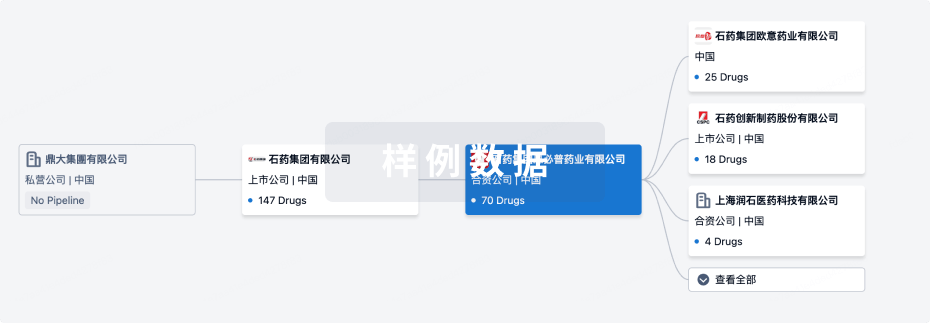
组织架构
使用我们的机构树数据加速您的研究。
登录
或
管线布局
2026年10月18日管线快照
管线布局中药物为当前组织机构及其子机构作为药物机构进行统计,早期临床1期并入临床1期,临床1/2期并入临床2期,临床2/3期并入临床3期
药物发现
1
1
临床前
临床1期
1
1
临床2期
其他
7
登录后查看更多信息
当前项目
登录后查看更多信息
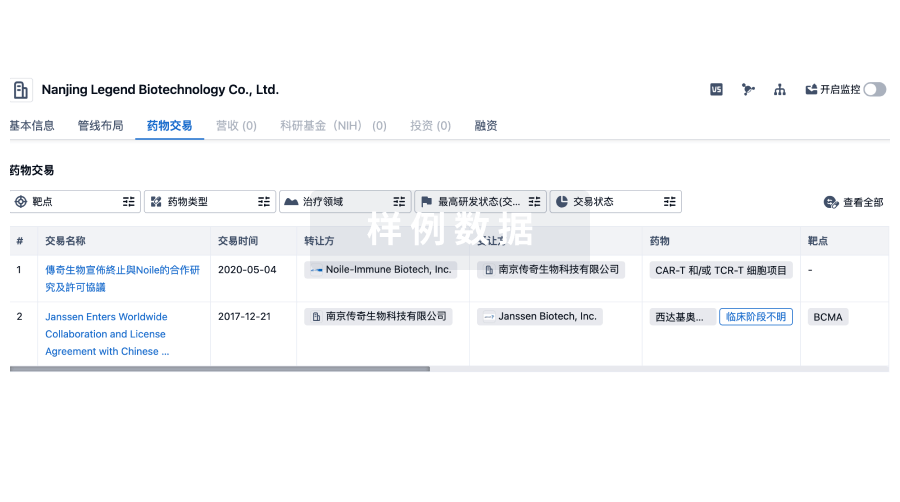
药物交易
使用我们的药物交易数据加速您的研究。
登录
或
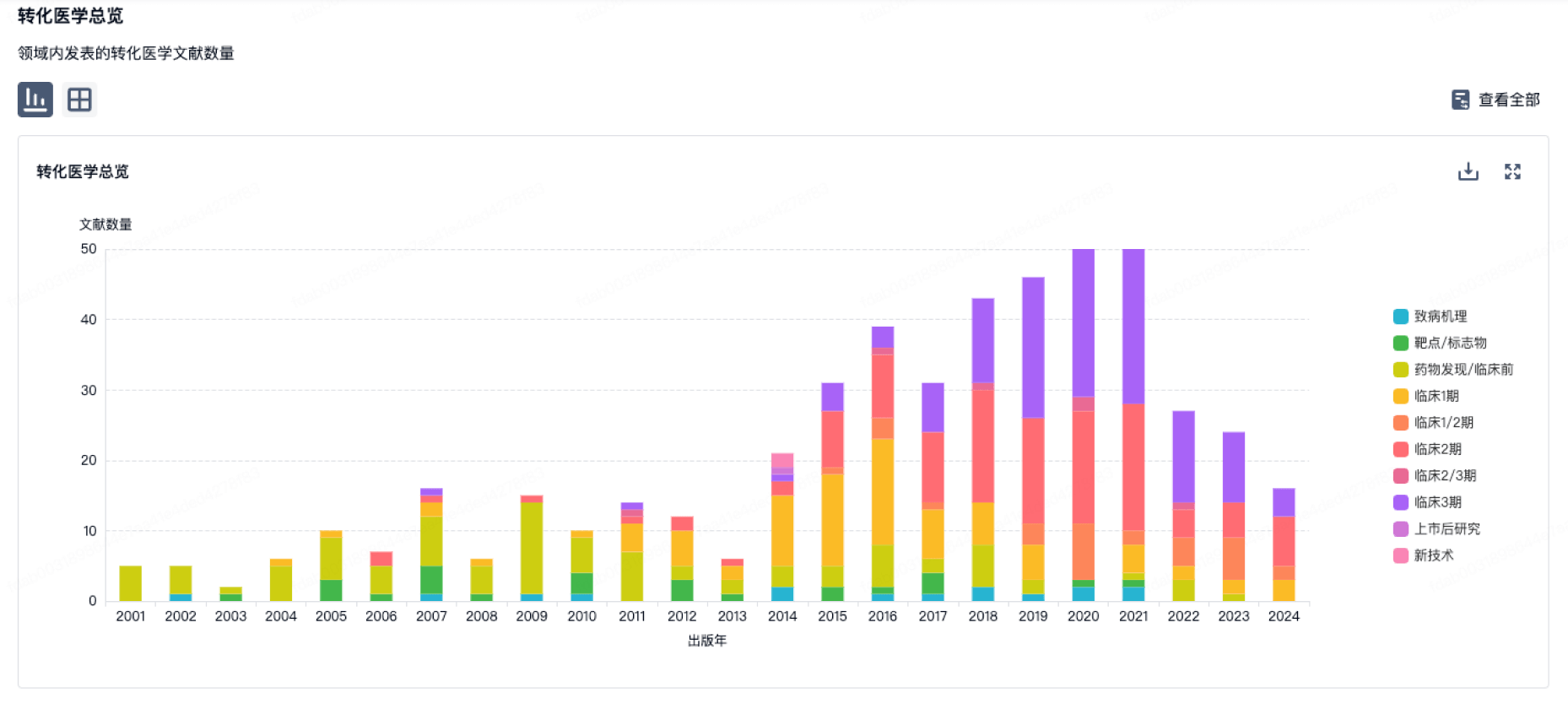
转化医学
使用我们的转化医学数据加速您的研究。
登录
或
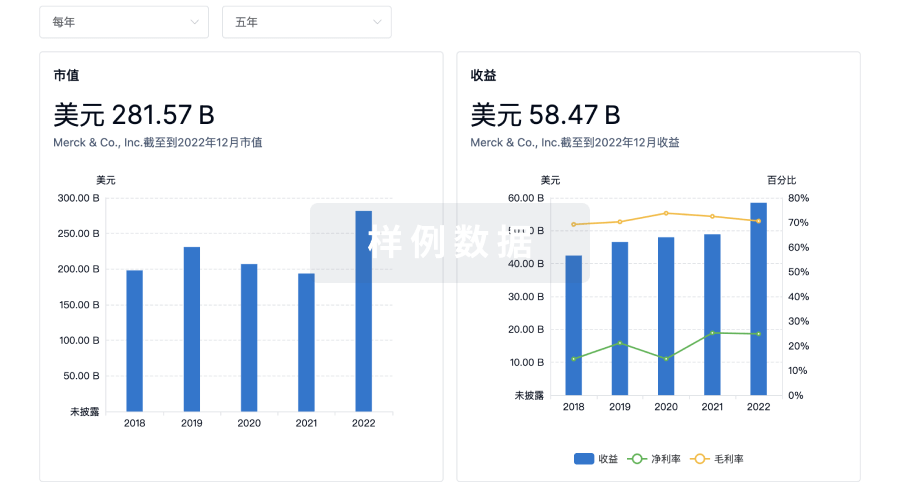
营收
使用 Synapse 探索超过 36 万个组织的财务状况。
登录
或
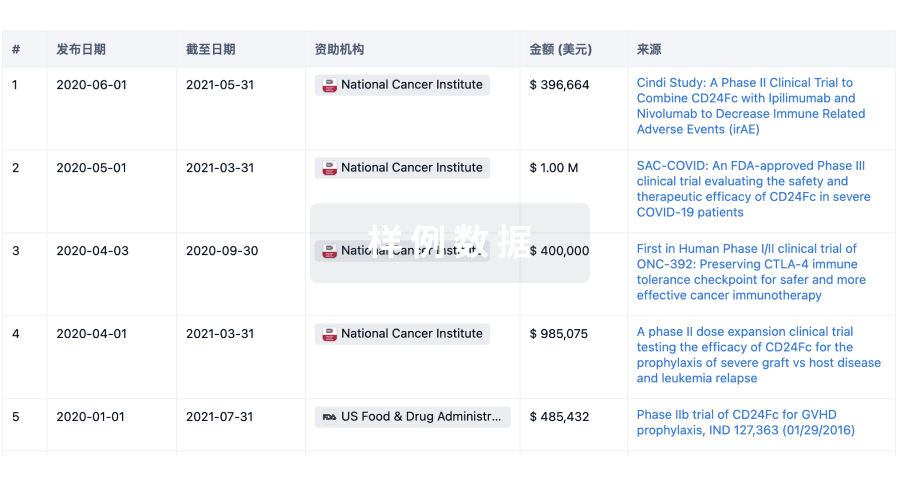
科研基金(NIH)
访问超过 200 万项资助和基金信息,以提升您的研究之旅。
登录
或
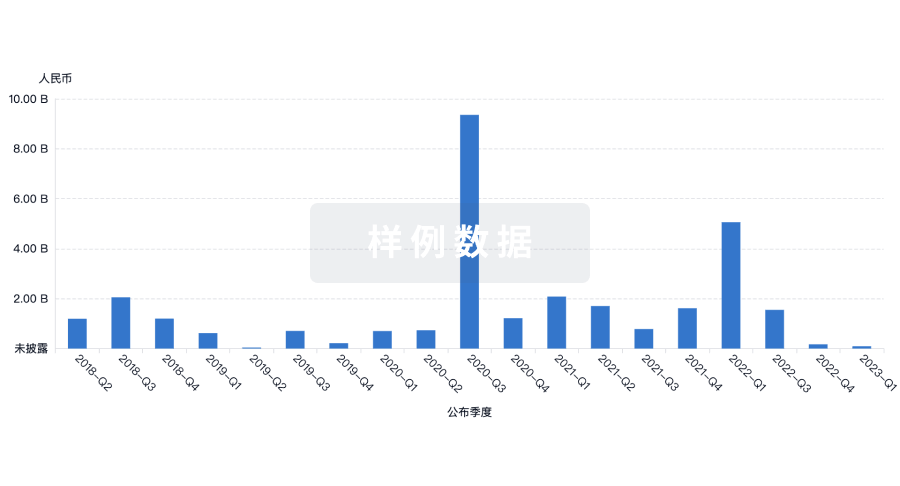
投资
深入了解从初创企业到成熟企业的最新公司投资动态。
登录
或
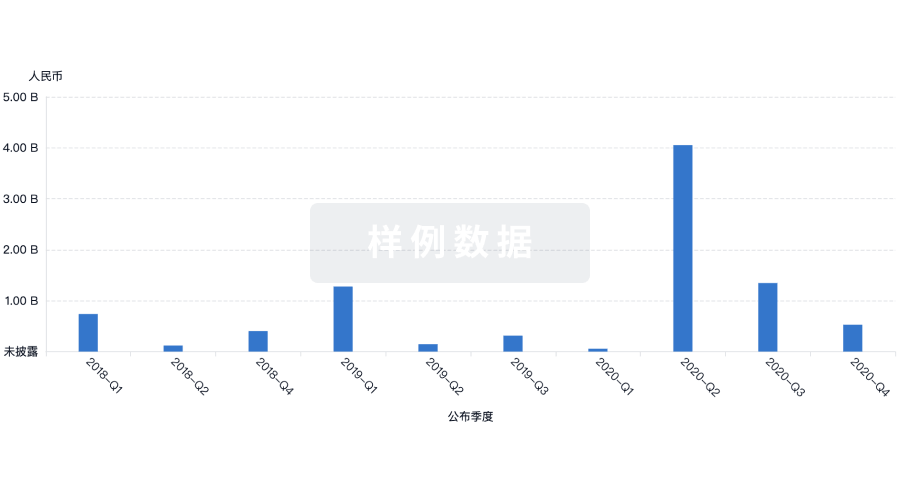
融资
发掘融资趋势以验证和推进您的投资机会。
登录
或
提出任何生物医药研究问题
让每一步生物医药决策都精准制胜
基于十亿级生物数据与全球情报的精准 AI,赋能早期药物发现
立即开始免费试用!
智慧芽新药情报库是智慧芽专为生命科学人士构建的基于AI的创新药情报平台,助您全方位提升您的研发与决策效率。
立即接入生物医药数据包
智慧芽新药库数据也通过智慧芽开放平台,以MCP或API服务形式对外开放。立即使用我们的MCP服务定制您的LLM智能体。
生物序列数据库
生物药研发创新
免费使用
化学结构数据库
小分子化药研发创新
免费使用