预约演示
更新于:2025-11-29
BAY-707
更新于:2025-11-29
概要
基本信息

结构/序列
分子式C15H20N4O2 |
InChIKeyRPMGXDCRCWWCRY-JTQLQIEISA-N |
CAS号2109805-96-9 |
关联
100 项与 BAY-707 相关的临床结果
登录后查看更多信息
100 项与 BAY-707 相关的转化医学
登录后查看更多信息
100 项与 BAY-707 相关的专利(医药)
登录后查看更多信息
3
项与 BAY-707 相关的文献(医药)2018-03-22·Journal of medicinal chemistry1区 · 医学
Creation of a Novel Class of Potent and Selective MutT Homologue 1 (MTH1) Inhibitors Using Fragment-Based Screening and Structure-Based Drug Design
1区 · 医学
Article
作者: Rahm, Fredrik ; Günther, Judith ; Ellermann, Manuel ; Persson, Lars Boukharta ; Trésaugues, Lionel ; Siejka, Paulina ; Gorjánácz, Mátyás ; Viklund, Jenny ; Hallberg, Kenth ; Andersson, Martin ; Forsblom, Rickard ; Díaz-Sáez, Laura ; Lindström, Johan ; Ginman, Tobias ; Silvander, Camilla ; Huber, Kilian V. M. ; Panagakou, Ioanna ; Ericsson, Ulrika ; Bauser, Marcus ; Fedorov, Oleg ; Giese, Anja ; Talagas, Antoine
Recent literature has both suggested and questioned MTH1 as a novel cancer target. BAY-707 was just published as a target validation small molecule probe for assessing the effects of pharmacological inhibition of MTH1 on tumor cell survival, both in vitro and in vivo. (1) In this report, we describe the medicinal chemistry program creating BAY-707, where fragment-based methods were used to develop a series of highly potent and selective MTH1 inhibitors. Using structure-based drug design and rational medicinal chemistry approaches, the potency was increased over 10,000 times from the fragment starting point while maintaining high ligand efficiency and drug-like properties.
2017-08-18·ACS chemical biology2区 · 生物学
Novel Class of Potent and Cellularly Active Inhibitors Devalidates MTH1 as Broad-Spectrum Cancer Target
2区 · 生物学
Article
作者: Queisser, Nina ; Glasauer, Andrea ; Neuhaus, Roland ; Bader, Benjamin ; Nowak-Reppel, Katrin ; Silvander, Camilla ; Viklund, Jenny ; Ericsson, Ulrika ; Haegebarth, Andrea ; Giese, Anja ; Bauser, Marcus ; Gorjánácz, Mátyás ; Rahm, Fredrik ; Irlbacher, Horst ; Andersson, Martin ; Forsblom, Rickard ; Guenther, Judith ; Lindström, Johan ; Ginman, Tobias ; Ellermann, Manuel ; Weiske, Jörg ; Quanz, Maria ; Bunse, Stefanie ; Meyer, Hanna ; Trésaugues, Lionel ; Eheim, Ashley
MTH1 is a hydrolase responsible for sanitization of oxidized purine nucleoside triphosphates to prevent their incorporation into replicating DNA. Early tool compounds published in the literature inhibited the enzymatic activity of MTH1 and subsequently induced cancer cell death; however recent studies have questioned the reported link between these two events. Therefore, it is important to validate MTH1 as a cancer dependency with high quality chemical probes. Here, we present BAY-707, a substrate-competitive, highly potent and selective inhibitor of MTH1, chemically distinct compared to those previously published. Despite superior cellular target engagement and pharmacokinetic properties, inhibition of MTH1 with BAY-707 resulted in a clear lack of in vitro or in vivo anticancer efficacy either in mono- or in combination therapies. Therefore, we conclude that MTH1 is dispensable for cancer cell survival.
PLoS One
Synthesis of 3-(arylamino) quinazoline-2,4(1H,3H)-dione derivatives via TBHP/I2: Molecular docking, MD simulation, DFT, and pharmacological evaluation as MTH1 inhibitors
Article
作者: Karim, Moeid Goudarzi ; Gheidari, Nazanin Zahra ; Mehrdad, Morteza ; Gheidari, Davood
A series of novel derivatives of 3-(arylamino) quinazoline-2,4(1
H
,3
H
)-dione were synthesized with moderate to good yields (20%−70%) using
t
-butyl hydroperoxide (TBHP) and iodine. Their efficacy against MutT homologue 1 (MTH1) was evaluated using in
silico
methods. Density functional theory (DFT) analysis, utilizing the B3LYP/6-311G (2df, p) basis set, indicated a promising reactivity profile for the synthesized compounds. The highest occupied molecular orbital (HOMO) regions associated with the phenylhydrazine group serve as sites for electron donation, functioning as electron-rich nucleophiles. Docking analysis with MTH1 enzymes revealed that all compounds exhibited docking scores ranging from −5.77 to −7.24, indicating favorable binding affinities. Among these, compound
(3d)
, with an energy of −7.24 kcal/mol, demonstrated the strongest binding affinity. Importantly, the Generalized Born and Surface Area Solvation (MM-GBSA) rescoring aligned with the docking data, reinforcing the reliability of the predicted binding modes and highlighting these compounds as promising MTH1 inhibitors. Molecular dynamics (MD) simulations indicated that Tyr7, Thr8, Lys23, and Trp117 exhibited a notably high interaction fraction, suggesting that these residues might be critical for the binding affinity of compound
(3d)
. The analysis of absorption, distribution, metabolism, excretion, and toxicity (ADMET) properties indicated that all compounds possess a favorable pharmacological profile and comply with Lipinski’s Rule of Five (Ro5), as well as the Ghose, Veber, and Egan rules. Additionally, they are capable of human intestinal absorption (HIA) and exhibit no liver toxicity, whereas BAY-707 is anticipated to exhibit hepatotoxicity.
100 项与 BAY-707 相关的药物交易
登录后查看更多信息
研发状态
10 条进展最快的记录, 后查看更多信息
登录
| 适应症 | 最高研发状态 | 国家/地区 | 公司 | 日期 |
|---|---|---|---|---|
| 肿瘤 | 临床前 | 德国 | 2017-07-12 |
登录后查看更多信息
临床结果
临床结果
适应症
分期
评价
查看全部结果
| 研究 | 分期 | 人群特征 | 评价人数 | 分组 | 结果 | 评价 | 发布日期 |
|---|
No Data | |||||||
登录后查看更多信息
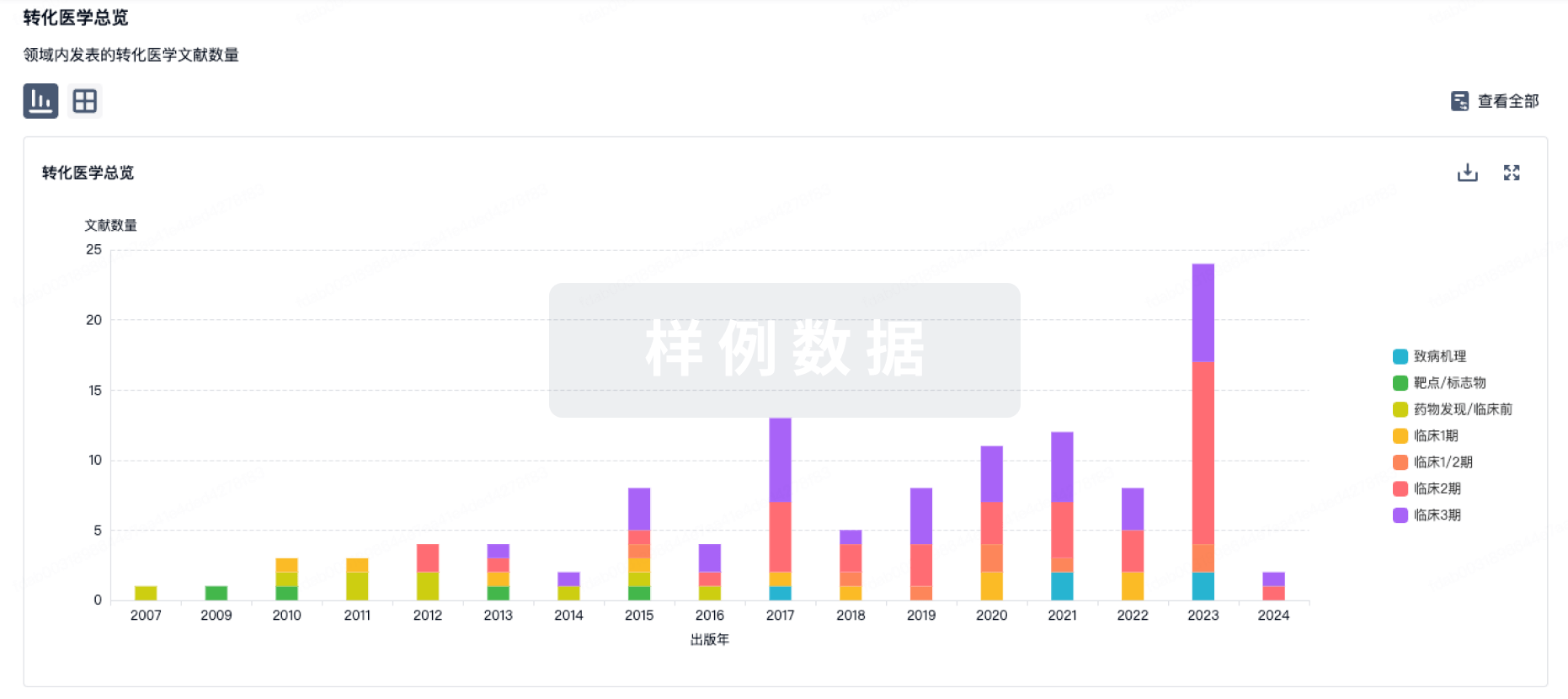
转化医学
使用我们的转化医学数据加速您的研究。
登录
或
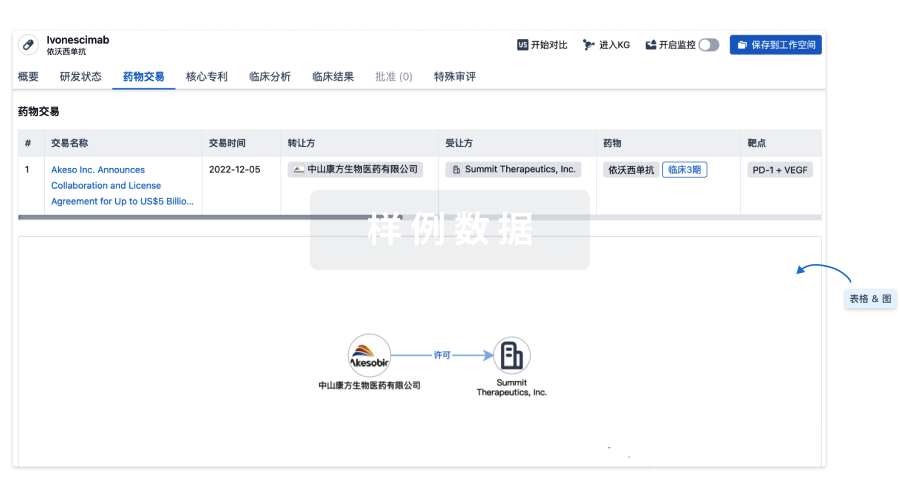
药物交易
使用我们的药物交易数据加速您的研究。
登录
或
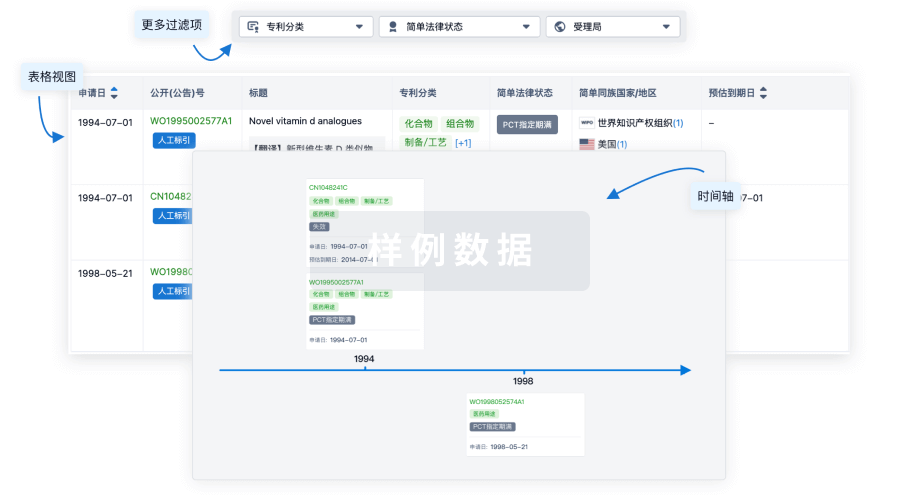
核心专利
使用我们的核心专利数据促进您的研究。
登录
或
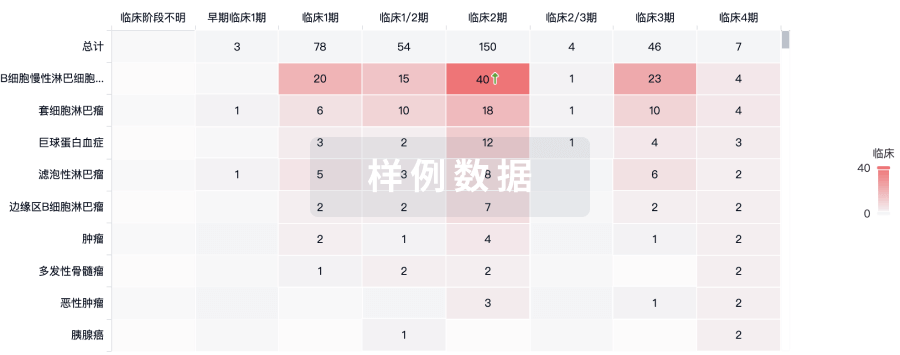
临床分析
紧跟全球注册中心的最新临床试验。
登录
或
批准
利用最新的监管批准信息加速您的研究。
登录
或
特殊审评
只需点击几下即可了解关键药物信息。
登录
或
生物医药百科问答
全新生物医药AI Agent 覆盖科研全链路,让突破性发现快人一步
立即开始免费试用!
智慧芽新药情报库是智慧芽专为生命科学人士构建的基于AI的创新药情报平台,助您全方位提升您的研发与决策效率。
立即开始数据试用!
智慧芽新药库数据也通过智慧芽数据服务平台,以API或者数据包形式对外开放,助您更加充分利用智慧芽新药情报信息。
生物序列数据库
生物药研发创新
免费使用
化学结构数据库
小分子化药研发创新
免费使用