预约演示
更新于:2026-09-30
BI-3034701
更新于:2026-09-30
概要
基本信息
药物类型 合成多肽 |
别名 BI 3034701、BI-3034701、BI3034701 |
作用方式 激动剂 |
作用机制 GIPR激动剂(胃抑素受体激动剂)、GLP-1R激动剂(胰高血糖素样肽-1激动剂)、NPY2R激动剂(神经肽Y受体2型激动剂) |
治疗领域 |
非在研适应症- |
非在研机构- |
最高研发阶段临床2期 |
首次获批日期- |
最高研发阶段(中国)临床2期 |
特殊审评- |


登录后查看时间轴
关联
7
项与 BI-3034701 相关的临床试验NCT07837648
Relative Bioavailability of Two Different BI 3034701 Treatments Following Subcutaneous Administration in Healthy Male and Female Participants (an Open-label, Randomised, Single-dose, Two-period, Two-sequence, Crossover Trial)
The aim of the trial is to investigate relative bioavailability of BI 3034701 treatment T vs. BI 3034701 treatment R.
开始日期2026-10-05 |
申办/合作机构 |
NCT07754474
A Phase I, Randomized, Single-blind, Parallel-group Trial for BI 3034701 Compared to Placebo in Participants With Overweight / Obesity
The main objectives of this trial are to investigate safety, tolerability of alternative dose titration strategies and pharmacokinetics (PK) of BI 3034701 in participants with overweight / obesity and at least one weight related co-morbidity following subcutaneous administration.
开始日期2026-09-01 |
申办/合作机构 |
NCT07708493
A Phase I, Open-label, Single-dose, Single-arm Trial to Investigate Metabolism and Pharmacokinetics of BI 3034701 (C-14) Administered to (Otherwise) Healthy Male Volunteers With Normal Body Weight or Overweight
The main objectives of this trial are:
To assess the mass balance (total recovery of [14C]-radioactivity) in urine, faeces, and expired air after a single subcutaneous dose of BI 3034701 (C-14) in healthy male trial participants.
To assess the mass balance (total recovery of [14C]-radioactivity) in urine, faeces, and expired air after a single subcutaneous dose of BI 3034701 (C-14) in healthy male trial participants.
开始日期2026-08-24 |
申办/合作机构 |
100 项与 BI-3034701 相关的临床结果
登录后查看更多信息
100 项与 BI-3034701 相关的转化医学
登录后查看更多信息
100 项与 BI-3034701 相关的专利(医药)
登录后查看更多信息
26
项与 BI-3034701 相关的新闻(医药)2026-09-28
·信狐药迅
每周药品注册数据,分门别类呈现,一目了然。1. 新药上市申请
药品名称
企业
注册分类
受理号
马来酸依格美妥司他片
苏州信诺维医药科技股份有限公司
1
CXHS2600130
注射用美罗培南普纳巴坦
齐鲁安替制药有限公司
1
CXHS2600134
注射用美罗培南普纳巴坦
齐鲁安替制药有限公司
1
CXHS2600133
SHR-2004注射液
北京盛迪医药有限公司
1
CXSS2600151
注射用HS-20093
常州恒邦药业有限公司
1
CXSS2600155
BCM347
博志研新泰州药物技术有限公司
2.2
CXHS2600132
维生素K1注射用乳剂
西安安健药业有限公司
2.2
CXHS2600131
氢溴酸伏硫西汀口崩片
福州长富星生物医药科技有限公司
2.2
CXHS2600136
普特利单抗注射液
乐普生物科技股份有限公司
2.2
CXSS2600152
甲磺酸伏美替尼片
上海艾力斯医药科技股份有限公司
2.4
CXHS26001352. 新药临床申请
药品名称
企业
注册分类
受理号
RZ-629片
宁康瑞珠生物制药(珠海)有限公司
1
CXHL2601132
RZ-629片
宁康瑞珠生物制药(珠海)有限公司
1
CXHL2601131
RBD4059注射液
苏州瑞博生物技术股份有限公司
1
CXHL2601128
BGB-16673片
百济神州(苏州)生物科技有限公司
1
CXHL2601147
DGYF68分散片
广州大光制药有限公司
1
CXHL2601145
DGYF68分散片
广州大光制药有限公司
1
CXHL2601144
HL40626S片
深圳海量医药科技有限公司
1
CXHL2601143
HL40626S片
深圳海量医药科技有限公司
1
CXHL2601142
羧胺三唑软胶囊
广东银珠医药科技有限公司
1
CXHL2601141
羧胺三唑软胶囊
广东银珠医药科技有限公司
1
CXHL2601140
RZ-629-TA片
宁康瑞珠生物制药(珠海)有限公司
1
CXHL2601139
RZ-629-TA片
宁康瑞珠生物制药(珠海)有限公司
1
CXHL2601138
ABSK061胶囊
上海和誉生物医药科技有限公司
1
CXHL2601135
ABSK061胶囊
上海和誉生物医药科技有限公司
1
CXHL2601134
BGB-16673片
百济神州(苏州)生物科技有限公司
1
CXHL2601148
RZ-629-TA片
宁康瑞珠生物制药(珠海)有限公司
1
CXHL2601137
RZ-629-TA片
宁康瑞珠生物制药(珠海)有限公司
1
CXHL2601136
ARD-885片
科辉智药(深圳)新药研究中心有限公司
1
CXHL2601121
ARD-885片
科辉智药(深圳)新药研究中心有限公司
1
CXHL2601120
CS060380片
凯思凯迪(上海)医药科技股份有限公司
1
CXHL2601119
CS060380片
凯思凯迪(上海)医药科技股份有限公司
1
CXHL2601118
NS-079片
纽欧申医药(上海)有限公司
1
CXHL2601115
NS-079片
纽欧申医药(上海)有限公司
1
CXHL2601114
NS-079片
纽欧申医药(上海)有限公司
1
CXHL2601113
D3S-001胶囊
德昇济医药(无锡)有限公司
1
CXHL2601112
D3S-001胶囊
德昇济医药(无锡)有限公司
1
CXHL2601111
CS0159片
凯思凯迪(上海)医药科技股份有限公司
1
CXHL2601110
IBI3042
信达生物制药(苏州)有限公司
1
CXHL2601125
IBI3042
信达生物制药(苏州)有限公司
1
CXHL2601124
IBI3042
信达生物制药(苏州)有限公司
1
CXHL2601123
IBI3042
信达生物制药(苏州)有限公司
1
CXHL2601122
HRS-1518片
江苏恒瑞医药股份有限公司
1
CXHL2601117
HRS-1518片
江苏恒瑞医药股份有限公司
1
CXHL2601116
Y-1注射液
南京宁丹新药技术股份有限公司
1
CXHL2601168
Y-1注射液
南京宁丹新药技术股份有限公司
1
CXHL2601167
YM-101滴眼液
浥眸生物科技(上海)有限责任公司
1
CXHL2601171
YM-101滴眼液
浥眸生物科技(上海)有限责任公司
1
CXHL2601170
YM-101滴眼液
浥眸生物科技(上海)有限责任公司
1
CXHL2601169
FXS0260片
上海复星医药产业发展有限公司
1
CXHL2601176
FXS0260片
上海复星医药产业发展有限公司
1
CXHL2601175
FXS0260片
上海复星医药产业发展有限公司
1
CXHL2601174
ACC085片
江苏艾迪药业集团股份有限公司
1
CXHL2601178
ACC085片
江苏艾迪药业集团股份有限公司
1
CXHL2601177
IPG7236片
南京艾美斐生物医药科技股份有限公司
1
CXHL2601173
IPG7236片
南京艾美斐生物医药科技股份有限公司
1
CXHL2601172
IKT-001片
诺为泰医药科技(上海)有限公司
1
CXHL2601159
TQB3306 片
正大天晴药业集团南京顺欣制药有限公司
1
CXHL2601151
TQB3306片
正大天晴药业集团南京顺欣制药有限公司
1
CXHL2601150
RSS0343胶囊
瑞石生物医药有限公司
1
CXHL2601164
RSS0343胶囊
瑞石生物医药有限公司
1
CXHL2601163
RSS0343胶囊
瑞石生物医药有限公司
1
CXHL2601162
RSS0343胶囊
瑞石生物医药有限公司
1
CXHL2601161
注射用SR14肽
中国科学院昆明动物研究所
1
CXHL2601160
YH001胶囊
杭州禹泓医药科技有限公司
1
CXHL2601166
YH001胶囊
杭州禹泓医药科技有限公司
1
CXHL2601165
JCSH-021片
济川(上海)医学科技有限公司
1
CXHL2601190
JCSH-021片
济川(上海)医学科技有限公司
1
CXHL2601189
JCSH-021片
济川(上海)医学科技有限公司
1
CXHL2601188
NTS231片
上海宇道生物技术有限公司
1
CXHL2601194
NTS231片
上海宇道生物技术有限公司
1
CXHL2601193
K-119肠溶片
上海睿乐锦生物技术有限公司
1
CXHL2601192
K-119肠溶片
上海睿乐锦生物技术有限公司
1
CXHL2601191
SYH2099胶囊
上海翊石医药科技有限公司
1
CXHL2601187
SYH2099胶囊
上海翊石医药科技有限公司
1
CXHL2601186
SYH2099胶囊
上海翊石医药科技有限公司
1
CXHL2601185
JMKX003948片
浙江杭煜制药有限公司
1
CXHL2601179
JMKX003948片
浙江杭煜制药有限公司
1
CXHL2601181
JMKX003948片
浙江杭煜制药有限公司
1
CXHL2601180
YKYY029注射液
北京悦康科创医药科技股份有限公司
1
CXHL2601182
GLR2053片
甘李药业股份有限公司
1
CXHL2601184
GLR2053片
甘李药业股份有限公司
1
CXHL2601183
LT-002-158片
领泰生物医药(绍兴)有限公司
1
CXHL2601200
氟[18F]思睿肽注射液
烟台蓝纳成生物技术股份有限公司
1
CXHL2601201
VV312片
苏州旺山旺水生物医药股份有限公司
1
CXHL2601204
VV312片
苏州旺山旺水生物医药股份有限公司
1
CXHL2601203
VV312片
苏州旺山旺水生物医药股份有限公司
1
CXHL2601202
ASP5834注射液
安斯泰来(北京)医药研发有限公司
1
CXHL2601196
OST11098片
合肥盛睿泽华医药科技有限公司
1
CXHL2601198
OST11098片
合肥盛睿泽华医药科技有限公司
1
CXHL2601197
YB001凝胶
牡丹江友搏药业有限责任公司
1
CXSL2601009
YB001凝胶
牡丹江友搏药业有限责任公司
1
CXSL2601008
KM1溶瘤痘苗病毒注射液
深圳市华药康明生物药业有限责任公司
1
CXSL2601005
IBI3005
信达生物制药(苏州)有限公司
1
CXSL2601003
GV20-0251注射液
上海寻百会生物技术有限公司
1
CXSL2601002
YTS109细胞注射液
华夏英泰(北京)生物技术有限公司
1
CXSL2601001
注射用SKB571
四川科伦博泰生物医药股份有限公司
1
CXSL2601011
SKB118注射液
四川科伦博泰生物医药股份有限公司
1
CXSL2601010
IBI324
信达生物制药(苏州)有限公司
1
CXSL2601014
注射用BNT3211
百欧恩泰(上海)医药有限公司
1
CXSL2601013
注射用YL201
苏州宜联生物医药有限公司
1
CXSL2601012
注射用SIM0688
上海先声再明科技有限公司
1
CXSL2601015
3SC002注射液(皮下注射)
沈阳三生制药有限责任公司
1
CXSL2601007
注射用JS203
上海君实生物医药科技股份有限公司
1
CXSL2600997
人脐带间充质干细胞注射液
华赛领航(北京)生物科技有限公司
1
CXSL2600996
IBI3009
信达生物制药(苏州)有限公司
1
CXSL2601000
IBI3014
信达生物制药(苏州)有限公司
1
CXSL2600998
KT502注射液
锴霖生物医药(上海)有限责任公司
1
CXSL2601004
3SC002注射液
沈阳三生制药有限责任公司
1
CXSL2601006
注射用IMD2113
上海英脉德医疗科技有限公司
1
CXSL2600999
注射用AK2405
安徽安科生物工程(集团)股份有限公司
1
CXSL2601027
LY3839056注射液
礼来(中国)研发有限公司
1
CXSL2601022
NC001细胞注射液
浙江天予生命科技有限公司
1
CXSL2601021
TQB2930注射液
正大天晴药业集团南京顺欣制药有限公司
1
CXSL2601025
TQB2930注射液
正大天晴药业集团南京顺欣制药有限公司
1
CXSL2601024
注射用MBS314
康源博创生物科技(北京)有限公司
1
CXSL2601023
注射用HB0085
上海华奥泰生物药业股份有限公司
1
CXSL2601026
注射用HX111
翰思艾泰生物医药科技(武汉)股份有限公司
1
CXSL2601016
ASP1002注射液
安斯泰来(北京)医药研发有限公司
1
CXSL2601018
ASP1002注射液
安斯泰来(北京)医药研发有限公司
1
CXSL2601017
IBI3043
信达生物制药(苏州)有限公司
1
CXSL2601020
注射用DB-1323
映恩生物制药(苏州)有限公司
1
CXSL2601048
注射用BG-C477
广州百济神州生物制药有限公司
1
CXSL2601047
9MW5211注射液
迈威(上海)生物科技股份有限公司
1
CXSL2601051
N69胶囊
上海德建聪和生物医药科技有限公司
1
CXSL2601050
BHV-1400
北京MEDPACE医药科技有限公司
1
CXSL2601039
重组人源抗呼吸道合胞病毒单克隆抗体注射液组合制剂
长春百克生物科技股份公司
1
CXSL2601038
SHR-4461注射液
苏州盛迪亚生物医药有限公司
1
CXSL2601040
YT003注射液
北京永泰生物制品有限公司
1
CXSL2601045
BT02单克隆抗体注射液
上海柏全生物科技有限公司
1
CXSL2601044
HS-IT101注射液
青岛中赛伯曼生物科技有限公司
1
CXSL2601043
注射用TQB6411
正大天晴药业集团南京顺欣制药有限公司
1
CXSL2601042
SHR-4506注射液
苏州盛迪亚生物医药有限公司
1
CXSL2601041
血浆生物净化柱
上海微知卓生物科技有限公司
1
CXSL2601031
SYS6069
石药集团巨石生物制药有限公司
1
CXSL2601035
IBI3002
信达生物制药(苏州)有限公司
1
CXSL2601037
JMB2403注射液
江苏济烨生物制药有限公司
1
CXSL2601036
QM101细胞注射液(异体)
北京奇迈永华生物科技有限公司
1
CXSL2601057
LK101注射液
北京立康生命科技有限公司
1
CXSL2601058
C2403细胞注射液
深圳普瑞金生物药业股份有限公司
1
CXSL2601060
LVRNA018
珠海丽凡达生物技术有限公司
1
CXSL2601059
注射用Efimosfermin alfa
葛兰素史克(中国)投资有限公司
1
CXSL2601052
RG002-02注射液
仁景(苏州)生物科技有限公司
1
CXSL2601055
注射用HLX49
上海复宏瑞霖生物技术有限公司
1
CXSL2601056
猴痘mRNA疫苗
石药集团巨石生物制药有限公司
1.1
CXSL2601053
DYTH202缓释片
山西德元堂药业有限公司
2.2
CXHL2601126
MEI-011泡沫剂
南京迈诺威医药科技有限公司
2.2
CXHL2601130
MEI-011泡沫剂
南京迈诺威医药科技有限公司
2.2
CXHL2601129
LP095口颊膜
力品药业(厦门)股份有限公司
2.2
CXHL2601154
LP095口颊膜
力品药业(厦门)股份有限公司
2.2
CXHL2601153
LP095口颊膜
力品药业(厦门)股份有限公司
2.2
CXHL2601152
注射用波米泰酶α
江苏贝捷泰生物科技有限公司
2.2
CXSL2601019
斯鲁利单抗注射液
上海复宏瑞霖生物技术有限公司
2.2
CXSL2601046
伏欣奇拜单抗注射液
长春金赛药业有限责任公司
2.2
CXSL2601062
伏欣奇拜单抗注射液
长春金赛药业有限责任公司
2.2
CXSL2601061
BTP4106
江苏诺和必拓新药研发有限公司
2.3
CXHL2601199
HZ046吸入溶液
浙江和泽医药科技股份有限公司
2.4
CXHL2601127
丙戊酸镁缓释片
华润双鹤湘中药业(湖南)有限公司
2.4
CXHL2601146
林普利塞片
上海璎黎药业有限公司
2.4
CXHL2601149
Daraxonrasib片
百济神州(上海)生物科技有限公司
2.4
CXHL2601158
Daraxonrasib片
百济神州(上海)生物科技有限公司
2.4
CXHL2601157
Daraxonrasib片
百济神州(上海)生物科技有限公司
2.4
CXHL2601156
Daraxonrasib片
百济神州(上海)生物科技有限公司
2.4
CXHL2601155
氨酚羟考酮缓释片
成都苑东生物制药股份有限公司
2.4
CXHL2601195
烟酰胺腺嘌呤二核苷酸片
康诺生物制药股份有限公司
2.2;2.4
CXHL2601133
人碱性成纤维细胞生长因子滴眼液
朗肽生物制药股份有限公司
2.1;2.2
CXSL2601034
人碱性成纤维细胞生长因子滴眼液
朗肽生物制药股份有限公司
2.1;2.2
CXSL2601033
人碱性成纤维细胞生长因子滴眼液
朗肽生物制药股份有限公司
2.1;2.2
CXSL26010323. 仿制药申请
药品名称
企业
注册分类
受理号
西甲硅油咀嚼片
郑州瑞康制药有限公司
3
CYHS2602293
司美格鲁肽注射液
天津天士力之骄药业有限公司
3
CYHL2600100
司美格鲁肽注射液
天津天士力之骄药业有限公司
3
CYHL2600099
司美格鲁肽注射液
天津天士力之骄药业有限公司
3
CYHL2600098
头孢泊肟酯干混悬剂
海南日中天制药有限公司
3
CYHS2602308
富马酸依美斯汀缓释胶囊
北京百奥药业有限责任公司
3
CYHS2602307
富马酸依美斯汀缓释胶囊
北京百奥药业有限责任公司
3
CYHS2602306
加压素注射液
广东天普生化医药股份有限公司
3
CYHS2602302
塞来昔布盐酸曲马多片
合肥立方制药股份有限公司
3
CYHL2600101
盐酸金刚烷胺口服溶液
安徽新世纪药业有限公司
3
CYHS2602291
盐酸金刚烷胺口服溶液
安徽新世纪药业有限公司
3
CYHS2602290
盐酸金刚烷胺口服溶液
安徽新世纪药业有限公司
3
CYHS2602289
碳酸司维拉姆干混悬剂
珠海健福制药有限公司
3
CYHS2602288
叶酸片
江苏迪赛诺制药有限公司
3
CYHS2602286
舒林酸片
江苏万高药业股份有限公司
3
CYHS2602279
舒林酸片
江苏万高药业股份有限公司
3
CYHS2602278
乙酰半胱氨酸口服溶液
浙江前进药业有限公司
3
CYHS2602277
盐酸舍曲林口服浓缩液
远大医药(西安)有限公司
3
CYHS2602274
盐酸米那普仑片
宁波美诺华天康药业有限公司
3
CYHS2602329
盐酸米那普仑片
宁波美诺华天康药业有限公司
3
CYHS2602328
右美沙芬缓释混悬液
安徽远望乐桓药业有限公司
3
CYHS2602333
富马酸依美斯汀缓释胶囊
四川贝灵合益制药有限公司
3
CYHS2602313
酒石酸溴莫尼定滴眼液
大邦(湖南)生物制药有限公司
3
CYHL2600102
盐酸西替利嗪滴眼液
山东百诺医药股份有限公司
3
CYHS2602384
地塞米松口服溶液
江苏瑜兴医药科技有限公司
3
CYHS2602383
中性腹膜透析液(碳酸氢盐-G4.25%)
上海长征富民金山制药有限公司
3
CYHS2602359
琥珀酸曲格列汀片
江苏德源药业股份有限公司
3
CYHS2602358
中性低钙腹膜透析液(碳酸氢盐-G4.25%)
上海长征富民金山制药有限公司
3
CYHS2602365
对乙酰氨基酚布洛芬片
南京海纳医药科技股份有限公司
3
CYHS2602374
盐酸西替利嗪滴眼液
北京茗泽中和药物研究有限公司
3
CYHS2602367
铝碳酸镁混悬液
浙江核力欣健药业有限公司
3
CYHS2602348
甲硫酸新斯的明注射液
河南合智医药科技有限公司
3
CYHS2602345
琥珀酸美托洛尔缓释胶囊
吉林天衡英睿制药有限公司
3
CYHS2602343
甲硫酸新斯的明注射液
河南合智医药科技有限公司
3
CYHS2602346
琥珀酸美托洛尔缓释胶囊
吉林天衡英睿制药有限公司
3
CYHS2602342
恩格列净二甲双胍缓释片(Ⅳ)
重庆希韦医药科技有限公司
3
CYHS2602355
恩格列净二甲双胍缓释片(Ⅱ)
重庆希韦医药科技有限公司
3
CYHS2602354
恩格列净二甲双胍缓释片(Ⅲ)
重庆希韦医药科技有限公司
3
CYHS2602353
辅酶Q10片
远大医药(仙桃)制药有限公司
3
CYHS2602347
注射用甲磺酸萘莫司他
海口市制药厂有限公司
3
CYHS2602407
注射用甲磺酸萘莫司他
海口市制药厂有限公司
3
CYHS2602406
辅酶Q??片
江西施美药业股份有限公司
3
CYHS2602404
帕拉米韦注射液
湖北长联杜勒制药有限公司
3
CYHS2602403
罂粟乙碘油注射液
海南倍特药业有限公司
3
CYHL2600103
盐酸精氨酸注射液
浙江医药股份有限公司新昌制药厂
3
CYHS2602409
比拉斯汀口服溶液
安徽肽渡生物医药科技有限公司
3
CYHS2602414
盐酸多巴酚丁胺注射液
山西普恒制药有限公司
3
CYHS2602413
环孢素滴眼液(Ⅱ)
江苏安必生制药有限公司
3
CYHS2602410
盐酸西替利嗪滴眼液
南京海纳制药有限公司
3
CYHS2602394
重酒石酸去甲肾上腺素注射液
绪必迪药业(沧州)有限公司
3
CYHS2602391
注射用头孢唑林钠
海南全星制药有限公司
3
CYHS2602400
门冬氨酸钾注射液
中国大冢制药有限公司
3
CYHS2602398
人C1酯酶抑制剂
国药集团武汉生物制药有限公司
3.2
CXSL2601049
人纤维蛋白原
博晖生物制药(云南)有限公司
3.4
CXSL2601029
人纤维蛋白原
博晖生物制药(云南)有限公司
3.4
CXSL2601030
褪黑素颗粒
康哲(湖南)制药有限公司
4
CYHS2602297
褪黑素颗粒
康哲(湖南)制药有限公司
4
CYHS2602296
达格列净片
朝阳龙城制药有限公司
4
CYHS2602295
达格列净片
朝阳龙城制药有限公司
4
CYHS2602294
苯磺酸美洛加巴林片
南京海纳制药有限公司
4
CYHS2602305
苯磺酸美洛加巴林片
南京海纳制药有限公司
4
CYHS2602304
双氯芬酸二乙胺乳胶剂
杭州倍特生物医药有限公司
4
CYHS2602309
来特莫韦片
上海上药信谊药厂有限公司
4
CYHS2602303
盐酸莫西沙星滴眼液
江苏祥瑞药业有限公司
4
CYHS2602301
聚乙烯醇滴眼液
山东禾琦制药有限公司
4
CYHS2602300
乌帕替尼缓释片
北大医药股份有限公司
4
CYHS2602299
精氨酸艾曲莫德片
云顶新耀医药科技有限公司
4
CYHS2602310
枸橼酸莫沙必利颗粒
苏州第三制药厂有限责任公司
4
CYHS2602292
过氧苯甲酰凝胶
江苏知原药业股份有限公司
4
CYHS2602285
茚达特罗格隆溴铵吸入粉雾剂
四川普锐特药业有限公司
4
CYHS2602284
左氧氟沙星片
山东康林医药有限公司
4
CYHS2602280
甲磺酸倍他司汀片
博智安健(河北)药业有限公司
4
CYHS2602276
盐酸阿莫罗芬搽剂
山西同达药业有限公司
4
CYHS2602275
地屈孕酮片
上海延安药业有限公司
4
CYHS2602273
注射用氨曲南阿维巴坦钠
重庆君药生物医药有限公司
4
CYHS2602298
硫酸氨基葡萄糖胶囊
山东诺明康药物研究院有限公司
4
CYHS2602287
聚多卡醇注射液
浙江尖峰药业有限公司
4
CYHS2602283
聚多卡醇注射液
浙江尖峰药业有限公司
4
CYHS2602282
聚多卡醇注射液
浙江尖峰药业有限公司
4
CYHS2602281
盐酸吡格列酮片
辰欣药业股份有限公司
4
CYHS2602331
盐酸吡格列酮片
辰欣药业股份有限公司
4
CYHS2602330
蛋白琥珀酸铁口服溶液
湖北唯森制药有限公司
4
CYHS2602327
磷酸奥司他韦胶囊
湖南威特制药股份有限公司
4
CYHS2602326
磷酸奥司他韦胶囊
湖南威特制药股份有限公司
4
CYHS2602325
磷酸奥司他韦胶囊
湖南威特制药股份有限公司
4
CYHS2602324
左卡尼汀口服溶液
云南海沣药业有限公司
4
CYHS2602332
布地奈德肠溶胶囊
广东恒健制药有限公司
4
CYHS2602335
注射用艾司奥美拉唑钠
湖北长联杜勒制药有限公司
4
CYHS2602334
呋喹替尼胶囊
江苏奥赛康药业有限公司
4
CYHS2602340
呋喹替尼胶囊
江苏奥赛康药业有限公司
4
CYHS2602339
莫匹罗星软膏
浙江得恩德制药股份有限公司
4
CYHS2602338
莫匹罗星软膏
浙江得恩德制药股份有限公司
4
CYHS2602337
莫匹罗星软膏
浙江得恩德制药股份有限公司
4
CYHS2602336
瑞维那新吸入溶液
湖北美林药业有限公司
4
CYHS2602318
酒石酸溴莫尼定滴眼液
江苏福邦药业有限公司
4
CYHS2602311
磷酸芦可替尼片
江苏宣泰药业有限公司
4
CYHS2602317
磷酸芦可替尼片
江苏宣泰药业有限公司
4
CYHS2602316
磷酸芦可替尼片
江苏宣泰药业有限公司
4
CYHS2602315
磷酸芦可替尼片
江苏宣泰药业有限公司
4
CYHS2602314
酮洛芬凝胶
北京双鹭药业股份有限公司
4
CYHS2602312
氨甲环酸注射液
辰欣药业股份有限公司
4
CYHS2602320
氨甲环酸注射液
辰欣药业股份有限公司
4
CYHS2602319
多替诺雷片
海创药业股份有限公司
4
CYHS2602323
利多卡因丙胺卡因气雾剂
福元药业有限公司
4
CYHS2602321
溴芬酸钠滴眼液
江苏远恒药业有限公司
4
CYHS2602322
达格列净片
江右制药(常德)有限公司
4
CYHS2602379
达格列净片
江右制药(常德)有限公司
4
CYHS2602378
维生素B??滴眼液
安徽康融药业有限公司
4
CYHS2602377
布洛芬混悬液
珠海联邦制药股份有限公司
4
CYHS2602380
阿昔替尼片
金鸿药业股份有限公司
4
CYHS2602382
阿昔替尼片
金鸿药业股份有限公司
4
CYHS2602381
巴瑞替尼片
四川新斯顿制药股份有限公司
4
CYHS2602386
酒石酸溴莫尼定滴眼液
江苏天平药业有限公司
4
CYHS2602385
瑞格列奈片
浙江华润三九众益制药有限公司
4
CYHS2602388
瑞格列奈片
浙江华润三九众益制药有限公司
4
CYHS2602387
吸入用一氧化氮
安徽省脉安医药科技有限公司
4
CYHS2602364
艾托格列净片
安徽宏业药业有限公司
4
CYHS2602363
枸橼酸莫沙必利片
通化正源药业有限责任公司
4
CYHS2602362
二十碳五烯酸乙酯软胶囊
湖南润兴药业有限公司
4
CYHS2602361
甲钴胺片
郑州韩都药业集团有限公司
4
CYHS2602360
达格列净二甲双胍缓释片(Ⅰ)
浙江诺得药业有限公司
4
CYHS2602366
枸橼酸西地那非口崩片
广州琥瑞医药科技发展有限公司
4
CYHS2602376
艾托格列净片
南京正科医药股份有限公司
4
CYHS2602375
阿司匹林维生素C泡腾片
浙江赛默制药有限公司
4
CYHS2602372
氨甲环酸片
常州寅盛药业有限公司
4
CYHS2602371
氨甲环酸片
常州寅盛药业有限公司
4
CYHS2602370
氧
陕西宝光联悦氢能发展有限公司
4
CYHS2602369
伊布替尼胶囊
金鸿药业股份有限公司
4
CYHS2602368
硫酸氨基葡萄糖胶囊
江苏泽泰制药有限公司
4
CYHS2602373
盐酸二甲双胍缓释片
河北智恒医药科技股份有限公司
4
CYHS2602344
艾托格列净片
安徽泰恩康制药有限公司
4
CYHS2602350
佩玛贝特片
苏州第三制药厂有限责任公司
4
CYHS2602349
盐酸决奈达隆片
成都百裕制药股份有限公司
4
CYHS2602341
沙库巴曲缬沙坦钠片
烟台鲁银药业有限公司
4
CYHS2602351
沙库巴曲缬沙坦钠片
烟台鲁银药业有限公司
4
CYHS2602352
玻璃酸钠滴眼液
山东禾琦制药有限公司
4
CYHS2602357
玻璃酸钠滴眼液
山东禾琦制药有限公司
4
CYHS2602356
复方氨基酸(16AA)/葡萄糖(12.6%)电解质注射液
远大医学营养科学(武汉)有限公司
4
CYHS2602408
氯吡格雷阿司匹林片
广东仁想药业有限公司
4
CYHS2602405
雌二醇地屈孕酮片
北京金城泰尔制药有限公司
4
CYHS2602411
黄体酮阴道缓释凝胶
漯河市汇创医药有限公司
4
CYHL2600104
多替拉韦钠片
东北制药集团沈阳第一制药有限公司
4
CYHS2602412
盐酸奥布卡因滴眼液
北京汇恩兰德制药股份有限公司
4
CYHS2602389
环孢素注射液
泸州市韧新药业有限公司
4
CYHS2602393
瑞维那新吸入溶液
中曦(福建)药业有限公司
4
CYHS2602392
盐酸氮?斯汀鼻喷雾剂
云南圣科药业有限公司
4
CYHS2602390
蒙脱石散
郑州瑞康制药有限公司
4
CYHS2602397
巴瑞替尼片
湖北民康制药有限公司
4
CYHS2602396
巴瑞替尼片
湖北民康制药有限公司
4
CYHS2602395
左氧氟沙星滴眼液
山东海山药业有限公司
4
CYHS2602399
枸橼酸西地那非片
特一药业集团股份有限公司
4
CYHS2602402
枸橼酸西地那非片
特一药业集团股份有限公司
4
CYHS26024014. 进口相关申请
药品名称
企业
注册分类
受理号
BMS-986504片
Bristol-Myers Squibb Company
1
JXHL2600409
RO7795068注射液
F. Hoffmann-La Roche Ltd.
1
JXHL2600408
RO7795068注射液
F. Hoffmann-La Roche Ltd.
1
JXHL2600407
RO7795068注射液
F. Hoffmann-La Roche Ltd.
1
JXHL2600406
RO7795068注射液
F. Hoffmann-La Roche Ltd.
1
JXHL2600405
RO7795068注射液
F. Hoffmann-La Roche Ltd.
1
JXHL2600404
RO7795068注射液
F. Hoffmann-La Roche Ltd.
1
JXHL2600403
RZL-012注射液
Raziel Therapeutics (RT) Ltd.
1
JXHL2600402
DDY391片
Novartis Pharma AG
1
JXHL2600411
DDY391片
Novartis Pharma AG
1
JXHL2600410
BI 3034701注射液
Boehringer Ingelheim International GmbH
1
JXHL2600412
BI 3034701注射液
Boehringer Ingelheim International GmbH
1
JXHL2600416
BI 3034701注射液
Boehringer Ingelheim International GmbH
1
JXHL2600415
BI 3034701注射液
Boehringer Ingelheim International GmbH
1
JXHL2600414
BI 3034701注射液
Boehringer Ingelheim International GmbH
1
JXHL2600413
DKB903注射用浓溶液
Novartis Pharma AG
1
JXSL2600244
BMS-986446注射液
Bristol-Myers Squibb Company
1
JXSL2600250
PF-08046876
Pfizer Inc.
1
JXSL2600249
MK-7240注射液
Merck Sharp & Dohme LLC
1
JXSL2600256
SAR448632注射用粉末
Sanofi-Aventis Recherche & Developpement
1
JXSL2600255
PF-08154225注射液
Pfizer Inc.
1
JXSL2600254
PF-08154225注射液
Pfizer Inc.
1
JXSL2600253
PF-08154225注射液
Pfizer Inc.
1
JXSL2600251
PF-08154225注射液
Pfizer Inc.
1
JXSL2600252
Duvakitug注射液
Sanofi-Aventis Recherche & Developpement
1
JXSL2600260
Bimagrumab注射液
Eli Lilly and Company
1
JXSL2600259
Telisotuzumab Adizutecan 注射用粉末
AbbVie Inc.
1
JXSL2600258
Telisotuzumab Adizutecan 注射用粉末
AbbVie Inc.
1
JXSL2600257
格菲妥单抗注射液
F. Hoffmann-La Roche Ltd.
2.2
JXSL2600243
斯贝利单抗注射液(皮下注射)
Otsuka Pharmaceutical Development & Com…
2.2
JXSL2600246
斯贝利单抗注射液(皮下注射)
Otsuka Pharmaceutical Development & Com…
2.2
JXSL2600245
Amivantamab注射液(皮下注射)
Janssen Research & Development LLC
2.2
JXSL2600248
Amivantamab注射液(皮下注射)
Janssen Research & Development LLC
2.2
JXSL2600247
贝组替凡片
MERCK SHARP & DOHME (UK) LIMITED
2.4
JXHS2600114
甲磺酸仑伐替尼胶囊
Eisai Europe Limited
2.4
JXHS2600123
甲磺酸仑伐替尼胶囊
Eisai Europe Limited
2.4
JXHS2600122
赛沃替尼片
AstraZeneca AB
2.4
JXHL2600417
塞普替尼片
Eli Lilly Nederland B.V.
2.4
JXHS2600119
塞普替尼片
Eli Lilly Nederland B.V.
2.4
JXHS2600118
塞普替尼片
Eli Lilly Nederland B.V.
2.4
JXHS2600121
塞普替尼片
Eli Lilly Nederland B.V.
2.4
JXHS2600120
帕替罗姆山梨醇钙干混悬剂
Vifor Fresenius Medical Care Renal Phar…
5.1
JXHS2600115
帕替罗姆山梨醇钙干混悬剂
Vifor Fresenius Medical Care Renal Phar…
5.1
JXHS2600117
帕替罗姆山梨醇钙干混悬剂
Vifor Fresenius Medical Care Renal Phar…
5.1
JXHS2600116
司来帕格片
Janssen-Cilag International NV
5.1
JXHS2600113
司来帕格片
Janssen-Cilag International NV
5.1
JXHS2600112
司来帕格片
Janssen-Cilag International NV
5.1
JXHS2600111
司来帕格片
Janssen-Cilag International NV
5.1
JXHS2600110
司来帕格片
Janssen-Cilag International NV
5.1
JXHS2600109
司来帕格片
Janssen-Cilag International NV
5.1
JXHS2600108
司来帕格片
Janssen-Cilag International NV
5.1
JXHS2600107
司来帕格片
Janssen-Cilag International NV
5.1
JXHS2600106
达格列净二甲双胍缓释片(Ⅲ)
MSN LABORATORIES PRIVATE LIMITED
5.2
JYHS2600022
达格列净二甲双胍缓释片(Ⅰ)
MSN LABORATORIES PRIVATE LIMITED
5.2
JYHS26000215. 中药申请
药品名称
企业
注册分类
受理号
青术颗粒
天士力医药集团股份有限公司
1.1
CXZS2600050
HG1101颗粒
和光中药科技(天津)有限公司
1.1
CXZL2600093
芪翘清瘟解毒颗粒
北京揆正中医药科技有限公司
1.1
CXZL2600092
芎芷祛风止痛颗粒
黑龙江省济仁药业有限公司
1.1
CXZL2600091
巴芪柔肝颗粒
苏州玉森新药开发有限公司
1.1
CXZL2600094
二冬汤颗粒
山东中泰药业有限公司
3.1
CXZS2600051
温经汤颗粒
江西药都樟树制药有限公司
3.1
CXZS2600052
咸达数据2026年8月每月药讯已出!关注“咸达数据”,微信关键词回复 ” 年+月,如202608” 获得最新药迅!
不包含原料药、医用氧、注射用水、氯化钠或葡萄糖注射液等申请,不包含再注册、一次性进口、技术转移、复审申请。
申请上市临床申请
2026-09-24
·戊戌数据
CagriSema头对头击败替尔泊肽,核药BD一天连出两单大交易。
今日必看
1. 诺和诺德CagriSema两项III期同步达标,头对头赢了替尔泊肽
REDEFINE 9研究纳入肥胖或超重成人,治疗第68周,CagriSema(1.0mg+1.0mg)组平均体重较基线下降21.0%,安慰剂组只有2.0%;收缩压、腰高比、空腹血脂等支持性终点也都优于安慰剂。
更关键的是头对头研究REIMAGINE 5:在二甲双胍或SGLT2抑制剂控糖不佳的2型糖尿病患者中,第60周CagriSema组减重12.4%,替尔泊肽5mg组9.1%,达到优效标准;糖化血红蛋白分别下降1.71%和1.67%,非劣效过关。该复方已于2025年12月在美国申报上市,用于肥胖或超重成人的长期体重管理。替尔泊肽上市以来第一次在头对头III期里减重输给对手,GLP-1市场的座次可能要重排。不过CagriSema此前在REDEFINE 4(2.4mg+2.4mg对比替尔泊肽15mg)里没打赢,两个剂量档的成绩单并不一致,礼来还有得打。
2. 核药一天两单:博锐创合9亿美元出海诺华,Telix 16.5亿美元买下ITM
博锐创合把一款临床前RLT(放射性配体疗法)资产全球独家许可给诺华,首付款加开发、监管和销售里程碑最高9亿美元,外加未来全球净销售额的特许权使用费,具体靶点暂未披露。
同一天,Telix宣布以16.5亿美元前期对价收购核素供应商ITM全部股份,ITM-11的监管和销售里程碑还有最高7亿美元或有对价,交易预计2026财年末完成。ITM能生产镥-177、锕-225、铽-161等治疗性核素。诺华和Telix都在补核药弹药,国内临床前管线能卖到9亿美元,说明RLT资产的估值逻辑已经变了,手握核素产能和配体的公司值得多看一眼。
3. 口腔种植体、正畸托槽全国联采启动征集,9月30日截止
国家医保局发布公告,由四川、陕西两省医保局牵头的口腔种植体、正畸托槽全国联盟采购办公室,面向社会公开征集口腔专科医疗机构加入联采办,有意向的机构须在9月30日前提交申请表。首轮集采协议期即将结束,接续采购加快推进,增补席位优先给积极参与首轮、营业范围广、服务量大的机构,连锁民营也在其中。种植牙集采接续规则制定会有口腔专科机构参与,价格回归之外,服务质量和供应稳定性也会进规则,口腔耗材企业要盯紧接续方案的量价规则。
新药 / 研发
济川药业JCSH-021片IND获受理,年内第二款化药1类
9月22日CDE官网显示,济川药业自主研发的化药1类创新药JCSH-021片临床试验申请获受理,这是公司今年第二款申报IND的化药1类。首款FH001片今年1月申报、3月获批临床,已启动I期,拟用于急性疼痛和糖尿病性周围神经病理性疼痛。8月刚拿下首个儿童便秘中药新药小儿便通颗粒,小儿豉翘清热颗粒又进了2026年版基药目录,济川在中药、化药两条线上同时提速。
46个品种获临床默许,康诺亚CM512成最活跃品种
本期61条临床研发动态里,46条拿到临床默许:康诺亚CM512注射液(两度默许,本期共出现8次)、荣昌生物RC148注射液、亿腾医药注射用GB268、倍臻生物VSA012注射液、信达生物替古索司他片等。另有14条完成临床试验登记,包括德源药业艾沙利酮片、恩华药业NH302注射液、诺诚健华ICP-248片、苑东生物硫酸氢氯吡格雷片。勃殷格翰BI 3034701注射液也新获受理(本期出现5次),MNC新分子在国内的申报节奏没有放慢。
亚虹医药APL-2501完成I期临床首例受试者入组
亚虹医药公告,自研药物APL-2501的I期临床试验完成首例受试者入组,正式进入人体试验阶段。从获批临床到首例入组的速度,直接决定创新药的临床开发进度,这条管线后续的给药和安全性数据值得跟踪。
政策动态
1. 奥啡类物质整类列入非药用类麻精药品目录,10月1日施行
公安部、国家卫生健康委、国家药监局联合发布公告,将奥啡类物质整类列入《非药用类麻醉药品和精神药品目录》,自2026年10月1日起施行。奥啡类指化学结构与溴啡或螺溴啡相比符合所列条件的物质,如发现医药、工业、科研等合法用途,可按列管办法予以调整。整类列管堵的是"改个结构就绕开管制"的路子,对新精神活性物质的打击从逐个列管升级为按化学骨架兜底。
2. 国家药监局注销导丝等11个医疗器械注册证书
国家药监局发布2026年第95号公告,根据企业申请,注销5家企业共11个产品的医疗器械注册证,涉及导丝等品种,公告落款日期为9月21日。属于企业主动申请的常规注销,相关机构要核对在用器械是否有替代供应,避免临床断档。
3. 国家医保局解读《长期护理保险护理服务建议》
国家医保局制定《长期护理保险服务管理文书(2026版)》并组织系列解读。护理服务建议表按《国家长期护理保险服务项目目录(试行)》分为生活照护类20项(饮食、排泄、清洁、穿脱衣物、功能维护、对症护理、生命体征监测、安全护理8类)和医疗护理类16项(一般检查护理、基础护理、专项护理、康复4类),共36项,由定点评估机构评估专家填写,与失能等级评估结论一并报送经办机构;失能状态变化重新评估后同步更新。长护险的服务清单和文书规范越来越细,护理服务机构和评估机构按这套标准执行,是待遇支付的前置条件。
4. 两部门发文:年底前各省至少一家省属医院开设罕见病门诊
国家卫生健康委办公厅、国家中医药局综合司9月14日印发关于进一步加强罕见病防治工作的通知:2026年底前各省份至少依托1家省属及以上医院开设罕见病门诊,300万人口以上地市至少依托1家医院开设罕见病门诊,年底前实现省级罕见病医疗质控中心全覆盖,同时强化孕前优生健康检查,从源头减少出生缺陷和罕见病发生。
本期重点品种
品种
出现次数
企业
CM512注射液
×8
北京康诺亚生物医药有限公司
BI 3034701注射液
×5
Boehringer Ingelheim(勃殷格翰)
RC148注射液
×4
荣昌生物制药(烟台)股份有限公司
索托克拉片
×4
百济神州
想查更多?药达·isearch 免费体验
文末「阅读原文」直达
戊戌数据 · 医药早报
数据来源:药达isearch(https://isearch.wuxuwang.com)
戊戌数据(www.wuxuwang.com)
内容仅供参考,不构成投资或用药建议
END
★
点击下方卡片,发现更多精彩
2026-09-15
·南京肽业
YM说多肽|2026年全球多肽技术进展综述从“筛选”到“生成”,从“产能”到“规则”摘要
2026年,全球多肽技术进入范式转换的关键年份。底层技术栈的四个环节——化学合成、AI设计、递送技术和临床转化——均出现了值得深入分析的进展。化学合成端,美国Scripps研究所的两性离子有机硼络合物打破了化学蛋白质合成的浓度壁垒,香港大学与中科院上海药物研究所的NTDs策略攻克了聚集倾向蛋白的合成难题,格拉斯哥大学的NBP溶剂拓展为DMF替代提供了系统性方案,上海交通大学王平团队的可见光驱动“一锅法”实现了400氨基酸MUC1糖蛋白的合成。AI设计端,分子之心MMDesign以“20条候选命中多个高质量分子”的数据验证了中国AI多肽设计的产业级能力,默沙东PepThink-R1首次将可解释推理引入环肽多属性优化,CycloPepper以84%的准确率回应了环化位点选择的经验性难题,HighMorph以显式氢键约束在PD-L1和KLK4靶点上分别实现33.3%和40%的命中率。递送端,三迭纪的3D打印口服奥曲肽制剂、BioLife的泡腾口服肽递送技术和InStar Technologies的电纺纳米纤维舌下薄膜分别代表了“结构工程”“制剂路径”和“黏膜递送”三条差异化路线;默沙东enlicitide和强生icotrokinra两款口服大环肽在同一年获批,标志着多肽药物口服化的分水岭时刻。临床端,GLP-1月制剂竞赛、三靶点激动剂的临床读数、PDC在实体瘤中的突破性数据以及抗菌肽的产业化进展,共同勾勒出多肽药物从代谢疾病向肿瘤、抗感染等多领域扩展的版图。产业端,石药集团与阿斯利康185亿美元的合作标志着中国多肽技术平台能力获得全球定价,EMA《合成多肽研发和生产指南》的生效标志着全球多肽监管进入标准化时代。韩国的UCN2类似物、印度的司美格鲁肽仿制药、以色列的肽放射性配体疗法和新加坡的抗菌肽,代表了非核心区域从“承接产能”向“定义机制”的跃迁。
关键词:多肽药物;化学合成;AI辅助设计;口服递送;GLP-1;多肽偶联药物;EMA指南一、引言:多肽技术的“范式转换年”
多肽药物正处于从“小众模态”向“主流治疗类别”跃迁的关键窗口期。2025年,替尔泊肽全球销售额达到365亿美元,司美格鲁肽达到346亿美元,二者稳居全球药品销售额榜单前两位。进入2026年,全球多肽药物市场规模从2025年的1409亿美元增长至1640亿美元,预计到2033年将达到2946亿美元,复合年增长率为8.73%。中国市场的发展尤为突出,2025年市场规模为106亿美元,预计2026年达到129亿美元,到2032年增长至355亿美元,复合年增长率达18.38%,显著高于全球平均水平。
然而,市场数字只是表象。2026年全球多肽技术领域最深刻的变革,发生在底层技术栈的范式转换层面。多肽的发现正从“大规模筛选”转向“理性生成”,合成正从“经验试错”转向“机制驱动”,递送正从“注射依赖”走向“口服可及”,监管正从“模糊地带”走向“标准化时代”。这一转换的完成度在不同区域和不同技术方向上尚不均衡,但方向已经明确:多肽正在从“可合成的分子”变成“可编程的药物”。
本文从化学合成方法学、AI辅助设计、递送技术、临床转化、产业格局与监管政策六个维度,系统梳理2026年全球多肽技术领域最具代表性的进展,并讨论其背后的范式意义与尚存挑战。二、化学合成:突破浓度、聚集与效率三重壁垒
化学合成为多肽药物提供了生物表达系统无法企及的原子级精度,但三个长期存在的瓶颈制约着复杂多肽和蛋白质的可及性:浓度壁垒——传统肽连接反应需要毫摩尔级反应浓度;聚集壁垒——疏水性序列在合成过程中发生分子间聚集;效率壁垒——复杂序列的合成收率和纯度不稳定。2026年,全球团队在三道壁垒上分别取得了值得关注的突破。2.1 两性离子有机硼络合物:打破化学蛋白质合成的浓度壁垒
化学蛋白质合成通常涉及将固相合成产生的肽片段拼接在一起,但这一过程受限于较大序列和高度疏水片段的溶解度,反应需要在毫摩尔级浓度下进行,严重制约了难溶性蛋白的可及性。Scripps研究所Jeffrey W. Bode团队在Science报道了手性两性离子有机硼络合物,成功解决了这一难题。这些分子展现出氮-碳-硼连接方式,与固相肽合成完全兼容,并可实现立体保留的脱保护。研究团队合成了C端KAT肽,并在微摩尔浓度下实现了KAT连接,用于汇聚式合成聚集倾向的程序性死亡配体2(PD-L2)免疫球蛋白V结构域。这项工作将有机硼化学确立为一种在低浓度下进行化学蛋白质合成的使能策略,其浓度需求比传统肽偶联反应低数个数量级。从产业角度看,KAT连接策略为那些因溶解度极低而无法在毫摩尔浓度下进行连接的膜蛋白和免疫检查点蛋白,打开了在微摩尔浓度下进行化学合成的可能。2.2 NTDs策略:攻克聚集倾向蛋白的化学合成
香港大学李学臣团队与中科院上海药物研究所吴洪祥团队合作,在Nature Communications报道了吡啶甲酰化N,S-苯亚甲基硫代缩醛二肽(NTDs)策略。NTDs的核心设计逻辑是“功能一体化”:该二肽兼具聚集破坏剂的功能,可通过标准SPPS快速引入肽链,同时在酸性条件下通过吡啶-π相互作用保护骨架,实现按需选择性脱除。从机制层面看,NTDs的突破在于发现了一种“吡啶甲酰化”策略来解决NTD在酸解过程中的不稳定性。在全局脱保护过程中,吡啶环与N,S-苯亚甲基硫代缩醛之间的π-π堆积作用显著提高了该结构在TFA裂解条件下的稳定性。该策略在树脂上和溶液中均能有效抑制聚集,促进大环化,并允许在多片段组装中选择性操控半胱氨酸残基。作为概念验证,研究团队以汇聚式路线,结合天然化学连接和丝氨酸/苏氨酸连接,成功合成了疏水性蛋白人促红细胞生成素(hEPO)。NTDs策略的成功意味着膜蛋白和免疫检查点蛋白等难合成靶点获得了一条更通用的化学合成路径。2.3 可见光驱动“一锅法”蛋白质合成
上海交通大学药学院王平团队与哈尔滨医科大学黄平、刘冰团队合作,开发了一种基于N-甲基吡啶鎓(4-NMP)的新型N端半胱氨酸保护策略,实现了多肽片段的“一锅法”连接。天然化学连接(NCL)是目前最可靠的多肽组装策略,但传统分步操作需反复纯化与冻干,导致产物回收率低、制备周期长。4-NMP-Thz保护基的突破在于两个层面:保护基的引入方式灵活,既可作为预制构建块通过固相多肽合成直接引入,也可利用商业化试剂对已合成多肽的N端半胱氨酸进行后期修饰,且后期修饰仅对N端半胱氨酸具有特异性;脱保护条件极为温和,仅需30分钟蓝光照射,即可在pH 6.0–8.0的宽生理pH范围内实现无痕脱保护,且脱保护步骤与后续NCL反应无缝衔接。研究团队成功实现了组蛋白H3.2的一锅法合成,更完成了含400个氨基酸、携带40个O-糖基化修饰的MUC1糖蛋白的高效一锅法合成。这是目前人工合成最为复杂的O型糖蛋白,此前难以通过传统方法制备。生物学评价进一步显示,全长400氨基酸的MUC1糖蛋白相比短链MUC1糖肽,能够显著增强抗原的免疫原性,为抗肿瘤疫苗和抗体开发提供了新的策略。2.4 NBP溶剂:从线性合成到翻译后修饰的系统性拓展
N,N-二甲基甲酰胺(DMF)是多肽固相合成的“黄金标准”溶剂,但DMF是已知的肝毒素和生殖危害物质,欧盟委员会2023年实施的法规对DMF的使用施加了严格的暴露限值。N-丁基-2-吡咯烷酮(NBP)作为DMF的替代溶剂,此前已被证明可用于线性肽的合成,但其在翻译后修饰和拟肽合成中的应用尚未被系统探索。格拉斯哥大学Nicola Wade团队在Organic & Biomolecular Chemistry报道了NBP作为翻译后合成反应溶剂的系统性评估。研究团队证明,NBP不仅适用于线性肽链的延伸,还可有效支持多种关键的树脂上转化反应:在正交保护基策略方面,NBP中实现了Cys(SIT)、Cys(Acm)、Cys(Trt)和Lys(Dde)的选择性脱除,其中SIT脱保护在单次4小时处理中实现了92%的转化率;NBP中可有效进行二硫键和1,4-二取代三唑形成的树脂上环化反应,以及温和条件下的N端乙酰化。这项工作的产业意义在于:它首次系统地证明了NBP可以作为DMF在翻译后修饰层面的“全功能替代品”,而非仅适用于线性合成的“部分替代品”。2.5 化学酶法合成利拉鲁肽与可持续片段肽合成
博洛尼亚大学的研究团队报道了一种化学酶法合成利拉鲁肽的可持续路线:用NBP/DMC(碳酸二甲酯)混合溶剂替代DMF进行固相肽合成,并在水相介质中使用酶催化连接反应完成肽链组装。这一集成式方案在三个维度上实现了改善:溶剂绿色度显著提升、产率改善、过程质量强度降低,同时纯化步骤得到简化。PolyPeptide公司的Jan Pawlas报道了一种可持续片段肽合成策略,利用Oxyma作为树脂裂解和肽偶联的双功能试剂,在减少试剂用量和简化操作步骤方面取得了进展。一项发表于Green Chemistry的研究探索了可溶胀大孔聚苯乙烯树脂与绿色二元溶剂组合的溶剂回收策略。这些工作共同指向一个明确的产业趋势:在欧洲DMF监管只会趋严而非放松的背景下,多肽合成工艺的“绿色化”正在从“可选的优化”转变为“必须的合规要求”。2.6 O-糖基化氨基酸的高效合成与工业合成优化
中国医学科学院药物研究所开发了一条简洁高效的O-糖基化氨基酸合成新路线,创新性地构建了兼具区域选择性糖基化和高立体选择性α-唾液酸化的合成策略。该策略从通用共同中间体出发,通过发散式合成设计,仅需最多三步即可制备包括双唾液酸四糖在内的14种O-糖基化氨基酸。基于这一合成体系,研究团队结合固相多肽合成技术,成功制备了天然糖基化修饰的生长激素释放激素分子,酶稳定性测试表明O-糖基化修饰可增强GHRH抵抗DPP-IV酶降解的能力。
在产业化层面,前沿生物药业获得授权的专利“一种在特定位点以二肽投料制备索马鲁肽的方法”(授权公告号CN115677845B),从反应机理层面回应了索马鲁肽固相合成中的消旋难题。该方法在30位Ala、24位Ala、21位Glu、15位Asp、11位Thr、9位Glu中的至少一个位点以二肽形式投料,避免了上述位点在固相合成过程中的消旋,从而避免了色谱分离中主峰附近难分离杂质的生成。基于LabVIEW的连续流动快速固相多肽合成系统也取得了阶段性成果,所需反应时间缩短近80%,试剂用量减少60%。2.7 微波增强SPPS与杂合大环肽的噬菌体展示
普渡大学Brenson A. Jassim、Kyle T. Faivre和Severin T. Schneebeli团队在ChemRxiv报道了一种微波增强固相肽合成方法,专门针对天冬酰亚胺倾向的分泌素类激素进行了优化。研究团队系统评估了标准Fmoc SPPS条件、Oxyma缓冲脱保护溶液、Fmoc-(Dmb)Gly-OH、Fmoc-Asp(OMpe)-OH及其组合对粗品纯度的影响。结果表明,通过优化组合这些条件,天冬酰亚胺形成被显著降低,合成可在单次运行中完成,无需昂贵的、商业不可得的或限制多样性的肽片段或假脯氨酸。
格罗宁根大学Clemens Mayer团队在Chemistry – A European Journal发表了关于杂合大环肽的综合性综述,系统梳理了使噬菌体展示能够直接选择杂合大环肽的合成策略。Mayer团队综述了半胱氨酸和赖氨酸靶向化学、残基选择性环化方法以及化学酶法环化等新兴策略,这些策略使噬菌体展示过程中能够同时探索肽序列和合成化学空间。该综述还讨论了噬菌体兼容性大环化反应的关键设计原则,以及生物偶联化学、酶工程和机器学习引导的肽发现交叉领域的未来机遇。2.8 台湾NYCU固相肽连接平台
台湾阳明交通大学与高雄医学大学的研究团队开发了一种先进的固相肽连接平台,将肽片段合成和连接整合在单一固相系统中,实现结构复杂肽的更高效和可放大生产。该平台最近获得第22届国家创新奖。传统的多肽制造流程通常需要分别合成肽片段,然后在溶液中进行连接反应,这涉及多次纯化和分离步骤。NYCU的平台通过在同一固相系统中完成合成和连接,消除了许多分离和纯化步骤。该技术兼容多种结构复杂的肽,包括长链、环状、两亲性和化学修饰的分子。研究者指出,许多多肽药物候选物失败并非因为分子设计不佳,而是因为它们太难制造——这一平台的开发正是为了回应这一产业痛点。三、AI设计:从“大海捞针”到“理性生成”
2026年多肽领域最深刻的变革发生在设计端。环肽因其介于小分子和抗体之间的独特性质,被业界公认为攻克蛋白—蛋白相互作用靶点的关键模态。2026年,全球AI多肽设计领域呈现出从“追求生成数量和命中率”向“追求可解释性和多属性可控性”演进的趋势。3.1 分子之心MMDesign:环肽从头设计的湿实验验证
2026年世界人工智能大会上,分子之心公布了其MMDesign平台在环肽从头设计上的湿实验验证数据。在p53-MDM2靶点上,首轮设计并测试的21条候选环肽中,16条获得实验命中,命中率超过70%,最优候选的结合亲和力(KD)达到13.7微摩尔,优于同期实验阳性对照。在PD-L1靶点上,19条候选中有6条经SPR实验确认结合,最佳KD接近40微摩尔。这组数据的产业意义在于方法论的转换:不需要成百上千万的庞大分子库,仅凭AI生成20条左右的少量分子即可精准命中多个高质量候选物,这种“少生优优”的效率意味着多肽发现的成本结构可能发生根本性改变。分子之心创始人许锦波指出,AI4S的核心价值在于在真实世界中形成“生成—计算—实验—迭代”的科学发现闭环。值得注意的是,分子之心在一个月前刚公布了AI纳米抗体从头设计的突破,在十几个真实治疗靶点上仅生成不超过50个候选分子即获得纳摩尔甚至皮摩尔级亲和力的分子,显示其AI平台已具备较强的跨模态拓展能力。3.2 PepThink-R1:默沙东的可解释环肽优化框架
默沙东研究实验室在arXiv发布了PepThink-R1,这是一个将大语言模型与思维链监督微调和强化学习相结合的生成框架。与PepTune、PepINVENT等现有工具不同,PepThink-R1的独特之处在于其显式推理能力:在序列生成过程中,模型会明确推理单体级别的修饰决策,而非直接输出一个“黑箱”序列。PepThink-R1的技术架构包含三个核心组件:思维链监督微调使模型学会在生成序列时输出推理步骤;强化学习阶段使用定制的奖励函数,同时平衡化学有效性和属性改进;模型在奖励信号的引导下自主探索多样化的序列变体。实验结果表明,PepThink-R1生成的环肽在亲脂性、稳定性和暴露量方面显著优于GPT-5等通用大语言模型和领域专用基线。据作者所述,这是首个将显式推理与强化学习驱动的属性控制相结合的LLM多肽设计框架。从产业角度看,PepThink-R1的可解释性具有直接的实用价值——在药物开发过程中,化学家需要理解“为什么”一个特定的修饰能改善特定属性,才能将AI的输出转化为可执行的合成计划。3.3 CycloPepper:机器学习预测环肽环化效率
浙江大学和伦敦国王学院的研究团队在Nature Communications报道了CycloPepper,这是一个利用机器学习预测环化结果并优化治疗性环肽合成的平台。环肽具有显著的稳定性、膜渗透性和结合亲和力,但其合成——特别是树脂上头尾环化——仍然极具挑战性,环化位点的选择对产率有决定性影响。CycloPepper的核心是一个基于全自动环肽合成平台CycloBot构建的标准化数据集(306条环肽,2—14个残基),以及在此基础上训练的机器学习模型,平均预测准确率达到84%。在74条随机肽和治疗性肽上的实验验证显示,预测一致性达到86%。CycloPepper解决的是一个“被忽视但至关重要”的问题:在AI多肽设计的热潮中,研究焦点大多集中在“如何设计出高亲和力的序列”,但“设计出的序列能否被高效合成”往往被置于次要位置。对于需要合成数十至数百个环肽类似物进行构效关系研究的药物发现项目而言,这种预测能力直接决定了合成成功率和项目迭代速度。3.4 HighMorph:相互作用引导的环肽从头设计
在学术端,HighMorph框架将蛋白质-蛋白质相互作用信息与人工智能相结合,通过整合蒙特卡洛树搜索与基于Transformer的策略-价值网络,高效探索环肽序列空间。其独特之处在于引入从参考蛋白-蛋白复合物中提取的显式原子级氢键约束来指导序列优化——这意味着设计过程不是从零开始“盲目生成”,而是以已知的相互作用模式为起点进行“有约束的生成”。HighMorph在PD-L1和KLK4两个临床相关靶点上进行了系统验证,33.3%和40%的生成候选物分别具有活性,活性环肽表现出微摩尔级结合亲和力。HighMorph的方法论意义在于:它将“参考蛋白复合物中提取的相互作用信息”作为设计的约束条件,而非仅仅依赖序列-结构预测模型的隐式学习。3.5 CycleRFdiffusion与生成式设计的多元路线
一项发表于Nature Communications的研究报道了CycleRFdiffusion在TREM2靶点上的环肽设计验证。TREM2是阿尔茨海默病和肿瘤免疫治疗领域的重要靶点,但其结合界面特征使得小分子和抗体药物的开发均面临挑战。该研究整合了CycleRFdiffusion进行环肽骨架生成、ProteinMPNN进行序列设计、HighFold进行结构预测和筛选,建立了AI驱动的环肽发现通用框架,并首次提供了TREM2靶向环肽结合物的概念验证。
2026年的AI多肽设计并非单一方法的天下。RFdiffusion3、BindCraft、BoltzGen等生成式方法在GPCR靶点上的肽采样能力被系统评估,研究者也坦诚指出当前管线存在“置信度过度估计”的问题。一项针对BMPR1A靶点的多肽设计基准测试比较了RFdiffusion、BindCraft、PepMLM和RFpeptides四种架构截然不同的AI工具,结果显示BindCraft候选在结构置信度上表现最高(ipTM可达0.81),但不同工具在序列多样性、结合能预测和可合成性之间呈现出明显的权衡关系。LigandForge采用单次离散扩散模型,在单张B200 GPU上以每秒732条序列的速度生成候选肽,在150个受体靶点上生成了15万条肽序列仅用时3.4分钟。清华大学等机构联合发布的通用原子级生成式AI大模型PocketXMol,试图统一小分子与多肽药物的3D设计范式。3.6 AI平台合作与商业化
在平台合作层面,Receptor.AI与Sethera Therapeutics于2026年8月宣布合作,构建面向多环肽药物的端到端DMTA循环。该合作将Sethera专有的酶催化多环化技术与Receptor.AI的AI驱动药物发现平台相结合,目标是解决多环肽从设计到合成之间的关键瓶颈。Syneron Bio完成了1.5亿美元的B轮融资,用于推进其基于AI的大环肽设计平台Synova,该公司此前已与阿斯利康达成价值75亿美元的战略合作。LG AI研究院与D&D Pharmatech签署了下一代多肽新药联合开发项目的主合同,LG AI研究院创建AI模型设计最优肽序列,D&D Pharmatech负责结构设计、合成和评估,形成闭环反馈系统,双方的合作重点明确指向口服片剂制剂,特别是大环肽方向。阳光诺和与华为云合作开发基于盘古大模型的AI多肽创新药发现平台,通过人工智能辅助药物发现技术进一步提升iCVETide多肽新药发现平台和BiMTtide多肽偶联药物开发平台的分子发现与优化能力。晶泰科技联合长江生命科技全资子公司顺谱医药科技,在美国癌症研究协会年会上发布了双方在AI癌症疫苗平台研发中取得的最新临床前成果。
UNP与诺华于2026年2月达成BD合作,聚焦开发针对心血管疾病的下一代口服大环肽疗法。UNP专注于通过化学和计算方法的结合,设计具有口服生物利用度的大环肽分子。Circle Pharma在AACR 2026上披露了CID-078,一款双cyclin A/B:RxL肽PPI抑制剂,用于E2F-high/Rb突变晚期实体瘤。四、递送技术:口服与黏膜递送的多路径突破
多肽药物的递送困境是结构性的:口服生物利用度极低,注射给药依从性差。2026年,全球在口服和黏膜递送领域出现了多条差异化路径。4.1 三迭纪T25:3D打印口服奥曲肽制剂
三迭纪(南京)医药科技股份有限公司的T25醋酸奥曲肽片于2026年获得国家药品监督管理局临床试验批准,成为国内首个进入临床阶段的口服奥曲肽制剂,此前已实现中美双报双批。T25用于对生长抑素类似物治疗有效且耐受的成人肢端肥大症患者的维持治疗,注册分类为化药2.2类。T25的技术核心是3D微结构口服生物大分子递送平台。在工艺层面,T25采用熔融挤出沉积联合半固体挤出工艺打印成型:熔融挤出沉积工艺负责外壳制造,保护多肽免受胃酸降解;半固体挤出工艺于室温下完成含药片芯的打印,全程维持多肽原料的活性稳定。在结构层面,T25具备双壳、双腔的3D微结构,可将活性成分与促渗剂等功能辅料精准递送至目标肠道部位,按照设定顺序和速度进行释放。双腔设计将多肽与促渗剂物理分离,以避免存储期间的化学相容性问题。三迭纪技术VP邓飞黄指出,T25在中美两地接连获批临床,验证了该平台从设计走向产品的可行性。作为中国唯一持有3D打印药物生产许可证的企业,三迭纪已构建覆盖剂型设计、数字化开发到连续化生产的全链条技术平台。4.2 BioLife泡腾口服肽递送技术:制剂路径的专利落地
2026年9月10日,BioLife宣布美国专利商标局正式授予其新型泡腾口服肽递送技术美国专利(专利号:US 12,667,605 B2),保护期至2042年。该技术内部称为OralMatrix,其核心设计是:采用可溶泡腾片剂型,服用后在胃内形成缓冲环境,保护肽类药物免受消化道降解,同时支持其吸收。该技术的差异化价值在于其制剂逻辑与传统口服多肽方案的根本区别。当前主流的口服多肽递送方案——如诺和诺德的Rybelsus——依赖特殊的吸收增强剂来促进肽的跨上皮转运,同时需要严格的空腹服用条件。BioLife的泡腾体系则走了一条不同的路线:不是增强吸收,而是通过胃内缓冲保护肽分子在胃酸环境中的完整性。专利授权权利要求覆盖整个GLP-1类别,包括司美格鲁肽、利拉鲁肽、度拉糖肽、阿必鲁肽、艾塞那肽和利司那肽。该技术的发展建立在BioLife超过35年的药物泡腾技术积累和近二十年的口服肽递送研究基础之上。4.3 InStar Technologies:电纺纳米纤维舌下薄膜
捷克InStar Technologies与瑞典Scantox合作,在Diabetes, Obesity and Metabolism报道了一种基于电纺纳米纤维的口腔薄膜(InStrip)用于司美格鲁肽的舌下递送。研究团队使用电纺技术制备了载有司美格鲁肽的InStrip,并在40头雌性哥廷根小型猪中进行了为期8周的给药实验,分为舌下(InStrip)、口服(Rybelsus)和皮下(Ozempic)三个给药组。InStrip配方分别使用了十二烷基硫酸钠或N-[8-(2-羟基苯甲酰)氨基]辛酸钠作为渗透促进剂。结果显示,与安慰剂组相比,InStrip给药在9周内使体重增长抑制了24.9%,超过了口服片剂Rybelsus组。生长轨迹分析显示舌下组与安慰剂组之间存在统计学显著差异(p=0.013)。除了更优的体重管理效果外,InStrip司美格鲁肽还增强了胰岛素和C肽水平。舌下黏膜具有较高的血管化程度和较低的酶活性,能够绕过肝脏首过效应,直接将肽分子递送至体循环。InStrip的电纺纳米纤维结构提供了高比表面积和快速溶出特性,使司美格鲁肽能够在舌下黏膜处快速释放并被吸收。4.4 甘李药业GZC8072:GLP-1口服周制剂
甘李药业的GZC8072片是一款基于天然GLP-1开发的偏向性超长效多肽类似物,拟开发适应症包括2型糖尿病和肥胖症,设计目标为每周一次口服给药。GZC8072片依托甘李药业自主搭建的两大技术平台:NovaPeptide多肽技术平台专注于开发高活性、长半衰期的多肽药物;SupOraTide口服多肽技术平台则专注于改善多肽药物的口服生物利用度。该产品于2026年8月获国家药监局批准开展肥胖或超重适应症的临床试验,9月获得2型糖尿病适应症的临床试验批准,随后迅速完成Ⅰ期临床首例受试者给药。截至2026年6月30日,甘李药业在GZC8072片项目中累计投入研发费用6633.26万元人民币。目前全球范围内尚未有GLP-1口服周制剂产品获批上市,GZC8072若能在临床中验证其口服暴露的充分性和周给药的药效持续性,将具备明确的差异化价值。4.5 口服大环肽的分子工程路径
默沙东的enlicitide decanoate走的是分子工程路径。Enlicitide是一种新型大环肽,有潜力成为首个获批的口服PCSK9抑制剂。2026年5月,默沙东科学家在Science发表了enlicitide decanoate大规模生物催化合成方法的里程碑论文。该方法的核心是利用生物酶催化实现大环肽的高效合成,相比传统化学合成方法具有更高的立体选择性和步骤经济性。2026年7月,LIPFENDRA(enlicitide)获得FDA批准。与强生的ICOTYDE(icotrokinra,IL-23受体靶向口服肽,2026年3月获批用于中重度斑块状银屑病)一起,两款口服大环肽在同一年的获批标志着多肽药物口服化的分水岭时刻:过去主要依赖注射给药的靶点,开始有了口服解法。从技术路线上看,当前口服大环肽的成功案例具有一些共同特征:分子量控制在800—1000道尔顿范围内,含有多个非天然氨基酸以增强蛋白酶稳定性,通过N-甲基化和环化减少构象柔性以改善膜渗透性。4.6 其他递送创新
沈阳药科大学唐星教授团队构建了一种表面甘氨胆酸密度可调控的索马鲁肽纳米递送体系,系统研究了配体密度对口服递送“顺序吸收屏障”的影响。研究发现,50%的GCA修饰密度在黏液穿透、细胞摄取及跨上皮转运之间实现了最佳平衡,在2型糖尿病大鼠模型中口服生物利用度达到12.12%。基于内在无序蛋白涂层的口服递送策略通过SynIDP的构象柔性和水合特性帮助GLP-1肽在胃肠道环境中保持稳定。Capsugel公司报道了一种“双层保护”策略,将脂质基制剂与肠溶胶囊相结合。一项研究报道了基于DOTAP介导的疏水性离子对策略改善司美格鲁肽在固体脂质纳米粒中的包封效率,优化后的配方显示出约100%的包封效率和优异的胃肠道胶体稳定性。
以色列Entera Bio的N-Tab™技术平台专注于口服肽或蛋白质替代疗法的开发。EB613是首个开发用于骨质疏松症治疗的口服PTH(1-34)肽片剂,2026年7月完成2.75亿美元的PIPE融资,将支持EB613的III期注册研究。Vivani Medical的NPM-139是一种微型、超长效的司美格鲁肽植入剂,利用NanoPortal™技术平台开发,旨在通过单次植入实现数月的持续药物释放,2026年6月获得澳大利亚HREC批准启动SLIM-1 I期临床试验。免疫功坊的TE-8105采用“脂肪酸束平台”延长药物半衰期,已完成舌下给药剂型的开发,预估可达到每两周一次给药频率。
南洋理工大学的科学家开发了一种基于液态肽微滴的新型RNA递送平台,使用微观肽液滴作为siRNA的载体,在结直肠肿瘤模型中展示了抑制肿瘤生长的能力,该系统于2026年7月发表在学术期刊上。五、临床转化:从代谢疾病向多领域扩展5.1 GLP-1赛道的“月制剂”竞赛
歌礼制药的ASC35是一款每月一次皮下注射的GLP-1R/GIPR双肽激动剂,利用AI辅助的AISBDD平台发现,通过自组装脂质储库(SALD)制剂技术实现长效释放。临床前数据显示,ASC35在非人灵长类中的平均半衰期约为替尔泊肽的6倍,在饮食诱导肥胖小鼠模型中,同等摩尔剂量下的相对体重降幅比替尔泊肽高约71%,在GLP-1R和GIPR两个靶点上的效力约为替尔泊肽的4倍。该药物已于2026年6月获得FDA IND clearance,I期临床将包含与FDA批准的一周一次替尔泊肽制剂的头对头比较,I期试验设计为随机、双盲、安慰剂对照研究,评估单次和多次递增剂量在84名参与者中的安全性、耐受性、药代动力学和药效动力学。
甘李药业的博凡格鲁肽注射液于2026年9月获得国家药监局上市申请受理,标志着公司在注射剂型和口服剂型上的并行推进。2026年9月,意大利Menarini集团与甘李药业签署了关于bofanglutide(GZR18)的独家许可协议,覆盖39个欧洲国家(包括27个欧盟成员国、英国、瑞士、挪威、冰岛、列支敦士登和巴尔干国家),交易价值高达约8.49亿美元(不含特许权使用费)。Bofanglutide是一种长效GLP-1受体激动剂,设计为每两周一次皮下注射,相比每周一次的治疗方案减少了50%的给药频率。
翰宇药业的HY3003注射液于2026年9月获得临床试验申请受理,该药物为新一代GLP-1/GIP/GCGR三重受体激动剂,临床前动物药效学研究已完成。5.2 三靶点激动剂的临床读数
联邦制药的UBT251是一款长效GLP-1/GIP/GCG三靶点受体激动剂,是国产首个、全球第2个以化学合成多肽法制备的长效三靶点激动剂。2026年3月,联邦制药与诺和诺德联合宣布,UBT251注射液已完成在中国2型糖尿病患者中开展的II期临床研究并取得积极结果。随后,UBT251于2026年9月完成中国2型糖尿病III期临床研究首例试验参与者给药。恒瑞医药的HRS-4729注射液为GLP-1R/GIPR/GCGR三重激动剂,于2026年8月获得国家药监局批准开展针对成人2型糖尿病患者的II期临床试验。
丹麦Gubra与勃林格殷格翰的BI 3034701是潜在的首创GLP-1/GIP/NPY2受体三靶点激动剂肽,勃林格殷格翰已于2026年年中启动II期临床开发。BI 3034701具有创新的作用模式,通过参与体重调节中多个互补的饱腹感通路来治疗代谢性疾病。根据合作协议,勃林格殷格翰负责全球临床开发和商业化,II期临床的启动触发了向Gubra支付的1000万欧元里程碑付款。Gubra的肽发现平台以自动化和数字化为特征,结合了机器学习与人工智能技术。5.3 胰淀素受体激动剂:减重赛道的第二曲线
石药集团的SYH2092注射液是一款高活性胰淀素受体激动剂,于2026年8月获得国家药监局临床试验批准,随后启动针对健康受试者的Ⅰ期临床试验。SYH2092的差异化设计在于联合用药策略:当其与石药集团自主研发的GLP-1/GIP受体双重偏向激动剂联用时,表现出协同减重作用,在提高减重幅度的同时延长了疗效持续时间。
Zealand Pharma与罗氏合作开发的petrelintide是一种每周一次皮下注射的胰淀素类似物,在42周内实现了高达10.7%的平均体重降幅,而安慰剂组仅为1.7%(p<0.001),同时展示了与安慰剂相似的耐受性。Petrelintide是一种36个氨基酸的酰化胰淀素类似物,经过工程化设计以具有高化学和物理稳定性。歌礼制药向FDA递交了两项IND申请:每月一次至每季度一次的新一代多肽胰淀素受体激动剂ASC36,以及ASC36联合ASC35的每月一次注射复方制剂ASC36_35 FDC。5.4 多肽偶联药物(PDC)的临床突破
新一代纳米多肽偶联药物BL0020公布了I期临床数据,入组患者全部为多线治疗失败的广泛期小细胞肺癌患者(2—6线),其中61%曾接受过PD-1/PD-L1免疫治疗。结果显示,客观缓解率达到83.3%,疾病控制率100%,70%患者肿瘤缩小超过50%,中位无进展生存期达到10.15个月。作为参照,标准二线方案的PFS仅为3—4个月。伴随脑转移的患者同样100%有效。BL0020的多肽结构分子量更小,穿透肿瘤组织和血脑屏障的能力更强,且无明显肺部毒性。目前,BL0020联合特瑞普利单抗的临床试验正在招募患者。
珠海贝海生物技术股份有限公司的1类PDC新药BH1542于2026年6月获得美国FDA新药临床试验许可,拟用于晚期实体瘤治疗。该药物的载荷毒素为自主原创,形成了突出的技术壁垒。贝海生物已在全球范围内布局多条差异化研发管线,累计获得50余项发明专利,在中美两地累计斩获16项新药临床试验许可。在国内PDC管线中,盛诺基医药的SNG1005(紫杉醇-血管肽偶联物)针对乳腺癌脑转移已进入临床III期;同宜医药的CBP-1008作为全球首个双配体药物偶联体,靶向FRα/TRPV6双靶点。
TwoStep Therapeutics于2026年9月完成6250万美元超额认购A轮融资,并获得FDA对其领先多特异性肽偶联药物TS-104的IND批准。TwoStep的科学基础来自斯坦福大学,公司由首席执行官Caitlyn Miller博士与三位斯坦福教授共同创立:Jennifer Cochran(多肽工程)、诺贝尔奖获得者Carolyn Bertozzi(生物正交化学)和Ronald Levy(肿瘤免疫学)。A轮融资由Insight Partners和Medical Excellence Capital领投,M Ventures(默克战略风投)和辉瑞风险投资作为共同领投投资者加入。TS-104的技术差异化在于其“多特异性靶向”策略,通过一种小型且快速内化的靶向剂与多种肿瘤相关整合素结合,在不依赖单一均匀表达靶点的情况下接触更广泛的患者群体。
瑞典Oncopeptides的PDC技术首次在胶质母细胞瘤中进行临床评估,挪威药品管理局和伦理委员会于2026年5月正式批准了“机会窗口”研究的临床试验申请。该WoO研究计划入组约10名患者,旨在快速验证公司的技术能否成功穿透人血脑屏障,为后续新一代资产OPD5的临床开发铺平道路。首例患者已于2026年6月入组,试验在奥斯陆大学医院进行。
Certepetide在胰腺导管腺癌的II期ASCEND试验中未达到主要终点,6个月PFS率在certepetide组为49.0%,安慰剂组为40.8%。但在次要终点上观察到了有临床意义的信号:中位OS从9.72个月延长至12.42个月,客观肿瘤缓解率从26.9%提升至38.3%,且certepetide组观察到4例完全缓解而安慰剂组为0例。在ECOG 0亚组中,6个月PFS率差异更为显著(68.1% vs 36.4%)。5.5 非GLP-1创新靶点的崛起
韩美制药的HM17321是一种专有的尿皮质素-2(UCN2)类似物,与GLP-1、GIP和胰高血糖素等肠促胰岛素受体无关,通过激活CRHR2受体发挥作用,参与应激反应、食欲调节和能量代谢的调控。HM17321的差异化设计目标是在促进减重的同时保留瘦体重。2026年8月24日,韩美制药宣布与罗氏集团旗下基因泰克达成独家许可协议,授权后者在全球范围内(除韩国)开发、生产和商业化HM17321,用于肥胖及相关疾病如2型糖尿病和心血管疾病的治疗。根据协议条款,韩美将获得1.9亿美元的首付款,包括开发、监管和商业里程碑付款在内,总交易价值可能达到约23亿美元。2025年11月,韩美获得了FDA对HM17321的IND许可,启动了I期临床试验。韩美将负责完成I期临床试验,之后基因泰克将接管从II期临床开始的开发工作。韩美在2026年6月还将处于II期临床阶段的GLP-2类似物sonefpeglutide授权给礼来,用于治疗短肠综合征。韩美 unveiled “LA-MSTN”(代码HM500197),这是一款全球首创的基于肽的肌肉生成抑制疗法,与HM17321的“减重不减肌”定位形成了逻辑上的协同。
Kalohexis的710GO是一种口服双重黑皮质素-3受体/黑皮质素-4受体(MC3R/MC4R)激动剂,2026年5月在澳大利亚启动了I期首次人体临床试验。这项随机、双盲、安慰剂对照试验包含单次递增剂量、28天多次递增剂量和食物效应三个组成部分,计划在澳大利亚招募约100名肥胖或健康超重志愿者。临床前数据显示,710GO在非人灵长类中表现出与GLP-1受体激动剂不同的副作用谱:瘦体重损失极小、胃肠道问题有限、停药后体重反弹较慢。在饮食诱导肥胖的非人灵长类模型中,每日口服710GO在13周内实现了11.7%的体重降幅,减重主要由脂肪质量减少驱动。当与司美格鲁肽联用时,结果显示比单药治疗更进一步的体重降低。黑皮质素系统路径的一个潜在优势是:它可能避免GLP-1类药物常见的胃肠道副作用和瘦体重损失。
旭化成的AK1940是一款选择性肿瘤坏死因子受体1(TNFR1)拮抗剂,通过旭化成与PeptiDream的联合研究利用PDPS技术平台发现。临床前研究显示其对TNFR1具有高度选择性,并在炎症性疾病动物模型中显示出活性。I期试验于2026年4月19日在日本启动,将评估AK1940在健康志愿者中的单次和多次皮下给药药代动力学、安全性和耐受性。AK1940从自身免疫疾病而非代谢疾病切入,代表了日本多肽药物在治疗领域上的差异化选择。
中国科学院动物研究所李伟研究员、胡宝洋研究员、周琪研究员联合团队开发了一种可编程合成多肽介导的溶酶体靶向嵌合体(SPYTAC),首次实现了对外周和大脑中β-淀粉样蛋白的协同清除。该技术的核心创新在于利用可编程合成多肽构建嵌合体分子,高效跨越血脑屏障,将靶蛋白导向溶酶体降解途径。
Apmonia Therapeutics的TAX2是一款first-in-class的环状12氨基酸肽,设计用于选择性破坏TSP-1/CD47相互作用,阻断肿瘤微环境中的免疫抑制机制,2026年2月完成了1000万欧元融资用于推进首次人体试验。Gubra的GUB-UCN2是一款长效尿皮质素2类似物,通过CRHR2受体发挥作用,不属于GLP-1、GIP、胰高血糖素或胰淀素相关药物,2026年8月进入人体临床。
以色列Starget Pharma的SSTR3靶向治疗诊断组合针对肉瘤、神经内分泌肿瘤和恶性黑色素瘤,公司的STR平台技术能够以同位素无关的方式快速设计和评估放射疗法。2026年2月,Starget完成了1800万美元A轮融资。Nusano公司与Starget签署的供应协议将支持其从发现到商业化的放射性同位素需求,包括常见的放射性同位素和稀有α粒子发射体如Astatine-211、Lead-212和Actinium-225。5.6 抗菌肽的产业化进展
中国医学科学院医学生物学研究所张治业团队设计了一种结构简易的分支树状抗菌分子。研究团队在线性九肽主体结构上增设一条或两条七肽分支,并在多肽结构一端接入月桂酸分子,促使树状分子实现自我组装并提升整体稳定性。基于此设计得到的双分支抗菌分子,对多重耐药细菌具备强效广谱杀灭能力,在细胞与动物实验中均展现出良好的生物安全性与治疗效果。该分子的作用机制具有多层次特征:一方面靶向细菌表面关键物质、破坏细胞膜结构;另一方面在较低浓度下干扰细菌内部生理活动,还可清除细菌生物膜与存留休眠细菌,使用过程中不易催生耐药。张治业指出,该设计规避了同类产品合成复杂、造价高昂的短板,为可量产、可实际转化的新一代抗菌新药研发奠定了技术基础。
澳门大学陈奇涵团队联合南京大学陈建群团队、陆军军医大学顾江团队,发展出一套基于演化分析的全新抗菌肽挖掘策略,从碎片化的基因组信息中有效挖掘出多个潜在新抗菌肽,并在小鼠模型中证实其能够有效抑制携带MCR-1耐药基因的细菌。江阴企业普莱医药自主研发的1类创新药培来加南喷雾剂于2026年6月获得国家药品监督管理局批准上市,是全球首个获批上市的First-in-class加南类药物。Omnix Medical的OMN6项目获得了约8000万欧元的Horizon Europe资助,通过PEPTAMR联盟推进后期临床开发。OMN6是一种首创的抗菌肽,靶向碳青霉烯耐药鲍曼不动杆菌,相关死亡率高达60%,治疗选择极为有限。PEPTAMR联盟汇集了欧洲领先的传染病、转化科学、监管科学和跨国临床研究机构。Maxwell Biosciences的领跑候选药物MXB-22,510模拟天然抗菌肽LL-37,计划于2026年启动人体试验。新加坡南洋理工大学孵化的初创企业Healbac正在开发具有抗菌特性的肽类分子,设计用于杀灭包括抗生素耐药菌在内的病原体。5.7 抗体诱导肽与mRNA疫苗的融合
日本FunPep公司与Crafton Biotechnology于2026年6月签署了联合研究协议,将FunPep的抗体诱导肽技术与Crafton的mRNA药物发现平台(包括其专有的PureCap®加帽技术)相融合,创建新型治疗性mRNA疫苗。抗体诱导肽技术通过设计能够诱导机体产生针对特定靶点抗体的肽分子,将肽的靶向识别能力与抗体的效应功能相结合。这一方向代表了多肽技术在疫苗领域的创新应用。
韩国Novacell Technology正在开发具有“促消解”作用机制的多肽免疫治疗药物。与以往聚焦于抑制炎症的抗炎治疗不同,促消解机制旨在主动促进炎症的消退过程,而非仅仅阻断炎症信号。Novacell的“Peptoid”平台通过技术性评估后,已取得提交上市预备审查申请的资格。2026年2月,东国Bio制药从Novacell Technology引进了NCP112(一种基于肽的特应性皮炎治疗候选药物)的技术许可。六、产业格局:从产能扩张到技术定价6.1 全球市场规模与增长节奏
根据泰德医药招股书的数据,2025年中国多肽药物市场规模为106亿美元,预计将从2026年的129亿美元增长到2032年的355亿美元,期间复合年增长率为18.38%。从更长的时间尺度看,2020—2025年我国多肽药物市场规模从589亿元增长至748亿元,年均复合增长率为4.8%;但预计2026—2030年的年均复合增长率将大幅提升至19.7%,2030年国内多肽药物市场规模将突破1904亿元。2025年,礼来的替尔泊肽全球销售额达365亿美元,诺和诺德的司美格鲁肽达346亿美元。北美多肽合成产业链市场规模预计突破98亿美元,较2023年增长约42%,年均复合增长率维持在12.3%左右。产业链上游的供应格局正在发生变化,氨基酸衍生物与固相合成载体供应集中度较高,前五大供应商占据北美市场73%的份额。加拿大新建的两家高纯度Fmoc-氨基酸工厂投产,使本地供应占比从32%提升至46%。中游多肽合成服务领域,CDMO模式渗透率从2024年的58%攀升至2026年的67%,定制化合成订单平均交货周期缩短至14个工作日。全球肽和寡核苷酸CDMO市场2025年估值为31亿美元,预计2026年达到35亿美元,到2033年增长至81亿美元,复合年增长率12.9%。北美在2025年占据了36.3%的最大收入份额。生产环节的技术迭代同样显著:连续流动合成系统在工业级产线中的装机数量增长80%,单批次生产规模突破50千克级别,溶媒消耗降低35%。质控环节,实时过程分析技术结合机器学习算法被7家主要CDMO采用,杂质检出限下降至0.01%以下。行业头部企业平均研发投入强度为8.4%,集中布局于长效化修饰与靶向递送技术平台。美国贡献了北美多肽合成总需求的79%,以波士顿-剑桥和旧金山湾区为核心聚集区,两地集中了全国61%的多肽合成研发管线。6.2 CDMO产能扩张的结构性特征
全球多肽CDMO行业正处于产能扩张周期。药明康德以10万升的固相合成反应釜总容积位居全球第一,凯莱英以4.5万升排名第二,并计划到2026年底扩至6.9万升。药明康德2025年多肽业务(TIDES板块)收入达到113.7亿元,同比增长96%,增速远超公司整体CXO业务的平均水平。国内凭借成熟的原料药生产体系与成本优势,承接了全球超过六成的肽类CDMO订单,产能向中国转移的趋势已经确立。从企业类型来看,产能分层反映了不同的战略定位。全球CXO(药明康德)覆盖从早期研发到商业化生产的全链条;国内CXO(凯莱英、九洲药业)以商业化项目为锚点稳步扩张;专精原料药企业(诺泰生物、圣诺生物、泰德医药)以高弹性增速见长,圣诺生物2025年营收增长62.6%,净利润翻了2.1倍,泰德医药营收增长28.9%,净利增长44.8%。传统医药企业则通过并购快速切入多肽原料药领域,九芝堂完成对吉象隆的控股收购后直接获得10个多肽原料药批文,总交易金额3.1亿元。
海外方面,Bachem在瑞士和美国的扩建项目核心部分于2025年通过cGMP审计,2026年进入产能放量爬坡期,Bachem计划在2026—2030年间在美国投资约2.5亿美元,扩建Vista工厂产能并现代化改造Torrance设施;PolyPeptide在欧洲、美国、印度的产能同步扩张,2026年资本开支预计达到收入的15%—20%。CordenPharma以8000万欧元扩建意大利Caponago无菌灌装产能至年产5亿单位,并收购AmbioPharm强化全球肽API网络。印度Neuland Laboratories宣布在2026年晚些时候开设商业规模多肽生产设施,这是四个计划模块中的第一个,代表3000万美元的投资,模块一将增加6370升的生产能力,专门设计用于支持混合制造方法。印度Lupin的CRDMO部门Lupin Manufacturing Solutions在2026年3月扩大了其位于古吉拉特邦Dabhasa的生产设施,增加了两个专用单元的多肽制造产能。GLP-1需求的激增正在暴露印度制药企业的产能瓶颈。
翰宇药业执行总裁沈亚平指出,未来五年全球多肽原料药行业将维持“总量紧平衡、结构性分化”的格局:常规短肽的中低端产能扩张较快,存在阶段性竞争加剧压力;而长链复杂多肽、高端修饰多肽的合规产能仍存在显著缺口。中长期竞争将从单一产能维度转向“产能规模+技术平台+质量合规”的综合实力比拼。凯莱英的多肽固相合成反应器总容积已超过45000升,预计2026年底将扩容至约69000升,寡核苷酸产能将由120摩尔提升至180摩尔。在技术迭代层面,药明康德开发了SPPS-LPPS复合工艺,凯莱英的Tag-LPPS平台使过程质量强度降幅超过80%、成本降低30%—50%。6.3 石药—阿斯利康合作:技术能力的全球定价
2026年1月,石药集团与阿斯利康签署战略研发合作与授权协议,双方将依托石药集团专有的缓释给药技术平台及多肽药物AI发现平台,联合开发创新长效多肽药物。本次合作潜在总金额高达185亿美元,其中包含12亿美元预付款,石药集团还将有权获得最高35亿美元的潜在研发里程碑付款和最高138亿美元的销售里程碑付款。2026年6月,石药集团巨石生物已收到阿斯利康支付的4.2亿美元首付款。这一交易的意义超越了单笔BD的财务价值。阿斯利康愿意为石药的多肽AI发现平台和缓释给药技术平台支付12亿美元的预付款,意味着中国多肽技术平台的能力获得了全球顶级药企的实质性定价——不是为某一个已进入临床的分子付费,而是为“能够持续产生分子的平台能力”付费。在中晟全肽层面,该公司于2026年初先后与礼来、诺华就多肽管线资产达成全球授权与合作协议,已获得首付款近7000万美元,并可获得后续里程碑付款和销售提成。中晟全肽聚焦多肽偶联创新药前沿领域,已布局50余个创新药管线,完成超3亿元C轮融资,估值近50亿元。6.4 非核心区域的产业崛起
韩国韩美制药与基因泰克的23亿美元交易、印度Dr. Reddy's首个国产司美格鲁肽获批上市、日本旭化成AK1940的I期临床启动,标志着非核心区域在多肽技术全球分工中的位置正在经历从“产能承接”向“机制定义”和“技术差异化”的演变。2026年3月21日,印度Dr. Reddy's Laboratories宣布推出DCGI批准的司美格鲁肽注射液Obeda,用于2型糖尿病治疗。这是印度公司首次获得DCGI对仿制司美格鲁肽的批准。在一项纳入312名参与者的头对头III期临床研究中,Obeda建立了非劣效疗效和与创新药相当的安全性特征,未检测到抗药抗体,免疫原性特征与创新药相似。Obeda以每月4200卢比(约50美元)的价格提供给患者,提供2mg和4mg两种规格,采用预填充一次性笔设计。Dr. Reddy's的API开发和制剂开发均完全在内部完成。2026年1月,Sun Pharma获得DCGI批准在印度生产和销售仿制司美格鲁肽注射液用于体重管理。2026年4月,MSN Laboratories推出了SEMABEST司美格鲁肽用于2型糖尿病治疗。
在日韩合作层面,韩国HLB Pep与日本肽专业企业PeptiGrowth签署了CDMO正式合同,共同开发和生产下一代功能性肽。这一合作聚焦于再生医疗和细胞治疗用途的高难度工艺开发和GMP生产体系建立。2026年9月,派格生物医药与韩国生物科技公司SN BioScience订立材料转移协议,推进包括APGP6在内的三款下一代代谢疾病创新多肽候选药物的长效化开发。
在CPHI Japan 2026展会上,日本多肽创新者的关注重点集中在三个方向:多肽偶联药物(PDC)、大环肽和绿色制造。在PDC方面,日本企业关注的焦点是载荷连接和偶联技术的优化。在大环肽方面,膜渗透性和口服生物利用度是核心议题。在制造方面,减少SPPS中对DMF和NMP的依赖、探索更高效的混合方法,成为CDMO企业的共同压力。
以色列DiaGen AI与Hadassah医疗组织和Ariel大学于2026年6月签署了合作与收益分享协议。根据协议,DiaGen AI将应用其专有AI平台设计和优化P6-DOTA肽类似物,这些放射性标记肽在肿瘤成像和靶向治疗中具有潜在应用。DiaGen AI的贡献将包括问题特异性AI架构开发、模型训练、使用分子动力学和DFT方法的计算机验证以及高通量计算筛选。Hadasit将进行放射性标记、质量控制和体内PET/MR成像研究,ASI将进行肽合成和EGFR表达细胞模型中的体外评估。整个研究计划预计约一年。
以色列Starget Pharma于2026年5月获得Biomed Israel 2026“最具创新生命科学初创企业”奖。其AI驱动的平台整合了肽设计、诊疗一体化成像和快速临床洞察,旨在推进具有首创和最佳潜力新型放射性配体疗法。6.5 政策支撑
在政策层面,“十五五”规划为多肽药物的发展提供了明确的顶层设计支撑。广州“十五五”规划纲要明确提出加快开发新型疫苗、抗体药物、核酸药物、多肽药物、血液制品、小分子药物等生物药。广州市海洋经济发展“十五五”规划进一步提出创新“AI+海洋药物”智能化开发新范式,发展糖类药物、肽类药物,打造具有热带海洋生物资源特色的“南海药库”。兰州大学王锐院士团队以“加强多肽药物基础研究与源头创新,赋能青年人才全面成长”为主题,启动了团队“十五五”发展规划的制定工作。2026年,常州制药厂获批新建多肽药物项目,形成年产380千克多肽原料药生产能力(含发酵法司美格鲁肽280千克/年、固相合成司美格鲁肽等),代表了中国企业在多肽原料药产能建设上的加速态势。七、监管政策:从“模糊地带”到“标准化时代”7.1 EMA合成多肽指南:全球首个多肽专属CMC框架
2026年6月1日,EMA《合成多肽研发和生产指南》正式生效。这是全球首个专门针对合成多肽的化学、生产和控制(CMC)框架,将合成多肽从“小分子和蛋白质之间的监管中间地带”正式纳入独立的监管轨道。指南的核心定位是作为一个小分子和生物药之间的“CMC桥梁文件”,将ICH和欧盟档案的一般原则转化为针对固相肽合成、片段缩合、偶联、杂质表征和可比性的实际期望。EMA明确指出,合成多肽处于“小分子和蛋白质的交界处”,ICH框架的重要部分——如ICH Q3A/B、Q6A/B和ICH M7——不能完全覆盖多肽特有的问题。指南保留了通用技术文件(CTD)的组织格式,并依赖于ICH Q7、Q9、Q12、Q13和Q14等已建立的标准,但在多肽复杂性使一般原则不够充分的地方增加了定制化的期望。
指南最具操作性的部分是对制造描述的详细要求。对于SPPS工艺,申请人需要清晰描述脱保护、洗涤、偶联和封端的重复循环,但不必为每个循环重复相同的文本,前提是过程仍然透明和可追溯。然而,最终的裂解和脱保护步骤必须详细描述,包括清除剂和关键试剂。EMA还对批次拆分、亚批合并、侧分馏分的常规再纯化和重复偶联步骤等工业实践提供了明确性:这些做法是可接受的,但前提是它们被前瞻性定义、有科学依据、可追溯,并嵌入经过验证的商业工艺中,而非作为临时的纠正措施呈现。在起始物料方面,EMA严格应用ICH Q11逻辑:申请人必须证明肽起始物料的指定合理性,并解释其杂质谱对最终活性物质的影响。受保护氨基酸衍生物是可接受的起始物料,一些二肽或短片段在有科学依据的情况下也可以符合条件。但较长的肽片段通常被更谨慎地看待,可能被视为中间体而非起始物料,除非提出令人信服的案例。预载树脂(含第一个氨基酸)可能符合起始物料条件,而未载树脂本身不符合。7.2 FDA连发17项多肽指南
2026年7月28日,FDA发布了17项修订版多肽产品特定指南草案,涵盖司美格鲁肽、替尔泊肽、利拉鲁肽、地舒单抗、特立帕肽、降钙素鲑鱼等多个品种。这些指南的发布标志着多肽药物的监管审评从“个案处理”进入“标准化时代”。从产业影响的角度看,17项PSG的同时发布具有多层意义:它为仿制药企业提供了明确的生物等效性评价标准,降低了多肽仿制药开发的监管不确定性;它向创新药企业传递了信号,FDA正在系统性地建立多肽药物的审评框架;PSG的覆盖范围从代谢疾病扩展到骨骼健康、内分泌等多个治疗领域,反映了FDA对多肽药物全品类标准化审评的意图。与此同时,美国专利商标局在2026年也授予了多项多肽相关专利。Pepton获得了包含司美格鲁肽的长效微球制剂美国专利,该专利涉及利用特定药物含量与生物可降解高分子组合实现持续释放特性的制剂设计技术。中国生化制药工业协会发布了T/CBPIA 0018-2026《多肽药物共线生产风险评估与控制策略》团体标准,针对多肽药物可能存在的特殊风险(如免疫原性、降解物潜在活性),详细规定了基于药理学/毒理学数据的HBEL评估方法。CDE也更新了多肽制剂申报路径标准。全球监管规则正在从“模糊地带”走向“标准化时代”,这对头部合规企业是利好,对合规能力不足的中小企业则构成实质性壁垒。八、挑战与展望
尽管2026年全球多肽技术领域取得了显著进展,若干结构性挑战仍然清晰。
AI设计的“可解释性—可靠性”悖论。 PepThink-R1通过显式推理提升了设计的可解释性,HighMorph通过显式约束提升了设计的可靠性,但两者尚未在同一框架中实现统一。在实际药物开发中,化学家既需要理解“为什么”一个设计是合理的,也需要确信这个设计在湿实验中“确实”会起作用。将可解释推理与可靠性控制整合到一个统一的生成框架中,是AI多肽设计领域下一个需要解决的核心问题。AI生成分子的可合成性、代谢稳定性和免疫原性等成药性属性,需要在设计阶段就被纳入优化目标。
口服多肽的“人体数据缺口”。 口服多肽的临床数据尚在早期。POTENT平台的4.2%口服生物利用度数据来自非人灵长类,人体中的表现仍需I期临床验证。InStrip舌下薄膜在哥廷根小型猪中展示了优于口服片剂的效果,但小型猪的舌下黏膜通透性与人类存在显著差异。口服生物利用度的个体差异、食物效应以及长期给药的安全性,需要在I期和后续临床中系统评估。GZC8072作为口服周制剂,其能否在人体中达到与注射剂型可比的暴露水平,是决定其临床价值的关键变量。
PDC的临床验证仍需更大规模数据。 BL0020在广泛期小细胞肺癌中83.3%的ORR数据具有重要的信号价值,但I期临床的样本量和患者选择偏倚需要审慎对待。Certepetide在胰腺导管腺癌II期ASCEND试验中未达到主要终点的案例提醒行业,PDC的成功高度依赖于靶点选择和递送效率的精确匹配。PDC从“概念验证”走向“标准治疗”,需要在随机对照试验中证明其相对于现有方案的优效性。
抗菌肽的产业化路径仍不明确。 尽管培来加南喷雾剂的获批上市为领域提供了第一个可参照的监管先例,但Murepavadin III期试验因肾毒性终止的教训表明,抗菌肽的临床转化需要在杀菌活性和宿主安全性之间找到精细平衡。抗菌肽的监管路径——特别是针对多重耐药菌感染的加速审批通道——仍有待进一步明确。
绿色合成从“方法验证”到“工业采用”的鸿沟。 NBP溶剂在翻译后修饰中的适用性已被系统证明,但将NBP从实验室规模推广到工业级SPPS仍面临工程挑战:NBP的粘度高于DMF,可能影响固相合成中的传质效率和洗涤效果;NBP的沸点和回收特性与传统溶剂不同,需要重新设计溶剂回收系统。从格拉斯哥大学的方法学验证到PolyPeptide等CDMO的工业采用,中间仍需大量的工艺开发和放大验证。
非核心区域的“制造强、创新弱”格局。 印度在GLP-1仿制药和多肽CDMO领域的优势建立在成本效率和制造能力之上,但在原创分子发现、AI设计和新型递送技术方面,印度的能力仍然薄弱。韩国对单一交易的高度依赖、澳大利亚作为“试验地”而非“创新源”的角色定位、以色列的地缘政治风险与规模限制,都是非核心区域在多肽技术全球分工中面临的共同挑战。
展望未来三至五年,全球多肽技术领域最值得关注的趋势有三个。第一,AI设计将从“生成工具”升级为“推理平台” ,PepThink-R1和HighMorph所代表的可解释推理和显式约束策略将逐步成为行业标准。第二,口服多肽将从“概念验证”进入“临床验证” ,如果POTENT平台或类似技术在人体中复现临床前数据,口服多肽将成为代谢疾病治疗的主流给药方式之一。第三,多肽的治疗版图将从代谢疾病向肿瘤、抗感染、免疫等领域系统性扩展 ,PDC、抗菌肽和环肽肿瘤免疫治疗将成为这一扩展的核心驱动力。结语
2026年全球多肽技术的核心叙事,是从“筛选”到“生成”、从“产能”到“规则”的双重范式转换。化学合成端,两性离子有机硼络合物、NTDs策略、可见光驱动“一锅法”和NBP溶剂分别在浓度、聚集、效率和绿色化四个维度抬高了化学合成多肽的天花板。AI设计端,分子之心MMDesign的“少生优优”路线、默沙东PepThink-R1的可解释推理、CycloPepper的合成可及性预测和HighMorph的显式约束策略,共同推动了AI多肽设计从“生成分子”向“解释设计”和“预测可制造性”演进。递送端,三迭纪的3D打印路径、BioLife的泡腾制剂路径、InStar Technologies的舌下薄膜路径和默沙东的分子工程路径,代表了口服和黏膜递送的多路径突破;enlicitide和icotrokinra两款口服大环肽在同一年获批,标志着多肽药物口服化的分水岭时刻。临床端,GLP-1月制剂竞赛、三靶点激动剂的临床读数、PDC在实体瘤中的突破性数据、抗菌肽的产业化进展和UCN2类似物的差异化突围,共同勾勒出多肽药物从代谢疾病向多领域扩展的版图。产业端,石药集团与阿斯利康185亿美元的合作标志着中国多肽技术平台能力获得全球定价,EMA《合成多肽研发和生产指南》的生效标志着全球多肽监管进入标准化时代,韩国的UCN2类似物、印度的司美格鲁肽仿制药和以色列的肽放射性配体疗法代表了非核心区域从“承接产能”向“定义机制”的跃迁。
这一转换的完成度尚不均衡——有些环节已经产生了可重复的临床数据或可验证的产业交易,有些仍停留在概念验证或早期探索阶段。但方向已经明确:多肽正在从“可合成的分子”变成“可编程的药物”,全球多肽技术的创新版图正在从“核心区创新、边缘区制造”的单向流动,走向“多中心创新、差异化竞争”的多元格局。
多肽偶联药物抗体药物偶联物
100 项与 BI-3034701 相关的药物交易
登录后查看更多信息
研发状态
10 条进展最快的记录, 后查看更多信息
登录
| 适应症 | 最高研发状态 | 国家/地区 | 公司 | 日期 |
|---|---|---|---|---|
| 肥胖 | 临床2期 | 美国 | 2026-06-30 | |
| 肥胖 | 临床2期 | 美国 | 2026-06-30 | |
| 肥胖 | 临床2期 | 美国 | 2026-06-30 | |
| 肥胖 | 临床2期 | 中国 | 2026-06-30 | |
| 肥胖 | 临床2期 | 澳大利亚 | 2026-06-30 | |
| 肥胖 | 临床2期 | 澳大利亚 | 2026-06-30 | |
| 肥胖 | 临床2期 | 澳大利亚 | 2026-06-30 | |
| 肥胖 | 临床2期 | 加拿大 | 2026-06-30 | |
| 肥胖 | 临床2期 | 加拿大 | 2026-06-30 | |
| 肥胖 | 临床2期 | 加拿大 | 2026-06-30 |
登录后查看更多信息
临床结果
临床结果
适应症
分期
评价
查看全部结果
| 研究 | 分期 | 人群特征 | 评价人数 | 分组 | 结果 | 评价 | 发布日期 |
|---|
No Data | |||||||
登录后查看更多信息
转化医学
使用我们的转化医学数据加速您的研究。
登录
或

药物交易
使用我们的药物交易数据加速您的研究。
登录
或

核心专利
使用我们的核心专利数据促进您的研究。
登录
或

临床分析
紧跟全球注册中心的最新临床试验。
登录
或

批准
利用最新的监管批准信息加速您的研究。
登录
或

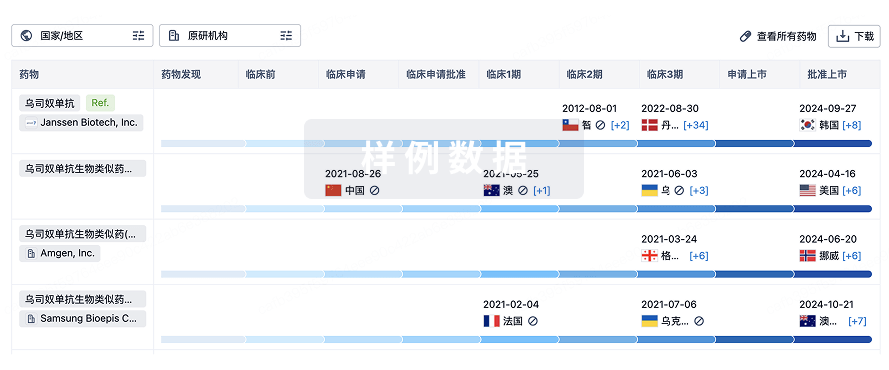
生物类似药
生物类似药在不同国家/地区的竞争态势。请注意临床1/2期并入临床2期,临床2/3期并入临床3期
登录
或
特殊审评
只需点击几下即可了解关键药物信息。
登录
或

提出任何生物医药研究问题
让每一步生物医药决策都精准制胜
基于十亿级生物数据与全球情报的精准 AI,赋能早期药物发现
立即开始免费试用!
智慧芽新药情报库是智慧芽专为生命科学人士构建的基于AI的创新药情报平台,助您全方位提升您的研发与决策效率。
立即接入生物医药数据包
智慧芽新药库数据也通过智慧芽开放平台,以MCP或API服务形式对外开放。立即使用我们的MCP服务定制您的LLM智能体。
生物序列数据库
生物药研发创新
免费使用
化学结构数据库
小分子化药研发创新
免费使用