预约演示
更新于:2026-08-29
Semaglutide (CSPC Zhongqi)
司美格鲁肽(石药集团中奇制药)
更新于:2026-08-29
概要
基本信息
非在研机构- |
权益机构- |
最高研发阶段申请上市 |
首次获批日期- |
最高研发阶段(中国)申请上市 |
特殊审评- |



登录后查看时间轴
关联
4
项与 司美格鲁肽(石药集团中奇制药) 相关的临床试验NCT06830343
A Phase I Clinical Trial to Evaluate the Safety, Tolerability, and Pharmacokinetic of SYH9017 in Chinese Participants With Overweight and Obesity Following Single and Multiple Doses
This is a randomized, double-blind, single-center, dose-escalation, single ascending dose and multiple ascending dose study of SYH9017 in Chinese participants with overweight and obesity.
开始日期2025-02-27 |
申办/合作机构 |
NCT06604624
To Evaluate a Multicenter, Randomized, Open, Positive Parallel Controlled Phase III Clinical Trial of Semaglutide Injection (HD1916) in the Treatment of Obesity
This is a multicenter, randomized, open, positive parallel controlled phase III clinical trial to compare the efficacy and safety of once-weekly HD1916 and semaglutide injection and to evaluate immunogenicity in obese non-diabetic adults.
开始日期2024-09-20 |
申办/合作机构 |
NCT06161844
A Phase 3, Randomized, Open-label, Parallel-group, Multicenter, Controlled Study to Evaluate Efficacy and Safety of Semaglutide Injection (HD1916) vs. Ozempic® as add-on to Metformin in Patients With Type 2 Diabetics Mellitus
To evaluate the similarity of the efficacy and safety of semaglutide injection (HD1916) vs. Ozempic® in patients with type 2 diabetes mellitus (T2DM) with poor blood glucose control after metformin treatment.
开始日期2024-02-23 |
申办/合作机构 |

100 项与 司美格鲁肽(石药集团中奇制药) 相关的临床结果
登录后查看更多信息
100 项与 司美格鲁肽(石药集团中奇制药) 相关的转化医学
登录后查看更多信息
100 项与 司美格鲁肽(石药集团中奇制药) 相关的专利(医药)
登录后查看更多信息
2
项与 司美格鲁肽(石药集团中奇制药) 相关的文献(医药)2025-10-01·DIABETES CARE
Racial Inequity in Prescription of Semaglutide Among Eligible People With HIV
Article
作者: Saag, M.S. ; Napravnik, S. ; Fredericksen, R.J. ; Delaney, J.A.C. ; Pettit, A. ; Whitney, B.M. ; Yendewa, G. ; Moore, R.D. ; Eltonsy, S. ; Ruderman, S.A. ; Keruly, J.C. ; Heath, S.L. ; Crane, H.M. ; Chander, G. ; Christopoulos, K.A. ; Eron, J.J. ; Ma, J. ; Nance, R.M. ; Drumright, L.N. ; Hahn, Andrew W. ; Bamford, L. ; Haidar, L. ; Cachay, E.R. ; Kitahata, M.M. ; Batey, D.S. ; Mayer, K.H.
OBJECTIVE:
To evaluate semaglutide use among people with HIV (PWH) with medical indications by race and ethnicity.
RESEARCH DESIGN AND METHODS:
We identified PWH in the Centers for AIDS Research Network of Integrated Clinical Systems (CNICS) cohort at nine sites eligible for semaglutide therapy between 2019 and 2023. Semaglutide eligibility was based on BMI ≥30 or HbA1c ≥6.5. We evaluated differences in semaglutide receipt among eligible PWH by race and ethnicity using relative risk regression adjusted for demographic characteristics.
RESULTS:
Among 11,617 eligible PWH, 774 (6.7%) received semaglutide (92% eligible by BMI ≥30, 62% by HbA1c ≥6.5, and 54% by both criteria). Eligible Black PWH were 20% less likely to receive semaglutide versus White PWH (prevalence ratio [PR] 0.80, 95% CI 0.67–0.95). The lower rate of semaglutide for Black (PR 0.66, 95% CI 0.53–0.83) and Hispanic PWH (PR 0.70, 95% CI 0.53–0.93) was more pronounced among those with higher HbA1c (≥8.0).
CONCLUSIONS:
We describe inequitable semaglutide use among PWH, with lower initiation rates in eligible Black PWH.
310
项与 司美格鲁肽(石药集团中奇制药) 相关的新闻(医药)2026-08-27
·赛柏蓝
作者 | 凯西
编辑 | 郑瑶
临近9月1日,各省开始安排2026版基药目录的落地工作。
01
新版基药目录
落地倒计时
8月25日,吉林省公共资源交易中心发布《关于执行国家基本药物(2026年版)标识的通知》,对已挂网药品开展基药属性标识确认。(国家基本药物目录(2026年版).pdf,点击即可下载)
8月31日前完成确认的药品,9月1日同步至招采子系统和分类采购系统交易目录执行;基药属性标识调整工作持续至9月30日。
云南省政府采购和出让中心8月24日也发布了相关通知。
根据国家卫生健康委、国家中医药局、国家疾控局联合印发的《关于做好基本药物优先配备使用工作的通知》,各级公立医疗卫生机构要在新版目录实施后2个月内完成本机构用药供应目录更新。
通知还要求,公立医疗卫生机构在信息系统中对基本药物进行标识、提示优先使用,将基本药物优先合理使用情况作为处方审核和点评的重点;紧密型医联体强化统一用药目录管理,及时扩大基层医疗卫生机构基本药物配备种类。
金花股份准入及BD协作负责人赵思阳8月27日对赛柏蓝表示,有了基药身份,产品进院的难度会降低。企业需要抓住窗口期(9月-11月底)争取多进院;预计从即日起的2个月内,会有部分医院针对新版基药目录召开药事会,优先纳入基药。
他同时提醒,如果企业不抓住这个窗口期,基药身份在高等级医院准入的红利会显著降低。
02新纳入药品
后续增长看好
据医药经济报援引的米内网2025年度销售数据,不少10亿级大品种被调入新版基药目录:
司美格鲁肽注射剂64.73亿元,奥希替尼58.40亿元,贝伐珠单抗(含生物类似药)132.54亿元,阿达木单抗27.43亿元,丁苯酞整体64.18亿元,罗沙司他24.00亿元,地屈孕酮26.79亿元,布地格福17.46亿元,恩格列净12.83亿元,非奈利酮11.13亿元。
进入2026版基药目录的商业机会,能兑现到什么程度?
东方证券7月13日发布的研报指出,国家基本药物目录本质上是国家层面为纳入的创新药贴上“基本必需”标签,有望加速其在国内市场放量。
从过往数据来看,产品入选基药目录后,有望迎来放量。
米内网数据显示,2018版国家基药目录新增的独家中成药中,有25个产品2022年在中国公立医疗机构终端的销售额比进入目录前(2018年)增长超过1亿元。
2026版基药目录新增化学药品
2026版基药目录新增中成药
国金证券7月10日发布的研报亦明确看好本次目录新纳入产品在渠道准入加持下的增长潜力,如石药集团的丁苯酞、荣昌生物的泰它西普、先声药业的依达拉奉右莰醇注射用浓溶液、康诺亚的司普奇拜单抗等;以及中成药如小儿豉翘清热颗粒、舒肝解郁胶囊、解郁除烦胶囊、荆花胃康胶丸、芍麻止痉颗粒、马应龙八宝眼膏、散结镇痛胶囊、四磨汤口服液、盘龙七片、都梁软胶囊、甘桔冰梅片、荷丹片/胶囊等。
长城证券分析称,新版基药目录新增中成药多为(类)独家品种,销售额在5亿元以下,并看好“低价+创新”产品;考虑到基层用药的价格敏感性,预计日用金额在10元以内、尤其是不超过5元的低价药在基层接受度更高,能够快速放量。
如天士力的荆花胃康胶丸、马应龙八宝眼膏(马应龙)、步长制药的康妇炎胶囊;而2019年以来新批的中药创新药,包括天士力的芍麻止痉颗粒和以岭药业的解郁除烦胶囊,因其独特的临床价值,亦有可能因新进基药实现销售额的快速增长。
企业的看法同样积极。
先声药业预计,纳入基药有望带动先必新注射液峰值销售额提升约15%。据先声药业2026年中期业绩披露,先必新注射液与舌下片组合上市以来累计销售额已突破100亿元。
济川药业公告称,纳入基药有利于相关产品在基层医疗市场的规模扩大,但不会对当期经营业绩产生重大影响。
荣昌生物表示,泰它西普纳入基药有助于提升创新药可及性,让更多自身免疫疾病患者用得上、用得起国产创新药。
以岭药业认为,解郁除烦胶囊入选基药后,有望借助“保基本、强基层”的政策导向加速在各级公立医疗机构放量,提升患者可及性。
至于最终的商业表现,仍将取决于相关品种的竞争格局、价格水平、剂型适配性和企业基层承接能力。
03基层蕴含最大机会
据国家卫健委初步测算,新版目录药品使用量占全国公立医疗卫生机构配备药品使用总量的71%;基层、二级、三级公立医疗卫生机构基本药物使用量占比分别为78%、74%、65%。
有行业分析指出,针对慢病药、儿童药、独家中成药和已进医保的创新药,基层市场是最大的增量空间。
赵思阳也认为,从本次基药目录的定位看,政策依然侧重于服务分级诊疗,因此基药放量可能更多体现在县域及以下市场。
他建议企业重点关注医共体目录准入,将其作为销售部门专项事项跟进;制定市场投入策略时,可围绕医共体牵头医院的关键角色设置推广活动,助力医共体用药目录准入。
至于高等级医院,国谈、集采的品种已经很多,留给基药的空间会小一些。
至于备受关注的基药新秀——2026版合计纳入的16种创新药,包括奥希替尼、司美格鲁肽、贝伐珠单抗、阿达木单抗等,此前因不是基药,在县域市场可能面临进院障碍,有了基药身份情况会好很多。
不过,他也坦言,创新药往往价格较高,与县域市场的消费能力不完全匹配,加之进院难度大、进院后投入产出比不理想,国谈药背后的企业一般不会把县域市场作为重点。
赵思阳也表示,目前的市场现实是无论什么身份,进院都不是易事,一些医院甚至不会讨论国谈、基药、集采之外的产品。
有行业观点认为,尽管政策仍支持基药配备,但落地推动力度有一定降温;基药身份更直接的意义,是缓解部分品种在等级医院面临的限量、停用、控费问题。
分药品类别来看,在等级医院,化学药的利好可能高于中成药;基层市场则可能相反,因为中成药在基层慢病管理中有较好的用户基础。不过,中成药整体仍面临更大的准入压力。
获得基药身份之后,公立医疗机构配备倾斜、处方优先,基层和医联体成为新的准入入口。
从落地节奏看,9月1日至10月底预计以目录更新、挂网同步、院内信息系统标识和采购调整为主,属于“制度落地期”;2026年四季度至2027年上半年,基层和县域市场的实际处方放量可能逐步体现。
附:剂型规格变化药品
本期素材组图片来源:https://unsplash.com/s/photos/
END
2026-08-26
·搜狐新闻
来源:新浪证券-红岸工作室
8月26日,石药创新涨2.73%,成交额19.28亿元,换手率3.00%,总市值639.09亿元。
异动分析
生物疫苗+减肥药+创新药+维生素+猴痘概念
1、根据2024年年报:公司的主营业务为生物制药和功能食品及原料的研发、 生产和销售。 生物制药聚焦于 ADC、mRNA 疫苗以及抗体类药物等前沿领域, 已搭建了专业的生物医药创新产业平台; 功能食品及原料包括咖啡因、 维生素 C 含片等。
2、2024年10月19日公告,新诺威拟通过发行股份及支付现金方式购买石药集团下属的维生药业、石药上海、恩必普药业三家公司合计持有的石药百克 100%股权。石药百克GLP-1 产品方面,TG103 注射液(创新型长效重组人源胰高血糖素样肽-1(GLP-1)Fc 融合蛋白)、司美格鲁肽注射液(长效胰高糖素样肽-1(GLP-1)类似物)的超重/肥胖和 2 型糖尿病适应症正在进行 III 期临床,预计从 2026 年起陆续获批上市。此外还有包括司美格鲁肽长效注射液(流体晶剂型)、GLP-1 口服小分子片剂以及双靶、三靶产品等临床前阶段的全面布局。
3、2023年9月12日公告:公司对石药集团巨石生物增资,增资完成后,公司可凭借巨石生物在创新药领域的研发实力,进入生物创新医药的前沿领域,实现研发实力和产品结构的跨越发展,为将公司打造成为领先的创新驱动型生物医药平台奠定了坚实的基础。
4、2023年5月15日互动易:目前公司已有多款维生素类保健食品生产销售,2022年度保健食品类产品实现销售收入3.29亿。
5、据2026年8月10日公告:公司控股子公司石药集团巨石生物制药有限公司与中国科学院微生物研究所合作开发的SYS6037注射液(猴痘mRNA疫苗)药品临床试验申请已获得美国FDA批准,可以在美国开展临床试验。SYS6037注射液为单条mRNA链编码的多抗原猴痘疫苗,用于猴痘的预防;临床前研究显示其相较于减毒活疫苗(天坛株)具有更优的免疫原性和保护效力,且对多种正痘病毒抗原表现出广谱交叉反应。
(免责声明:分析内容来源于互联网,不构成投资建议,请投资者根据不同行情独立判断)
资金分析
今日主力净流入4264.44万,占比0.02%,行业排名8/157,连续3日被主力资金增仓;所属行业主力净流入-1.75亿,当前无连续增减仓现象,主力趋势不明显。
区间
今日
近3日
近5日
近10日
近20日
主力净流入
4264.44万
1.14亿
4834.38万
-4946.94万
5241.24万
主力持仓
主力没有控盘,筹码分布非常分散,主力成交额8.03亿,占总成交额的8.21%。
技术面:筹码平均交易成本为38.29元
该股筹码平均交易成本为38.29元,近期该股获筹码青睐,且集中度渐增;目前股价在压力位51.78和支撑位42.64之间,可以做区间波段。
公司简介
资料显示,石药创新制药股份有限公司位于河北省石家庄市栾城区张举路62号,香港湾仔港湾道18号中环广场32楼3206室,成立日期2006年4月5日,上市日期2019年3月22日,公司主营业务涉及功能食品的研发、生产与销售。主营业务收入构成为:生物制药69.82%,功能性原料及保健食品29.36%,其他0.81%。
石药创新所属申万行业为:医药生物-化学制药-原料药。所属概念板块包括:昨日高振幅、生物疫苗、维生素、创新药、健康中国等。
截至8月10日,石药创新股东户数3.15万,较上期增加31.88%;人均流通股44542股,较上期减少24.17%。2026年1月-6月,石药创新实现营业收入32.40亿元,同比增长208.72%;归母净利润12.61亿元,同比增长46025.71%。
分红方面,石药创新A股上市后累计派现6.51亿元。近三年,累计派现4.02亿元。
机构持仓方面,截止2026年6月30日,石药创新十大流通股东中,香港中央结算有限公司位居第二大流通股东,持股1833.98万股,相比上期增加80.90万股。工银前沿医疗股票A(001717)位居第三大流通股东,持股1700.00万股,相比上期增加300.00万股。汇添富创新医药混合A(006113)位居第四大流通股东,持股1517.66万股,相比上期增加673.00万股。汇添富医疗服务灵活配置混合A(001417)位居第九大流通股东,持股601.49万股,相比上期增加81.63万股。中银创新医疗混合A(007718)退出十大流通股东之列。返回搜狐,查看更多
2026-08-25
作者:甘坛焕、刘创
摘要
■ 投资逻辑
创新药商业化成效卓著,全球化临床开发大步迈进。公司2019首款产品商业化至产品销售规模突破百亿元大关仅历时7年,依托持续向好的销售增长势能,公司2027冲击200亿元产品销售目标具备较强可行性。公司与一系列MNC达成多项高质量BD,正式迈入国际化。目标至2030年前推动至少5款管线进入Ⅲ期临床。
肿瘤:二代IO及ADC全面开花,重点单品全球竞争力突出。1)IBI363(PD-1*IL-2α-bias)授权Takeda、瞄准全球千亿市场,在IO传统优势领域—热肿瘤拥有更好疗效的基础上,进一步向IO耐药及冷肿瘤市场突破,患者生存期拖尾效应显著、市场天花板进一步打开。目前2L/IO耐药sq-NSCLC(非小细胞肺癌)已开启国际Ⅲ期临床,2L/IO耐药nsq-NSCLC、1L nsq-NSCLC、1L CRC的国际临床有望与于2027年底前启动,另外更多癌肿有望持续探索。IBI363大单品潜力初现。2)IBI343授权Takeda,成为全球首个治疗晚期胃癌(GC)且关键临床达终点的CLDN18.2 ADC,上市申请(NDA)已获国家药监局受理,海外NDA递交在即;3L+胰腺癌(PDAC)国内Ⅲ期稳步推进。1L GC、1L PDAC的关键临床亦在筹备中。3)IBI354(HER2 ADC)已围绕铂耐药卵巢癌、1L HER2+乳腺癌开展了关键Ⅲ期临床,另外还围绕结直肠癌、乳腺癌等布局众多适应症POC探索。4)公司二代IO、二代ADC以及TCE平台等获得跨国巨头Lilly、Pfizer的BD合作背书,目前已经有包括 EGFR/B7H3 ADC、GPRC5D/BCMA/CD3 TCE等分子不断进入临床探索。
慢病:1)代谢管线以玛仕度肽为核心,一方面在优异疗效、先发优势的基础上构筑强大的销售护城河、增强产品渗透;另一方面,公司不断拓展玛仕度肽新适应症打开市场空间;同时构筑多层次的储备管线—口服GLP-1小分子、全新通路多肽激动剂、siRNA体重维持疗法以及多靶点PDC月制剂等。2)公司构建覆盖眼底病与TED的多层次管线,IBI324(VEGF/Ang2)正式进入国际Ⅲ期开发。3)匹康奇拜单抗牢自免基本盘,TSLP*IL-4Rα、CD40L等前沿靶点梯队发力,自免板块开启增长新阶段。
风险提示
新药研发不确定性风险、医保谈判不及预期风险、生物类似药集采风险、国际化与BD合作风险。
+
目录
1 经营:百亿商业化底盘已兑现,综合平台蓄力、公司迈向国际一流
1.1 销售高增:公司兑现国内一流目标,商业化动能充沛
1.2 盈利持续:盈亏拐点如期兑现,现金流持续改善,赋能下一代创新与全球化布局
1.3 国际启航:三维度驱动国际化,公司冲刺国际一流生物制药企业
2 肿瘤:IO及ADC双平台赋能管线开发,潜力大药迭出
2.1 IBI363:FIC免疫双抗破局免疫耐药及冷肿瘤,长生存拖尾效应夯实全球商业化价值
2.2 IBI343(CLDN18.2) :唯一在胃癌和胰腺癌取得双突破CLDN18.2 ADC,国际进度领先.
2.3 IBI354(HER2 ADC):SoloTx平台扩大治疗窗口,乳腺癌与卵巢癌双Ⅲ期即将进里程碑
2.4 IBI3003(GPRC5D/BCMA/CD3):早期临床数据验证平台价值,TCE平台迈入产业化新阶段
2.5 BsADC与dpADC引领下一代ADC创新,管线布局打开长期成长空间
3 代谢:玛仕度肽商业化落地兑现,慢病版图全面扩张
3.1 玛仕度肽:国产GLP-1双靶标杆,商业化加速落地,慢病多适应症拓宽长期成长天花板
3.2 托莱西单抗:国产PCSK9先行者,血脂慢病持续放量
4 眼科:大适应症市场空间广阔,长效化与多靶点治疗驱动行业升级
4.1 公司构建覆盖眼底病与TED的多层次管线,商业化与创新产品协同推进
4.2 IBI324(VEGF/Ang2):差异化分子设计强化双通路抑制,有望提升眼底病治疗标准
4.3 IBI302(VEGF/补体融合蛋白):双通路协同兼顾长效给药与潜在黄斑萎缩获益
5 自免:匹康奇拜单抗筑牢基本盘,前沿靶点梯队发力,自免开启增长新阶段
6 投资建议
7 风险提示
正文
1 经营:百亿商业化底盘已兑现,综合平台蓄力、公司迈向国际一流
1.1 销售高增:公司兑现国内一流目标,商业化动能充沛
公司已达成打造国内一流生物制药企业的阶段性目标。公司自19A首款产品商业化上市,至产品销售规模突破百亿元大关仅历时7年;迈入百亿营收体量后,依旧维持显著高于行业均值的高速增长,19A-25A产品销售收入CAGR约38%,其中25A公司产品销售收入达119亿元,26Q2产品销售额实现43亿元(同比增长60%),依托持续向好的销售增长势能,公司27E冲击200亿元产品销售目标具备较强可行性。
除成熟强劲的商业化销售体系外,公司同时构建起一体化核心竞争力,覆盖早期研发、药品注册、临床开发与全球化布局五大维度。面向26E-30E公司确立了中长期战略愿景:力争跻身国际一流生物制药企业行列。
公司产品管线丰富,商业化价值不断提升,后续动能充沛、有望持续维持较高增速:
创新产品占比高:截至26年8月,公司拥有20款商业化产品。其中贝伐珠单抗、阿达木单抗、利妥昔单抗、伊匹木单抗共4款为生物类似药,其余16款均为一类创新药,管线整体创新属性突出。
治疗领域覆盖宽:公司在肿瘤领域积累深厚竞争壁垒,随后逐步向患者群体更广的慢病市场延伸,布局眼科、代谢、自身免疫疾病。托莱西单抗23A成功上市,25A实现三款慢病创新药集中落地。
自研成果兑现强:早期公司不少管线品种来源于外部引进,近年自研项目上市节奏明显加快,慢病领域自研兑现趋势尤为显著。
医保品种渗透快:19A–22A多款产品纳入医保实现快速放量;25A公司迎来又一轮产品收获窗口,5款肿瘤TKI、1款慢病药纳入医保,另外还有1款CAR-T纳入商保。随着医保产品于26年年初落地,公司有望迎来新一轮销售快速增长。展望26年医保谈判,若玛仕度肽、匹康奇拜单抗这两款产品今年顺利进入医保,明年同样有望迎来更加陡峭的放量曲线。
增长动力后劲足:我们认为,公司未来商业化有望维持高增速,支撑要素包括:①新纳入医保产品持续提升医院覆盖与渗透率;②玛仕度肽等成熟产品推进新适应症Ⅲ期临床、申报sNDA,拓宽产品生命周期、进一步打开产品销售天花板;③一批全新机制候选药陆续走向市场,包括Arcotatug tavatecan(CLDN18.2 ADC)、IBI354(HER2 ADC)、替古索司他(XO)、依莫芙普(C3b/C4b/VEGF)、IBI363(PD-1/IL-2α-bias),后续上市将持续打开公司增长空间。
1.2 盈利持续:盈亏拐点如期兑现,现金流持续改善,赋能下一代创新与全球化布局
公司跨越盈亏平衡里程碑,25A实现首个完整年度盈利。公司IFRS净利润达人民币8.14亿元,Non-IFRS净利润大幅提升至人民币17.2亿元(其中扣除BD之后,公司的经营层面的Non-IFRS净利润依旧为正),Non-IFRS EBITDA增长至人民币20亿元。盈利能力迎来结构性拐点,主要得益于营收高速增长、规模效应持续释放以及精益运营体系落地见效。
公司正式迈入可持续盈利新阶段。伴随BD收入与自研产品销售收入贡献不断提升,公司盈利水平持续改善,25A毛利率达到86.54%。费用端层面,尽管销售费用、研发费用绝对规模仍保持增长,但销售费用率、研发费用率呈现持续下行态势,尤其是在25年至今,公司在慢病条线建立起了相对完整的销售团队,因此后续慢病新品上市则有望进一步放大规模效应。我们判断上述经营趋势有望延续,公司具备持续盈利基础。
步入25年,公司BD收入迎来快速增长,过去一年先后与武田、礼来、辉瑞三家跨国药企达成三笔大额合作交易。上述合作款项暂计入合约负债,不会当期全额确认收入,将在后续期间分期摊销结转;但相关BD回款能够切实增厚公司经营性现金流与现金储备。截至2025年末,公司全年经营性净现金流大幅提升至约100亿元,在手现金规模达到约242亿元。
26H1公司再度落地三项BD合作交易,对应已披露确定性较强的首付款规模超10亿美元,有望进一步增厚现金储备。充裕的资金底盘,将为公司加码下一代创新技术研发、持续推进国际化临床开发筑牢资金根基。
1.3 国际启航:三维度驱动国际化,公司冲刺国际一流生物制药企业
公司中长期愿景为打造“国际一流的生物制药公司”。第四个五年规划(26E-30E)核心锚定国际化战略推进,依托三大维度落地:①国际收入贡献、②国际管线开发、③全球运营能力。在国内创新药企出海的行业浪潮背景下,信达生物自去年初以来连续落地多项对外授权(License-out)合作,携手跨国药企,正式迈入国际化发展元年。
国际收入贡献:国际收入贡献可以分为两个层次,第一BD交易款项收入;第二出海分子的海外商业化分成甚至直接参与商业化的销售贡献。
根据insight数据库显示,从去年初至今的TOP20 BD合作中,公司以交易总额以及交易首付款排国内第一,其中涉及的交易首付款约为22.6亿美元、交易总额约为329亿美元。上述首付款及潜在里程碑付款将逐步摊销确认为公司收入。
中长期维度的海外授权分成与商业化销售收入,则高度依托候选药物(如IBI363、IBI343、IBI324等全球竞争力分子)的全球临床开发进度兑现。
国际管线开发:公司目标至2030年前推动至少5款候选管线进入全球Ⅲ期临床开发。截至当前,IBI363、IBI343、IBI324三款分子已顺利进入国际Ⅲ期临床。除此之外,多款管线分子将于2026–2027年公布Ⅰ/Ⅱ期临床数据,覆盖ADC、siRNA、双特异性抗体、单克隆抗体等多元化技术平台,适应症布局涵盖肿瘤、代谢、自身免疫等领域。伴随更多候选管线推进至国际关键性Ⅲ期临床,药物海外上市预期持续提升,管线价值有望逐步反映至公司估值当中。后续待海外市场成功开拓后,相关品种将持续贡献营收与利润增量。
全球运营能力:公司积极与跨国药企开展 BD 战略合作,依托合作契机吸收借鉴跨国药企成熟的全球化运营体系,沉淀国际化管理与商业化经验。1)与Roche及ollin达成的Out-licensing合作模式,使得公司能够借助全球领先的医学实力与临床经验,加速推进管线全球开发和价值释放;2)与Takeda达成的Co-Co模式,帮助公司快速构建并强化国际研发、注册申报及未来商业化领域核心能力;3)与Lilly及Pfizer达成的端到端创新合作,使得公司能够学习MNC推进创新药开发的体系框架与决策流程,以持续提升自身研发能力。
2 肿瘤:IO及ADC双平台赋能管线开发,潜力大药迭出
在后PD-(L)1时代肿瘤治疗竞争加剧的行业背景下,信达生物构建了阶梯递进、双重迭代的差异化肿瘤创新药开发全景,以新一代IO免疫疗法为战略基石,持续推进IO与ADC的组合创新,逐层突破现有肿瘤治疗边界。
开发策略:公司肿瘤药品开发经历三大演进阶段,1)重塑IO基石,依托成熟PD-1及CTLA-4免疫检查点抑制剂平台,持续迭代新一代IO分子,推进双抗+化疗方案,目标在热肿瘤领域替代PD-(L)1联合化疗现有标准治疗,同时打破冷热肿瘤治疗边界,夯实免疫治疗基本盘;2)联合ADC加深护城河,切换至双抗IO+单抗/双抗ADC开发主线。依托自研单抗ADC、EGFR*B7H3、PD-L1*TROP2双抗ADC管线,尤其借助ADC高效低毒的产品特性,拓宽瘤种覆盖与治疗线数,延展公司优势瘤种布局;3)迈向双重迭代引领创新,布局新一代IO+双载荷ADC,将双载荷(dual-payloads)ADC作为核心技术突破口,探索IO联合双载荷ADC差异化路径,目标打造全球首个完成临床验证的双载荷ADC技术平台,实现ADC底层技术突破,进一步放大IO与ADC联用的协同潜力。
技术平台:公司投入巨大资源打造两大创新矩阵,1)基于深厚肿瘤生物学认知搭建新一代IO平台,在达伯舒、伊匹木单抗基础上持续拓展细胞因子融合蛋白、T细胞连接器等多元化免疫分子;2)打造具备差异化优势的连接子-载荷ADC技术平台,同步推进单抗ADC、双抗ADC、双毒素ADC多条技术路线。在此基础上,公司采取双重迭代路线,即同步完成“化疗升级为ADC、PD-(L)1升级为免疫双抗”两大变革,打造更广谱、更强效、更低毒的肿瘤创新疗法。
公司多条候选药物已推进至临床中后期,具备大单品潜力。1)在ADC赛道,公司核心品种Arcotatug tavatacan(CLDN18.2ADC)已递交NDA,其覆盖胃癌、胰腺癌等多个适应症;另一核心品种IBI354(HER2 ADC),在乳腺癌和卵巢癌的临床也进入Ⅲ期,预计分别在28E、27E完成主要终点。另外公司广泛储备了一系列的早研分子,包括DLL3 ADC、B7-H3*EGFR和TROP2*PD-L1等多款双抗ADC更前瞻性推进CEACAM5双载荷ADC(dpADC),差异化覆盖实体瘤广阔市场。2)免疫大分子板块,核心品种IBI363(PD-1/IL-2α-bias)针对鳞癌非小细胞肺癌、结直肠癌、黑色素瘤等推进至Ⅲ期,另有PD-1/IL-12V、PD-L1/CD40等多款免疫早研双抗稳步推进。T细胞连接器(TCE)平台布局GPRC5D、CLDN18.2、DLL3等靶点,覆盖多发性骨髓瘤、胰腺癌、SCLC等难治性肿瘤。
公司整体管线兼顾短期兑现与长期创新:成熟ADC、免疫双抗品种临近收获,双抗ADC、双载荷ADC、TCE等前沿分子持续推进,充分兑现新一代IO联合ADC的协同开发思路,持续把握后PD-(L)1时代实体瘤创新治疗机遇。
2.1 IBI363:FIC免疫双抗破局免疫耐药及冷肿瘤,长生存拖尾效应夯实全球商业化价值
IBI363作为第三代IL-2Rα偏向激动剂,有望实现疗效与安全性平衡
IL-2免疫治疗历经多轮技术迭代,传统IL-2WT虽具备明确抗肿瘤活性、已获批用于黑色素瘤与肾细胞癌,但存在剂量效应矛盾,且伴随严重血管渗漏毒性,临床应用受限;改良型IL-2nα旨在脱毒去Treg结合能力,却因优先扩增旁观T细胞、无法有效激活肿瘤特异性免疫,且缺失外周免疫制衡机制,最终疗效不佳、毒性反而升高。相较前代产品,IL-2Rα偏向激动剂实现机制突破,可差异化调控外周与肿瘤微环境,兼顾降毒与增效。其中信达生物IBI363为PD-1*IL-2α-bias双特异性融合蛋白,凭借肿瘤特异性T细胞PD-1、CD25双靶点高选择性激活机制,可精准扩增抗肿瘤T细胞、逆转PD-1耐药、激活冷肿瘤免疫,同时不激活外周 naive T 细胞,大幅规避系统性毒性。整体看,IBI363有效解决了传统IL-2药物疗效与毒性难以兼顾的核心痛点,技术差异化显著,在实体瘤领域具备突出临床潜力与商业化价值。
野生型IL-2(IL-2WT):低剂量IL-2优先刺激高表达三聚体高亲和力受体(IL-2Rα/β/γ)的调节性T细胞(Treg),产生免疫抑制效应,同时IL-2结合血管内皮细胞CD25会加重潜在的血管渗漏毒性;高剂量IL-2在饱和结合Treg受体后,多余IL-2可通过中等亲和力二聚体受体(IL-2Rβγ)结合效应T细胞与NK细胞,激活免疫、发挥抗肿瘤作用。如全球首款获批重组IL-2(阿地白介素Proleukin)在转移性黑色素瘤、肾细胞癌患者中展现明确抗肿瘤效果,但高剂量给药引发严重不良反应(尤以血管渗漏综合征为主),大幅限制临床适用人群。
非α偏向型IL-2(IL-2nα):为拓宽治疗窗口,多款工程化IL-2变体应运而生,包括将IL-2与抗体片段偶联以延长半衰期、提升肿瘤富集;或通过突变破坏IL-2与CD25结合,减少Treg活化、降低潜在毒性。IL-2nα分子应运而生,但过往临床结果显示IL-2nα未带来更强抗肿瘤效果,反而毒性更高。潜在机制在于:
IL-2WT优先扩增肿瘤抗原特异性肿瘤浸润CD8⁺T细胞(TST)。IL-2WT可大量扩增肿瘤内CD8⁺肿瘤特异性T细胞,当T细胞识别肿瘤、被激活之后,表面会上调CD25。一旦表达CD25,它对IL-2WT的敏感度直接提升1000倍,形成正向循环,越扩越多;IL-2nα则优先扩增旁观T细胞。
IL-2WT和IL-2nα重塑完全不同的肿瘤微环境。两种IL-2均可诱导T细胞增殖,但IL-2WT推动CD8⁺T向活化/耗竭表型分化;IL-2nα维持T细胞低活化、初始态特征,即IL-2WT组存在活跃的初始T向效应T转化过程,IL-2nα组几乎无该转化。
同时相关研究显示IL-2nα处理组所有组织中CD8⁺T/Treg比值均高于IL-2WT组,IL-2nα失去结合CD25的能力,因此几乎激活不了外周循环中的Treg,失去了安全阀门,外周炎症无法被制衡,毒性不降反升。
IL-2Rα偏向激动剂:核心在于特异性提升肿瘤内效应CD8⁺T/Treg比值。其中在外周血液IL-2α-bias显著提升Treg比例与Foxp3表达,下调CD8⁺T占比,CD8/Treg比值下降7倍。肿瘤微环境:IL-2α-bias处理后CD8⁺T比例近乎翻倍,Treg占比下降70%,CD8/Treg比值提升7.8倍,这样可以较大降低其血液毒性。核心在于外周血Treg基础占比极低、多为静息态,极易被IL-2α-bias扩增,而外周CD8⁺T几乎不表达CD25,对分子无响应;肿瘤内本底Treg增殖饱和,外源IL-2难以进一步刺激,而肿瘤内CD8⁺T大量上调CD25,可竞争性抢夺IL-2快速增殖。
IBI363有望突破免疫治疗局限,进一步拓展耐药、冷肿瘤人群,且减毒效果明显。特异性T细胞(TST)高表达IL-2Rα及PD-1,而旁观者T细胞不表达。因此IL-2α-bias可以作用于TST细胞的IL-2Rα,使其获得相比于旁观者T细胞更好的增殖与活化信号,从而发挥抗肿瘤作用。IBI363作为一种PD-1和IL-2α-bias可双特异性抗体融合蛋白,其独特的设计优势在于:
增效:IBI363的IL-2α-bias可以与PD-1发挥协同作用,能够起双重免疫激活效果:1)可在PD-1耐药的肿瘤模型中发挥更好的作用;2)IBI363可靶向PD-1定向激活TST细胞;同时IBI363通过PD-1和IL-2α-bias的高亲和力协同作用,向TST细胞传递增强的IL-2信号,从而扩增TST细胞的数目,可以针对冷肿瘤发挥效果。通过这种双免疫激活作用,可精准激活和扩增特异性T细胞,达到优异的肿瘤治疗效果。
减毒:IBI363还有一个独特的优势,区别于传统的IL2药物会异常激活外周Naïve T细胞、导致毒性反应,而外周Naïve T细胞表面仅表达IL-2Rβγ,不表达PD-1和IL-2Rα,因此IBI363难以激活外周Naïve T细胞,大大降低毒性风险。目前IBI363已经在多个实体瘤治疗中展现出显著获益效果。
下图最左边naïve及旁观T细胞(PD-1+CD25-),IBI363几乎没有活性;下图最右边肿瘤特异性T细胞(双表达PD-1+CD25+),IBI363就有很强的选择性活性。
IBI363瞄准三大治疗市场,潜在市场空间超千亿
热肿瘤存量市场:当前全球IO市场以热肿瘤为主阵地,2025年PD-(L)1单抗市场规模约581亿美元,按15%年均增速推算,2030年规模有望达到1169亿美元。IBI363作为新一代PD-1*IL-2α-bias双抗,定位为PD-1单抗的迭代产品,未来将采取与K药(25年销售额约为316.4亿美元)等初代PD-1抑制剂头对头对比的开发策略。IBI363和其他PD-1plus双抗目标成为热肿瘤全线治疗的基石药物,在一线、二线以及新辅助/辅助治疗场景进一步提升患者生存获益。
IO耐药人群:该市场聚焦PD-(L)1抑制剂治疗后耐药的患者,是极具潜力的增量空间。第一代IO药物存在固有与获得性耐药痛点,现有方案疗效有限。IBI363依托PD-1*IL-2α-bias双抗机制,通过差异化通路解决初代免疫治疗耐药难题,临床策略选择与化疗等标准治疗方案开展头对头对照。相较于其他同赛道PD-1plus双抗,IBI363具备显著竞争优势,有望填补PD-1治疗失败后缺乏有效免疫方案的临床空白。
IO空白冷肿瘤市场:此市场代表PD-(L)1免疫治疗疗效不足的冷肿瘤人群,包括PD-1天然无效的冷肿瘤、TPS<1%的热肿瘤。其中结直肠癌、前列腺癌、胰腺癌、卵巢癌等均属于冷肿瘤,全球新发患者基数庞大,年新发患者数量分别为193/147/51/32万人,但现有PD-(L)1单药或联合方案收效有限。IBI363依靠PD-1*IL-2α-bias独特作用机制,目标突破免疫治疗边界,临床策略对标现有标准治疗。
从IBI363的Ⅰ期前瞻布局中我们观察到: IBI363采取“优先优势瘤种深耕+广谱实体瘤拓展”的临床开发策略。两个Ⅰ期临床同时布局单药队列与联合化疗队列,覆盖热肿瘤、IO耐药肿瘤、以及冷肿瘤多元实体瘤赛道:单药重点发力NSCLC、黑色素瘤等免疫敏感瘤种,初步数据展现出可观抗肿瘤活性;联合化疗方案瞄准胆道肿瘤、结直肠癌、食管鳞癌、三阴性乳腺癌等大量“冷肿瘤”适应症,依托化疗实现肿瘤微环境“由冷转热”,充分发挥双抗协同价值。
管线布局上,公司优先推进肺癌、肠癌核心大瘤种的临床价值验证,同时同步开展多瘤种PoC探索,广泛覆盖一线、二线及后线治疗场景。多层次的适应症布局不仅打开长期市场空间,也有助于持续验证IBI363单药、联合化疗两种治疗模式的适用边界,为后续III期适应症选择提供充足数据支撑。截至目前,单药的Ⅰ期POC数据已经陆续读出,且联合用药中的1L NSCLC数据率先读出,我们认为,后续更多的联合用药的更新的POC数据亦有望在近期陆续更新,届时IBI363在更多癌肿的治疗潜力也将浮出水面。
IBI363临床推进采取分层落地、梯度开发策略,管线节奏清晰。项目优先推进具备初步概念验证数据的优势适应症:2025年启动IO耐药NSCLC全球多中心Ⅲ期研究、IO初治黏膜/肢端黑色素瘤国内关键Ⅱ期研究;同时公司计划2026年启动3L结直肠癌国内Ⅲ期研究,构筑产品第一波核心商业化适应症。与此同时,公司同步开展1L NSCLC、1L结直肠癌、IO耐药非鳞NSCLC等大瘤种Ib期PoC概念验证研究,PoC取得阳性结果后有望接续推进全球Ⅲ期开发,持续扩充潜力适应症。
肺癌布局:抢占IO耐药NSCLC赛道,一线NSCLC有望加速推进
患者基数:肺癌是第一大高发癌肿,全球每年新患约为248万人、中国约为106万人,其中85%是非小细胞肺癌(NSCLC),据统计K药300多亿美元的年销售额中,约1/3是NSCLC贡献。因此NSCLC的治疗市场非常广阔,也是PD-1plus双抗及抗体偶联药物(ADC)的布局重点。
治疗格局:在NSCLC突变基因(如EGFR、KRAS等)检测推动了对应靶向的小分子抑制剂的发展,也为这类患者带来很好的治疗。但50-60%的NSCLC患者属于无驱动基因突变(野生型)的患者,这类患者一般会被贴上“化疗依赖”标签,后来随着对肿瘤微环境(TME)理解的深入,免疫检查点抑制剂(ICI,如第一代PD-1单抗)重塑了这一领域的治疗底色。但PD-1单抗治疗NSCLC non-AGA患者仍存在显著痛点:1)前线治疗的中位客观缓解率(ORR)约为47.47%,意味着还有近50%的患者对PD-1单抗得不到有效响应,疗效仍有较大提升空间,为后续迭代探索留下想象;2)1L采用PD-1之后的患者,后线的标准疗法只有化疗。如果2L再用PD-1继续治疗,中位ORR便迅速下降至15.99%,因此存在较大的治疗空白及未满足需求。
IBI363定位: 26年美国临床肿瘤学会(ASCO),公司公布了两项相关研究:1)IBI363的PoC研究长期随访结果,在晚期免疫治疗耐药的非小细胞肺癌中展现出优异的长期生存获益;2)IBI363一线治疗晚期非小细胞肺癌的初步PoC临床研究数据。基于第一个早期临床结果,公司已经启动2L sq-NSCLC 全球多中心Ⅲ期研究,而非鳞状NSCLC已完成PoC,全球多中心Ⅲ期计划中。针对1L NSCLC,第一阶段剂量探索与优化已完成,第二阶段对照标准疗法进行中,为后续的Ⅲ期研究开展奠定基础。
2L/IO耐药的非小细胞肺癌:潜在全球可及市场空间约140亿美金
竞争身位:如图26所示,全球针对2L或IO耐药的非小细胞肺癌的部分创新疗法中,双抗主要有公司的IBI363、康方生物的AK112,ADC有复宏汉霖的HLX43、百利天恒的BL-B01D1、石药集团的SYS6010,但近只有公司和复宏汉霖已开启国际Ⅲ期。因此公司在该适应症整体竞争格局优异、身位靠前。
产品实力:IBI363在晚期免疫治疗耐药的非小细胞肺癌中展现出优异的长期生存获益。在26ASCO公布的最新数据显示,IBI363长期生存拖尾效应明显。
肺鳞癌患者中31例接受了3 mg/kg Q3W IBI363治疗。3 mg/kg Q3W剂量组中位PFS=10.1 (95%CI 6.0, 14.0) 个月,中位OS=18.2 (95%CI 10.7,NE; 成熟度48.4%) 个月,24个月OS率=47.8% (95%CI 28.7, 64.7)。而在同样针对经免疫治疗的NSCLC患者的TROPION-Lung01研究中,多西他赛(标准疗法)对照组在肺鳞癌的中位总生存期(OS)为9.4个月,24个月OS率为14.8%。IBI363的长期随访数据展现出极具竞争力的生存优势。
EGFR野生型肺腺癌中25例接受了3 mg/kg Q3W IBI363治疗。3 mg/kg剂量组同样观察到优异的长期生存获益,中位PFS=4.2 (95%CI 3.0, 7.0)个月,中位OS=15.2个月 (95%CI 9.6, NE; 成熟度56.0%)、24个月OS率=42.7% (95%CI 23.1, 61.0)。此前,在同样针对经免疫治疗的NSCLC患者的TROPION-Lung01研究中,多西他赛(标准疗法)对照组在肺腺癌的中位总生存期(OS)为12.3个月,24个月OS率为21.7%。IBI363的长期随访数据展现出了极具竞争力的生存优势。IBI363在免疫耐药的肺腺癌中展现出强劲的长期生存获益,尤其在有吸烟史受试者中疗效尤为突出;长期生存拖尾效应明显。
IBI363与多西他赛(当前标准治疗SoC)在IO耐药非小细胞肺癌人群中的疗效数据,在PFS、DoR、OS三项核心终点上,IBI363均展现显著优势:PFS获益体现其可快速逆转免疫耐药,依托IL-2介导强效免疫激活;DoR提示免疫耐药患者仍能获得持久缓解;OS则呈现突出的长期拖尾效应,转化为明确总生存获益,印证PD-1/IL-2差异化双靶点机制的独特价值,为IO耐药后线NSCLC提供全新免疫治疗路径。
1L非小细胞肺癌:潜在全球可及市场空间约230亿美金
竞争身位:1L NSCLC之前便是IO免疫治疗的重要战场,但第一代PD-1单抗的疗效仍有加大的提升空间,因此迭代出众多PD-1plus双抗产品的布局,目前已经开展国际Ⅲ期临床的分子包括:康方生物/SUMMIT的AK112、BioNTech/BMS的BNT327、三生制药/pfizer的SSGJ-707,上述三款分子均是采用联合化疗对照K药+化疗的方案,覆盖1L sq/nsq non-AGA的非小细胞肺癌人群。另外,针对进一步细分的PD-L1 TPS≥50%的亚组,康方生物/SUMMIT的AK112、BioNTech/BMS的BNT327、以及科伦博泰/MSD的SKB264均迈入国际Ⅲ期临床。随着公司后续完成POC临床、申请国际Ⅲ期,公司的IBI363有望处于同类分子的第四/五顺位。虽然1L NSCLC竞争格局激烈,但该人群庞大、市场广阔。
产品实力:对于PD-L1阴性和低表达 NSCLC患者,现有免疫疗法获益有限。在Keynote-407 研究中,PD-1联合化疗在1L sq-NSCLC人群中,PD-L1 1-49%和PD-L1<1%亚组的ORR 分别为54.5%和67.4%。在Keynote-189研究中,PD-1联合化疗在一线非鳞状NSCLC人群中,PD-L1 1-49%和PD-L1<1%亚组的ORR 分别为50.0%和33.1%。26ASCO,IBI363联合化疗用于1L治疗PD-L1阴性或低表达NSCLC,展现出优异的疗效和良好的安全性信号;如图29所示,3→1.5mg/kg剂量组ORR=86.4%,cORR =81.8%,DCR=100%。该PoC研究第二阶段进行中,头对头帕博利珠单抗联合化疗一线治疗晚期NSCLC(PD-L1全表达人群)。
开发进度:IBI363一线NSCLC的POC试验方案,分为两个阶段:第一阶段完成安全性导入与剂量探索,针对PD-L1 TPS<50%人群筛选出最优给药剂量,其初步结果已于26ASCO发布;当前推进至第二阶段随机对照试验,计划入组约190例患者,1:1分组对比IBI363+含铂化疗与帕博利珠单抗+含铂化疗,主要终点为PFS。试验聚焦PD-L1低表达人群,若取得阳性结果,有望体现IBI363相较于传统PD-1单抗的差异化优势。
结直肠癌布局:国内后线率先进入注册临床,国际一线CRC有望加速推进
患者基数:CRC是全球第三大、中国第二大新发癌肿,其中全球/中国每年新患数量分别为193万/52万人,患者基数庞大。结直肠癌可进一步划分为MSS/pMMR(微卫星稳定、错配修复正常)、及MSI-H/dMMR(高度微卫星不稳定/错配修复缺陷)两种亚型,其中MSS/pMMR CRC占90%+,是绝大部分患者,但此类患者对单一免疫检查点抑制剂的反应较差,前期免疫治疗效果有限。因此该冷肿瘤存在巨大治疗未满足临床需求。
结直肠癌:潜在全球可及市场空间约90亿美金
竞争身位:结直肠癌是PD-1plus双抗的潜在重点覆盖适应症之一,但目前多数PD-1plus双抗多直接布局,其中康方生物AK112、BioNTech、及三生制药的SSGJ-707分别进入国际三期临床。目前IBI363已经在今年启动国内后线治疗CRC的Ⅲ期临床,并计划在近期进一步启动国内1L CRC的国际临床,因此从竞争身位来看IBI363处于全球前四进度,后续需要进一步观察各双抗的临床数据。但从更长远的角度审视IBI363的竞争优势,我们认为应考虑Takeda在CRC的商业化积累:目前Takeda已经在全球建立较为完善的结直肠癌销售团队,主打产品是与和黄医药合作的创新药呋喹替尼,该产品自2022年美国上市之后,便快速放量。因此Takeda已经在CRC领域积累了丰富的商业化经验与资源,这为后续IBI363在该适应症上市后即快速放量奠基。
产品实力:IBI363在三线以上晚期结直肠癌(MSS/pMMR)展现优异疗效,单药ORR=10.3%,联合贝伐珠=15.1%;联合方案无肝转移患者mPFS=7.4个月。IBI363单药mOS=16.1个月,具备显著生存长尾效应,疗效全面优于呋喹替尼、瑞戈非尼等现有后线方案,有望破解MSS结直肠癌免疫治疗难题。另外我们期待IBI363在一线治疗pMMR/non-MSI-H结直肠癌的Ib/Ⅱ期随机对照临床预计在26年读数结果,并在全球递交1L CRC的关键Ⅲ期临床申请。
2.2 IBI343(CLDN18.2) :唯一在胃癌和胰腺癌取得双突破CLDN18.2 ADC,国际进度领先
IBI343是信达生物靶向CLDN18.2的ADC药物,也是全球首款在胃癌、胰腺癌两类癌种均展现突破性疗效的同靶点ADC。药物采用Fc沉默改造规避消化道毒性,依托定点偶联实现稳定DAR4,搭配依喜替康TOPO1i毒素,具备强效旁观者杀伤作用;目前已有超340例胃、胰腺癌患者入组,胰腺癌I/II期临床收官,胃癌III期MRCT正在推进,同时斩获中美两国多项FTD、BTD资格。
公司IBI343海外推进速度领先,胃癌后线Ⅲ期已读出中期数据,更是目前唯一落地胰腺癌三线以上Ⅲ期对照试验的同靶点药物,在胃癌、胰腺癌双癌种进度显著领跑同行,整体竞争格局优异。
IBI343已完成对日本武田制药的海外权益授权,本次BD合作有望充分打开该药长期商业化天花板:其一,东亚为胃癌高发核心区域,武田作为本土跨国药企,坐拥成熟且覆盖面广泛的区域商业化渠道与临床推广资源,可高效完成药物在东亚市场的落地渗透;其二,武田既往与和黄医药合作呋喹替尼布局结直肠癌赛道,已搭建起体系完善、经验成熟的消化道肿瘤专职销售团队,成熟团队可直接复用至IBI343的上市导入阶段,为产品后续快速放量筑牢商业化根基。
IBI343聚焦胃癌、胰腺癌两大消化道高发肿瘤,胃癌在亚洲高发,全球年新发约100万例,CLDN18.2阳性占比27%-56%,5年生存率36%;胰腺癌全球年新发约50万例,CLDN18.2阳性比例30%-60%,仅依靠化疗、5年生存率仅13%,临床缺口巨大。
IBI343当前3L GC全球Ⅲ期已经读出中期数据、1L GC的Ⅲ期筹备中,3L+胰腺癌Ⅲ期已启动、1L PDAC的Ⅲ期筹备推进,公司将持续向前线拓展临床试验,深挖两大癌种市场空间,释放产品长期价值。
全球首个CLDN18.2 ADC治疗晚期胃癌的关键临床达终点,NDA已获NMPA受理
IBI343凭借高效低毒的结构设计,剂量窗口优势突出:受试人群多为2线及以上重度经治胃癌患者,在6mg/kg、8mg/kg剂量下客观缓解率最高可达47.1%,高表达人群中位OS最长至10.8个月;尽管≥3级不良反应发生率66.4%处于中等水平,但依托Fc沉默改造有效规避消化道毒性,可支撑更高给药剂量,相较竞品拥有更宽安全剂量区间,在晚期胃癌后线展现出优异的生存期与缓解深度,临床综合竞争力强劲。
稀缺凸显:IBI343为CLDN18.2领域唯一布局胰腺癌III期品种,临床进程稳步落地
IBI343对比标准化疗在晚期胰腺癌中的疗效与安全性数据:受试患者均经至少1线治疗,超六成人群为2线及以上重度经治;相较于nal-IRI+5FU、Gem+PTX两类主流化疗方案,IBI343 6mg/kg剂量组中位PFS达5.4个月、中位OS达9.1个月,二线胰腺癌亚组中位OS进一步提升至12.1个月,显著优于化疗;该剂量组客观缓解率22.7%、疾病控制率81.8%,疗效潜力突出;同时药物耐受性优异,消化道毒性得到良好控制,≥3级恶心、呕吐发生率为0,无新增安全风险,充分印证其Fc沉默设计的优势,在胰腺癌后线治疗中展现明确临床价值。
2.3 IBI354(HER2 ADC):SoloTx平台扩大治疗窗口,乳腺癌与卵巢癌双Ⅲ期即将进里程碑
公司肿瘤管线布局围绕五大实体瘤搭建清晰梯队:肺癌作为传统优势赛道,拥有6款在研创新品种,以IBI363为核心攻坚一线及免疫耐药非小细胞肺癌,牢牢筑牢肿瘤业务基本盘;结肠癌、胃胰食管癌、多发性骨髓瘤分别依托IBI363、IBI343、IBI3003锁定对应适应症。其中乳腺癌为公司重点开拓的全新赛道,全球可及市场规模高达600亿美元,现阶段以HER2 ADC IBI354主攻一线、围手术期乳腺癌,同时搭配多款ADC、细胞因子融合新药丰富管线,叠加引进的阿贝西利,公司正式切入乳腺癌广阔市场,肿瘤版图持续扩容。
IBI354采用信达SoloTx平台的高亲水性连接子和Topo-I抑制剂载荷,兼具较强的旁观者效应与较低的游离载荷暴露,旨在改善现有HER2 ADC毒性。非临床研究显示,SoloTx平台的最高非严重毒性剂量为30–80 mg/kg,且在超过30 mg/kg的剂量下未观察到明确的ILD病理信号;相较DS-8201,IBI354的血液游离载荷AUC和Cmax分别仅为其12%和15%。
截至25ASCO数据截止,368例接受IBI354单药治疗的晚期实体瘤患者中,≥3级治疗相关不良事件发生率为27.4%,ILD发生率为1.9%且均为1–2级。跨研究比较显示,IBI354的≥3级治疗相关不良事件和ILD发生率分别为34.8%和2.9%,低于DS-8201的48.3%和13.6%。上述结果初步体现了IBI354“高效低毒、扩大治疗窗口”的潜力,但其安全性优势仍有待随机对照或临床头对头研究进一步验证。若后续随机Ⅲ期能够在维持同等级疗效的同时持续兑现较低的ILD、骨髓抑制及停药率,其竞争优势有望在一线长期用药、围手术期治疗及与帕妥珠单抗或免疫治疗联合场景中进一步放大。
铂耐药卵巢癌:低表达覆盖能力突出,或为IBI354最具差异化的首个突破口
卵巢癌是女性生殖系统恶性肿瘤中死亡率最高的肿瘤之一,中国卵巢癌疾病负担持续增加。根据GL0BOCAN·2022数据,中国每年新增卵巢癌病例约6.1万例,死亡约3.2万例。尽管一线含铂化疗联合贝伐珠单抗或PARP抑制剂维持治疗能够改善初治患者预后,但多数晚期患者最终仍会发生复发,其中部分患者在一线含铂治疗后6个月内出现疾病进展,进入铂耐药卵巢癌阶段。目前PROC治疗仍以非铂单药化疗联合贝伐珠单抗为主,包括PLD、紫杉醇、吉西他滨及拓扑替康等,但既往治疗患者中单药化疗疗效有限(ORR:6%-13%,mPFS<6个月)。贝伐珠单抗联合化疗可改善疗效(ORR:31%,mPFS:6.7个月),但长期治疗仍存在获益有限的问题。PARP抑制剂主要获益于BRCA突变/HRD人群,在PROC中的应用受限。HER2ADC通过抗体介导精准递送Topo-I抑制剂,并利用旁观者效应覆盖HER2异质性肿瘤,为PROC提供了新的治疗方向。
IBI354的Ⅰ/Ⅱ期研究中卵巢癌总体队列92例,其中在12 mpk Q3W推荐剂量亚组中,确认ORR达到55.0%、DCR为90.0%、中位PFS为7.1个月。值得关注的是,HER2 IHC 1+患者ORR仍达到55.6%,显示其对低抗原表达和瘤内异质性人群的覆盖潜力。
横向比较来看,目前HER2 ADC在铂耐药卵巢癌领域均处于探索阶段。T-DXd在DESTINY-PanTumor02研究卵巢癌队列(n=40)中,纳入HER2 IHC 3+/2+/1+表达患者,ORR为45.0%,中位PFS为5.9个月;其中IHC 3+患者ORR达到63.6%。相比之下,IBI354在包含更高比例HER2低表达患者(IHC 1+占比较高)的情况下仍保持较高缓解率,体现出其在低HER2表达场景中的潜在优势。SHR-A1811在HER2表达卵巢癌研究中取得ORR=56.1%、中位PFS=8.5个月,与IBI354疗效数据处于相近水平;然而,该研究妇科肿瘤总体人群≥3级TRAE发生率达到77.8%,提示安全性仍是HER2 ADC进一步拓展长期治疗的重要限制因素。相比之下,IBI354基于SoloTx平台设计,通过高亲水连接子降低游离毒素暴露,在早期临床数据中显示出较低的高级别毒性发生率。
现有数据表明IBI354在铂耐药卵巢癌领域具备“接近同类Topo-I ADC疗效、覆盖HER2低表达亚群、潜在更优安全窗口”的综合竞争特征。随着HeriCare-Ovarian01的Ⅲ期研究推进,IBI354有望验证其在HER2表达铂耐药卵巢癌中的临床价值。
IBI354当前核心竞争逻辑在于依托SoloTx平台拓展HER2 ADC治疗边界,通过降低游离载荷暴露扩大治疗窗口,并重点布局HER2低表达乳腺癌、HER2低表达结直肠癌等多个适应症。其中,HER2低表达乳腺癌市场已由T-DXd验证商业价值,IBI354若能凭借安全性优势实现差异化,有望成为该领域的重要竞争者;HER2表达结直肠癌则仍处于HER2 ADC早期探索阶段,IBI354较高的缓解率为其拓展潜在新市场提供支撑。此外,铂耐药卵巢癌Ⅲ期研究(HeriCare-Ovarian01)及HER2阳性乳腺癌一线Ⅲ期研究(HeriCare-Breast01)将进一步验证其在大适应症中的商业化潜力。
2.4 IBI3003(GPRC5D/BCMA/CD3):早期临床数据验证平台价值,TCE平台迈入产业化新阶段
当前多发性骨髓瘤临床存在多重痛点:后线普遍耐药、髓外病灶患者生存期极短、靶点相关毒性、CAR-T制备成本与安全性难题突出。信达生物IBI3003为GPRC5D/ BCMA/CD3三特异性抗体,依托Sanobody平台可缓解抗原逃逸问题,对低靶点表达、既往BCMA/GPRC5D用药耐药、髓外病变人群疗效突出,相较双抗具备更强抗肿瘤效果且耐受性持平,精准匹配MM后线未被满足的临床刚需。
IBI3003(GPRC5D/BCMA/CD3)于25ASH口头报告早期临床数据:在既往多线治疗的R/RMM中,3个月随访显示出令人鼓舞的疗效信号:本次39例可评估受试者属于典型后线极高危难治多发性骨髓瘤人群,患者既往中位4线系统治疗,全部经历三类基础药物治疗,超半数接受过五类药物治疗;41%患者既往使用过BCMA/GPRC5D靶向疗法,76.9%对上一线治疗耐药。人群中64.1%为msMART高风险患者,46.2%合并髓外病灶EMD,整体入组病例病情恶劣,能够充分严苛检验IBI3003的后线抗肿瘤能力。
IBI3003展现出亮眼且深度的抗肿瘤缓解:≥120μg/kg周剂量组整体ORR达83.3%;髓外病灶EMD亚组ORR=80%,既往BCMA/GPRC5D暴露耐药亚组ORR依旧高达77.8%。各亚组均有可观比例的sCR、VGPR深度缓解,证明该三抗不仅在普通后线患者有效,还可攻克EMD、靶点耐药两大临床棘手场景,疗效具备较强普适性。
IBI3003整体安全可控,具备优于同类双抗的潜力。≥3级血液毒性集中在剂量爬坡阶段,可逆可恢复;CRS发生率64.1%且全部为1-2级,可通过药物预防降低风险;GPRC5D靶点相关皮肤、口腔不良反应轻微,仅少量3级皮疹;整体感染可控,≥3级感染占比有限,无严重特殊靶点毒性,耐受性支撑长期给药。
2.5 BsADC与dpADC引领下一代ADC创新,管线布局打开长期成长空间
双抗ADC(BsADC)通过同时靶向两类肿瘤相关抗原(TAA),有望克服肿瘤异质性难题,实现更优、更深层次的抗肿瘤应答;双载荷ADC(dpADC)搭载两种不同作用机制的毒性载荷,依靠机制互补提升抗肿瘤活性,并具备克服耐药的潜力。当前,双抗ADC与双载荷ADC已成为下一代ADC药物重要研发方向,核心目标之一便是克服肿瘤耐药。公司前瞻性布局多条相关管线,丰富的产品储备有望构筑长期增长新引擎。
机制优势:IBI3001为EGFR/B7H3双靶向依喜替康载荷BsADC,依托双抗原靶向+毒素载荷三重作用机制杀伤实体瘤;分子设计上保留较低EGFR阻断活性,有望减轻EGFR靶点相关脱靶毒性,其所搭载的依喜替康毒素平台安全性与临床价值已获得临床数据佐证。临床前CDX模型结果显示,在结直肠癌、胰腺癌、肺腺癌等不同B7H3/EGFR表达水平的肿瘤模型中,IBI3001均展现出突出抑瘤效果,相比单抗、单价ADC及双抗对照组具备显著优势;GLP毒理学研究显示产品有效拓宽了治疗窗口。
开发进度:目前公司多条双抗ADC进入Ⅰ期临床,IBI3005(EGFR/HER3)、IBI3001(EGFR/B7H3)、IBI3014(TROP2/PD-L1)、IBI3028(EGFR/c-Met)。
机制优势:公司自主搭建DuetTx双载荷ADC(dpADC)技术平台,通过在单分子抗体上偶联两种作用机制差异化毒素载荷,依托机制协同效应破解肿瘤耐药痛点。临床前CDX模型数据显示,在DXD耐药、单一载荷ADC耐药肿瘤模型中,DuetTx平台衍生ADC相较传统单载荷ADC具备更强的肿瘤抑制能力,即便在Topo1i不敏感肿瘤模型依旧能够展现突出抗肿瘤活性。安全性层面,食蟹猴毒理研究证实平台分子耐受性优异,有望实现更宽的治疗窗口。
开发进度:依托该平台已有多个项目稳步推进:IBI3020(CEACAM5)是全球同类首个肿瘤细胞双重杀伤的机制分子,处于Ⅰ期临床阶段;IBI3028(EGFR/c-Met)双特异性双载荷ADC也在今年进入Ⅰ期临床。
3 代谢:玛仕度肽商业化落地兑现,慢病版图全面扩张
当前市场:自诺和诺德利拉鲁肽2010年首次获批用于治疗2型糖尿病以来,礼来、诺和诺德先后推出了度拉糖肽(2014)、司美格鲁肽(2017)及替尔泊肽(2022)三款周制剂药物,实现疗效的迭代升级并推动2型糖尿病及体重管理适应症相继进入周制剂时代,代谢领域也迎来了爆发式增长,2025年GLP-1板块收入接近500亿美元,且维持48%的同比增速。
减重适应症渗透率远低于2型糖尿病,不足1%。1)降糖,根据诺和诺德,2025年GLP-1类药物在全球2型糖尿病处方占比仅7%,其中美国市场约19%,欧洲及加拿大约9%,新兴市场、中国、APAC等国家和地区占比仅3%。2)减重,体重管理适应症方面,美国1.1亿肥胖人群中,仅不超过200万人在使用诺和诺德减重药物;而全球范围内肥胖症的疗法渗透率更低,9.3亿肥胖人群中仅约400万人正在接受减重药物治疗,渗透率不足0.5%。
过去GLP-1类药物的粘性低,但目前主流GLP-1减肥药粘性有显著提升。一项来自Prime的综合药房和医疗理赔数据(约1650万名商业保险参保人)显示,对于21年1月1日至22年3月31日期间新开始使用GLP-1类药物进行体重管理(非T2DM)的参保人,三年内GLP-1类药物的总体维持治疗率仅为1/12(8.1%)。另一项一年期研究显示,替尔泊肽(Zepbound)23-24年用药持续率为64.0%/62.6%,司美格鲁肽(Wegovy)自24年起用药持续率从23年的40%提升至62.7%,GLP-1减肥药粘性有显著提升。
另一项横断面研究显示费用及副作用问题可能影响患者停药的显著因素。结果显示,在包含288名患者的样本中,47.6%因费用或保险相关问题(包括保险拒付、制造商折扣券过期或自付费用无力)停药,14.6%因副作用停药,34名(11.8%)因药物短缺停药;在因副作用而停止治疗的患者中(n =42),最常见的副作用包括恶心(13)、腹痛(8)、呕吐(7)、腹泻(6)和抑郁(4)。
内资企业广泛布局GLP-1R+GIPR/GCGR靶点组合,研发进度紧追礼来及诺和诺德,其中玛仕度肽已获批上市,为全球首个获批上市的GLP-1R/GCGR药物。
公司代谢管线以已上市GCGR/GLP1R双受体周制剂玛仕度肽为核心,持续推进脂肪肝、心衰等拓展适应症开发,同时布局多层次在研资产,打造完备产品梯队。管线覆盖口服GLP-1小分子、全新通路多肽激动剂、siRNA体重维持疗法以及多靶点PDC月制剂,依托靶点创新、剂型改良与给药周期延长,直击行业患者依从性弱、停药后体重反弹等痛点,实现短期商业化兑现与中长期迭代升级兼备,持续夯实代谢领域竞争优势。
3.1 玛仕度肽:国产GLP-1双靶标杆,商业化加速落地,慢病多适应症拓宽长期成长天花板
当前GLP-1药物市场规模尚未触及增长天花板。如图53所示,四款主流GLP-1产品销售额自2015年29亿美元攀升至2025年730亿美元,且2025年同比增速仍维持48%的高位,行业增长动能充足。我们判断,GLP-1商业化模型两大核心变量——患者覆盖人群与持续用药时长(DOT)仍具备广阔提升空间。1)渗透率层面,全球减重适应症GLP-1药物渗透率尚不足1%;伴随大众减重认知提高、减重效果改善、适应症拓宽,渗透率有望迎来持续上行。2)用药时长维度,调研数据显示GLP-1药物三年总体维持治疗率仅8.1%;未来依托剂型剂量改良、给药间隔优化、副作用管理能力持续升级,患者持续用药周期(DOT)存在显著改善潜力。
玛仕度肽是一款GCG/GLP-1天然双靶点药物,该药商业化跳出了传统单一减重逻辑,凭借双靶点机制实现多重获益:一方面通过GLP-1相关作用抑制食欲、延缓胃排空,从源头减少摄入;另一方面通过GCG相关作用促进能量消耗、增加脂肪氧化,并对内脏脂肪和肝脏脂肪沉积产生更直接的干预。玛仕度肽是国内第二款上市的GLP-1双靶药物,具备药物上市先发优势。
从人群覆盖维度分析,依托玛仕度肽优异的减重临床数据作为底层支撑,公司通过多元化C端营销策略持续普及科学减重理念,有效唤醒大众减重健康意识,并稳步将大众健康诉求转化为实际用药需求。凭借玛仕度肽在国内GLP-1减重赛道的先发上市优势,公司持续加码市场教育与品牌建设,构筑起深厚的品牌壁垒,为产品渗透率快速抬升筑牢根基。
减重效果优异,燃脂护肝构筑差异化壁垒
玛仕度肽减重效果具备明显剂量依赖性,4mg、6mg、9mg剂量减重力度依次提升;48周4mg、6mg可分别实现11.6%(较安慰剂调整,下同)、14.4%的理想减重降幅,60周9mg最高降幅可达15.5%,切换至贴近真实临床的统计口径后药效衰减幅度极小,长期减重稳定性突出,在同等时长下减重表现领先司美格鲁肽,中高剂量减重效果已逼近替尔泊肽峰值水平。
玛仕度肽强效护肝,大幅降低肥胖人群肝脏脂肪含量。我国肥胖人群脂肪肝合并率高达81.8%。在GLORY-1试验中,部分玛仕度肽接受了核磁共振成像扫描,并通过核磁共振成像-质子密度脂肪分数(MRI-PDFF)测量了肝脏脂肪含量(LFC)。探索性终点为第48周时LFC较基线的变化。对于基线肝脂肪含量≥5%的受试者,使用4mg或6mg的玛仕度肽治疗48周可剂量依赖性地降低LFC,且降低幅度明显大于安慰剂组。对于基线LFC≥10%的参与者,LFC的降低幅度更大,使用6mg玛仕度肽治疗48周,LFC平均相对降低率达80.2%;在最新的GLORY-2研究中,第60周时玛仕度肽9 mg组肝脏脂肪含量较基线的平均百分比降幅为71.9%,安慰剂组升高5.1%。在当前无脂肪肝特效药的背景下,玛仕度肽能高效逆转脂肪肝、阻断肝炎与肝硬化进程,一站式改善肥胖、糖尿病、脂肪肝等代谢共病。
构筑高壁垒营销体系,玛仕度肽形成“认知-触达-转化”全链路销售闭环
认知:与传统药物推广策略不同,玛仕度肽不但依靠学术推广,同样落地紧贴患者的多元化大众营销策略,唤醒患者的减重意识,维持健康身体状态。
搭建多层次学术推广矩阵。玛仕度肽依托高质量临床数据与顶刊背书,打造基于中国人群Ⅲ期研究的差异化竞争优势,提升临床医生用药信心;借助学术会议、指南共识自上而下完成理念渗透,覆盖院内、非公医疗机构与零售终端,为全渠道推广提供学术支撑;持续培育内分泌、减重、医美等多学科医师认知,拓宽产品应用场景;同时构筑长期品牌壁垒,规避同质化价格竞争,推动临床优先处方,全面赋能玛仕度肽全渠道放量,保障产品长期增长。
公司围绕玛仕度肽落地多元化大众营销策略,通过线下实体广告、脱口秀/苏超跨界主题活动、短视频直播线上引流、携手公益形象大使开展科普行动等形式面向C端广泛宣教,普及科学减重与脂肪肝防治理念。该套营销体系有效触达潜在肥胖人群,持续提升产品公众认知,与面向医务端的学术推广形成互补,打通“医生专业教育+大众患者科普”双向传播路径,为渠道端患者触达与产品转化奠定认知基础。
触达:从公司的销售团队招聘进一步引申玛仕度肽的销售策略,可见:公司以患者健康结局为中心、以数字化为引擎、以药店深度服务为基石,开启专业医药新零售时代的大门。
与传统药物销售渠道不同,公司为玛仕度肽构建多层次、全渠道立体化营销网络:1)一方面搭建完备院内销售体系,配置专业化医药代表队伍覆盖公立医疗机构;2)另一方面前瞻性布局非公医疗赛道,瞄准民营医疗集团、连锁医院、高端私立综合/专科医院、区域头部民营医疗机构等传统药企普遍忽视的增量市场;3)同时重点加码零售渠道,持续完善线下药房及线上电商销售团队建设。其中零售端组织架构高度贴合国内市场特征,直接面向终端消费者开展推广,为高效触达肥胖人群、推动产品可及性奠定基础,显著拓宽玛仕度肽目标人群渗透空间。
与传统药物覆盖区域不同,公司自玛仕度肽上市前即启动渠道下沉规划。传统抗肿瘤药物需求高度依托患者就医流向,肿瘤病患倾向于北上广深等一线城市头部三甲医院就诊,对应药品销售区域高度集中,放量核心依靠核心医院院内团队。与之不同,国内肥胖人群地域分布更为分散,公司采取“一线城市为基底,向外辐射拓展”的布局策略,在夯实核心市场基础上,持续向南通、济南、乌鲁木齐、南宁、长春等二线城市延伸覆盖,完善全国化销售网络。
零售渠道布局构成公司差异化渠道创新亮点。传统处方药流通链路为“药企—临床学术推广—医院/DTP药房—患者”,而玛仕度肽在院内渠道基础上,进一步强化药企直达终端患者的触达能力,打造多层次、多元化的终端通路:公司持续落地零售渠道战略,先后与健之佳、漱玉平民、老百姓大药房、高济健康、上海第一医药等全国性及区域性头部连锁药房缔结战略合作,并联动全亿健康、美团买药、淘宝闪购、益丰大药房等线上线下零售平台开展多样化市场活动,打通玛仕度肽触达肥胖人群的“最后一公里”。相关合作突破单纯药品供销范畴,合作双方围绕供应链协同、患者全周期健康管理、数字化营销、药师专业化培训、慢病社群运营开展深度协同;依托连锁门店专柜、线下科普巡展、场景化健康宣教活动,搭建面向C端的减重代谢疾病管理体系。广泛的零售终端布局有效填补公立医疗机构、非公医疗体系的覆盖盲区,持续提升玛仕度肽药物可及性,为产品持续放量提供坚实支撑。
线上数字化渠道构筑玛仕度肽新零售重要增长引擎。玛仕度肽从获批上市伊始已全面登陆京东、美团、淘宝、拼多多等国内主流线上医药零售平台,数字化线上渠道成为公司新零售布局核心引擎,各平台药房上线多规格玛仕度肽注射液,依托线上处方流转、药师问诊、冷链配送搭建标准化线上购药闭环。
线上渠道拥有突出战略价值:能够突破线下医疗机构时空限制,触达下沉市场缺少代谢诊疗资源的肥胖人群,适配肥胖患者地域分布分散的特点;契合减重品类消费属性,满足患者主动咨询购药需求、培育C端自主需求,开辟院内渠道之外的增量市场;同时可与线下连锁药房协同联动,依托用户数据开展数字化慢病运营,搭建“线上购药+线下健康服务”一体化减重管理体系;多平台布局丰富流通网络、公开产品价格信息,降低患者购药信息壁垒,持续提升药物可及性,为玛仕度肽中长期放量打造重要增长曲线。
安全性优势凸显叠加26年医保谈判落地预期,玛仕度肽市场渗透率有望持续提升
玛仕度肽各剂量严重不良反应发生率整体偏低,4mg、6mg 均为 6.3%;其不良反应停药率优势突出,6mg 仅 0.5%,远低于竞品,整体用药安全性与耐受性更优。
替尔泊肽、玛仕度肽临床给药均采用梯度爬坡的经典给药方案,从用药成本维度来看,玛仕度肽全周期月治疗费用显著高于替尔泊肽,二者价格倍率长期稳定在142%-177%区间;伴随用药周期拉长,两款药物维持阶段费用同步抬升,玛仕度肽稳态维持剂量月费用约1497.4元,替尔泊肽长期用药月费用约1053元。替尔泊肽已于2025年参与国家医保谈判,终端定价较上市初期大幅下调约80%;玛仕度肽2025年6月27日方获批上市,错失上一轮医保申报窗口期,不过其(预计是降糖适应症)已顺利进入2026年医保初审名单,今年落地医保谈判具备较高确定性,若顺利纳入医保实现降价,院外零售渠道定价也有望同步下调。
替尔泊肽纳入医保后各规格降幅普遍超80%,降价力度极大;司美格鲁肽小规格大幅降价超8成,大规格降幅不足50%,医保对GLP-1药物的降价调控效果显著,但也实现以价换量。
多适应症有序落地推进,玛仕度肽掘金千亿级代谢蓝海市场
玛仕度肽围绕减重、代谢领域搭建了多层次适应症管线,持续拉长产品生命周期:目前肥胖、2型糖尿病多个适应症已顺利完成III期临床并获批上市,9mg肥胖剂型、糖胖头对头研究也已抵达临床终点;同时公司持续向前拓展布局,脂肪肝、睡眠呼吸暂停、青少年肥胖、高血压合并肥胖等大基数慢病适应症已进入III期,MASH、心衰等前沿方向推进II期临床,各适应症对应国内患者基数广阔,随着后续适应症陆续落地,产品长期成长空间将持续打开。
3.2 托莱西单抗:国产PCSK9先行者,血脂慢病持续放量
托莱西单抗作为国内首款落地的国产PCSK9单抗,2023年率先打破外资垄断实现国产化破冰,目前已集齐主流降脂适应症,与依洛尤单抗、阿利西尤单抗适应症框架对齐;对比后续康方、君实、恒瑞同类国产竞品,信达在上市进度、海外澳门布局上抢占先发窗口。
PCSK9单抗全球市场长期高速扩容,两大标杆产品依洛尤单抗、阿利西尤单抗销售额持续走高:2025年依洛尤单抗销售额达30.16亿美元,阿利西尤单抗销售额为14.52亿美元。二者长期保持稳健增长,依洛尤单抗近年同比增速稳定在36%,阿利西尤单抗增速放缓至13%。海外产品庞大的商业化体量,印证PCSK9单抗降脂赛道空间广阔,也为信达生物托莱西单抗等国产同类品种打开了长期成长想象空间。
公司的托莱西单抗450mg每4周给药方案,12周LDL-C降幅68.63%,疗效比肩外资龙头依洛尤单抗,non-HDL-C降幅达69.54%,在国产PCSK9单抗中优势突出;其给药周期更长,依从性更优,过硬的数据为商业化奠定核心竞争力。
4 眼科:大适应症市场空间广阔,长效化与多靶点治疗驱动行业升级
4.1 公司构建覆盖眼底病与TED的多层次管线,商业化与创新产品协同推进
眼科疾病具有患者基数大、慢病管理周期长及复发治疗需求高等特点。根据公司援引Evaluate Pharma的2030年预测,AMD、DME、RVO及TED全球可及市场空间分别约为90亿、40亿、10亿和40亿美元。当前nAMD、DME及RVO主要依赖玻璃体腔注射抗VEGF药物,TED则逐步由激素、手术等传统方案向IGF-1R等靶向治疗升级。频繁注射带来的治疗负担、部分患者应答不足或疗效衰减,以及炎症、纤维化等非VEGF病理机制尚未充分覆盖,推动行业持续向长效给药、多通路协同及新型递送方式演进。
公司当前布局重点覆盖nAMD、DME与TED,并形成从商业化到早期研发的产品梯队。TED领域,信必敏已获批上市,为公司建立眼科商业化与患者管理基础,IBI3031、IBI3038等后续项目进一步探索双靶点及抗纤维化治疗;眼底病领域,IBI302通过VEGF/补体双通路兼顾血管渗漏与炎症调节,IBI324则以VEGF/Ang2双靶点对标法瑞西单抗,重点提升解剖学改善和疗效持久性。两条差异化技术路径共同覆盖nAMD和DME大适应症,叠加临床前双抗储备,构成“已上市产品提供基础、临床管线驱动增长、早研项目延续创新”的眼科布局。RVO目前尚未见明确专项管线,未来仍具适应症拓展空间。
4.2 IBI324(VEGF/Ang2):差异化分子设计强化双通路抑制,有望提升眼底病治疗标准
VEGF/Ang2双通路协同,兼顾血管渗漏控制、组织穿透与治疗持久性
IBI324(Ollin研发代号OLN324)由抗VEGF-A scFv与抗Ang2 VHH组成:抑制VEGF-A可减少病理性新生血管形成和血管渗漏,抑制Ang2则有助于增强视网膜血管稳定性并降低炎症及渗漏。体外研究显示,IBI324的Ang2抑制活性约为法瑞西单抗的30–60倍;其分子量约41kDa,约为法瑞西单抗的四分之一,同时具备更高的摩尔给药剂量。上述设计有望改善眼内组织穿透和靶点覆盖,并可能延长疗效持续时间,构成其相较传统抗VEGF药物及现有VEGF/Ang2双抗的差异化基础;相关优势能否转化为稳定的临床获益,仍需后续全球Ⅲ期研究验证。
IBI324直接对标法瑞西单抗,早期头对头数据初步验证差异化潜力
法瑞西单抗是目前IBI324最直接的同靶点竞品,其VEGF-A/Ang2双通路机制已在nAMD和DME的Ⅲ期研究及商业化应用中得到验证,并可根据疾病活动度采用Q8W、Q12W或Q16W给药。阿柏西普、雷珠单抗、康柏西普及布西珠单抗等药物构成成熟的抗VEGF治疗基础,高剂量阿柏西普和雷珠单抗植入系统则进一步强化长效化竞争。因此,IBI324不仅需要证明视力改善不逊于成熟产品,还需在视网膜液体控制、减少再治疗、延长有效给药间隔及眼内炎症风险等方面建立可感知的临床差异。
IBI324早期头对头研究共纳入164例nAMD和DME患者,采用2mg或4mg每月一次、连续三次玻璃体腔给药,随后进入12周停药观察并按标准再治疗,直接对照法瑞西单抗。数据显示,nAMD患者再治疗率为18%vs19%,DME患者为7%vs11%,眼内炎症事件为0例vs1例,提示IBI324在停药观察期内的疾病控制能力和安全性至少呈现积极趋势。公司进一步披露,DME患者第1周及第12周CST(黄斑中心凹下视网膜厚度)下降分别约79μm和180μm,对照组约45μm和120μm;第12周视网膜液体消退比例约90%vs57%,表明其早期解剖学改善信号较为突出。
在解剖学终点方面,DME患者第1周CST下降约79μmvs45μm,IBI324较法瑞西单抗多下降约34μm;第12周CST下降约180μmvs120μm,差值扩大至约60μm。在功能性终点方面,公司披露IBI324在第20周的BCVA(最佳矫正视力)改善于DME患者约为8.3个字母、法瑞西单抗约为7.8个字母,在nAMD患者约为8.4个字母、法瑞西单抗约为6.3个字母。整体支持IBI324视力获益至少与法瑞西单抗相当,并在nAMD中呈现数值改善趋势。结合约41kDa的小分子量、更高摩尔给药剂量及更强Ang2体外抑制活性,IBI324有望将更充分的组织穿透转化为更快的液体控制和更持久的疾病抑制。不过,现有证据仍来自早期、小样本和较短随访研究, IBI324能否形成稳定的BCVA优势、显著延长给药间隔并维持低炎症风险,仍需全球后期研究验证。
Ollin:聚焦威胁视力疾病的临床阶段眼科平台,国际团队与专业资本共同赋能
Ollin Biosciences成立于2023年,是一家专注于引进和开发威胁视力疾病“best-in-disease”疗法的临床阶段生物技术公司,核心项目为OLN324(信达研发代号IBI324),主要面向湿性年龄相关性黄斑变性和糖尿病黄斑水肿等视网膜疾病。OLN324由信达生物发现,目前由Ollin与信达合作开发;双方正共同开展全球监管沟通,并计划于2026年推进DME及wAMD全球Ⅲ期临床研究。Ollin还在推进针对TED和Graves病的TSHR/IGF-1R双抗OLN102。
公司团队成员主要来自Genentech、Kodiak等企业,具备眼科临床开发和全球项目管理经验。根据公司PPT披露,Ollin的创始或主要投资人包括ARCH Venture Partners、Mubadala Capital和Monograph Capital,眼科临床开发背景较为突出。
4.3 IBI302(VEGF/补体融合蛋白):双通路协同兼顾长效给药与潜在黄斑萎缩获益
VEGF/补体双通路协同,形成区别于传统抗VEGF治疗的差异化机制
IBI302(依莫芙普-α)由VEGFR1 domain 2、VEGFR2 domain 3及Complement receptor 1相关结构域组成:VEGFR结构域用于抑制VEGF驱动的新生血管形成和血管渗漏,补体调节结构域则有望减轻补体介导的炎症并保护视网膜色素上皮。其差异化价值在于同时干预血管异常和慢性炎症,在维持抗VEGF疗效的基础上探索更长给药间隔及潜在黄斑萎缩获益。公司披露的nAMD的Ⅲ期研究已达到主要终点,IBI302的8mg在第44、48和52周的平均BCVA改善对阿柏西普2 mg Q8W达到非劣效,解剖学疗效改善程度相近,并展现最长Q16W给药能力;第52周新发黄斑萎缩比例为1.5%,对照组为2.9%。上述黄斑萎缩信号仍属于潜在获益,需结合事件数、统计分析及更长随访进一步验证。
nAMD现有竞争格局以阿柏西普、雷珠单抗、康柏西普等抗VEGF药物为基础,并由法瑞西单抗、高剂量阿柏西普及雷珠单抗植入系统向多通路和长效化升级。IBI302选择阿柏西普2 mg Q8W作为Ⅲ期对照,在第44、48和52周实现BCVA改善非劣效,解剖学疗效改善程度相近;原始竞品表显示,72.8%的患者可维持至少16周的随机给药间隔。由此看,IBI302已初步跨过视力疗效门槛,其竞争重点由“是否有效”转向“能否以更低治疗频率维持疗效”。
与主要竞品仅围绕VEGF通路不同,IBI302通过补体调节结构域同步干预慢性炎症和视网膜组织损伤,理论上有望改善抗VEGF治疗难以覆盖的黄斑萎缩风险。公司披露第52周新发黄斑萎缩比例为1.5%,阿柏西普组为2.9%,为其机制差异化提供了初步临床信号。需要注意的是,黄斑萎缩发生率尚需结合事件数、统计显著性及更长随访判断,72.8%的长间隔维持比例也不宜与其他研究直接横向比较。若后续研究持续验证Q16W给药、视力非劣效及黄斑萎缩获益,IBI302有望在长效抗VEGF竞争之外建立“长效+视网膜保护”的产品定位。
5 自免:匹康奇拜单抗筑牢基本盘,前沿靶点梯队发力,自免开启增长新阶段
公司围绕自身免疫领域搭建清晰完善的管线布局,目标打造皮肤科、风湿科领域Best-in-disease产品矩阵。从市场空间来看,特应性皮炎、银屑病、哮喘、斑秃、COPD五大适应症合计全球TAM规模超1240亿美元,赛道成长空间广阔。
公司以匹康奇拜单抗(信美悦)作为自免板块基石产品,其为国内首款获批银屑病的IL-23p19单抗,并通过全生命周期适应症延伸,具体含银屑病(IL-17响应不佳、随机撤药)、银屑病关节炎(PsA) 、 青少年银屑病等新适应症,持续放大单品临床与商业化价值。在前沿管线储备上,公司搭建了多层次创新梯队:IL-4Rα、OX40、CD40L、IL-1RAP、IL-15等差异化靶点分子稳步推进,覆盖特应性皮炎、哮喘、干燥综合征、急性痛风、斑秃、白癜风等多个热门自免适应症,同时布局双抗等新型分子形态,临床前项目持续输送源头创新。整体来看,公司依靠成熟落地的大单品打底、多元化前沿管线接力,逐步搭建起覆盖皮肤、呼吸、风湿多领域的自免版图。
匹康奇拜单抗(信美悦)作为国内首款治疗银屑病IL-23p19单抗,相比瑞莎珠单抗、古塞奇尤单抗、司库奇尤单抗等主流竞品具备全方位临床优势:给药周期为12周长效注射,便捷性突出;起效速度显著领先IL-17类药物,临床PASI90达标率达80.3%,高于多款同靶点竞品;对于IL-17药物治疗失效的耐药患者,本品sPGA0/1皮损清除率可达64.6%,能够有效解决临床耐药痛点;在长期疗效维持层面,撤药24周后仍有63.3%患者维持皮损完全清除,复发控制效果更优。
依托优异的核心疗效,公司对匹康奇拜单抗实施全生命周期临床布局,同步推进随机撤药、IL-17不耐受患者生物制剂转换、青少年银屑病、银屑病关节炎等多项III期研究,持续拓宽适应症边界,不断放大单品长期临床价值与商业化成长空间。
IBI3002(TSLP/IL-4Rα双抗)为针对二型炎症的同类首创双特异性抗体,核心布局哮喘与特应性皮炎两大热门适应症。临床早期数据展现出优异抗炎与肺功能改善能力,对FeNO、TARC指标的调控效果优于Lunsekimid等多款竞品双抗,单次给药即可长效改善肺部指标;药物可下调外周血嗜酸性粒细胞水平,有望规避度普利尤单抗常见的嗜酸粒细胞增多副作用,同时在特应性皮炎临床中显著改善EASI皮损评分,良好的药代动力学特征也为灵活给药方案提供支撑。
IBI356(OX40L单抗)靶向特应性皮炎上游OX40L靶点,主打长效持久缓解、给药频次大幅优化。其16周临床疗效与度普利尤单抗持平,但注射频次可减少一半;药效具备超长拖尾特征,可维持深度缓解至36周,停药24周依旧保持疗效,依托更长的半衰期,未来有望探索4周、12周的超长效给药模式,在依从性与长期病情控制层面具备显著差异化优势。
6 投资建议
短期:27E有望达到200亿销售目标。公司自19A首款产品商业化上市,至产品销售规模突破百亿元大关仅历时7年;迈入百亿营收体量后,依旧维持显著高于行业均值的高速增长,19A-25A产品销售收入CAGR约38%,其中25A公司产品销售收入达119亿元,26Q1产品销售额实现38亿元,依托持续向好的销售增长势能,公司27E冲击200亿元产品销售目标具备较强可行性。
中期:新品上市带来充足增长动力。公司未来商业化有望维持高增速,支撑要素包括:①新纳入医保产品持续提升医院覆盖与渗透率;②玛仕度肽等成熟产品推进新适应症Ⅲ期临床、申报sNDA,拓宽产品生命周期、进一步打开产品销售天花板;③一批全新机制候选药陆续走向市场,包括Arcotatug tavatecan(CLDN18.2 ADC)、IBI354(HER2 ADC)、替古索司他(XO)、依莫芙普(C3b/C4b/VEGF)、IBI363(PD-1/IL-2α-bias),后续上市将持续打开公司增长空间。
长期:成为“国际一流的生物制药公司”、海外收入贡献可期。公司第四个五年规划(26E-30E)核心锚定国际化战略推进,依托三大维度落地:①国际收入贡献、②国际管线开发、③全球运营能力。公司目标至2030年前推动至少5款候选管线进入全球Ⅲ期临床开发。截至当前,IBI363、IBI343、IBI324三款分子已顺利进入国际Ⅲ期临床。除此之外,多款管线分子将于2026–2027年公布Ⅰ/Ⅱ期临床数据,覆盖ADC、siRNA、双特异性抗体、单克隆抗体等多元化技术平台,适应症布局涵盖肿瘤、代谢、自身免疫等领域。伴随更多候选管线推进至国际关键性Ⅲ期临床,药物海外上市预期持续提升,管线价值有望逐步反映至公司估值当中。后续待海外市场成功开拓后,相关品种将持续贡献营收与利润增量。
BD:如报告正文图15所示,25年至今公司已经与多家MNC达成BD,其中去年与Takeda达成的合作涉及约11亿美元现金首付款,26年分别与Lilly达成的合作涉及3.5亿美元现金首付款、与Pfizer达成的合作涉及6.5亿美元现金首付款,由于相关BD款项涉及公司较长的交割义务,相关现金款项收到后公司计入即期合约负债,后续随着相关义务达成、公司后续将逐步确认至收入。因此,我们假设未来三年公司每年确认2亿美金首付款,29年之后,随着相关分子越来越多交付,预计每年确认3亿美金首付款。因此假设上述首付款分8年摊销完成。另外公司三个 BD 交易的还涉及102亿、85 亿、98.5亿美金里程碑付款,我们假设 30年后公司产品海外申报、上市之后逐渐获得稳定的里程碑付款和销售分成。
研发服务收入:是公司对外给BD伙伴提供研发、临床开发、工艺开发等技术服务,按服务进度确认的收入,25年相关收入约为1.9亿,BD合作持续推进。
毛利率:我们认为公司毛利率取决于三款因素:国内收入构成、国际收入贡献以及BD收入占比。我们预测最近三年公司国内收入结构中引进产品占比依旧不低,因此将使国内毛利率依旧维持历史水平。更长期,随着国内收入的自研产品占比提升、海外收入贡献增加、BD确认节奏加快,公司毛利率逐步抬升。
三费预:1)研发费用率,我们预计公司26H2起将加速国际临床进度,且IBI363在美国临床,公司与Takeda采用CO-CO模式,因此我们预计公司未来三年海外临床费用支出将大幅增长;更长期维度,公司目标是在30E成为国际一流药企,其背后需要众多国际研发费用支撑具备国际竞争力的分子产出,因此研发费用将依旧保持高水平。2)销售费用率,随着公司不断引进外部新品以及自研产品加快上市节奏,我们预计公司将增加销售费用支出匹配新品的商业化放量。另外,公司针对引进品种需要每年支付给合作伙伴费用,该笔费用计入公司利润表的“特许权使用款项及其他相关付款”科目下,在我们预测模型中合并入“销售费用”科目,在未来几年引进产品国内销售占比不低的假设下,我们预计该笔费用将带动销售费用的增长。3)管理费用,公司运营体系成熟,我们预计管理费用保持相对稳定。
风险提示
新药研发不确定性风险。新药研发具备周期长、投入高、风险大、成功率偏低的特征。公司计划至2030年前推动5款候选分子进入国际关键Ⅲ期临床,其中IBI363等品种需自主出资开展国际多中心临床试验;相较于国内临床开发,国际临床在试验设计、受试者入组、海外药监沟通、合规管控等方面挑战更多,临床开发不确定性进一步抬升。
医保谈判不及预期风险。26年公司玛仕度肽、匹康奇拜单抗将参与国家医保谈判;后续伴随更多自研及引进品种实现商业化上市,公司将持续面临医保谈判。若医保控费力度超预期,创新药谈判定价不及预期,或将削弱产品商业化空间,拖累上述创新药放量节奏。
生物类似药集采风险。公司贝伐珠单抗、利妥昔单抗等多款已上市生物类似药存在纳入生物药集采的潜在压力,若相关品种纳入集采后中标价格大幅下行,或未能中标而丢失原有医院市场份额,将冲击该板块稳定现金流与盈利水平;
国际化与BD合作风险。公司多款前沿管线采用对外授权、共同开发的BD模式,IBI363等品种海外临床、注册及商业化由合作方共同推进,海外大型III期试验资本开支较高,将持续消耗公司现金流;合作双方在临床策略、区域商业化优先级、资源投入节奏上若出现分歧,可能延缓开发进度,同时会拉长海外放量周期,里程碑收入、分成收益兑现存在不确定性。
阅读全文
《信达生物深度:肿瘤&综合双爆发,冲刺国际一流药企》
+
报告信息
证券研究报告:《信达生物深度:肿瘤&综合双爆发,冲刺国际一流药企》
报告日期:2026年8月24日
作者:
甘坛焕 SAC执业编号:S1130525060003
刘 创 SAC执业编号:S1130526060004
100 项与 司美格鲁肽(石药集团中奇制药) 相关的药物交易
登录后查看更多信息
外链
| KEGG | Wiki | ATC | Drug Bank |
|---|---|---|---|
| - | - | - |
研发状态
10 条进展最快的记录, 后查看更多信息
登录
| 适应症 | 最高研发状态 | 国家/地区 | 公司 | 日期 |
|---|---|---|---|---|
| 肥胖 | 申请上市 | 中国 | 2025-12-06 | |
| 肥胖 | 申请上市 | 中国 | 2025-12-06 | |
| 2型糖尿病 | 申请上市 | 中国 | 2025-08-05 | |
| 2型糖尿病 | 申请上市 | 中国 | 2025-08-05 | |
| 超重 | 临床3期 | - | - | |
| 成人急性髓性白血病 | 临床申请批准 | 美国 | 2026-06-08 |

登录后查看更多信息
临床结果
临床结果
适应症
分期
评价
查看全部结果
| 研究 | 分期 | 人群特征 | 评价人数 | 分组 | 结果 | 评价 | 发布日期 |
|---|
No Data | |||||||
登录后查看更多信息
转化医学
使用我们的转化医学数据加速您的研究。
登录
或

药物交易
使用我们的药物交易数据加速您的研究。
登录
或

核心专利
使用我们的核心专利数据促进您的研究。
登录
或

临床分析
紧跟全球注册中心的最新临床试验。
登录
或

批准
利用最新的监管批准信息加速您的研究。
登录
或

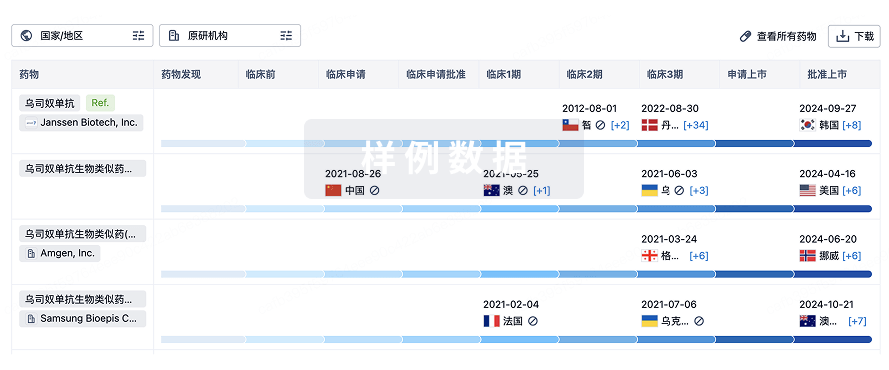
生物类似药
生物类似药在不同国家/地区的竞争态势。请注意临床1/2期并入临床2期,临床2/3期并入临床3期
登录
或
特殊审评
只需点击几下即可了解关键药物信息。
登录
或

提出任何生物医药研究问题
让每一步生物医药决策都精准制胜
基于十亿级生物数据与全球情报的精准 AI,赋能早期药物发现
立即开始免费试用!
智慧芽新药情报库是智慧芽专为生命科学人士构建的基于AI的创新药情报平台,助您全方位提升您的研发与决策效率。
立即接入生物医药数据包
智慧芽新药库数据也通过智慧芽开放平台,以MCP或API服务形式对外开放。立即使用我们的MCP服务定制您的LLM智能体。
生物序列数据库
生物药研发创新
免费使用
化学结构数据库
小分子化药研发创新
免费使用