预约演示
更新于:2026-05-09
Bay k 8644
更新于:2026-05-09
概要
基本信息
药物类型 小分子化药 |
别名 Bay k 8644 |
作用方式 激动剂 |
作用机制 L-type calcium channel激动剂(L-型电压门控性钙通道家族激动剂) |
治疗领域 |
在研适应症 |
非在研适应症- |

关联
100 项与 Bay k 8644 相关的临床结果
登录后查看更多信息
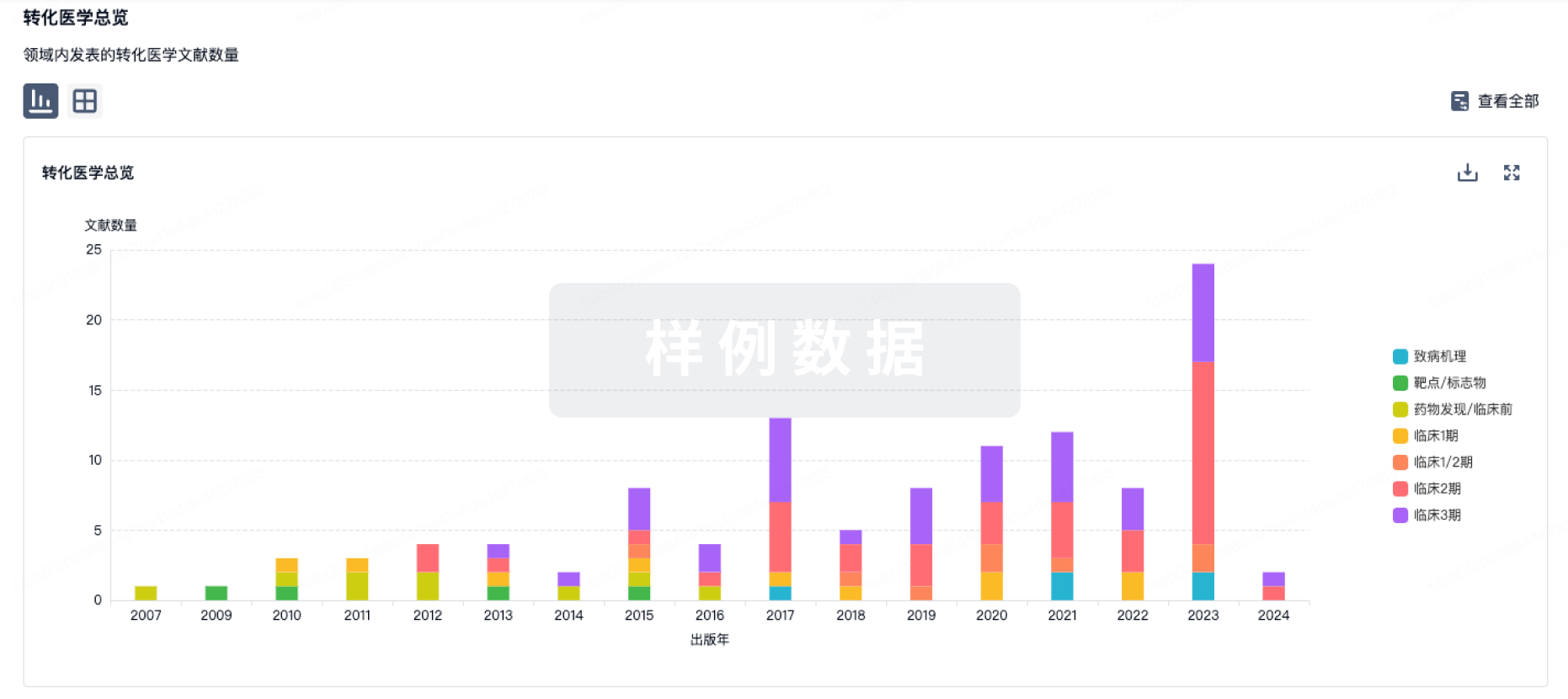
100 项与 Bay k 8644 相关的转化医学
登录后查看更多信息
100 项与 Bay k 8644 相关的专利(医药)
登录后查看更多信息
2,088
项与 Bay k 8644 相关的文献(医药)2026-05-01·Translational Oncology
L-type calcium channel-mediated lipid metabolic reprogramming in gastric adenocarcinoma progression
Article
作者: Wei, Sixi ; Huang, Yun ; Cheng, Shuqiang ; Pan, Li ; Wen, Xianhui ; Huang, Hai ; Yang, Hanlin ; Cui, Miaomiao
BACKGROUND:
l-type calcium channels (LTCCs) play an important role in tumorigenesis, but their expression profile, functional significance, and therapeutic potential in gastric adenocarcinoma (GAC) remain unclear. Concurrently, aberrant lipid metabolism is widely acknowledged as a key driver of GAC progression, but its upstream regulatory mechanisms have yet to be fully elucidated. This study was designed to explore the association between LTCCs and lipid metabolic reprogramming in GAC and to investigate its influence on GAC progression and clinical outcomes.
METHODS:
The expression profiles of LTCCs family members in GAC were analyzed using the TCGA database. Gastric cancer cells were treated with the LTCCs antagonist (+)-Bay-K-8644, and its effect on the malignant phenotype of the cells was detected by CCK-8, clone formation, scratch healing and transwell assay. Metabolic changes were analyzed by UPLC-Q-TOF-MS metabolomics. The role of lipid metabolism in the regulation of LTCCs was verified by palmitic acid (PA) backfill assay.
RESULTS:
Bioinformatics analysis showed that Voltage-dependent LTCCs subunit alpha-1D (CACNA1D) was up-regulated in GAC. CACNA1D had excellent diagnostic value and its high expression was associated with poor prognosis. (+)-Bay-K-8644 significantly inhibited gastric cancer cells' proliferation, clone formation, and migration ability. Metabolomics analysis revealed that (+)-Bay-K-8644 treatment resulted in reprogramming of lipid metabolism. Exogenous PA was able to partially reverse the anticancer effects of (+)-Bay-K-8644 and restore cell proliferation and migration.
CONCLUSIONS:
This study elucidated the unique expression pattern of LTCCs in GAC for the first time, and confirmed that LTCCs antagonism exerts anticancer effects by inducing reprogramming of lipid metabolism. These findings provide a theoretical basis for repositioning calcium channel blockers for GAC therapy and suggest that combined targeting of calcium channels and lipid metabolism may become a new strategy for GAC treatment.
2025-05-01·JOURNAL OF PHARMACOLOGY AND EXPERIMENTAL THERAPEUTICS
The calcium channel agonist (±)-BAY-K-8644 attenuates the ability of gabapentinoids to increase the potency of fentanyl and heroin and decrease the potency of cocaine and d-methamphetamine to elicit discriminative stimulus effects in rats
Article
作者: Grisham, Amanda K ; Hiranita, Takato ; France, Charles P ; Ho, Nicholas P ; Mijares, Abram E
During the opioid epidemic there has been a significant increase in the number of prescriptions for gabapentinoids (gabapentin and pregabalin), which block the α2δ-subunit of voltage-gated calcium channels (VGCCs). In rats, gabapentinoids enhance the potency of the mu opioid receptor (MOR) agonists fentanyl and heroin and decrease the potency of the stimulant drugs cocaine and d-methamphetamine to elicit discriminative stimulus effects. Moreover, (±)-BAY-K-8644, a dihydropyridine-type agonist at the α1-subunit of VGCCs (α1-VGCCs), prevents the antiallodynic effects of gabapentin in rats. The mechanism(s) of interaction between gabapentinoids and MOR agonists and between gabapentinoids and stimulant drugs is/are unclear. This study tested the following hypotheses: (1) the dihydropyridine-type α1-VGCC blocker nimodipine increases the potency of MOR agonists to elicit discriminative stimulus effects; and (2) (±)-BAY-K-8644 attenuates the ability of gabapentinoids and nimodipine to increase the potency of MOR agonists to elicit discriminative stimulus effects. In rats trained to discriminate fentanyl (0.0032 mg/kg) or cocaine (3.2 mg/kg) from saline, neither (±)-BAY-K-8644 nor nimodipine elicited significant fentanyl- or cocaine-appropriate responding. (±)-BAY-K-8644 did not significantly alter discrimination dose-effect functions of MOR agonists or stimulant drugs whereas nimodipine dose-dependently shifted the MOR agonist discrimination dose-effect functions to the left and the stimulant drug discrimination dose-effect functions to the right. (±)-BAY-K-8644 dose-dependently attenuated the ability of nimodipine and gabapentinoids to increase the potency of MOR agonists and decrease the potency of stimulant drugs to elicit discriminative stimulus effects. These results suggest that gabapentinoids alter the potency of MOR agonists and stimulant drugs to elicit discriminative stimulus effects via blockade of α1-VGCCs. SIGNIFICANCE STATEMENT: Prescriptions for gabapentinoids (gabapentin and pregabalin) increased significantly during the opioid epidemic. Using (±)-BAY-K-8644, a dihydropyridine-type agonist at the α1-subunit of the voltage-gated calcium channel (α1-VGCC), this study reports that in male and female rats, gabapentinoids increase the potency of fentanyl and heroin and decrease the potency of cocaine and d-methamphetamine to elicit discriminative stimulus effects via blockade of dihydropyridine-binding sites on α1-VGCC. These results suggest that actions of drugs at α1-VGCCs contribute to the opioid epidemic and opioid/stimulant co-use.
2025-05-01·INTERNATIONAL JOURNAL OF BIOLOGICAL MACROMOLECULES
Genome-wide identification and expression analysis of neuropeptide G protein-coupled receptors in Urechis unicinctus (Annelida, Echiura)
Article
作者: Zhang, Wenqing ; Zhang, Long ; Jiang, Wenwen ; Lin, Dawei ; Zhang, Zhifeng ; Zhang, Zhengrui
Neuropeptide G protein-coupled receptors (GPCRs) are membrane protein receptors with 7 transmembrane helices, regulating physiological processes like reproduction, development, and behavior. However, little is known about neuropeptide GPCRs in marine benthic invertebrates. To explore the GPCR composition and potential neuropeptide GPCRs involved in larval development, we performed a genome-wide search of neuropeptide GPCR family genes in the echiuran worm Urechis unicinctus, a marine benthic burrowing Annelida with typical larval settlement and metamorphosis processes during the larval development. A total of 71 putative neuropeptide GPCR genes were identified including 60 family-A GPCRs and 11 family-B GPCRs. Both families contained the conserved 7-transmembrane domain, with family-B GPCRs evolving more conservatively. The clustering of family-A GPCRs formed a large central cluster, where 12 GPCR genes were likely ancestral genes in the evolution of this family. About one-third of neuropeptide GPCR genes were highly expressed in embryos, larvae and adult organs of U. unicinctus. However, the specific GPCRs involved in larval development and adult organ function may differ. In addition, the binding of several neuropeptide GPCRs to larval settlement-related mature peptides was predicted by AlphaFold3 docking. The dual luciferase reporter gene assay showed that the affinity of neuropeptide GPCR Uu-A25 to MIP2 was higher than that to MIP1 in U. unicinctus. Inhibitor (H89 and calmidazolium) and activator (forskolin and Bay K 8644) experiments proved that the cAMP and Ca2+ pathways, mediated commonly by neuropeptide GPCRs, play important roles in the regulation of the larval settlement of U. unicinctus. This study provides a better understanding of neuropeptide GPCR evolution in marine benthic invertebrates and provides fundamental data for future functional exploration of the specific neuropeptide GPCRs in U. unicinctus larval development.
100 项与 Bay k 8644 相关的药物交易
登录后查看更多信息
研发状态
10 条进展最快的记录, 后查看更多信息
登录
| 适应症 | 最高研发状态 | 国家/地区 | 公司 | 日期 |
|---|---|---|---|---|
| 心血管疾病 | 临床前 | 德国 | 1985-08-01 |
登录后查看更多信息
临床结果
临床结果
适应症
分期
评价
查看全部结果
| 研究 | 分期 | 人群特征 | 评价人数 | 分组 | 结果 | 评价 | 发布日期 |
|---|
No Data | |||||||
登录后查看更多信息
转化医学
使用我们的转化医学数据加速您的研究。
登录
或
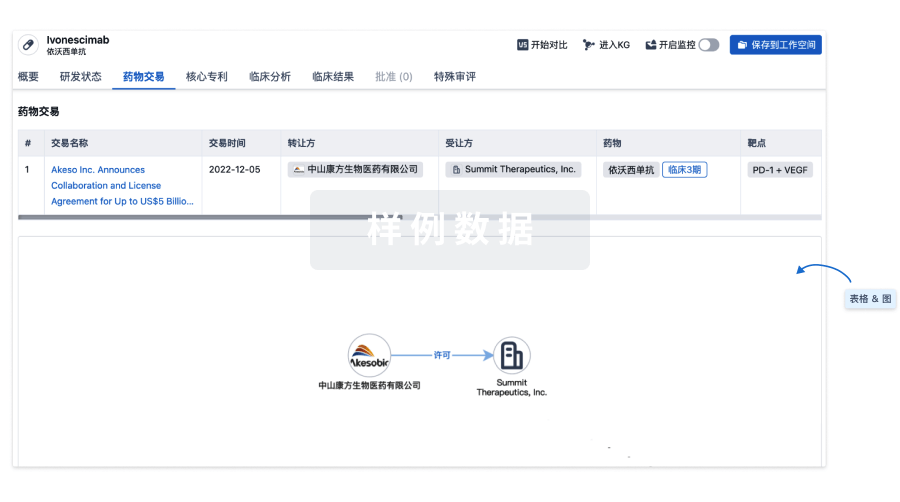
药物交易
使用我们的药物交易数据加速您的研究。
登录
或
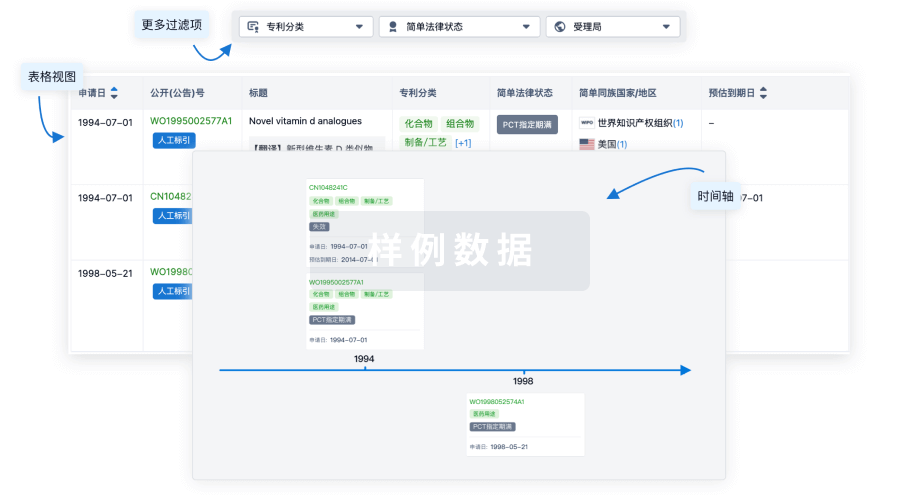
核心专利
使用我们的核心专利数据促进您的研究。
登录
或
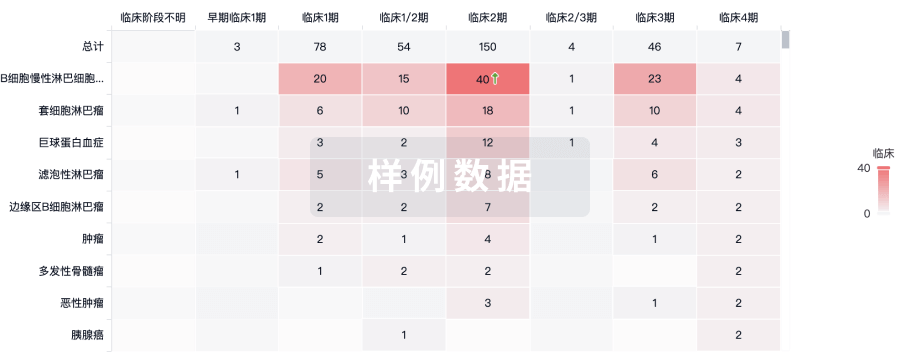
临床分析
紧跟全球注册中心的最新临床试验。
登录
或
批准
利用最新的监管批准信息加速您的研究。
登录
或
特殊审评
只需点击几下即可了解关键药物信息。
登录
或
生物医药百科问答
全新生物医药AI Agent 覆盖科研全链路,让突破性发现快人一步
立即开始免费试用!
智慧芽新药情报库是智慧芽专为生命科学人士构建的基于AI的创新药情报平台,助您全方位提升您的研发与决策效率。
立即开始数据试用!
智慧芽新药库数据也通过智慧芽数据服务平台,以API或者数据包形式对外开放,助您更加充分利用智慧芽新药情报信息。
生物序列数据库
生物药研发创新
免费使用
化学结构数据库
小分子化药研发创新
免费使用