预约演示
更新于:2026-09-05
IL-2-Fc(Garvan Institute of Medical Research)
更新于:2026-09-05
概要
基本信息
非在研机构- |
权益机构- |
最高研发阶段临床前 |
首次获批日期- |
最高研发阶段(中国)- |
特殊审评- |

关联
100 项与 IL-2-Fc(Garvan Institute of Medical Research) 相关的临床结果
登录后查看更多信息
100 项与 IL-2-Fc(Garvan Institute of Medical Research) 相关的转化医学
登录后查看更多信息
100 项与 IL-2-Fc(Garvan Institute of Medical Research) 相关的专利(医药)
登录后查看更多信息
9
项与 IL-2-Fc(Garvan Institute of Medical Research) 相关的文献(医药)2026-02-18·Theranostics
Article
作者: Kuang, Huang ; Jia, Xiao-Yu ; Li, Wen-Xuan ; Li, Zhong ; Jiang, Nan ; Zhao, Ming-Hui ; Cui, Zhao ; Li, Ping ; Zhu, Yu-Ge ; Huang, Jing ; Lin, Cai-Xia ; Li, Nan
Rationale:
Regulatory T (Treg) cells suppress autoimmunity and restrain inflammatory responses, showing promising potential in autoimmune glomerulonephritis (GN) therapy with minimizing nonspecific immunosuppression. Although low-dose interleukin-2 (IL-2) has been shown to promote Treg expansion, its clinical utility is constrained by its short half-life and concurrent effector T cell activation.
Methods:
An IL-2 mutein STS718 was engineered by introducing point mutations and fusing it to a human IgG1 Fc domain. The molecular characteristics of STS718, including its affinity, selectivity, and half-life were evaluated. In vivo expansion of Treg cells by STS718 was assessed in mice and cynomolgus monkeys. Experimental autoimmune GN models, including crescentic GN and membrane GN, were established to test the therapeutic potential of STS718. The ability of STS718 to induce human functional Treg cells was confirmed using human naïve CD4+ T cells from donors and peripheral blood mononuclear cells (PBMCs) from autoimmune GN patients.
Results:
STS718 exhibited a lower affinity for IL-2 receptor (IL-2Rβγ) and comparable affinity for IL-2Rαβγ compared with wild-type IL-2-Fc of human, rat, and mouse, as well as a prolonged half-life. STS718 expanded Treg cells in mice and cynomolgus monkeys in a manner that was dependent on either time or dose, without significantly affecting the effector T cell activation. Proof-of-concept experiments confirmed that sustained Treg expansion mediated by STS718 effectively suppressed the progression of autoimmune GN models, exhibiting superior efficacy compared to wild-type IL-2-Fc. In addition, the STS718 was capable of inducing the expansion of human functional Treg cells from either naïve CD4+ T cells of healthy donors or PBMCs from autoimmune GN patients.
Conclusions:
Collectively, these findings suggest that engineered IL-2 mutein which selectively expands Treg cells in vivo holds significant promise as an alternative immunotherapeutic strategy for controlling autoimmune GN while reducing nonspecific immunosuppression.
2026-01-01·Cell Reports Medicine
Targeting severe acidity for tumor-activatable Interleukin-2 therapy
Article
作者: Li, Wei ; Basava, Vijay S ; Ye, Shuyue ; Gao, Jinming ; Yue, Tao ; Lopez, Jacqueline G ; Wang, Quan ; Sun, Zhichen ; Pantoja, Raymundo ; Huang, Gang ; Torres, Katy ; Feng, Qiang ; Sumer, Baran D ; Chen, Mingyi
Interleukin-2 (IL-2) is a cytokine with curative potential in cancer immunotherapy, but its clinical use is limited by a narrow therapeutic window. Traditional strategies such as polarizing receptor binding or fusing IL-2 with Fc (IL-2-Fc) improve pharmacokinetics and immune selectivity, but systemic toxicity remains a key challenge, while covalent prodrug designs may compromise potency and restrict applicability. Here, we present a non-covalent approach using clinically validated ultra pH-sensitive (UPS) polymers to enable tumor-specific IL-2 activation. The UPS5.3/IL-2-Fc nanoparticle remains stable at physiological pH, minimizing receptor binding in normal tissues, but dissociates and restores IL-2 activity in severely acidic tumor environments (pH < 5.3). This pH-triggered activation reduces systemic toxicity, resulting in over 100-fold reduction in circulating interferon-γ and prevention of vascular leak syndrome, while preserving antitumor efficacy. Mechanistically, the protective effect relies on both pH-dependent shielding and macrophage clearance. This bioengineering strategy offers a generalizable framework for immune cytokine therapy.
2025-09-01·Journal for ImmunoTherapy of Cancer
Dual targeting OX40 and IL-2 receptor enhances antitumor activity through tumor-infiltrating Treg depletion and CD8
+
T-cell proliferation
Article
作者: Yang, Zuming ; Peng, Hua ; Hu, Wenbo ; Fu, Yang-Xin ; Xue, Diyuan ; Sun, Zhichen ; Cao, Shuaishuai ; Duan, Pengfei ; Liang, Yong
Background:
The strong regulatory T cell (Treg) inhibitory activity and dysfunctional cytotoxic T lymphocytes (CTLs) represent major barriers to effective antitumor immunity, particularly in late-stage cancer. Multiple anti-OX40 (aOX40) agonistic antibodies have been developed but exhibit limited antitumor efficacy. Interleukin-2 (IL-2) effectivity expands CTLs but has severe side effects.
Methods:
We construct an aOX40-mIL2-Fc bispecific antibody through Fab physical blocking and attenuated IL-2 with Rβ reducing N88D mutation. We also produced aOX40-Fc and IL-2/aOX40-Fc as a comparison using the 293F expression system. Single-cell and flow cytometry were used to analyze the change of T-cell subsets in the tumor microenvironment (TME). Mouse tumor models were used to assess the antitumor efficacy of aOX40-mIL2-Fc by tumor growth and survival, and toxicity by body weight loss, inflammatory cytokine production, and natural killer (NK) cell proliferation in the blood. The tumor-bearing mice were randomly assigned, and the average size was similar among various groups.
Results:
aOX40-mIL2-Fc bispecific antibody-cytokine exhibited a synergistic therapeutic effect with limited toxicity, outperforming IL-2-Fc or aOX40 alone treatment, and conferring resistance to tumor rechallenge. On cellular mechanisms, aOX40-mIL2-Fc treatment showed great Treg depletion and increased both stem-like and effector functional terminal CD8
+
T cells in the TME, while avoiding NK cells expansion in the periphery. Furthermore, this bispecific antibody remarkably improved the anti-programmed death-ligand 1 (PD-L1) therapeutic effect.
Conclusions:
Our study unveils a novel approach to IL-2 design that addresses several critical shortcomings of existing strategies and elucidates the cellular mechanisms underlying aOX40-mIL2-Fc therapy. Meanwhile, combining aOX40-mIL2-Fc with PD-L1 blockade represents a strategic approach to enhance tumor control and overcome resistance to immune checkpoint blockade therapies synergistically.
100 项与 IL-2-Fc(Garvan Institute of Medical Research) 相关的药物交易
登录后查看更多信息
研发状态
10 条进展最快的记录, 后查看更多信息
登录
| 适应症 | 最高研发状态 | 国家/地区 | 公司 | 日期 |
|---|---|---|---|---|
| 肿瘤 | 临床前 | 澳大利亚 | 2017-05-12 |
登录后查看更多信息
临床结果
临床结果
适应症
分期
评价
查看全部结果
| 研究 | 分期 | 人群特征 | 评价人数 | 分组 | 结果 | 评价 | 发布日期 |
|---|
No Data | |||||||
登录后查看更多信息
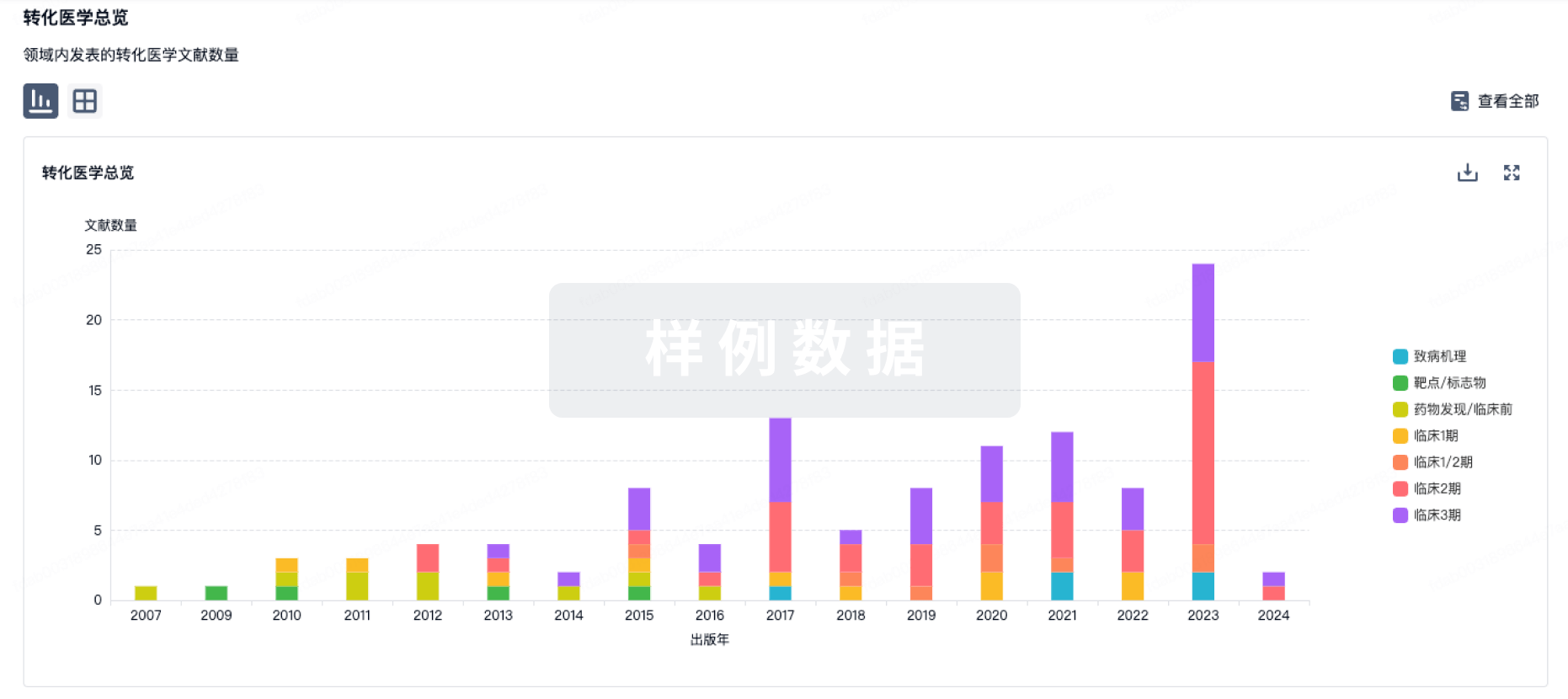
转化医学
使用我们的转化医学数据加速您的研究。
登录
或
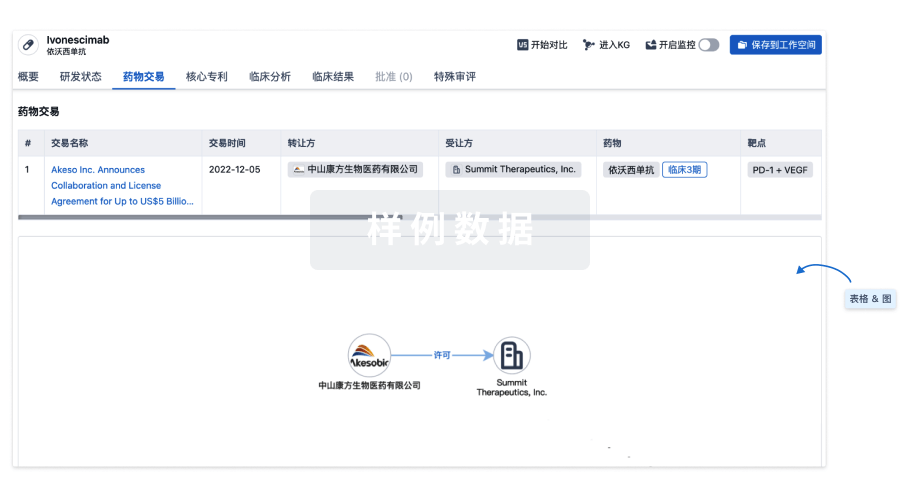
药物交易
使用我们的药物交易数据加速您的研究。
登录
或
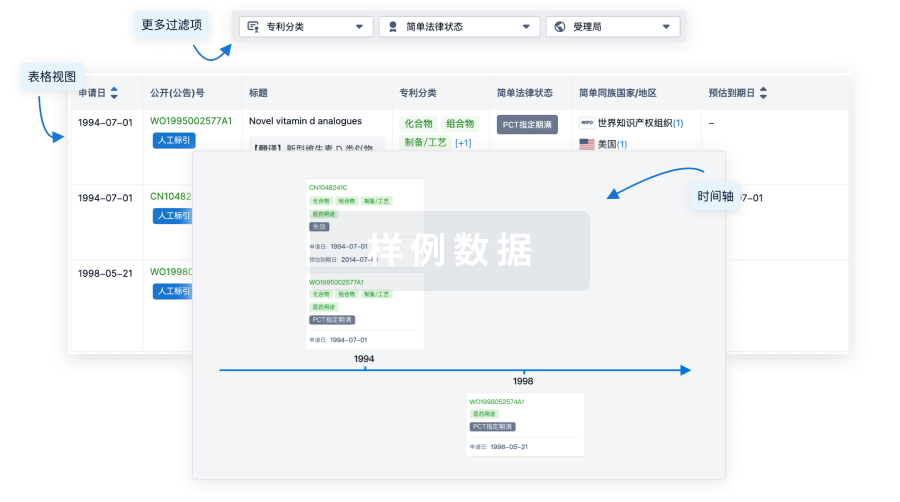
核心专利
使用我们的核心专利数据促进您的研究。
登录
或
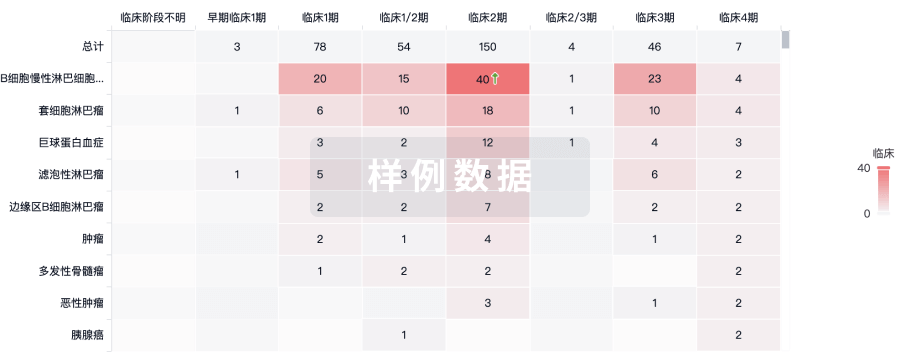
临床分析
紧跟全球注册中心的最新临床试验。
登录
或
批准
利用最新的监管批准信息加速您的研究。
登录
或
生物类似药
生物类似药在不同国家/地区的竞争态势。请注意临床1/2期并入临床2期,临床2/3期并入临床3期
登录
或
特殊审评
只需点击几下即可了解关键药物信息。
登录
或
提出任何生物医药研究问题
让每一步生物医药决策都精准制胜
基于十亿级生物数据与全球情报的精准 AI,赋能早期药物发现
立即开始免费试用!
智慧芽新药情报库是智慧芽专为生命科学人士构建的基于AI的创新药情报平台,助您全方位提升您的研发与决策效率。
立即接入生物医药数据包
智慧芽新药库数据也通过智慧芽开放平台,以MCP或API服务形式对外开放。立即使用我们的MCP服务定制您的LLM智能体。
生物序列数据库
生物药研发创新
免费使用
化学结构数据库
小分子化药研发创新
免费使用