预约演示
更新于:2026-08-22
MDL-811
更新于:2026-08-22
概要
基本信息

结构/序列
分子式C25H25BrCl2FN3O5S2 |
InChIKeyULBHGKXUHYSORN-MRXNPFEDSA-N |
CAS号2275619-98-0 |
关联
100 项与 MDL-811 相关的临床结果
登录后查看更多信息
100 项与 MDL-811 相关的转化医学
登录后查看更多信息
100 项与 MDL-811 相关的专利(医药)
登录后查看更多信息
4
项与 MDL-811 相关的文献(医药)2026-01-01·ACTA PHARMACOLOGICA SINICA
Sirtuin 6 mitigates thoracic aortic aneurysm progression via maintenance of mitochondria homeostasis in vascular smooth muscle cells
Article
作者: Ai-juan Qu ; Bo Jia ; Xiao-ting Yu ; Jun-ming Zhu ; Nan Zhao ; Yao Xiao ; Jin-han He ; Frank J. Gonzalez ; Yan-ting Song ; Xiao-yan Liu ; Jin-meng Jia ; Yu-tao Ma ; Sheng Wang ; Guang-ming Li
Progressive loss of vascular smooth muscle cells (VSMCs) is the pathophysiological basis for aortic aneurysm and dissection (AAD), a life-threatening disease, but the underlying mechanisms are largely unknown. Sirtuin 6 (SIRT6), a class III histone deacetylase, is critical for maintenance of VSMC homeostasis and prevention of vascular remodeling-related diseases. In this study, we investigated the role of VSMC SIRT6 in AAD and the molecular mechanism. We showed that the expression levels of SIRT6 were significantly reduced in VSMCs of the thoracic aorta in AAD patients. We constructed a VSMC-specific Sirt6 deficient mouse line and found that loss of Sirt6 in VSMCs dramatically accelerated angiotensin II (Ang II)-induced AAD formation and rupture, even without an Apoe-deficient background. In human aortic smooth muscle cells (HASMCs), knockdown of SIRT6 led to mitochondrial dysfunction and accelerated VSMC senescence. We revealed that SIRT6 bound to and deacetylated NRF2, a key transcription factor for mitochondrial biogenesis. However, Sirt6 deficiency inhibited NRF2 and reduced mRNAs encoding mitochondrial complex proteins. Notably, MDL-811, a newly developed small-molecule SIRT6 agonist, effectively reversed Ang II-induced mitochondrial dysfunction in HASMCs. In a BAPN-induced TAAD mouse model, administration of MDL-811 (20 mg/kg, i.p., every other day for 28 d) effectively mitigated AAD progression and reduced mortality. These results suggest that SIRT6 plays a protective role against AAD development, and targeting SIRT6 with small-molecule activators such as MDL-811 could represent a promising therapeutic strategy for AAD.
2025-11-01·EUROPEAN JOURNAL OF PHARMACOLOGY
Sirtuin 6-driven ASC deacetylation confers hepatoprotection: A promising approach to inflammasome inhibition in experimental NASH
Article
作者: Alalawy, Adel I ; Elmorsy, Elsayed A ; Hamad, Rabab S ; Ali, Mohamed A M ; Abdelaziz, Mahmoud A ; Al Dawsari, Munerah M ; Alsirhani, Alaa Muqbil ; Khalifa, Amira Karam ; Saber, Sameh ; Abd Elzaher, Mohamed A S ; AlShehri, Mohammed A ; El-Kott, Attalla F ; Gaafar, Ahmed ; Hasan, Waseem Ali ; Negm, Sally ; Farrag, Alshaimaa A
Nonalcoholic steatohepatitis (NASH), a progressive subtype of metabolic-associated steatotic liver disease (MASLD), is characterized by hepatocellular injury, inflammation, oxidative stress, and fibrosis. Sirtuin 6 (SIRT6), a deacetylase, plays a crucial role in regulating hepatic metabolic and inflammatory pathways. This work assessed the therapeutic potential and underlying mechanism of MDL811, a selective SIRT6 activator, in a rat model of NASH induced by diethylnitrosamine, high-fat diet, and thioacetamide. Rats were treated with MDL811 alone or in combination with the SIRT6 inhibitor SIRT6-IN-1. MDL811 significantly improved liver function markers, lipid profile, and antioxidant enzyme activity, while reducing hepatic steatosis, inflammation, and fibrosis. Mechanistically, MDL811 enhanced hepatic SIRT6 activity and exerted anti-inflammatory effects by reducing acetylation of the inflammasome adaptor ASC, suppressing NLRP3 inflammasome activation, and decreasing nuclear NFκB p65 activity and downstream cytokine expression. In parallel, MDL811 attenuated fibrosis by inhibiting SMAD2/3 phosphorylation and downregulating fibrotic markers such as α-SMA, TGF-β1, and TIMP-1, while restoring PPARα expression. Co-treatment with SIRT6-IN-1 abolished the beneficial effects of MDL811 on inflammation, fibrosis, oxidative stress, and lipid metabolism, confirming the central role of SIRT6 activation. Notably, SIRT6-IN-1 alone reduced hepatic SIRT6 activity in control animals without inducing significant pathology, but selectively worsened inflammatory and fibrogenic pathways in the NASH context. These findings show that MDL811 protects against NASH through SIRT6-dependent inhibition of inflammasome signaling, with ASC deacetylation identified as a key mechanism. Modulating the SIRT6-ASC axis may therefore represent a promising strategy for managing inflammation-driven diseases such as NASH.
2021-03-01·Acta pharmaceutica Sinica. B1区 · 化学
A novel SIRT6 activator ameliorates neuroinflammation and ischemic brain injury via EZH2/FOXC1 axis
1区 · 化学
ArticleOA
作者: Zhang, Cunjin ; Zhu, Liwen ; Guan, Xin ; Gao, Chenglong ; Zhang, Luyong ; Pang, Tao ; Chen, Yingyi ; Shang, Jialin ; He, Tailin ; Zhang, Jian
Ischemic stroke is the second leading cause of death worldwide with limited medications and neuroinflammation was recognized as a critical player in the progression of stroke, but how to control the overactive neuroinflammation is still a long-standing challenge. Here, we designed a novel SIRT6 activator MDL-811 which remarkably inhibited inflammatory response in lipopolysaccharide (LPS)-stimulated RAW264.7 macrophages and primary mouse microglia, which were abolished by silencing SIRT6. RNA-seq screening identified the forkhead box C1 (Foxc1) is a key gene evoked by MDL-811 stimulation and is required for the anti-inflammatory effects of MDL-811. We found MDL-811-activated SIRT6 directly interacted with enhancer of zeste homolog 2 (EZH2) and promoted deacetylation of EZH2 which could bind to the promoter of Foxc1 and upregulate its expression to modulate inflammation. Moreover, our data demonstrated that MDL-811 not only ameliorated sickness behaviors in neuroinflammatory mice induced by LPS, but also markedly reduced the brain injury in ischemic stroke mice in addition to promoting long-term functional recovery. Importantly, MDL-811 also exhibited strong anti-inflammatory effects in human monocytes isolated from ischemic stroke patients, underlying an interesting translational perspective. Taken together, MDL-811 could be an alternative therapeutic candidate for ischemic stroke and other brain disorders associated with neuroinflammation.
100 项与 MDL-811 相关的药物交易
登录后查看更多信息
研发状态
10 条进展最快的记录, 后查看更多信息
登录
| 适应症 | 最高研发状态 | 国家/地区 | 公司 | 日期 |
|---|---|---|---|---|
| 结直肠癌 | 临床前 | 中国 | 2020-04-27 |
登录后查看更多信息
临床结果
临床结果
适应症
分期
评价
查看全部结果
| 研究 | 分期 | 人群特征 | 评价人数 | 分组 | 结果 | 评价 | 发布日期 |
|---|
No Data | |||||||
登录后查看更多信息
转化医学
使用我们的转化医学数据加速您的研究。
登录
或
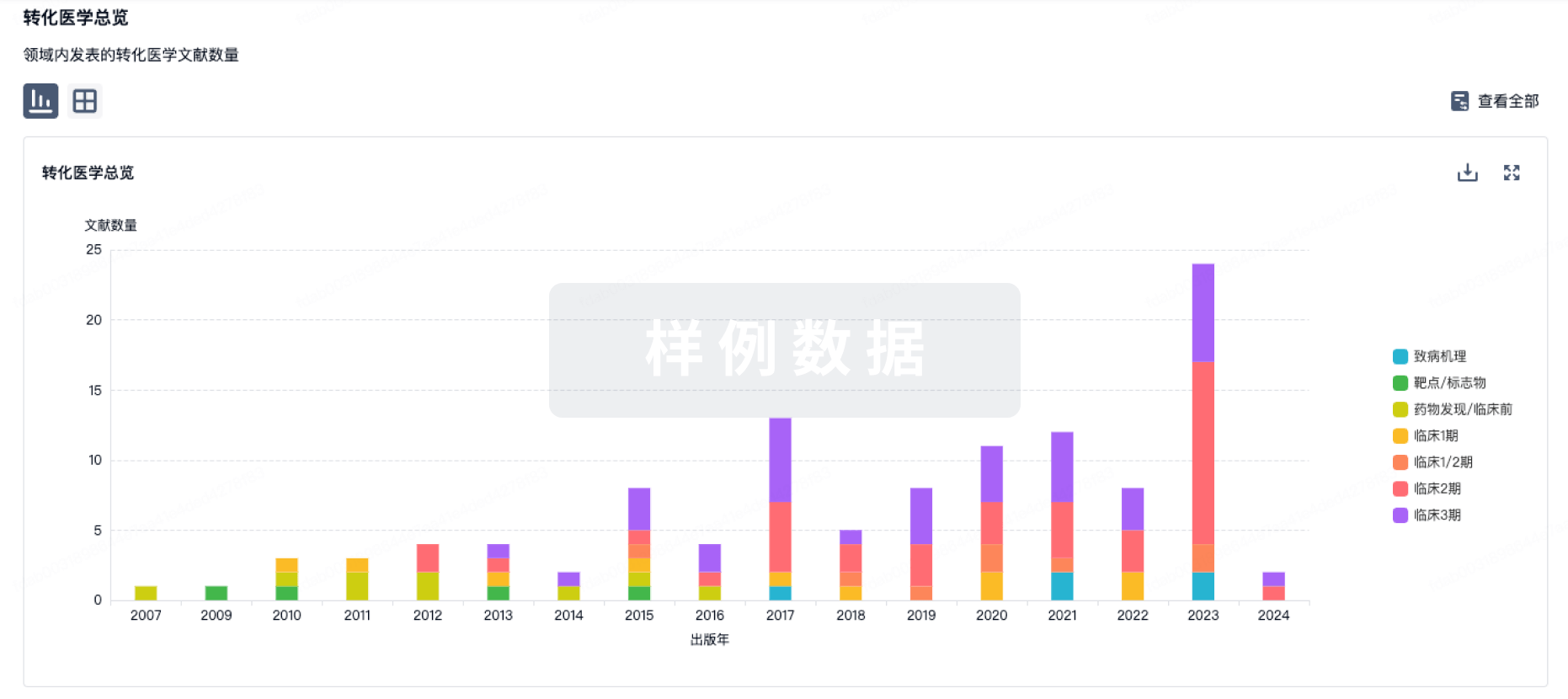
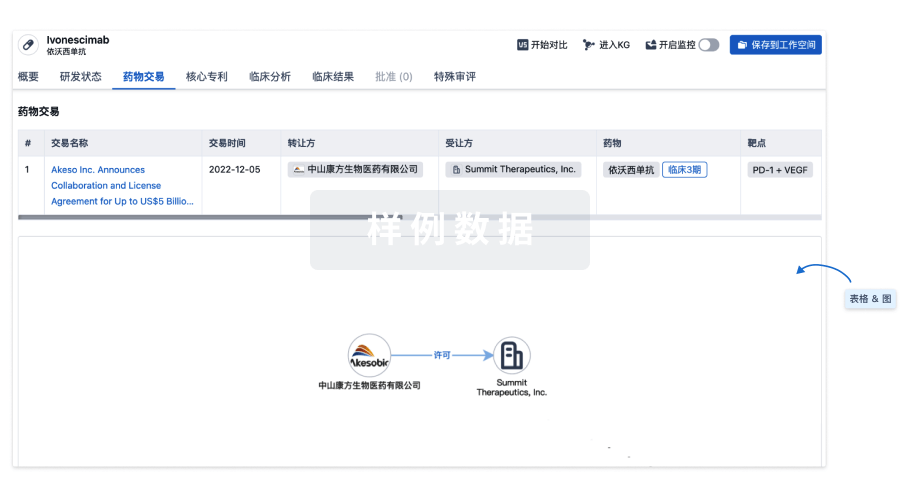
药物交易
使用我们的药物交易数据加速您的研究。
登录
或
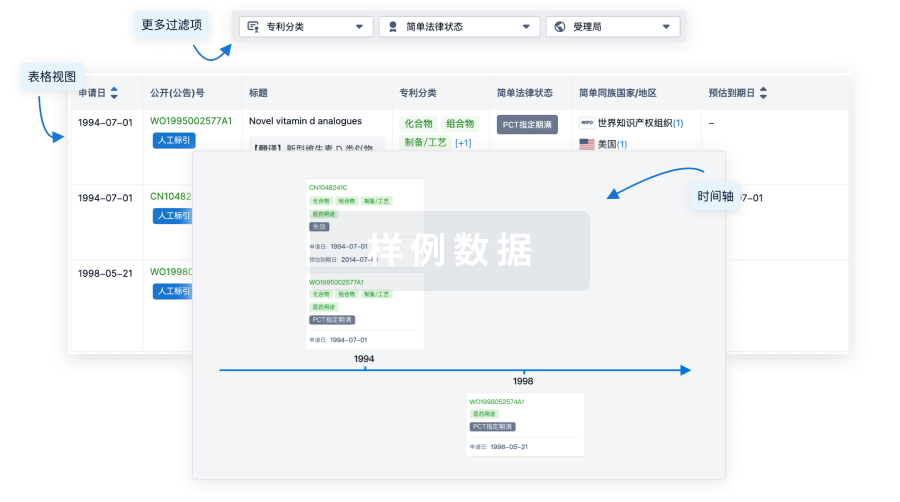
核心专利
使用我们的核心专利数据促进您的研究。
登录
或
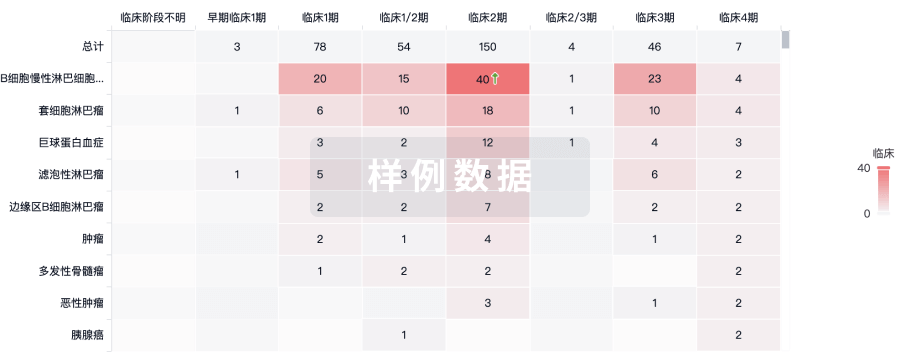
临床分析
紧跟全球注册中心的最新临床试验。
登录
或
批准
利用最新的监管批准信息加速您的研究。
登录
或
特殊审评
只需点击几下即可了解关键药物信息。
登录
或
提出任何生物医药研究问题
让每一步生物医药决策都精准制胜
基于十亿级生物数据与全球情报的精准 AI,赋能早期药物发现
立即开始免费试用!
智慧芽新药情报库是智慧芽专为生命科学人士构建的基于AI的创新药情报平台,助您全方位提升您的研发与决策效率。
立即接入生物医药数据包
智慧芽新药库数据也通过智慧芽开放平台,以MCP或API服务形式对外开放。立即使用我们的MCP服务定制您的LLM智能体。
生物序列数据库
生物药研发创新
免费使用
化学结构数据库
小分子化药研发创新
免费使用