预约演示
更新于:2026-01-17
Neosaxitoxin
更新于:2026-01-17
概要
基本信息
原研机构 |
在研机构- |
权益机构- |
最高研发阶段终止临床2期 |
首次获批日期- |
最高研发阶段(中国)- |
特殊审评- |

登录后查看时间轴
结构/序列
分子式C10H17N7O5 |
InChIKeyPPEKGEBBBBNZKS-HGRQIUPRSA-N |
CAS号64296-20-4 |
关联
3
项与 Neosaxitoxin 相关的临床试验NCT03399435
An Exploratory Phase I Randomized, Single-site, Double-blind, Active-controlled, Parallel-group, Single-administration, Dose-escalation Trial to Investigate the Safety and Tolerability of Neosaxitoxin Alone and in Combination With Bupivacaine (With and Without Epinephrine), in Perineural Administrations for Brachial Plexus Blockade in Healthy Subjects

NCT01786655
Neosaxitoxin (NeoSTX) Alone and in Combination With Bupivacaine as Prolonged Duration Local Anesthetics: A Phase I Investigator-initiated Dose Escalation Study
NCT00273065
Phase 1 Study of Local Infiltration of Neosaxitoxin as a Local Anesthetic

100 项与 Neosaxitoxin 相关的临床结果
登录后查看更多信息
100 项与 Neosaxitoxin 相关的转化医学
登录后查看更多信息
100 项与 Neosaxitoxin 相关的专利(医药)
登录后查看更多信息
559
项与 Neosaxitoxin 相关的文献(医药)2025-11-01MARINE ENVIRONMENTAL RESEARCH
Intraspecific variation in paralytic shellfish toxin compositions of Alexandrium catenella strains isolated from Jinhae-Masan Bay, Korea: effects of temperature and salinity on growth and toxicity
Article
作者: Oh, Seok Jin ; Youn, Seok Hyun ; Shin, Hyeon Ho ; An, Seungjin ; Son, Moonho ; Park, Tae Gyu
A total of 27 Alexandrium catenella strains isolated from Jinhae-Masan Bay were examined to assess differences in the toxicity and composition of paralytic shellfish toxins (PST). The strains exhibited widely variable toxicity, ranging from 0.02 to 360.29 pg STX eq. cell-1. Although the study area was a relatively confined coastal region, cluster analysis revealed three distinct toxin composition groups: Group I was dominated by C 1 + 2, Group II by GTX 1 + 4/2 + 3, and Group III by neoSTX. Strain CS-2408, from the dominant toxin group (Group I) and exhibited relatively high toxicity, was selected to examine temperature and salinity effects on growth and toxicity. To investigate its environmental responses, the strain was cultured under a matrix of temperature (10-30 °C) and salinity (15-35 psu) conditions. The optimal growth rate was observed at 20 °C and 30 psu, and over 70 % of the maximum growth rate was maintained across ranges of 15-20 °C and 20-35 psu, which is higher than the optimal temperatures reported for previously studied strains. Maximum toxicity (27.97 pg STX eq. cell-1) was observed at 10 °C and 30 psu, indicating an inverse relationship with temperature. Multiple regression models for growth rate (μ) and toxicity (P) as functions of temperature (T) and salinity (S) explained approximately 85 % of the observed variation. These findings provide novel insights into intraspecific variability in PST compositions and physiological responses of A. catenella. The dominance of CS-2408 under broad environmental conditions suggests that such strains may play a key role in the prolonged occurrence of paralytic shellfish poisoning events in Jinhae-Masan Bay.
2025-10-01MARINE POLLUTION BULLETIN
Accumulation, biotransformation and time-dependent transcriptomic responses to PSTs in scallop kidneys
Article
作者: Kong, Lingling ; Liu, Pingping ; Wang, Huizhen ; Chang, Lirong ; Bao, Zhenmin ; Zhao, Liang ; Li, Moli ; Hu, Xiaoli ; Xun, Xiaogang
As typical filter-feeding organisms, bivalve scallops exhibit strong capabilities in accumulating paralytic shellfish toxins (PSTs) from toxic algae, posing risks to public health. To investigate PST-induced molecular responses in the kidney, the major "center" for toxin transformation, a time-course transcriptome analysis of the Yesso Scallop (Patinopecten yessoensis) over six time points (0, 1, 3, 5, 10, and 15 days) after exposure to the PST-producing algae (Alexandrium catenella) were conducted. During the 15 days exposure, PST accumulation in scallop kidneys showed a continuous increase. However, the dominant toxin shifted from the low-toxicity C2 to high-toxicity neoSTX and STX compared to the algal toxin profiles. Transcriptomic analysis revealed that differentially expressed genes (DEGs) were mainly concentrated on the 3rd (629) and 10th day (745), coinciding with significant changes in toxin accumulation patterns. The SLC family was persist up-regulated throughout the exposure period, while the C-type lectin family exhibited biphasic transcriptional expression. Calmodulin was significantly up-regulated on the 15th day, the time point with the highest toxin content and toxicity. Moreover, we identified SULT4A1 as a potential key gene involved in PST biotransformation from low- to high-toxicity derivatives (neoSTX and STX), with its expression significantly associated with these toxins (Pearson's r = 0.52, 0.68). This study provides insights into the molecular mechanisms of shellfish adapt to defense phycotoxins.
2025-04-22ENVIRONMENTAL SCIENCE & TECHNOLOGY
Genomic Identification and Characterization of Saxitoxin Producing Cyanobacteria in Western Lake Erie Harmful Algal Blooms
Article
作者: Chaganti, Subba Rao ; Raymond, Heather A. ; Dick, Gregory J. ; Den Uyl, Paul A. ; Errera, Reagan M. ; Kiledal, E. Anders ; Godwin, Casey M.
Saxitoxins (STXs), a group of closely related neurotoxins, are among the most potent natural toxins known. While genes encoding STX biosynthesis have been observed in Lake Erie, the organism(s) responsible for producing STXs in the Laurentian Great Lakes have not been identified. We identified a full suite of STX biosynthesis genes in a Dolichospermum metagenome-assembled genome (MAG). The content of sxt genes suggest that this organism can produce STX, decarbamoyl and deoxy-decarbamoyl saxitoxins, and other congeners. The absence of sxtX indicates this organism is unable to produce neosaxitoxin, a potent congener. However, a distinct, lower abundance sxt operon from an unidentified organism did contain sxtX, indicating neosaxitoxin biosynthesis potential. Metatranscriptomic data confirmed STX biosynthesis gene expression. We also recovered highly similar Dolichospermum MAGs lacking sxt genes, implying gene loss or horizontal gene transfer. sxtA was detected by quantitative polymerase chain reaction during 47 of 76 sampling dates between 2015 and 2019, demonstrating higher sensitivity than metagenomic approaches. sxtA gene abundance was positively correlated with temperature and particulate nitrogen:phosphorus ratio and negatively correlated with ammonium concentration. All Dolichospermum MAGs had genes required for nitrogen fixation. Collectively, this study provides a foundation for understanding potential new threats to Lake Erie water quality.
1
项与 Neosaxitoxin 相关的新闻(医药)100 项与 Neosaxitoxin 相关的药物交易
登录后查看更多信息
外链
| KEGG | Wiki | ATC | Drug Bank |
|---|---|---|---|
| - | Neosaxitoxin | - |
研发状态
10 条进展最快的记录, 后查看更多信息
登录
| 适应症 | 最高研发状态 | 国家/地区 | 公司 | 日期 |
|---|---|---|---|---|
| 麻醉 | 临床2期 | 智利 | - | - |
| 麻醉 | 临床2期 | - | - | |
| 麻醉 | 临床2期 | - | - | |
| 麻醉 | 临床2期 | - | - |
登录后查看更多信息
临床结果
临床结果
适应症
分期
评价
查看全部结果
登录后查看更多信息
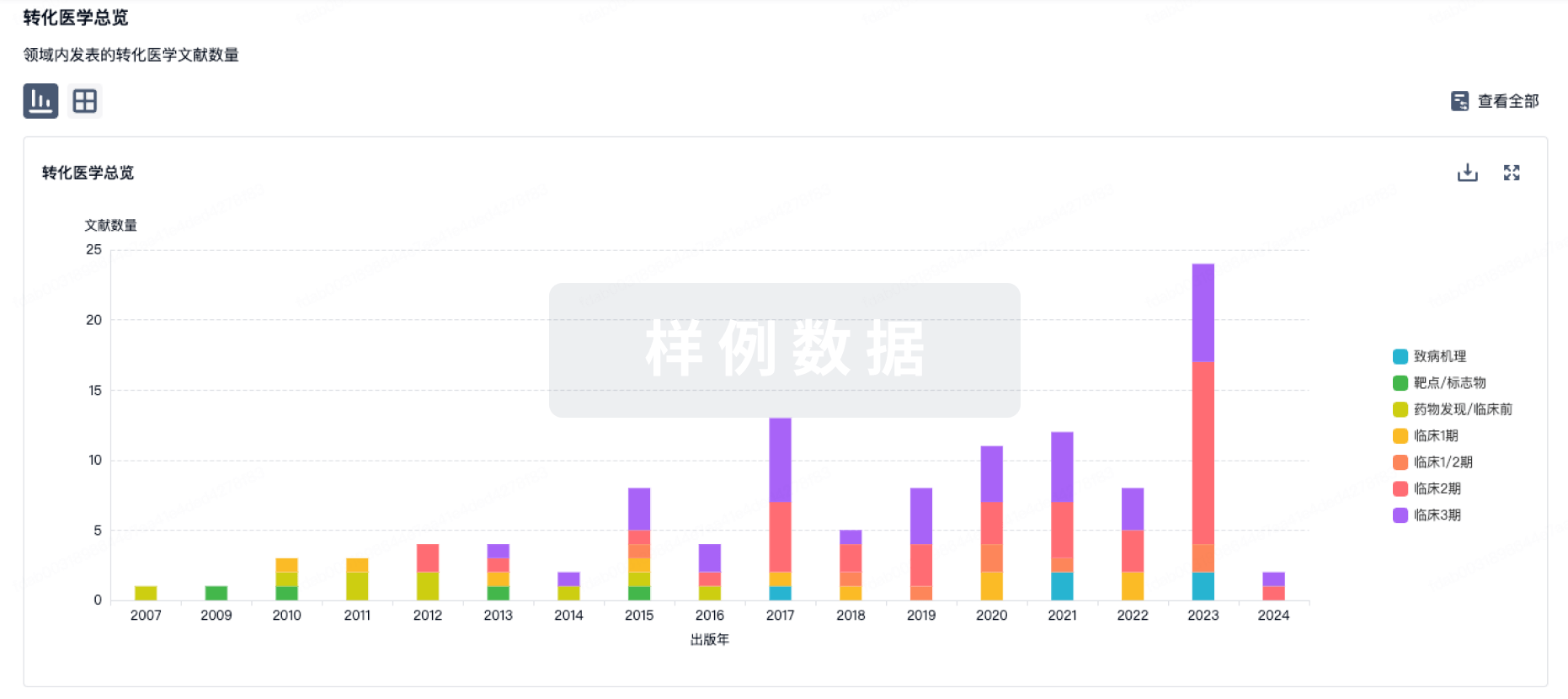
转化医学
使用我们的转化医学数据加速您的研究。
登录
或
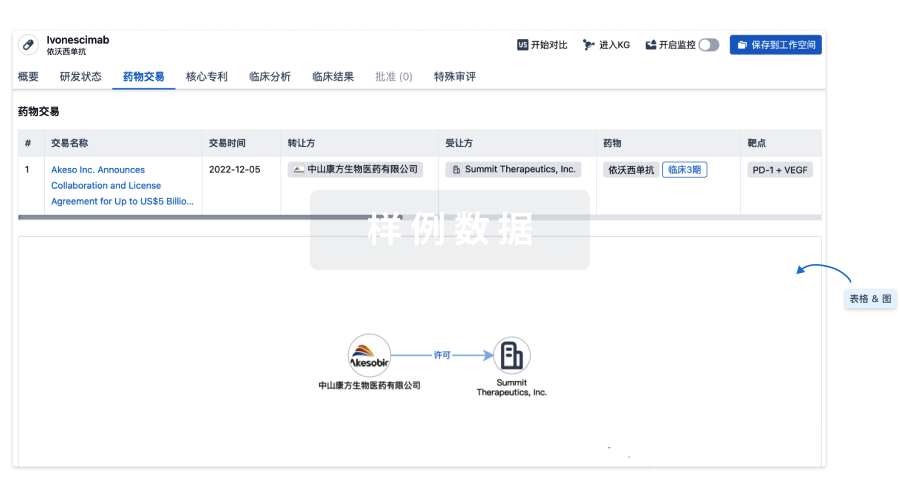
药物交易
使用我们的药物交易数据加速您的研究。
登录
或
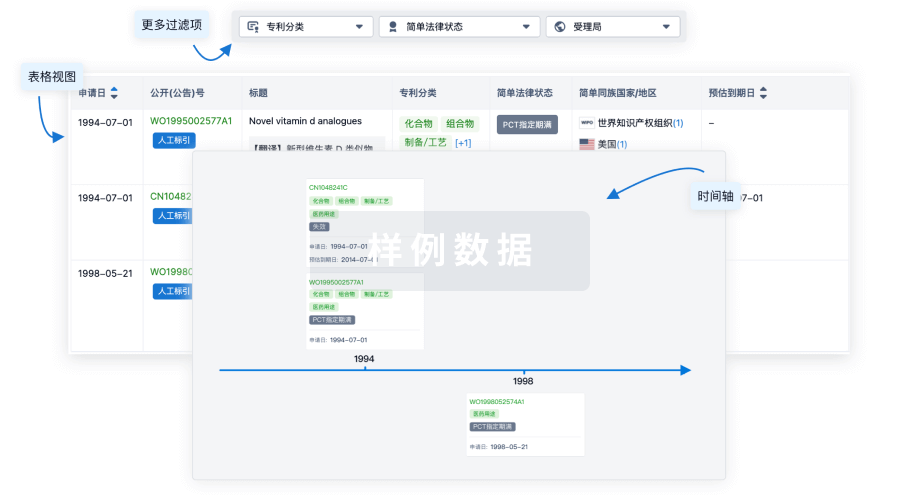
核心专利
使用我们的核心专利数据促进您的研究。
登录
或
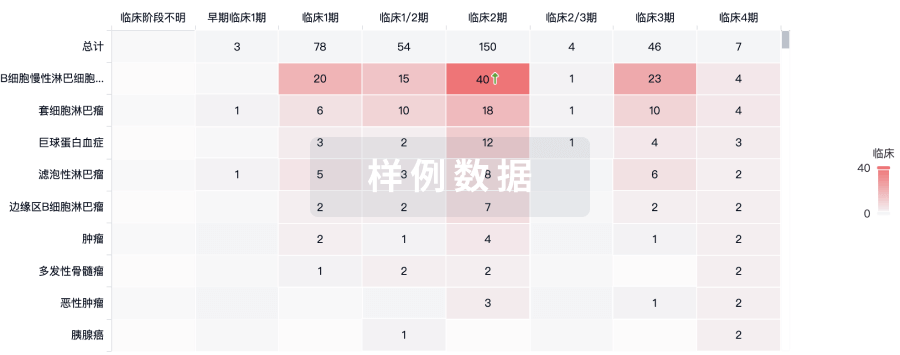
临床分析
紧跟全球注册中心的最新临床试验。
登录
或
批准
利用最新的监管批准信息加速您的研究。
登录
或
特殊审评
只需点击几下即可了解关键药物信息。
登录
或
生物医药百科问答
全新生物医药AI Agent 覆盖科研全链路,让突破性发现快人一步
立即开始免费试用!
智慧芽新药情报库是智慧芽专为生命科学人士构建的基于AI的创新药情报平台,助您全方位提升您的研发与决策效率。
立即开始数据试用!
智慧芽新药库数据也通过智慧芽数据服务平台,以API或者数据包形式对外开放,助您更加充分利用智慧芽新药情报信息。
生物序列数据库
生物药研发创新
免费使用
化学结构数据库
小分子化药研发创新
免费使用