预约演示
更新于:2025-12-27
Ginsenoside Rc(Nanjing University of Chinese Medicine)
更新于:2025-12-27
概要
基本信息
原研机构 |
非在研机构- |
权益机构- |
最高研发阶段临床前 |
首次获批日期- |
最高研发阶段(中国)药物发现 |
特殊审评- |

关联
100 项与 Ginsenoside Rc(Nanjing University of Chinese Medicine) 相关的临床结果
登录后查看更多信息
100 项与 Ginsenoside Rc(Nanjing University of Chinese Medicine) 相关的转化医学
登录后查看更多信息
100 项与 Ginsenoside Rc(Nanjing University of Chinese Medicine) 相关的专利(医药)
登录后查看更多信息
105
项与 Ginsenoside Rc(Nanjing University of Chinese Medicine) 相关的文献(医药)2026-01-01·PHYTOMEDICINE
Ginsenoside Rc inhibits diabetic cardiomyopathy by reducing lipotoxicity through the adiponectin and autophagy pathways
Article
作者: Cao, Li ; Guo, Huilin ; Han, Wen ; Wang, Zhihui ; Wang, Min ; Sun, Guibo
BACKGROUND:
Diabetic cardiomyopathy (DCM), a consequential cardiovascular complication of diabetes mellitus, drives progressive myocardial fibrosis and cardiac dysfunction, culminating in heart failure (HF). Ginsenoside Rc (Rc) has significant antidiabetic and cardiovascular protective properties, but its potential to improve DCM is unclear.
PURPOSE:
The aim of this study was to explore the mechanism of Rc against DCM.
METHODS:
The DCM model was established in db/db mice to evaluate the effects of Rc on metabolic and adipokine indicators in serum, and echocardiography and histological examinations were used to detect cardiac function in the mice. A lipotoxicity model of H9c2 cells was established using PA to verify the protective effect of Rc on cardiomyocytes, reduce lipotoxicity and improve mitochondrial function. The effect of Rc on adiponectin (APN) was demonstrated in 3T3 - L1 cells. Lipid metabolomics was used to explore the possible pathways by which Rc improves DCM. Quantitative reverse transcription polymerase chain reaction (qRT‒PCR) and western blot (WB) were used to detect gene and protein expression in mouse hearts and H9c2 cells.
RESULTS:
Rc reduced body weight, glycemia, dyslipidemia, and inflammatory mediator levels in db/db mice. It alleviated myocardial fibrosis and lipid accumulation and protected against lipotoxicity-induced damage in H9c2 cells. Furthermore, Rc enhanced mitochondrial function in lipotoxic H9c2 cells while suppressing reactive oxygen species (ROS) generation. Rc also reduced hepatic lipid accumulation in db/db mice while decreasing lipid droplet accumulation in 3T3-L1 cells. Critically, Rc elevated circulating APN levels in both db/db mice and 3T3-L1 cells, which increased the expression of APPL1, LKB1 and AdipoR1 in both the hearts of db/db mice and lipotoxicity-induced H9c2 cells. Lipid metabolomics analysis of db/db mouse serum and urine revealed that Rc primarily regulated autophagy-related pathways. Rc significantly increased the number of autophagic vesicles in H9c2 cells with lipotoxicity and promoted autophagy pathways in both the hearts of db/db mice and lipotoxic H9c2 cells. This increased AMPKα2 phosphorylation, Beclin1 expression and the LC3II/LC3I ratio while reducing p62 expression.
CONCLUSION:
Collectively, these data indicated that Rc could rectify glucose/lipid metabolic perturbations, attenuate oxidative stress and inflammation, and restore mitochondrial functionality. Rc promoted APN secretion and activated the AdipoR1/APPL1/LKB1/AMPKα2 signaling pathway, further enhancing autophagy, increasing the ratio of LC3II/LC3Ⅰ and the expression of Beclin1, and decreasing the expression of p62, which reduced lipotoxicity and demonstrated potential for preventing and treating DCM.
2025-12-01·ENZYME AND MICROBIAL TECHNOLOGY
Preparation of ginsenoside Rd using a novel α-L-arabinofuranosidase BpAbf51A from Bacillus pumilus
Article
作者: Song, Yudi ; Liu, Jiaxin ; Yang, Yue ; Hu, Yanbo ; Shen, Yuzhu ; Shan, Yakun
α-L-Arabinofuranosidase has been widely used in the fields of enhancing pasta production quality, fruit juice clarification, enhancing wine flavor, increasing feed utilization rate, and developing special drug ingredients, playing a pivotal role in the food processing, feed, and medical care industries. In this study, a novel α-L-arabinofuranosidase (BpAbf51A), belonging to glycoside hydrolase family 51 (GH51), was cloned from the Bacillus pumilus strain 145 and expressed in Escherichia coli BL21 (DE3), with a molecular weight of approximately 56.0 kDa. BpAbf51A comprises two characteristic domains of the GH51 family: an N-terminal (β/α)8-barrel catalytic domain and a C-terminal jelly-roll domain. The enzyme exhibits high substrate specificity for p-nitrophenyl-α-L-arabinofuranoside and demonstrates optimal catalytic activity at 50°C and pH 8.0, suggesting its potential for industrial applications under moderate conditions. Notably, BpAbf51A specifically hydrolyzes the arabinofuranosyl moiety at the C-20 position of ginsenoside Rc to produce ginsenoside Rd. Molecular docking and two-dimensional interaction diagrams further revealed that the key amino acid residues, Ser213 and Asn214 of BpAbf51A, form strong hydrogen bonds with ginsenoside Rc. In this study, a novel α-L-arabinofuranosidase, BpAbf51A, has demonstrated significant potential for industrial applications in the production of rare saponins and other glycoside-based natural products, providing new research directions for the development of efficient biocatalysts.
2025-12-01·LIFE SCIENCES
Ginsenoside Rc inhibits TGF-β signaling and downregulates nucleolin to mitigate oxidative stress-induced muscle atrophy
Article
作者: Min, Byeong-Don ; Kim, Aeyung ; Tran, Minh Nhat ; Kim, Seokwon ; Kim, Sang-Yun ; Park, Sang-Min ; Kim, No Soo
Ginsenoside Rc (gRc), a component of Panax ginseng, protects against muscle atrophy in in vitro and in vivo models; however, the underlying molecular mechanisms remain unclear. Through systematic transcriptomic analysis and docking simulation, we investigated these protective effects on muscle cells under oxidative stress. Pathway analysis revealed that gRc significantly suppressed oxidative stress-induced transforming growth factor-beta (TGF-β) signaling. Molecular docking indicated that gRc bound to TGF-β receptor 1 (TGFBR1), similar to known TGFBR1 inhibitors. Gene expression analysis identified nucleolin (Ncl), a downstream effector of TGF-β signaling, as a key target of gRc. Ncl silencing confirmed that gRc protected myotubes from degradation via the TGF-β-Ncl axis. Cross-sectional analysis of human muscle transcriptomic data demonstrated the relevance of targeting Ncl under muscle atrophy-related conditions. Overall, gRc alleviates oxidative stress-induced muscle atrophy by inhibiting TGF-β signaling and downregulating Ncl expression, highlighting its therapeutic potential.
100 项与 Ginsenoside Rc(Nanjing University of Chinese Medicine) 相关的药物交易
登录后查看更多信息
研发状态
10 条进展最快的记录, 后查看更多信息
登录
| 适应症 | 最高研发状态 | 国家/地区 | 公司 | 日期 |
|---|---|---|---|---|
| 抑郁症 | 临床前 | 韩国 | 2024-09-06 | |
| 骨质疏松症 | 药物发现 | 中国 | 2024-03-31 |
登录后查看更多信息
临床结果
临床结果
适应症
分期
评价
查看全部结果
| 研究 | 分期 | 人群特征 | 评价人数 | 分组 | 结果 | 评价 | 发布日期 |
|---|
No Data | |||||||
登录后查看更多信息
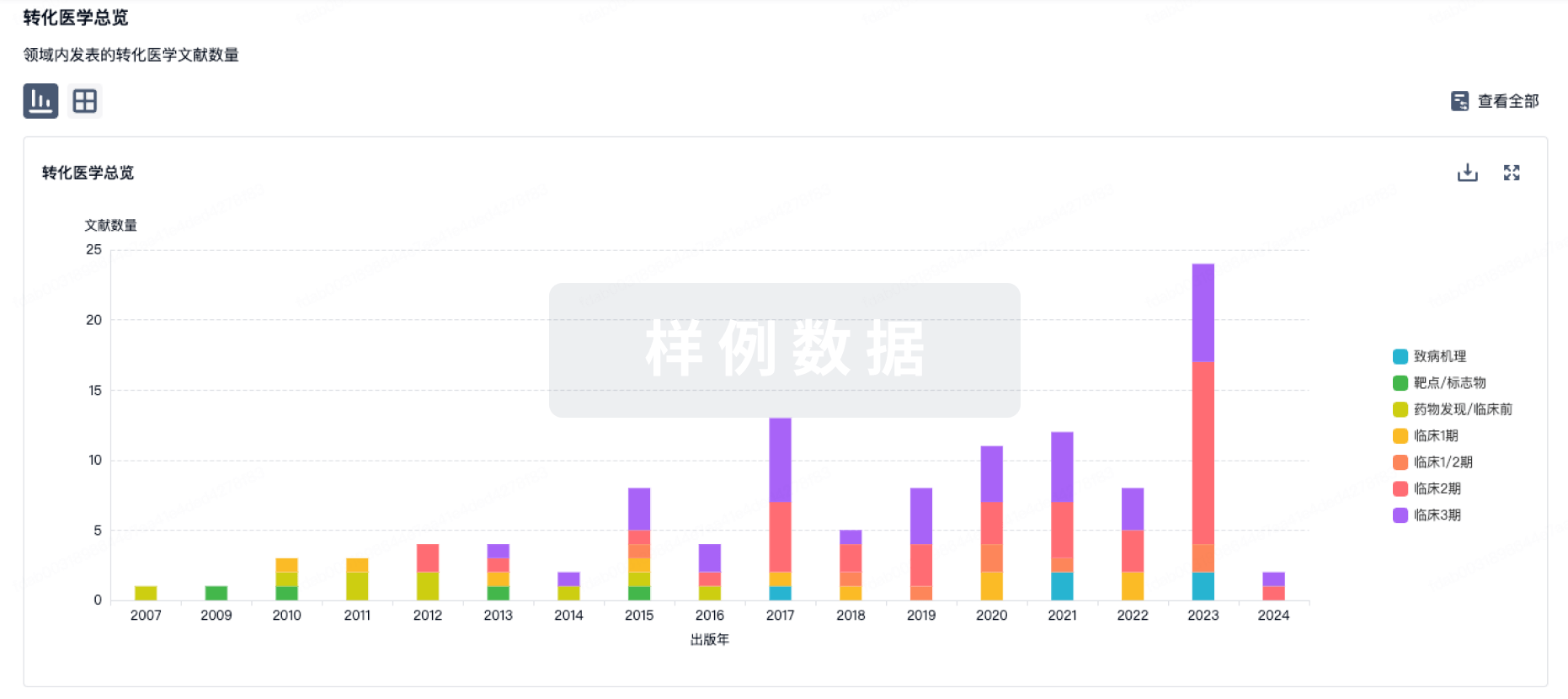
转化医学
使用我们的转化医学数据加速您的研究。
登录
或
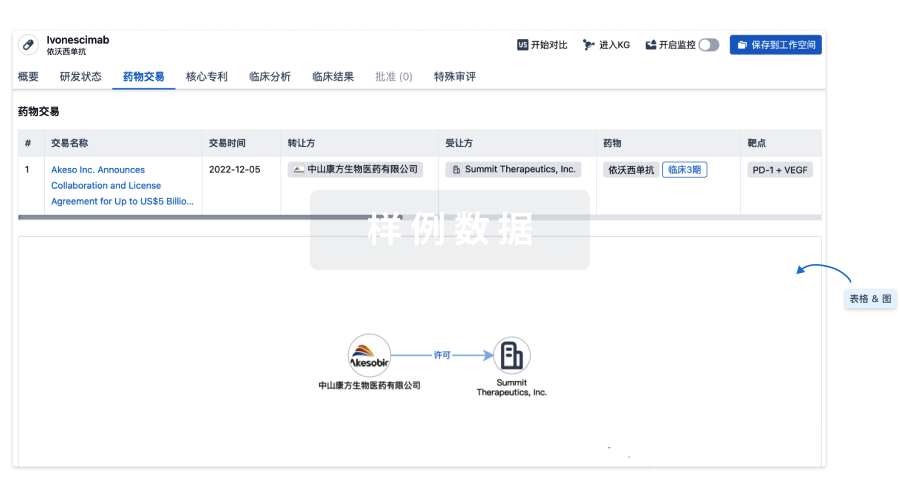
药物交易
使用我们的药物交易数据加速您的研究。
登录
或
核心专利
使用我们的核心专利数据促进您的研究。
登录
或

临床分析
紧跟全球注册中心的最新临床试验。
登录
或
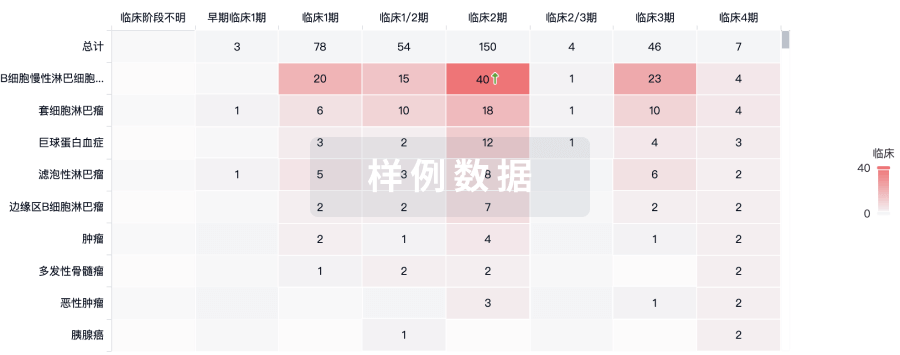
批准
利用最新的监管批准信息加速您的研究。
登录
或
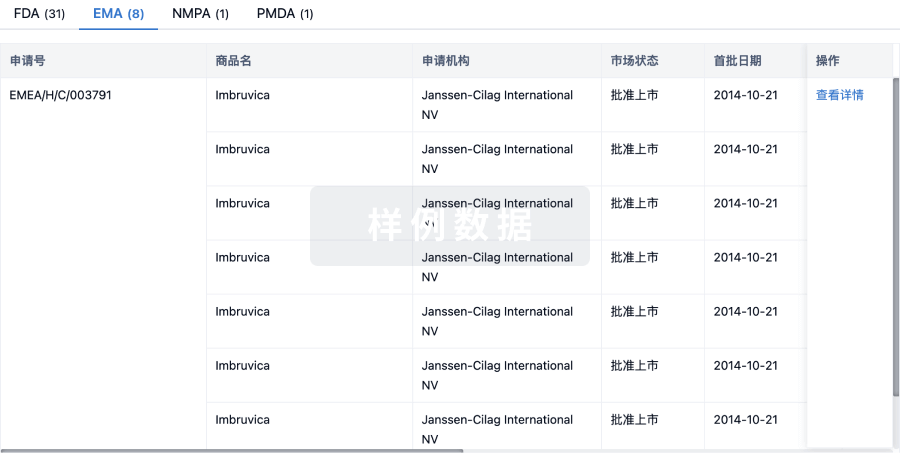
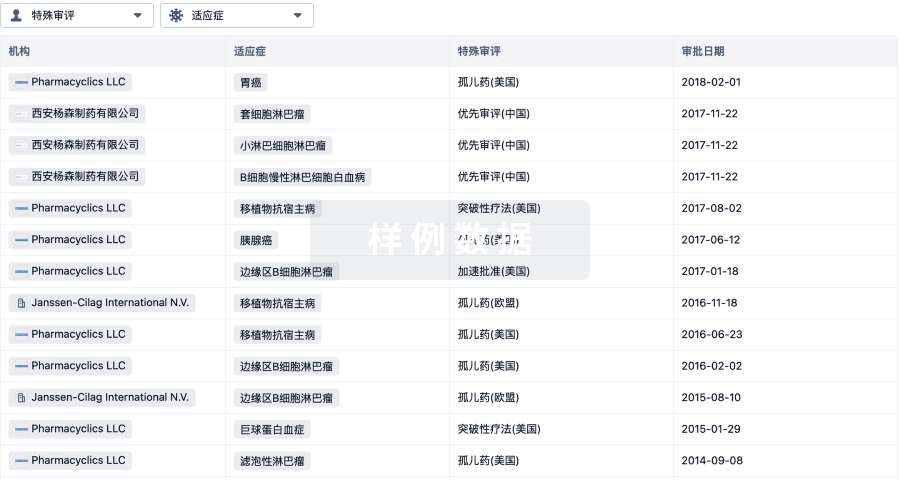
特殊审评
只需点击几下即可了解关键药物信息。
登录
或
生物医药百科问答
全新生物医药AI Agent 覆盖科研全链路,让突破性发现快人一步
立即开始免费试用!
智慧芽新药情报库是智慧芽专为生命科学人士构建的基于AI的创新药情报平台,助您全方位提升您的研发与决策效率。
立即开始数据试用!
智慧芽新药库数据也通过智慧芽数据服务平台,以API或者数据包形式对外开放,助您更加充分利用智慧芽新药情报信息。
生物序列数据库
生物药研发创新
免费使用
化学结构数据库
小分子化药研发创新
免费使用