预约演示
更新于:2026-05-18
BCG vaccine(Nippon BCG Seizo KK)
卡介苗 (Nippon BCG Seizo KK)
更新于:2026-05-18
概要
基本信息
药物类型 溶瘤细菌、预防性疫苗 |
别名 BCG、Freeze-Dried BGG for Percutaneous Use、乾燥BCGワクチン(経皮用・1人用) + [3] |
靶点- |
作用方式 刺激剂 |
作用机制 免疫刺激剂 |
在研适应症 |
非在研适应症- |
非在研机构 |
最高研发阶段批准上市 |
首次获批日期 日本 (1991-10-04), |
最高研发阶段(中国)申请上市 |
特殊审评- |



登录后查看时间轴
关联
8
项与 卡介苗 (Nippon BCG Seizo KK) 相关的临床试验NCT04537663
Bacillus Calmette-Guérin Vaccination to Prevent Serious Respiratory Tract Infection and Covid-19 in Vulnerable Elderly - an Adaptive randoMized controllEd Trial

CTRI/2020/08/027427
The short term oncological outcome of intravesical BCG Vs intravesical Gemcitabine/Docetaxel sequential therapy in NMIBC: A Prospective Randomised Trial
NCT03664869
Intravesical Instillation Therapy With Bacillus Calmette-Gu?rin (BCG) and Sequential BCG and Electromotive Mitomycin-C (EMDA-MCC) in Patients With High-risk Non-muscle-invasive Bladder Carcinoma

100 项与 卡介苗 (Nippon BCG Seizo KK) 相关的临床结果
登录后查看更多信息
100 项与 卡介苗 (Nippon BCG Seizo KK) 相关的转化医学
登录后查看更多信息
100 项与 卡介苗 (Nippon BCG Seizo KK) 相关的专利(医药)
登录后查看更多信息
579
项与 卡介苗 (Nippon BCG Seizo KK) 相关的文献(医药)2026-12-31Emerging Microbes & Infections
An Rv1471-expressing chimpanzee adenovirus vaccine confers protection against tuberculosis by inducing alveolar macrophage trained immunity and polyfunctional T-cell responses
Article
作者: Huang, Shaoqiong ; Xie, Shiqi ; Li, Jianhui ; Wang, Jing ; Wu, Juan ; Huang, Xuejiao ; Fan, Xiao-Yong ; Hu, Zhidong ; Wang, Huiling ; Zhang, Ying
The limited protection afforded by Bacille Calmette-Guérin (BCG) against pulmonary tuberculosis (TB) underscores the critical need for novel vaccine strategies. Alveolar macrophages (AMs), as the primary sentinel cells encountering inhaled Mycobacterium tuberculosis (Mtb), play a decisive role in early infection outcomes, yet their potential as a direct vaccine target remains largely untapped. Here, we developed a chimpanzee adenovirus vaccine expressing the Mtb antigen Rv1471 (rAd-Rv1471), which we previously identified for its unique capacity to induce innate immune memory. In murine models, intranasal rAd-Rv1471 administration reprogrammed AMs into a trained state, characterized by enhanced production of pro-inflammatory cytokines, elevated surface expression of MHC II and CD86, and improved cell-intrinsic control of intracellular mycobacterial growth. Transcriptomic analysis revealed upregulation of key immunometabolic pathways, including Akt/mTOR/HIF-1α signalling and glycolysis. Concurrently, intranasal rAd-Rv1471 administration induced potent antigen-specific, polyfunctional T cells in the lung. This dual engagement of innate and adaptive immunity conferred significant protection against aerosol Mtb challenge. Furthermore, rAd-Rv1471 acted as an effective heterologous booster, enhancing protection in BCG-primed mice. Our findings establish rAd-Rv1471 as a synergistic mucosal vaccine candidate that concurrently induces trained immunity in AMs and polyfunctional T-cell responses, highlighting a promising dual-targeting strategy for next-generation TB vaccines.
2026-06-01INTERNATIONAL JOURNAL OF INFECTIOUS DISEASES
Toward tuberculosis elimination: An update on tuberculosis vaccines in clinical trials
Review
作者: Aguiló, Nacho ; Martín, Carlos ; Gonzalo-Asensio, Jesús ; Arbués, Ainhoa
Despite major advances in diagnosis and treatment, tuberculosis (TB) control - and ultimately elimination - will remain unachieved without a vaccine capable of preventing pulmonary disease and transmission. Bacille Calmette-Guérin (BCG), a live attenuated vaccine derived from Mycobacterium bovis and the only licensed TB vaccine, has been widely implemented because of its proven efficacy against severe childhood TB. However, despite global coverage approaching 90%, BCG provides limited and inconsistent protection against pulmonary TB in adolescents and adults, the populations that sustain transmission. In response, a diverse pipeline of novel TB vaccine candidates has emerged across multiple technological platforms. This review provides an updated overview of TB vaccines in clinical development. Currently, sixteen candidates are undergoing clinical evaluation, including four in active Phase 3 efficacy trials. This review also offers critical insights into challenges shaping late-stage TB vaccine development. We argue that evolving understanding of Mycobacterium tuberculosis infection - including heterogeneity within latent infection, the contribution of subclinical disease, and limitations of binary IGRA-based classification - necessitates reassessment of current efficacy endpoints. By examining prevention-of-disease (PoD), prevention-of-infection (PoI), and prevention-of-recurrence (PoR) strategies, we highlight the need for closer alignment between biological insight, trial design, and policy objectives to ensure that new vaccines advance TB elimination.
2025-12-01TUBERCULOSIS
Targeting HspX of Mycobacterium tuberculosis: Advances in diagnostics, treatment, and vaccine development
Review
作者: Toledo, Jorge R ; Villavicencio, Carla ; Mangui, Bryan ; Camacho, Frank ; Hidalgo-Gajardo, Angela
Tuberculosis (TB) is an infectious disease caused by Mycobacterium tuberculosis (MTB), Bacille Calmette-Guérin (BCG) is the only licensed vaccine for tuberculosis, but it provides limited and inconsistent protection against pulmonary TB in adults. Furthermore, current diagnostic methods show low sensitivity in latent stages, and the standard treatment is long, complex, and conducive to the emergence of drug-resistant strains. In this context, heat shock protein X (HspX), also known as Rv2031c or α-crystallin, has emerged as a potential biomarker and vaccine candidate. This 16-kDa protein is predominantly expressed under stressful conditions such as hypoxia and nitric oxide exposure, which are characteristic of the granulomatous microenvironment where MTB persists. Its expression during latency and high immunogenicity has been demonstrated in individuals with latent tuberculosis infection and those vaccinated with BCG. Preclinical studies have shown that recombinant HspX potentiates the host immune response used as a component in subunit vaccines, either alone or in combination with other antigens. Incorporating this protein into new diagnostic, therapeutic, and vaccine strategies could optimize disease control. This review explores HspX's multifaceted role and potential applications in tuberculosis diagnosis, treatment, and vaccine development.
100 项与 卡介苗 (Nippon BCG Seizo KK) 相关的药物交易
登录后查看更多信息
研发状态
批准上市
10 条最早获批的记录, 后查看更多信息
登录
| 适应症 | 国家/地区 | 公司 | 日期 |
|---|---|---|---|
| 结核 | 日本 | 1991-10-04 |
未上市
10 条进展最快的记录, 后查看更多信息
登录
| 适应症 | 最高研发状态 | 国家/地区 | 公司 | 日期 |
|---|---|---|---|---|
| 膀胱癌 | 临床3期 | 中国 | 2013-01-16 | |
| 膀胱癌 | 临床3期 | 中国 | 2013-01-16 | |
| 非肌层浸润性膀胱肿瘤 | 临床3期 | 中国 | - | 2013-01-16 |
登录后查看更多信息
临床结果
临床结果
适应症
分期
评价
查看全部结果
登录后查看更多信息
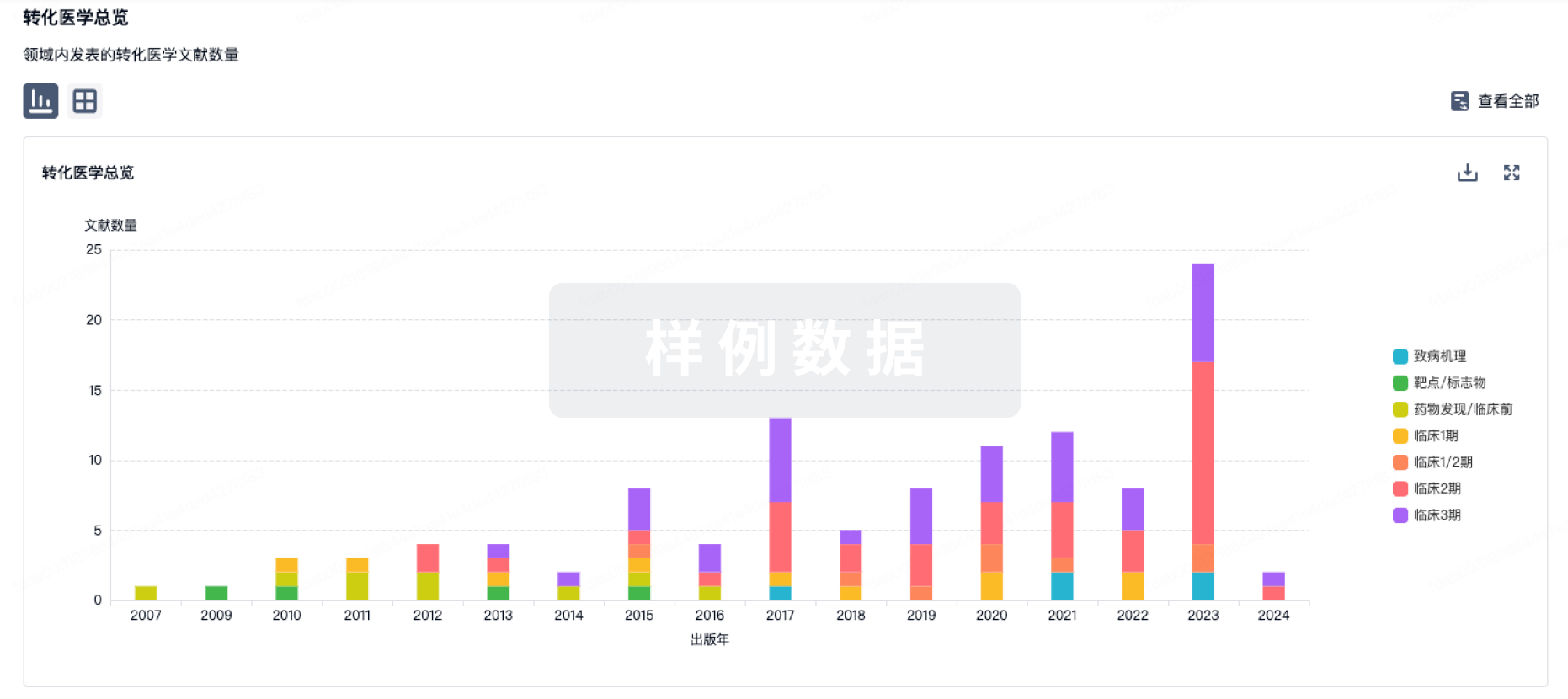
转化医学
使用我们的转化医学数据加速您的研究。
登录
或
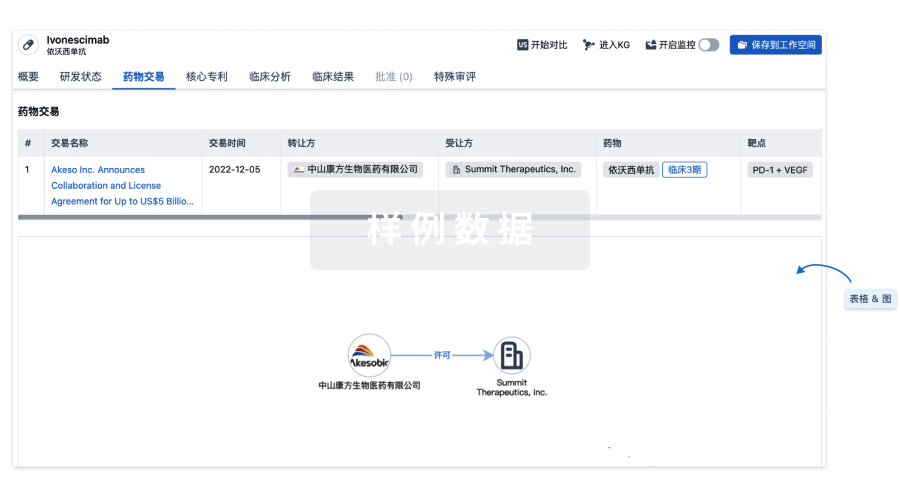
药物交易
使用我们的药物交易数据加速您的研究。
登录
或
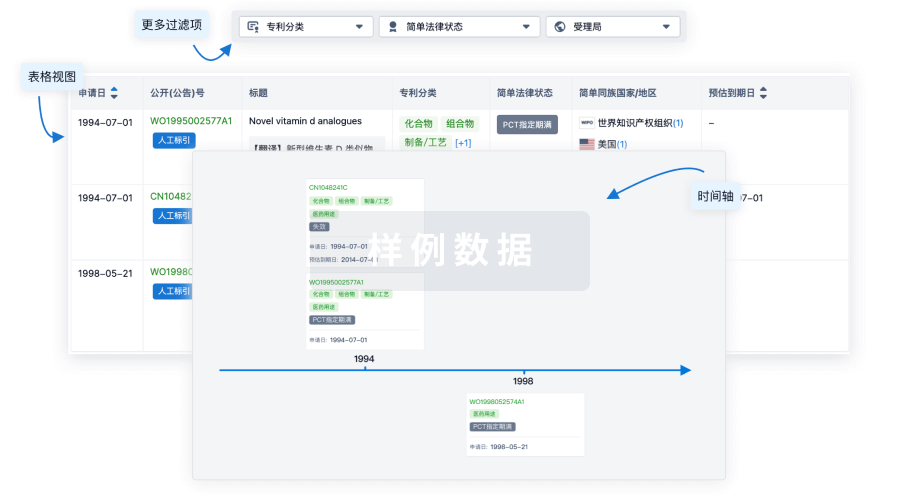
核心专利
使用我们的核心专利数据促进您的研究。
登录
或
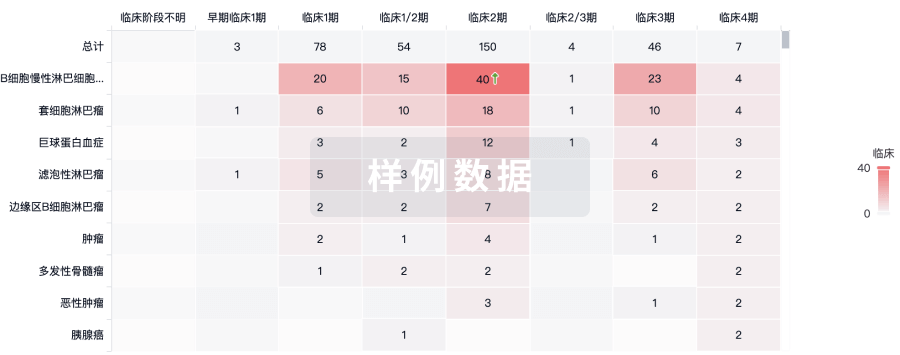
临床分析
紧跟全球注册中心的最新临床试验。
登录
或
批准
利用最新的监管批准信息加速您的研究。
登录
或
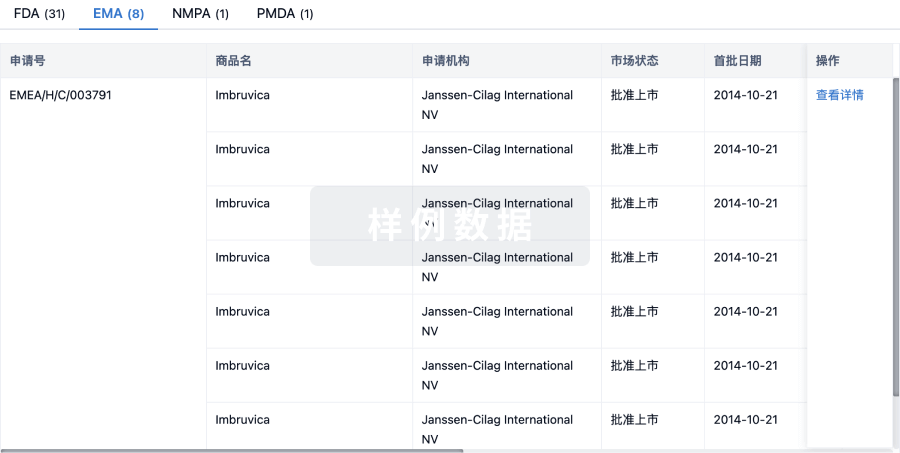
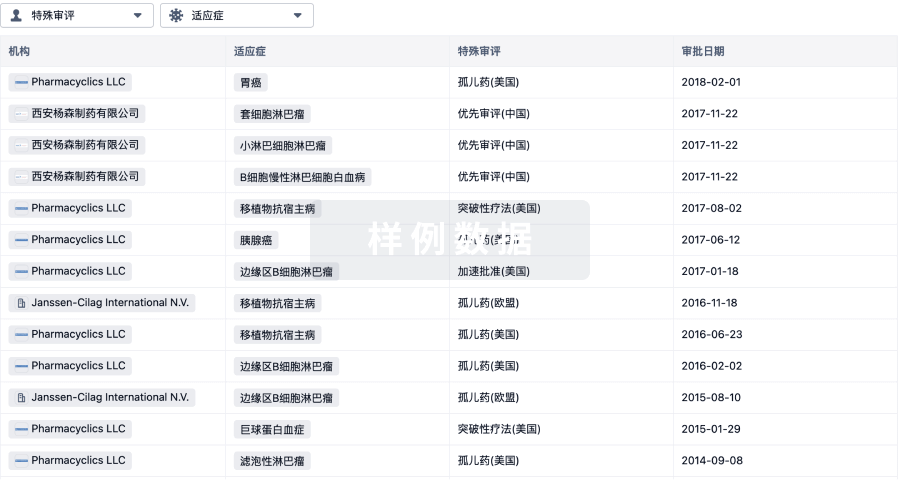
特殊审评
只需点击几下即可了解关键药物信息。
登录
或
生物医药百科问答
全新生物医药AI Agent 覆盖科研全链路,让突破性发现快人一步
立即开始免费试用!
智慧芽新药情报库是智慧芽专为生命科学人士构建的基于AI的创新药情报平台,助您全方位提升您的研发与决策效率。
立即开始数据试用!
智慧芽新药库数据也通过智慧芽数据服务平台,以API或者数据包形式对外开放,助您更加充分利用智慧芽新药情报信息。
生物序列数据库
生物药研发创新
免费使用
化学结构数据库
小分子化药研发创新
免费使用