预约演示
更新于:2026-07-17
ST-1898
更新于:2026-07-17
概要
基本信息
药物类型 小分子化药 |
别名 ACC-1898、ST 1898、ST-1898 + [1] |
作用方式 抑制剂、拮抗剂 |
作用机制 AXL抑制剂(AXL受体酪氨酸激酶抑制剂)、PDGFR拮抗剂(血小板衍生生长因子受体拮抗剂)、RTK抑制剂(受体蛋白酪氨酸激酶抑制剂) |
在研适应症 |
非在研适应症- |
原研机构 |
在研机构 |
非在研机构- |
权益机构- |
最高研发阶段临床3期 |
首次获批日期- |
最高研发阶段(中国)临床3期 |
特殊审评- |

登录后查看时间轴
关联
6
项与 ST-1898 相关的临床试验NCT07252661
An Open-Label, Phase 1 Study to Evaluate the Safety, Pharmacokinetics, and Pharmacodynamics of ACC-1898 (Tyrosine Kinase Inhibitor) in Adult Participants With Advanced Solid Tumors.
CTR20254511
评估高脂餐对健康研究参与者口服ST-1898片后药代动力学影响的随机、开放、单次给药、两周期、双交叉的 I 期临床研究
NCT06359847
A Multicenter, Phase II Clinical Trial to Evaluate the Efficacy and Safety of ST-1898 Tablets in Patients With Locally Advanced or Metastatic RAIR-DTC After Failure of at Least First-line TKI Systemic Therapy
100 项与 ST-1898 相关的临床结果
登录后查看更多信息
100 项与 ST-1898 相关的转化医学
登录后查看更多信息
100 项与 ST-1898 相关的专利(医药)
登录后查看更多信息
2
项与 ST-1898 相关的文献(医药)2012-07-01European journal of dermatology : EJD4区 · 医学
The atypical retinoid E-3-(3’-Adamantan-1-yl-4’-methoxybiphenyl-4-yl)-2-propenoic acid (ST1898) displays comedolytic activity in the rhino mouse model
4区 · 医学
Article
作者: Odorisio, Teresa ; Zambruno, Giovanna ; Vesci, Loredama ; De Luca, Naomi ; Stano, Pasquale ; Pisano, Claudio ; Luisi, Pier Luigi
Retinoids represent the first-line therapy for the treatment of acne vulgaris. Their effect is comedolytic and anti-comedogenic, and associates with hyperplasia and deregulated differentiation of the epidermis, and decreased inflammation. We here tested the comedolytic effect of the novel atypical retinoid E-3-(3'-Adamantan-1-yl-4'-methoxybiphenyl-4-yl)-2-propenoic acid (ST1898) in the rhino mouse, as a model of comedogenic acne, and compared this effect to that of adapalene (Differin® gel), as reference compound. Topical administration of 0.1% ST1898 for three weeks exerted a comedolytic effect comparable to that of adapalene 0.1%. In ST1898-treated mice, epidermal hyperplasia was significantly reduced and the expression of keratinocyte differentiation markers was less perturbed compared to adapalene-treated animals. Moreover, keratin 6, which stains activated keratinocytes, was strongly and uniformly induced in interfollicular epidermis of adapalene-treated mice, while only faintly and focally expressed in ST1898-treated ones. Our data indicate that ST1898 has strong comedolytic activity but modest topical side effects.
2011-03-04Journal of proteome research2区 · 生物学
Proteomic Analysis of Cellular Response to Novel Proapoptotic Agents Related to Atypical Retinoids in Human IGROV-1 Ovarian Carcinoma Cells
2区 · 生物学
Article
作者: Carenini, Nives ; Righetti, Pier Giorgio ; Milli, Alberto ; Corna, Elisabetta ; Cecconi, Daniela ; Beretta, Giovanni L. ; Perego, Paola ; Zuco, Valentina ; Corvo, Alice ; Zunino, Franco
Novel agents characterized by the scaffold of the atypical retinoid ST1926, but containing different chemical functions (carboxylic or hydroxamic acid), exhibit potent proapoptotic activity. In the present paper, we show that the treatment of the IGROV-1 ovarian cancer cell line with compounds sharing structural features with ST1926 (ST1898, ST3595, ST3056) determines a strong inhibition of proliferation mainly due to apoptotic cell death. In an effort to understand the mechanism of action of these compounds, we performed a proteomics analysis of IGROV-1 total lysates and nuclear extracts. Using this approach, we found that deregulation of calcium homeostasis, oxidative stress, cytoskeleton reorganization, and deregulation of proteasome function may represent important pathways involved in response of IGROV-1 cells to the studied compounds. The most prominent effect was down-regulation of factors involved in protein degradation, an event more marked in cells treated with ST3595. In addition, we identified proteins specifically modulated by each treatment, including prohibitin and cochaperone P23 (ST1898), pre-mRNA splicing factor SF2p32 and clathrin light chain (ST3595), as well as Far upstream element (FUSE) binding protein 1 and DNA-binding protein B (ST3056). By identifying proteins modulated by novel proapoptotic agents, this study provides insights into critical aspects of their mechanism of action.
12
项与 ST-1898 相关的新闻(医药)2026-06-05
100 项与 ST-1898 相关的药物交易
登录后查看更多信息
研发状态
10 条进展最快的记录, 后查看更多信息
登录
| 适应症 | 最高研发状态 | 国家/地区 | 公司 | 日期 |
|---|---|---|---|---|
| 黑色素瘤 | 临床3期 | 中国 | - | |
| 肾细胞癌 | 临床3期 | 中国 | - | |
| 难治性分化型甲状腺癌 | 临床2期 | 中国 | 2023-12-20 | |
| 不可切除的肢端雀斑性黑色素瘤 | 临床2期 | 中国 | 2023-11-07 | |
| 不可切除的黑色素瘤 | 临床2期 | 中国 | 2023-11-07 | |
| 晚期肾细胞癌 | 临床2期 | 中国 | 2023-02-17 | |
| 晚期恶性实体瘤 | 临床1期 | 中国 | 2020-09-16 |
登录后查看更多信息
临床结果
临床结果
适应症
分期
评价
查看全部结果
登录后查看更多信息
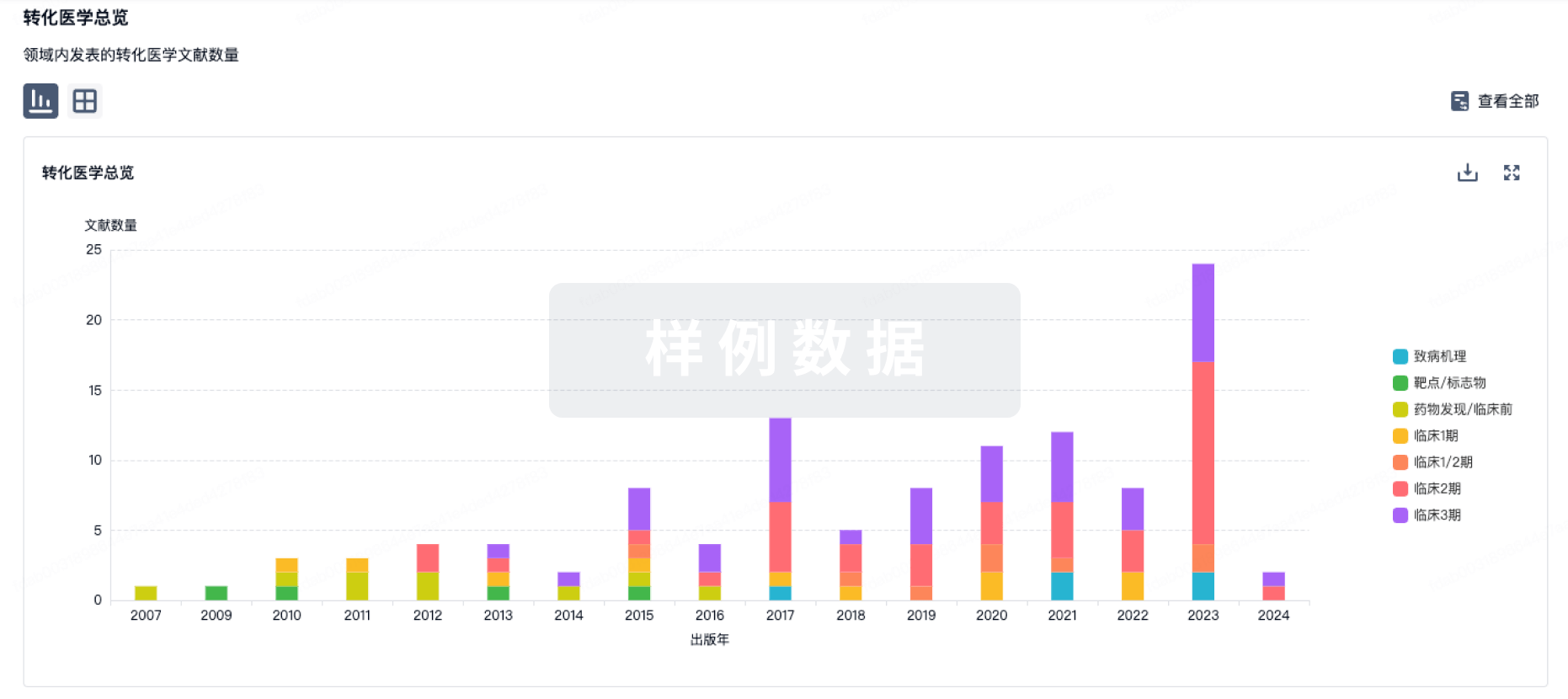
转化医学
使用我们的转化医学数据加速您的研究。
登录
或
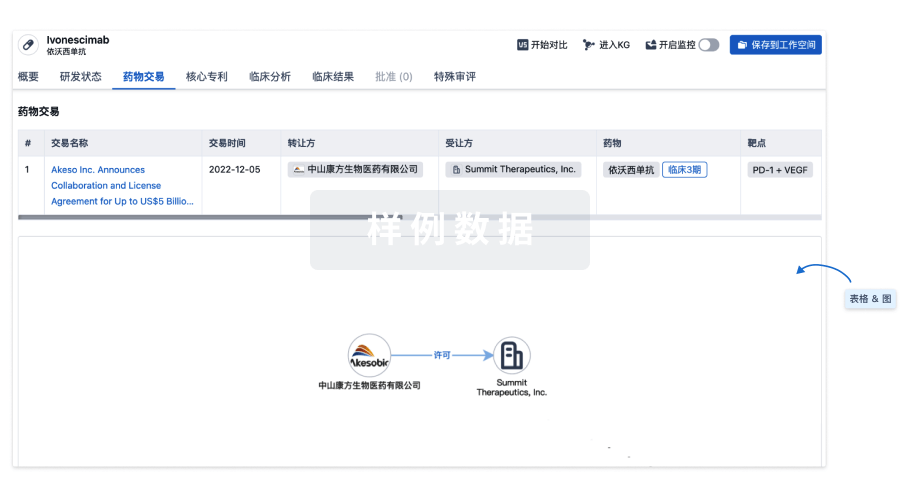
药物交易
使用我们的药物交易数据加速您的研究。
登录
或
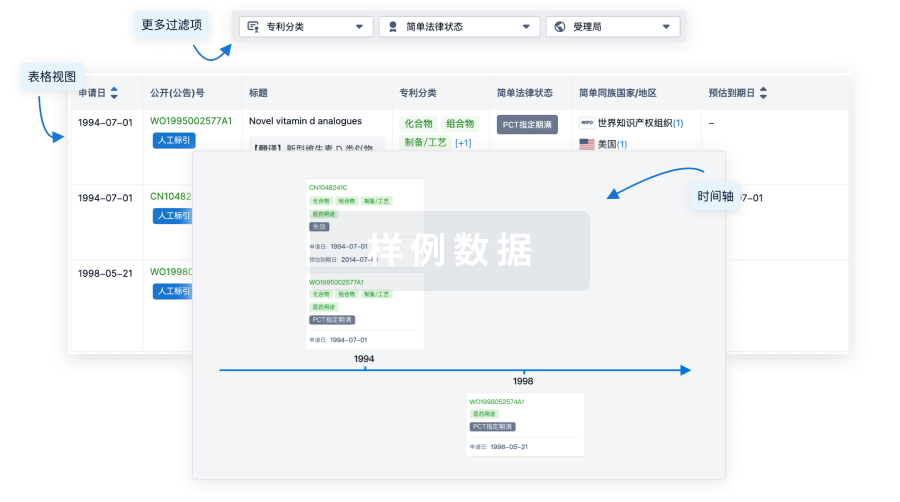
核心专利
使用我们的核心专利数据促进您的研究。
登录
或
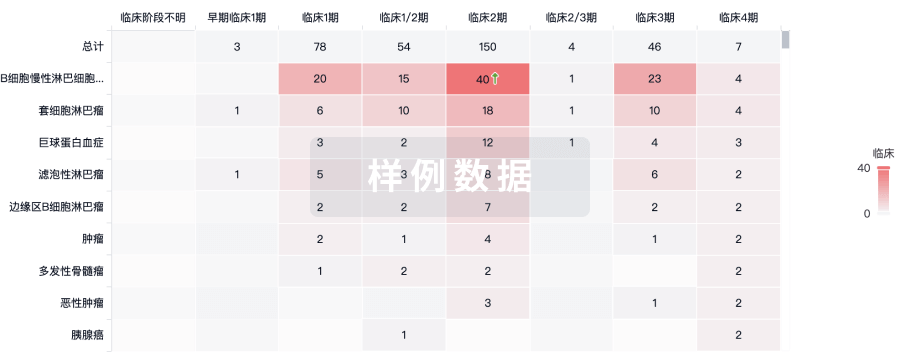
临床分析
紧跟全球注册中心的最新临床试验。
登录
或
批准
利用最新的监管批准信息加速您的研究。
登录
或
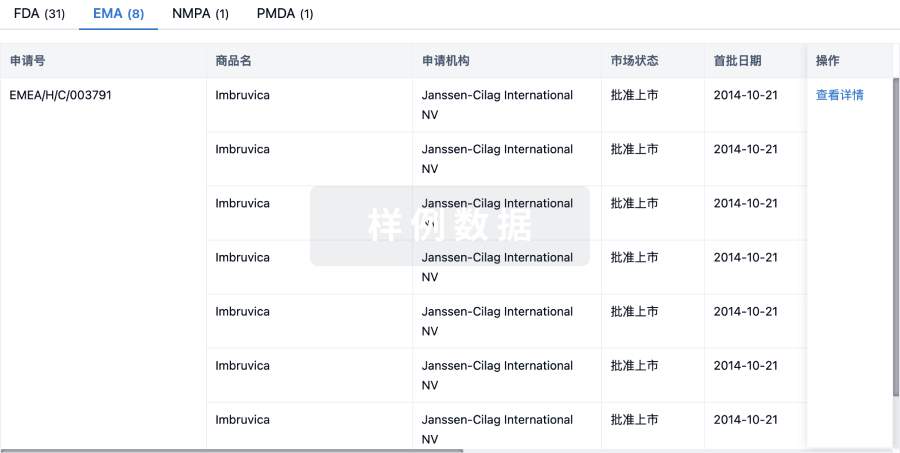
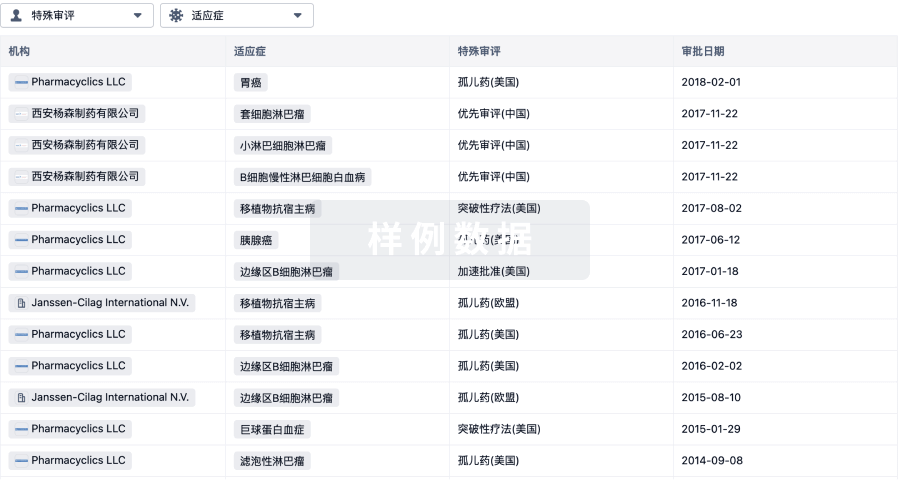
特殊审评
只需点击几下即可了解关键药物信息。
登录
或
提出任何生物医药研究问题
让每一步生物医药决策都精准制胜
基于十亿级生物数据与全球情报的精准 AI,赋能早期药物发现
立即开始免费试用!
智慧芽新药情报库是智慧芽专为生命科学人士构建的基于AI的创新药情报平台,助您全方位提升您的研发与决策效率。
立即接入生物医药数据包
智慧芽新药库数据也通过智慧芽开放平台,以MCP或API服务形式对外开放。立即使用我们的MCP服务定制您的LLM智能体。
生物序列数据库
生物药研发创新
免费使用
化学结构数据库
小分子化药研发创新
免费使用