预约演示
更新于:2026-01-31
14-a
更新于:2026-01-31
概要
基本信息
药物类型 小分子化药 |
别名 14a |
作用方式 调节剂 |
作用机制 P2X7 receptor调节剂(嘌呤P2X7受体调节剂) |
治疗领域 |
在研适应症 |
非在研适应症- |

结构/序列
分子式C19H15BrN6O3S2 |
InChIKeyRSVSWAQVEIMKQG-UHFFFAOYSA-N |
CAS号2922108-60-7 |
关联
100 项与 14-a 相关的临床结果
登录后查看更多信息
100 项与 14-a 相关的转化医学
登录后查看更多信息
100 项与 14-a 相关的专利(医药)
登录后查看更多信息
60
项与 14-a 相关的文献(医药)2025-12-01·EUROPEAN JOURNAL OF MEDICINAL CHEMISTRY
The synthesis and evaluation of new N-(pyrazin-2-yl)-4-aminopyrimidine derivatives targeted EGFR and JAK
Article
作者: Li, Xingshu ; Hou, Puzhuang ; Yang, Kaichun ; Cao, Longcai ; Ren, Yuanyuan ; Ma, Edward Enzhuo ; Yan, Ming ; Yao, Han
To discover novel active compounds against non-small cell lung cancer, thirty one amino pyrazine derivatives were synthesized and evaluated as inhibitors against EGFR-mutation cancers. The optimal compound 14a, exhibited 15.4 nM and 18.5 nM of the IC50 values against PC9 and H1975 cancer cell lines, respectively. In H1975 xenograft nude mice, 14a exhibited 90.0 % of the TGI when oral administration at dosage of 10 mg/kg. Kinase activity assay showed that 14a not only has excellent inhibitory activity against EGFR kinase, but also has good activity against JAK2 and JAK3 kinases, exhibiting a dual target characteristics. Mechanism study indicated that 14a could inhibit the phosphorylation of EGFR protein and decrease the active form p-JAK2 for JAK2, induce an increase in intracellular ROS, which may disrupt the balance of the redox system in cancer cells and cause the death of tumor cells. In addition, 14a could increase cellular lipid oxide MDA, meanwhile decrease GSH content, which suggests that 14a have caused ferroptosis in cancer cells, Finally, 14a exhibited high selectivity towards EGFRwt cells with a selectivity ratio of 583.76, which is significant to avoid toxic side effects of drugs.
2025-11-01·BIOORGANIC & MEDICINAL CHEMISTRY
Synthesis of 1,3-diaryl substituted pyrazole-based imidazo[1,2-a]pyridine carboxamides and evaluation of their antitubercular activity
Article
作者: Ali, Juned ; Nanduri, Srinivas ; Dasgupta, Arunava ; Yaddanapudi, Venkata Madhavi ; Chopra, Sidharth ; Ommi, Ojaswitha ; Saxena, Deepanshi ; Sonti, Rajesh ; Malik, Pradip ; Bhalerao, Harshada Anil
The rise of drug-resistant tuberculosis (TB) has created an urgent need to discover and develop new anti-mycobacterial agents. Herein, we report the synthesis and evaluation of a library of 1,3-diaryl substituted pyrazole-based imidazo[1,2-a]pyridine carboxamides as promising anti-TB agents. In preliminary screening, 10 out of 26 compounds displayed potent in vitro inhibition against Mtb H37Rv with a MIC value of 0.03 μg/mL, which is 17-fold more potent than the first-line TB drug streptomycin, 33-fold more potent than ethambutol, and equipotent with isoniazid and rifampicin. Encouragingly, most of these compounds exhibited a selectivity index (SI) >3333.3 and CC₅₀ values >100 μg/mL against Vero cells, indicating they are over 3000 times more toxic to M. tuberculosis than to mammalian cells and demonstrate absence of cytotoxicity at concentrations effective against TB (MIC = 0.03 μg/mL). Among them, 12a, 14a, and 14d demonstrated remarkable activity against drug-resistant strains of Mtb with an MIC of 0.03 μM. Time-kill kinetic studies revealed that 12a, 14a, and 14d exhibited bacteriostatic properties. Furthermore, 12a, 14a, and 14d demonstrated synergistic effects with the FDA-approved anti-TB drugs rifampicin (ƩFIC 0.093), ethambutol (ƩFIC 0.061), and moxifloxacin (ƩFIC 0.154-0.281), exhibiting bactericidal time-kill properties in combination with these drugs. Additionally, 12a, 14a, and 14d exhibited acceptable metabolic stability (CLint 11.49-14.62 μL/min/mg microsomal protein), indicating effective drug levels and bioavailability. Also, 12a, 14a, and 14d showed stable interactions with QcrB in docking studies. These findings highlight 12a, 14a, and 14d as potential candidates for in vivo evaluation and further development as novel anti-tubercular drugs.
2025-06-12·ACS Medicinal Chemistry Letters
Discovery of Indole-Based PDE5 Inhibitors: Synthesis and Pharmacological Evaluation
Article
作者: Pham, Dang ; Mori, Mattia ; Fiorito, Jole ; Hadjiargyrou, Michael ; Zuccarello, Elisa ; Shukla, Param ; John, Reshmi ; Li, Addison ; Park, Shin-Young ; Edward, Justin ; Arancio, Ottavio
Phosphodiesterase 5 (PDE5) inhibitors have been suggested as new treatments for Alzheimer's disease (AD) and other conditions such as cancer and cardiovascular diseases. Utilizing the widespread presence of the indole moiety in biomolecules and drugs, previously synthesized quinoline and naphthyridine compounds were modified into novel indole-containing PDE5 inhibitors. Replacing the amine with an amide group led to identifying a potent analogue, compound 14a, with an IC50 of 16.11 nM. Molecular docking simulations further highlight the significance of the amide group in drug-target interactions. A cytotoxicity test and a parallel artificial membrane permeability assay validated the compound's potential as a lead for further drug development. Compound 14a was shown to be safe and blood-brain barrier permeable. The discovery of these indole-containing PDE5 inhibitors provides new perspectives for developing PDE5 therapeutics.
100 项与 14-a 相关的药物交易
登录后查看更多信息
研发状态
10 条进展最快的记录, 后查看更多信息
登录
| 适应症 | 最高研发状态 | 国家/地区 | 公司 | 日期 |
|---|---|---|---|---|
| 脓毒症所致急性肾损伤 | 药物发现 | 中国 | 2023-08-15 |
登录后查看更多信息
临床结果
临床结果
适应症
分期
评价
查看全部结果
| 研究 | 分期 | 人群特征 | 评价人数 | 分组 | 结果 | 评价 | 发布日期 |
|---|
No Data | |||||||
登录后查看更多信息
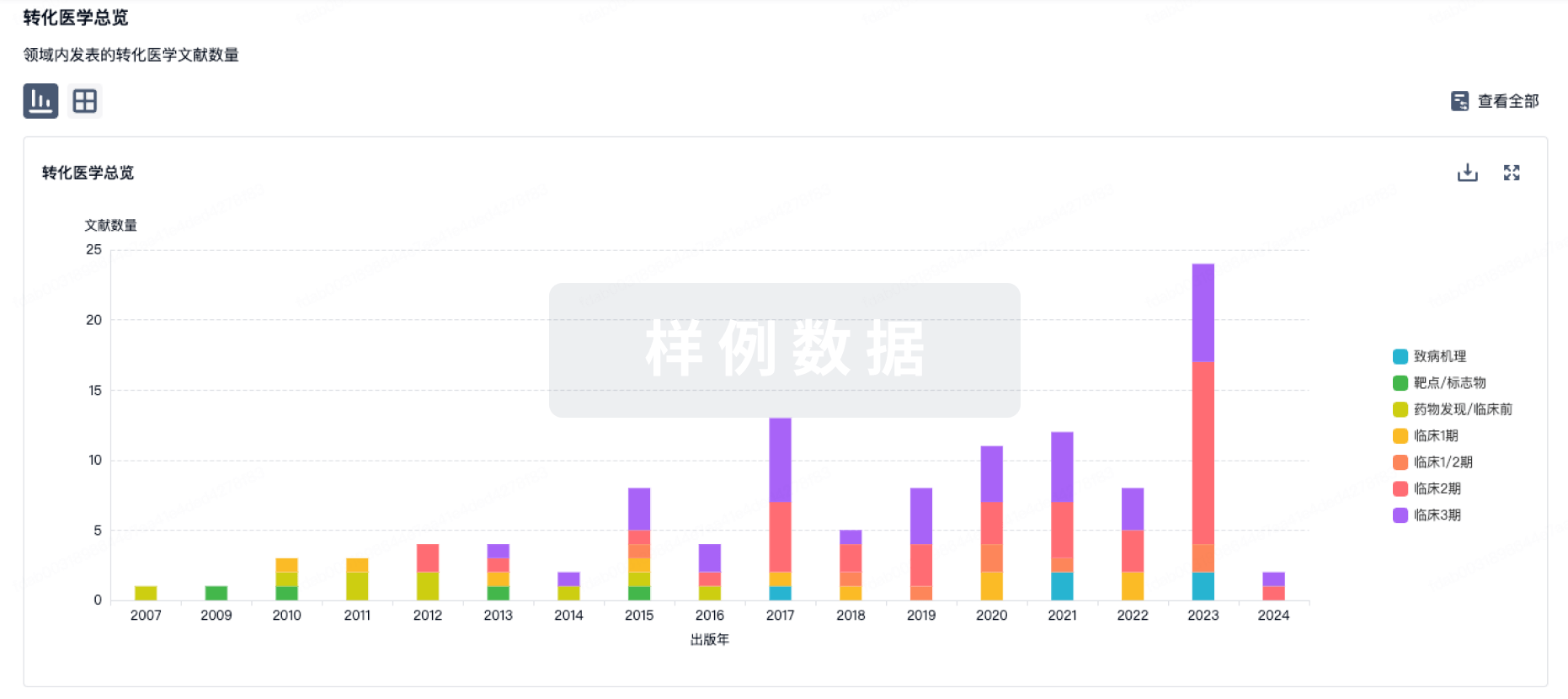
转化医学
使用我们的转化医学数据加速您的研究。
登录
或
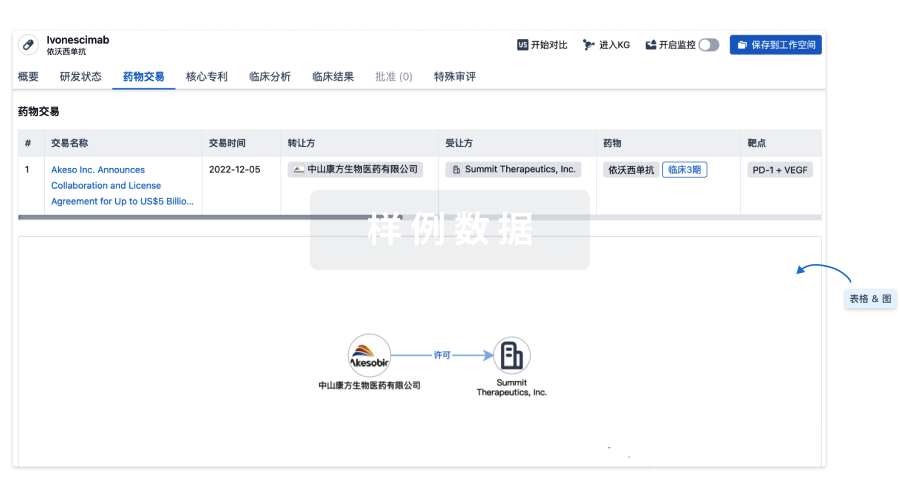
药物交易
使用我们的药物交易数据加速您的研究。
登录
或
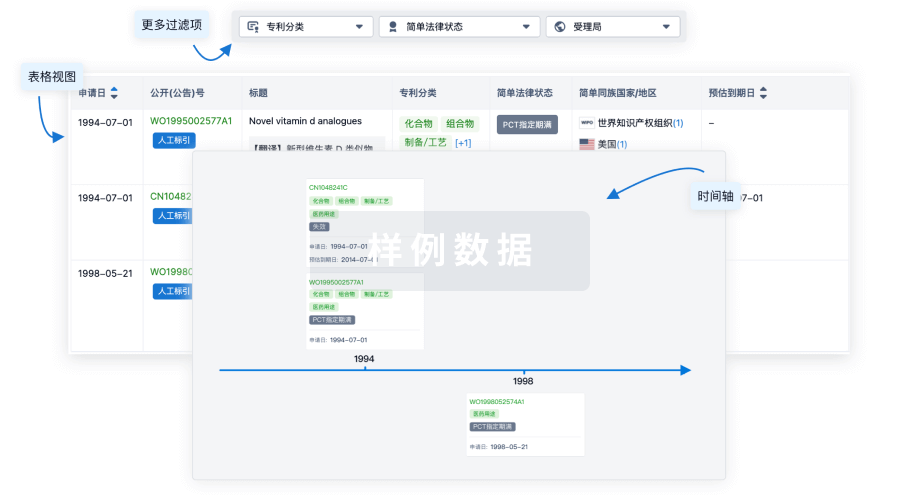
核心专利
使用我们的核心专利数据促进您的研究。
登录
或
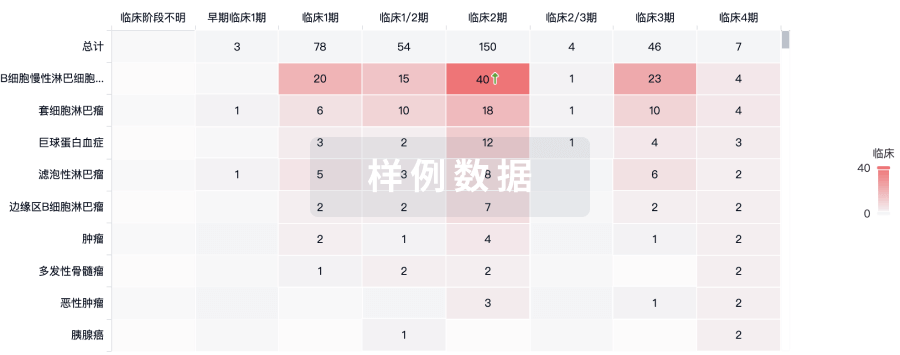
临床分析
紧跟全球注册中心的最新临床试验。
登录
或
批准
利用最新的监管批准信息加速您的研究。
登录
或
特殊审评
只需点击几下即可了解关键药物信息。
登录
或
生物医药百科问答
全新生物医药AI Agent 覆盖科研全链路,让突破性发现快人一步
立即开始免费试用!
智慧芽新药情报库是智慧芽专为生命科学人士构建的基于AI的创新药情报平台,助您全方位提升您的研发与决策效率。
立即开始数据试用!
智慧芽新药库数据也通过智慧芽数据服务平台,以API或者数据包形式对外开放,助您更加充分利用智慧芽新药情报信息。
生物序列数据库
生物药研发创新
免费使用
化学结构数据库
小分子化药研发创新
免费使用