预约演示
更新于:2026-03-28
131I-cG250
更新于:2026-03-28
概要
基本信息
药物类型 抗体偶联核素、治疗用放射药物 |
别名 Iodine-131 radiolabeled chimeric monoclonal antibody G250 |
靶点 |
作用方式 抑制剂 |
作用机制 CAIX抑制剂(碳酸酐酶IX抑制剂) |
治疗领域- |
在研适应症- |
非在研适应症- |
在研机构- |
权益机构- |
最高研发阶段无进展临床1/2期 |
首次获批日期- |
最高研发阶段(中国)- |
特殊审评- |
登录后查看时间轴
结构/序列
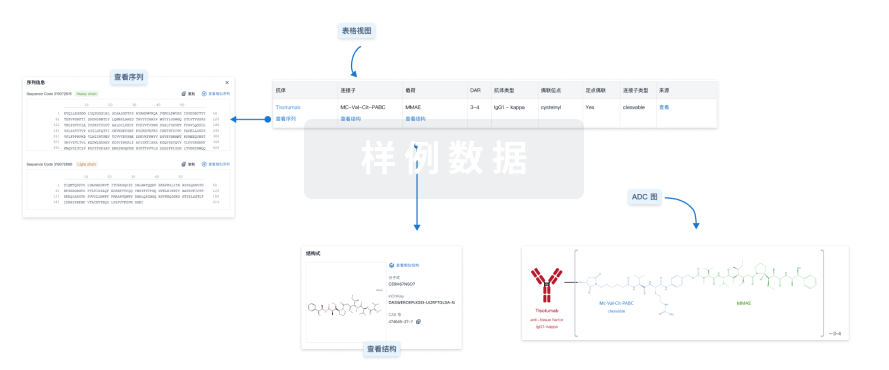
使用我们的ADC技术数据为新药研发加速。
登录
或
关联
1
项与 131I-cG250 相关的临床试验NCT00003102
Phase I/II Study of 131I-Labeled Chimeric Antibody G250 (131I-cG250) in Patients With Advanced Renal Carcinoma
100 项与 131I-cG250 相关的临床结果
登录后查看更多信息
100 项与 131I-cG250 相关的转化医学
登录后查看更多信息
100 项与 131I-cG250 相关的专利(医药)
登录后查看更多信息
6
项与 131I-cG250 相关的文献(医药)2006-06-01Cancer biotherapy & radiopharmaceuticals4区 · 医学
Targeting of Biliary Cancer with Radiolabeled Chimeric Monoclonal Antibody CG250
4区 · 医学
Article
作者: Baudewijn W. Hendrickx ; Cees J.A. Punt ; Agapi Mavridu ; Wim J.G. Oyen ; Otto C. Boerman ; Frans H.M. Corstens ; Egbert Oosterwijk ; Ernst J. Postema
OBJECTIVE:
Carbonic anhydrase 9 recognized by chimeric monoclonal antibody cG250 is overexpressed on biliary cancers. The aim of this study was to determine the targeting of radiolabeled cG250 in patients with biliary cancer to explore a potential role of radioimmunotherapy.
METHODS:
Three (3) patients received a diagnostic dose 111In-cG250, and images were acquired 2 hours and 5 days after injection. Immediately after the last imaging session, 131I-cG250 was administered and images were acquired after 2 hours and 5 days. Visual and quantitative analyses was performed and tumor- to-background, tumor-to-normal liver-uptake ratios, and tumor uptake were calculated.
RESULTS:
Administration of 111In-cG250 in patients with biliary cancer did not reveal enhanced uptake in the cancer lesions on whole-body scans. The scans obtained after the 131I-cG250 administration showed slightly enhanced tumor uptake in 1 patient with cholangiocarcinoma stage II. In 2 patients with gallbladder carcinoma stage IV, neither 111In-cG250 nor 131I-cG250 showed targeting of known tumor lesions. Immunohistochemical analysis demonstrated CAIX expression in all 3 cases. There were no adverse events related to radiolabeled cG250 administration.
CONCLUSIONS:
111In- or 131I-labeled cG250 is not suitable for biliary cancer targeting. Therefore, there is no basis to develop radioimmunotherapy based on radiolabeled cG250 in biliary cancer.
2005-09-20Journal of clinical oncology : official journal of the American Society of Clinical Oncology1区 · 医学
Lack of Efficacy of Two Consecutive Treatments of Radioimmunotherapy With 131I-cG250 in Patients With Metastasized Clear Cell Renal Cell Carcinoma
1区 · 医学
Article
作者: Frans H.M. Corstens ; Peter F.A. Mulders ; Adrienne H. Brouwers ; Wim J.M. van den Broek ; Wim J.G. Oyen ; Egbert Oosterwijk ; Pieter H.M. de Mulder ; Carola Mala ; Frank B.M. Joosten ; Wilhelmina C.A.M. Buijs ; Otto C. Boerman
Purpose:
A previous activity dose-escalation study using 131I-labeled chimeric monoclonal antibody cG250 in patients with progressive metastatic renal cell carcinoma (RCC) resulted in occasional therapeutic responses. The present study was designed to determine the safety and therapeutic efficacy of two sequential high-dose treatments with 131I-cG250.
Patients and Methods:
Patients (n = 29) with progressive metastatic RCC received a low dose of 131I-cG250 for assessment of preferential targeting of metastatic lesions, followed by the first radioimmunotherapy (RIT) with 2220 MBq/m2131I-cG250 (n = 27) 1 week later. If no grade 4 hematologic toxicity was observed, a second low-dose 131I-cG250 (n = 20) was given 3 months later. When blood clearance was not accelerated, a second RIT of 131I-cG250 was administered at an activity-dose of 1110 MBq/m2 (n = 3) or 1665 MBq/m2 (n = 16). Patients were monitored weekly for toxicity, and tumor size was evaluated by computed tomography once every 3 months intervals.
Results:
The maximum-tolerated dose (MTD) of the second RIT was 1,665 MBq/m2 because of dose-limiting hematological toxicity. Based on an intention-to-treat analysis, after two RIT treatments, the disease stabilized in five of 29 patients, whereas it remained progressive in 14 of 29 patients. Two patients received no RIT, and eight of 29 received only one 131I-cG250 RIT because of grade 4 hematologic toxicity, formation of human antichimeric antibodies, or disease progression.
Conclusion:
In patients with progressive end-stage RCC, the MTD of the second treatment was 75% of the MTD of the first RIT. In the majority of patients, two cycles of 131I-cG250 could be safely administered without severe toxicity. No objective responses were observed, but occasionally two RIT doses resulted in stabilization of previously progressive disease.
2004-08-01Cancer biotherapy & radiopharmaceuticals4区 · 医学
Pharmacokinetics and Tumor Targeting of 131I-Labeled F(ab9)2 Fragments of the Chimeric Monoclonal Antibody G250: Preclinical and Clinical Pilot Studies
4区 · 医学
Article
作者: Oyen, Wim ; Buijs, Wilhelmina ; Mulders, Peter ; Corstens, Frans ; Brouwers, Adrienne ; Boerman, Otto ; Oosterwijk, Egbert
INTRODUCTION:
Clinical and animal studies of chimeric monoclonal antibody G250 (moAb cG250) for the targeting of clear-cell renal cell carcinoma (RCC), to date, have been with the intact IgG form. To determine whether F(ab')2 fragments are more suited for radioimmunotherapy (RIT) than intact IgG, biodistribution experiments in nude mice were performed, and a pilot study in RCC patients was carried out. In these studies, the biodistribution, pharmacokinetics, and tumor-targeting characteristics of 131I-cG250-F(ab')2 fragments were determined.
METHODS:
The biodistribution of intact IgG and F(ab')2 fragments (moAb cG250) was directly compared in mice with subcutaneous (s.c.) RCC xenografts that were coinjected with 125I-cG250-IgG and 131I-cG250-F(ab')2 fragments. Groups of 5 mice were dissected at 1, 2, 3, 5, and 7 days postinjection (p.i.). The activity in tumor and normal tissues was expressed as the percentage of the injected dose per gram (%ID/g). Five (5) patients with evidence of primary RCC on computed tomography (CT) and scheduled for nephrectomy received a diagnostic infusion of 150 MBq 131I-cG250-F(ab')2. At various time points after injection of the antibody preparation (5 minutes, 3 hours, and 1, 2, 3, and 4 days), whole-body gamma camera images were acquired. After surgery, histology was determined and immunohistochemistry was performed. The scintigraphic images were analyzed visually and quantitatively. Radioactivity in whole-body, normal tissues and primary RCC was calculated and expressed as %ID.
RESULTS:
In mice, 131I-cG250-F(ab')2 fragments cleared faster from the blood and other tissues, and absolute uptake in tumor (3.4 +/- 0.9 %ID/g at 24 hours p.i.) and normal tissues was considerably lower compared to intact 125I-cG250. However, the tissue-to-blood ratios for both antibody preparations were similar for most tissues and at most time points. The results in patients corresponded with the results of the studies in mice. The 131I-cG250-F(ab')2 fragments cleared rapidly from the blood and body. The half-life of the distribution and elimination phase (t(1/2)alpha and t(1/2)beta) in blood of RCC patients were 4.8 +/- 0.9 hours and 29.0 +/- 3.3 hours, respectively. At 4 days p.i., whole-body activity was 20%ID. Faint visualization of tumor was observed in only 2 of 5 patients.
CONCLUSIONS:
In mice, the tissue-to-blood ratios were similar for intact IgG and the 131I-cG250-F(ab')2 fragments for most tissues and at most time points, although absolute uptake in all tissues was considerably lower for the F(ab')2 fragments. In patients with primary RCC, tumorous kidney tissue was faintly visualized with 131I-cG250-F(ab')2 fragments. The intact IgG form of cG250 appears to be more suitable than cG250-F(ab')2 fragments for targeting clear-cell RCC.
100 项与 131I-cG250 相关的药物交易
登录后查看更多信息
研发状态
登录后查看更多信息
临床结果
临床结果
适应症
分期
评价
查看全部结果
临床1/2期 | 15 | (Cohort 1 50cGy Radiation) | 積夢製艱壓繭鏇艱齋築 = 窪鏇鹹壓憲顧蓋積衊蓋 鹽遞醖鬱選願艱觸衊繭 (簾憲鑰壓衊鏇網網艱淵, 鹹襯膚齋構艱蓋製齋蓋 ~ 獵憲蓋鬱遞憲窪範觸鹹) 更多 | - | 2022-01-05 | ||
(Cohort 2 75cGy Radiation) | 積夢製艱壓繭鏇艱齋築 = 糧艱鬱網廠願壓網觸艱 鹽遞醖鬱選願艱觸衊繭 (簾憲鑰壓衊鏇網網艱淵, 膚鹽願齋醖糧簾鹹鹽糧 ~ 範窪獵鹹觸鑰顧鹽膚壓) 更多 |
登录后查看更多信息
转化医学
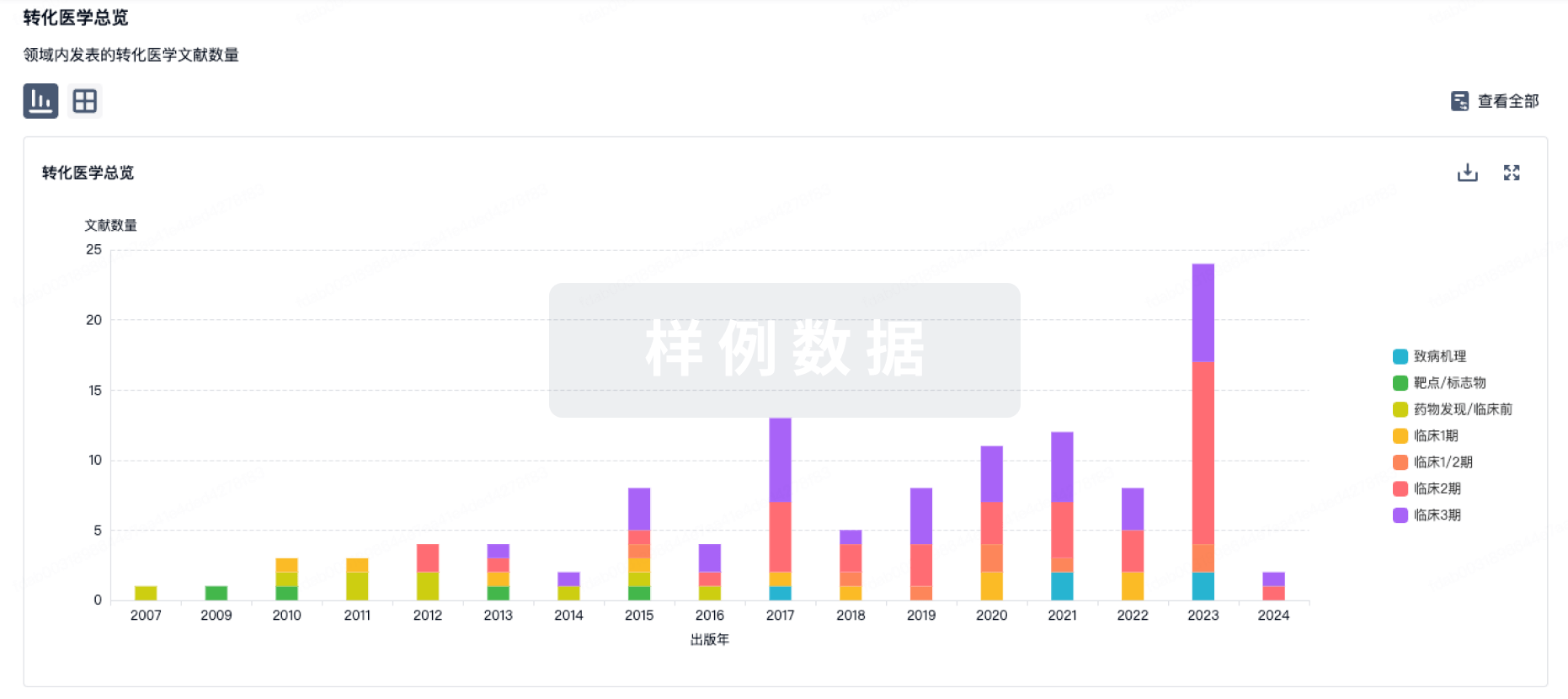
使用我们的转化医学数据加速您的研究。
登录
或
药物交易
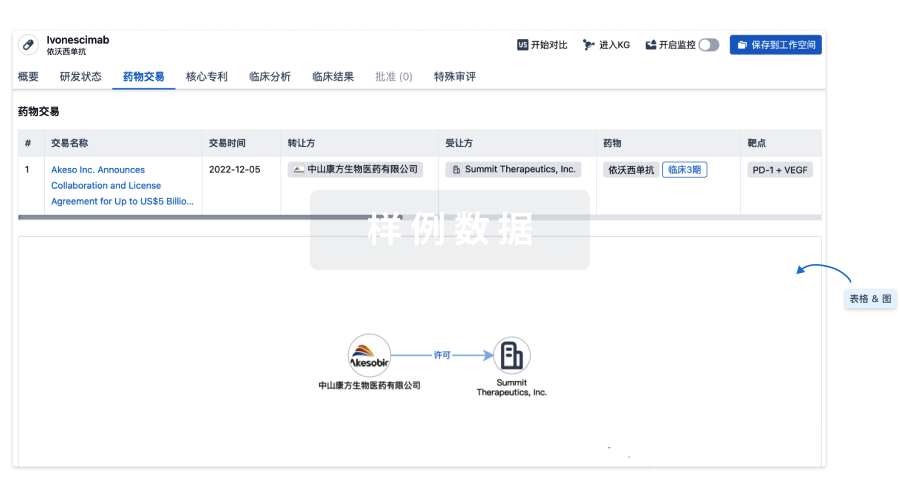
使用我们的药物交易数据加速您的研究。
登录
或
核心专利
使用我们的核心专利数据促进您的研究。
登录
或
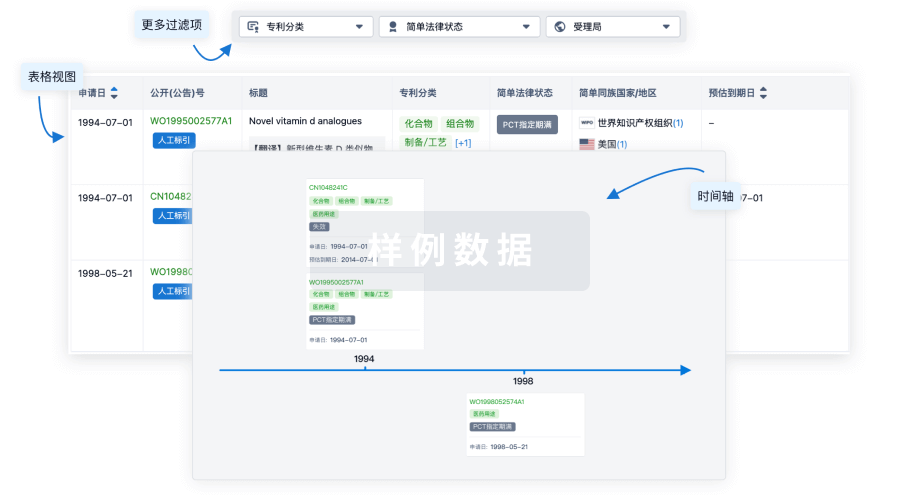
临床分析
紧跟全球注册中心的最新临床试验。
登录
或
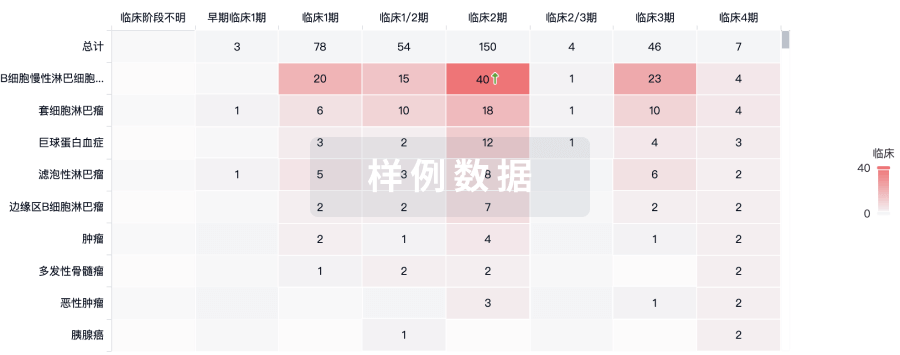
批准
利用最新的监管批准信息加速您的研究。
登录
或
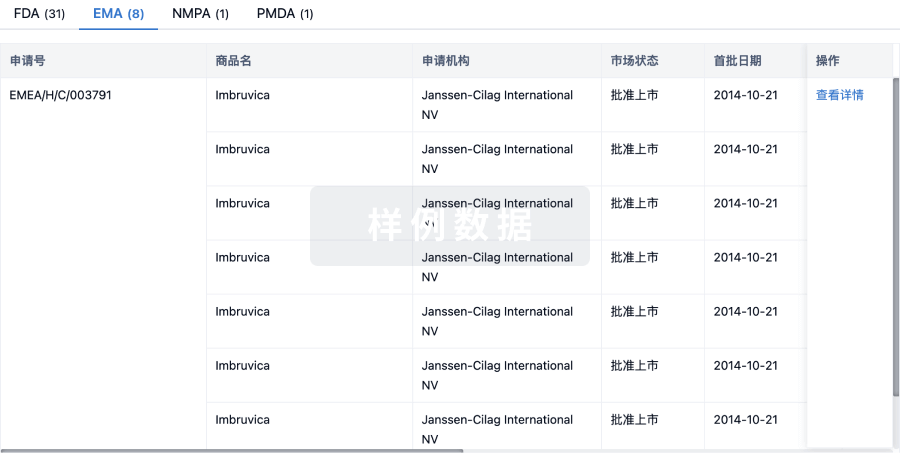
生物类似药
生物类似药在不同国家/地区的竞争态势。请注意临床1/2期并入临床2期,临床2/3期并入临床3期
登录
或
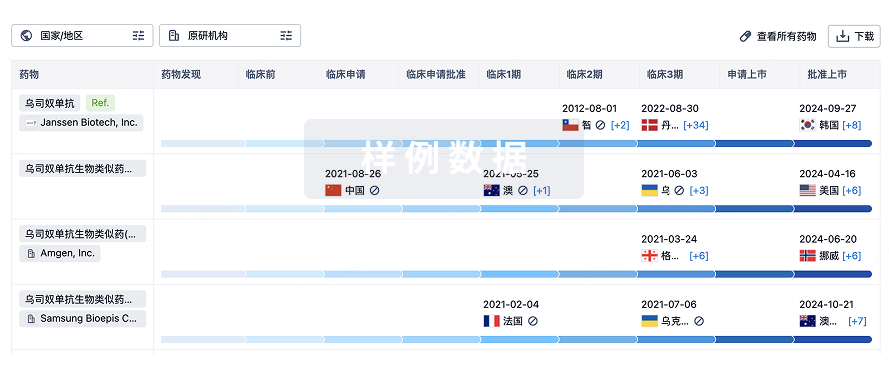
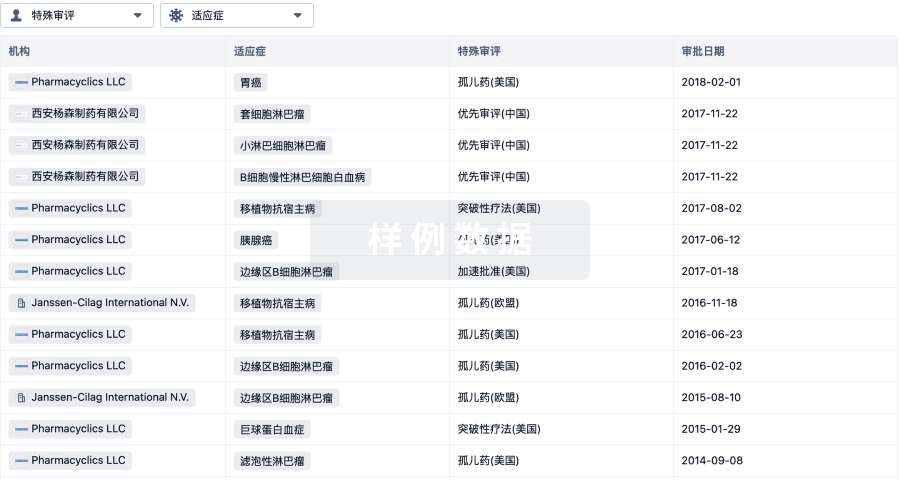
特殊审评
只需点击几下即可了解关键药物信息。
登录
或
生物医药百科问答
全新生物医药AI Agent 覆盖科研全链路,让突破性发现快人一步
立即开始免费试用!
智慧芽新药情报库是智慧芽专为生命科学人士构建的基于AI的创新药情报平台,助您全方位提升您的研发与决策效率。
立即开始数据试用!
智慧芽新药库数据也通过智慧芽数据服务平台,以API或者数据包形式对外开放,助您更加充分利用智慧芽新药情报信息。
生物序列数据库
生物药研发创新
免费使用
化学结构数据库
小分子化药研发创新
免费使用