预约演示
更新于:2026-08-22
PD-(L)-1(ILAb)
更新于:2026-08-22
概要
基本信息
在研机构- |
权益机构- |
最高研发阶段无进展临床前 |
首次获批日期- |
最高研发阶段(中国)- |
特殊审评- |
关联
100 项与 PD-(L)-1(ILAb) 相关的临床结果
登录后查看更多信息
100 项与 PD-(L)-1(ILAb) 相关的转化医学
登录后查看更多信息
100 项与 PD-(L)-1(ILAb) 相关的专利(医药)
登录后查看更多信息
22
项与 PD-(L)-1(ILAb) 相关的文献(医药)2026-12-31·JOURNAL OF MEDICAL ECONOMICS
Health and productivity benefits of anti-PD-(L)1 agents for early-stage cancer treatment in Hungary
Article
作者: Patterson, Karl ; Aguiar-Ibáñez, Raquel ; Khurana, Vivek ; Balogh, Éva ; Ladino, Daniel ; Várnai, Máté
AIM:
Anti-PD-(L)1 agents, inhibitors of programmed cell death protein 1 (PD-1) or its ligand (PD-L1), are established therapies that improve cancer management as well as the disease and societal burden of specific metastatic and early-stage cancers. The aim of the study was to determine the impact of adopting anti-PD-(L)1 agents for the treatment of all eligible patients with early-stage cancers versus reserving anti-PD-(L)1 agents for patients with metastatic disease alone in Hungary.
METHODS:
This study evaluated two scenarios, one where anti-PD-(L)1 agents were used to treat all eligible early-stage disease cases (ESD scenario) of melanoma (stage IIB-C and III), renal cell carcinoma (RCC), and triple-negative breast cancer (TNBC) versus a reference scenario where anti-PD-(L)1 agents were only used to treat metastatic disease cases in Hungary (2024-2033). A Markov-modeling approach estimated the health outcomes and productivity losses from each scenario from a societal perspective. Outcomes included recurrence-/event-/disease-free life-years, total life-years, quality-adjusted life-years (QALYs), productive years (patients and caregivers), recurrences/events, active treatments for metastatic disease, and deaths. The cumulative health and productivity impact of ESD treatment with anti-PD-(L)1 agents in Hungary was the difference in health and productivity outcomes between the ESD and reference scenarios for the time horizon of the model.
RESULTS:
ESD treatment with anti-PD-(L)1 agents was estimated to increase recurrence-/event-/disease-free life-years (+13.8%), total life-years (+3.7%), and QALYs (+4.7%), as well as productive work years for patients (+39.6%) and caregivers (+27.6%). Concurrently, there would be fewer recurrences/events (-31.0%), active treatments for metastatic disease (-34.0%), post-recurrence deaths (-30.3%), and total deaths (-23.1%).
CONCLUSION:
Investing in anti-PD-(L)1 agents for early-stage disease may not only increase the life expectancy and QALYs for patients in Hungary but also increase productive work years for both patients and caregivers in Hungary. In addition, it may also help to reduce metastatic disease treatments and cancer-related deaths.
2026-08-01·Clinical Drug Investigation
Assessing the Impact on Health and Productivity Outcomes of Anti-PD-(L)1 Agents to Treat Early-Stage Cancers in Italy
Article
作者: Cortellini, Alessio ; Thornton, Isobel ; Calandriello, Mario ; Franceschini, Matilde ; Neves, Catarina ; Marcellusi, Andrea ; Tan, Yan Zhi ; Lai, Yizhen ; Aguiar-Ibáñez, Raquel ; Di Giacomo, Anna Maria ; Puglisi, Fabio ; Calabrò, Fabio ; Ascone, Fabrizio ; Catanzaro, Alessandro
BACKGROUND:
Anti-programmed cell death-(ligand) 1 (anti-PD-[L]1) agents are approved for advanced and early-stage cancers. While they may offer clinical and economic benefits in the neoadjuvant and/or adjuvant setting, their population-level impact in Italy has not been thoroughly evaluated.
OBJECTIVE:
This study aims to estimate health and productivity outcomes of introducing anti‑PD‑(L)1 agents for neoadjuvant and/or adjuvant therapy in early‑stage cancers in Italy (melanoma Stage IIB/C, melanoma Stage III, renal cell carcinoma, triple‑negative breast cancer and resectable non‑small‑cell lung cancer) over a 10-year horizon.
METHODS:
We developed a model synthesising outputs from five indication-specific Markov models comparing two worlds: one without anti-PD-(L)1 agents use in the neoadjuvant and/or adjuvant settings versus one with their use. Italian-specific population and incidence inputs were used, with clinical and quality-of-life data from individual trials, from a societal perspective with 3% annual discount. Outcomes included total life years (LYs), recurrence- free (RF)/event-free (EF)/disease-free (DF) LYs, quality-adjusted LYs (QALYs), number of recurrences/events, metastatic treatments, total deaths and deaths after first event/recurrence. Productivity gains were estimated using a human capital approach.
RESULTS:
Between 2025 and 2034, 118,329 patients with early-stage cancer were estimated to be eligible for anti-PD-(L)1 agents in Italy. Compared with no early-stage use, neoadjuvant/adjuvant use was associated with increased total LYs (+ 20,458, + 5%), RF/EF/DF LYs (+ 60,631, + 19%), QALYs (+ 21,093, + 6%) and fewer recurrences/events (- 20,209, - 33%), metastatic treatments (- 25,220, - 38%), total deaths (- 7137, - 24%) and deaths after first event/recurrence (- 8021, - 32%). Productive years gained were 35,897 (+ 30%).
CONCLUSIONS:
Our study suggests that the use of anti-PD-(L)1 agents in early-stage cancers is associated with substantial health and societal gains in Italy. Expanding their use across approved indications translates trial benefits into fewer recurrences, deaths and productivity losses, informing national planning and access decision.
2026-03-16·Expert Review of Pharmacoeconomics & Outcomes Research
Impact of early-stage immunotherapy on health and work productivity in the Czech Republic, 2024–2033
Article
作者: Patterson, Karl ; Alahakoon, Jana ; Khurana, Vivek ; Aguiar-Ibáñez, Raquel ; Blezer, Gittan ; MIčoch, Tomáš ; Lai, Yizhen
BACKGROUND:
This study evaluated the health and productivity impact of expanding the use of inhibitors of programmed cell death protein 1 (PD-1) or its ligand (PD-L1), referred to as anti-PD-(L)1 agents, to early-stage cancer treatment in the Czech Republic.
RESEARCH DESIGN AND METHODS:
A four-state Markov-based model compared the use of anti-PD-(L)1 agents for early-stage disease (ESD) treatment of melanoma (stage IIB-C and III), renal cell carcinoma (RCC), and triple-negative breast cancer (TNBC) versus the established use of anti-PD-(L)1 agents only for metastatic disease in the Czech Republic from 2024-2033. Outcomes included recurrence-/event-/disease-free life-years (LYs), total LYs, quality-adjusted LYs (QALYs), productive work years, events/recurrences, metastatic disease treatments, and deaths.
RESULTS:
Of 16,410 eligible patients, 13,745 initiated ESD treatment with anti-PD-(L)1 agents. ESD treatment was estimated to increase recurrence-/event-/disease-free LYs (+10.6%), QALYs (+4.1%), and productive years for both patients (+22.1%) and caregivers (+21.0%), while decreasing events/recurrences (-22.2%), metastatic treatments (-17.6%), and total deaths (-23.2%).
CONCLUSIONS:
Expanding the use of anti-PD-(L)1 agents for early-stage cancer treatment in the Czech Republic is expected to reduce events/recurrences and metastatic treatments while also extending survival, quality-of-life, and productive work years, supporting the clinical and societal value of earlier use of innovative immunotherapies.
114
项与 PD-(L)-1(ILAb) 相关的新闻(医药)2026-05-31
Facing increasingly high expectations as the front-runner in the PD-1/VEGF bispecific race, Summit Therapeutics and Akeso's ivonescimab looks to have risen to the occasion. The experimental treatment notched a key clinical win in a Phase III Chinese study that investors and physicians alike hope will bolster the chances of success for a separate late-stage global trial in patients with non–small-cell lung cancer (NSCLC).During Sunday's plenary session at the American Society of Clinical Oncology (ASCO) meeting, investigators on the HARMONi-6 study presented hotly anticipated overall survival (OS) results, which met statistical significance (see – Spotlight On: Lung cancer bispecifics poised to take centre stage at ASCO this year and Spotlight On: Five things to watch at ASCO).HARMONi-6 enrolled 532 patients with advanced squamous NSCLC to receive either ivonescimab or BeOne Medicines' PD-1 inhibitor Tevimbra (tislelizumab), both in combination with chemotherapy. At a media briefing ahead of the presentation, ASCO's lung cancer expert, David Spigel, called squamous NSCLC a disease with "largely unmet medical need," adding that "this group still often has a very poor prognosis, even with advanced therapies like chemotherapy and immunotherapy." Spigel is the chief scientific officer of the Sarah Cannon Research Institute in Tennessee.OS benefit of 4.2 monthsAs of the Feb. 27 data cut-off, patients taking ivonescimab achieved a median OS of 27.9 months versus 23.7 months for Tevimbra, translating to a 34% reduction in the risk of death (HR 0.66; p=0.0017) after a median follow-up of 21.4 months.Ahead of the ASCO readout, FirstWord spoke with Lyudmila Bazhenova, a medical oncologist and professor of medicine at University of California San Diego Moores Cancer Center, who said a six-month improvement in OS would be a "great" outcome for ivonescimab, though she added that she "would even be happy if we see an absolute benefit of four months" (see – KOL Views Q&A: Ivonescimab's HARMONi-3 update further tempers hopes for all-or-nothing prospects of PD-1/VEGF bispecifics).On the safety front, study investigators called ivonescimab's profile "comparable" to Tevimbra. About 69% of patients receiving the bispecific experienced a grade 3 or higher treatment-related adverse event (AE), with 5.3% discontinuing treatment, compared with rates of 58.9% and 4.5%, respectively, for the Tevimbra arm. The trial also looked at possibly VEGF-related any-grade AEs, which occurred more frequently in the experimental cohort than the comparator. Such AEs included proteinuria (42.5% vs 12.8%), haemorrhage (24.8% vs 12.1%), hypertension (14.7% vs 5.7%), arterial thromboembolism (1.5% vs 0%) and venous thromboembolism (0.8% vs 1.1%).Up next, a global stageThe findings provide important evidence that positive progression-free survival (PFS) data for PD-(L)1/VEGF inhibitors can translate to a meaningful OS benefit. At last year's European Society for Medical Oncology (ESMO) meeting, Summit and Akeso presented data showing that ivonescimab led to a median PFS of 11.1 months versus 6.9 months for Tevimbra — cutting the risk of disease progression or death by 40%.ASCO's positive OS readout could also be a much-needed confidence booster for Summit's global NSCLC study, HARMONi-3, after an update at the end of April seemed to shake investors. As part of its first-quarter earnings report, the drugmaker disclosed that a preplanned interim PFS analysis of the squamous cohort missed the bar for success, with a final PFS analysis to be conducted as planned in the second half of 2026.However, Spigel was cautious as to the applicability of the HARMONi-6 results — which he called "quite noteworthy" — to global patient populations. "It's hard to know how this [data] applies to a population of patients beyond [China]," he said. "Are there differences in ethnicity that affect how drugs like this work? We wait on other studies like the HARMONi-3 study, but these results are certainly very encouraging."While Summit — and physicians — wait for the HARMONi-3 data to inform a potential FDA approval for ivonescimab, competition within the PD-(L)1/VEGF class is heating up.BioNTech and Bristol Myers Squibb shared Phase II findings for their entrant, pumitamig, at ASCO, as did Pfizer for its own PD-1/VEGF bispecific, PF-08634404.In the ROSETTA Lung-02 trial, which enrolled both squamous and non-squamous NSCLC patients, pumitamig plus chemotherapy demonstrated a confirmed ORR of 52.5% in 40 evaluable patients. Pfizer's candidate, evaluated as a monotherapy in previously untreated patients with PD-L1–positive advanced NSCLC, showed a confirmed ORR of 67.6% in 34 evaluable patients (see – ASCO26: After ivonescimab stumble, rivals unveil their own bispecific data).And outside of the bispecific space, antibody-drug conjugates (ADC) are increasingly encroaching on their lung cancer territory. Merck & Co. and Kelun-Biotech posted Phase III data at ASCO for their ADC, sacituzumab tirumotecan (sac-TMT), which, given in combination with Keytruda (pembrolizumab), reduced the risk of disease progression or death by 65% versus the PD-1 inhibitor alone in patients with previously untreated PD-L1–positive metastatic NSCLC (see – Spotlight On: Merck & Co. and Kelun threaten to rain on ivonescimab's ASCO parade).
临床结果临床3期ASCO会议临床2期抗体药物偶联物
2026-05-27
SHANGHAI & SUZHOU, China--(BUSINESS WIRE)--Forlong Biotechnology, a clinical-stage biotech company focusing on developing transformative cytokine therapies for patients with severe unmet needs, today announced that Phase I clinical studies of FL115, an IL-15 superagonist, as monotherapy via intravenous infusion in patients with advanced solid tumors have been completed, with durable treatment effects observed in 2 patients with confirmed partial response (cPR) and 1 patient with stable disease (SD).
Phase I clinical studies of FL115 were conducted in US and China in parallel:
FL115-101 Study was conducted in US, with 11 patients treated. One patient with advanced cervical cancer and 4 prior therapies received the 1
st
dose in July 2024, and achieved SD. The patient was rolled off the study in Sept 2025, and continue to receive the FL115 treatment under a Single Patient IND Protocol/Treatment Plan. Data from this study will be presented at the upcoming 2026 American Society of Clinical Oncology (ASCO) Annual Meeting (Poster Board: 291; Session Type/Title: Developmental Therapeutics—Molecularly Targeted Agents and Tumor Biology; Date and Time: May 30, 2026, 1:30 PM-4:30 PM CDT)
FL115-102 Study was conducted in China, with 23 patients treated. One patient with highly invasive NUT-NSCLC and 3 lines of prior therapies received the 1
st
dose of FL115 in Apr 2025, and achieved cPR. Another patient with lymphoepithelial carcinoma (parotid gland) and 4 lines of prior therapies received the 1
st
dose of FL115 in Jun 2025, and achieved cPR. Both patients have been rolled off the study respectively in March and May 2026, and continue to receive the FL115 under a Compassionate Treatment program. Data from this study was presented as a Late-breaking Abstract at 40th SITC Annual Meeting.
FL115 (IV) is currently being investigated in combination with an anti-PD1 monoclonal antibody in a Phase 1b/2 clinical trial in patients with advanced solid tumors. Preclinical data regarding FL115 (Subcutaneous Injection) was presented at the 2026 AACR Annual Meeting, and a Phase 1 clinical study will be initiated in 2H 2026 to evaluate FL115 (Subcutaneous Injection) in patients with advanced solid tumors. In parallel, FL115 (Intravesicale Delivery) is currently being investigated in combination with Bacillus Calmette-Guérin (BCG) in a Phase 2 clinical trial in patients with nonmuscle invasive bladder cancer (NMIBC).
“We deeply appreciate the commitment and support from the patients and their families,” said Dong Wei, Ph.D., Chief Executive Officer of Forlong Biotechnology, “With favorable safety, preliminary efficacy and duration of response observed in Phase 1 clinical studies, FL115 continues to show its potential as Best-in-class IL-15 superagonist. We are advancing FL115 for multiple indications via different delivery routes, aiming to develop optimal treatment options for cancer patients in need.”
About FL-115
FL115 is an engineered IL-15/IL15Rα-Fbody fusion protein, aiming to enhance anti-tumor immunity via IL-15-mediated signaling on NK and CD8+ T cells while minimizing complexity from Fc. FL115 has demonstrated significant anti-tumor activities as a monotherapy or as part of combination therapy in vivo, and can be manufactured by a robust and efficient process with excellent product stability. Clinically, FL115 has demonstrated favorable safety pro preliminary clinical responses as a monotherapy, and has the best-in-class potential to synergize with current and emerging T cell-targeting immunotherapies through combination therapy to significantly improve the treatment outcome for patients. It is currently being investigated in combination with Bacillus Calmette-Guérin (BCG) in a Phase 2 clinical trial to evaluate safety and preliminary efficacy in patients with nonmuscle invasive bladder cancer (NMIBC) and in combination with an anti-PD1 monoclonal antibody in a Phase 1b/2 clinical trial to evaluate safety and preliminary efficacy in patients with advanced solid tumors.
About Forlong Biotechnology
Forlong Biotechnology is a clinical-stage biotech company focusing on developing transformative cytokine therapies for patients with severe unmet needs. It has established four proprietary synthetic immunology platforms: Fbody ® Long-acting Technology Platform, Fc engineering platform, Syntokine® Synthetic Cytokine Platform and AI-driven Intelligent Biomolecular Discovery Platform. Its lead candidate FL115 is interleukin-15 (IL-15) superagonist with best-in-class potential, currently being advanced to combo therapy with PD-(L)1 antibodies in Phase I for patients with solid tumors and combo therapy with Bacillus Calmette-Guérin (BCG) in Phase II for patients with nonmuscle invasive bladder cancer (NMIBC). Its second candidate FL116 is a PD-1 antibody fused with interleukin-15 (IL-18) mutein which is engineered to bind IL-18 receptor and not IL-18BP, and has demonstrated potent tumor-killing efficacy in multiple in vivo tumor models resistant to immune checkpoint inhibitors.
Contacts
Iris Li
Forlong Biotechnology
irisli@forlongbiotech.com
临床1期临床结果ASCO会议免疫疗法AACR会议
2026-05-09
肺癌是我国发病率和死亡率最高的恶性肿瘤,其中非小细胞肺癌(NSCLC) 占比超 85%。传统化疗、靶向治疗、免疫治疗虽已成为主流方案,但仍有不少患者面临耐药、无合适靶点、治疗后复发等难题。
随着精准肿瘤学的发展,ATR 激酶逐渐成为肺癌靶向治疗的全新热门靶点,ATR 激酶抑制剂也成为攻克非小细胞肺癌耐药、拓展治疗选择的新星。今天就带大家读懂:ATR 激酶是什么?它如何对抗非小细胞肺癌?这类新药能给患者带来哪些获益?
一、先搞懂:什么是 ATR 激酶?
人体细胞每天都会受到内外环境影响,出现DNA 损伤,而 DNA 的稳定修复是细胞正常生存、抑制癌变的关键。
ATR 激酶是人体内DNA 损伤修复通路的核心关键蛋白,相当于细胞 DNA 的 “维修总指挥”:
正常细胞:DNA 受损时,ATR 激酶快速激活,启动修复程序,阻止错误基因复制,避免细胞恶变;
肺癌肿瘤细胞:本身 DNA 存在大量不稳定损伤,高度依赖 ATR 激酶来修复 DNA、维持自身增殖、躲避凋亡,同时还会借助 ATR 通路产生化疗、放疗耐药性。
简单来说:非小细胞肺癌的肿瘤细胞,极其依赖 ATR 激酶存活和耐药,只要抑制住 ATR 激酶,就能掐断肿瘤细胞的 DNA 修复通路。
02
二、ATR 激酶抑制剂,如何击杀非小细胞肺癌?
ATR 激酶抑制剂,就是专门靶向阻断 ATR 激酶活性的新型抗肿瘤药物,作用机制精准且独特,主要通过三大途径对抗非小细胞肺癌:
阻断 DNA 修复,饿死肿瘤细胞用药后 ATR 激酶活性被抑制,肿瘤细胞的 DNA 损伤无法修复,损伤不断累积,最终导致肿瘤细胞分裂停滞、走向凋亡,从根源上抑制肿瘤生长、缩小病灶。
逆转放化疗耐药,提升传统治疗效果很多晚期非小细胞肺癌患者,长期使用化疗、放疗后会产生耐药,疗效大幅下降。ATR 抑制剂可破坏肿瘤细胞的损伤修复能力,让耐药癌细胞重新对放化疗敏感,起到协同增效的作用。
靶向特定基因突变,精准适配人群临床研究发现,存在ATM 缺失、p53 突变、BRCA 通路异常等基因特征的非小细胞肺癌患者,对 ATR 激酶抑制剂格外敏感,这类患者可实现精准个体化治疗。
03
三、ATR 激酶抑制剂,适合哪类非小细胞肺癌患者?
晚期转移性非小细胞肺癌,一线靶向、免疫治疗失败后耐药的患者;
存在 DNA 损伤修复通路基因突变(ATM、BRCA、p53 等)的 NSCLC 患者;
放疗、化疗后复发,无标准治疗方案的晚期患者;
可与化疗、免疫治疗联合使用,用于晚期患者一线联合治疗。
和传统化疗相比,ATR 激酶抑制剂靶向性更强、副作用更温和,不像化疗会无差别杀伤正常细胞,耐受性更适合体质偏弱的晚期肺癌患者。
04
四、临床现状:新药研发提速,未来可期
近年来,国内外药企加速布局 ATR 激酶抑制剂研发,多款候选药物在非小细胞肺癌临床试验中展现出亮眼疗效:单药治疗可有效控制晚期耐药 NSCLC 患者的肿瘤进展;与 PD-1/PD-L1 免疫抑制剂、化疗药物联用,能显著提升客观缓解率,延长患者无进展生存期。
目前这类药物虽暂未全面普及上市,但已成为非小细胞肺癌后线治疗、耐药治疗的重要研发方向,为无药可用的晚期患者提供了全新治疗突破口。
从传统化疗到精准靶向、免疫治疗,再到如今ATR 激酶抑制剂的崛起,非小细胞肺癌的治疗早已进入精准个体化时代。
ATR 靶点的突破,不仅为耐药、复发的晚期非小细胞肺癌患者开辟了新出路,也填补了部分无明确靶点肺癌患者的治疗空白。相信随着临床研究的不断推进,这类新药会更快落地临床,给更多肺癌患者带来更长生存期、更高生活质量的希望。
项目介绍:
一项评价ATR激酶抑制剂联合贝莫苏拜单抗/奥拉帕利/托泊替康治疗晚期实体瘤的开放性、多中心Ⅰb/II期临床试验。
该药是一种选择性ATR激酶抑制剂,属于抗肿瘤药物,通过抑制ATR激酶活性,干扰肿瘤细胞的DNA损伤修复通路。在ATM基因突变或DNA损伤修复缺陷的肿瘤细胞中,阻断ATR通路可导致DNA损伤无法修复,从而诱导癌细胞凋亡,实现“合成致死”效应。
适应症:
晚期实体瘤
01
主要入选标准:
1.自愿加入本研究,签署知情同意书。
2.签署知情同意书时,受试者年龄必须≥18 岁(包括 18 岁)。
3.入组的受试者需患有经组织学或细胞学确认的晚期或转移性实体瘤,且 自上次抗肿瘤标准治疗以来出现疾病进展; 或受试者无可用的标准治 疗、不耐受或拒绝标准治疗,或符合以下相应阶段各组具体要求:
Ib 期:患有晚期,复发或难治性实体瘤的受试者,可参考(但不限于)II 期 特定类型的肿瘤。
II 期研究:基于不同联合治疗组,患有下列特定类型肿瘤(不同人群队列) 的受试者TCC1727 联合贝莫苏拜单抗组:
研究分别入组缺乏标准疗法的非小细胞肺癌、子宫内膜癌和其他晚期实 体瘤(包括但不限于结直肠癌,尿道上皮癌及胃癌和胃食管交界处癌 等):队列 1 非小细胞肺癌:组织学或细胞学证实的局部晚期或转移性NSCLC的患者。患者符合接受二线或三线治疗的资格,其必须以单药治疗或联合用药的形式使用一种包含抗PD-(L)1的疗法和一种含铂双药方案治疗过局部晚期或转移性NSCLC。亚组1:ATM突变;亚组2:ATM野生,伴或不伴有其他DDR功能缺陷。队列 2 子宫内膜癌:经组织病理学证实的复发性或转移性晚期子宫内膜癌;既往至少接受过含铂化疗和免疫检查点抑制剂(PD-1 或PD-L1)治疗进展(允许联合或序贯,序贯指:先接受含铂化疗后进行免疫检查点抑制剂治疗维持)。亚组1:DDR功能缺陷,ATM野生或突变;亚组2:DDR功能正常。队列 3 其他晚期实体瘤(包括但不限于结直肠癌、尿路上皮癌、胃癌和胃食管交界处癌等):经组织学或细胞学确诊的经标准治疗失败或不能耐受,或无标准治疗方案,或现阶段不适用标准治疗方案的晚期恶性实体瘤患者。亚组1:DDR功能缺陷,ATM野生或突变;亚组2:DDR功能正常。
TCC1727 联合奥拉帕利组:
研究入组经组织病理学确诊的复发性卵巢癌:队列4卵巢癌:经组织病理学确诊的复发性上皮性卵巢癌,原发性腹膜癌及输卵管癌:亚组1:既往接受奥拉帕利治疗后发生疾病进展的受试者,接受维持治疗和后线治疗;受试者在奥拉帕利治疗期间疾病进展后不得接受进一步治疗。亚组2:未经奥拉帕利治疗且患有原发性铂类药物耐药/难治性疾病(末次铂类药物治疗后PFI <6 个月复发)的受试者;自发生铂类药物耐药以来,受试者既往接受的治疗不得超过3 种。TCC1727 联合托泊替康组:
研究入组经组织病理学或细胞学检查确诊的小细胞肺癌:队列 5 :小细胞肺癌: 既往接受含铂化疗联合 PD(L)-1 治疗进展 的受试者;距离一线治疗结束≤6 个月内复发或进展的广泛期小细胞 肺癌受试者。
4.至少有一个可测量病灶(根据 RECIST v1. 1 要求; 既往接受过局部治疗 的病灶,根据 RECIST v1. 1 标准明确进展后可作为靶病灶)。
5.受试者应提供足够的肿瘤组织样本,包括但不限于新鲜标本(优选)或 随机前大约 24 个月内获得 的福尔马林固定 、 石蜡包埋 的肿瘤组织 (FFPE) 、未染色的 FFPE 玻片或微针穿刺组织,进行生物标志物检 测。6. 在研究药物首次给药前 7 天内ECOG 体能状态评分:0~1。
7.预期生存期≥12 周。
8.能够完整吞服药物并保持该方法服药。
9.研究药物首次给药前 7 天内重要器官的功能符合下列要求(首次用药前
14 天内未使用任何血液成分、细胞生长因子纠正治疗):
a)中性粒细胞计数绝对值(ANC)≥1.5×10⁹/L;
b)白细胞计数(WBC)≥3.0×10⁹/L;
c)血小板计数(PLT)≥100×109/L;
d)血红蛋白(HB)≥90 g/L;
e)血清白蛋白≥ 30g/L;
f)总胆红素≤ 1.5×ULN ,或≤ 2.0×ULN(肝细胞癌或有肝转移的受试者);
g)ALT 和 AST ≤3×ULN ,或≤ 5.0×ULN(肝细胞癌或有肝转移的受试者);
h)ALP≤ 2.5×ULN ,如伴有骨转移则≤5×ULN;
i)Cr≤1.5×ULN ,或肌酐清除率(CrCL) ≥60mL/min(Cockcroft-Gault 公式);
j)APTT≤1.5×ULN ,同时 INR 或 PT≤1.5×ULN(未接受抗凝治疗);
k)男性 QTc<450 ms ,女性 QTc<470 ms ,LVEF≥50%。10.非手术绝育或育龄期女性患者,需要在研究治疗期间和研究治疗期结束后6 个月内采用一种经医学认可的避孕措施(如宫内节育器,避孕药或避孕套);非手术绝育的育龄期女性患者在首次用药前72h内血清HCG 检查必须为阴性,而且必须为非哺乳期;对于伴侣为育龄期妇女的男性患者,应在研究治疗期间和研究治疗期结束后3个月内采用有效方法避孕。
02
主要排除标准:
1. 已知的患有原发性中枢性神经肿瘤(包括脑膜肿瘤) ;有临床症状的脑 转移(包括脑膜转移) 、脊髓压迫、癌性脑膜炎、或有其他证据表明患 者脑、脊髓转移灶尚未控制的受试者。 以下情况除外:对于已经完全切 除的和(或)放疗后保持稳定或出现改善的 CNS 转移,如在筛选前至少4 周内的影像学检查显示疾病稳定、无脑水肿表现,且无需使用糖皮质 激素和抗惊厥药物,则不在排除标准之列。另外无症状脑转移,脑转移 灶直径小于 1cm 周围不伴有水肿带受试者不在排除标准之列。
2. 先前接受的大手术、放疗、化疗、其他临床试验药物等抗肿瘤治疗,在 治疗完成后(或末次用药),距离首次研究用药日期不足4周者(以下情 况可考虑入组:先前接受的小分子抗肿瘤药物治疗,距首次用药>5个半 衰期或>10天(以时间长者为准);或姑息性放疗距首次用药>2周);
3. 首次给药前14天内接受过CYP3A4强抑制剂治疗或CYP3A4强诱导剂治 疗,此类药物包括但不限于利福平、利福喷丁、圣约翰草、卡马西平、 苯妥英钠、 巴比妥类、酮康唑、伊曲康唑、克拉霉素、伏立康唑、阿扎 那韦、利托那韦、沙奎那韦、葡萄柚汁;
4. 任何未消退的、既往抗肿瘤治疗导致的CTCAE v5.0分级≥2级的毒性(脱 发、色素沉着、入组要求中规定的实验室值异常除外);
5. 无法正常吞咽药片,或存在胃肠功能异常,或经研究者判断可能影响药 物吸收者;
6. 存在任何重度和/或未能控制的疾病的受试者,包括:
a. 血压控制不理想(收缩压≥150mmHg或舒张压≥100 mmHg);
b .首次服用试验药物前6个月内患有任何有临床意义的心脑血管疾病, 包括但不限于:心肌梗死、重度/不稳定型心绞痛、脑血管意外、≥2级 充血性心功能衰竭(纽约心脏病协会(NYHA)分级)。
c . 心律 失 常( CTCAE v5.0 分 级2 级及 以上 , 另包括QTcF ≥450ms (男),QTcF ≥ 470ms(女) );
d .首次服用药物前14天内有不明原因发热≥38.5℃或在研究药物首次给 药前14天内患有需要系统性治疗的活动性感染;
e .活动性病毒性肝炎; 乙肝表面抗原和/或乙肝核心抗体阳性且HBV DNA检测值≥500IU/ml;HCV抗体阳性且HCV-RNA阳性(注: 符合入 组条件的,乙肝表面抗原阳性和/或HBV DNA阳性的受试者、丙型肝炎 患者,需持续抗病毒治疗, 以防止病毒激活);
f. 活动性梅毒;g .活动性肺结核;
h .有免疫缺陷病史,包括HIV阳性或患有其它获得性、先天性免疫缺 陷疾病,或有器官移植史者;i .糖尿病控制不佳(空腹血糖(FBG)>10mmol/L)。
7. 研究药物首次给药前28天内存在不能控制的胸腔积液、心包积液、腹腔 积液或需要反复引流的腹水;
8. 研究药物首次给药前3个月内出现过具有显著临床意义的出血症状或出血 倾向者;
9. 在研究药物首次给药前14 天内正在接受长期全身类固醇治疗 (每日剂 量超过 10 mg 泼尼松等效物)或任何形式的免疫抑制治疗;
10. 在过去 2 年内患有需要全身性治疗的活动性自身免疫疾病(即,免疫调 节药物、 皮质激素类药物或免疫抑制性药物) 。替代治疗(例如, 甲状 腺素、胰岛素或因 肾上腺或垂体功能不全而接受的生理性皮质类固醇替 代治疗) 不被视作全身治疗 ,允许使用 。 (本条仅适用于Ib期及II期 TCC1727联合贝莫苏拜单抗组合)。
11. 已知对试验药物及其主要制剂成分有严重过敏反应病史;
12. 筛选前3年内患有其他恶性肿瘤史的受试者(治愈的基底细胞皮肤癌、宫 颈原位癌、 甲状腺乳头状癌除外);
13. 既往接受抗PD(L)1治疗期间, 曾发生CTCAEv5.0分级≥3级免疫介导的 不良事件(imAE)的受试者或者免疫介导的永久停药;
14. 既往接受过TCC1727及其他ATR抑制剂,其他细胞周期检查点抑制剂如 ATM抑制剂,WEE-1抑制剂,CHK1或CHK1/2抑制剂;
15. 存在其他严重的身体或精神疾病及其他可能增加参与研究的风险,或干 扰研究结果的因素; 以及研究者认为不适合参加本研究的其他任何情 况。
16. 其他还需要排除的如下:
II 期研究阶段列队1 非小细胞肺癌适应症要排除已知有EGFR、ALK、ROS1、BRAF、MET、RET或RAS任意一种基因突变的受试者;排除NSCLC和SCLC混合型受试者。
II 期研究阶段列队 2 子宫内膜癌适应症要排除组织学类型为子宫癌肉 瘤,子宫内膜平滑肌肉瘤,子宫内膜间质肉瘤的受试者。
II 期研究阶段列队 3 其他实体瘤适应症要排除已知有 KRAS 、NRAS、 BRAF 任意一种基因突变的受试者,排除已知 MSI-H 的受试者。II期研究阶段列队4 复发性卵巢癌受试者及Ib期TCC1727 联合奥拉帕利剂量爬坡阶段晚期实体瘤受试者要排除既往已知骨髓增生异常综合征及 急性髓性白血病病史的受试者。
---------------------------------
---------------------------------
END
全国多中心
绿色通道不排队
“临床过程中相关检查和药物全部免费,
并提供部分营养和路费补助”
朱老师 13170157758(药企合作)
100 项与 PD-(L)-1(ILAb) 相关的药物交易
登录后查看更多信息
研发状态
10 条进展最快的记录, 后查看更多信息
登录
| 适应症 | 最高研发状态 | 国家/地区 | 公司 | 日期 |
|---|---|---|---|---|
| 肿瘤 | 临床前 | 美国 | 2019-06-21 |
登录后查看更多信息
临床结果
临床结果
适应症
分期
评价
查看全部结果
| 研究 | 分期 | 人群特征 | 评价人数 | 分组 | 结果 | 评价 | 发布日期 |
|---|
No Data | |||||||
登录后查看更多信息
转化医学
使用我们的转化医学数据加速您的研究。
登录
或
药物交易
使用我们的药物交易数据加速您的研究。
登录
或
核心专利
使用我们的核心专利数据促进您的研究。
登录
或
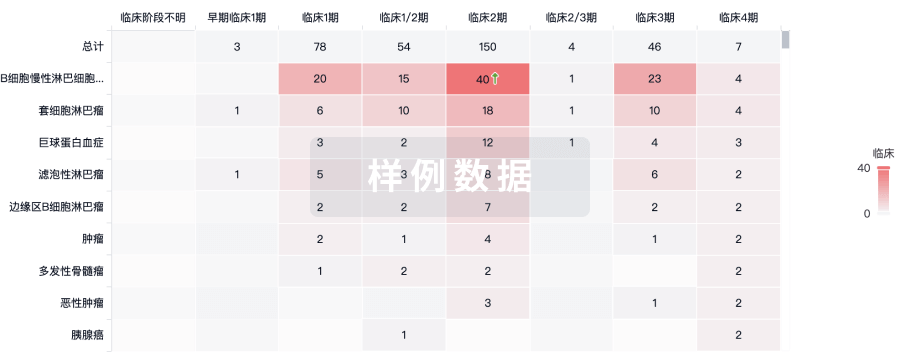
临床分析
紧跟全球注册中心的最新临床试验。
登录
或
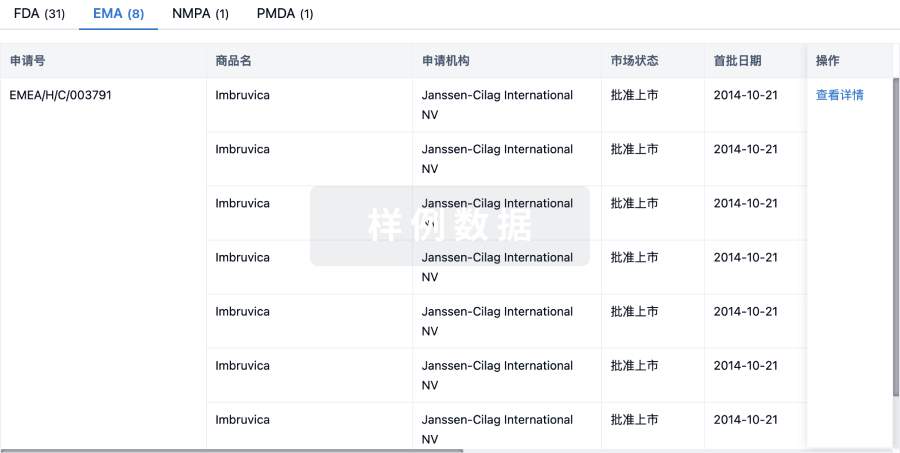
批准
利用最新的监管批准信息加速您的研究。
登录
或
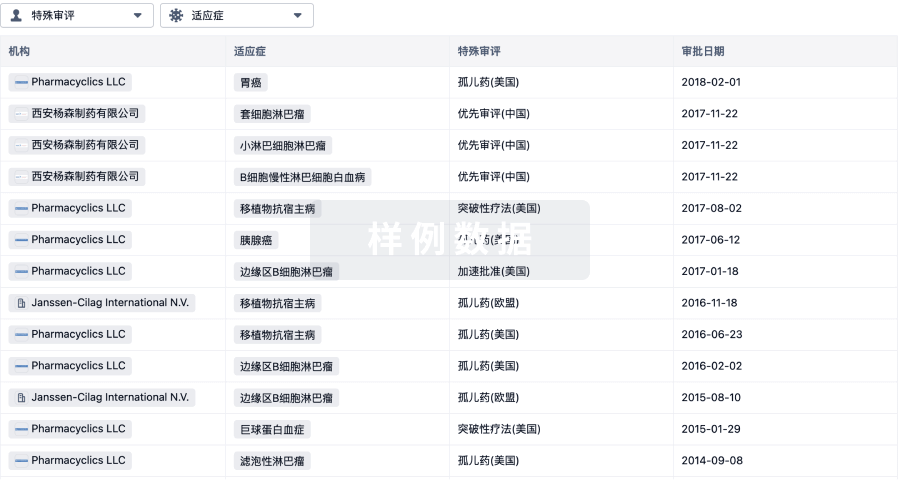
特殊审评
只需点击几下即可了解关键药物信息。
登录
或
提出任何生物医药研究问题
让每一步生物医药决策都精准制胜
基于十亿级生物数据与全球情报的精准 AI,赋能早期药物发现
立即开始免费试用!
智慧芽新药情报库是智慧芽专为生命科学人士构建的基于AI的创新药情报平台,助您全方位提升您的研发与决策效率。
立即接入生物医药数据包
智慧芽新药库数据也通过智慧芽开放平台,以MCP或API服务形式对外开放。立即使用我们的MCP服务定制您的LLM智能体。
生物序列数据库
生物药研发创新
免费使用
化学结构数据库
小分子化药研发创新
免费使用