预约演示
更新于:2026-01-24
Cocaine and amphetamine-regulated transcript(Nankai University)
更新于:2026-01-24
概要
基本信息


关联
100 项与 Cocaine and amphetamine-regulated transcript(Nankai University) 相关的临床结果
登录后查看更多信息
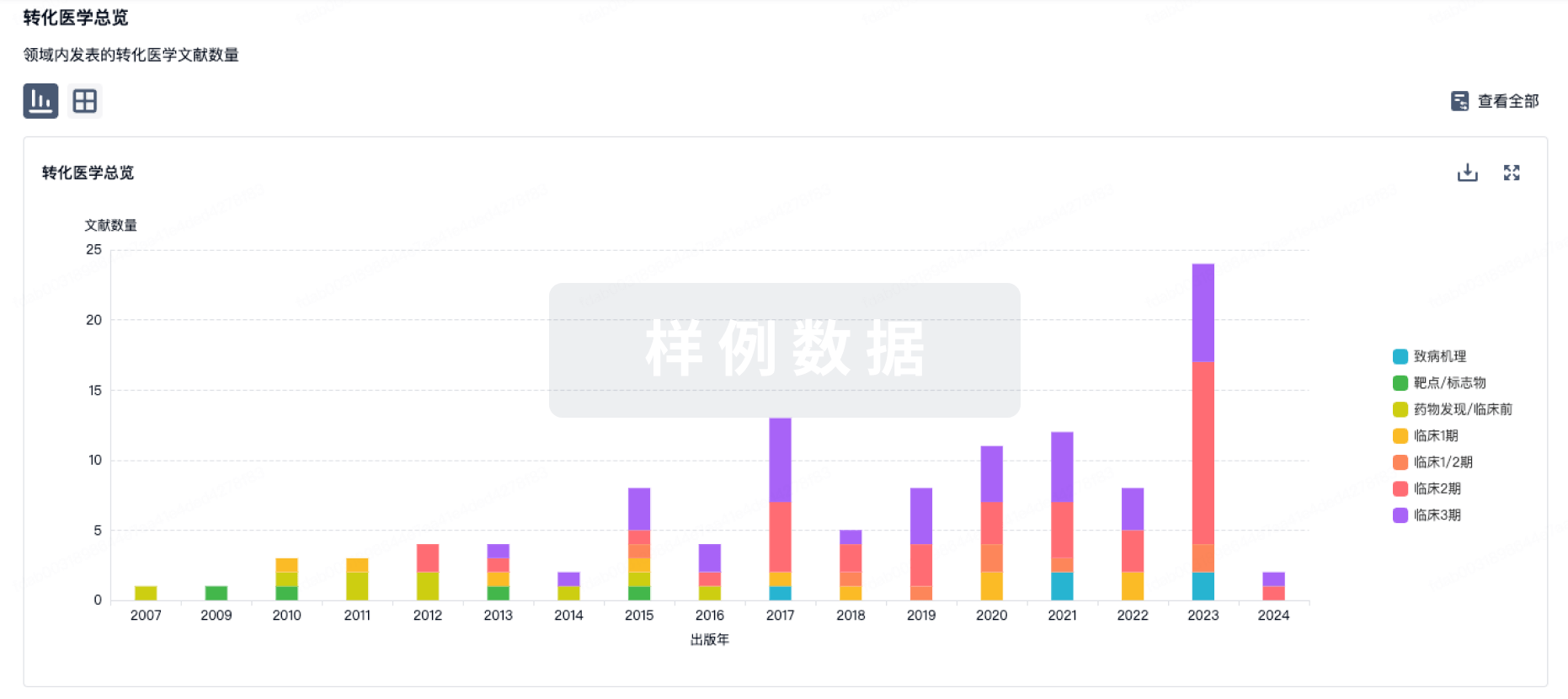
100 项与 Cocaine and amphetamine-regulated transcript(Nankai University) 相关的转化医学
登录后查看更多信息
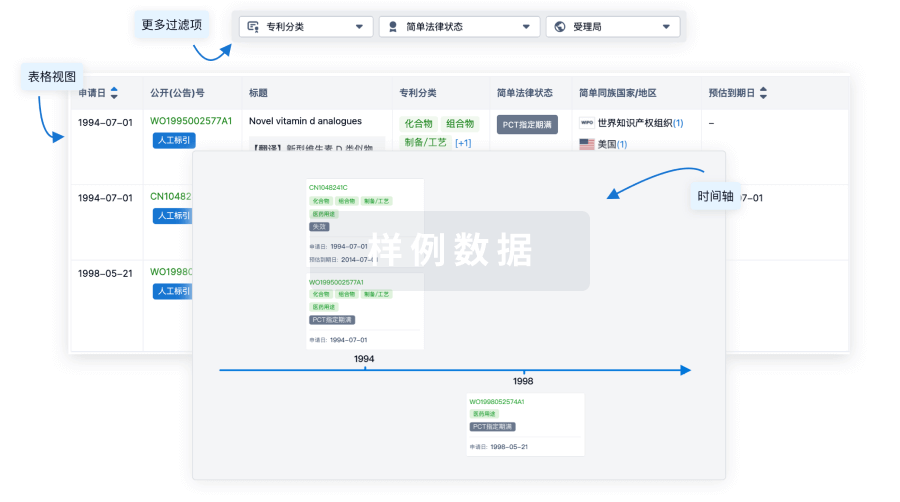
100 项与 Cocaine and amphetamine-regulated transcript(Nankai University) 相关的专利(医药)
登录后查看更多信息
3,915
项与 Cocaine and amphetamine-regulated transcript(Nankai University) 相关的文献(医药)2026-12-31·ANNALS OF MEDICINE
Immunotherapy for virus-related hepatocellular carcinoma: recent progress and future directions
Review
作者: Li, Mingyuan ; Tang, Shengqiang ; Zhang, Guoliang ; Song, Ruijuan
BACKGROUND:
Hepatocellular carcinoma (HCC) is a leading cause of cancer-related mortality worldwide, with hepatitis B virus (HBV) and hepatitis C virus (HCV) infections remaining the predominant etiological factors. Chronic viral infection not only drives carcinogenesis but also reshapes the hepatic immune microenvironment, profoundly influencing the efficacy and safety of immunotherapy.
RECENT ADVANCES:
Immune checkpoint inhibitors (ICIs) have revolutionized systemic therapy for advanced HCC, with agents targeting PD-1/PD-L1 demonstrating clinical benefit. Combination strategies - such as ICIs with anti-angiogenic therapies, multikinase inhibitors, or locoregional treatments - have shown synergistic efficacy and are now standard of care in certain settings. For virus-related HCC, antiviral therapy improves immune responsiveness and reduces risks such as HBV reactivation, underscoring the need for integrated management.
FUTURE PERSPECTIVES:
Emerging therapeutic approaches include next-generation immune checkpoints (e.g. TIM-3, LAG-3, TIGIT), bispecific antibodies, cellular therapies (CAR-T, TCR-T, TILs), and tumor vaccines targeting viral or tumor-associated antigens. Advances in biomarker discovery, including circulating tumor DNA, immune signatures, and microbiome modulation, are expected to guide personalized treatment. Integration of multi-omics and clinical data will further refine patient selection and optimize treatment sequencing.
CONCLUSION:
Immunotherapy offers new hope for patients with virus-related HCC, but challenges remain in response heterogeneity, resistance, and toxicity. Individualized strategies that combine immunotherapy with effective antiviral management and biomarker-|guided patient selection are essential. Continued translational and clinical research into virus-immune-tumor interactions will enable safer, more effective, and more durable treatment outcomes, ultimately transforming HCC into a more manageable disease.
2026-12-31·Hematology
The efficacy and safety of CAR-T therapy in relapsed or refractory multiple myeloma patients: a systematic review and meta-analysis
Review
作者: Cao, Weijie ; Xie, Xueqi ; Zhang, Danfeng ; Zhou, Yiwei ; Feng, Kai
Objectives: The introduction of novel therapies has markedly improved the prognosis of multiple myeloma (MM), yet relapse remains common. For patients with relapsed or refractory multiple myeloma (RRMM), immunotherapy - particularly chimeric antigen receptor T-cell (CAR-T) therapy - shows significant promise. This review summarizes current evidence on CAR-T efficacy and safety.Methods: We performed a systematic review of studies published between 1 January 2021 and 1 August 2024 in PubMed, Web of Science, and Embase. Of 4,301 articles identified, 29 met inclusion criteria.Results: Our findings demonstrate that CAR-T therapy is highly effective in the treatment of RRMM, with an overall response rate (ORR) of 86%. Among responders, the minimal residual disease (MRD) negativity rate was 78%. The median progression-free survival (mPFS) was 9.88 months, and the median duration of response (mDOR) was 12.17 months. In terms of safety, cytokine release syndrome (CRS) occurred in 83% of patients (any grade), with 5% experiencing grade ≥3 CRS. The incidence of grade ≥3 neurotoxicity (NT) was 2%. Infections were reported in 50% of patients (any grade), with 21% experiencing grade ≥3 infections.Conclusion: This meta-analysis provides robust evidence supporting the clinical application of CAR-T therapy in the management of relapsed or refractory multiple myeloma.
2026-06-01·BIOMATERIALS
Self-assembled microparticle hydrogel scaffolds to construct artificial tertiary lymphoids for enhanced CAR-T cell therapy against solid tumors
Article
作者: Liu, Bo ; Li, Mingkang ; Yin, Chenxi ; Xu, Yuchun ; Liu, Zhuang ; Li, Qiaofeng ; Xiao, Zhisheng ; Wang, Chunjie ; Wu, Yuzhe ; Chao, Yu ; Yu, Wenzhuo
Chimeric antigen receptor (CAR)-T cell therapy while demonstrating remarkable efficacies in treating hematologic malignancies, has encountered challenges in solid tumor treatment, partly due to the limited intratumoral infiltration of effective immune cells and thus inefficient interactions between different immune cell types inside those tumors. Herein, we develop an injectable scaffold based on hydrogel microparticles (HMPs) with opposite charges to replicate tertiary lymphoid structures (TLSs) within the tumor microenvironment. With encapsulation of immune-stimulating cytokines inside HMPs and loading of both T cells and B cells between HMPs in the scaffold, the artificial TLSs after intratumoral injection could not only serve as a depot of immunostimulants, but also promote intercellular interactions between B and T lymphocytes to support continuous T cell expansion and activation. As demonstrated in several tumor models, our artificial TLSs loaded with both CAR-T cells and B cells after intratumoral injection could not only effectively suppress local tumors, but also present remarkable abscopal effects to inhibit distant tumors, presenting greatly enhanced therapeutic performance compared to conventional CAR-T therapy. Our work thus presents a novel strategy to improve the efficacy of T-cell-therapies against solid tumors based on immune-activating cell-loaded injectable hydrogel scaffold as artificial TLSs.
90
项与 Cocaine and amphetamine-regulated transcript(Nankai University) 相关的新闻(医药)2026-01-21
MENLO PARK, Calif.--(BUSINESS WIRE)--Orca Bio, a late-stage biotechnology company committed to transforming the lives of patients through high-precision cell therapy, today announced that new clinical data will be presented in two oral and seven poster sessions at the 2026 Tandem Meetings of ASTCT and CIBMTR from February 4-7 in Salt Lake City, UT.
"Our presentations at this year’s Tandem Meetings reflect the growing body of evidence supporting the use of Orca-T as a precision-engineered cellular immunotherapy administered through an allogeneic stem cell transplant."
The presentations will include data on the company's pipeline of investigational allogeneic T-cell immunotherapies for the treatment of multiple hematological malignancies, including Orca-T, Orca-Q and the Orca-T and allogeneic CAR-T combination therapy, OrCAR-T.
“Our presentations at this year’s Tandem Meetings reflect the growing body of evidence supporting the use of Orca-T as a precision-engineered cellular immunotherapy administered through an allogeneic stem cell transplant,” said Nate Fernhoff, Ph.D., co-founder and chief executive officer of Orca Bio. “From new data in myelodysplastic syndromes, to evaluations in reduced intensity conditioning, and a report on our ability to reliably distribute our products to patients nationwide, these findings represent our ongoing efforts to improve outcomes for the transplant community. We look forward to engaging with our peers and partners to discuss how these advancements can help redefine the treatment landscape for patients with blood cancer.”
The Tandem abstracts are now available at www.tandemmeetings.com. Details of the Orca Bio presentations follow:
Oral Session: Session A - Clinical Progress in GVHD Prevention, Risk Stratification, and Treatment
Title: Interim Clinical Outcomes in Orca-T with Reduced Intensity Conditioning: An Observational Comparison to Registry-Based Post-Transplant Cyclophosphamide Patients
Presentation ID: 7
Date and Time: Wednesday, February 4, 3:15 PM - 3:30 PM MST
Location: Ballroom AB
Oral Session: Session E - Acute Lymphoid Leukemias: Advances in CAR T and Transplant Approaches
Title: Mature Outcomes from the Phase I Trial of Orca-T and Allogeneic CD19/CD22 CAR-T cells for Adults with High-Risk B-ALL
Presentation ID: 31
Date and Time: Thursday, February 5, 3:15 PM - 3:30 PM MST
Location: Ballroom AB
Poster Session: Myeloid Neoplasms Including Relapse – Clinical
Title: Clinical Outcomes in Myelodysplastic Syndrome Patients Treated with Orca-T or Post-Transplant Cyclophosphamide Patients: A Registry-Based Comparison
Presentation ID: 534
Date and Time: Thursday, February 5, 6:30 PM - 8:00 PM MST
Location: Poster Hall AB
Poster Session: Cell and Gene Therapy – Clinical
Title: Scalable Manufacturing and Nationwide Distribution of Orca-T: A Precision-Engineered Allogeneic Immune Cell Therapy
Presentation ID: 161
Date and Time: Thursday, February 5, 6:30 PM - 8:00 PM MST
Location: Poster Hall AB
Poster Session: GVHD Clinical – Prevention and Treatment
Title: Clinical Outcomes in Orca-T and Registry-Based Post-Transplant Cyclophosphamide Patients: An Observational Comparison
Presentation ID: 366
Date and Time: Thursday, February 5, 6:30 PM - 8:00 PM MST
Location: Poster Hall AB
Poster Session: GVHD Clinical – Prevention and Treatment
Title: Preliminary Safety and Efficacy of Myeloablative Orca-Q in Patients with Haploidentical Donors
Presentation ID: 345
Date and Time: Thursday, February 5, 6:30 PM - 8:00 PM MST
Location: Poster Hall AB
Poster Session: Conditioning Regimens
Title: Single Center Phase 1b Study of Orca-T Following Escalated Doses of Total Marrow and Lymphoid Irradiation (TMLI) in Patients with Acute Leukemia or MDS
Presentation ID: 172
Date and Time: Thursday, February 5, 6:30 PM - 8:00 PM MST
Location: Poster Hall AB
Poster Session: Health Services and Barriers to Access
Title: Orca-T Demonstrates Favorable Quality of Life and Healthcare Resource Use Compared to Standard AlloHSCT Plus Tac/MTX for GVHD Prevention in a Randomized Phase 3 Clinical Trial (Precision-T)
Presentation ID: 402
Date and Time: Thursday, February 5, 6:30 PM - 8:00 PM MST
Location: Poster Hall AB
Poster Session: Health Services and Barriers to Access
Title: Cost-Effectiveness of Orca-T Vs Allo-HCT with Conventional GVHD Prophylaxis for the Treatment of Advanced Hematologic Malignancies in the United States
Presentation ID: 401
Date and Time: Thursday, February 5, 6:30 PM - 8:00 PM MST
Location: Poster Hall AB
About Orca-T
Orca-T is an investigational allogeneic T-cell immunotherapy being evaluated for the treatment of multiple hematologic malignancies including acute leukemias and myelodysplastic syndromes. Orca-T is composed of highly purified regulatory T-cells, hematopoietic stem cells and conventional T-cells derived from peripheral blood from either related or unrelated matched donors. Orca-T has received Regenerative Medicine Advanced Therapy (RMAT) and Orphan Drug Designation for the prevention of graft versus host disease or death in patients eligible for hematopoietic stem cell transplant from the U.S. Food and Drug Administration (FDA). The Biologics License Application (BLA) for Orca-T is currently under Priority Review with the FDA with a PDUFA target action date of April 6, 2026.
About Orca-Q
Orca-Q is Orca Bio’s second-generation investigational allogeneic T-cell immunotherapy being evaluated in clinical trials for the treatment of multiple hematologic malignancies, including in patients with haploidentical and mismatched donors. Orca-Q is a proprietary composition of stem cells combined with specific T-cell subsets derived from healthy donors and engineered by Orca Bio’s high-precision platform.
About Orca Bio
Orca Bio is a late-stage biotechnology company developing high-precision cell therapies for the treatment of blood cancer and autoimmune diseases. The company’s manufacturing platform uses single-cell precision to create proprietary, uniquely-defined products designed to replace a patient’s diseased blood and immune system with a healthy one. At Orca Bio, we are on a mission to redefine what’s possible for patients by transforming the field of curative allogeneic cell therapy. For more information, visit www.orcabio.com.
Trademarks or registered trademarks used in this press release are the property of their respective owners.
细胞疗法免疫疗法临床3期临床1期孤儿药
2026-01-11
重症肌无力(MG)的治疗一直是一个充满挑战的领域。尽管近年来 FcRn 拮抗剂和补体抑制剂等生物制剂的涌现为难治性患者带来了新的曙光,但多数疗法仍需长期乃至终身维持给药,且常伴随广泛的免疫抑制风险。临床迫切需要一种能够通过短程治疗实现长期疾病缓解、且安全性可控的“疾病修饰”疗法。近期发表于《Nature Medicine》的一项关于 Descartes-08 的随机、双盲、安慰剂对照 Phase 2b 期临床试验,首次证实了这种自体 BCMA 靶向 mRNA嵌合抗原受体(CAR)T 细胞疗法在全身型重症肌无力患者中的疗效与安全性,为自身免疫性疾病的细胞治疗开启了新篇章。
本研究在设计上较为严谨,旨在克服传统 CAR-T 疗法在自身免疫病应用中的安全性壁垒。传统的 CAR-T 疗法通常使用病毒载体进行基因转导,虽然在血液肿瘤中疗效显著,但往往伴随着细胞因子释放综合征(CRS)和神经毒性等严重不良反应,且需要预先进行淋巴细胞清除化疗。相比之下,本研究采用的 Descartes-08 利用 mRNA 技术瞬时表达 CAR 蛋白,不涉及基因整合,理论上避免了细胞无限增殖带来的风险,且无需淋巴细胞清除预处理,可在门诊环境下完成给药。这项 Phase 2b 期试验共筛选了 50 名患者,最终 36 名符合条件的参与者被随机分配进入治疗组(n=20)和安慰剂组(n=16),构成了安全性分析集。为了确保疗效评估的准确性,研究团队将主要疗效分析集(mITT)限定为在学术医疗中心入组且至少有一次输注后随访数据的 26 名患者(治疗组 15 人,安慰剂组 11 人)。患者按照 1:1 的比例随机接受每周一次、共计六次的静脉输注治疗,并在之后的 12 个月内接受持续随访。
在主要终点的设定上,根据美国重症肌无力基金会(MGFA)的建议,研究在盲态下将主要终点定为第 3 个月时重症肌无力综合评分(MGC)改善 ≥≥ 5 分的患者比例。这一阈值远高于通常认为具有临床意义的 3 分改善,旨在捕捉更为显著的疗效信号。结果显示,Descartes-08 治疗组在第 3 个月时展现出了显著的优越性:66.7%(10/15)的患者达到了 MGC 评分改善 ≥≥ 5 分的主要终点,而安慰剂组这一比例仅为 27.3%(P=0.0472)。这一优势在抗乙酰胆碱受体(AChR)抗体阳性的亚组中更为明显,治疗组应答率高达 63.6%,而安慰剂组仅为 12.5%(P=0.0258),统计学差异显著。这表明,靶向 BCMA 的策略能够精准打击分泌致病抗体的浆细胞,从而在核心病理环节上对疾病进行干预。
不仅在主要终点上表现优异,该研究在次要终点和长期随访数据上同样令人振奋。随着随访时间的延长,Descartes-08 的疗效呈现出持续加深的趋势。在第 4 个月时,治疗组患者的 MGC、MG-ADL(日常生活活动评分)和 QMG(定量重症肌无力评分)较基线的平均降幅分别达到了 -7.1、-5.5 和 -4.8 分。更为重要的是,这种短程治疗带来的获益具有极佳的持久性。数据显示,83.0% 的治疗组患者在第 12 个月时仍维持着具有临床意义的症状改善。特别值得关注的是“最小症状表现”(MSE,定义为 MG-ADL 评分 ≤≤ 1)这一指标,它代表了患者接近无症状的极佳生存状态。在治疗组中,33.0% 的患者在第 6 个月时达到了 MSE 标准,并且这一状态一直维持到了第 12 个月。这对于长期受肌无力症状困扰的患者而言,无疑是生活质量的质的飞跃。
本研究还进行了一项极具临床指导意义的分层分析,即针对既往是否使用过生物制剂的患者进行了对比。结果发现,Descartes-08 在“生物制剂初治”(biologic-naive)患者群体中的表现尤为突出。这部分患者此前未接受过 FcRn 拮抗剂或补体抑制剂等新型生物疗法,在使用 Descartes-08 后,55.6% 的患者在第 6 个月达到了最小症状表现(MSE),且全部维持至第 12 个月。此外,这一亚组在第 3 个月时的 MGC 应答率高达 88.9%,远超既往生物制剂经治患者的 33.3%。这一发现提示我们,在疾病早期或未经过度免疫调节治疗的阶段介入 mRNA CAR-T 疗法,可能更容易实现深度的免疫重塑和疾病控制,为未来的临床治疗路径安排提供了重要依据。同时,即便是在那些对生物制剂反应不佳的难治性患者中,Descartes-08 仍能使部分患者获得具有临床意义的改善,显示了其作为挽救性疗法的潜力。
安全性是 mRNA CAR-T 疗法区别于传统病毒载体 CAR-T 的核心优势,也是本研究重点考察的维度。数据表明,Descartes-08 的耐受性良好,未发生传统 CAR-T 常见的细胞因子释放综合征(CRS)或免疫效应细胞相关神经毒性综合征(ICANS)。绝大多数不良事件为轻至中度,最常见的是输注相关反应(IRR),如发热、寒战、头痛和恶心等,发生率在治疗组为 80.0%,安慰剂组为 56.3%。这些反应通常在输注后数小时内出现,并在 24 小时内消退,无需使用托珠单抗或皮质类固醇进行特殊干预。值得注意的是,尽管治疗组发热发生率较高,但这并未导致全身性炎症因子的爆发式升高,IL-6 等关键炎症因子水平甚至在治疗后有所下降,这与真正的 CRS 有着本质区别。此外,与 CD19 靶向疗法不同,靶向 BCMA 的 Descartes-08 并未导致低丙种球蛋白血症,患者的疫苗滴度在治疗后得以保留,这不仅降低了严重感染的风险,也保留了机体对病原体的正常防御能力,极大地提升了该疗法在非肿瘤领域的应用可行性。
从机制层面深度剖析,Descartes-08 的成功在于其独特的“精准打击与瞬时表达”策略。MG 的致病抗体主要由长寿命浆细胞分泌,而 BCMA 正是这类细胞表面的特异性抗原。通过 mRNA 技术使 T 细胞瞬时表达 CAR,既能在短时间内清除致病浆细胞,又能随着 mRNA 的降解使 T 细胞恢复常态,避免了转基因细胞在体内无限扩增可能带来的长期免疫监视破坏或恶性转化风险。研究中观察到的自身抗体水平变化以及炎症因子谱的重塑,进一步印证了这种“免疫复位”的机制。此外,治疗组患者在随访期间泼尼松的平均日剂量减少了 55.0%,而安慰剂组剂量保持不变,这也从侧面证实了该疗法具有显著的激素以此作用,有望解决 MG 患者长期依赖激素带来的副作用难题。
综上所述,这项 Phase 2b 期研究不仅证实了 Descartes-08 在 gMG 治疗中的强效与持久,更以其安全性特征,打破了 CAR-T 疗法仅局限于血液肿瘤且需住院治疗的固有印象。它证明了在不进行淋巴细胞清除化疗的前提下,仅通过短程门诊治疗,即可实现长达一年的疾病深度缓解。这一突破性成果不仅为重症肌无力患者提供了一种极具前景的治疗新选择,也为 mRNA 细胞疗法在系统性红斑狼疮、特发性炎性肌病等其他自身免疫性疾病中的应用奠定了坚实的循证医学基础。
核心知识点:
Descartes-08 是一种靶向 BCMA 的 mRNA CAR-T 细胞疗法,其最大特点是不涉及基因整合且无需淋巴细胞清除化疗。研究证实其可通过 6 次每周一次的门诊静脉输注完成治疗,安全性良好,主要不良反应为一过性输注反应,打破了传统 CAR-T 需住院和预处理的限制。
在 gMG 患者中,Descartes-08 能显著提高 MGC 评分改善 ≥5 分的比例(66.7% vs 27.3%)。尽管治疗周期仅为 6 周,但在长达 12 个月的随访中,83% 的患者维持了具有临床意义的疗效,且部分患者实现了“最小症状表现”(MSE,MG-ADL≤1),显示了短程治疗带来的长期疾病修饰作用。
亚组分析显示,未接受过 FcRn 拮抗剂或补体抑制剂等生物制剂治疗的“初治”患者对 Descartes-08 反应更为强烈,55.6% 的该类患者在 6 个月时达到MSE。这提示在临床决策中,早期部署该疗法可能获得更深度的缓解,而非仅将其作为末线挽救手段。
与病毒载体 CAR-T 不同,Descartes-08 未诱发典型的细胞因子释放综合征或神经毒性,且未导致低丙种球蛋白血症。这意味着患者在接受治疗后,其体液免疫功能和疫苗保护力得以保留,大幅降低了长期感染风险。
研究显示,接受 Descartes-08 治疗的患者在随访期间,其背景糖皮质激素的使用剂量中位数减少了 55% 以上,而未出现症状反弹。这表明该疗法具有显著的“激素节省”效应,有助于减轻患者长期使用激素的副作用负担。
该疗法通过靶向 BCMA 阳性的长寿命浆细胞,实现了致病性自身抗体环境的重塑。虽然 AChR 抗体滴度的变化与临床症状改善不完全平行,但炎症因子(如 IL-6)的下降验证了其免疫调节机制,为后续监测疗效提供了潜在的生物学指标。
参考文献:
BCMA-directed mRNA CAR T cell therapy for myasthenia gravis: a randomized, double-blind, placebo-controlled phase 2b trial. Nat Med . 2026 Jan 9. doi: 10.1038/s41591-025-04171-y.
细胞疗法信使RNA临床结果免疫疗法临床2期
2026-01-11
·智愈方舟
对于罹患复发或难治性滤泡性淋巴瘤(FL)的患者及其家庭而言,漫长的治疗之路往往伴随着希望与挫折的反复交织。当传统疗法逐渐失效,疾病卷土重来时,那种无力感尤为沉重。然而,生物医学的飞速发展正在不断重塑癌症治疗的版图,尤其是以CAR-T、CAR-NK等为代表的细胞免疫疗法,为这些“无路可走”的患者带来了全新的生存希望。本文旨在深入浅出地科普这一前沿领域,重点解析以GCK-01为代表的新兴疗法,并阐明掌握此类信息对患者争取最佳治疗、重燃生命信心的切实益处。
一、 认清对手:理解复发/难治性滤泡性淋巴瘤
滤泡性淋巴瘤是最常见的惰性非霍奇金淋巴瘤之一,其特点在于病程发展相对缓慢,但极难根治,呈现出“缓解-复发”的反复模式。
核心挑战“难治”:所谓“复发或难治性”,通常指患者在接受至少两线标准治疗方案(如化疗联合利妥昔单抗)后,疾病仍在短期内(如6个月内)进展,或治疗后根本无效。这意味着肿瘤细胞对现有手段产生了耐药性。
转化风险:部分患者病程中可能转化为侵袭性极强的弥漫大B细胞淋巴瘤,病情会急转直下。
治疗困境:多次复发后,后续治疗的选择越来越少,疗效递减,而治疗的毒性累积却可能增加。患者亟需全新的、作用机制不同的治疗武器。二、 治疗革命:从“药”到“活细胞”的跨越
传统化疗和靶向药是直接攻击癌细胞的“外来武器”,而细胞免疫疗法的理念是“赋能自体免疫部队”,属于一种“活体药物”。
CAR-T疗法(已成功应用):从患者血液中提取T细胞,在体外通过基因工程,为其装上能特异性识别肿瘤抗原(如CD19)的“导航头”(CAR),大量扩增后回输患者体内,形成一支精准追杀癌细胞的“特种部队”。该疗法在部分B细胞淋巴瘤中已取得惊人疗效,但也存在细胞因子释放综合征(CRS)、神经毒性等副作用,且自体细胞制备过程复杂、耗时昂贵。
新兴焦点:CAR-NK疗法(如GCK-01):
“现货型”潜力:可使用健康供体的NK细胞进行制备,提前批量生产、冷冻保存,患者无需等待漫长的自体细胞制备,实现“即用型”治疗。
双重杀伤机制:不仅通过CAR导航精准杀伤,还保留了NK细胞自身的天然杀伤功能,对肿瘤细胞的攻击是多通路的。
更高的安全性:通常不引起或仅引起轻微的CRS和神经毒性;且异体NK细胞在体内存活时间较短,减少了长期副作用风险。
无“自相残杀”:NK细胞不会攻击患者自身的正常组织,避免了移植物抗宿主病(GVHD)的风险。
什么是NK细胞? 自然杀伤细胞是人体先天免疫系统的核心战士,天生具有识别并清除异常细胞(如癌细胞、病毒感染细胞)的能力,是癌症免疫监视的第一道防线。
CAR-NK的优势:科学家给NK细胞也装上CAR“导航头”(如靶向CD20),形成CAR-NK细胞。与CAR-T相比,它拥有多重潜在优势:
三、 重点解析:GCK-01细胞注射液——一款国产创新的通用型CAR-NK疗法
近期获得临床试验批准的GCK-01,正是上述先进理念的落地体现,代表了我国在生物医药创新前沿的重要突破。
靶点选择(CD20):CD20是广泛表达于B细胞淋巴瘤表面的标志性蛋白,是经典型靶点。以它为靶标,能精准覆盖包括滤泡性淋巴瘤在内的多种B细胞恶性肿瘤。
核心优势集锦:
通用现货:“同源异体外周血来源”意味着它来自健康捐献者,可工业化提前生产,极大缩短了患者等待时间,为急需治疗的患者提供了快速通道。
双重火力:基因工程不仅赋予了其CAR的精准导航能力,还进一步增强了NK细胞本身的抗癌功能,理论上对肿瘤的清除更高效、更彻底。
潜力更优的安全性:基于NK细胞的特性,有望在获得强力疗效的同时,拥有比CAR-T更温和的副作用谱,提升患者治疗期间的生活质量。
为耐药患者而生:专门针对既往多线治疗失败或移植后复发的患者,旨在攻克传统疗法无效的困境。四、 患者如何从深度科普中受益?主动管理抗癌之路
了解这些前沿动态,绝不仅仅是获取信息,更是患者在面对复杂病情时,化被动为主动,进行“认知赋能”和“决策赋能”的关键过程,其具体益处体现在:
1. 打破信息壁垒,重塑希望与信心知道在化疗、靶向药之后,还有细胞免疫疗法这样全新的“武器库”,尤其了解到国产创新疗法如GCK-01已进入临床阶段,能有效驱散“无药可用”的绝望阴霾。希望是支撑患者走完漫长治疗旅程最重要的精神力量。
2. 促成高质量医患沟通,参与个体化治疗决策当患者带着对“CAR-NK”、“CD20靶点”、“现货型”等概念的初步了解去复诊时,与医生的对话将提升到一个新的层次。您可以提出更具建设性的问题:“医生,我的情况是否适合细胞免疫疗法?”“我的CD20表达情况如何?”“是否有像GCK-01这类的新药临床试验可以评估?” 这有助于您从治疗的被动接受者,转变为主动参与者,与医疗团队共同制定最前沿、最个性化的治疗策略。
3. 把握前沿治疗机会,尤其是临床试验通道对于标准治疗失败的复发难治患者,参加正规的临床试验往往是获得前沿治疗、接受顶级专家团队密切监测的最佳途径之一。
以GCK-01为例:目前其I期临床试验正在招募。参与此类研究,患者有机会免费接受这种前沿的细胞治疗,并获得研究团队全面、精密的随访监测。这不仅可能带来突破性的疗效,也使整个治疗过程在严谨的科学框架下进行,患者对自身病情的理解会更加深入。
4. 理性建立治疗预期,做好全面准备了解新疗法的潜力(如通用型、可能更安全)的同时,也需知晓其阶段性和不确定性(如尚在I期试验,主要探索安全性和初步疗效)。这有助于建立理性、积极的预期,并与家人一起,从身心、经济、照护等多方面为可能的治疗选择做好规划。五、 重要提醒:科学认知与规范行动
寻求正规渠道:所有治疗决策必须在经验丰富的血液科或肿瘤科医生指导下进行。切勿轻信非正规医疗机构的宣传。
全面评估是关键:是否适合细胞免疫疗法,需要医生对患者的病理类型、基因状态、体能状况、既往治疗史等进行综合评估。
理解临床试验:参加临床试验是严肃的科学行为,有严格的入组和排除标准(如GCK-01试验要求年龄18-75岁、CD20阳性、既往接受过至少2线治疗等),需由研究医生最终判定。它既是机会,也需承担未知风险,患者在充分知情后做出决定。结语
复发难治性滤泡性淋巴瘤的治疗之路纵然崎岖,但医学的灯塔始终在前方照亮。从化疗、靶向药到如今的细胞免疫疗法,我们对抗癌症的武器库正在不断丰富和进化。以GCK-01为代表的国产CAR-NK创新疗法,不仅是一线新的曙光,更是中国科研力量献给患者的宝贵礼物。作为患者,主动学习、科学认知、积极沟通,就是握住自己生命主动权的最有力方式。请与您的主治医生保持开放深入的交流,共同探索包括最新临床试验在内的所有可能性,充满信心地迎接每一个治疗的新篇章。
请关注微信公众号:【智愈方舟】目前有肺癌、肝癌、肾癌、胃癌、
肠癌、胰腺癌、妇瘤、泌尿肿瘤、血液肿瘤......等几乎涵盖所有癌种的临床试验
正在招募患者!扫描下方二维码
添加医学助理一对一咨询!
智愈方舟 与您同行,共创健康未来。
参与临床试验,获取国际前沿新药
免费使用机会!
更有一线专家团队为您的治疗
保驾护航!
end
北肿健康病友交流群,为您提供全方位的支持与交流平台:
具体包括:
呼吸系统肺癌病友交流群:小细胞肺癌,非小细胞肺癌(肺腺癌、肺鳞癌)...
消化系统癌症病友群:胃癌、肠癌、肝癌、胆管癌、胰腺癌、胆囊癌、食管癌、贲门癌...
妇科癌症病友群:乳腺癌、宫颈癌、卵巢癌、外阴癌、子宫内膜癌、输卵管癌...
泌尿系统癌症病友群:肾癌、前列腺癌、膀胱癌、尿路上皮癌、睾丸癌。阴茎癌...
头颈癌病友群:鼻咽癌、甲状腺癌,舌癌、口腔癌、胶质瘤...
血液癌病友群:淋巴瘤、白血病交流群...
罕见病病友群:胸腺瘤、平滑肌瘤,恶性脂肪瘤、黑色素瘤……
end
您的赞+在看+分享是我更新的动力!
也能帮到更多病友,积极关注、分享能积福接好运哦!
愿每个人都能早日康复!
分享
收藏
点赞
在看
细胞疗法免疫疗法临床研究
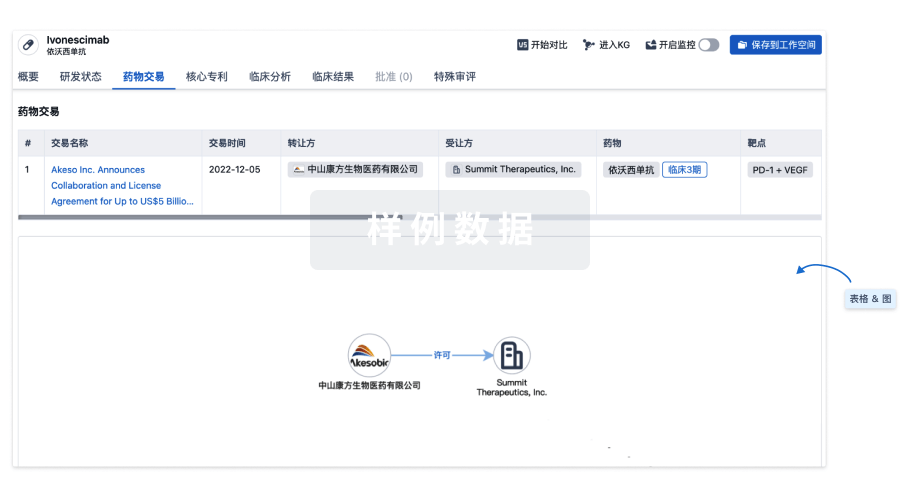
100 项与 Cocaine and amphetamine-regulated transcript(Nankai University) 相关的药物交易
登录后查看更多信息
研发状态
临床结果
临床结果
适应症
分期
评价
查看全部结果
| 研究 | 分期 | 人群特征 | 评价人数 | 分组 | 结果 | 评价 | 发布日期 |
|---|
No Data | |||||||
登录后查看更多信息
转化医学
使用我们的转化医学数据加速您的研究。
登录
或
药物交易
使用我们的药物交易数据加速您的研究。
登录
或
核心专利
使用我们的核心专利数据促进您的研究。
登录
或
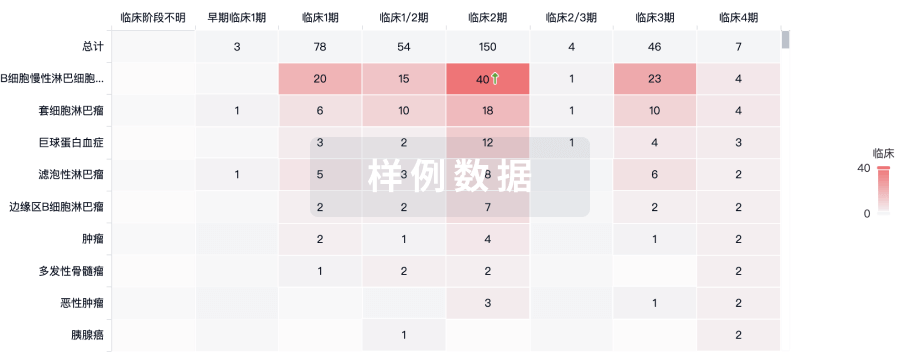
临床分析
紧跟全球注册中心的最新临床试验。
登录
或
批准
利用最新的监管批准信息加速您的研究。
登录
或
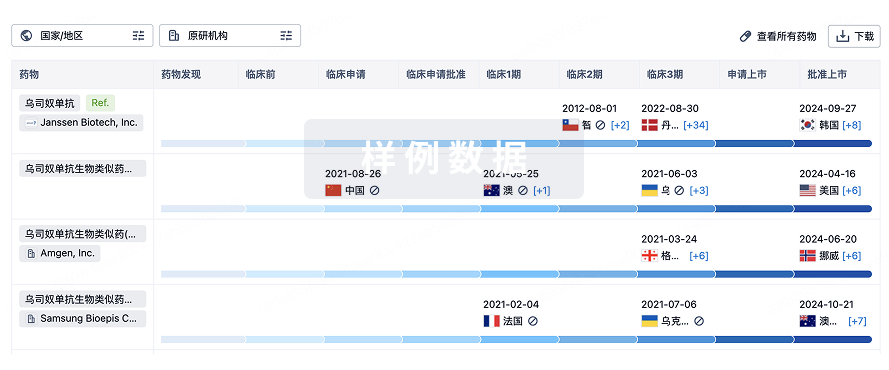
生物类似药
生物类似药在不同国家/地区的竞争态势。请注意临床1/2期并入临床2期,临床2/3期并入临床3期
登录
或
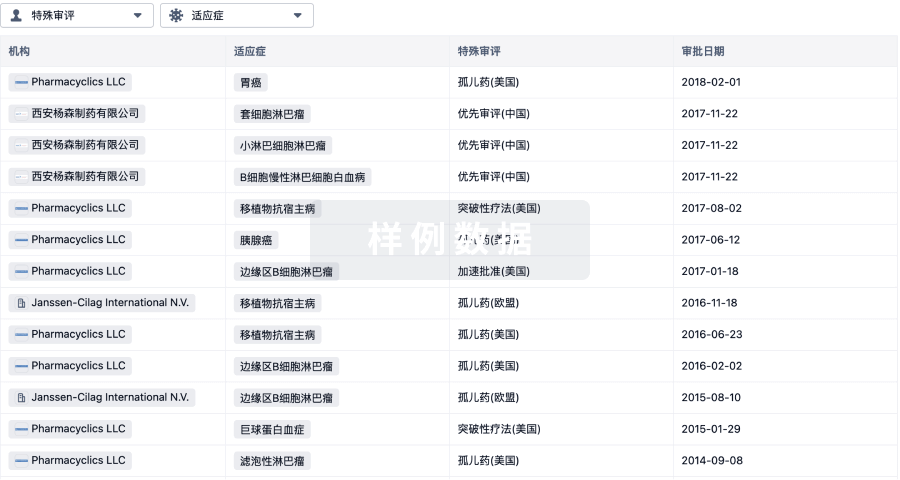
特殊审评
只需点击几下即可了解关键药物信息。
登录
或
芽仔
全新生物医药AI Agent 覆盖科研全链路,让突破性发现快人一步
立即开始免费试用!
智慧芽新药情报库是智慧芽专为生命科学人士构建的基于AI的创新药情报平台,助您全方位提升您的研发与决策效率。
立即开始数据试用!
智慧芽新药库数据也通过智慧芽数据服务平台,以API或者数据包形式对外开放,助您更加充分利用智慧芽新药情报信息。
生物序列数据库
生物药研发创新
免费使用
化学结构数据库
小分子化药研发创新
免费使用