预约演示
更新于:2026-09-05
GLP-1 receptor agonist (Metaphore Biotechnologies Inc)
更新于:2026-09-05
概要
基本信息
非在研机构- |
最高研发阶段药物发现 |
首次获批日期- |
最高研发阶段(中国)- |
特殊审评- |

关联
100 项与 GLP-1 receptor agonist (Metaphore Biotechnologies Inc) 相关的临床结果
登录后查看更多信息
100 项与 GLP-1 receptor agonist (Metaphore Biotechnologies Inc) 相关的转化医学
登录后查看更多信息
100 项与 GLP-1 receptor agonist (Metaphore Biotechnologies Inc) 相关的专利(医药)
登录后查看更多信息
948
项与 GLP-1 receptor agonist (Metaphore Biotechnologies Inc) 相关的文献(医药)2026-10-01·NEUROSCIENCE AND BIOBEHAVIORAL REVIEWS
The neuroendocrine-appetite-mental health triangle in PMOS: Implications for GLP-1 receptor agonist therapy
Review
作者: Wang, Lihong ; Xu, Jie ; Lu, Chao ; Xu, Wenting
Polyendocrine metabolic ovarian syndrome (PMOS) is the most prevalent endocrine disorder in women of reproductive age, yet its management remains fragmented across metabolic, reproductive, and psychological domains. This review uses a descriptive clinical framework-the "neuroendocrine-appetite-mental health triangle"-to organize existing evidence on three interacting pathogenic domains in PMOS: hypothalamic neuroendocrine dysfunction (aberrant GnRH pulsatility, central leptin resistance, and hypothalamic inflammation), appetite dysregulation and disordered eating (binge eating disorder, food addiction, and reward pathway dysfunction), and psychological comorbidities (depression, anxiety, and HPA axis hyperactivity). Within this framework, we evaluate the therapeutic potential of glucagon-like peptide-1 receptor agonists (GLP-1RAs), whose central and peripheral mechanisms may address multiple aspects of this pathology. We synthesize current evidence on their metabolic, reproductive, and emerging psychotropic effects, while providing a balanced and objective assessment of their safety profile, with particular emphasis on the unresolved questions surrounding reproductive safety, the necessity for preconception washout periods, and conflicting signals regarding psychiatric adverse events. We conclude that while GLP-1RAs show therapeutic potential for PMOS, their clinical application requires further evidence, particularly regarding reproductive safety and psychiatric effects, and should be embedded within a multidisciplinary care model that integrates metabolic, psychological, and reproductive management.
2026-09-01·JOURNAL OF NUTRITION
Diet Quality and Micronutrient Intake among United States Adults Eligible for GLP-1 Receptor Agonist Antiobesity Medications: A Nationally Representative Analysis
Article
作者: Steinberg, Francene M ; Babazadeh, Demsina ; Zhong, Huimin
BACKGROUND:
Glucagon-like peptide-1 receptor agonist antiobesity medications (GLP-1 RA AOMs) are increasingly prescribed for obesity management; however, baseline dietary quality and nutritional risk among treatment-eligible populations remain poorly characterized.
OBJECTIVES:
We aimed to compare diet quality and micronutrient adequacy among United States adults meeting GLP-1 RA AOM eligibility criteria and examine whether differences persist after accounting for sociodemographic, behavioral, and clinical factors.
METHODS:
We conducted a cross-sectional analysis of adults aged ≥20 y from the National Health and Nutrition Examination Survey 2005-2020. GLP-1 RA AOM eligibility was defined according to prescribing criteria [body mass index (BMI) ≥30 kg/m2 or BMI ≥27 kg/m2 with ≥1 obesity-related comorbidity]. Diet quality was assessed using Healthy Eating Index-2025 (HEI-2015) from 24-h dietary recalls. Micronutrient inadequacy was evaluated relative to estimated average requirements and adequate intake benchmarks. Survey-weighted linear regression models adjusted for demographic, socioeconomic, behavioral, and clinical covariates. Stratified analyses examined BMI class and food security.
RESULTS:
Among 16,143 adults (representing 97.7 million United States adults), 43.5% (95% confidence interval: 42.6%, 44.5%) met GLP-1 RA AOM eligibility criteria. Eligible adults had poorer diet quality than noneligible adults (HEI-2015: 49.2 compared with 51.7; P < 0.001), corresponding to an unadjusted difference of -2.50 points. Differences persisted after demographic (β = -2.19) and socioeconomic adjustment (β = -2.05) but were substantially attenuated and no longer statistically significant after additional adjustment for waist circumference (β = -0.42; P = 0.29), suggesting that central adiposity was strongly associated with the observed association between GLP-1 RA AOM eligibility and diet quality. Component analyses showed poorer scores for nutrient-dense foods, including fruits, vegetables, whole grains, and plant proteins. Higher waist circumference was independently associated with poorer diet quality (β = -1.47 HEI points per quartile). Micronutrient inadequacy was modestly higher among eligible adults for several nutrients, including vitamin C, vitamin A, magnesium, vitamin E, vitamin D, fiber, potassium, and vitamin K.
CONCLUSIONS:
Adults eligible for GLP-1 RA AOM therapy demonstrate modest but consistent differences in baseline diet quality and micronutrient adequacy. These findings suggest that modest nutrition risk may co-occur with GLP-1 RA AOM eligibility and support consideration of nutrition assessment as part of comprehensive obesity care.
2026-09-01·Obesity
Oral
GLP
‐
1RA TERN
‐601 for Adults With Obesity/Overweight: Placebo‐Controlled, Multiple‐Ascending‐Dose, Phase 1 and 2 Studies
Article
作者: Nelson, Cara ; Garvey, W. Timothy ; Denham, Douglas ; Kwan, Ellen ; Kohli, Anita ; Kuriakose, Emil ; Rosenstock, Julio ; Castelloe, Erin ; Marmon, Tonya ; Haines, Melanie ; Bays, Harold E. ; Jones, Christopher
ABSTRACT:
Objective:
The safety, tolerability, pharmacokinetics, and efficacy of TERN‐601, a once‐daily, oral small‐molecule glucagon‐like peptide‐1 (GLP‐1) receptor agonist, were studied in Phase 1 and 2 clinical studies.
Methods:
The Phase 1 (28‐day) and Phase 2 (12‐week), randomized, double‐blind, placebo‐controlled, multiple‐ascending‐dose studies evaluated the safety, tolerability, pharmacokinetics, and efficacy (change in weight, appetite, and gastric emptying) of TERN‐601 for adults with obesity or overweight.
Results:
In the Phase 1 study, TERN‐601 produced dose‐dependent weight loss over 28 days, with statistically significant reductions versus placebo at all doses. Treatment was associated with GLP‐1–consistent pharmacodynamic effects, including reduced appetite and delayed gastric emptying. In the Phase 2 study, TERN‐601 doses ≥ 500 mg resulted in significantly greater mean percentage weight loss at Week 12 versus placebo. Gastrointestinal treatment‐emergent adverse events were consistent with the GLP‐1 receptor agonist class and dose‐related. Three participants in the Phase 2 study experienced transaminase elevations consistent with potential drug‐induced liver injury.
Conclusions:
TERN‐601 demonstrated modest, dose‐dependent weight loss with a gastrointestinal tolerability profile consistent with GLP‐1 receptor agonists. However, liver safety findings observed in the Phase 2 study led to clinical development discontinuation. These data contribute to the overall understanding of oral small‐molecule GLP‐1 receptor agonists in obesity.
Trial Registration:
ClinicalTrials.gov identifier: NCT06854952
358
项与 GLP-1 receptor agonist (Metaphore Biotechnologies Inc) 相关的新闻(医药)2026-08-31
At Week 52, Taltz and Zepbound maintained or further improved psoriasis or psoriatic arthritis disease activity from Week 36, when statistically superior improvements versus Taltz alone were observed in the TOGETHER-PsO and TOGETHER-PsA trials
Systemic inflammation and metabolic outcomes continued to improve or were sustained at one year with Taltz and Zepbound compared to Taltz alone in pre-specified, exploratory endpoints
Data from first-of-their-kind studies contribute to the understanding of immunometabolic health
INDIANAPOLIS, Aug. 31, 2026 /PRNewswire/ -- Eli Lilly and Company (NYSE: LLY) today announced 52-week results from TOGETHER-PsO and TOGETHER-PsA, two novel open-label Phase 3b clinical trials evaluating the concomitant use of Taltz (ixekizumab) and Zepbound (tirzepatide) compared to Taltz alone in adults with moderate-to-severe plaque psoriasis (PsO) or active psoriatic arthritis (PsA), respectively, and obesity or overweight with at least one additional weight-related comorbid condition. At the previously reported Week 36 primary endpoint, Taltz and Zepbound showed statistically superior improvements in disease activity and metabolic outcomes compared to Taltz alone in both trials. New data show these improvements were maintained or further improved through Week 52, with no new safety concerns identified.
"The primary results from these first-of-their-kind studies were already remarkable, showing that Taltz and Zepbound used together improved outcomes for patients with psoriatic disease and obesity. What's especially exciting now is seeing those improvements further deepened or sustained at one year, across disease activity, inflammation and metabolic outcomes," said Mark Genovese, M.D., senior vice president of Lilly Immunology development. "People living with the cumulative burden of psoriatic disease and obesity are too often treated with separate, disconnected approaches. These data showing durable results across multiple measures support a comprehensive approach that can potentially address immunometabolic health for patients living with these chronic diseases."
Psoriasis and psoriatic arthritis are immune-mediated diseases that are often linked with metabolic dysfunction, including obesity.1,2 In the U.S., approximately 61% of people with psoriasis and 65% of people with psoriatic arthritis also have obesity or overweight with at least one weight-related comorbidity,1,2 which is often associated with poorer treatment outcomes.3-5 At baseline, the mean body mass index (BMI) of participants was 39.2 in TOGETHER-PsO and 37.6 in TOGETHER-PsA.
"Psoriatic disease is often accompanied by obesity or overweight, which can make treatment goals related to the skin and joints harder to reach," said Joseph F. Merola, M.D. MMSc, a Dermatologist, Rheumatologist, President of the Psoriasis and Psoriatic Arthritis Clinics Multicenter Advancement Network (PPACMAN), co-president of the Group for Research and Assessment of Psoriasis and Psoriatic Arthritis (GRAPPA), and President of the Rheumatology-Dermatology Society. "In psoriatic arthritis, the greater improvements in disease activity seen with Taltz and Zepbound in the first month, before clinically meaningful weight loss occurred, continued through one year. In psoriasis, the durability of complete skin clearance at one year represents real, lasting progress for patients. Paired with continued metabolic improvements, these findings show what may be possible when treating psoriatic disease and obesity concurrently."
At Week 52, the following were observed:*
Primary outcome: The primary multi-component outcome continued to improve through Week 52 in each trial.
In TOGETHER-PsO, the primary outcome was Psoriasis Area Severity Index (PASI) 100 plus at least 10% weight loss (achieved by 30.6% of patients with Taltz plus Zepbound at Week 52 vs. 4.4% for Taltz alone).
In TOGETHER-PsA, the primary outcome was an at least 50% reduction in PsA disease activity based on American College of Rheumatology 50 (ACR50) plus at least 10% weight loss (achieved by 39.2% of patients with Taltz and Zepbound at Week 52 vs. 1.7% for monotherapy).
PsO disease activity key secondary outcome: In TOGETHER-PsO, the percentage of patients receiving Taltz and Zepbound who achieved the highest bar of complete skin clearance (PASI 100) was maintained (40.5% at Week 52 vs. 29.1% for Taltz monotherapy).
PsA disease activity key secondary outcome: In TOGETHER-PsA, the proportion of patients achieving ACR50 with Taltz and Zepbound further increased (43.7% at Week 52 vs.15.7% for Taltz monotherapy). This builds on the ACR50 improvements with Taltz and Zepbound compared to Taltz alone seen as early as Week 4, before clinically meaningful weight loss was observed.
Systemic inflammation: Treatment with Taltz and Zepbound also led to deeper improvements in systemic inflammation over time in both trials, as measured by high-sensitivity C-reactive protein (hsCRP).
Metabolic outcomes: Improvements in BMI, blood pressure, glucose, HbA1c, triglycerides, and total cholesterol with Taltz and Zepbound compared to Taltz monotherapy were sustained or further improved.
*Week 52 analyses are pre-specified, exploratory objectives without multiplicity control. Comparisons between timepoints are descriptive and not tested or controlled for multiplicity.
Adverse events in participants treated with Taltz and Zepbound together were generally mild to moderate, and the types of adverse events were consistent with the known safety profile of each medicine. In the concomitant treatment arm in both trials, the adverse events reported in ≥5% of participants were nausea, diarrhea, constipation, injection site reactions, vomiting, dizziness and headache.
Taltz is a monoclonal antibody that selectively binds with interleukin 17A (IL-17A) cytokine and inhibits its interaction with the IL-17 receptor. Taltz is the only biologic with data supporting a potential comprehensive treatment approach alongside an incretin therapy for people with psoriasis or psoriatic arthritis who also have obesity or overweight. Zepbound is the only FDA-approved dual GIP (glucose-dependent insulinotropic polypeptide) and GLP-1 (glucagon-like peptide-1) receptor agonist obesity management medication.
Detailed 52-week results from TOGETHER-PsO and TOGETHER-PsA will be presented at future medical meetings and published in peer-reviewed journals.
About the TOGETHER-PsO and TOGETHER-PsA Trials
TOGETHER-PsO (NCT06588283) and TOGETHER-PsA (NCT06588296) are 52-week Phase 3b, randomized, multicenter, assessor-blinded, open-label studies assessing the efficacy and safety of concomitant administration of Taltz and Zepbound compared with Taltz alone in adults with psoriatic disease and obesity or overweight with at least one additional weight-related comorbid condition. TOGETHER-PsO enrolled 274 adults with moderate-to-severe plaque psoriasis, and TOGETHER-PsA enrolled 271 adults with active psoriatic arthritis. Participants were randomized 1:1 to receive either Taltz alone or concomitantly with Zepbound, both administered subcutaneously, and received counseling on a reduced-calorie diet and increased physical activity. The primary objectives at Week 36 are the proportion of participants achieving both PASI 100 and ≥10% weight reduction in TOGETHER-PsO and both ACR50 and ≥10% weight reduction in TOGETHER-PsA. Participants were required to have a BMI ≥30 kg/m², or ≥27 to <30 kg/m² with at least one weight-related comorbidity.
About Taltz (
ixekizumab
)
6
Taltz is a monoclonal antibody that selectively binds with interleukin 17A (IL-17A) cytokine and inhibits its interaction with the IL-17 receptor. IL-17A is a naturally occurring cytokine that is involved in normal inflammatory and immune responses. Taltz inhibits the release of pro-inflammatory cytokines and chemokines. Taltz is approved to treat adults with active psoriatic arthritis and adults and children 6 years and older with moderate-to-severe plaque psoriasis who are candidates for systemic therapy or phototherapy. Additionally, Taltz is approved for adults with active ankylosing spondylitis, and adults with active non-radiographic axial spondyloarthritis with objective signs of inflammation.
About Zepbound (tirzepatide) injection
7
Zepbound (tirzepatide) is the first and only dual GIP (glucose-dependent insulinotropic polypeptide) and GLP-1 (glucagon-like peptide-1) receptor agonist obesity medication. Zepbound tackles an underlying cause of excess weight. It reduces appetite and how much you eat. Zepbound is indicated for adults with obesity, or some adults who are overweight and also have at least one weight-related medical problem, to lose weight and keep it off. Additionally, Zepbound is FDA-approved to treat adults with moderate-to-severe obstructive sleep apnea and obesity. Zepbound should be used with a reduced calorie diet and increased physical activity.
TALTZ
INDICATIONS AND SAFETY SUMMARY
Taltz® (tȯl-ts) is an injectable medicine used to treat:
People 6 years of age and older with moderate to severe plaque psoriasis who may benefit from taking injections or pills (systemic therapy) or treatment using ultraviolet or UV light (phototherapy).
Adults with active psoriatic arthritis.
Adults with active ankylosing spondylitis.
Adults with active non-radiographic axial spondyloarthritis with objective signs of inflammation.
It is not known if Taltz is safe and effective in children for conditions other than plaque psoriasis or in children under 6 years of age.
Warnings - Taltz affects the immune system. It may increase your risk of infections, some people have had serious infections, including tuberculosis (TB), and infections caused by bacteria, fungi, or viruses that can spread throughout the body. Some people have been hospitalized from these infections. Do not use Taltz if you have any symptoms of infection, unless your doctor tells you to. If you have a symptom after starting Taltz, call your doctor right away.
Your doctor should check you for TB before you start Taltz, and watch you closely for signs of TB during and after treatment with Taltz. If you have TB, or had it in the past, your doctor may treat you for it before you start Taltz.
Do not use Taltz if you have had a serious allergic reaction to ixekizumab or any other ingredient in Taltz, such as: swelling of your eyelids, lips, mouth, tongue or throat, trouble breathing, feeling faint, throat or chest tightness, or skin rash. Get emergency help right away if you have any of these reactions. See the Medication Guide that comes with Taltz for a list of ingredients.
Severe skin reactions that look like eczema can happen during treatment with Taltz from days to months after your first dose and can sometimes lead to hospitalization. Your doctor may temporarily stop treatment with Taltz if you develop severe skin reactions. Tell your doctor if you have any of the following: redness or rash, itching, patches, your skin is dry or feels like leather, blisters or abrasions that ooze or become crusty, small bumps or plaques with scale or crusting.
Crohn's disease or ulcerative colitis (inflammatory bowel disease) can start or get worse with Taltz use. Tell your doctor if you have any of these symptoms or if they get worse: stomach pain, diarrhea, and weight loss.
You should not get live vaccines while taking Taltz. You should get the vaccines you need before you start Taltz.
Common side effects
The most common side effects of Taltz include:
Injection site reactions
Nausea
Upper respiratory infections
Fungal skin infections
Tell your doctor if you have any side effects.
You can report side effects at 1-800-FDA-1088 or
.
Before using
Before you use Taltz, review these questions with your doctor:
Are you being treated for an infection?
Do you have an infection that does not go away or keeps coming back?
Do you have TB or have you been in close contact with someone with TB?
Do you have possible symptoms of an infection such as fever, cough, sores, diarrhea, or other symptoms? Ask your doctor about other possible symptoms.
Do you have Crohn's disease or ulcerative colitis?
Tell your doctor if:
You need any vaccines or have had one recently.
You take prescription or over-the-counter medicines, vitamins, or herbal supplements.
You are pregnant or planning to become pregnant. It is not known if Taltz can harm an unborn baby.
Pregnancy Exposure Registry: There is a pregnancy registry to collect information about women who are exposed to Taltz during pregnancy. The purpose of this registry is to collect information about the health of you and your baby. If you become pregnant while taking Taltz, you are encouraged to enroll in the pregnancy registry by calling 1-800-284-1695 or by visiting online at .
You are breastfeeding or planning to breastfeed. It is not known if Taltz passes into breastmilk.
How to take
See the instructions for use that come with Taltz. There you will find information about how to store, prepare, and inject Taltz. Adults may self-inject after receiving training from a healthcare provider.
For children 6 to 17 years of age:
If your child's healthcare provider decides that you may give Taltz injections at home, you should receive training on the right way to prepare and inject Taltz. Do not try to give Taltz to your child until you have been shown how to inject Taltz. Children should not inject themselves with Taltz. You or an adult caregiver should prepare and give Taltz injections to your child.
Learn more
Taltz is a prescription medicine available as a 80 mg/mL, 40 mg/0.5mL, 20 mg/0.25mL injection. For more information, call 1-800-545-5979 or go to taltz.lilly.com.
This summary provides basic information about Taltz but does not include all information known about this medicine. Read the information that comes with your prescription each time your prescription is filled. This information does not take the place of talking with your doctor. Be sure to talk to your doctor or other healthcare provider about Taltz and how to take it. Your doctor is the best person to help you decide if Taltz is right for you.
IX CON BS 20AUG2024
ZEPBOUND
INDICATIONS
AND SAFETY SUMMARY WITH WARNINGS
Zepbound® (ZEHP-bownd) is an injectable prescription medicine used with a reduced-calorie diet and increased physical activity to help adults with:
obesity, or some adults with overweight who also have weight-related medical problems, to lose excess body weight and keep the weight off.
moderate-to-severe obstructive sleep apnea (OSA) and obesity to improve their OSA.
Zepbound contains tirzepatide and should not be used with other tirzepatide-containing products or any GLP-1 receptor agonist medicines. It is not known if Zepbound is safe and effective for use in children.
Warnings - Zepbound may cause tumors in the thyroid, including thyroid cancer. Watch for possible symptoms, such as a lump or swelling in the neck, hoarseness, trouble swallowing, or shortness of breath. If you have any of these symptoms, tell your healthcare provider.
Do not use Zepbound if you or any of your family have ever had a type of thyroid cancer called medullary thyroid carcinoma (MTC).
Do not use Zepbound if you have Multiple Endocrine Neoplasia syndrome type 2 (MEN 2).
Do not use Zepbound if you have had a serious allergic reaction to tirzepatide or any of the ingredients in Zepbound.
KwikPen
®
: Do not share your
KwikPen
with other people, even if the pen needle has been changed. You may give other people a serious infection or get a serious infection from them.
Zepbound
may cause serious side effects, including:
Severe stomach problems. Stomach problems, sometimes severe, have been reported in people who use Zepbound. Tell your healthcare provider if you have stomach problems that are severe or will not go away.
Dehydration
leading
to
kidney problems. Diarrhea, nausea, and vomiting may cause a loss of fluids (dehydration), which may cause kidney problems. It is important for you to drink fluids to help reduce your chance of dehydration. Tell your healthcare provider right away if you have nausea, vomiting, or diarrhea that does not go away.
Gallbladder problems. Gallbladder problems have happened in some people who use Zepbound. Tell your healthcare provider right away if you get symptoms of gallbladder problems, which may include pain in your upper stomach (abdomen), fever, yellowing of skin or eyes (jaundice), or clay-colored stools.
Inflammation of
the pancreas
(pancreatitis). Stop using Zepbound and call your healthcare provider right away if you have severe pain in your stomach area (abdomen) that will not go away, with or without nausea or vomiting. You may feel the pain from your abdomen to your back.
Serious allergic reactions. Stop using Zepbound and get medical help right away if you have any symptoms of a serious allergic reaction, including swelling of your face, lips, tongue or throat, problems breathing or swallowing, severe rash or itching, fainting or feeling dizzy, or very rapid heartbeat.
Low blood sugar (hypoglycemia). Your risk for getting low blood sugar may be higher if you use Zepbound with medicines that can cause low blood sugar, such as a sulfonylurea or insulin. Signs and symptoms of low blood sugar may include dizziness or light-headedness, sweating, confusion or drowsiness, headache, blurred vision, slurred speech, shakiness, fast heartbeat, anxiety, irritability, mood changes, hunger, weakness or feeling jittery.
Changes in vision in patients with type 2 diabetes. Tell your healthcare provider if you have changes in vision during treatment with Zepbound.
Food or liquid getting into the lungs during surgery or other procedures that use anesthesia or deep
sleepiness (deep sedation). Zepbound may increase the chance of food getting into your lungs during surgery or other procedures. Tell all your healthcare providers that you are taking Zepbound before you are scheduled to have surgery or other procedures.
Common side effects
The most common side effects of Zepbound include nausea, diarrhea, vomiting, constipation, stomach (abdominal) pain, indigestion, injection site reactions, feeling tired, allergic reactions, belching, hair loss, and heartburn. These are not all the possible side effects of Zepbound. Talk to your healthcare provider about any side effect that bothers you or doesn't go away.
Tell your doctor if you have any side effects.
You can report side effects at 1-800-FDA-1088 or
.
Before using
Zepbound
Your healthcare provider should show you how to use
Zepbound
before you use it for the first time.
Talk to your healthcare provider about low blood sugar and how to manage
it.
Tell
your
healthcare provider if you are taking medicines to treat diabetes including
an insulin
or sulfonylurea.
If you take birth control pills by mouth, talk to your healthcare provider before you use
Zepbound. Birth control pills may not work as well while using
Zepbound. Your healthcare provider may recommend another type of birth control for 4 weeks after you start Zepbound and for 4 weeks after each increase in your dose of Zepbound.
Review these questions with your healthcare provider:
❑ Do you have other medical conditions, including problems with your pancreas, or severe problems with your stomach, such as slowed emptying of your stomach (gastroparesis) or problems digesting food?
❑ Do you take diabetes medicines, such as insulin or sulfonylureas?
❑ Do you have a history of diabetic retinopathy?
❑ Are you scheduled to have surgery or other procedures that use anesthesia or deep sleepiness (deep sedation)?
❑ Do you take any other prescription medicines or over-the-counter drugs, vitamins, or herbal supplements?
❑ Are you pregnant, plan to become pregnant, breastfeeding, or plan to breastfeed? Zepbound may harm your unborn baby. Tell your healthcare provider if you become pregnant while using Zepbound. Zepbound may pass into your breast milk. You should talk with your healthcare provider about the best way to feed your baby while using Zepbound.
Pregnancy Exposure Registry: There will be a pregnancy exposure registry for women who have taken Zepbound during pregnancy. The purpose of this registry is to collect information about the health of you and your baby. Talk to your healthcare provider about how you can take part in this registry, or you may contact Lilly at 1-800-LillyRx (1-800-545-5979).
How to take
Read the Instructions for Use that come with Zepbound.
Use Zepbound exactly as your healthcare provider says.
Use Zepbound with a reduced-calorie diet and increased physical activity.
Inject Zepbound under the skin (subcutaneously) of your stomach (abdomen), thigh, or
have another person inject in the back of the upper arm. Do not inject ZEPBOUND into a muscle (intramuscularly) or vein (intravenously).
Use
Zepbound
1 time each week, at any time of the day.
Change (rotate) your injection site with each weekly injection. Do not use the same site for each injection.
If you take too much Zepbound, call your healthcare provider, call the Poison Help line at 1-800-222-1222 or go to the nearest hospital emergency room right away.
Zepbound is approved as a 2.5 mg, 5 mg, 7.5 mg, 10 mg, 12.5 mg, and 15 mg injection.
Learn more
Zepbound is a prescription medicine. For more information, call 1-800-LillyRx (1-800-545-5979) [or go to ].
This summary provides basic information about Zepbound but does not include all information known about this medicine. Read the information that comes with your prescription each time your prescription is filled. This information does not take the place of talking with your healthcare provider. Be sure to talk to your healthcare provider about Zepbound and how to take it. Your healthcare provider is the best person to help you decide if Zepbound is right for you.
ZP CON
BS
25FEB2026
Zepbound®, its delivery device base and KwikPen® are registered trademarks owned or licensed by Eli Lilly and Company, its subsidiaries, or affiliates.
About Lilly
Lilly is a medicine company turning science into healing to make life better for people around the world. We've been pioneering life-changing discoveries for 150 years, and today our medicines help tens of millions of people across the globe. Harnessing the power of biotechnology, chemistry and genetic medicine, our scientists are urgently advancing new discoveries to solve some of the world's most significant health challenges: redefining diabetes care; treating obesity and curtailing its most devastating long-term effects; advancing the fight against Alzheimer's disease; providing solutions to some of the most debilitating immune system disorders; and transforming the most difficult-to-treat cancers into manageable diseases. With each step toward a healthier world, we're motivated by one thing: making life better for millions more people. That includes delivering innovative clinical trials that reflect the diversity of our world and working to ensure our medicines are accessible and affordable. To learn more, visit Lilly.com and Lilly.com/news, or follow us on Facebook, Instagram, and LinkedIn. P-LLY
Trademarks and Trade Names
All trademarks or trade names referred to in this press release are the property of the company, or, to the extent trademarks or trade names belonging to other companies are references in this press release, the property of their respective owners. Solely for convenience, the trademarks and trade names in this press release are referred to without the ® and ™ symbols, but such references should not be construed as any indicator that the company or, to the extent applicable, their respective owners will not assert, to the fullest extent under applicable law, the company's or their rights thereto. We do not intend the use or display of other companies' trademarks and trade names to imply a relationship with, or endorsement or sponsorship of us by, any other companies.
Cautionary Statement Regarding Forward-Looking Statements
This press release contains forward-looking statements (as that term is defined in the Private Securities Litigation Reform Act of 1995) about Taltz (ixekizumab) as a treatment for moderate to severe plaque psoriasis and active psoriatic arthritis and Zepbound (tirzepatide) as a treatment for adults with obesity or overweight, and potential comprehensive treatment strategies for patients with psoriatic disease and obesity, and reflects Lilly's current beliefs and expectations. However, as with any pharmaceutical product, there are substantial risks and uncertainties in the process of drug research, development and commercialization. Among other things, there is no guarantee that future study results will be consistent with the results to date, or that Lilly will execute its strategies as planned. For further discussion of these and other risks and uncertainties that could cause actual results to differ from Lilly's expectations, see Lilly's Form 10-K and Form 10-Q filings with the United States Securities and Exchange Commission. Except as required by law, Lilly undertakes no duty to update forward-looking statements to reflect events after the date of this release.
References
1 Armstrong et al, Addressing the Obesity-Psoriasis Connection: Prevalence, Incidence, and Comorbidity Insights from a Large US Population of 19.9 Million (2018-2024). Presented at Maui Derm, 2026.
2 Estimated from a large real-world population of care-seeking adults in the US in 2024, Truveta (data on file). Comorbidities include atherosclerotic cardiovascular disease (ASCVD), type 2 diabetes mellitus (T2DM), dyslipidemia, hypertension, obstructive sleep apnea (OSA).
3 Enos, Clinton W. et al. Comorbid obesity and history of diabetes are independently associated with poorer treatment response to biologics at 6 months: A prospective analysis in Corrona Psoriasis Registry. Journal of the American Academy of Dermatology, Volume 86, Issue 1, 68 - 76.
4 Proft F, et al. Nat Rev Rheumatol. 2026 Feb;22(2):132-144.
5 di Minno MN, et al. Arthritis Care Res (Hoboken). 2013;65(1):141-147.
6 Taltz. Prescribing Information. Lilly USA, LLC.
7 Zepbound. Prescribing Information. Lilly USA, LLC.
SOURCE Eli Lilly and Company
21%
more press release views with
Request a Demo
临床结果临床3期上市批准
2026-08-26
SHANGHAI, Aug. 21, 2026 /PRNewswire/ -- 3S Bio (01530.HK) today announced its interim results for the first half of 2026. During the period, the Company recorded revenue of RMB 4.53 billion, representing a year-over-year growth of 3.9%. Net profit attributable to equity holders of the Company reached RMB 1.15 billion, and adjusted operating net profit attributable to shareholders of the parent stood at RMB 1.44 billion, up 26.5% year-over-year. R&D expenses amounted to RMB 680 million, an increase of 24.9% year-over-year. The Company's financial resources totaled RMB 19.4 billion, providing a solid foundation for R&D investments and strategic initiatives. During the first half of the year, marketing approvals for core products were obtained in 23 countries globally, and overseas product sales surged by 43% year-over-year, primarily driven by the increasing market penetration of products such as rhEPO, Yisaipu, and rhTPO in multiple emerging economies.
Since the beginning of 2026, three Class 1 innovative drugs have been approved for marketing, and five products have advanced to the New Drug Application stage. The Company has successfully constructed a multi-therapeutic pipeline matrix, further consolidating its global competitiveness and advantages in core therapeutic areas. 3SBio has made significant progress in global partnerships, innovative R&D, and product commercialization, marching steadily toward high-quality development.
I. Global Multi-Center Clinical Trials of PF-08634404 (SSGJ-707) Progressing Concurrently
PF-08634404 (SSGJ-707) is an anti-PD-1/VEGF bispecific antibody independently developed by 3SBio, widely recognized as a highly promising next-generation immuno-oncology therapeutic. In 2025, 3SBio granted Pfizer the global development and commercialization rights to SSGJ-707, with a total potential deal value exceeding US$6 billion. The Company is also entitled to receive tiered, double-digit royalties based on cumulative global net sales. Notably, the US$1.4 billion upfront payment and US$100 million equity investment set a new record for the upfront payment of a single out-licensing transaction for a Chinese innovative drug. During the reporting period, the Company recognized RMB 850 million in Business Development revenue.
In 2026, Pfizer is fully accelerating the global multi-center clinical development of SSGJ-707. Nine global multi-center clinical trials have been initiated, covering multiple high-incidence cancers, including squamous/non-squamous non-small cell lung cancer, metastatic colorectal cancer, extensive-stage small cell lung cancer, gastroesophageal cancer, hepatocellular carcinoma, metastatic urothelial carcinoma, and renal cell carcinoma. Among these, two trials have advanced to Phase III, three are in Phase II, and four are in Phase I. As of August 19, 11 clinical trials for SSGJ-707 have been registered, activating over 1,361 clinical sites and expecting to enroll 5,016 patients across 23 countries and regions. Notably, 75 clinical sites in China are participating in nine clinical protocols, ranking second globally, behind only the United States. The Phase III trials cover a target patient population of 225,000 in the U.S., underpinning its subsequent commercial potential. Moving forward, the indication expansions and combination therapy regimens for SSGJ-707 will be continuously explored to fully unlock its global clinical value and commercial growth potential.
II. Intensive Realization of Innovation Value, Building New Growth Engines
In the first half of 2026, 3SBio saw a wave of concentrated milestones across its innovative pipeline. Three Class 1 innovative drugs were successively approved for marketing, and five products progressed to the NDA stage, rapidly translating innovative momentum into performance drivers.
Three internally developed Class 1 innovative biologics were approved for marketing:
Yisaituo® (amdokitug injection) was approved in February, indicated for the treatment of adult patients with moderate-to-severe plaque psoriasis who are candidates for systemic therapy or phototherapy. With core advantages including robust and rapid clearance of skin lesions, low immunogenicity, favorable safety and tolerability profile, and convenient administration, Yisaituo® is poised to reshape psoriasis treatment expectations. The product is expected to further broaden its clinical applications in autoimmune diseases as new indications are continuously developed.
NuPIAO® (loncipetin alfa injection) was approved for marketing in March 2026 as the first long-acting recombinant EPO biweekly formulation in China, indicated for the treatment of anemia in hemodialysis patients with chronic kidney disease. The product features an ultra-long half-life of 120 hours and low immunogenicity. The intravenous administration route is highly suitable for hemodialysis patients, and the "once every two weeks" dosing regimen significantly improves patient compliance and convenience.
Yisaina® (anflekitug injection) was approved in August, as the first self-developed IgG1/κ humanized anti-IL-1β monoclonal antibody in China, indicated for the treatment of acute gouty arthritis in adults. The product offers differentiated clinical value with rapid pain relief, long-lasting prevention of recurrence, and a favorable safety profile, serving as a preferred alternative to traditional corticosteroid therapy and a novel precision anti-inflammatory option for gout.
Five products in the NDA stage are poised for launch: 3SBio has established a robust pipeline of five products currently under NDA review, covering therapeutic areas such as atopic dermatitis, ophthalmology, breast cancer, and weight management. Among them,
NDAs have been accepted for
611 (anti-IL-4Rα mAb) for moderate-to-severe atopic dermatitis in adults, and
601A (anti-VEGF mAb) for macular edema following branch retinal vein occlusion. In-licensed products, including
Liporaxel® Paclitaxel Oral Solution for HER2-negative breast cancer,
DB-1303 (HER2 ADC) for HER2-positive breast cancer, and
WS2403 (GLP-1 receptor agonist) for chronic weight management in overweight or obese adults, have also advanced to the NDA stage. These products are expected to be approved sequentially, providing substantial product reserves for the Company's sustainable growth.
III. Constructing a Multi-Therapeutic Pipeline Matrix to Solidify Long-Term Core Competitive Advantages
3SBio's R&D pipeline continues to expand, featuring 25 key investigational drug candidates across core therapeutic areas including hemoncology, autoimmune diseases, nephrology, dermatology, and weight management.
Hemato-oncology: Strategic layout of bispecific antibodies/fusion proteins to establish differentiated advantages.
TPIAO® (recombinant human thrombopoietin injection) has been cleared by the U.S. FDA to initiate a global multi-center bridging clinical trial for the treatment of thrombocytopenia associated with chronic liver disease.
705 (anti-PD-1/HER2 bispecific antibody) has entered Phase II clinical trials for HER2-positive solid tumors, standing as the only drug with this target actively advancing in clinical stages in China, demonstrating significant differentiation.
706 (anti-PD-1/PD-L1 bispecific antibody) has entered Phase II trials for advanced non-small cell lung cancer and advanced gastrointestinal tumors.
708 (anti-PD-1/TGFβ bispecific antibody), 709 (anti-PD-1/LAG-3 bispecific antibody), and SPGL008 (anti-B7-H3 antibody/IL-15 fusion protein) are all in Phase I clinical trials for solid tumors.
SSS57 (long-acting ActRIIB-Ig Trap fusion protein) obtained IND clearance from the U.S. FDA for hematological disorders, marking the first innovative biased bispecific antibody entering clinical trials in China. The hemato-oncology pipeline is being continuously optimized, building a robust reserve of high-quality assets for long-term growth.
Nephrology: Focusing on core unmet needs with a first-in-China novel-target portfolio.
SSS55 (C3b bifunctional fusion protein) has entered Phase I trials for paroxysmal nocturnal hemoglobinuria, complement-mediated kidney diseases, and periodontitis, demonstrating Best-In-Class potential.
SSS68 (long-acting anti-APRIL/BAFF bispecific antibody) has obtained IND approvals in both China and the U.S. for IgA nephropathy, making it the only long-acting bispecific antibody for this indication to enter clinical trials in China.
Dermatology and Weight Management: Exploring new frontiers and expanding pipelines.
WS204 (clascoterone cream) is in Phase III clinical trials for moderate-to-severe acne vulgaris.
SSS67 (anti-ActRIIA/ActRIIB bispecific antibody) has entered Phase I trials for overweight/obesity.
Autoimmune Diseases: Multiple candidates entering pivotal trials, leading R&D in China.
Yisaituo® (amdokitug injection): Patient enrollment completed for the Phase III trial in ankylosing spondylitis; first patient enrolled in the Phase III trial for non-radiographic axial spondyloarthritis.
Yisaina® (anflekitug injection): Dose-exploration Phase II study for intermittent gouty arthritis has been initiated.
610 (anti-IL-5 mAb): Patient enrollment completed for the Phase III trial in severe eosinophilic asthma in adults; Phase III enrollment for severe eosinophilic asthma in adolescents is ongoing.
611 (anti-IL-4Rα mAb): NDA submitted and accepted for moderate-to-severe atopic dermatitis in adults.
626 (anti-BDCA2 mAb): Phase II trials for systemic lupus erythematosus and cutaneous lupus erythematosus are being initiated.
627 (anti-TL1A mAb): Phase II enrollment initiated for ulcerative colitis.
716 (OX40L/IL-31RA bispecific antibody): Obtained IND clearances in both China and the U.S. for atopic dermatitis, with Phase I enrollment initiated.
In the early-stage pipeline,
717 (CD3/BCMA/CD19 humanized trispecific antibody) for systemic lupus erythematosus/lupus nephritis/rheumatoid arthritis,
718 (anti-TL1A/IL-23 bispecific antibody injection) for inflammatory bowel disease,
719 (anti-TSLP/IL-4R bispecific antibody inhaler) for asthma/chronic obstructive pulmonary disease, and
629 (oral IL-23R peptide) for psoriasis/inflammatory bowel disease have all entered the IND or pre-clinical stages, showcasing the Company's forward-looking, end-to-end strategic layout in the autoimmune field.
IV. ESG Practices Receive Authoritative Recognition, Demonstrating Sustainable Development Capabilities
3SBio has consistently integrated Environmental, Social, and Governance principles into its entire operational and management processes. By continuously refining governance structures, fulfilling social responsibilities, and promoting green operations, the Company has achieved solid results in sustainable development, earning accolades from multiple authoritative platforms. In July 2026, 3SBio's Wind ESG rating was upgraded to "AA", placing it in the top 3.2% of the biotechnology industry, which fully validates its comprehensive strength in risk management, compliance operations, and corporate social responsibility practices. Concurrently, the Company's implemented public welfare initiatives were once again recognized as an "Excellent Case of Social Responsibility among Chinese Pharmaceutical Industrial Enterprises", reflecting the industry's acknowledgment of its dedication to philanthropy and corporate social responsibility.
Dr. Jing LOU, Chairman and Chief Executive Officer of 3SBio, commented:
"In early 2026, the biopharmaceutical sector was designated as a emerging strategic pillar industry in China. Amid the industry's ongoing shift toward high-quality growth, innovative R&D capabilities have emerged as the core engine driving sustained corporate expansion. Leveraging over 30 years of industry legacy, 3SBio stays true to its fundamental principles while actively pursuing innovation. The Company will continuously increase its R&D investment, deepen its focus on oncology, autoimmune diseases, and nephrology, optimize its R&D pipeline, and strengthen its talent pool. In the first half of this year, multiple approvals of key innovative drugs significantly expanded the Company's long-term growth prospects. Moving forward, we will continue to accelerate the regulatory approval process for our late-stage pipeline, bringing more innovative drugs with substantial clinical value to serve a broader patient population."
SOURCE 3SBio Inc.
21%
more press release views with
Request a Demo
临床2期临床1期上市批准临床3期临床结果
2026-08-21
iStock,
aprott
The Phase 3 study is evaluating two doses of Novo’s Wegovy pill in people with obesity or overweight in combination with a reduced-calorie diet and increased physical activity.
Novo Nordisk has
begun
a placebo-controlled trial in search of “the most optimal lower dose” for its oral GLP-1 medicine for weight loss.
The trial will test two different, undisclosed oral doses of GLP-1 receptor agonist semaglutide. Under the current Wegovy pill label, Novo advises patients to start on a 1.5-mg daily dose, spend 30 days on two intermediate doses and reach the 25-mg maintenance dose on day 91 days of treatment. The OASIS 5 trial, which began enrolling patients this month, could inform new dosing recommendations.
Novo is studying the lower maintenance doses “to fully reflect the patients’ needs in real-world obesity management,” a spokesperson told
BioSpace
via email. Establishing a broader range of maintenance doses “could provide greater flexibility in treatment and optimizing the patient experience,” the Novo spokesperson added.
Obesity
Novo takes first round of oral obesity duel. Can it stay ahead of Lilly?
Despite coming away with an early victory over Eli Lilly in the oral obesity face-off, analysts don’t expect Novo Nordisk’s lead to last for very long.
August 19, 2026
·
7 min read
·
Tristan Manalac
Read more
The company has yet to disclose which doses it is testing in OASIS 5. Novo
sells
1.5-mg, 4-mg, 9-mg and 25-mg doses of semaglutide as its Wegovy pill. The drugmaker also
sells
oral semaglutide doses of 3 mg, 7 mg and 14 mg in diabetes under its Rybelsus brand.
On an earnings call this month, Jamey Millar, executive vice president, U.S. operations at Novo,
said
that while a 1.5-mg dose is available, “many patients start on the 4-mg strength.” Novo increasingly considers both doses to calculate new patient starts, Millar said.
There is limited evidence of the effect of low doses of semaglutide on people with obesity or overweight. Novo studied doses of 25 mg and 50 mg for weight loss in people without type 2 diabetes in
OASIS 4
and
OASIS 1
, respectively. The company’s
PIONEER 1
and
PIONEER 4
trials tested doses of 7 mg and 14 mg in people with type 2 diabetes, primarily to assess semaglutide’s effect on blood sugar.
At week 52 of PIONEER 4, 16% of patients receiving oral semaglutide had lost at least 10% of their body weight, compared to 63% of participants by week 64 of OASIS 4. However, differences between the patient populations confound comparisons of the data, making it unclear how much of the increased efficacy seen in OASIS 4 is attributable to the higher dose.
Marketing a lower-dose Wegovy pill could help Novo make the product more profitable. Patients taking injectable Wegovy use up to 7.2 mg of semaglutide a week. Patients on oral Wegovy take up to 25 mg of semaglutide a day. The gross margin on oral Wegovy is below that of the injectable, Novo CFO Karsten Knudsen
said
on an earnings call in February.
Analysts have
identified
the need to make large quantities of semaglutide as a possible weakness of oral Wegovy. Eli Lilly’s oral GLP-1 drug Foundayo is a small molecule, a class of medicines that are cheaper to manufacture than peptides such as semaglutide. “Lilly will be able to better compete with oral Wegovy on price points given the high margins of a small-molecule therapy,” Truist Securities analyst Srikripa Devarakonda recently
told
BioSpace
.
Manufacturing
Oral Wegovy’s Pending Approval Puts Spotlight on Viability of High-Dose Peptides
While the 10-fold increase in dose over injectable Wegovy has raised questions about the launch, Novo Nordisk has assured investors it has the manufacturing capacity to roll out oral semaglutide without restrictions on supply.
August 19, 2025
·
5 min read
·
Nick Paul Taylor
Read more
Despite that, Wegovy pill has outsold Foundayo to date. Sales of the Wegovy pill, which beat Foundayo to market,
ramped
up faster than those of its rival, and Novo
maintained
the advantage over the first half of the year. Analysts have attributed Novo’s early lead to an apparent efficacy edge—though no head-to-head study of the oral options has been conducted—and to the name recognition of the Wegovy pill.
临床3期临床结果
100 项与 GLP-1 receptor agonist (Metaphore Biotechnologies Inc) 相关的药物交易
登录后查看更多信息
研发状态
10 条进展最快的记录, 后查看更多信息
登录
| 适应症 | 最高研发状态 | 国家/地区 | 公司 | 日期 |
|---|---|---|---|---|
| 肥胖 | 药物发现 | - | 2024-05-09 | |
| 肥胖 | 药物发现 | - | 2024-05-09 |
登录后查看更多信息
临床结果
临床结果
适应症
分期
评价
查看全部结果
| 研究 | 分期 | 人群特征 | 评价人数 | 分组 | 结果 | 评价 | 发布日期 |
|---|
No Data | |||||||
登录后查看更多信息
转化医学
使用我们的转化医学数据加速您的研究。
登录
或
药物交易
使用我们的药物交易数据加速您的研究。
登录
或
核心专利
使用我们的核心专利数据促进您的研究。
登录
或
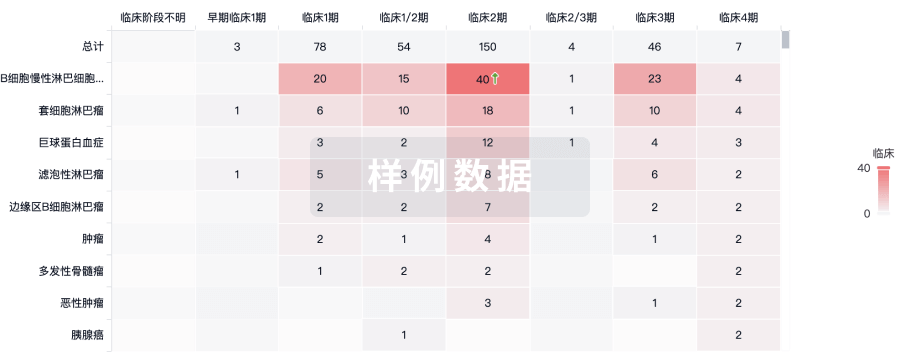
临床分析
紧跟全球注册中心的最新临床试验。
登录
或
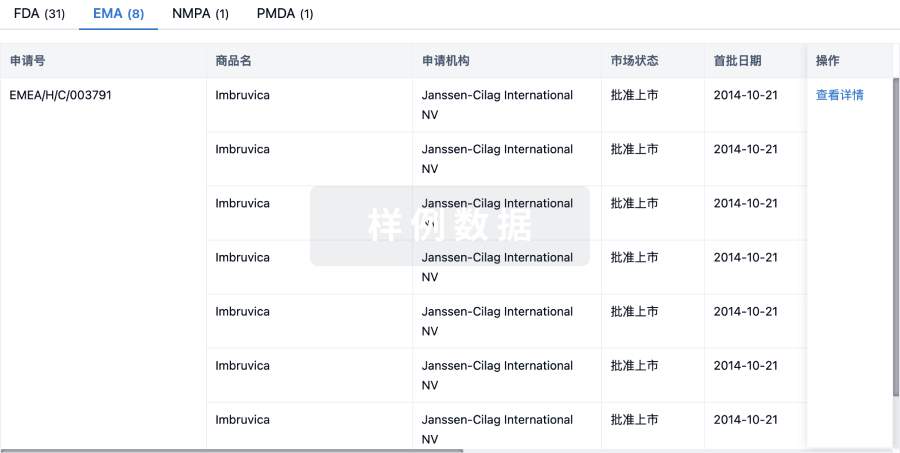
批准
利用最新的监管批准信息加速您的研究。
登录
或
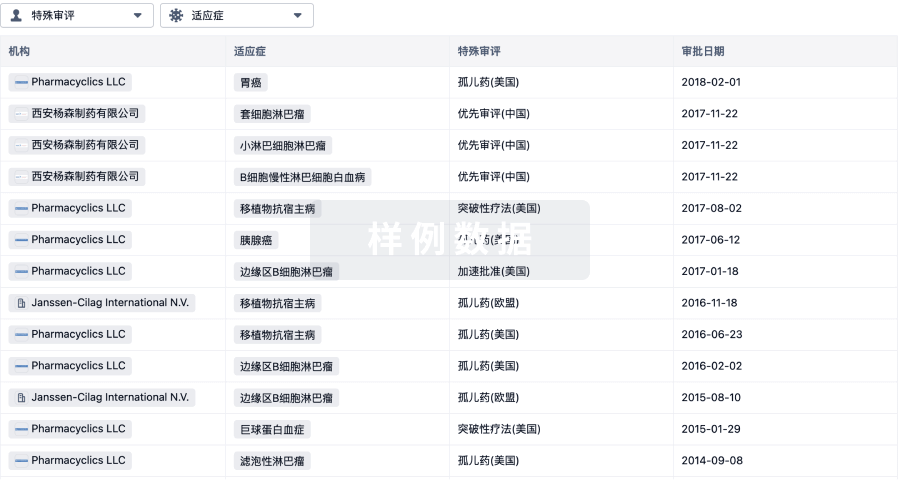
特殊审评
只需点击几下即可了解关键药物信息。
登录
或
提出任何生物医药研究问题
让每一步生物医药决策都精准制胜
基于十亿级生物数据与全球情报的精准 AI,赋能早期药物发现
立即开始免费试用!
智慧芽新药情报库是智慧芽专为生命科学人士构建的基于AI的创新药情报平台,助您全方位提升您的研发与决策效率。
立即接入生物医药数据包
智慧芽新药库数据也通过智慧芽开放平台,以MCP或API服务形式对外开放。立即使用我们的MCP服务定制您的LLM智能体。
生物序列数据库
生物药研发创新
免费使用
化学结构数据库
小分子化药研发创新
免费使用