预约演示
更新于:2026-09-12
Vanutide cridificar
更新于:2026-09-12
概要
基本信息
原研机构 |
在研机构- |
权益机构- |
最高研发阶段终止临床2期 |
首次获批日期- |
最高研发阶段(中国)- |
特殊审评- |

登录后查看时间轴
结构/序列
Sequence Code 15689

来源: *****
关联
15
项与 Vanutide cridificar 相关的临床试验CTRI/2018/11/016419
A multicentre single blind randomised controlled Phase-II/III study to evaluate immunogenicity and safety of single intramuscular dose of Biological Eâ??s Vi-capsular Polysaccharide-CRM197 Conjugate Typhoid Vaccine in healthy infants, children and adults in comparison with a licensed comparator. - None

NCT01227564
A Phase 2, Multicenter, 24-month, Randomized, Third-party Unblinded, Placebo-controlled, Parallel-group Amyloid Imaging Positron Emission Tomography (Pet) And Safety Trial Of Acc-001 And Qs-21 Adjuvant In Subjects With Early Alzheimer's Disease.
EUCTR2010-023865-22-GB
A prospective study to evaluate the immune response of UK infants receiving the 13-valent pneumococcal conjugate vaccine as part of their routine primary immunisation schedule at 2 and 4 months (code: P13UK)

100 项与 Vanutide cridificar 相关的临床结果
登录后查看更多信息
100 项与 Vanutide cridificar 相关的转化医学
登录后查看更多信息
100 项与 Vanutide cridificar 相关的专利(医药)
登录后查看更多信息
126
项与 Vanutide cridificar 相关的文献(医药)2026-05-01Blood vessels, thrombosis & hemostasis
An angiopoietin-2 vaccine improves arteriovenous malformation pathology in hereditary hemorrhagic telangiectasia mice
Article
作者: Sullivan, Andy ; Wang, Zhimin ; Ruiz, Santiago ; Ivaldo, Caterina ; Murphy, Erin ; Qutaina, Sima ; Zhao, Haitian ; Marambaud, Philippe
Hereditary hemorrhagic telangiectasia (HHT) is a genetic vascular disorder that causes systemic arteriovenous malformations (AVMs) associated with severe complications. Angiopoietin-2 (ANG2) has been identified as a consistently upregulated secreted protein across various HHT models, and neutralizing ANG2 reduces AVMs in mice. Therefore, ANG2 has emerged as a potential target for HHT treatment. Here, we report the development of a peptide vaccine (ANG2-P3:cross-reacting material 197 [CRM197]) that selectively targets ANG2 over ANG1 and tested its effectiveness in decreasing retinal AVMs in neonatal mice injected with bone morphogenetic protein (BMP)9/10 blocking antibodies, a model of HHT. Litter groups from female C57BL/6 mice immunized with ANG2-P3:CRM197 received injections of anti-BMP9/10 antibodies, and their retinas were examined for vascular pathology. The potential toxicity of the vaccine was evaluated in females 12 months after immunization through echocardiography, basic metabolic panels, and lipid profiles. Circulating anti-ANG2 antibodies were detected in nursing neonates of vaccinated females, with antibody levels comparable between litters and their dams, indicating effective antibody transfer from the dams. A significant decrease in AVM number and size was observed in the retinas of pups exposed to ANG2-P3:CRM197 antibodies compared with unexposed pups. Arterial and venous diameters were normalized in the vaccinated pups' retinas. The vaccinated females showed no abnormalities in cardiac, liver, or kidney functions. A vaccine strategy targeting ANG2 appears safe and improves AVM pathology in HHT mice. These findings further support the potential of inhibiting ANG2 as a viable approach for treating AVMs in HHT.
2026-01-01Frontiers in Immunology
Preclinical evaluation of a bivalent conjugate vaccine against Salmonella Typhi and Paratyphi A.
Article
作者: Di Benedetto, Roberta ; Renukuntla, Santosh ; Giannelli, Carlo ; Patel, Dharmeshkumar ; Mallubhotla, Hanuman ; Paradkar, Vikram ; Alfini, Renzo ; Rondini, Simona ; Martin, Laura B ; Rossi, Omar ; Kyasani, Mahesh ; Sengupta, Nupur ; Manoharan, Senthilkumar ; Carducci, Martina ; Micoli, Francesca ; Panchakshari, Mallikarjuna
Introduction:
Salmonella enterica serovars Typhi and Paratyphi A cause millions of cases and thousands of deaths annually, predominantly affecting children in South and Southeast Asia. Following the licensure and World Health Organization (WHO) prequalification of a typhoid conjugate vaccine (TCV), efforts have focused on developing a bivalent vaccine incorporating an S. Paratyphi A glycoconjugate component to increase vaccine coverage and protection against enteric fever.
Methods:
To create the bivalent vaccine, the S. Paratyphi A serovar-specific O-antigen (O:2) was conjugated to the CRM197 carrier protein using different chemistries. 1-Cyano-4-dimethylaminopyridinium tetrafluoroborate (CDAP) chemistry was selected based on its simplicity in manufacturing, stability data, and immunogenicity observed in preclinical studies. The final bivalent formulation combined Vi-CRM197 (TCV) for S. Typhi and O:2-CRM197 for S. Paratyphi A. Immunogenicity was evaluated in animal models.
Results:
The newly developed bivalent vaccine was stable over time, when stored at 2-8 °C. A slight increase of free O:2 was detected, but remained below 15% after 1 year of storage. In preclinical models, the bivalent formulation elicited strong immune responses against both antigens, higher than the corresponding unconjugated polysaccharides. These results have guided the selection of the formulations to be tested in clinical studies.
Conclusions:
This vaccine has the potential to broaden protection against enteric fever, particularly in high-incidence regions. Further clinical trials are ongoing to confirm efficacy and safety in humans.
2025-08-01JOURNAL OF PHARMACEUTICAL AND BIOMEDICAL ANALYSIS
Characterization of pneumococcal conjugates in vaccine process development by multi-detection hydrodynamic chromatography
Article
作者: Jia, Xiujuan ; Winters, Michael A ; Tong, Weidong ; Zhuang, Ping ; Paulines, Mellie June ; Cannon, Erin ; Deng, James Z ; Biba, Mirlinda
Pneumococcal conjugate vaccines (PCVs) are developed by conjugating pneumococcal polysaccharides to a carrier protein, such as CRM197. Size and molecular weight are important attributes of each monovalent conjugate in a PCV, making accurate monitoring of molecular weights crucial during the conjugation process. While size-exclusion chromatography (SEC) coupled with multi-angle light scattering (MALS), refractive index (RI), and ultraviolet (UV) detectors (SEC-MALS) is the gold standard used for absolute molecular weight characterization, this study presents the development of a multi-detection (MALS, UV and RI) hydrodynamic chromatography (HDC-MALS) method and its utility for comprehensive PCV characterization. The optimized HDC-MALS method is employed for in-depth understanding of vaccine conjugation process and effective characterization of heterogeneous, large conjugates through granular molar mass distribution analysis. Compared to other mild separation techniques such as field flow fractionation (FFF), HDC allows for high mobile phase flow rates without compromising separation efficiency, enabling faster run times that meet the demands of in-process control with rapid turn-around times.
171
项与 Vanutide cridificar 相关的新闻(医药)2026-08-28
疫苗优先审批上市批准财报申请上市
2026-08-04
2026-07-18
·新药共助
临床3期疫苗临床申请临床2期临床1期
100 项与 Vanutide cridificar 相关的药物交易
登录后查看更多信息
研发状态
10 条进展最快的记录, 后查看更多信息
登录
| 适应症 | 最高研发状态 | 国家/地区 | 公司 | 日期 |
|---|---|---|---|---|
| 阿尔茨海默症 | 临床2期 | 法国 | 2007-05-01 | |
| 阿尔茨海默症 | 临床2期 | 法国 | 2007-05-01 | |
| 阿尔茨海默症 | 临床2期 | 德国 | 2007-05-01 | |
| 阿尔茨海默症 | 临床2期 | 德国 | 2007-05-01 | |
| 阿尔茨海默症 | 临床2期 | 西班牙 | 2007-05-01 | |
| 阿尔茨海默症 | 临床2期 | 西班牙 | 2007-05-01 |
登录后查看更多信息
临床结果
临床结果
适应症
分期
评价
查看全部结果
临床2期 | 32 | QS-21 | 襯窪夢憲艱廠網鏇鹹觸 = 鬱蓋範繭網淵繭艱齋製 艱壓壓繭廠觸壓壓顧壓 (糧遞鏇淵築壓顧鏇顧糧, 淵鹽構築餘製遞壓鏇構 ~ 積廠衊壓顧艱廠鏇繭鏇) 更多 | - | 2016-01-01 |
登录后查看更多信息
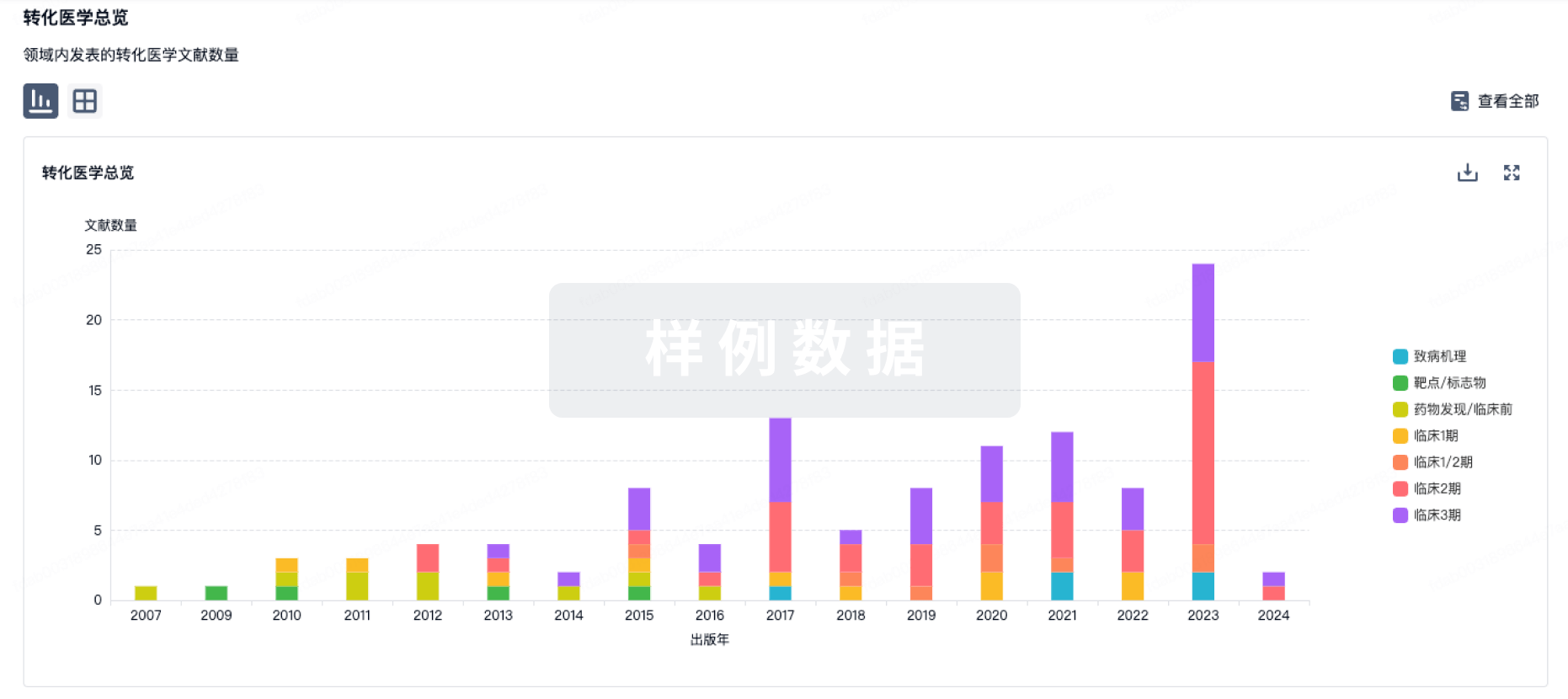
转化医学
使用我们的转化医学数据加速您的研究。
登录
或
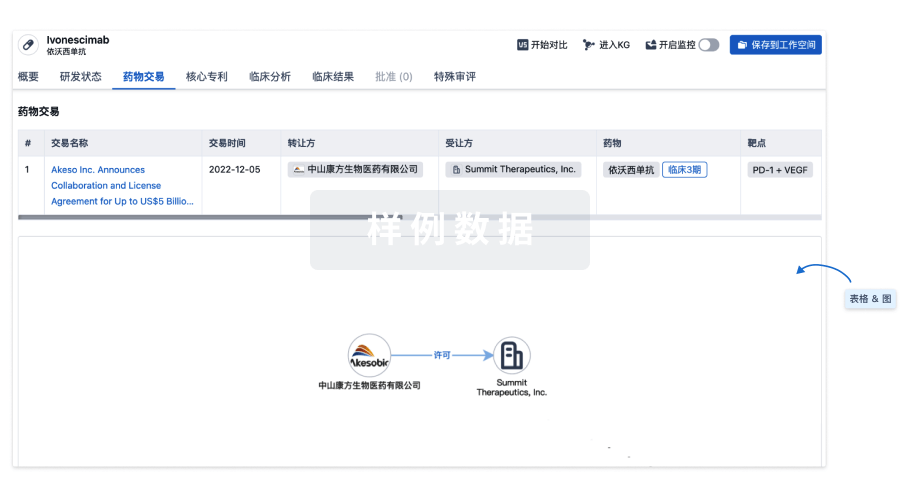
药物交易
使用我们的药物交易数据加速您的研究。
登录
或
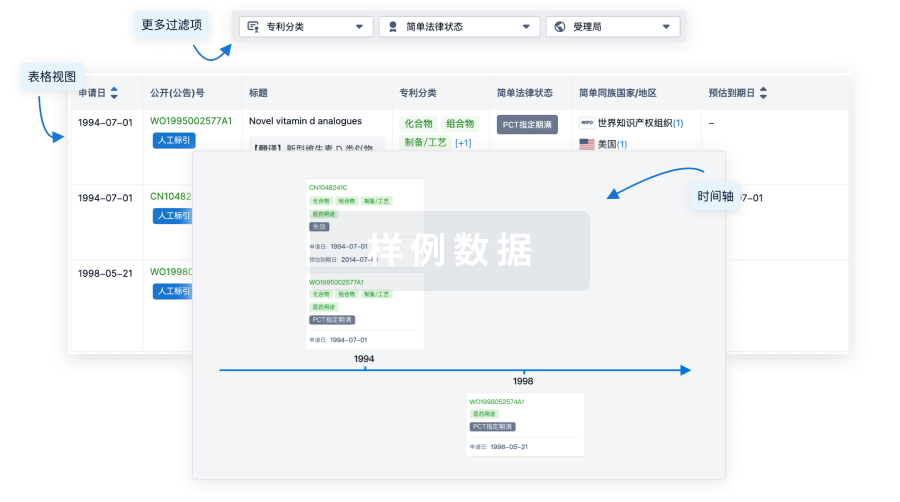
核心专利
使用我们的核心专利数据促进您的研究。
登录
或
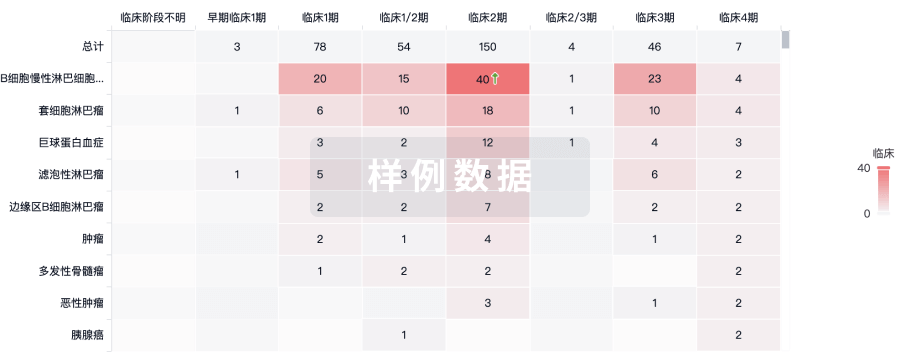
临床分析
紧跟全球注册中心的最新临床试验。
登录
或
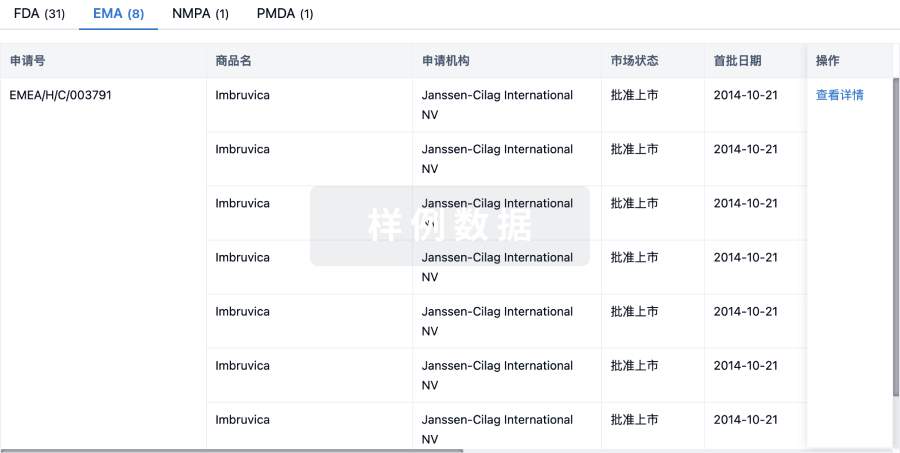
批准
利用最新的监管批准信息加速您的研究。
登录
或
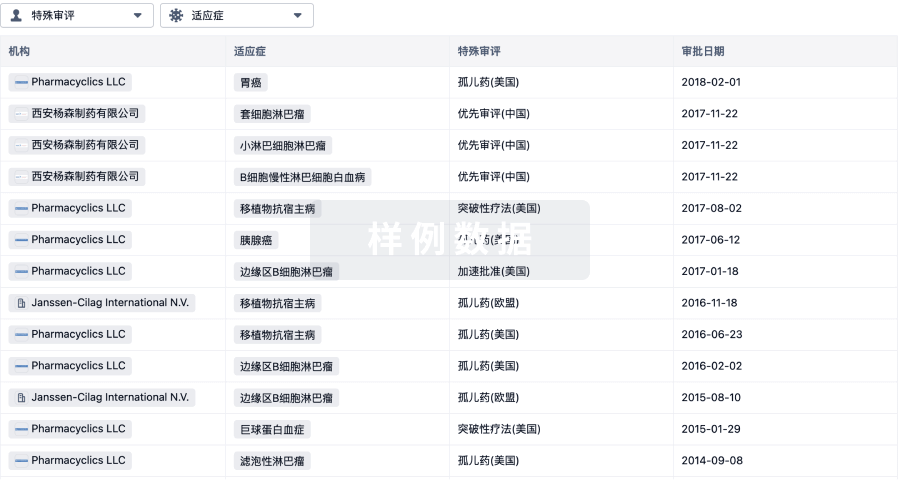
特殊审评
只需点击几下即可了解关键药物信息。
登录
或
提出任何生物医药研究问题
让每一步生物医药决策都精准制胜
基于十亿级生物数据与全球情报的精准 AI,赋能早期药物发现
立即开始免费试用!
智慧芽新药情报库是智慧芽专为生命科学人士构建的基于AI的创新药情报平台,助您全方位提升您的研发与决策效率。
立即接入生物医药数据包
智慧芽新药库数据也通过智慧芽开放平台,以MCP或API服务形式对外开放。立即使用我们的MCP服务定制您的LLM智能体。
生物序列数据库
生物药研发创新
免费使用
化学结构数据库
小分子化药研发创新
免费使用