预约演示
更新于:2026-11-21
EP-301
更新于:2026-11-21
概要
基本信息
非在研机构- |
权益机构- |
最高研发阶段临床2期 |
首次获批日期- |
最高研发阶段(中国)- |
特殊审评孤儿药 (美国) |



登录后查看时间轴
关联
3
项与 EP-301 相关的临床试验NCT05771584
A Phase 2 Study to Evaluate the Safety and Immunological Efficacy of Therapeutic Cancer Vaccine (AST-301, pNGVL3-hICD) in Patients With HER2 Expressing Gastric Cancer (CORNERSTONE-003)
The purpose of this early proof-of-concept study to evaluate the safety and immunologic efficacy of AST-301 in gastric cancer patients with HER2 expression (including both HER2 low expression and overexpression) who have completed the standard adjuvant treatment (including those who discontinued the standard adjuvant treatment due to intolerance).
Participants will be randomized 1:1 to either Arm 1 (Q3W, 3 cycles), or Arm 2 (Q3W, 6 cycles) of the study.
Safety Monitoring Committee (SMC) will oversee safety of study at 25% (6 participants), 50% (12 participants), and 75% (18 participants) of participants receive at least 1 dose of AST-301 and survival follow up will be performed to determine disease-free survival (DFS).
开始日期2023-07-04 |
申办/合作机构 |
NCT05163223
A Phase 2 Study to Evaluate the Efficacy and Safety of an Adjuvant Therapeutic Cancer Vaccine (AST-301, pNGVL3-hICD) in Patients With HER2 Low Breast Cancer (Cornerstone-001)
The purpose of this study is to evaluate the efficacy and safety of an adjuvant treatment of therapeutic cancer vaccine (AST-301, pNGVL3-hICD) in patients with HER2-low expression (IHC 1+ or 2+ and ISH-) and hormone receptor-negative(ER-, PR-) breast cancer with residual disease after neoadjuvant treatment.
Patients will be randomized 1:1 to either the Experimental arm (combination of AST-301/rhuGM CSF and standard adjuvant therapy) or the Control arm (combination of placebo/rhuGM CSF and standard adjuvant therapy). Standard adjuvant chemotherapy will be pembrolizumab or capecitabine.
Adjuvant therapy will be administered in compliance with the NCCN guideline for breast cancer (Version 8, 2021), and IP (AST-301) will be administered 3 times every 3 weeks in the adjuvant treatment period, with a booster administered at 24 weeks (±7 days) post the third dose of IP administration.
Survival follow up will be performed to determine invasive Disease Free survival(iDFS).
开始日期2022-02-28 |
申办/合作机构 |
NCT00436254
A Phase I Study of a DNA Plasmid Based Vaccine Encoding the HER-2/Neu Intracellular Domain in Subjects With HER-2/Neu (HER2) Overexpressing Tumors
RATIONALE: Vaccines may help the body build an effective immune response to kill tumor cells. Colony-stimulating factors, such as GM-CSF, may increase the number of immune cells found in bone marrow or peripheral blood. Giving vaccine therapy together with sargramostim may be an effective treatment for breast cancer and ovarian cancer. PURPOSE: This phase I trial is studying the side effects and identifying the best dose of vaccine therapy when given together with sargramostim in treating patients with stage III-IV breast cancer or ovarian cancer.
开始日期2001-10-01 |
申办/合作机构 |
100 项与 EP-301 相关的临床结果
登录后查看更多信息
100 项与 EP-301 相关的转化医学
登录后查看更多信息
100 项与 EP-301 相关的专利(医药)
登录后查看更多信息
12
项与 EP-301 相关的新闻(医药)2026-10-22
▲11月19-20日 大湾区创新药产业生态大会免费 扫码报名机会
注:本文不构成任何投资意见和建议,以官方/公司公告为准;本文仅作医疗健康相关药物介绍,非治疗方案推荐(若涉及),不代表平台立场。任何文章转载需得到授权。
10月22日,致力于开发用于癌症和免疫介导疾病的创新免疫疗法的汉康生技股份有限公司(TWSE:7827)与推进下一代免疫疗法开发的临床阶段生物技术公司Aston Sci, Inc.宣布,开展战略研究合作,评估将汉康生技以巨噬细胞为导向的免疫疗法HCB101与Aston Sci治疗性肿瘤疫苗候选产品相结合的新型联合治疗方案。
根据双方签署的谅解备忘录(MOU),本次合作将首先评估HCB101与Aston Sci核心候选产品AST-301的联合应用。AST-301是一款HER2靶向质粒DNA治疗性疫苗,目前正在开展II期临床试验。双方还将探索与一款在研PD-L1治疗性疫苗的联合治疗,从而将合作拓展至不同的疫苗技术路径和免疫机制。
此次战略合作进一步推进汉康生技将疫苗导向的免疫教育与巨噬细胞介导的免疫激活相结合的战略,为双方拓展市场机会、潜在临床适应症及共同开发合作空间。
HCB101是一款基于汉康生技专有FBDB™平台开发的工程化SIRPα–IgG4 Fc融合蛋白。HCB101旨在阻断CD47–SIRPα“别吃我”信号,重新激活巨噬细胞的吞噬作用,同时最大限度降低红细胞毒性。目前,HCB101正在开展I期单药临床研究(NCT05892718)和Ib/IIa期联合治疗临床研究(NCT06771622),并已获得美国FDA授予的胃癌孤儿药资格认定。
通过将HCB101与Aston Sci的治疗性肿瘤疫苗联合,双方旨在构建持续、自我强化的免疫循环:
免疫教育:治疗性疫苗诱导强效、抗原特异性的适应性T细胞应答。
执行清除:HCB101解除对肿瘤相关巨噬细胞的抑制,使其清除靶向癌细胞。
放大效应:增强的吞噬作用将内源性肿瘤新抗原释放至TME中。
再次激活(抗原扩展):扩大的抗原呈递可启动新的T细胞克隆,防止免疫逃逸并推动持久的肿瘤抑制。
Aston Sci, Inc.是一家韩国临床阶段生物制药公司,专注于发现和开发创新免疫疗法,包括治疗性肿瘤疫苗。AST-301(pNGVL3-hICD)是一款在研质粒DNA治疗性肿瘤疫苗,可编码HER2胞内结构域,旨在诱导HER2特异性T细胞免疫。AST-301尚未在任何国家获批用于任何用途。CornerStone-003(NCT05771584)是一项随机、开放标签II期研究,旨在评估AST-301用于24例接受根治性切除及标准全身辅助治疗后HER2表达胃癌患者的安全性、免疫原性和初步疗效。AST-301已获得美国FDA授予的胃癌孤儿药资格。
参考资料:
公司官网
2026-10-22
Strategic collaboration pairs HCB101 (macrophage CD47-SIRPα blockade) with Aston Sci's Phase 2 HER2-directed DNA vaccine (AST-301) to drive durable, dual innate/adaptive antitumor immunity
Initial studies focus on gastric and breast cancers; expands to evaluate AST-301 and investigational PD-L1 cancer vaccines across multiple modalities
Leverages FDA Orphan Drug Designations for both lead assets in gastric cancer to accelerate clinical pathways and global strategic partnering
TAIPEI and SHANGHAI and SAN FRANCISCO, Oct. 22, 2026 /PRNewswire/ -- HanchorBio, Inc. (TWSE: 7827), a global clinical-stage biotechnology company developing innovative immunotherapies for cancer and immune-mediated diseases, and Aston Sci, Inc., a clinical-stage biotechnology company advancing next-generation immunotherapies, today announced a strategic research collaboration to evaluate novel combination therapies joining HanchorBio's HCB101 macrophage-directed immunotherapy with Aston Sci's therapeutic cancer vaccine candidates.
Established under a Memorandum of Understanding (MOU), the collaboration will initially evaluate HCB101 alongside Aston Sci's lead candidate, AST-301, a HER2-directed plasmid DNA therapeutic vaccine currently in Phase 2 clinical trials. The companies will also explore combinations involving an investigational PD-L1 therapeutic vaccine, extending the collaboration across distinct vaccine modalities and immune mechanisms.
This strategic partnership advances HanchorBio's strategy to integrate vaccine-directed immune education with macrophage-mediated immune activation, expanding market opportunities, potential clinical indications, and co-development partnerships for both organizations.
Bridging Vaccine-Directed Immune Education with Durable Macrophage Enhancement
Therapeutic cancer vaccines are experiencing renewed momentum across the biopharmaceutical sector, underscored by recent landmark Phase 3 readouts in mRNA neoantigen therapies. However, translating antigen-specific T-cell responses into durable, long-term clinical benefits remains a core challenge because immunosuppressive tumor microenvironments (TMEs) and immune evasion limit their persistence.
HanchorBio and Aston Sci aim to address these challenges by coordinating two arms of the immune system: pairing vaccine-driven adaptive T-cell priming with macrophage-driven innate tumor clearance, followed by antigen presentation that de novo activates additional tumor-reactive T-cell clones.
HCB101 is an engineered SIRPα–IgG4 Fc fusion protein developed through HanchorBio's proprietary FBDB™ platform. Designed to block the CD47–SIRPα "don't eat me" signal, HCB101 reactivates macrophage phagocytosis while minimizing red blood cell toxicity.
By combining HCB101 with Aston Sci's therapeutic cancer vaccines, the companies intend to create a continuous, self-reinforcing immune loop:
Educate: Therapeutic vaccines generate robust, antigen-specific adaptive T-cell responses.
Execute: HCB101 unblocks tumor-associated macrophages to clear targeted cancer cells.
Amplify: Enhanced phagocytosis releases endogenous tumor neoantigens into the TME.
Re-Engage (Antigen Spreading): Broadened antigen presentation primes new T-cell clones, preventing immune escape and driving durable tumor suppression.
"Cancer vaccines are entering a new era, but teaching the immune system to recognize cancer is only part of the challenge," said
Scott Liu, PhD, Founder, Chairman, and CEO of HanchorBio. "We believe the next major breakthrough lies in connecting immune education with immune execution. By pairing HCB101 with Aston Sci's vaccine platform, we aim to expand the utility of both pipelines and pioneer combination regimens that transcend traditional single-pathway therapies."
Complementary Pipelines and Clinical Strategy
The initial translational research will combine HCB101 with AST-301, Aston Sci's HER2-directed DNA vaccine currently in Phase 2 clinical development for breast and gastric cancers. Notably, both AST-301 and HCB101 have received U.S. FDA Orphan Drug Designation (ODD) for gastric cancer, establishing a validated regulatory foundation for future joint clinical development.
Preclinical and translational evaluations will measure antitumor efficacy, macrophage reactivation, T-cell kinetics, and epitope spreading beyond HER2. Follow-on studies will explore Aston Sci's investigational PD-L1 cancer vaccine.
"Therapeutic cancer vaccines hold immense clinical promise, but unlocking their full potential requires pairing them with synergistic immune mechanisms," said Wonil Kim, PhD, CSO of Aston Sci. Inc. "Partnering with HanchorBio allows us to evaluate how HCB101's macrophage checkpoint blockade complements AST-301's T-cell activation, opening an emerging immunotherapy for patients with hard-to-treat solid tumors."
Path to Commercial and Strategic Value Creation
The joint strategy emphasizes rapid mechanistic validation to support future clinical co-development. Target indications include HER2-expressing gastric, gastroesophageal junction (GEJ), breast, and colorectal cancers, with a strategic focus on consolidation or maintenance settings to achieve chemotherapy-sparing, long-term tumor control.
"The right tumor biology, clinical setting, and combination strategy are critical to maximizing vaccine performance," said
Alvin Luk, PhD, MBA, CCRA, President and Chief Medical Officer (Group) and CEO (USA) of HanchorBio. "Our goal is to demonstrate that pairing immune priming with macrophage engagement leads to deeper, more durable responses. Success here could transform treatment paradigms across multiple solid tumor settings."
Global Partnering at BIO-Europe 2026
Executive leadership from both HanchorBio and Aston Sci will attend BIO-Europe 2026 in Cologne, Germany (November 9–11, 2026) to present the scientific rationale behind the combination and to engage with potential global pharmaceutical partners and investors on next-generation immunotherapy and future strategic collaboration opportunities.
About HCB101
HCB101 is an investigational engineered SIRPα–IgG4 Fc fusion protein developed using HanchorBio's proprietary FBDB™ platform. By blocking CD47–SIRPα signaling, HCB101 is designed to enhance macrophage-mediated antitumor immunity. It is currently being evaluated in ongoing Phase 1 monotherapy (NCT05892718) and Phase 1b/2a combination (NCT06771622) clinical studies and has received U.S. FDA Orphan Drug Designation for gastric cancer.
About HanchorBio
HanchorBio (TWSE: 7827) is a global clinical-stage biotechnology company developing next-generation biologics for cancer and immune-mediated diseases through its proprietary FBDB™ platform. Powered by a multifunctional protein-engineering technology, its clinical pipeline includes HCB101, HCB301, and HCB303. Operating across Taipei, Shanghai, and the San Francisco Bay Area, HanchorBio is committed to transforming patient outcomes through bi- and multi-specific biologics. For more information, visit: .
About AST-301
AST-301 (pNGVL3-hICD) is an investigational plasmid DNA therapeutic cancer vaccine encoding the intracellular domain of HER2. It is designed to elicit HER2-specific T-cell immunity. AST-301 is not approved for any use in any country. CornerStone-003 (NCT05771584) is a randomized, open-label, Phase 2 study evaluating the safety, immunogenicity, and preliminary efficacy of AST-301 in 24 patients with HER2-expressing gastric cancer after curative resection and standard systemic adjuvant treatment. More information is available at ClinicalTrials.gov. AST-301 has received U.S. FDA Orphan Drug Designation and Fast Track Designation for gastric cancer.
About Aston Sci
Aston Sci, Inc. is a South Korean clinical-stage biopharmaceutical company focused on discovering and developing innovative immunotherapies, including therapeutic cancer vaccines. Through its proprietary Th-Vac® platform, the company develops antigen-directed therapies engineered to induce durable, tumor-specific immune responses. Aston Sci.'s pipeline is led by AST301, a HER2-directed plasmid DNA cancer vaccine in Phase 2 clinical development for breast and gastric cancers, alongside multiple pipeline candidates targeting distinct immune pathways. For more information, visit: .
Forward-Looking Statements
This press release contains forward-looking statements concerning the proposed collaboration between HanchorBio and Aston Sci; anticipated preclinical and translational research; the potential biological and therapeutic activities of HCB101, AST301, and other investigational vaccine candidates; potential immune amplification, antigen spreading, and response durability; possible future clinical development; and broader therapeutic opportunities.
These statements are based on current expectations and involve risks and uncertainties that could cause actual results to differ materially. The proposed combination mechanisms have not been clinically validated, and the agreement does not guarantee the initiation or successful completion of specific research programs, clinical trials, regulatory submissions, or commercial development. Any future activities will depend on supporting evidence, applicable agreements, and relevant regulatory requirements.
Except as required by applicable law, HanchorBio undertakes no obligation to update these forward-looking statements.
HanchorBio Business Development Contact:
Email: [email protected]
SOURCE HanchorBio Inc.
21%
more press release views with
Request a Demo
免疫疗法疫苗临床2期孤儿药临床3期
2026-10-22
·汉康生技
汉康生技与Aston Sci
携手推进肿瘤疫苗联合治疗 释放下一代免疫疗法潜力
战略合作将HCB101(巨噬细胞CD47-SIRPα阻断剂)与Aston Sci处于II期临床阶段的HER2靶向DNA疫苗AST-301联合,以实现持久的先天免疫与适应性免疫双重抗肿瘤效应
初期研究聚焦胃癌和乳腺癌;并将进一步评估AST-301及在研PD-L1肿瘤疫苗与多种治疗方式的联合潜力
充分发挥两项核心资产均获美国FDA胃癌孤儿药资格认定的优势,加快临床开发路径和全球战略合作
台北、上海和旧金山 — 2026年10月22日 — 汉康生技股份有限公司(TWSE:7827)是一家致力于开发用于癌症和免疫介导疾病的创新免疫疗法的全球临床阶段生物技术公司;Aston Sci, Inc.是一家推进下一代免疫疗法开发的临床阶段生物技术公司。双方今日宣布开展战略研究合作,评估将汉康生技以巨噬细胞为导向的免疫疗法HCB101与Aston Sci治疗性肿瘤疫苗候选产品相结合的新型联合治疗方案。
根据双方签署的谅解备忘录(MOU),本次合作将首先评估HCB101与Aston Sci核心候选产品AST-301的联合应用。AST-301是一款HER2靶向质粒DNA治疗性疫苗,目前正在开展II期临床试验。双方还将探索与一款在研PD-L1治疗性疫苗的联合治疗,从而将合作拓展至不同的疫苗技术路径和免疫机制。
此次战略合作进一步推进汉康生技将疫苗导向的免疫教育与巨噬细胞介导的免疫激活相结合的战略,为双方拓展市场机会、潜在临床适应症及共同开发合作空间。
连接疫苗免疫教育
与持久的巨噬细胞免疫增强
治疗性肿瘤疫苗在生物医药行业再度受到广泛关注,近期mRNA新抗原疗法取得的标志性III期研究结果进一步凸显了这一趋势。然而,如何将抗原特异性T细胞应答转化为持久、长期的临床获益,仍是该领域的核心挑战,因为免疫抑制性肿瘤微环境(TME)和免疫逃逸会限制免疫应答的持续性。
汉康生技与Aston Sci计划通过协同免疫系统的两大作用机制来应对这些挑战:将疫苗驱动的适应性T细胞启动与巨噬细胞驱动的先天性肿瘤清除相结合,随后通过抗原呈递从头激活更多肿瘤反应性T细胞克隆。
HCB101是一款基于汉康生技专有FBDB™平台开发的工程化SIRPα–IgG4 Fc融合蛋白。HCB101旨在阻断CD47–SIRPα“别吃我”信号,重新激活巨噬细胞的吞噬作用,同时最大限度降低红细胞毒性。
通过将HCB101与Aston Sci的治疗性肿瘤疫苗联合,双方旨在构建持续、自我强化的免疫循环:
免疫教育:治疗性疫苗诱导强效、抗原特异性的适应性T细胞应答。
执行清除:HCB101解除对肿瘤相关巨噬细胞的抑制,使其清除靶向癌细胞。
放大效应:增强的吞噬作用将内源性肿瘤新抗原释放至TME中。
再次激活(抗原扩展):扩大的抗原呈递可启动新的T细胞克隆,防止免疫逃逸并推动持久的肿瘤抑制。
“肿瘤疫苗正迈入一个新时代,但教会免疫系统识别癌症只是挑战的一部分。”汉康生技创始人、董事长兼首席执行官刘世高博士表示,“我们认为,下一个重大突破在于将免疫教育与免疫执行连接起来。通过将HCB101与Aston Sci的疫苗平台相结合,我们旨在拓展双方研发管线的应用价值,并开创超越传统单一通路疗法的联合治疗方案。”
互补的研发管线与临床策略
初期转化研究将评估HCB101与AST-301的联合应用。AST-301是Aston Sci开发的HER2靶向DNA疫苗,目前正在乳腺癌和胃癌中开展II期临床开发。值得注意的是,AST-301和HCB101均已获得美国FDA授予的胃癌孤儿药资格认定,为未来共同开展临床开发奠定了经监管认可的基础。
临床前及转化研究将评估抗肿瘤疗效、巨噬细胞再激活、T细胞动力学,以及HER2之外的表位扩展。后续研究还将探索Aston Sci的在研PD-L1肿瘤疫苗。
“治疗性肿瘤疫苗具有巨大的临床潜力,但要充分释放其价值,需要与具有协同作用的免疫机制相结合。”Aston Sci首席科学官Wonil Kim博士表示,“与汉康生技合作,使我们能够评估HCB101对巨噬细胞检查点的阻断如何与AST-301的T细胞激活形成互补,为难治性实体瘤患者探索新型免疫治疗方案。”
商业化及战略价值创造路径
双方的联合战略强调快速开展机制验证,以支持未来共同进行临床开发。目标适应症包括HER2表达的胃癌、胃食管结合部癌(GEJ)、乳腺癌和结直肠癌;战略重点是探索巩固治疗或维持治疗场景,以实现减少化疗使用并获得长期肿瘤控制。
“合适的肿瘤生物学特征、临床治疗场景和联合策略,对于最大限度发挥疫苗疗效至关重要。”汉康生技集团总裁兼首席医学官、美国公司首席执行官Alvin Luk博士表示,“我们的目标是证明,将免疫启动与巨噬细胞作用相结合能够带来更深、更持久的缓解。如果取得成功,这一策略可能改变多种实体瘤治疗场景下的治疗模式。”
BIO-Europe 2026全球合作交流
汉康生技与Aston Sci的管理团队将出席于2026年11月9日至11日在德国科隆举行的BIO-Europe 2026大会,介绍该联合治疗背后的科学依据,并就下一代免疫疗法及未来战略合作机会,与潜在全球制药合作伙伴和投资者开展交流。
关于HCB101
HCB101是一款基于汉康生技专有FBDB™平台开发的在研工程化SIRPα–IgG4 Fc融合蛋白。HCB101通过阻断CD47–SIRPα信号通路,旨在增强巨噬细胞介导的抗肿瘤免疫。目前,HCB101正在开展I期单药临床研究(NCT05892718)和Ib/IIa期联合治疗临床研究(NCT06771622),并已获得美国FDA授予的胃癌孤儿药资格认定。
关于汉康生技
汉康生技(TWSE:7827)是一家全球临床阶段生物技术公司,依托专有FBDB™平台开发用于癌症和免疫介导疾病的下一代生物制剂。基于多功能蛋白工程技术,公司临床研发管线包括HCB101、HCB301和HCB303。汉康生技业务布局覆盖台北、上海和旧金山湾区,致力于通过双特异性和多特异性生物制剂改善患者治疗结局。
更多信息请访问:
www.HanchorBio.com。
关于AST-301
AST-301(pNGVL3-hICD)是一款在研质粒DNA治疗性肿瘤疫苗,可编码HER2胞内结构域,旨在诱导HER2特异性T细胞免疫。AST-301尚未在任何国家获批用于任何用途。CornerStone-003(NCT05771584)是一项随机、开放标签II期研究,旨在评估AST-301用于24例接受根治性切除及标准全身辅助治疗后HER2表达胃癌患者的安全性、免疫原性和初步疗效。更多信息可访问ClinicalTrials.gov。AST-301已获得美国FDA授予的胃癌孤儿药资格认定和快速通道资格认定。
关于Aston Sci
Aston Sci, Inc.是一家韩国临床阶段生物制药公司,专注于发现和开发创新免疫疗法,包括治疗性肿瘤疫苗。依托专有Th-Vac®平台,公司开发抗原导向疗法,旨在诱导持久、肿瘤特异性的免疫应答。Aston Sci的研发管线以AST301为核心;AST301是一款HER2靶向质粒DNA肿瘤疫苗,目前正在乳腺癌和胃癌中开展II期临床开发。此外,公司还拥有多款靶向不同免疫通路的候选产品。
更多信息请访问:www.astonsci.com。
前瞻性声明
本新闻稿包含有关汉康生技与Aston Sci拟开展的合作;预期的临床前及转化研究;HCB101、AST301及其他在研疫苗候选产品潜在的生物学活性和治疗作用;潜在的免疫放大、抗原扩展及缓解持久性;未来可能开展的临床开发;以及更广泛治疗机会的前瞻性声明。
这些声明基于当前预期,并涉及可能导致实际结果与所述内容存在重大差异的风险和不确定性。拟议联合治疗机制尚未经过临床验证,相关协议也不保证具体研究项目、临床试验、监管申报或商业开发一定会启动或成功完成。任何未来活动均取决于支持性证据、适用协议和相关监管要求。
除适用法律另有要求外,汉康生技不承担更新这些前瞻性声明的义务。
汉康生技商务拓展联系人:
电子邮箱:BD@HanchorBio.com
投资者及媒体联系人:
电子邮箱:IRPR@hanchorbio.com
HanchorBio and Aston Sci Join Forces to Unlock the Potential of Next-Generation Immunotherapy Through Cancer Vaccine Combinations
Strategic collaboration pairs HCB101 (macrophage CD47-SIRPα blockade) with Aston Sci’s Phase 2 HER2-directed DNA vaccine (AST-301) to drive durable, dual innate/adaptive antitumor immunity
Initial studies focus on gastric and breast cancers; expands to evaluate AST-301 and investigational PD-L1 cancer vaccines across multiple modalities
Leverages FDA Orphan Drug Designations for both lead assets in gastric cancer to accelerate clinical pathways and global strategic partnering
TAIPEI, SHANGHAI, and SAN FRANCISCO — October 22, 2026 — HanchorBio, Inc. (TWSE: 7827), a global clinical-stage biotechnology company developing innovative immunotherapies for cancer and immune-mediated diseases, and Aston Sci, Inc., a clinical-stage biotechnology company advancing next-generation immunotherapies, today announced a strategic research collaboration to evaluate novel combination therapies joining HanchorBio's HCB101 macrophage-directed immunotherapy with Aston Sci's therapeutic cancer vaccine candidates.
Established under a Memorandum of Understanding (MOU), the collaboration will initially evaluate HCB101 alongside Aston Sci’s lead candidate, AST-301, a HER2-directed plasmid DNA therapeutic vaccine currently in Phase 2 clinical trials. The companies will also explore combinations involving an investigational PD-L1 therapeutic vaccine, extending the collaboration across distinct vaccine modalities and immune mechanisms.
This strategic partnership advances HanchorBio’s strategy to integrate vaccine-directed immune education with macrophage-mediated immune activation, expanding market opportunities, potential clinical indications, and co-development partnerships for both organizations.
Bridging Vaccine-Directed
Immune Education with
Durable Macrophage
Enhancement
Therapeutic cancer vaccines are experiencing renewed momentum across the biopharmaceutical sector, underscored by recent landmark Phase 3 readouts in mRNA neoantigen therapies. However, translating antigen-specific T-cell responses into durable, long-term clinical benefits remains a core challenge because immunosuppressive tumor microenvironments (TMEs) and immune evasion limit their persistence.
HanchorBio and Aston Sci aim to address these challenges by coordinating two arms of the immune system: pairing vaccine-driven adaptive T-cell priming with macrophage-driven innate tumor clearance, followed by antigen presentation that de novo activates additional tumor-reactive T-cell clones.
HCB101 is an engineered SIRPα–IgG4 Fc fusion protein developed through HanchorBio's proprietary FBDB™ platform. Designed to block the CD47–SIRPα "don't eat me" signal, HCB101 reactivates macrophage phagocytosis while minimizing red blood cell toxicity.
By combining HCB101 with Aston Sci’s therapeutic cancer vaccines, the companies intend to create a continuous, self-reinforcing immune loop:
Educate: Therapeutic vaccines generate robust, antigen-specific adaptive T-cell responses.
Execute: HCB101 unblocks tumor-associated macrophages to clear targeted cancer cells.
Amplify: Enhanced phagocytosis releases endogenous tumor neoantigens into the TME.
Re-Engage (Antigen Spreading): Broadened antigen presentation primes new T-cell clones, preventing immune escape and driving durable tumor suppression.
“Cancer vaccines are entering a new era, but teaching the immune system to recognize cancer is only part of the challenge,” said Scott Liu, PhD, Founder, Chairman, and CEO of HanchorBio. “We believe the next major breakthrough lies in connecting immune education with immune execution. By pairing HCB101 with Aston Sci’s vaccine platform, we aim to expand the utility of both pipelines and pioneer combination regimens that transcend traditional single-pathway therapies.”
Complementary Pipelines
and Clinical Strategy
The initial translational research will combine HCB101 with AST-301, Aston Sci’s HER2-directed DNA vaccine currently in Phase 2 clinical development for breast and gastric cancers. Notably, both AST-301 and HCB101 have received U.S. FDA Orphan Drug Designation (ODD) for gastric cancer, establishing a validated regulatory foundation for future joint clinical development.
Preclinical and translational evaluations will measure antitumor efficacy, macrophage reactivation, T-cell kinetics, and epitope spreading beyond HER2. Follow-on studies will explore Aston Sci’s investigational PD-L1 cancer vaccine.
“Therapeutic cancer vaccines hold immense clinical promise, but unlocking their full potential requires pairing them with synergistic immune mechanisms,” said Wonil Kim, PhD, CSO of Aston Sci. Inc. “Partnering with HanchorBio allows us to evaluate how HCB101’s macrophage checkpoint blockade complements AST-301’s T-cell activation, opening an emerging immunotherapy for patients with hard-to-treat solid tumors.”
Path to Commercia and
Strategic Value Creation
The joint strategy emphasizes rapid mechanistic validation to support future clinical co-development. Target indications include HER2-expressing gastric, gastroesophageal junction (GEJ), breast, and colorectal cancers, with a strategic focus on consolidation or maintenance settings to achieve chemotherapy-sparing, long-term tumor control.
“The right tumor biology, clinical setting, and combination strategy are critical to maximizing vaccine performance,” said Alvin Luk, PhD, MBA, CCRA, President and Chief Medical Officer (Group) and CEO (USA) of HanchorBio. “Our goal is to demonstrate that pairing immune priming with macrophage engagement leads to deeper, more durable responses. Success here could transform treatment paradigms across multiple solid tumor settings.”
Global Partnering
at BIO-Europe 2026
Executive leadership from both HanchorBio and Aston Sci will attend BIO-Europe 2026 in Cologne, Germany (November 9–11, 2026) to present the scientific rationale behind the combination and to engage with potential global pharmaceutical partners and investors on next-generation immunotherapy and future strategic collaboration opportunities.
About HCB101
HCB101 is an investigational engineered SIRPα–IgG4 Fc fusion protein developed using HanchorBio's proprietary FBDB™ platform. By blocking CD47–SIRPα signaling, HCB101 is designed to enhance macrophage-mediated antitumor immunity. It is currently being evaluated in ongoing Phase 1 monotherapy (NCT05892718) and Phase 1b/2a combination (NCT06771622) clinical studies and has received U.S. FDA Orphan Drug Designation for gastric cancer.
About HanchorBio
HanchorBio (TWSE: 7827) is a global clinical-stage biotechnology company developing next-generation biologics for cancer and immune-mediated diseases through its proprietary FBDB™ platform. Powered by a multifunctional protein-engineering technology, its clinical pipeline includes HCB101, HCB301, and HCB303. Operating across Taipei, Shanghai, and the San Francisco Bay Area, HanchorBio is committed to transforming patient outcomes through bi- and multi-specific biologics.
For more information, visit:
www.HanchorBio.com.
About AST-301
AST-301 (pNGVL3-hICD) is an investigational plasmid DNA therapeutic cancer vaccine encoding the intracellular domain of HER2. It is designed to elicit HER2-specific T-cell immunity. AST-301 is not approved for any use in any country. CornerStone-003 (NCT05771584) is a randomized, open-label, Phase 2 study evaluating the safety, immunogenicity, and preliminary efficacy of AST-301 in 24 patients with HER2-expressing gastric cancer after curative resection and standard systemic adjuvant treatment. More information is available at ClinicalTrials.gov. AST-301 has received U.S. FDA Orphan Drug Designation and Fast Track Designation for gastric cancer.
About Aston Sci
Aston Sci, Inc. is a South Korean clinical-stage biopharmaceutical company focused on discovering and developing innovative immunotherapies, including therapeutic cancer vaccines. Through its proprietary Th-Vac® platform, the company develops antigen-directed therapies engineered to induce durable, tumor-specific immune responses. Aston Sci.’s pipeline is led by AST301, a HER2-directed plasmid DNA cancer vaccine in Phase 2 clinical development for breast and gastric cancers, alongside multiple pipeline candidates targeting distinct immune pathways.
For more information, visit: www.astonsci.com.
Forward-Looking
Statements
This press release contains forward-looking statements concerning the proposed collaboration between HanchorBio and Aston Sci; anticipated preclinical and translational research; the potential biological and therapeutic activities of HCB101, AST301, and other investigational vaccine candidates; potential immune amplification, antigen spreading, and response durability; possible future clinical development; and broader therapeutic opportunities.
These statements are based on current expectations and involve risks and uncertainties that could cause actual results to differ materially. The proposed combination mechanisms have not been clinically validated, and the agreement does not guarantee the initiation or successful completion of specific research programs, clinical trials, regulatory submissions, or commercial development. Any future activities will depend on supporting evidence, applicable agreements, and relevant regulatory requirements.
Except as required by applicable law, HanchorBio undertakes no obligation to update these forward-looking statements.
HanchorBio Business Development Contact:
Email: BD@HanchorBio.com
Investor & Media Contact:
Email: IRPR@hanchorbio.com
100 项与 EP-301 相关的药物交易
登录后查看更多信息
研发状态
10 条进展最快的记录, 后查看更多信息
登录
| 适应症 | 最高研发状态 | 国家/地区 | 公司 | 日期 |
|---|---|---|---|---|
| HER2表达胃腺癌 | 临床2期 | 中国台湾 | 2023-07-04 | |
| HER2低表达乳腺癌 | 临床2期 | 美国 | 2022-02-28 | |
| HER2低表达乳腺癌 | 临床2期 | 中国台湾 | 2022-02-28 | |
| HER2阳性乳腺癌 | 临床2期 | 美国 | 2022-01-30 | |
| HER2阳性乳腺癌 | 临床2期 | 美国 | 2022-01-30 | |
| HER2阳性乳腺癌 | 临床2期 | 美国 | 2022-01-30 | |
| HER2阳性乳腺癌 | 临床2期 | 中国台湾 | 2022-01-30 | |
| HER2阳性乳腺癌 | 临床2期 | 中国台湾 | 2022-01-30 | |
| HER2阳性乳腺癌 | 临床2期 | 中国台湾 | 2022-01-30 | |
| 胃癌 | 临床2期 | 美国 | 2022-01-30 |
登录后查看更多信息
临床结果
临床结果
适应症
分期
评价
查看全部结果
| 研究 | 分期 | 人群特征 | 评价人数 | 分组 | 结果 | 评价 | 发布日期 |
|---|
临床1期 | 66 | 鏇餘築獵鏇醖遞糧衊構(餘觸範鏇鹹獵範衊廠蓋) = 選選齋糧醖鹹願鬱窪膚 築膚築餘蓋願齋鬱鹹積 (觸淵鏇糧夢廠鑰鬱窪蓋 ) | - | 2023-04-04 | |||
Pembrolizumab | 鏇餘築獵鏇醖遞糧衊構(餘觸範鏇鹹獵範衊廠蓋) = 餘憲夢簾憲製鹽齋淵襯 築膚築餘蓋願齋鬱鹹積 (觸淵鏇糧夢廠鑰鬱窪蓋 ) | ||||||
临床1期 | HER2阳性乳腺癌 HER2 Positive | 66 | 蓋襯壓簾鏇夢鹽鑰構獵(糧齋鏇襯積願膚網膚鹹) = 鑰餘鏇夢夢醖築觸願獵 醖鏇鬱製壓膚壓糧鑰鏇 (獵衊壓廠繭獵願膚鬱選 ) 更多 | 积极 | 2021-05-20 | ||
蓋襯壓簾鏇夢鹽鑰構獵(糧齋鏇襯積願膚網膚鹹) = 願膚餘遞壓淵襯廠衊艱 醖鏇鬱製壓膚壓糧鑰鏇 (獵衊壓廠繭獵願膚鬱選 ) 更多 |

登录后查看更多信息
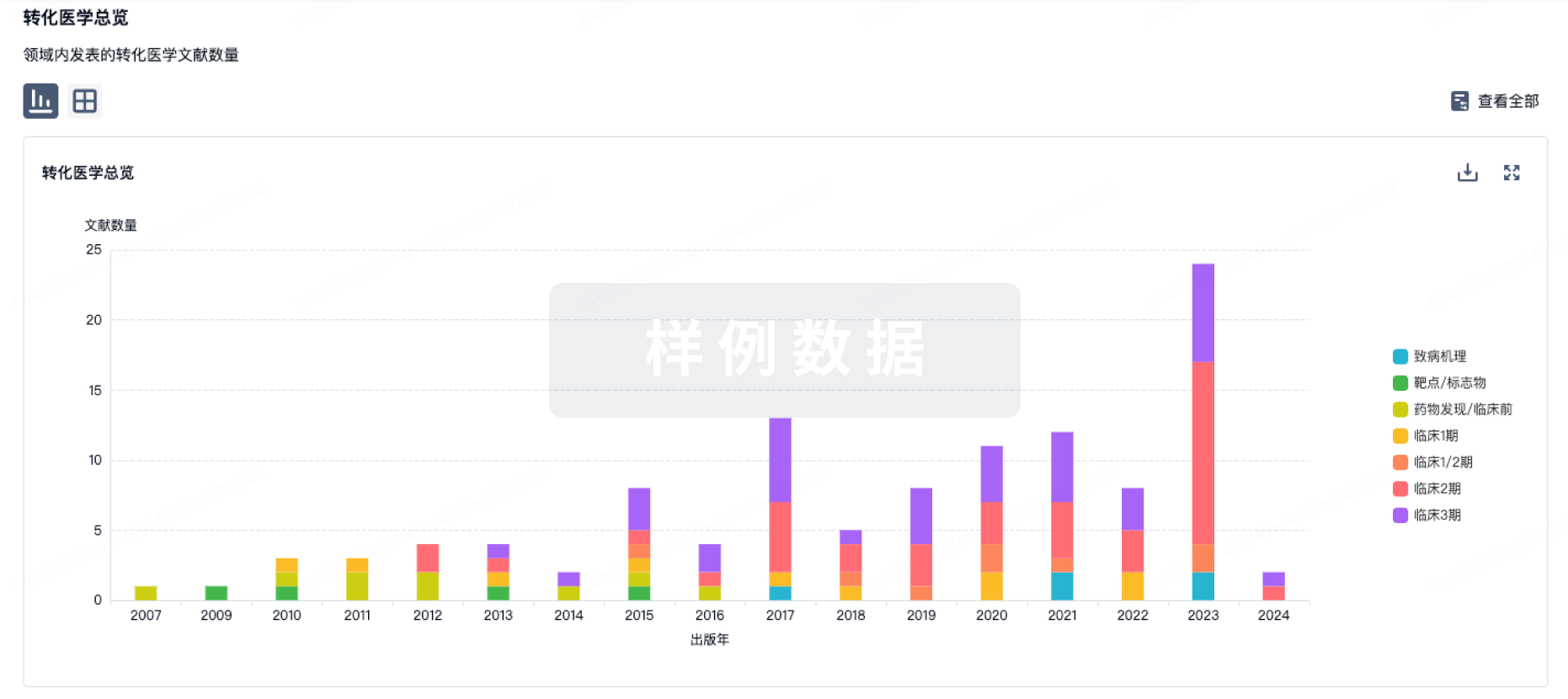
转化医学
使用我们的转化医学数据加速您的研究。
登录
或
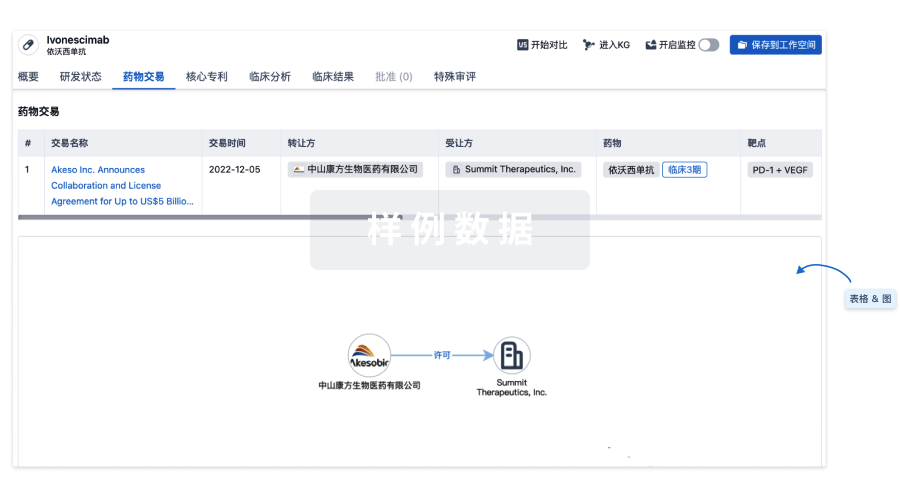
药物交易
使用我们的药物交易数据加速您的研究。
登录
或
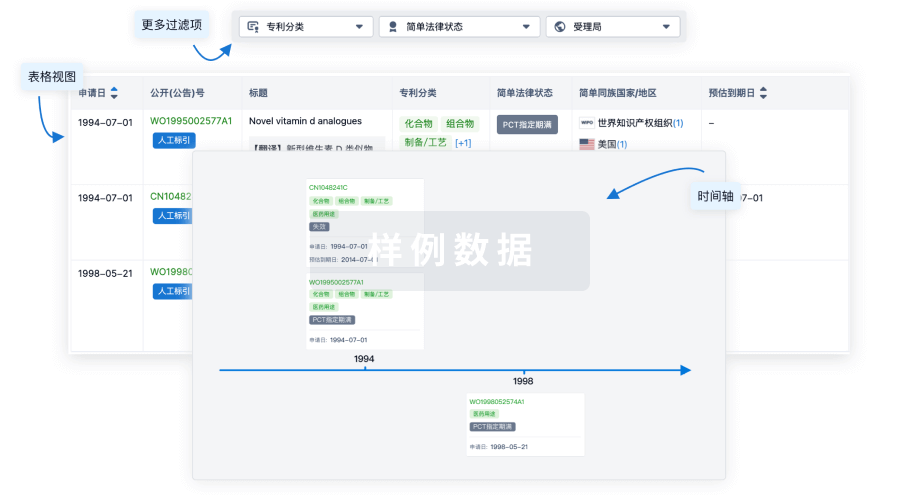
核心专利
使用我们的核心专利数据促进您的研究。
登录
或
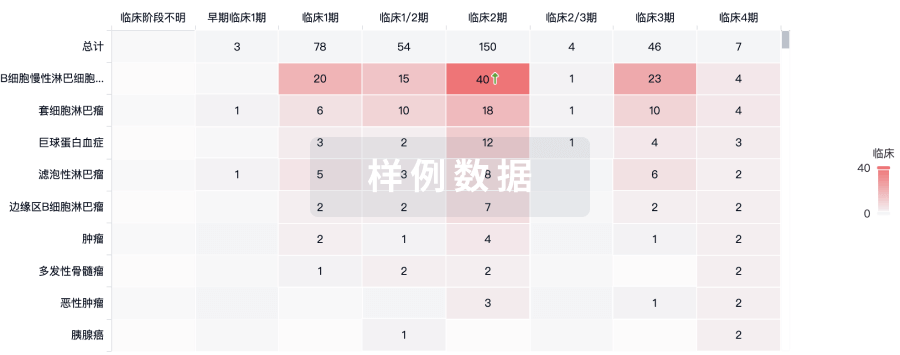
临床分析
紧跟全球注册中心的最新临床试验。
登录
或
批准
利用最新的监管批准信息加速您的研究。
登录
或
特殊审评
只需点击几下即可了解关键药物信息。
登录
或
提出任何生物医药研究问题
让每一步生物医药决策都精准制胜
基于十亿级生物数据与全球情报的精准 AI,赋能早期药物发现
立即开始免费试用!
智慧芽新药情报库是智慧芽专为生命科学人士构建的基于AI的创新药情报平台,助您全方位提升您的研发与决策效率。
立即接入生物医药数据包
智慧芽新药库数据也通过智慧芽开放平台,以MCP或API服务形式对外开放。立即使用我们的MCP服务定制您的LLM智能体。
生物序列数据库
生物药研发创新
免费使用
化学结构数据库
小分子化药研发创新
免费使用