预约演示
更新于:2026-03-11
PL-13
更新于:2026-03-11
概要
基本信息
药物类型 小分子化药 |
别名- |
作用方式 抑制剂 |
作用机制 ABL1抑制剂(ABL原癌基因1抑制剂)、ALK抑制剂(间变性淋巴瘤激酶抑制剂)、LCK抑制剂(酪氨酸蛋白激酶LCK抑制剂) |
在研适应症 |
非在研适应症- |
非在研机构- |
权益机构- |
最高研发阶段临床前 |
首次获批日期- |
最高研发阶段(中国)- |
特殊审评- |

关联
100 项与 PL-13 相关的临床结果
登录后查看更多信息
100 项与 PL-13 相关的转化医学
登录后查看更多信息
100 项与 PL-13 相关的专利(医药)
登录后查看更多信息
3
项与 PL-13 相关的文献(医药)2026-02-01·COMPUTATIONAL BIOLOGY AND CHEMISTRY
Discovery of pyrazole derivatives as promising leads against NSCLC: An integrated computational and experimental approach
Article
作者: Afroja, Fahima ; GholamianMoghaddam, Ali ; Siriki, Atchimnaidu ; Murru, Siva
Lung cancer remains a leading cause of cancer-related mortality worldwide, with non-small cell lung carcinoma (NSCLC) representing the predominant subtype. Despite advances in targeted therapies, the development of potent and selective small-molecule therapeutics for NSCLC remains a key challenge in drug discovery. In this study, we designed and computationally evaluated a focused library of pyrazole-based derivatives as potential anticancer agents. A rational, multi-step in silico workflow integrating target prediction, molecular docking, and drug-likeness assessment was employed to identify promising candidates. Twelve pyrazole derivatives were docked against multiple NSCLC-relevant protein kinases, and their ADME properties were predicted using SwissADME webserver. Among these, PL-13 emerged as a lead candidate and was subsequently synthesized, structurally characterized, and evaluated in vitro. Cytotoxicity studies using the MTT assay demonstrated that PL-13 exhibits potent antiproliferative activity against A549 NSCLC cells while maintaining favorable selectivity over non-cancerous HFL-1 fibroblasts. These findings highlight pyrazole-based scaffolds as promising leads for NSCLC drug discovery and establish PL-13 as a valuable starting point for further SAR-driven optimization.
1987-05-01·Journal of immunology (Baltimore, Md. : 1950)2区 · 医学
Production and characterization of a monoclonal antibody specific for the human lymphocyte low affinity receptor for IgE: CD 23 is a low affinity receptor for IgE.
2区 · 医学
Article
作者: Banchereau, J ; Peronne, C ; Wijdenes, J ; Aubry, J P ; Bonnefoy, J Y
Abstract:
In the present study a gamma 1 kappa monoclonal antibody, Mab 25, specific for the receptor for the Fc fragment of IgE on lymphocytes (Fc epsilon RL) was established. This antibody was generated after fusion of spleen cells from mice immunized with the EBV-transformed lymphoblastoid cell line RPMI 8866, which is known to express Fc epsilon RL at high density. Mab 25 inhibits strongly the binding of IgE to RPMI 8866 cells and to other Fc epsilon RL-positive EBV-transformed lymphoblastoid cell lines. A 50% inhibition of IgE binding was observed at a Mab 25 concentration of 10 ng/ml. The binding of IgE was also inhibited by Fab fragments of Mab 25, suggesting that the inhibition is not simply due to steric hindrance or to an eventual binding through its Fc portion. Mab 25 only binds to cell lines expressing Fc epsilon RL. Mab 25 immunoprecipitated a single polypeptide with an apparent m.w. of 42 Kd, pI 4.9. The membrane molecule bound to and eluted from a Mab 25 immunoabsorbent had the same apparent m.w. and pI as the Fc epsilon RL purified from an IgE immunoabsorbent. Additionally, when RPMI 8866 cell lysates were cleared with Mab 25, no Fc epsilon RL could be bound to or eluted from an IgE immunoabsorbent. Mab 25 was found to weakly bind to a minor proportion of blood (1 to 4%), tonsil (2 to 9%) and spleen (4 to 5%) mononuclear cells with a low intensity. By double fluorescence analysis, most of the Fc epsilon RL-positive cells were found to be CD 20-positive B lymphocytes. The staining pattern of Mab 25 and the biochemical characteristics of the antigen detected by Mab 25 were comparable to those of the CD 23 Mab. The four CD 23 Mab MHM 6, PL 13, HD 50, and Tü 1 were found to inhibit the binding of IgE. PL 13 was found to totally inhibit the binding of Mab 25 to RPMI 8866 cells, whereas Tü 1 and MHM 6 only partially inhibited Mab 25 binding. HD 50 was unable to block the binding of Mab 25. The finding that different CD 23/Fc epsilon RL-specific monoclonal antibodies recognizing distinct epitopes have in common the capacity of inhibiting the binding of IgE suggests that upon binding they induce a conformational alteration of the Fc epsilon RL resulting in a loss of the IgE binding capacity. In conclusion, our data demonstrate that the CD 23 antigen is a low affinity receptor for IgE on lymphocytes.
Frontiers in pharmacology
The protective effect of PL 1-3 on D-galactose-induced aging mice
Article
作者: Liu, Guoyun ; Yang, Jie ; Li, Xin ; Wang, Xiaotong ; Li, Pengxiao ; Ma, Yazhong ; Wang, Xuekun
The aging population has become an issue that cannot be ignored, and research on aging is receiving increasing attention. PL 1-3 possesses diverse pharmacological properties including anti-oxidative stress, inhibits inflammatory responses and anti-apoptosis. This study showed that PL 1-3 could protect mice, especially the brain, against the aging caused by D-galactose (D-gal). D-gal could cause oxidative stress, inflammation, apoptosis and tissue pathological injury and so on in aging mice. The treatment of PL 1-3 could increase the anti-oxidative stress ability in the serum, liver, kidney and brain of aging mice, via increasing the total antioxidant capacity and the levels of anti-oxidative defense enzymes (superoxide dismutase, glutathione peroxidase, and catalase), and reducing the end product of lipid peroxidation (malondialdehyde). In the brain, in addition to the enhanced anti-oxidative stress via upregulating the level of the nuclear factor erythroid 2-related factor 2 and heme oxygenase 1, PL 1-3 could improve the dysfunction of the cholinergic system via reducing the active of acetylcholinesterase so as to increase the level of acetylcholine, increase the anti-inflammatory and anti-apoptosis activities via downregulating the expressions of pro-inflammatory cytokines (interleukin-6 and tumor necrosis factor-α) and pro-apoptosis proteins (Bcl-2 associated X protein and Caspase-3) in the D-gal-induced aging mice, to enhance the anti-aging ability via upregulating the expression of sirtuin 1 and downregulating the expressions of p53, p21, and p16. Besides, PL 1-3 could reverse the liver, kidney and spleen damages induced by D-gal in aging mice. These results suggested that PL 1-3 may be developed as an anti-aging drug for the prevention and intervention of age-related diseases.
100 项与 PL-13 相关的药物交易
登录后查看更多信息
研发状态
10 条进展最快的记录, 后查看更多信息
登录
| 适应症 | 最高研发状态 | 国家/地区 | 公司 | 日期 |
|---|---|---|---|---|
| 非小细胞肺癌 | 临床前 | 美国 | 2026-02-01 |
登录后查看更多信息
临床结果
临床结果
适应症
分期
评价
查看全部结果
| 研究 | 分期 | 人群特征 | 评价人数 | 分组 | 结果 | 评价 | 发布日期 |
|---|
No Data | |||||||
登录后查看更多信息
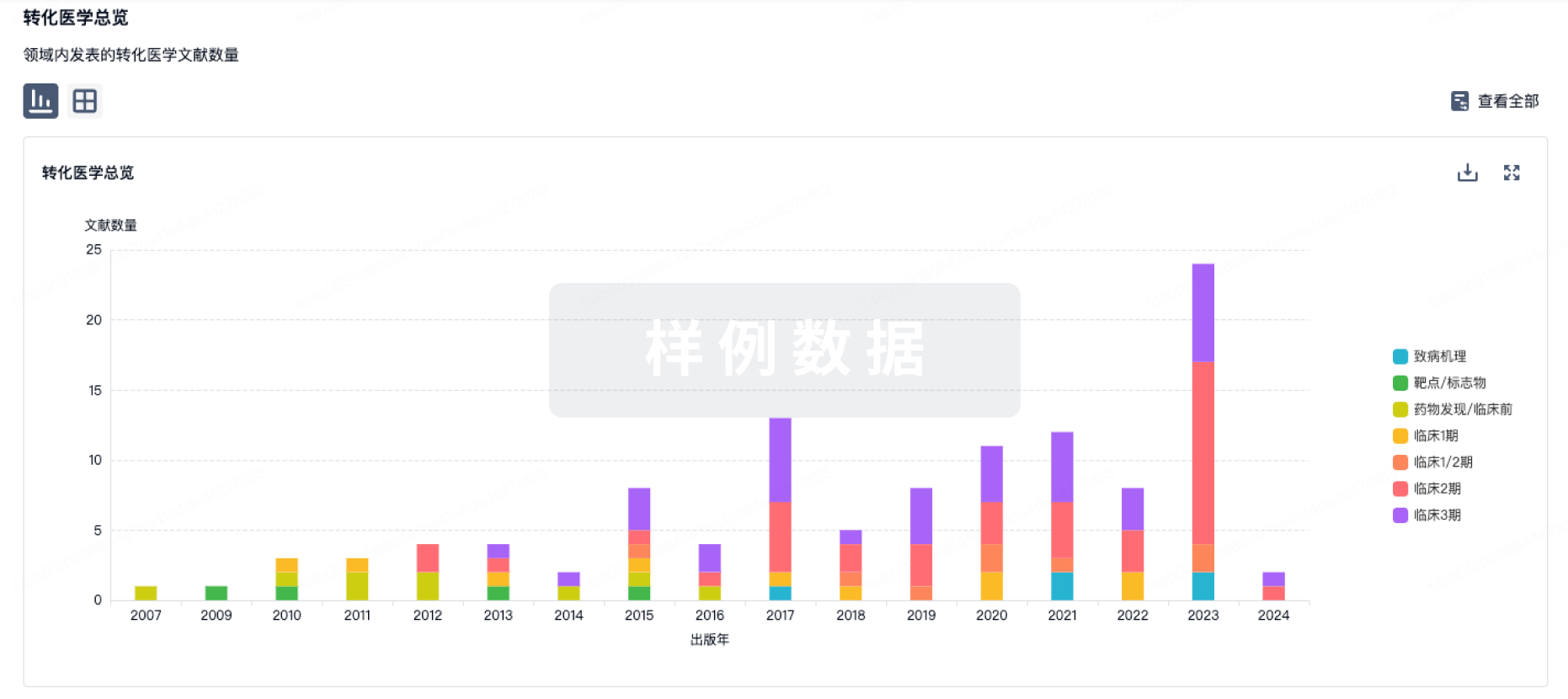
转化医学
使用我们的转化医学数据加速您的研究。
登录
或
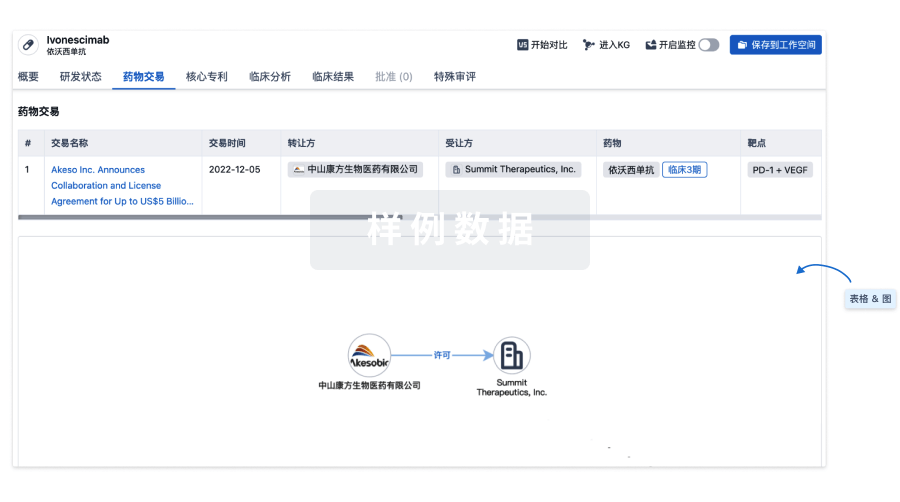
药物交易
使用我们的药物交易数据加速您的研究。
登录
或
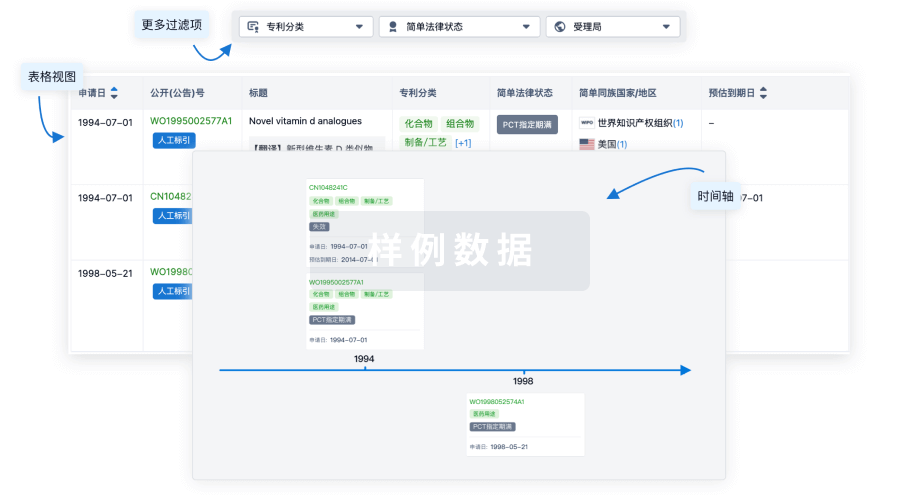
核心专利
使用我们的核心专利数据促进您的研究。
登录
或
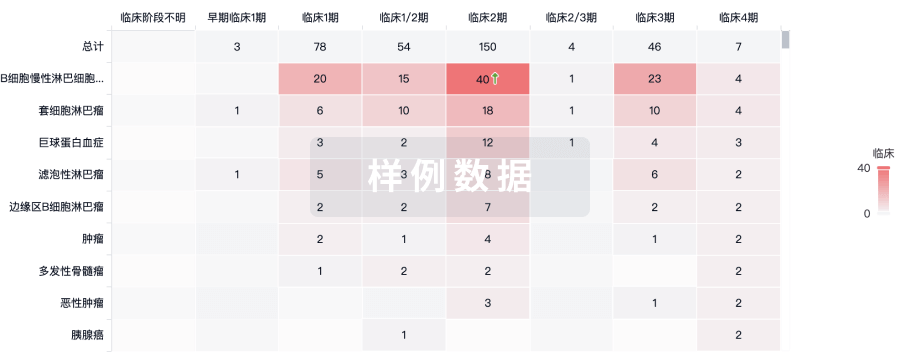
临床分析
紧跟全球注册中心的最新临床试验。
登录
或
批准
利用最新的监管批准信息加速您的研究。
登录
或
特殊审评
只需点击几下即可了解关键药物信息。
登录
或
生物医药百科问答
全新生物医药AI Agent 覆盖科研全链路,让突破性发现快人一步
立即开始免费试用!
智慧芽新药情报库是智慧芽专为生命科学人士构建的基于AI的创新药情报平台,助您全方位提升您的研发与决策效率。
立即开始数据试用!
智慧芽新药库数据也通过智慧芽数据服务平台,以API或者数据包形式对外开放,助您更加充分利用智慧芽新药情报信息。
生物序列数据库
生物药研发创新
免费使用
化学结构数据库
小分子化药研发创新
免费使用