预约演示
更新于:2026-10-10
Fluralaner
氟雷拉纳
更新于:2026-10-10
概要
基本信息
在研机构- |
权益机构- |
最高研发阶段无进展临床前 |
首次获批日期- |
最高研发阶段(中国)- |
特殊审评- |


结构/序列
分子式C22H17Cl2F6N3O3 |
InChIKeyMLBZKOGAMRTSKP-UHFFFAOYSA-N |
CAS号864731-61-3 |
关联
100 项与 氟雷拉纳 相关的临床结果
登录后查看更多信息
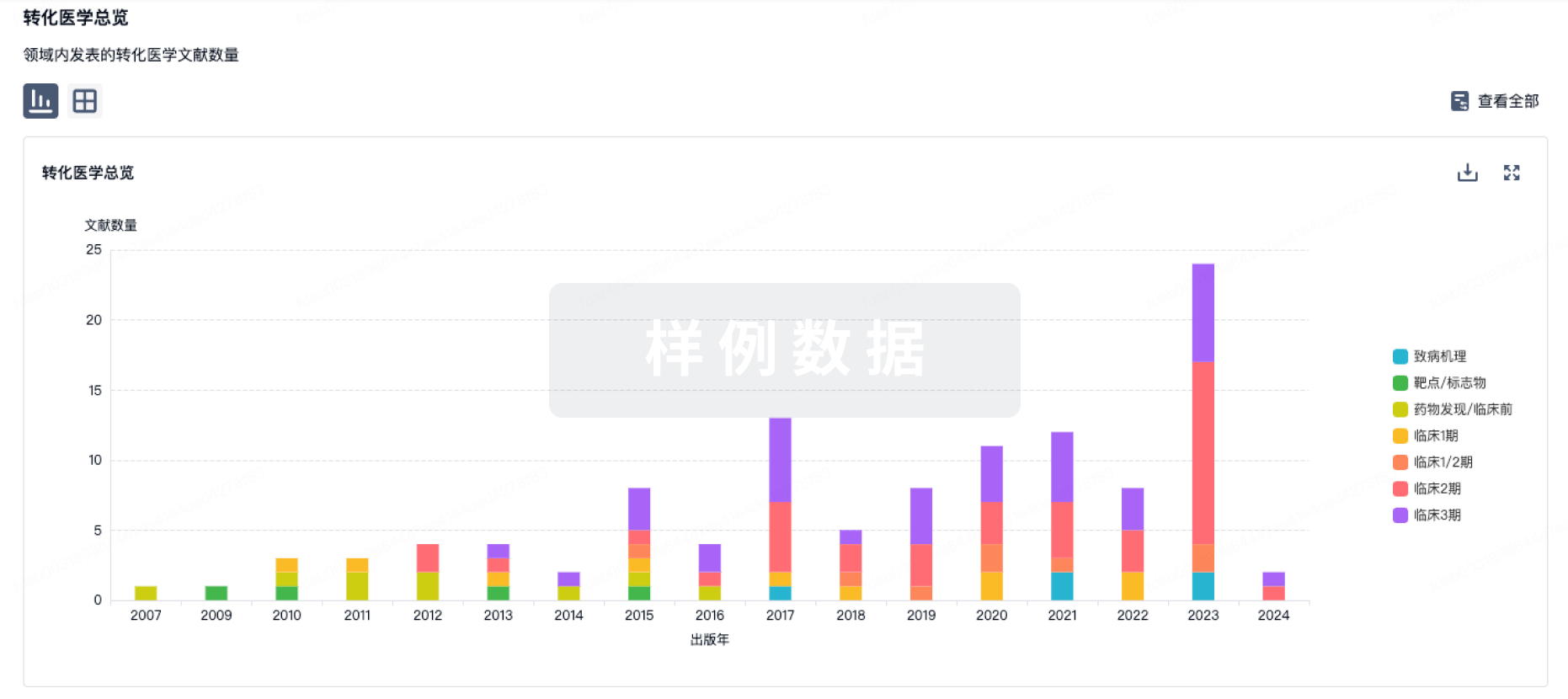
100 项与 氟雷拉纳 相关的转化医学
登录后查看更多信息
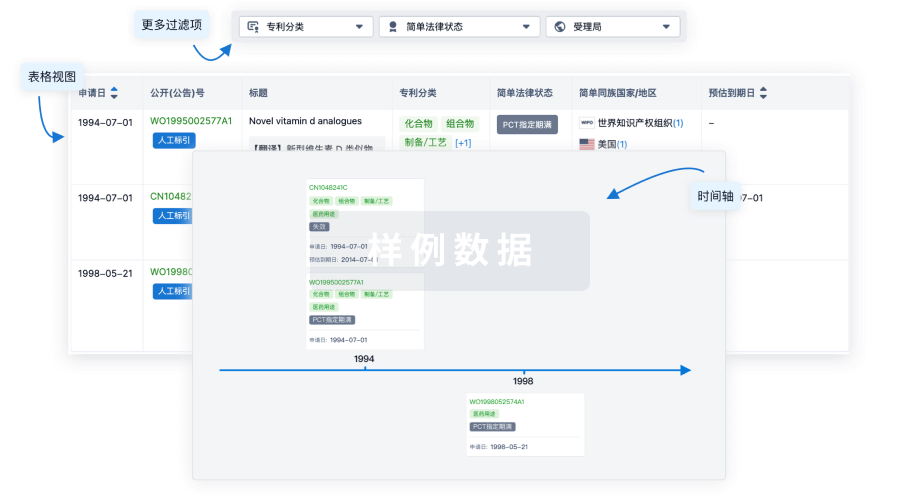
100 项与 氟雷拉纳 相关的专利(医药)
登录后查看更多信息
302
项与 氟雷拉纳 相关的文献(医药)2026-11-01·POULTRY SCIENCE
Active-controlled commercial field evaluation of an independently developed fluralaner oral solution for poultry red mite control in laying hens
Article
作者: Guo, Ao ; Wu, Weichun ; Zhang, Yicheng ; Huang, Xianhui ; Xie, Jie ; Li, Li ; Shen, Xin ; Du, Yu ; Liu, Ziyao
Poultry red mite (Dermanyssus gallinae, PRM) remains an important ectoparasite in commercial laying-hen production, and drinking-water administration of systemic acaricides provides a practical option for whole-flock control. This study compared the field efficacy and laying performance of an independently developed 10 mg/mL fluralaner oral solution with Exzolt 10 mg/mL Solution and assessed target-animal safety and bioequivalence. A double-blind, active-controlled trial was conducted at a naturally infested commercial layer farm with a 5-row × 5-tier cage system. The products were randomly assigned to 2 independent drinking-water systems with farm-installed proportional dosing devices, with 2,400 hens monitored per area. Fluralaner was administered at 0.5 mg/kg on d 0 and d 7. Mite-trap counts, infestation severity, adverse events, and laying rate were monitored. Mean mite reduction exceeded 98% by d 1 and 99% by d 3, reached 100% by d 14, and remained above 99% through d 90. Infestation scores declined from 2.70 ± 0.67 and 2.80 ± 0.42 before treatment to 0.10 ± 0.32 and 0.20 ± 0.42 by d 7 in the test and reference areas, respectively, and were 0 from d 14 onward. Exploratory between-area comparisons detected no significant differences in mite reduction or infestation scores. Laying rate remained stable, and no treatment-related adverse events were observed. In the target-animal safety study, 80 hens received untreated water or the test product at 1 ×, 3 ×, and 5 × the recommended dose, with no consistent dose-related adverse effects identified in clinical, hematological, biochemical, pathological, production, or egg-quality outcomes. In the bioequivalence study, 66 hens received a single 0.5 mg/kg oral dose of either product. The 90% confidence intervals for the geometric mean ratios of Cmax, AUC0-t, and AUC0-∞ were within 80% to 125%. The test product provided sustained PRM control under commercial drinking-water conditions and showed comparable systemic exposure, without evident adverse effects on laying performance, egg quality, or target-animal safety.
2026-09-01·JOURNAL OF CHROMATOGRAPHY B-ANALYTICAL TECHNOLOGIES IN THE BIOMEDICAL AND LIFE SCIENCES
Determination and stereoselective pharmacokinetics of fluralaner enantiomers in broiler chickens by liquid chromatography-tandem mass spectrometry
Article
作者: Ding, Yahao ; Zhou, Tong ; Liu, Xun ; Wang, Zhengwen ; Liu, Rong ; He, Limin
Fluralaner (FLL) is a newly developed broad-spectrum isoxazoline acaricide. It is a chiral compound, with only the S-enantiomer exhibiting high activity. In this study, we developed a chiral liquid chromatography-tandem mass spectrometry (LC-MS/MS) method to quantify FLL enantiomers in broiler chicken plasma, and subsequently applied it to study stereoselective pharmacokinetics. Two cyclic polypeptides, one cyclic saccharide and three cellulose Derivative chromatographic chiral columns were evaluated. The cellulose tris (4-methylbenzoate) superficially porous particle column (150 mm × 2.1 mm i.d., 3.0 μm) achieved optimal separation of the two enantiomers within six minutes. Molecular docking analysis suggests that π-π stacked interactions are a primary mechanism for the separation of enantiomers, as evidenced by their critical role in molecular recognition and stabilization. The isotopic internal standard dilution method was used for quantification and eliminating matrix effects, and the developed method exhibited good linearity over the range of 5-200 ng mL-1 (r2 ≥ 0.99) for both S-FLL and R-FLL. The accuracy for two enantiomers at quality control concentration levels of 5 (lower limit of quantification), 10, 75 and 180 ng mL-1 were 96.3% to 104.3% in broiler chicken plasma, with coefficient of variation below 4.7%. Pharmacokinetic analysis indicated that the inactive R-enantiomer of FLL exhibited a greater maximum concentration (Cmax) and a larger area under the curve (AUC) compared to the S-enantiomer, suggesting a higher exposure to the drug. Conversely, the S-enantiomer showed a more rapid clearance rate, indicating a faster stereoselective elimination from the body. Dosing strategies must account for enantiomer-specific behavior to maximize efficacy.
2026-08-01·POULTRY SCIENCE
Residue depletion and withdrawal period determination of fluralaner in edible tissues and eggs following oral administration in laying Hens
Article
作者: Zhang, Shuai ; Wang, Luyao ; Zhang, Mengdi ; Zhang, Yinuo ; Hao, Zhihui ; Chen, Tingting ; Lang, Fengting ; Chen, Zhuo
To investigate the residue depletion kinetics and establish the withdrawal period of fluralaner in chickens and eggs, a sensitive and reliable liquid chromatography-tandem mass spectrometry (LC-MS/MS) method was developed for the quantitative determination of fluralaner residues in edible chicken tissues and eggs. Furthere more, fifty healthy Hy-Line Brown laying hens were selected and received fluralaner solution via drinking water at a dosage of 0.5 mg/kg body weight on the 1st day and 8th day. At 7 days after the final administration, fluralaner residues in all edible tissues declined to levels below their respective maximum residue limits (MRLs). Using WT1.4 software and calculations based on the 95 % confidence interval, the withdrawal periods for fluralaner in muscle, liver, kidney, skin/fat were 12.19, 8.06 10.67 and 4.60 days, respectively. On day 7 after the final administration, the maximum observed fluralaner residue concentration in eggs was 890.72 µg/kg. This level was below the established MRL for eggs (1300 µg/kg) as stipulated by both the Ministry of Agriculture and Rural Affairs of China and the European Union. Moreover, the fluralaner concentration at each time point in eggs remained below 1300 µg/kg at 95 % confidence interval. Considering inter-individual variability, age related metabolic differences, and in reference to the approved withdrawal and egg-discard periods of the originator formulation Exzolt®, a withdrawal period of 14 days was established for the self-prepared fluralaner solution in chickens, while the egg-discard period was determined to be 0 days. Current study provides a scientific and regulatory basis for the rational use of fluralaner in laying hens and supports the establishment of an appropriate withdrawal period and egg-discard strategy in layer production systems.
60
项与 氟雷拉纳 相关的新闻(医药)2026-10-03
Biote Bio-engineering猪业科技月报
2026年9月
报告期:2026年9月 · 发布日期:2026年10月1日
百嘉助力 · 勇攀猪峰
本月科技综述
2026年9月,生猪产业科技创新在产能深度调控背景下持续深化。种猪育种领域,智能化育种成为行业焦点——新华社"活力中国调研行"专题报道牧原郑州育种中心,13栋楼房猪舍接入5.6万台智能设备;种猪进口模式迎来深刻变革,北京通州猪鲜精进口量达去年同期9倍,"引基因"替代"引种"成本降低95%以上。动保行业,农业农村部公告第1062号一次批准17种新兽药,猪链球菌-副猪格拉瑟菌-圆环病毒2型三联灭活疫苗等多联苗获批;金宇生物半年报确认非瘟亚单位疫苗两轮攻毒保护率达标准,进入注册筹备阶段。环境控制领域,新版《规模猪场环境参数及环境管理技术规范》正式实施,正泰智慧环控精准通风方案可降低70%运维成本。AI应用方面,牧原"猪小牧"AI大模型密集落地报道,AI看图识病、咳嗽管家等应用成为行业标配。展会方面,第38届中原畜牧业交易博览会在郑州举办,200余家企业集中展示智能养殖、精准营养、疫病防控等领域新技术。
PART 01种猪育种
来源:新华网、中国农网、中新网 | 2026年9月7-8日
新华社"活力中国调研行"专题报道:生猪育种向"智"而行
新华社"活力中国调研行"采访团走进牧原食品集团(郑州)生猪育种中心,专题报道生猪育种智能化升级。该育种中心拥有13栋6层楼房猪舍,接入智能化设备5.6万台(套),配备60个核心群、近万个"产房"。育种中心通过智能测定、智能环控、智能饲喂、智能巡检四大系统全面提升养殖管理效率;同时投用6000余套智能种猪性能测定设备,全年不间断采集种猪繁育能力、生长速度、肉质指标、背膘厚度等核心数据,年精准测定种猪超20万头。园区还利用光伏、风电等绿色能源及降氨除臭系统,打造健康育种平台。
来源:三个皮匠报告行业研究 | 2026年9月4日
种猪进口模式深刻变革:从"引种"到"引基因",猪鲜精进口量同比增9倍
种猪进口模式正在发生深刻变革。传统的直接进口活体种猪成本高昂,且存在生物安全风险。2026年,北京企业引进法国优质种猪基因(猪鲜精),成本较直接进口种猪降低95%以上。据统计,北京通州辖区猪鲜精进口量达1.69万余剂,是去年同期进口量的9倍。通州海关已成为全国猪鲜精类遗传物质进口量最大、业务最集中的核心口岸。这一变革意味着中国种猪产业正在从"引种"(进口活体种猪)向"引基因"(进口遗传物质)转变,大幅降低了引种成本,加速了本土育种进程。
来源:松山区人民政府、三个皮匠报告 | 2026年8-9月持续报道
赤峰家育种业:48头华系原种猪出口蒙古国,"猛芯"芯片发布
赤峰家育种业科技有限公司自主培育的48头高性能优质原种猪出口蒙古国(包括10头种公猪和38头种母猪),这是自2018年以来我国本土育种企业首次实现规模化种猪出口。公司与蒙古国合作项目计划分批次出口原种猪1000头。家育种业深度参与黄路生院士团队"华系种猪育种技术与核心种源创制及应用"项目(2025年度国家科技进步奖一等奖),并发布自研"猛芯"种猪芯片,通过育种技术创新助力解决我国长期依赖进口种猪的问题。
来源:证券日报、搜狐财经 | 2026年9月持续报道
巨星农牧:提出33头PSY挑战目标,整合全球优质种猪资源
巨星农牧披露,公司整合全球优质种猪资源,构建并完善基因育种改良体系。2025年公司生猪养殖业务的PSY达29以上,公司提出33头PSY、31头MSY的挑战目标,种猪效率稳居行业领先水平。公司规划2026年商品肥猪完全成本挑战目标约为5.5元/斤,重点聚焦提升育肥环节效率,通过降低育肥料肉比、提高日增重与育肥存活率,实现种场优势向育肥全流程价值的高效转化。
来源:湖北省农业农村厅 | 2026年2月发布、9月持续推广
湖北省发布2026年农业主推技术指南:生猪设施化精细养殖技术入选
湖北省农业农村厅发布2026年农业主推技术指南,生猪设施化精细养殖技术入选。该技术规范了母猪背膘厚度控制在15-17mm的科学标准、哺乳期日喂6餐的精准饲喂方案等关键参数,依托湖北省农业科学院畜牧兽医研究所等单位推广。该技术指南的发布标志着精细化养殖管理从头部企业向全行业普及推进。
PART 02饲料添加剂
来源:饲料酶制剂与益生菌科技与产业发展大会 | 2026年9月持续发酵
第七届饲料酶制剂与益生菌科技与产业发展大会成果持续落地
以"绿色、节粮、高效、可持续"为宗旨的第七届饲料酶制剂与益生菌科技与产业发展大会成果在行业持续落地。新修订的《饲料工业污染物排放标准》2026年正式实施后,对氮磷排放提出更严格要求,酶制剂和益生菌在"绿色环保"方面的核心优势正成为行业破局的关键突破口。"菌酶协同"促进养分高效利用、"非常规原料+酶制剂"对常规原料实现"减量替代"成为重点攻关方向。大会发布的马克斯克鲁维酵母生物合成真菌毒素降解酶制剂、菌酶协同促进猪肠道健康等前沿成果受到行业广泛关注。
来源:饲料市场信息网 | 2026年9月
挑战集团"特节"系列蛋白酶:耐温性实现行业突破
北京挑战集团研究院联合中国农业科学院饲料研究所研制的"特节"系列蛋白酶,采用新菌种与后处理包被工艺相结合,产品耐温性实现显著突破。75℃水浴90s条件下,酶活存留率可达80%,显著高于市场同类产品。该产品适宜作用的pH范围广,能够显著提高动物对饲料蛋白质的消化利用率,改善肠道健康、降低腹泻发生率,同时降低饲料成本及养殖对环境的污染。菌种来源于国家农业部饲料生物技术重点实验室,安全性更高。
来源:中国饲料学报 | 2026年1月发表、9月行业引用持续升温
菌酶协同发酵桑叶+中药材生产无抗饲料:腹泻率降低46.8%
一项菌酶协同发酵技术研究取得重要进展:采用复合菌酶制剂(植物乳杆菌+枯草芽孢杆菌+纤维素酶+木聚糖酶)配伍黄芪、金银花等中药,对蛋白桑进行协同发酵生产无抗青贮饲料。该技术使青贮pH降至4.0,乳酸含量提升37.1%,粗蛋白保存率达95.1%。养殖试验显示(猪60头养殖90天),猪腹泻率和呼吸道疾病发生率均降低46.8%,猪肉眼肌面积提高48.49%,背膘厚度与蒸煮损失显著降低,肉品质全面提升。该技术可有效替代豆粕、促进动物健康并改善肉质,为"减粮"与"减抗"提供双重解决方案。
来源:行业研究报告 | 2026年9月
合成生物学驱动饲料添加剂产业升级,菌酶药肽一体化技术受关注
合成生物学技术为酶制剂和益生菌产业进一步低成本创制、高效利用扩展了空间。我国饲料酶制剂和益生菌产业在产能、成本、效率、品质等方面已在全球多个地区形成产业特色和产品优势,酶制剂和益生菌产业出海成为国内企业全球化布局的重要战略。大禹生物等企业开发的"菌酶药肽"一体化固体发酵技术,运用液体制种固体分时发酵技术,在单一条件下同时产生含有微生物、酶制剂、中药、代谢多肽等多种成分的复合产品,实现肠道菌群平衡、抗营养因子分解、免疫功能激活的多重功效。
PART 03动保行业
来源:中国兽医药品监察所、农业农村部 | 2026年9月14日
农业农村部公告第1062号:一次批准17种新兽药,猪用联苗成亮点
农业农村部发布第1062号公告,经审查一次批准17种兽药产品为新兽药,核发《新兽药注册证书》。其中猪用疫苗亮点包括:猪链球菌、副猪格拉瑟菌、猪圆环病毒2型三联灭活疫苗(山东省农科院畜牧兽医研究所等联合研制,三类新兽药)和猪圆环病毒2型重组杆状病毒灭活疫苗(TZ株)(华威特生物制药,三类新兽药)。此外还包括氟雷拉纳、盐酸地那维林等多种新型驱虫药和抗菌药。多联多价疫苗持续成为动保企业研发竞争高地。
来源:金宇生物2026年半年报、大畜牧网 | 2026年9月
金宇生物半年报确认:非瘟亚单位疫苗两轮攻毒保护率达标准
金宇生物(生物股份)在2026年半年报中确认,公司与中科院生物物理研究所等科研单位共同研究开发的非洲猪瘟亚单位疫苗临床试验取得重大进展,两轮攻毒试验保护率达到标准。该疫苗采用保守性靶点设计,靶点与流行毒株同源性高达99.7%,不含活病毒,已包含完整妊娠动物安全性数据。公司已进入注册筹备阶段,同时在越南开展免疫攻毒评估实验,计划推进疫苗注册及东南亚市场布局。
来源:普莱柯2026年半年报 | 2026年9月
普莱柯半年报:猪口蹄疫O型、A型二价基因工程亚单位疫苗完成临床前研究
普莱柯发布2026年半年报,公司研发投入5,146万元,同比增长17.77%,研发费用率10.48%。上半年获得国家新兽药注册证书7项,申请发明专利9项。猪口蹄疫O型、A型二价基因工程亚单位疫苗已基本完成临床前研究,禽流感(H5+H7)重组杆状病毒载体三价灭活疫苗已通过新兽药注册初审。公司累计获得国家新兽药注册证书81项,申请发明专利500余项,取得发明专利授权300余项。兽药产业正从"同质化价格竞争"向"差异化产品创新"转型。
来源:行业综合分析 | 2026年9月
疾病健康管理思路升级:从"被动治疗"到"主动预防"
9月行业共识进一步凝聚:疾病健康管理正从"发病再救"的被动模式转向"未病先防"的主动模式。以牧原"咳嗽管家"为代表的AI声纹识别疫病预警系统全天候监听猪群咳嗽、喷嚏声,将呼吸道疾病发现时间提前2-3天;智能巡检机器人结合视觉识别与行为分析,自动识别异常个体。在第八届中国猪业科技大会上,专家强调生物安全、精准免疫、环境控制三位一体的综合防控体系是降低疫病损失的核心路径。圆环病毒2型/3型联苗、多联多价疫苗的研发加速,为猪场简化免疫程序、降低应激提供了新工具。
PART 04环境控制
来源:国家标准化管理委员会、行业报道 | 2026年9月
新版《规模猪场环境参数及环境管理技术规范》正式实施
新版《规模猪场环境参数及环境管理技术规范》(GB/T 17824.3—2026)与《生猪规模化养殖设施装备配置技术规范》正式实施,首次将保温灯配置、温度参数、安全标准纳入强制监测项。规范明确了不同生长阶段猪舍的保温要求:哺乳仔猪(0-7日龄)保温区温度32-34℃、昼夜温差≤2℃,必须配备175-250W红外保温灯;保育猪舍温度控制在26-28℃。同时,国家节能减排政策加码,节能型红外保温灯、智能温控保温设备纳入环保改造补贴(最高补贴30%),推动行业淘汰高能耗传统设备。
来源:正泰自动化 | 2026年9月
正泰智慧环控系统:精准通风+EC6000环控器,综合降本增效超32%
正泰集团推出面向规模化猪场的智慧环控系统,支持负压通风和正压精准通风双模式。系统配备EC风机、调速风机、10寸触摸屏、ARM处理器及Linux嵌入式系统,出厂预设参数,根据风机风量自动生成各通风等级推荐风量。若采用精准通风过滤方案+EC6000环控器,相比传统通风方案可降低12%的投资成本、约70%后续运维成本,大幅降低猪只发病率,综合投资回报周期仅1.6年。该系统已成功应用于四川巨星楼房养猪项目(7栋楼、每栋8层、满产年出栏80万头)和中国农业大学模式动物重大设施实验项目。
来源:新华网、2026世界猪肉节报道 | 2026年9月8日/16日
牧原育种中心四层空气过滤系统:进入猪舍的空气要经过4道过滤
牧原郑州生猪育种中心配备四层空气过滤系统,进入猪舍的空气要经过4道过滤,有效阻隔病菌污染。猪舍拥有智能环控系统自动调节温湿度与通风,智能饲喂系统根据生猪生长阶段精准配比营养餐,实现按需饲喂;智能巡检机器人24小时不间断、全方位检测生猪多项生长指标。在2026世界猪肉节上,该育种中心作为河南畜牧业科技展示窗口,集中展示了"空气过滤+智能环控+精准饲喂"一体化环境控制方案。
来源:广西新闻网 | 2026年9月21日
扬翔集团FPF智能环控:楼房养猪"集中进风+精准通风+集中排气"工艺持续迭代
扬翔集团FPF未来猪场智能养猪解决方案在楼房养猪场景中广泛应用。智能楼房猪舍采用"一层集中进风+猪舍精准通风+楼顶集中排气"的负压通风工艺设计,空气经过过滤+水帘降温集中净化处理后,通过精准通风管道输送到猪舍内。智能环控系统能自动根据环境、猪只数量、猪只所处阶段、压差,自动调节温度、湿度、通风量,降低舍内氨气、二氧化碳等有害气体量。2017年建成的楼房猪场持续稳定运营,育种效率提高30%,相关技术已输出至越南等东南亚国家。
PART 05AI及信息化
来源:新华网、中国农网、中新网 | 2026年9月7-8日集中报道
牧原"猪小牧"AI大模型密集报道:看图识病、咳嗽管家成行业标杆
9月,新华社"活力中国调研行"等多家央媒密集报道牧原"猪小牧"AI大模型应用成效。该模型2026年6月正式"上岗",核心功能包括:"看图识病"——对着栏舍里的猪随手一拍,屏幕秒级跳出健康状况分析和处置建议;"咳嗽管家"——全天候监听猪群咳嗽、喷嚏声,声纹识别技术提前预警呼吸道异常,将发现猪病问题的时间提前2-3天;经营分析——过去汇总批次经营报告要人工分析大半天,如今报告秒级生成并同步给出业绩提升建议。实测数据:每批次约600头猪的健康检测,人工巡检需20分钟,"猪小牧"数秒完成,作业效率提升超百倍。智能化转型下,人均年管理生猪量可达一万头。
来源:行业报道 | 2026年9月
牧原-华为战略合作持续深化:农牧垂直大模型进入全栈数字化新阶段
华为与牧原8月22日签署的战略合作协议在9月进入实质性推进阶段。华为以"数字底座构建者"身份,通过5G、AI大模型、边缘计算及绿色能源技术,对传统生猪养殖进行全链路数字化改造。牧原现应用各种智能装备超330万套,每天可产生20亿条数据并实时上传至公司信息化系统。此前,牧原与阿里云基于千问基座模型共建养猪大模型,融合企业30余年养殖知识与全产业链数据。"云-网-边-端"协同架构正在从单点智能走向体系智能。
来源:百度百科、中国猪业科技大会 | 2026年9月19日
第八届中国猪业科技大会:数智技术加速养殖提质降本增效
第八届中国猪业科技大会于9月19日在广州举行,国务院参事、农业农村部原副部长于康震指出,生猪产能调控势在必行,但不是简单"做减法",应统筹把握好去产能、提效率、求质量。大会聚焦数智技术在养殖业的深度应用:输入AI模型动态生成通风与温控策略,既降低能耗,也减少应激反应带来的生长波动;巡栏从"人找猪"变成"系统找猪",巡检机器人结合视觉识别与行为分析自动识别异常个体。华为农牧养殖军团表示,"以规模驱动营收的旧路径已经陷入瓶颈,构建智慧养殖的行业生态体系,从'单点智能'向'体系智能'转型已是必然选择。"
来源:河南日报客户端 | 2026年9月16日
2026世界猪肉节:智慧养殖成果集中展示
2026世界猪肉节在郑州举行,集中展示智慧养殖最新成果。智能饲喂系统根据生猪生长阶段精准配比营养餐,实现按需饲喂;猪舍配备四层空气过滤系统阻隔病菌污染;智能环控系统自动调节温湿度与通风。活动吸引了国内外众多畜牧业从业者参与,成为展示中国生猪产业科技形象的重要窗口。
PART 06国内相关展会科技亮点
来源:郑州国际会展中心、开封市农业农村局、搜狐新闻 | 2026年9月16-17日
第38届中原畜牧业交易博览会(郑州):200余家企业展示畜牧全产业链新技术
第38届中原畜牧业交易博览会在郑州国际会展中心举办,吸引全国26个省(自治区、直辖市)及河南省18个省辖市的200多家企业参展,省外企业占比55%,展览面积达3万平方米(规划5万㎡),集中展示畜牧机械设备、饲料兽药、畜禽种业、草牧业等全产业链上万种产品。大会重点发布了智能养殖、精准营养、疫病防控等领域的新技术。展会设置畜牧机械设备展区、智慧畜牧展区、规模养殖企业展区、粪污处理设备展区等专业化展区,为中原地区畜牧业转型升级提供技术交流平台。
来源:河南农业大学 | 2026年9月18日
河南农业大学亮相中原畜博会:智慧畜牧科研成果引关注
河南农业大学受邀参加第38届中原畜牧业交易博览会,集中展示智慧畜牧、畜禽健康养殖、粪污资源化利用、智能装备研发等领域科研创新成果。重点推介畜禽养殖场环境智能控制系统、畜禽废水调节系统、畜牧数字化管控软件等自主科研成果,该系列成果依托多项国家发明专利和软件著作权开发,能够为规模化智慧畜禽养殖提供完整技术解决方案。展会期间达成多项技术合作、成果转化初步意向。
来源:中国猪业科技大会 | 2026年9月19日
第八届中国猪业科技大会(9月19日·广州):科技创新与产能调控并重
第八届中国猪业科技大会聚焦"科技创新驱动猪业高质量发展"主题,围绕种猪育种、营养饲料、疫病防控、环境控制、数智化养殖等全产业链科技议题展开深度研讨。大会特别强调,在产能调控背景下,科技创新是提升效率、降低成本、增强行业竞争力的核心驱动力。来自全国各地的科研院所专家、养殖企业技术负责人等参会交流。
来源:李曼大会官网、展会信息网 | 2026年10月
展会预告:李曼养猪大会暨世界猪业博览会(10月·郑州)
李曼养猪大会暨郑州世界猪业博览会将于2026年10月在郑州举行。本届展会预计吸引来自全球30多个国家和地区的参展商和专业观众,覆盖基因育种、精准营养、智能环控、疫病净化、低碳养殖及废弃物资源化利用等全链条环节。智能巡检机器人、智能粥料机、自动喂料系统等智能化畜牧设备将集中亮相。已确认参展的动保企业包括勃林格殷格翰、硕腾、佑本疫苗、礼蓝动保、默沙东、中牧股份、金宇生物等;智能养殖及设备品牌包括小龙潜行、北京京鹏环宇、睿保乐等;育种企业包括PIC、Genesus、丹育、海波尔等国际种猪巨头。
百嘉助力 · 勇攀猪峰
厦门百拓生物工程有限公司
免责声明:本月报所载信息均来源于公开渠道,仅供行业参考,不构成任何投资或经营建议。如有出入请以官方信息为准。报告生成时间:2026年10月1日。
2026-09-22
·氟档案
➤ 泉州宇极祝您开心每一天!
含氟药物 · 综述速览
2023-2025年FDA获批含氟药物盘点:34款新药里,氟原子在做什么
Results in Chemistry 29 (2026)· 原文下载,左下角
这篇32页的综述系统梳理了2023-2025年间美国FDA批准的34款含氟药物,覆盖抗肿瘤、PET显像剂、神经系统疾病、遗传病、眼科、抗寄生虫等多个治疗领域,逐一分析了每款药物的结构-活性关系、合成路线与临床数据。目前约50%的畅销药含至少一个氟原子,近300款含氟药物已获批上市,氟化学在新药研发中的权重仍在持续上升。
一、氟原子在药物设计中的核心作用
C-F键的高电负性和小体积使氟取代能同时改善药物的代谢稳定性、亲脂/亲水平衡及ADME性质。文中特别强调三氟甲基(-CF₃)作为羧酸的生物电子等排体这一策略:经典羧酸虽能与靶蛋白形成强静电和氢键作用,但普遍存在膜通透性差、代谢清除快的问题;-CF₃在保留类似静电相互作用的同时大幅提升细胞膜通透性和口服生物利用度,已在Paxlovid(奈玛特韦)、Jaypirca(吡托布鲁替尼)、Joenja(利尼利塞)等多款药物中验证有效。二氟甲基(-CF₂H)作为羰基的等排体也发挥类似作用,典型案例是依氟鸟氨酸(eflornithine, DFMO)——其二氟甲基是不可逆抑制鸟氨酸脱羧酶的关键结构,用于治疗非洲锥虫病。
图1 :氟喹诺酮类抗生素结构对比(培氟沙星、诺氟沙星、环丙沙星、左氧氟沙星),回顾了1980年代6-氟喹诺酮突破的历史脉络。
二、抗肿瘤药物:占比最高的板块
文章详述了15款抗肿瘤药物,多数为激酶抑制剂。吡托布鲁替尼(Pirtobrutinib, Jaypirca)作为首个非共价BTK抑制剂,其(S)-三氟甲基乙基基团能嵌入疏水口袋,使其对Cys481突变型BTK仍保持抑制活性,克服了依鲁替尼等共价抑制剂的耐药问题。瑞泊替尼(Repotrectinib, Augtyro)通过大环刚性结构+氟取代延长半衰期,对ROS1/TRK/ALK驱动的耐药突变(如G2032R)仍然有效。贝组替凡(Belzutifan, Welireg)作为首个HIF-2α抑制剂,靛酮-二芳醚骨架配合氟原子和苯甲腈基团,兼顾结合选择性与口服生物利用度,已扩展至嗜铬细胞瘤/副神经节瘤(PPGL)适应症。阿西米尼(Asciminib, Scemblix)结合BCR-ABL的肉豆蔻酰口袋而非ATP位点,对T315I耐药突变仍然有效。
图2 :吡托布鲁替尼与依鲁替尼结构对比
Scheme 1-11 逐一给出对应药物的详细合成路线,因太多只列出前4个,详细见原文。
三、F-18放射性药物:PET显像的氟化学
氟-18因半衰期适中(110分钟)且标记不改变分子功能,成为PET显像剂的首选核素。氟托非司他F-18(Flotufolastat, Posluma)靶向PSMA蛋白,用于前列腺癌复发检测,III期SPOTLIGHT研究显示复发检出率达83%,即使在低PSA水平下依然有效。氟吡哒嗪F-18(Flurpiridaz, Flyrcado)结合心肌线粒体复合物I,用于心肌灌注显像,半衰期109分钟带来更广的配送半径和更高诊断准确性。
四、神经系统、遗传病与其他适应症
奥马韦洛酮(Omaveloxolone, Skyclarys)是首个获批治疗Friedreich共济失调的药物,通过差氟丙酰胺基团激活Nrf2通路。遗传病领域,特扎卡托(Tezacaftor, Alyftrek)作为三联CFTR调节剂之一,用于囊性纤维化患者。眼科领域,全氟己基辛烷(Perfluorohexyloctane, Miebo)是首个专门针对泪液蒸发型干眼症的治疗药物,全氟己基链提供稳定性和低表面张力,辛基链则与泪膜脂质层相容;洛替拉纳(Lotilaner, Xdemvy)是首个获批治疗蠕形螨睑缘炎的药物,通过阻断GABA门控氯离子通道选择性杀灭螨虫。此外还包括抗HIV长效针剂来那帕韦(Lenacapavir, Yeztugo)(半年一针,靶向病毒衣壳)和新冠药物奈玛特韦(Nirmatrelvir, Paxlovid)(三氟乙酰胺叔亮氨酸提升稳定性与口服活性)。
图3 :贝组替凡及其类似物结构
图4 :特扎卡托及其CFTR调节剂类似物(万扎卡托、德伐卡托)结构对比
五、抗寄生虫药物:氟化学的"洼地"
这是本文一个值得关注的结论:尽管氟取代对抗寄生虫药物的代谢稳定性、亲脂性和靶点亲和力提升明显——如他非诺喹(三氟甲基提升半衰期支持单剂治疗)、甲氟喹(提升血脑屏障穿透力)、氟苯达唑、氟雷拉纳、氟虫腈等——但自含氟药物问世以来,获批的含氟抗寄生虫药物总共只有7款,且2023-2025年新批准的34款药物中仅依氟鸟氨酸和洛替拉纳两款具有抗寄生虫活性。作者认为这一领域存在明显的"氟基创新缺口",是未来值得关注的方向。
图5 :2023年前已获批的5款含氟抗寄生虫药物(他非诺喹、甲氟喹、氟苯达唑、氟雷拉纳、氟虫腈)与2023-2025年新增的依氟鸟氨酸、洛替拉纳结构汇总对比。
解读
这篇综述的价值不在于罗列34款药物的说明书信息(多数临床数据文中已很详尽),而在于反复验证的"结构-功能"规律:-CF₃/-CF₂H作为羧酸或羰基的生物电子等排体已成为跨靶点通用策略;氟取代对代谢稳定性和跨膜/跨血脑屏障能力的提升,在肿瘤、神经系统、抗寄生虫等领域反复被验证。作者也指出当前氟化学的瓶颈:多数合成仍依赖预氟化砌块,晚期氟化技术主要局限于短寿命的¹⁸F标记,如何在合成后期灵活引入氟基团,是未来氟药物化学的重要方向。
来源:Shabir, G., Saeed, A., Siyadatpanah, A., et al.: Update on FDA-approved fluorinated drugs (2023–2025): Structural chemistry, polypharmacology, and antiparasitic potential, Results in Chemistry, 29, 103715, https://doi.org/10.1016/j.rechem.2026.103715, 2026.
精彩回顾:氟叫兽写的创刊号文章
【创刊号系列之三】氟叫兽重写氟的发现历史-3:氟化学的祖师爷_亨利·莫瓦桑(Henri Moissan)—(完)
【创刊号系列之三】氟叫兽重写氟的发现历史-2:氟的发现史(莫瓦桑前的悲壮过程)
【创刊号系列之三】氟叫兽重写氟的发现历史-1:再识萤石
【创刊号系列之二】氟叫兽重写氟的发现历史-2:中日近代氟元素名称起源对比(民国前)
【创刊号系列之二】氟叫兽重写氟的发现历史-2:中国近代氟化学知识起源考(民国前)
【创刊号系列之二】氟叫兽重写氟的发现历史-2:日本萤石名称考
【创刊号系列之二】氟叫兽重写氟的发现历史-1:中国古代萤石名称考(上一篇的补充)
【创刊号系列之二】氟叫兽重写氟的发现历史-1:中国古代萤石名称考
【创刊号系列之一】氟叫兽带你重新认识“氟”
氟叫兽建的氟档案馆
PTFE PVDF FEP ETFE FKM
氟精细 无机氟 氟气体 氟流体
报告 手册 书籍 剪报
数据 人物 综合 其它
免责声明:本公众号部分文字及图片来源于网络,仅供学习、交流使用,版权归原作者所有,如有问题请及时联系处理,氟叫兽微信:dowpont。本号文章并不代表氟叫兽本人意见,欢迎转发,请注明出处。上面内容直接点进入合集。
放射疗法上市批准临床3期
2026-09-21
点击蓝字 关注我们
最近一周,国内外宠物医疗和宠物药行业发生许多大事件。国内农业农村部一次批了 17 款新兽药,其中,包括国产猫三联疫苗、国内第一款血凝酶、第一款复方猫用驱虫滴剂等等;国际上 FDA 发了兽用单抗靶动物安全的指南草案,同时,加州要对fipronil 驱虫药的限制,礼蓝、诗华、IDEXX 等各大企业纷纷布局。
国内资讯
政策与监管上:
农业农村部 9 月 14 日发第 1062 号公告,该公告批准了氟雷拉纳等 17 种兽药产品批为新兽药,另有 6 种产品注册、2 种变更注册,质量标准、说明书、最大残留限量等信息一并发布。其中,药物名单里宠物药的比重明显增加。
新药获批与上市:
9 月 14 日,科前生物研发的猫三联灭活疫苗拿到新兽药注册证书(三类,证字 108 号),猫三联长期进口垄断,该产品使用本土 WH-2017+LZ-2016+CS-2016 毒株作为研发原料,计划免疫期 12 个月。该产品上市批准标志着猫三联国产破局的进一步推进。
9 月 14 日,浙江海正动保有限公司研发的复方非泼罗尼吡喹酮莫昔克丁滴剂 "喜美净" 获批上市,该产品是同类产品里国内第一家申报产品,临床适应症覆盖跳蚤、蜱虫,预防心丝虫,还能治胃肠道线虫和绦虫,包含0.3ml 和 0.9ml 两个规格。
9 月 15 日,人用药企业康辰药业研发的"注射用尖吻蝮蛇血凝酶" 获批新兽药(证字 113 号,兽用处方药),康辰药业研发思路是把人用药 "苏灵"技术平台平移去做宠物,该产品获批成功将人用药物转移至宠物临床,其临床适应症主要是用于犬手术止血。该产品是国内第一款血凝酶类兽药。同时,蔚蓝生物的三联灭活疫苗(猪链球菌 - 副猪格拉瑟菌 - 猪圆环 2 型获批;该产品成功上市标志着多联多价产品线持续升级。普莱柯子公司洛阳惠中兽药的盐酸地那维林注射液也拿到注册证书。
国外资讯
监管与审批:
9 月 18 日FDA发布了《兽用单克隆抗体产品靶动物安全性评估》指南草案,并对该草案进行公开征求意见。《兽用单克隆抗体产品靶动物安全性评估》是第一个兽用单克隆抗体产品靶动物安全性评估方法和要求的专业指导意见。对于宠物单抗药的申报路径和靶动物安全研究总算有明确的指导框架。
本周,美国新大陆螺旋蝇蛆病(NWS)疫情还在扩大。9 月初,为了控制病情,FDA给 Capstar(nitenpyram)和仿制产品发了EUA,犬猫可用于预防和治疗;Solvet 的依维菌素也获批给马用。截至本周,确诊接近 50 例,9 月 14 日确认了首例马匹感染新大陆螺旋蝇蛆病,至少 15 个州对牲畜入境设了限制。
新药研发和企业动态:
9 月 18 日:Loyal 公司宣布其犬寿命延长产品拿到 FDA 第三次功效认定。该产品研发广受关注,其主要的研发目标是犬的"延长健康寿命" 。若最终获批,该产品有望成为犬衰老医学领域的里程碑式产品,同时,对宠物长寿适应症药物研发路径和监管框架也逐步成型。
本周,礼蓝堪萨斯 Elwood 工厂 1.2 亿美元的扩建完成,本次扩建标志着礼蓝单抗产能翻了 4 倍以上; 9 月 15 日诗华(Ceva)宣布收购西班牙的 Aquilón,拿到欧洲首个、也是唯一一个猪痢疾短螺旋体商用疫苗。9 月16 日IDEXX宣布收购 CoVetAI,研发主要目的是为了AI 环境监听和临床工作流软件开发,
一个专注于动物健康和疾病的平台和分享
关注我们,获取更多信息!
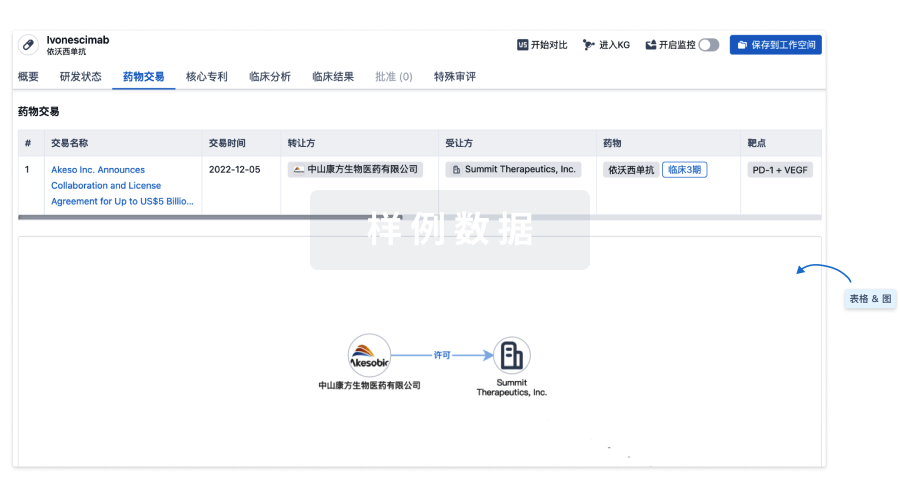
100 项与 氟雷拉纳 相关的药物交易
登录后查看更多信息
研发状态
10 条进展最快的记录, 后查看更多信息
登录
| 适应症 | 最高研发状态 | 国家/地区 | 公司 | 日期 |
|---|---|---|---|---|
| 蜱感染 | 临床前 | 加拿大 | 2020-02-13 |
登录后查看更多信息
临床结果
临床结果
适应症
分期
评价
查看全部结果
| 研究 | 分期 | 人群特征 | 评价人数 | 分组 | 结果 | 评价 | 发布日期 |
|---|
No Data | |||||||
登录后查看更多信息
转化医学
使用我们的转化医学数据加速您的研究。
登录
或
药物交易
使用我们的药物交易数据加速您的研究。
登录
或
核心专利
使用我们的核心专利数据促进您的研究。
登录
或
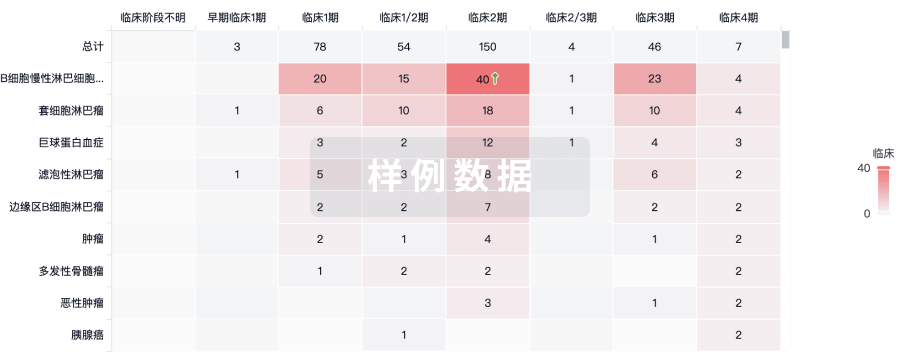
临床分析
紧跟全球注册中心的最新临床试验。
登录
或
批准
利用最新的监管批准信息加速您的研究。
登录
或
特殊审评
只需点击几下即可了解关键药物信息。
登录
或
提出任何生物医药研究问题
让每一步生物医药决策都精准制胜
基于十亿级生物数据与全球情报的精准 AI,赋能早期药物发现
立即开始免费试用!
智慧芽新药情报库是智慧芽专为生命科学人士构建的基于AI的创新药情报平台,助您全方位提升您的研发与决策效率。
立即接入生物医药数据包
智慧芽新药库数据也通过智慧芽开放平台,以MCP或API服务形式对外开放。立即使用我们的MCP服务定制您的LLM智能体。
生物序列数据库
生物药研发创新
免费使用
化学结构数据库
小分子化药研发创新
免费使用