预约演示
更新于:2026-08-21
STP-355
更新于:2026-08-21
概要
基本信息
药物类型 siRNA |
别名- |
作用方式 抑制剂、拮抗剂 |
作用机制 TGF-β1抑制剂(转化生长因子β1抑制剂)、VEGFR2拮抗剂(血管内皮细胞生长因子受体2拮抗剂)、RNAi(RNA干扰) |
非在研适应症- |
原研机构 |
非在研机构- |
权益机构- |
最高研发阶段临床前 |
首次获批日期- |
最高研发阶段(中国)临床前 |
特殊审评- |


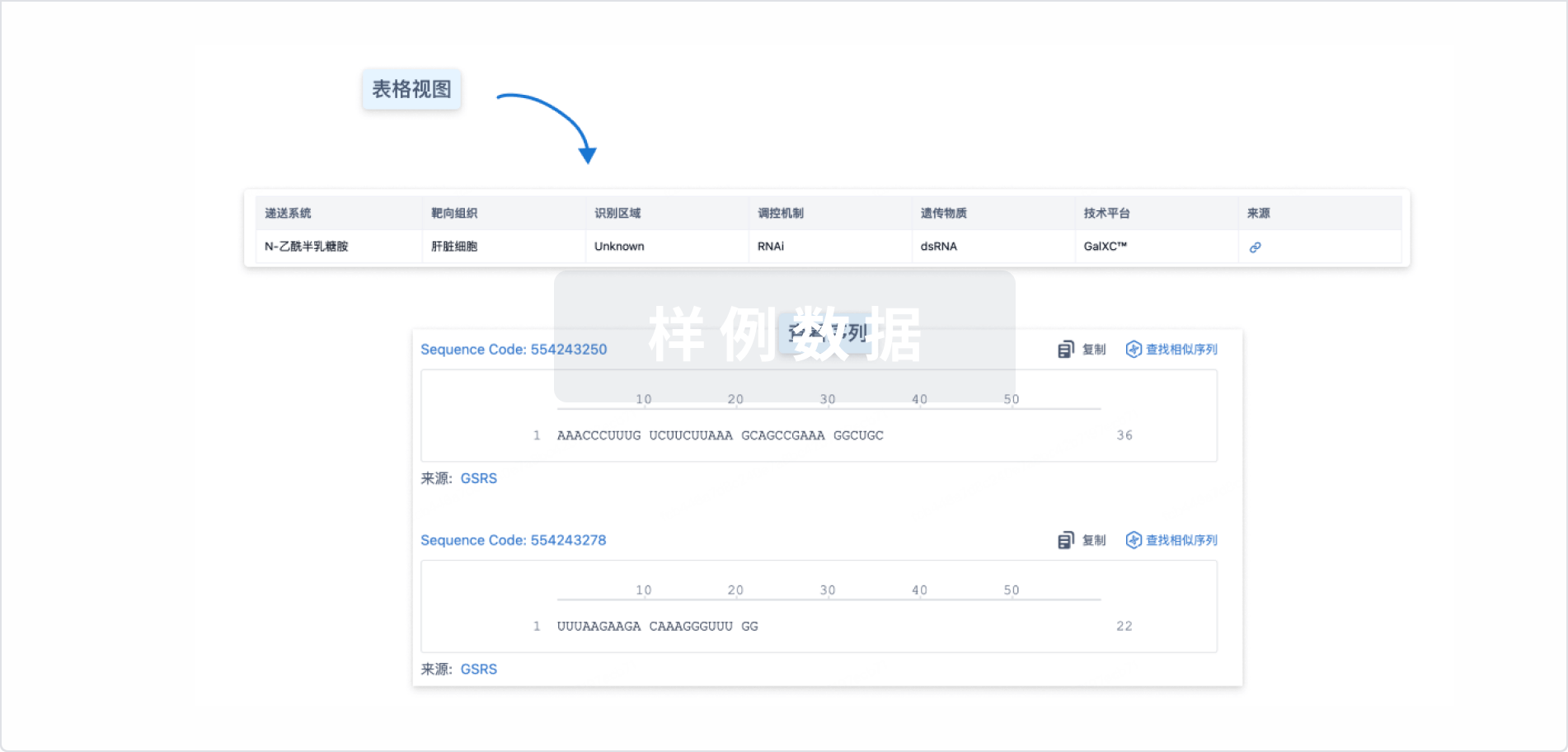
结构/序列
使用我们的RNA技术数据为新药研发加速。
登录
或
关联
100 项与 STP-355 相关的临床结果
登录后查看更多信息
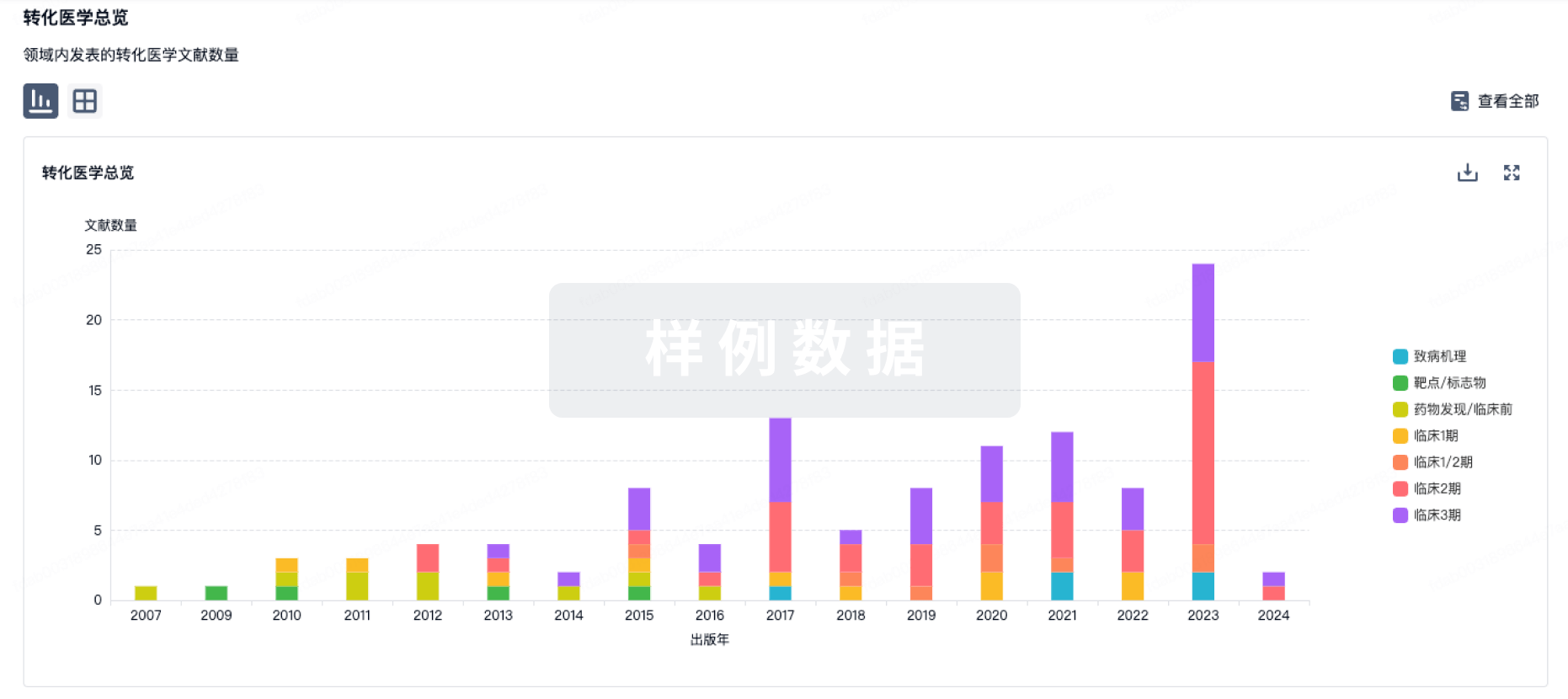
100 项与 STP-355 相关的转化医学
登录后查看更多信息
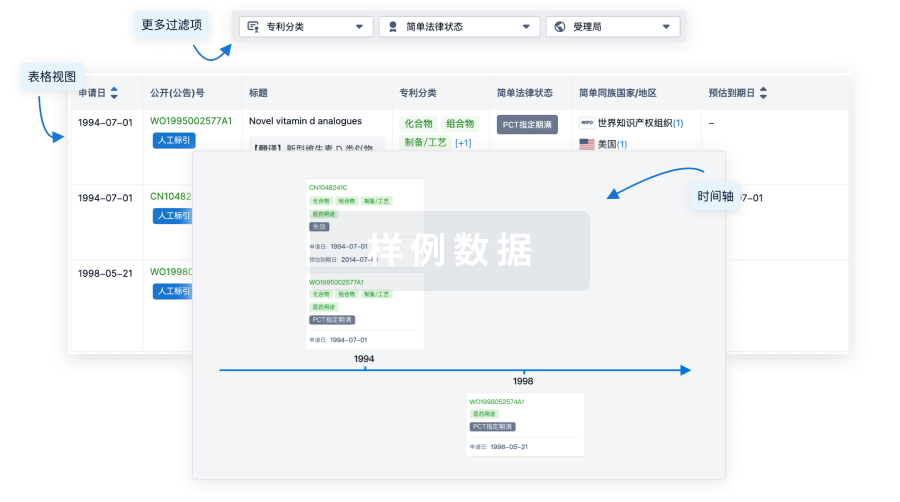
100 项与 STP-355 相关的专利(医药)
登录后查看更多信息
1
项与 STP-355 相关的文献(医药)2026-01-09·NAR cancer
Identification of siRNA silencing TGFβ1 and VEGFR2 and utility of the combination in targeting immune modulation and angiogenesis in treating melanoma
in vivo
Article
作者: Wang, Zhiyuan ; Zhou, Cheng ; Ren, Xiangyu ; Wang, Deling ; Evans, David M ; Xu, Jun ; Zhang, Jin ; Lian, Jinping ; Liu, Weihui ; Lu, Patrick Y ; Jia, Wanying ; Tian, Weiwei
Abstract:
Late-stage melanoma can metastasize to organs beyond the skin, such as lungs, liver, brain, and bone, resulting in reduced patient survival time. The incidence of melanoma is currently growing worldwide, and novel therapeutic options are needed to prevent its dissemination and to improve therapeutic results. This paper describes the use of small interfering RNA (siRNA) to silence expression of TGFβ1 and VEGFR2 as an alternative approach for melanoma treatment. These two therapeutic targets have been well-documented in tumor immune modulation and tumor angiogenesis within the tumor microenvironment (TME). Two potent siRNA candidates targeting TGFβ1 or VEGFR2 were identified with 100% identity to sequences of mouse, non-human primate (NHP), and humans. The combination of the two siRNAs was formulated with a clinically validated polypeptide nanoparticle (PNP) carrier. This PNP-packaged siRNA formulation, STP355, administered intravenously in mice bearing syngeneic melanoma tumors, demonstrated silencing of both targets and a reduction in tumor growth. STP355 also reduced tumor weight significantly, without the toxicity observed with cisplatin, resulting in prolonged survival of mice compared with this small molecule. It increased immune cell penetration into TME and reduced metastases to the lung. STP355 was more efficacious than, and somewhat additive with, immune checkpoint inhibitory monoclonal antibodies.
13
项与 STP-355 相关的新闻(医药)2026-08-19
上市时65.9港元,现在3.88港元。跌掉93%。
2026年8月14日,圣诺医药把创始人陆阳告上了香港高等法院。
一家账上只剩1350万美元的公司,在追讨一笔2000万美元的投资亏损——这笔钱,是创始人任内投出去的,最后只剩200万美元回来了。
这不是一家普通公司的普通诉讼。这是"中国核酸药物第一股"在生死边缘的自救动作。一、"小核酸第一股"是怎么炼成的?
在讲这出"公司告创始人"的戏码之前,得先搞清楚圣诺医药是谁。
创始人陆阳,中山大学生物系77级本科生,1987年拿到博士学位后赴美,在马里兰大学和乔治城大学做博士后。1993年进入美国生物制药工业界,加入世界第一家基因治疗公司Genetic Therapy(后被诺华收购),干了6年基因治疗和核酸药物研发。2001年,他联合创立了Intradigm公司——这家公司后来被基因泰克牵头收购。
2007年,陆阳在美国马里兰州创立圣诺医药(Sirnaomics),2008年回国在苏州BioBAY建立研发中心。
圣诺医药的核心技术是RNA干扰(RNAi)——一种通过小分子RNA精准"沉默"致病基因的疗法。1998年科学家发现RNAi机制,2006年拿了诺贝尔奖,此后整个行业花了近20年才把"诺贝尔奖级别的发现"变成"能给人治病的药"。
RNAi药物最难的不是设计RNA序列,而是递送——怎么把脆弱的RNA分子安全送到目标细胞里。行业里大部分玩家只能送到肝脏(通过GalNAc偶联技术),送到肝以外的器官(皮肤、肿瘤、脂肪组织)几乎是行业公认的"天堑"。
圣诺医药有两张技术牌:
• PNP(多肽纳米颗粒)平台:全球为数不多有Phase II临床数据验证的肝外递送平台,能把RNAi药物送到皮肤、肿瘤、脂肪组织——这是它和Alnylam、Arrowhead这些巨头最大的差异化。
• GalAhead™平台:肝靶向递送,特点是"可编程"——能精确调节药物在体内的持续时间,从3个月到12个月不等。
2021年12月,圣诺医药在港交所敲钟上市,发行价65.9港元,被称为"中国核酸药物第一股"。彼时正值港股18A生物科技泡沫的尾声,市场对"第一股"三个字有天然的溢价狂热。
但故事从这里开始拐弯了。二、管线全景:手里到底有几张牌?
作为一家管线型biotech,圣诺医药的核心价值全在管线上。14款产品、15个项目,三大平台,覆盖肿瘤、医美、心血管代谢三大方向。
PNP平台(肝外递送)
候选药物
靶点
适应症
临床阶段
给药方式
权益
关键数据
STP705
TGF-β1/COX-2双靶
鳞状细胞癌原位(isSCC)
II/III期准备中
瘤内注射
全球
IIa/IIb期入组69例,安全性极佳,无SAE
STP705
TGF-β1/COX-2双靶
基底细胞癌(BCC)
II期完成
瘤内注射
全球病变完全清除率100%
STP705
TGF-β1/COX-2双靶
局部减脂(医美)
II期(2026.7首例给药)
皮下注射
全球
I期安全性良好,脂肪减少≥30%
STP707
TGF-β1/COX-2双靶
晚期实体瘤
I期完成(50例)
静脉注射
全球
无剂量限制性毒性,胰腺癌患者疾病稳定
STP355
TGF-β1/VEGFR2
实体瘤
IND申报准备
静脉注射
全球
临床前
STP369
BCLXL/MCL1
头颈癌
IND申报准备
静脉注射
全球
临床前
GalAhead™平台(肝靶向,可编程给药)
候选药物
靶点
适应症
临床阶段
给药间隔
权益
关键数据
STP122G
十一因子(FXI)
抗凝/静脉血栓栓塞
I期最终队列
3个月
全球
安全性优异,剂量依赖性靶点沉默,冲全球首个获FDA批准的FXI siRNA
STP125G
ApoC3
高甘油三酯血症
IND申报准备(计划Q3 2026提交)12个月
全球
NHP模型安全有效,CMC完成
STP237G
AGT/ApoC3双靶
心血管代谢
临床前
—
全球
muRNA双靶点
STP247G
补体CFB/C5双靶
补体介导疾病
临床前
—
全球
muRNA双靶点
STP251G
ApoC3/TMPRSS6双靶
心血管代谢
临床前
—
全球
muRNA双靶点
STP136G
AGT
高血压
临床前
—
全球
—
STP144G
补体因子B
补体介导疾病
临床前
—
全球
—
STP145G/146G
补体C5/C3
补体介导疾病
临床前
—
全球
—
STP152G
TTR
ATTR类淀粉沉积
临床前
—
全球
—
AODC平台(抗体-寡核苷酸药物偶联物):临床前阶段,已有2项授权专利,在多种肿瘤细胞系和胰腺癌小鼠模型中显示强效抗肿瘤活性。
一句话总结管线:STP705是大王(唯一进入III期准备的资产,BCC 100%清除率很亮眼),STP122G是小王(FXI赛道冲FDA首个批准),GalAhead的12个月给药间隔是差异化卖点,AODC是未来故事。专利约90项(已授权28项)。
但问题也很明显:最核心的STP705至今没有启动III期临床,NDA最早2027年提交——前提是"资金充足"。而STP122G还在I期最终队列,距离商业化至少还有3-4年。三、2000万美元是怎么蒸发的?
这是整件事的核心。一笔2000万美元的投资,在公司账上几乎是全部现金的1.5倍,却在数月内蒸发90%以上。
时间线还原:
2022年12月:圣诺医药全资子公司香港Sirnaomics认购TradArt Flagship Investment SPC基金旗下独立投资组合500万美元。
2023年:追加认购1500万美元。累计投入2000万美元。此时公司现金从2022年底的1.05亿美元降至2023年底的2388万美元——这笔投资占了当时现金的绝大部分。
2024年4月10日:公司致函投资经理,要求全面赎回。
2024年6月28日:投资经理才告知——基金净值已"大幅下跌"。
2024年7月4日:陆阳带队会见投资经理合伙人胡超及风控总监王超,得知投资价值已跌至约200万美元。对方"并无提供导致此重大亏损的任何详情或理由"。
2024年7月8日:公司公告披露,仅赎回20万美元。
更离谱的细节在后头。独立调查中期公告揭示:
1. "盲投":公司只对投资经理做了背调,但未按公司政策要求对基金开展尽职调查、估值及风险分析,也未考虑替代投资方案或向董事会呈报。
2. 基金策略中途变更:公司购买前获得的文件显示,该基金策略不包括任何债务投资。但2023年1月,基金纳入了债务投资部分——此时距圣诺第一笔500万美元认购刚过一个月。
3. 资金流向蹊跷:基金投资的债务工具发行人是QiYuan Investment Corporation,在英属处女群岛(BVI)注册。其金额与圣诺投资于该基金的资金"大致相同"。而QiYuan唯一的外来投资就是来自圣诺投入该基金的资金。
翻译成人话:圣诺前脚打进2000万美元,基金后脚就把它几乎全部转给了一家BVI壳公司。这家公司除了圣诺这笔钱,没有别的资金来源。
这不像投资,更像转账。
相关责任人的说法互相矛盾——被问及如何识别该投资机会时,陆阳、戴晓畅、叶永基、前战略投资副主席曾宇提供了不同的说法。
此后,核心高管密集离场:
时间
事件
2024年5月
戴晓畅辞任首席战略官
2024年5月31日
叶永基辞任首席财务官
2024年10月
潘洪辉以个人资金5890万港元认购约1753万股,成16.7%大股东
2024年11月5日
陆阳由CEO调任首席科学官,潘洪辉接任CEO
2024年12月20日
陆阳退任董事会主席,转任荣誉首席科学官
2025年2月5日
陆阳辞任非执行董事及所有董事会委员会职务
2025年4月23日
陆阳彻底卸任集团所有职务
2026年8月14日
公司向香港高等法院起诉陆阳、戴晓畅、叶永基
2025年年报因此事被审计机构出具保留意见——无法充分取证核实相关基金投资的真实价值。审计师同时指出,圣诺医药的持续经营存在重大不确定性。四、华熙生物的"救命钱"怎么缩水了?
2000万美元投资暴雷叠加持续的经营性现金流出,圣诺医药的现金状况已经是ICU级别。
时间
现金及等价物
2022年底
1.05亿美元
2023年底
2388万美元(-77.3%)
2024年底
1177万美元(-50.7%)
2025年底
1352万美元(+14.9%)
2025年底现金"回升"不是因为业务好转,是因为2025年9月启动了一轮定向增发——这就是被市场称为"救命钱"的华熙生物定增。
原计划:以每股12港元向4名投资者发行约1735万股,其中华熙生物旗下全资子公司出资约1.39亿港元认购约1157万股,完成后持股9.44%,成为第二大股东。
实际结果:
• 2025年12月:投资者谢硕豪和Bamboo Bloom Limited的认购被终止。
• 2026年3月7日:华熙生物与公司"友好协商"后,终止剩余约907万股认购。最终只发行250万股,募资净额约5310万港元。
• 华熙生物最终持股2.28%,与计划的9.44%相差四倍。
为什么会缩水?看股价走势就明白了。
2025年9月定增公告时,股价约8港元,之后一路飙升至9月10日的22.78港元——市场对华熙生物入股医美概念股的反应。但随后股价崩塌,到2026年3月只剩6港元左右。12港元的认购价,在当时的市场价面前毫无吸引力。
华熙生物花5310万港元买了250万股,每股12港元。现在股价3.88港元。账面浮亏67%。
至于自掏腰包5890万港元入股的新CEO潘洪辉,他以约3.36港元/股的成本拿了1753万股。如果按当前3.88港元算,勉强浮盈——但这笔钱锁定了,短期出不来。
融资事件
时间
金额
每股成本
当前股价
浮盈/浮亏
潘洪辉个人认购
2024.10
5890万港元
~3.36港元
3.88港元
+15%
华熙生物定增
2026.03
5310万港元
12.00港元
3.88港元-67%
IPO发行价
2021.12
—
65.90港元
3.88港元-94%五、账上1350万美元,跑道还剩多长?
先看最核心的数字:
指标
2024年
2025年
变化
收入
180万美元(许可收入)0
-100%
净亏损
5020万美元
1460万美元
-70.9%
研发开支
2080万美元
1031万美元
-50.4%
经营现金流
-1860万美元
-920万美元
收窄
现金及等价物
1177万美元
1352万美元
+14.9%
净负债
—
2449万美元
—
流动负债净额
—
2278万美元
—
亏损收窄70.9%,看起来像是"经营改善"。但拆开看,这不过是断臂求生的数学结果——研发砍了一半,行政开支大幅压降,不是因为业务变好了,是因为不砍就活不下去。
公司声称现金可覆盖至少24个月运营。但这个"24个月"的前提是:每月烧钱速度维持在当前水平(约77万美元/月),且不再有任何意外支出。
问题是,STP705的II/III期临床试验一旦启动,费用将大幅攀升。一个肿瘤III期临床试验的成本动辄数千万美元。账上1350万美元,启动III期就是往火里扔。
审计师的保留意见和"持续经营重大不确定性"声明,比任何PR语言都更有分量。翻译成人话:审计师在告诉你,这家公司可能活不下去。六、技术到底行不行?——和全球同行比一比
圣诺医药的PR叙事里有两个核心卖点:"全球为数不多有Phase II临床数据的肝外siRNA递送平台"和"可编程RNAi平台"。
这两个说法技术上是真的。但放到竞争格局里看,问题就暴露了。
全球RNAi竞争格局(2025-2026):
公司
平台
已上市产品
2025关键进展
Alnylam
GalNAc + LNP + C16
6款(Onpattro/Givlaari/Oxlumo/Amvuttra/Qfitlia等)
Amvuttra获ATTR心肌病扩展批准;CNS领域推进II期
Arrowhead
TRiM
Redemplo(2025.11获批)
Plozasiran TG降80%;INHBE/ALK7减重POC
Ionis
ASO + siRNA
DAWNZERA
ION775(ApoC3 siRNA)推进中
Dicerna(诺和诺德)
GalXC
Rivfloza
Lp(a) III期入组12500例;被诺和诺德33亿美元收购
Silence
mRNAi GOLD
—
iron overload管线推进中
中国siRNA企业的BD交易(对比圣诺为零):
国内企业
合作方
交易总额
舶望制药
诺华
首付1.85亿美元+总价41.65亿美元,深化后增至52亿美元
瑞博生物
Madrigal
首付6000万美元+至多44亿美元
圣因生物
罗氏/基因泰克
首付2亿美元+至多15亿美元
前沿生物
GSK
首付4000万美元+9.63亿美元圣诺医药无0
国产siRNA企业的BD交易总额已超150亿美元。圣诺医药:零。
这不是技术问题,是商务能力问题。
圣诺的PNP平台确实是全球少数有Phase II数据的肝外递送系统——Alnylam的C16平台刚在CNS领域做II期,Arrowhead的TRiM平台刚在脂肪组织展现潜力。从纯技术角度看,圣诺的肝外递送并不落后。
但看看竞争对手在干什么:
• STP122G(FXI抗凝):圣诺还在I期最终队列。国内瑞博生物的RBD4059(同为FXI靶点)已经在IIa期,I期数据显示91.6%的FXI活性降幅。靖因药业的SRSD107也在II期,I期数据FXI降幅95%。圣诺在这条赛道上已经被国内同行甩开了。
• STP125G(ApoC3降甘油三酯):圣诺还在IND准备阶段。Arrowhead的Plozasiran(同靶点)已经在2025年11月获FDA批准上市,III期TG降幅80%。Ionis的同靶点ASO药物也在推进。圣诺在这条赛道上落后至少3-4年。
• STP705(肿瘤局部注射):这是圣诺最差异化的资产——瘤内注射RNAi治疗皮肤癌,BCC 100%清除率确实亮眼。但这个适应症市场规模有限,且III期还没启动。
技术有真东西,但商业化节奏严重滞后,BD能力几乎为零。 在国产siRNA企业密集和MNC签下百亿美元级别交易的背景下,圣诺的"零BD"格外刺眼。七、终极判断:这是一门什么生意?
技术是真技术,管理是真灾难,钱是真不够。
圣诺医药的本质矛盾在于:它手里握着全球为数不多的肝外RNAi递送平台,有Phase II临床数据验证,有100%清除率的亮眼数据——但这一切被2000万美元的投资丑闻、创始人的法律纠纷、持续亏损和现金枯竭层层掩埋。
RNAi赛道正在经历从"概念验证"到"商业收获"的拐点。2025年全球siRNA药物市场规模48亿美元,预计2034年达192亿美元,CAGR 17.2%。Alnylam已有6款上市产品,Arrowhead拿到首个FDA批准,诺和诺德33亿美元收购Dicerna——巨头们在抢平台和管线。
而圣诺医药,作为"中国核酸药物第一股",在这场盛宴中的角色是:旁观者。
不是技术不够格,是管理和资金拖了后腿。一个连2000万美元投资都管不好的管理层,怎么让合作伙伴相信你能管好一个III期临床试验?八、还有转机吗?
路径一:BD合作(概率最高,但也是最不确定的)
公司自己在财报里反复强调"推进BD合作"的意向。潘洪辉接任CEO后,战略重心从纯研发转向"平台技术授权+管线合作"。如果PNP平台或STP705能吸引到大药企合作,一笔首付就能续命。
但问题在于:诉讼风波刚爆发,合作伙伴会不会观望?谁会跟一家正在告创始人的公司签大单?
路径二:医美管线率先跑通(概率中等)
STP705局部减脂II期已于2026年7月完成首例给药。医美赛道商业化周期短、监管路径相对清晰,如果数据正面,有望吸引医美巨头(比如华熙生物?)深化合作。这可能是最快变现的路径。
路径三:STP705 NDA 2027年(概率最低)
公司目标2027年提交STP705的NDA。但III期临床还没启动,账上1350万美元根本不够烧一个肿瘤III期。除非中间有大规模融资或BD收入,否则这个时间表不具备可行性。
现金跑道测算:
按当前月烧钱约77万美元计算,1350万美元约能撑17-18个月——到2027年初。但如果启动STP705 III期,月烧钱速度至少翻三倍,跑道立刻缩到6个月以内。
最大的风险点:诉讼如果败诉(或长期拖延),2000万美元追不回来,公司净负债状况将进一步恶化。反之如果胜诉并追回部分资金,可以争取约12-15个月的额外跑道。
结论:转机不在自己手里,在合作伙伴和诉讼结果手里。圣诺医药的技术值得赌,但这家公司的管理层和财务状况不值得信任。对于投资者而言,这是一只"技术看涨期权"——如果BD落地,期权行权;如果BD落空,期权归零。
没有中间状态。
本文基于公开信息撰写,不构成投资建议。圣诺医药(02557.HK)为港交所18A上市公司,财务数据截至2025年年报。
2026-07-20
2024年至今,全球小核酸药物领域迎来了历史性的商业化拐点。Alnylam年营收逼近30亿美元、TRYNGOLZA获FDA批准、plozasiran递交上市申请……一款款"重磅炸弹"级产品的出现,让这个曾被视为"高风险前沿"的赛道,正式迈入黄金发展期。与此同时,中国军团以瑞博生物上市港交所为标志性事件,在全球小核酸产业链中占据了前所未有的重要位置。
本文系统梳理国际头部玩家与中国创新势力,呈现一幅完整的行业竞争版图。一、小核酸药物:从实验室到商业化的逆袭之路1.1 什么是小核酸药物?
小核酸药物(Oligonucleotide Therapeutics),指长度在10~50个核苷酸之间的寡核苷酸类药物,主要包括:反义寡核苷酸(ASO)
:通过Watson-Crick碱基配对与靶mRNA结合,抑制蛋白翻译或促进RNase H介导的mRNA降解。小干扰RNA(siRNA)
:利用RNA干扰机制,由双链RNA引发,目标mRNA被精确切割降解。核酸适配体(Aptamer)
:通过三维结构与靶标高亲和力结合。微小RNA(miRNA)模拟物/抑制剂
:调控内源性miRNA网络。
与传统小分子化药和抗体药物相比,小核酸药物的核心优势在于从基因层面精准干预,不受"靶点成药性"限制——任何被基因验证的靶点,理论上都可成为小核酸的候选对象。1.2 发展简史
时间
里程碑事件
1998年
Ionis(前Isis)推出全球首款ASO药物Fomivirsen(商品名Vitravene),获FDA批准用于CMV视网膜炎
2001年
Fire和Mello因发现RNAi机制获诺贝尔奖
2004年
Macugen(pegaptanib)成为首款获FDA批准的核酸适配体药物
2013年
Kynamro(mipomersen)和Vitravene退市,ASO行业陷入低谷
2016年
Spinraza(nusinersen)获FDA批准,开启ASO罕见病商业化时代
2018年
Onpattro(patisiran)获FDA批准,siRNA正式进入临床
2019-2021年
Givlaari(givosiran)、Oxlumo(lumasiran)、Leqvio(inclisiran)密集获批
2022年
Amvuttra(vutrisiran)获批,siRNA治疗ATTR-CM时代到来
2024-2025年
TRYNGOLZA、plozasiran NDA递交,中国小核酸出海交易密集落地1.3 市场空间与格局
根据弗若斯特沙利文数据,全球小核酸药物市场预计将从2024年的约52亿美元激增至2029年的206亿美元,年复合增长率高达21.6%;到2034年,市场规模有望突破549亿美元。Evaluate Pharma与BCG预测,2026年全球寡核苷酸类药物市场规模将超150亿美元。
一个更值得关注的现象是:2025年全球小核酸领域BD与收购交易总金额已突破300亿美元,诺华120亿美元收购Avidity Biosciences、GSK与罗氏轮番入场、礼来和诺和诺德重金押注……大厂的疯狂"买买买",正是对这个赛道最有力的背书。二、全球头部公司:三国杀到群雄并起2.1 Alnylam Pharmaceuticals —— siRNA赛道的绝对王者
总部: 美国马萨诸塞州剑桥市成立时间: 2002年上市情况: NASDAQ: ALNY,市值约280亿美元(2025年)核心技术: RNA干扰(RNAi)+ 肝脏靶向GalNAc递送平台里程碑药物: Onpattro、Amvuttra、Givlaari、Oxlumo、Leqvio(合作)
Alnylam是小核酸行业公认的"带头大哥",也是目前全球唯一一家实现盈利的纯小核酸biotech公司。商业化成绩单
Alnylam近年来的财务表现堪称教科书级别:2025年全年合并营收逼近30亿美元
,2026年指引更是跃升至53亿美元。
核心产品 Amvuttra(vutrisiran) 2024年全球销售额达9.71亿美元,2025年有望突破20亿美元,成为首款迈入"重磅炸弹"(blockbuster)行列的小核酸药物。Amvuttra于2025年获FDA批准用于治疗转甲状腺素蛋白淀粉样变性心肌病(ATTR-CM),是全球首款可同时治疗ATTR多发性神经病和心肌病的siRNA疗法,剑指50亿美元销售峰值。
与诺华合作开发的 Leqvio(inclisiran) 2025年前三季度销售额已达8.63亿美元,全年有望超12亿美元,诺华对其峰值销售预期高达40亿美元。技术平台与在研管线
Alnylam建立了全球最成熟的GalNAc肝靶向递送平台,使siRNA药物实现皮下给药、半年给药一次的超长效优势。目前公司在研管线覆盖:心血管代谢
:靶向ANGPTL3、ALN-AGT(高血压)、ATTR淀粉样变性CNS递送
:血脑屏障突破技术探索,非human RNAi,用于CNS疾病眼科
:遗传性视网膜疾病
Alnylam在递送技术专利方面布下"天罗地网",几乎所有后来者都绕不开其专利墙。2026年,公司预计将实现盈利目标,标志着纯小核酸biotech从"烧钱期"全面转入"收获期"。2.2 Ionis Pharmaceuticals —— ASO领域的不老传奇
总部: 美国加利福尼亚州卡尔斯巴德市成立时间: 1989年(前身Isis Pharmaceuticals)上市情况: NASDAQ: IONS,市值约80亿美元(2025年)核心技术: 反义寡核苷酸(ASO)化学修饰与递送平台里程碑药物: Spinraza、Tegsedi、WAYLIVRA、Tryngolza
如果说Alnylam是siRNA的代表,那么Ionis就是ASO领域的代名词。拥有超过30年的ASO研发积累,Ionis拥有全球最全面的ASO修饰化学库(涵盖硫代磷酸骨架、2’-MOE、cEt、PMO等多种化学修饰),在序列设计和化学优化上具有极深的护城河。2024-2025年:商业化元年
Ionis正在经历从"研发授权型"向"自主商业化"的历史性转型:
2024年12月19日,FDA批准 TRYNGOLZA(olezarsen) 上市,用于治疗家族性乳糜微粒血症综合征(FCS),每月给药一次。这是Ionis首个完全自主商业化的产品。III期BALANCE研究显示,接受80mg olezarsen治疗的患者6个月后空腹甘油三酯水平较安慰剂组降低42.5%(p=0.0084),12个月降低幅度达57%,急性胰腺炎风险显著下降。2025年该产品销售收入达1.05亿美元,超市场预期,峰值销售指引已从"超10亿美元"大幅上调至"超20亿美元"。
2025年,针对遗传性血管性水肿的 donidalorsen 有望获得FDA批准(PDUFA日期2025年8月21日)。
CARDIO-TTRansform研究(靶向ATTR心肌病)继续推进,预计2026年下半年公布III期数据——这将是Ionis在慢病领域最关键的一次验证。BD合作版图
Ionis的收入模式以授权合作为主,目前合作伙伴覆盖渤健(Spinraza全球权益)、阿斯利康(罕见病与心血管)、罗氏、诺华等大型药企。2024年底,Ionis将 sapablursen(靶向真性红细胞增多症ASO)大中华区以外的全球权益授权给日本小野制药(Ono),获得2.8亿美元预付款及最高6.6亿美元里程碑付款。2.3 Arrowhead Pharmaceuticals —— 多递送平台的全能选手
总部: 美国威斯康星州麦迪逊市成立时间: 1989年上市情况: NASDAQ: ARWR,市值约60亿美元(2025年)核心技术: TRiM™(Targeted RNAi Molecule)平台
Arrowhead是近年来风头最劲的小核酸公司之一,其独特的 TRiM平台 利用配体介导的靶向递送,可实现不同组织(肝脏、肌肉、肺部、脂肪等)的精准递送,相比Alnylam的GalNAc平台具有更广泛的应用范围。Plozasiran:全球首款即将获批的降脂siRNA
2024年11月,Arrowhead向FDA递交了 plozasiran(ARO-APOC3) 的新药上市申请,用于治疗家族性乳糜微粒血症综合征(FCS),PDUFA日期为2025年11月18日。
III期PALISADE研究结果发表于《新英格兰医学杂志》:25mg剂量组甘油三酯水平中位降低80%,急性胰腺炎风险较安慰剂组降低83%。数据同时在2024年ESC大会上以口头报告形式公布。
plozasiran由 维亚臻生物(ViaSure) 持有大中华区权益,已在中国完成III期临床入组,2025年1月纳入优先审评审批程序。2024年重磅交易:与Sarepta达成超百亿美元合作
2024年11月26日,Arrowhead与Sarepta Therapeutics达成全球许可协议,涵盖4款临床阶段和3款临床前管线,加总最多13个siRNA项目,覆盖肌肉、CNS和肺部罕见遗传疾病:预付款5亿美元
+ 3.25亿美元股权投资(溢价35%)里程碑总金额超100亿美元
(每个项目1.1亿~4.1亿美元开发里程碑 + 5亿~7亿美元销售里程碑)
交易披露后Arrowhead股价单日大涨24%,市值近30亿美元减重赛道布局
Arrowhead还在布局减重赛道,宣布推进 ARO-INHBE 和 ARO-ALK7 两款新一代RNAi候选药物,用于肥胖和代谢性疾病,计划2025年初启动临床研究。值得关注的是,RNAi减重的逻辑是**“减脂不减肌”**——直接沉默脂肪组织中的致胖基因,这与GLP-1类药物的机制存在本质差异。ARO-DUX4:肌肉疾病突破
Arrowhead还在推进 ARO-DUX4(靶向面肩肱型肌营养不良症FSHD)和 ARO-DM1(靶向1型肌营养不良症DM1),利用TRiM平台实现骨骼肌特异性靶向,在肌肉-CNS疾病领域建立了独特优势。2.4 Avidity Biosciences —— AOC抗体-siRNA偶联先驱
总部: 美国加利福尼亚州拉霍亚成立时间: 2012年上市情况: NASDAQ: RNA,2024年与MSD无关的独立公司
Avidity的独特之处在于开发了抗体-siRNA偶联物(AOC) 技术平台,将抗体与siRNA通过连接子偶联,利用抗体实现组织特异性递送。目前进展最快的项目 delpacibart zotadirsen(Del-zota) 正在开发用于肌肉营养不良和免疫疾病。
2024年,Avidity宣布与诺华达成战略合作,获得后者约1亿美元股权投资。Del-zota用于肌肉疾病的研究正进入关键验证阶段,2025年底有望提交BLA申请。诺华以120亿美元收购Avidity的消息在2024年底传出,成为当年最大规模的小核酸并购案之一。2.5 Sarepta Therapeutics —— 肌肉疾病ASO领导者
总部: 美国马萨诸塞州剑桥市成立时间: 1987年上市情况: NASDAQ: SRPT,市值超100亿美元
Sarepta是杜氏肌营养不良症(DMD)治疗领域的绝对霸主,拥有 Exondys 51(eteplirsen)、Vyondys 53(golodirsen)、Amondys 45(casimersen) 三款ASO产品,均通过靶向外显子跳跃机制治疗特定基因突变的DMD患者。
2024年11月,Sarepta与Arrowhead达成超百亿美元战略合作,将自身在DMD等肌肉疾病领域的商业化经验与Arrowhead的RNAi技术深度结合,共同开发下一代肌肉-CNS疾病疗法。三、中国头部小核酸创新公司3.1 瑞博生物(RiboBio)—— 中国小核酸第一股
总部: 江苏省苏州市成立时间: 2007年(国内最早的小核酸药物公司之一)上市情况: 2026年1月9日登陆港交所,港股代码02257核心技术: RIBO-GalNAc™ 肝靶向递送平台、RiboSmart™序列设计平台创始人: 梁子才教授
瑞博生物是中国小核酸领域资历最深、管线最丰富的公司,被视为中国小核酸行业的"黄埔军校"。融资与IPO历程
2025年1月9日登陆港交所,IPO开盘价75港元,市值约111.8亿港元
此前已完成8轮融资,累计募集资金约18亿元
投资方包括先进制造产业基金、高瓴资本、华润医药产业基金、君联资本、国投创新等顶级机构
2025年1月完成E2轮融资,投后估值48.7亿元(后股份转让后估值约35.8亿元)核心产品与管线
瑞博生物拥有全球最大的siRNA药物管线之一,据招股书披露,6款自研药物资产处于临床试验阶段:
产品
靶点/适应症
进展阶段
备注
RBD4059
抗凝血(Factor XI)
2a期临床
全球首款用于血栓性疾病的siRNA
RBD7022
PCSK9/高血脂
临床阶段
授权齐鲁制药大中华区权益
RBMG002
—/肝病
临床阶段
与BI合作NASH/MASH
多个代谢/肾病管线
—
1期/2期
覆盖心血管代谢、肾脏疾病与勃林格殷格翰(BI)合作
:2024年1月,双方就NASH/MASH小核酸疗法达成合作,总交易金额超20亿美元,瑞博获得预付款及阶段性里程碑付款。与齐鲁制药合作
:RBD7022(抗PCSK9 siRNA)大中华区权益授权,交易金额7亿元人民币。2025年财务情况
2023年净亏损4.373亿元,2024年净亏损2.815亿元(亏损大幅收窄)
2024年营收1.426亿元,主要来自与BI的合作收入
公司尚未有商业化产品,仍处于研发投入期核心优势与挑战
优势: 18年的技术积累、完善的GalNAc递送平台、丰富的慢病管线布局、与MNC的深度合作。挑战: 港股市场流动性与估值压力、商业化能力待验证、肝外递送技术仍是下一阶段竞争焦点。3.2 舶望制药(Argo Biopharma)—— 三年估值神话
总部: 上海市(部分运营团队在美)成立时间: 2021年4月融资阶段: B轮融资中核心技术: siRNA化学修饰与多适应症平台
舶望制药是中国小核酸行业近年崛起速度最快的黑马,成立仅三年即完成与全球制药巨头诺华的超大额BD交易。与诺华41.65亿美元合作
2024年1月7日,舶望制药宣布与诺华就RNAi疗法达成两项独家许可合作协议:
舶望获得 1.85亿美元预付款
潜在合作总金额高达 41.65亿美元
合作范围:心血管项目的全球权益及大中华区外权利,以及不超过两个其他心血管项目的选择权
所涉产品 BW-01、BW-02 大概率为靶向心血管疾病的小核酸药物
这一交易瞬间引爆国内市场对创新药出海模式的想象空间,也让创始团队(前Alnylam资深科学家背景)在业内声名鹊起。在研管线
舶望已在心血管疾病、罕见病、病毒感染、代谢疾病和中枢神经系统疾病领域建立丰富管线,多个产品进入IND阶段。其技术平台对标国际一线水准,在siRNA化学修饰和递送系统优化方面具备差异化创新能力。3.3 圣因生物(Saneegene Bio)—— LEAP平台的差异化玩家
总部: 江苏省苏州市成立时间: 2021年核心技术: LEAD™(Ligand and Enhancer Assisted Delivery)递送平台
圣因生物是小核酸新锐中技术平台最具差异化的代表之一,其 LEAD平台 在GalNAc基础上进一步优化组织靶向性和安全性,并积极开发肝外递送能力。融资情况
2023年12月:完成超8000万美元(约6亿元人民币)A+轮融资,由腾讯投资、元生创投领投,北极光创投、建发新兴投资、上海生物医药基金、深创投等跟投
2025年12月:完成超1.1亿美元B轮融资,投资方包括中国生物制药、君联资本、维梧资本、高瓴创投、礼来公司等豪华阵容BD合作
2023年12月,圣因生物与 信达生物 达成战略合作,共同开发靶向血管紧张素原(AGT)用于治疗高血压的siRNA药物 SGB-3908注射液,信达获得未来全球开发和商业化的独家选择权。2024年7月,该药获CDE临床试验默示许可。在研管线
圣因生物聚焦三大治疗领域:心血管代谢
:AGT(高血压)、ANGPTL3(高血脂)、ApoC-III等免疫介导性疾病
:自免相关靶点肝外递送平台
:向肺、CNS等组织拓展3.4 大睿生物(Horus Therapeutics)
总部: 上海市成立时间: 2021年核心技术: GalNAc-siRNA优化平台、差异化化学修饰
大睿生物是国内专注于siRNA药物开发的临床阶段biotech,技术平台强调更高的体内效力和更长的作用持续时间,从而实现更低剂量和更好的安全性窗口。融资情况
2024年完成A轮融资,获得知名投资机构支持
与多家MNC及国内龙头药企保持BD接触管线布局
公司在心血管代谢、肝脏疾病领域布局多个siRNA项目,部分管线处于IND准备阶段。其竞争优势在于siRNA化学修饰的深度优化能力,目标是在给药频率和疗效上实现对现有疗法的超越。3.5 前沿生物(Qianyan Bio)—— 老牌创新药企的小核酸转型
总部: 江苏省南京市上市情况: 科创板(688221.SH)核心技术: 抗病毒+小核酸双平台布局创始人: 谢东博士
前沿生物原本以抗HIV创新药艾可宁(艾博韦泰)闻名,近年积极布局小核酸药物研发,将其作为公司从"抗病毒"向"更广泛治疗领域"延伸的核心战略。2025年里程碑:与GSK达成约10亿美元全球授权合作
2025年2月23日,前沿生物宣布与 葛兰素史克(GSK) 达成全球独家授权合作,总交易金额约9.63亿美元(含4000万美元预付款):
涉及两款小核酸创新产品的全球开发和商业化权益
GSK承担全球临床开发费用
前沿生物获得里程碑付款及销售分成
截至2026年初,公司已收到首付款4000万美元,2026年一季度实现营收2.97亿元,同比暴增948.89%,实现扭亏为盈,净利润2.27亿元——这是中国小核酸biotech中最早实现盈利的企业之一。2026年一季度财务亮点
营收2.97亿元,同比增长948.89%
净利润2.27亿元
小核酸战略"变现"能力初步验证3.6 圣诺医药(Sirnaomics)—— 中国核酸药物第一股的困境与希望
总部: 江苏省苏州市上市情况: 港交所-B(02257.HK),2021年12月上市核心技术: GalNAc-siRNA + 多肽纳米粒(PNP)递送双平台创始人: 陆阳(Patrick Lu)博士
圣诺医药是中国最早上市的纯小核酸公司,被誉为"中国核酸药物第一股",拥有PNP(多肽纳米颗粒)递送技术这一差异化优势,可实现肝外(肿瘤、皮肤等)组织靶向。管线布局STP122G
:靶向Factor XI,十一因子抗凝血治疗,已完成I期临床试验STP707
:靶向TGF-β1/COX-2,用于肿瘤/纤维化,多适应症推进STP355
:肿瘤领域多个候选药物困境
圣诺医药目前面临显著的资金压力:
2024年上半年营收为零,净亏损4350万美元
累计融资近2.7亿美元,但商业化进程迟缓
2024年经历创始团队变动,公司管理层调整
港股流动性不足,市值大幅缩水
然而,STP122G在抗凝血领域的差异化布局(Factor XI靶点)和PNP平台的肿瘤应用潜力,仍是其翻盘的关键筹码。公司目前积极寻求BD合作机会,出售部分管线权益以补充现金流。3.7 维亚臻生物(ViaSure/VyFerm)—— Arrowhead的中国搭档
总部: 上海市成立时间: 2019年前后核心技术: Arrowhead TRiM平台大中华区授权 + 本土优化
维亚臻生物是Arrowhead在大中华区最重要的合作伙伴,获得了Arrowhead旗下多款siRNA药物的大中华区开发与商业化权益。核心产品:plozasiran(大中华区权益)plozasiran(普乐司兰纳/VSA001)
:靶向APOC3,用于FCS及严重高甘油三酯血症
已在中国完成III期临床入组(2024年初)
已获NMPA突破性治疗药物认定
2025年1月纳入优先审评审批程序
FDA PDUFA日期:2025年11月18日
plozasiran若在中美两国获批,将成为维亚臻在中国市场的首款商业化产品,具有里程碑意义。3.8 其他值得关注的中国公司悦康药业(688658.SH)
上市药企积极布局小核酸的代表:YKYY015注射液
:超长效降脂小核酸药物,已获批中美临床,Ⅰ期正在进行
自主研发GalNAc递送系统,目标是每年仅需注射2次有效降脂
偶联自主研发的GalNAc递送系统,实现高效肝靶向递送君实生物(1877.HK / 688180.SH)
创新药龙头,"小步快跑"进入小核酸领域:
2024年4月启动 ANGPTL3 siRNA 药物临床试验(JS401注射液)
与润佳医药联合研发
ANGPTL3通过抑制脂蛋白脂肪酶(LPL)和内皮脂肪酶(EL)调节脂质代谢恒瑞医药(600276.SH / despegar 创新管线)
2023年启动 HRS-5635 siRNA药物临床试验
肝癌领域探索靖因生物(Silo Biopharma)
2024年完成新一轮大额融资
专注siRNA心血管代谢疾病领域
低调但管线推进速度较快炫景生物(Xuanjing Bio)
由海归科学家创立
在CNS递送小核酸方面有技术特色
2025年2月获得新一轮融资四、全球与中国竞争格局对比分析4.1 技术路线对比
公司
主要技术路线
递送平台
组织靶向
Alnylam
siRNA
GalNAc(肝脏)
肝脏为主
Ionis
ASO
化学修饰ASO+GalNAc
肝脏+CNS+肌肉
Arrowhead
siRNA
TRiM(多组织)
肝/肌/肺/脂肪
Avidity
siRNA
AOC抗体偶联
肌肉+免疫
瑞博生物
siRNA
RIBO-GalNAc
肝脏为主
舶望制药
siRNA
自主优化平台
多组织
圣因生物
siRNA
LEAD(肝外)
肝脏+肝外
圣诺医药
siRNA
PNP(多肽纳米粒)
肿瘤+皮肤+肝脏
前沿生物
ASO+siRNA
自主+合作
抗病毒+代谢4.2 商业化成熟度对比
公司
商业化产品数
2025年营收预估
盈利状态
Alnylam
5款(自研+合作)
~30亿美元
已盈利
Ionis
4款+TRYNGOLZA(自研)
授权+自销
逐步减亏
Arrowhead
0款(plozasiran NDA阶段)
暂无
亏损中
瑞博生物
0款
~1.4亿元(合作收入)
亏损中
前沿生物
2款(艾可宁+仿制药)
~3亿元(Q1)
已盈利
圣诺医药
0款
0
亏损中4.3 中国公司的差异化路径
与海外巨头相比,中国小核酸创新公司走出了一条独特的成长路径:引进-消化-再创新
:以瑞博、维亚臻为代表,先引进国际成熟技术平台,在本土化过程中积累创新能力Fast-Follow策略
:对已经国际验证的靶点(如PCSK9、ANGPTL3、AGT)快速跟进,临床推进效率高肝外递送差异化
:圣因生物LEAD平台、圣诺医药PNP平台,都在解决"肝外递送"这个行业最大挑战MNC出海授权
:舶望与诺华41.65亿美元、瑞博与BI超20亿美元的大额BD交易,证明中国小核酸已具备全球竞争力五、行业趋势与未来展望5.1 慢病市场:小核酸的下一个主战场
过去小核酸药物的主战场是罕见病(ATTR、FCS、脊髓性肌萎缩症等),但从2024年开始,大型临床数据已验证小核酸在慢病领域的可行性:高血压
:靶向AGT的siRNA有望实现半年给药一次,替代每日口服降压药高血脂
:PCSK9、ANGPTL3、APOC3等多个靶点全面开花,疗效和给药便利性均优于他汀类药物NASH/MASH
:肝脏靶向siRNA在代谢性肝病领域展现潜力减重
:Arrowhead的ARO-INHBE/ALK7布局"减脂不减肌"的差异化减重新路径5.2 肝外递送:决定行业天花板的关键战役
当前全球siRNA约95%的临床项目集中于肝脏靶向递送(GalNAc技术已高度成熟),肝外递送(CNS、肺、肌肉、肾脏、脂肪等)成为决定谁能赢得下一个十年的核心变量:Arrowhead TRiM平台
:已在肌肉、肺部、脂肪等组织验证Avidity AOC平台
:抗体介导的精准递送圣因生物LEAD平台
:瞄准肝外,适应症覆盖自免等大病种圣诺医药PNP平台
:肿瘤和皮肤给药5.3 CNS突破:最令人期待的下一个里程碑
小核酸药物治疗CNS疾病(阿尔茨海默病、帕金森病、ALS等)面临的根本挑战是血脑屏障(BBB)。目前多条技术路线正在探索:Ionis
:基于ASO化学修饰优化CNS渗透性,已有Spinraza(鞘内给药)获批先例Arrowhead
:TRiM平台探索非human RNAi分子用于CNS疾病圣因生物
:LEAD平台布局CNS适应症5.4 中国力量:从"跟跑"到"并跑"
一个不容忽视的趋势是:中国在全球进入临床阶段的小核酸管线中占比已接近40%,超过了中国在ADC、双抗领域的占比。2025年中国小核酸出海授权交易总额已突破70亿美元。从瑞博生物港股上市、舶望制药41亿美元BD、前沿生物GSK合作这一系列事件看,中国小核酸产业正在经历从"学习者"到"对话者"的跃迁。六、结语:小核酸时代的创业逻辑
回顾整个行业脉络,有几个规律清晰可见:
第一,递送技术是核心壁垒。 Alnylam靠GalNAc称霸siRNA二十年,Arrowhead靠TRiM平台异军突起,Ionis靠ASO化学修饰体系屹立不倒——谁掌握了递送技术,谁就掌握了定价权。
第二,商业化验证靠慢病,不靠罕见病。 Alnylam之所以率先盈利,是因为Amvuttra和Leqvio瞄向了ATTR心肌病、高血脂等大市场。罕见病是证明技术可行性的起点,慢病才是商业化的终点。
第三,中国biotech的出海逻辑已从"被收购"升级为"平等合作"。 舶望与诺华41.65亿美元的交易、瑞博与BI超20亿美元的合作,不是"卖身",而是基于临床数据和平台能力的对等博弈。
第四,行业洗牌已在路上。 圣诺医药的困境说明,即便上市较早,缺乏持续融资能力和清晰商业化路径的biotech依然面临严峻生存考验。小核酸赛道的高门槛(技术+资本+执行)决定了这场游戏只属于少数人。
对于正在这一赛道上寻找机会的创业者、投资人和从业者而言,机会窗口仍在,但赛道正在加速分化。技术平台差异化、临床推进速度、商业化路径清晰度,这三者缺一不可——小核酸的黄金时代,既是科学家的时代,也是企业家的时代。
注:本文数据截至2026年7月,部分财务数据来自公司公告及公开报道,估值数据仅供参考,不构成投资建议。部分公司管线信息来自公司官网及行业研报,部分临床试验细节可能因时间推移发生变化,建议读者以最新公司公告为准。
2026-05-25
·雪球
在针对原位皮肤鳞状细胞癌的Ⅱ期临床试验中,76%的受试者实现了完全组织学缓解。目前,该产品Ⅲ期临床研究正在推进,圣诺计划于2027年提交新药申请。@研发客//“对唔住,我系差人。(对不起,我是警察。)”2024年11月,当潘洪辉博士出任圣诺医药首席执行官时,这句《无间道》中由梁朝伟饰演的陈永仁说出的经典台词掠过他的脑海。“加入圣诺医药的时候,几乎没有几个人知道我会怎么做,也不知道我扮演的到底是黑白什么角色。”我们约在繁华的香港中环见面。潘洪辉那天身着纯白色衬衣和普兰色牛仔裤,一米八的个头,头发梳得一丝不苟,五官俊朗。远远看去,也像极了陈永仁。潘洪辉告诉我,最令他倍感压力的是,加入圣诺之后忠奸难辨,很多股东甚至公司员工都认为他会是“捞一把就走”的人。圣诺医药,这家早在2007年就成立的公司,曾是国内小核酸干扰药物的先行者甚至是领军者,也是香港18A章通道首批上市的内地企业,然而,因内部管理不善,公司成立近二十年无一款产品上市,股价从巅峰跌入深渊,股东分崩离析,这便是潘洪辉决定担纲该公司CEO时,所面临的黑暗境地。从投资人到接盘人原本就是圣诺医药投资人的潘洪辉,并非小核酸行外人。事实上,潘洪辉是正统的生物学科班出身,在美国肯塔基大学读生物化学博士时的第一篇论文就是关于小核酸药物的RNA沉默机制研究(见下图),而他是第一作者。“这一机制的发现,为精准医疗开辟了全新路径。理论上,任何由基因过度表达引起的疾病,都可以通过设计相应的siRNA来进行治疗。”潘洪辉说。这也正是他看好圣诺医药多年来积累的技术平台的底层原因。在小核酸药物的成功要素中,递送技术是关键所在。圣诺医药此前已搭建了两个递送平台:一个是PNP(多肽纳米颗粒)递送平台,这是业内罕见的能够实现肝外靶向递送的RNAi技术,可精确靶向皮肤、脂肪、肌肉等肝外组织,有效解决小核酸药物递送的行业瓶颈;另一个是GalAhead™递送平台,专用于肝脏靶向递送,知识产权清晰可靠,可实现长效给药。与传统的脂质纳米颗粒(LNP)不同,PNP采用独特的无分层实心球体设计,具备pH响应特性,其组氨酸残基介导的“质子海绵效应”能帮助siRNA高效逃离内体,释放至细胞质中发挥作用。圣诺医药CEO潘洪辉博士“圣诺的产品和科学本身很好,只是公司治理出现了问题。”他认为,如果因为公司治理问题而让这些有前景的技术平台和产品就此消亡,实在太可惜;而如果投资几千万让管线能推进到有BD交易的阶段,就算失败,最后也能沽清,未尝不可一搏。“我愿意赌一把。”面对中国创新药崛起的浪潮,潘洪辉跃跃欲试,46岁的他已经积累了丰富的创业和公司管理的经验。此时圣诺的一位股东看好他,也希望他出手接盘。于是,2024年,潘洪辉以个人资金5890万港元入股,于2024年10月获委任为执行董事,11月接替创始人出任CEO,2025年12月进一步升任董事会主席。通过公开市场增持公司股份,让投资者理解他真金白银投入背后的长期判断。该省省、该花花,找钱、做BD上任后,他迅速推动了一系列成本控制措施,包括停租广州生物岛的办公楼、建立项目负责人制等。这些决策在内部推行时并非没有阻力,但他自幼受到严格的家庭教育,深知“不是没有钱、花不起钱,而是不能,更不该乱花钱”,直言“当下的第一重任是省钱,第二重任是找钱,第三是开展BD交易”。在产品策略上,他延续了前任CEO的研发路线。“陆博士的科学根基非常扎实,圣诺始终聚焦小核酸领域,但目标是攻克癌症。不确定性肯定有,不然也不是biotech。”潘洪辉坦言,尽管小核酸药物目前在慢性病和罕见病领域应用更广,但圣诺医药坚持深耕肿瘤治疗。“小核酸药物能从基因层面精准打击传统药物难以触及的致癌机制。凭借独特的基因干预能力,它特别适合应对肿瘤耐药、异质性以及非编码RNA驱动的恶性进展。”他举例说明了这一方向的可行性。首个用于肿瘤治疗的siRNA药物Atu-027通过靶向PKN3抑制血管生成,在胰腺癌患者中达到了74%的疾病控制率。而更让潘洪辉信心倍增的,是他所亲历的一个案例:小核酸药物在肝癌患者中实现了肿瘤体积缩小约10%的疗效。“若结合抗体及结构设计优化,并在临床上联合其他免疫治疗产品,这一策略将展现出极具前景的疗效。”即使是Biotech,也要有公司治理回顾接管圣诺这段惊心动魄的经历,潘洪辉的表情变得严肃起来。他说,很多公司打着做创新、做Biotech的旗号,挥霍无度投资人的钱,割韭菜,他认为这万万不可取。“公司治理是正道,即使是Biotech,也有规矩,有财务纪律。做公司一定要把科学应用到市场,给投资和支持你的人以回报,要自律,要有感恩之心,要有吃苦耐劳的精神。我作为在香港出生长大的生物科技人,不希望香港有一家最早一批18A上市的公司被人视作一个笑话。香港需要生物科技企业,更需要能健康成长,可持续发展,有韧性,最终能出好产品,能回馈社会的生物科技企业。”他提到的一个细节:刚接手圣诺,考虑到之前的管理混乱导致资金流失,他经行内人介绍,确定了一家知名国际性银行作为公司账务管理的合作伙伴。在银行的支持下,细致到工资、项目费的公司任何款项,一分一毫,都要经过他的亲笔签名才能走账。“财务风险控制,其实对于初创公司的CEO非常重要。很多公司开了所谓研发管线,四处投资,花钱随意,烧钱顺手,有了资金赤字也毫不察觉和在意。幸好有大机构支持,他们理解一家18A生物创新药公司的需要。大家都有对香港上市企业良性发展的期待,因此非常愿意支持大湾区生物科技企业,及时跟进,避免公司再度资产流失。”他认为,一条基本的道理是,公司管理层要能时时刻刻综合考虑企业所在生态系统的利益,包括股东、员工、上下游、合作伙伴,“和对的人一起把事情做好了,好事自然会发生”。如今的圣诺“圣诺此前耽误了很多时间,在资金有限的情况下,重点推进管线中的核心产品。”潘洪辉表示。圣诺医药的领先候选药物STP705是一款基于PNP递送平台、通过局部注射给药的TGF-β1和COX-2双靶点siRNA抑制剂。“TGF-β1是肿瘤进展、纤维化和免疫逃逸的关键通路,而COX-2则调控炎症反应与血管生成,双靶点协同可实现对肿瘤微环境的多维度调控。”潘洪辉说。在针对原位皮肤鳞状细胞癌的Ⅱ期临床试验中,76%的受试者实现了完全组织学缓解。目前,该产品Ⅲ期临床研究正在推进,圣诺计划于2027年提交新药申请。此外,STP705在治疗基底细胞癌的Ⅱ期临床试验中实现了一个组别100%的完全清除率,还获得了美国FDA授予的治疗胆管癌和原发性硬化性胆管炎的孤儿药资格认定。潘洪辉对这款产品成为“首个获批治疗癌症的小核酸药物”很有信心。在医学美容领域,STP705还被探索用于局部脂肪重塑,Ⅰ期临床试验已观察到可控的脂肪减少效果。STP707是公司的另一款领先候选产品,同样靶向TGF-β1和COX-2,但采用静脉输注给药方式,通过PNP递送平台实现全身给药,用于治疗多种实体瘤。其Ⅰ期临床报告已提交FDA,观察到在特定瘤种中的初步疗效信号。STP355则是一款更具创新性的双靶点产品,同时靶向TGF-β1和VEGFR2,后者是肿瘤血管生成的关键调控因子。STP355在黑色素瘤动物模型中实现了70%的肿瘤重量减少,远超传统化疗药物顺铂的61%,且未观察到明显的毒性不良反应。当与免疫检查点抑制剂(如PD-L1或CTLA4抗体)联用时,STP355展现出协同效应,肿瘤抑制率高达73%,远优于单药免疫治疗的50%。除了肿瘤药方向,圣诺医药自主研发的GalAhead™平台,布局了心血管疾病、代谢性疾病、免疫/罕见病等慢病领域的早期研发(见下图)。“这些疾病几乎全部需要长期管理、终身控制,病理机制涉及代谢或蛋白沉积通路,小核酸药物非常适合,因为能通过沉默致病基因实现长效治疗。”潘洪辉说。例如,STP122G是抗凝治疗药物,靶向十一因子(FactorXI),适用于预防心房颤动患者的中风以及骨科手术后的血栓形成。该产品的Ⅰ期临床试验多个序列已完成并公布了中期数据。STP125G靶向APOC3,用于治疗高胆固醇血症及相关心血管疾病,目前正在推进IND申请准备工作。在当前资源有限的背景下,圣诺医药决定专攻肿瘤赛道,其他原本布局的医美、代谢等领域,将积极寻找合作伙伴进行对外授权或联合开发。“这只是让这家公司回归正常轨道。”潘洪辉认为这几年的努力还不够,他更希望在不远的将来能用BD交易来证明自己,回馈给投资人和帮助他的人。“坚持选择,问心无愧”潘洪辉敢于接手圣诺,除了喜欢冒险,还与他丰富的创业经历不无关系。潘洪辉毕业后曾在美国西格玛-奥德里奇精细化工(Sigma-SAFC,后为默克子公司)担任高级科学家及亚太地区技术负责人,负责新一代无血清培养基配方的研发。2012年,受父亲一句“无法与孙子用中文沟通”的触动,潘洪辉决定回国发展。他通过浙江省海外高层次人才引进计划加入海正药业,在2012年至2017年间,历任细胞培养研发总监及首席科学家,为海正建立了细胞构建、培养基优化等技术平台,参与开发了20余个生物医药项目。然而,生性喜欢冒险的他,创业的心一直在悸动。2018年4月,潘洪辉在广东中山创立了中山康晟生物,一家专注于生物制药核心原料、培养基研发与生产的公司。公司从初创时的12人发展为百人规模。当时正值中美贸易战,许多内地企业无法购买到进口的细胞株、细胞培养液和培养基。凭借敏锐的市场洞察力和高质量的服务,潘洪辉为公司赚取了第一桶金。此后,康晟生物的市场占有率做到中国最大。2023年1月,康晟生物被上海乐纯生物收购,潘洪辉随后担任乐纯生物首席战略官及首席科学顾问,他在不到四十岁时便实现了人生的财富积累。回顾这段经历,潘洪辉认为,无论科学多么精彩,最终都要实现应用与落地。一家公司最核心的因素在于人和团队,再好的技术或管线,如果没有优秀的团队支撑,也难以成功。一个人如果能被公司的团队氛围所激发,就能产生极大的创造力和动力,为公司全力以赴;而一家公司有这样的团队,也能为股东,员工与上下游创造更多的实实在在的价值。“当前,我的愿景是重整中国小核酸药物第一股,先求生存再谋发展。当圣诺走上正轨,完成BD,产品上市,我也许会找到更具有大公司管理经验的人来接替。但当下、此时,我会坚持我的选择,无论结果如何,我都问心无愧。”访谈结束后,他挎上单肩包转身离去,脸上写满了陈永仁一般的不羁。总第2920期深度报道和每日新闻抢鲜看
临床3期核酸药物siRNA临床2期疫苗
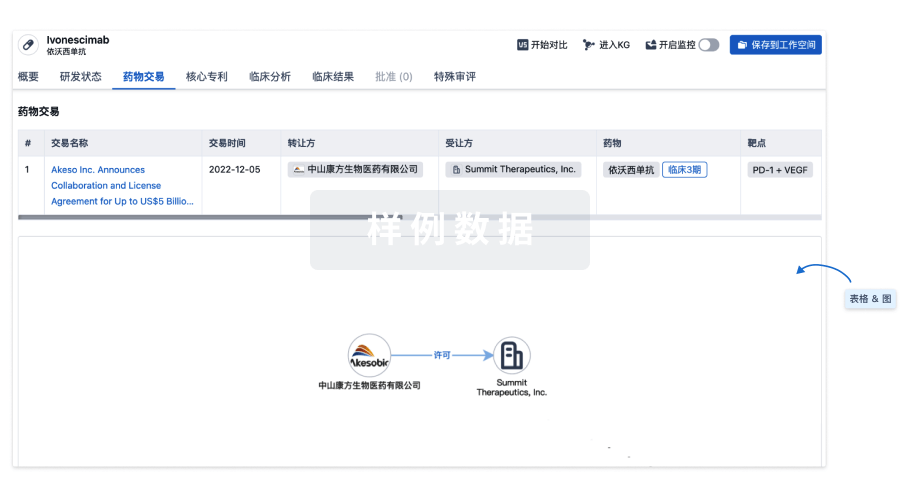
100 项与 STP-355 相关的药物交易
登录后查看更多信息
研发状态
10 条进展最快的记录, 后查看更多信息
登录
| 适应症 | 最高研发状态 | 国家/地区 | 公司 | 日期 |
|---|---|---|---|---|
| 实体瘤 | 临床前 | 美国 | 2026-08-01 | |
| 黑色素瘤 | 临床前 | 中国 | 2026-01-19 |
登录后查看更多信息
临床结果
临床结果
适应症
分期
评价
查看全部结果
| 研究 | 分期 | 人群特征 | 评价人数 | 分组 | 结果 | 评价 | 发布日期 |
|---|
No Data | |||||||
登录后查看更多信息
转化医学
使用我们的转化医学数据加速您的研究。
登录
或
药物交易
使用我们的药物交易数据加速您的研究。
登录
或
核心专利
使用我们的核心专利数据促进您的研究。
登录
或
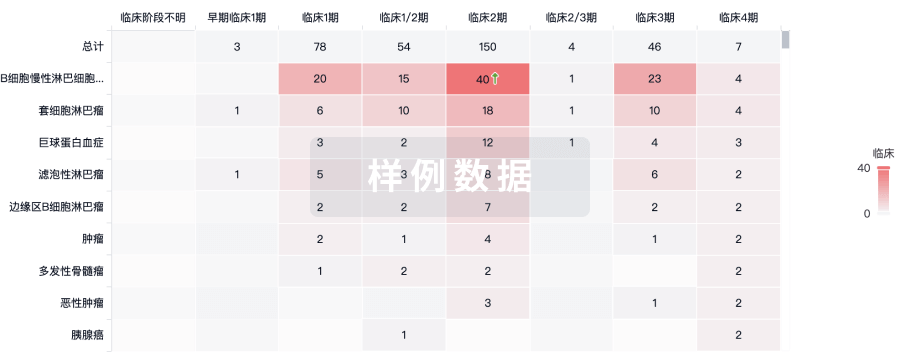
临床分析
紧跟全球注册中心的最新临床试验。
登录
或
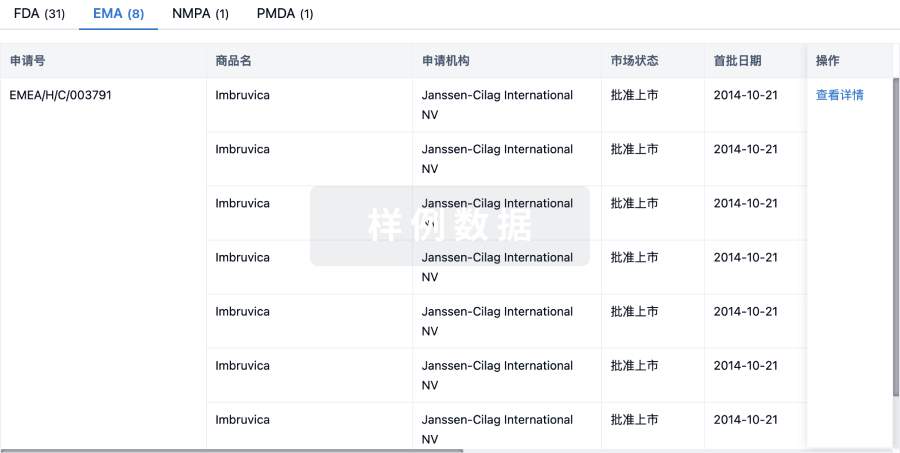
批准
利用最新的监管批准信息加速您的研究。
登录
或
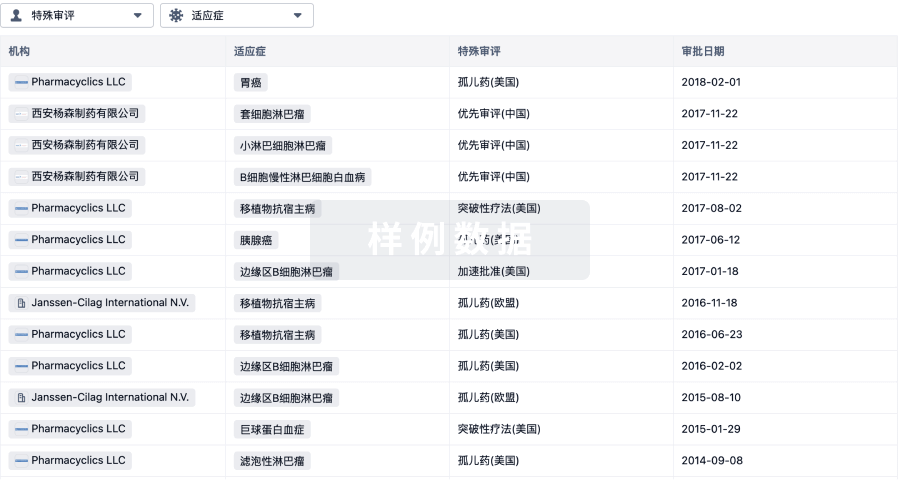
特殊审评
只需点击几下即可了解关键药物信息。
登录
或
提出任何生物医药研究问题
让每一步生物医药决策都精准制胜
基于十亿级生物数据与全球情报的精准 AI,赋能早期药物发现
立即开始免费试用!
智慧芽新药情报库是智慧芽专为生命科学人士构建的基于AI的创新药情报平台,助您全方位提升您的研发与决策效率。
立即接入生物医药数据包
智慧芽新药库数据也通过智慧芽开放平台,以MCP或API服务形式对外开放。立即使用我们的MCP服务定制您的LLM智能体。
生物序列数据库
生物药研发创新
免费使用
化学结构数据库
小分子化药研发创新
免费使用