预约演示
更新于:2025-12-10
Ovotransferrin
更新于:2025-12-10
概要
基本信息
非在研机构- |
权益机构- |
最高研发阶段临床前 |
首次获批日期- |
最高研发阶段(中国)临床前 |
特殊审评- |


关联
100 项与 Ovotransferrin 相关的临床结果
登录后查看更多信息
100 项与 Ovotransferrin 相关的转化医学
登录后查看更多信息
100 项与 Ovotransferrin 相关的专利(医药)
登录后查看更多信息
299
项与 Ovotransferrin 相关的文献(医药)2025-12-01·JOURNAL OF FOOD PROTECTION
Survival of Avian Pathogenic Escherichia coli in an In Vitro Contamination Model of Eggs
Article
作者: Murase, Toshiyuki ; Ozaki, Hiroichi ; Mezawa, Arisa
Laying chickens infected with avian pathogenic Escherichia coli (APEC) may lay eggs contaminated with this organism. However, whether APEC has a superior ability than non-APEC strain to survive and proliferate in egg contents remains unknown. Here, an in vitro egg contamination model was used to assess this matter. A total of 10 APEC and 11 non-APEC E. coli strains, determined according to the results of an embryo lethality assay, were used. A total of 35-190 colony-forming units (CFU) of one of the E. coli strains were experimentally inoculated onto the vitelline membrane of eggs collected from specific-pathogen-free chickens, following which the albumen from a single egg was poured into a plastic beaker to surround the yolk and incubated at 25 °C for three days. Albumen samples from the egg contamination model were enriched using buffered peptone water, and 10 μl of the culture was spread onto a DHL agar plate. Percentage of the albumen samples inoculated with APEC strains that yielded growth was significantly higher (P < 0.05) than that of those inoculated with non-APEC E. coli strains. When E. coli strains were inoculated in separated albumen samples, percentage of the samples inoculated with APEC strains that yielded growth was significantly higher than that of those inoculated with non-APEC E. coli strains. Treatment of strains with suspension containing lysozyme and ovotransferrin, which simulates the properties of albumen postoviposition, resulted in a decrease in viable cell counts in both the non-APEC E. coli and APEC strains. Several adhesin-associated genes were significantly prevalent in APEC strains than in non-APEC E. coli. The results of this study suggest that APEC strains associated with the vitelline membrane are capable of surviving in albumen in the egg contamination model. These findings lay a foundation for studying the mechanisms of survival of APEC strains in the albumen, which may help in controlling colibacillosis in chickens.
2025-11-05·JOURNAL OF AGRICULTURAL AND FOOD CHEMISTRY
Multiomics Unveils the Anti-inflammatory Mechanisms of Ovotransferrin with Varying Iron Saturation Levels: Insights from the
Lactobacillus
-Mediated Gut-Liver Axis
Article
作者: Zhang, Xing ; Zhang, Shan ; Yu, Tian ; Gao, Jinyan ; Tong, Ping ; Wu, Yong ; Chen, Xiao ; Chen, Hongbing ; Li, Jingjing ; Zheng, Shuangyan
The limited understanding of ovotransferrin (OVT) has constrained its potential as a functional protein and a substitute for lactoferrin (LF). Although the anti-inflammatory effects of OVT are well established, the underlying mechanisms, especially those related to its iron-chelating ability, remain unclear. To investigate, we compared the anti-inflammatory effects of OVT at varying iron saturation. The results show that the OVT with different iron saturations reduces intestinal inflammation by reinforcing intestinal barrier function. They also lower liver inflammation by improving the hepatic structure and function. This may be linked to increased intestinal Lactobacillus abundance, which alters short-chain fatty acid profiles and activates hepatic fatty acid oxidation and degradation pathways, thereby lowering toxic lipids. The decrease in the number of toxic lipids helps preserve liver homeostasis by suppressing excessive lipophagy. Notably, Native-OVT and Mono-OVT showed stronger anti-inflammatory activity. These findings elucidate the anti-inflammatory role of the OVT through the gut-liver axis and underscore its functional potential.
2025-11-01·FOOD RESEARCH INTERNATIONAL
Enhanced thermal stability of liquid egg white via disrupting the double-network structure at the initial stage of gelation
Article
作者: Shang, Xiaomin ; Xu, Haojie ; Liu, Jingbo ; Gong, Lingling ; Zhang, Siwei ; Zhang, Ting
Liquid egg white (EW) is highly susceptible to heat-induced denaturation and coagulation, which limits pasteurization conditions in the egg processing industry. This study investigated ultrasound-alkali pretreatment for controlling protein aggregation and gelation during the initial gelation stage (56-72 °C). Compared to untreated EW, the ultrasound-alkali pretreated EW exhibited significantly reduced turbidity and viscosity upon heating, while maintaining high fluidity and transparency even at 72 °C. Soluble protein content increased almost three times. Rheological and SDS-PAGE results revealed that untreated EW forms a double-network gel structure primally composed of ovomucin, ovotransferrin, and lysozyme during the initial gelation stage. Cryo-SEM and AFM images confirmed that ultrasound-alkali pretreatment disrupted this interpenetrating network structure, thereby improving colloidal particle dispersion. Additionally, FT-IR and LF-NMR results indicated that the pretreatment partially protected protein structure from heat-induced damage while increasing free water mobility. The results of this study provide a new strategy for enhancing the thermostability of liquid EW and increasing the pasteurization condition of egg products in the food industry.
100 项与 Ovotransferrin 相关的药物交易
登录后查看更多信息
研发状态
10 条进展最快的记录, 后查看更多信息
登录
| 适应症 | 最高研发状态 | 国家/地区 | 公司 | 日期 |
|---|---|---|---|---|
| 溃疡性结肠炎 | 临床前 | 中国 | 2025-09-01 | |
| 溃疡性结肠炎 | 临床前 | 中国 | 2025-09-01 | |
| 溃疡性结肠炎 | 临床前 | 中国 | 2025-09-01 |
登录后查看更多信息
临床结果
临床结果
适应症
分期
评价
查看全部结果
| 研究 | 分期 | 人群特征 | 评价人数 | 分组 | 结果 | 评价 | 发布日期 |
|---|
No Data | |||||||
登录后查看更多信息
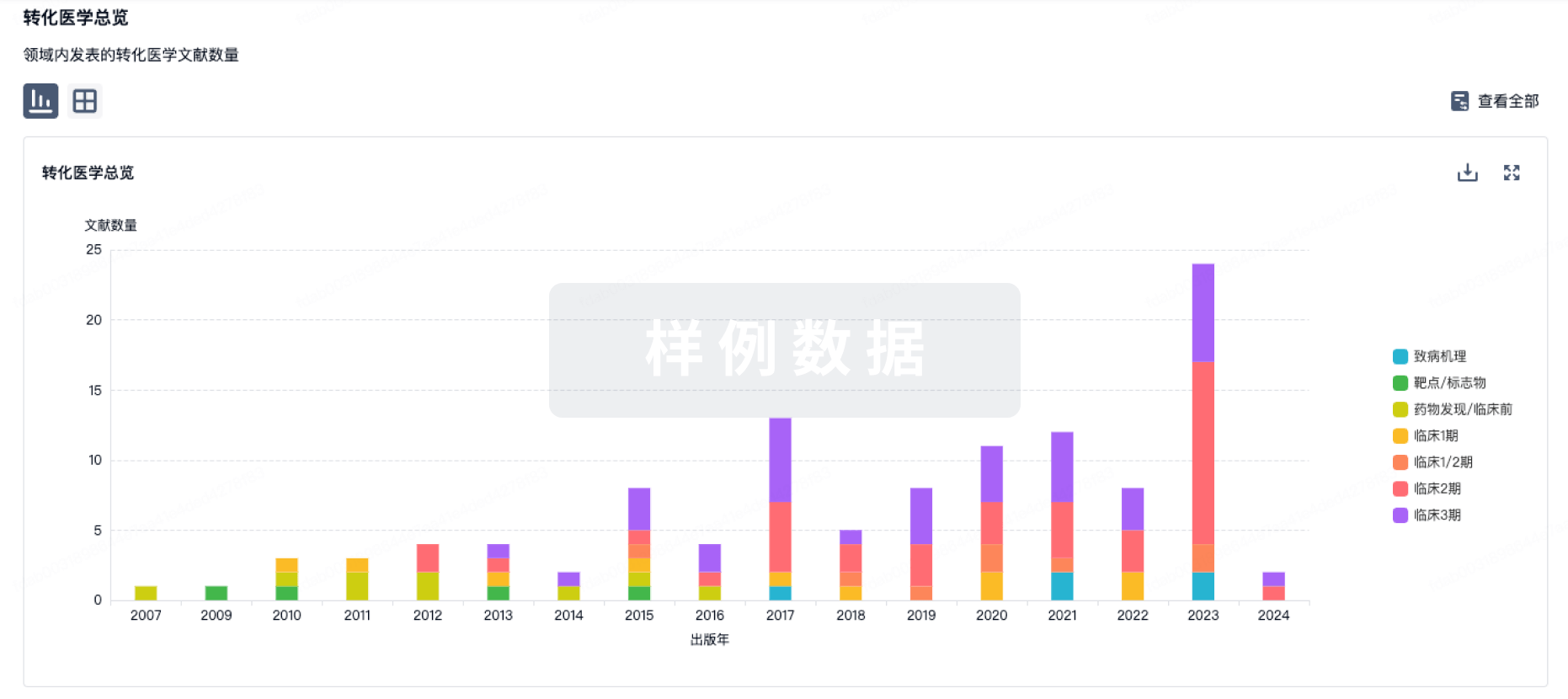
转化医学
使用我们的转化医学数据加速您的研究。
登录
或
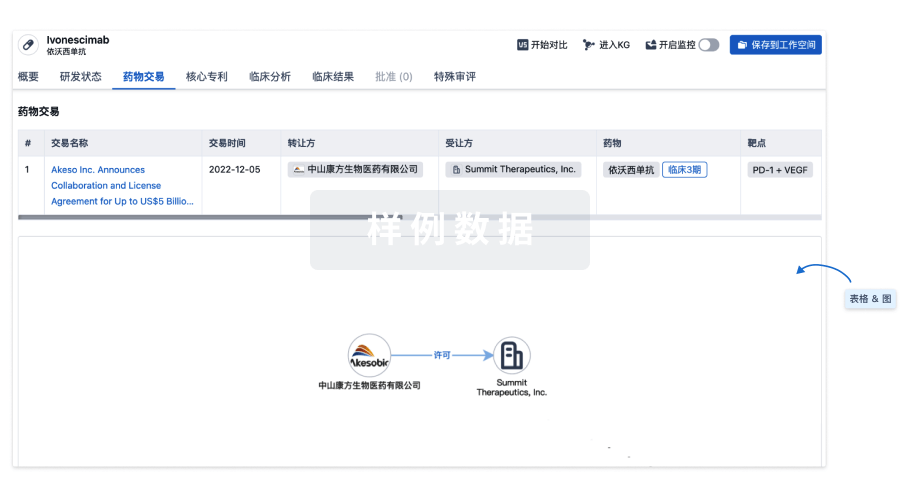
药物交易
使用我们的药物交易数据加速您的研究。
登录
或
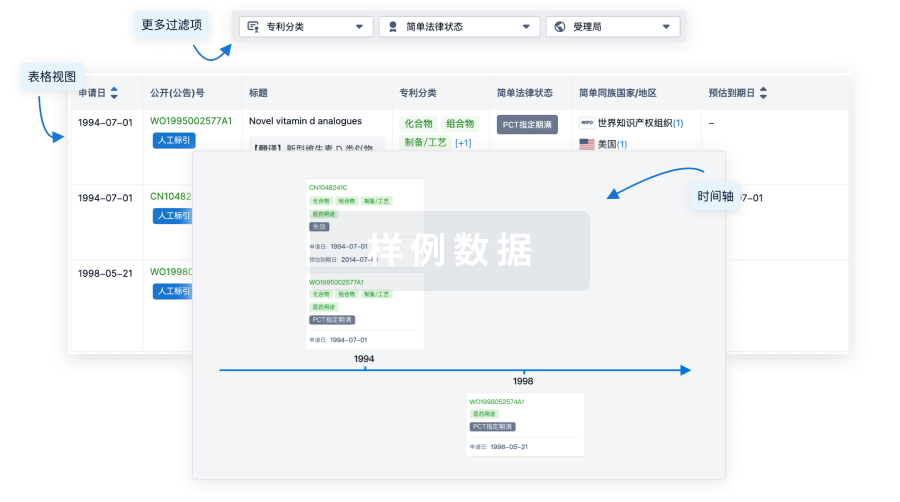
核心专利
使用我们的核心专利数据促进您的研究。
登录
或
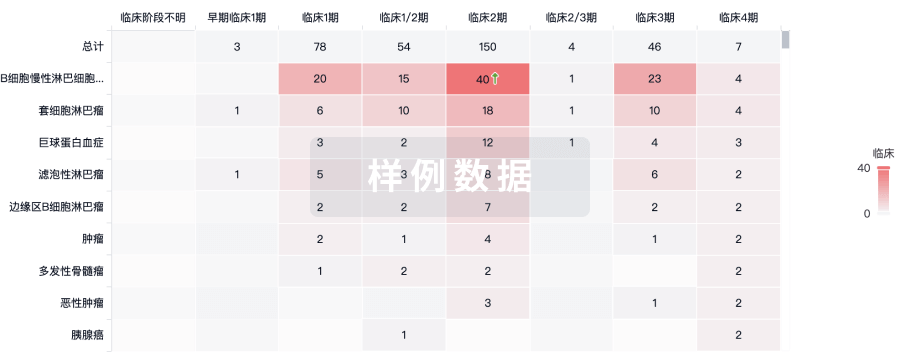
临床分析
紧跟全球注册中心的最新临床试验。
登录
或
批准
利用最新的监管批准信息加速您的研究。
登录
或
生物类似药
生物类似药在不同国家/地区的竞争态势。请注意临床1/2期并入临床2期,临床2/3期并入临床3期
登录
或
特殊审评
只需点击几下即可了解关键药物信息。
登录
或
提出任何生物医药研究问题
让每一步生物医药决策都精准制胜
基于十亿级生物数据与全球情报的精准 AI,赋能早期药物发现
立即开始免费试用!
智慧芽新药情报库是智慧芽专为生命科学人士构建的基于AI的创新药情报平台,助您全方位提升您的研发与决策效率。
立即接入生物医药数据包
智慧芽新药库数据也通过智慧芽开放平台,以MCP或API服务形式对外开放。立即使用我们的MCP服务定制您的LLM智能体。
生物序列数据库
生物药研发创新
免费使用
化学结构数据库
小分子化药研发创新
免费使用