预约演示
更新于:2026-08-07

Hefei University of Technology
更新于:2026-08-07
概览
标签
其他疾病
神经系统疾病
心血管疾病
小分子化药
化学药
多糖药物
疾病领域得分
一眼洞穿机构专注的疾病领域

技术平台
公司药物应用最多的技术
靶点
公司最常开发的靶点
关联
靶点 |
作用机制 |
在研机构 |
原研机构 |
在研适应症 |
非在研适应症 |
最高研发阶段 |
首次获批国家/地区 |
首次获批日期 |
靶点 |
作用机制 |
在研机构 |
原研机构 |
在研适应症 |
非在研适应症 |
最高研发阶段 |
首次获批国家/地区 |
首次获批日期 |
靶点 |
作用机制 |
在研机构 |
原研机构 |
在研适应症 |
非在研适应症 |
最高研发阶段 |
首次获批国家/地区 |
首次获批日期 |

CTR20181004
植入用缓释阿霉素术中给药质量高复发风险肝癌的临床研究
CTR20140023
植入用缓释阿霉素经皮穿刺治疗肝癌Ⅰ期临床人体耐受性试验方案
CTR20132935
前瞻性、多中心、单臂Ⅲ期临床试验评价植入用缓释顺铂穿刺植入治疗有门静脉癌栓的晚期肝癌安全性和有效性
100 项与 合肥工业大学 相关的临床结果
登录后查看更多信息
登录后查看更多信息
2026-12-01Cognitive Neurodynamics
Research on the perception of Huizhou traditional street nightscapes: a lab experiment using EEG
Article
作者: Li, Zao ; Zhang, Wencong ; Fang, Mingyuan ; Li, Xinke ; Sun, Xia
With the continuous development of the nighttime economy in recent years, urban nocturnal illumination has received widespread attention. The evaluation of night lighting in traditional commercial streets, as a common element of urban history and commerce, is of great importance. In this study, we aimed to conduct a comprehensive investigation of the nighttime illumination of traditional urban streets, exemplified by Tunxi Old Street and Liyang IN Alley, Huangshan City, China, using methods such as electroencephalography(EEG) and the semantic differential technique. Two main results were generated. 1) In the night lighting of traditional commercial streets, reasonable illuminance must be achieved to avoid an incongruous nocturnal atmosphere that substantially affects street quality. 2) Regarding lighting selection, floodlighting produces the best effects, followed by compound lighting, whereas linear lighting yielded the poorest results.
2026-11-01SPECTROCHIMICA ACTA PART A-MOLECULAR AND BIOMOLECULAR SPECTROSCOPY
Identification of soybean variety based on spectral data and RGB image fusion combined with deep learning method
Article
作者: Wu, Chenchen ; Liu, Wei ; Wang, Hao ; Jiang, Quan ; Zhou, Xinran ; Liu, Changhong
The identification of soybean variety is of great importance for crop quality, stabilizing yield, and regulating agricultural markets. This study presents a novel, high performance approach for soybean variety identification by innovatively fusing hyperspectral data with RGB images and introducing an optimized deep learning framework. YOLO (You Only Look Once), a widely-used real-time object detection algorithm, was adapted and improved in this work. Different spectral preprocessing strategies were evaluated to enhance data quality, then a novelty linear interpolation method was proposed to integrate spectral and visual information to enrich feature inputs. YOLOv11 architecture was improved by optimizing parameter efficiency and strengthening the spatial attention mechanism, boosting model representational capacity. Results demonstrate that the combined preprocessing method of moving average and multiple scattering correction achieved optimal performance. The proposed enhanced YOLOv11 model with multi-modal data fusion at trained a test set accuracy of 98.8%, significantly outperforming conventional single modal approaches. These findings validate that multi-modal fusion of spectral and imaging data is a highly effective strategy for crop variety identification, with promising translational potential for broader applications in agricultural product classification and quality control.
2026-10-01ULTRASONICS
Design of a novel ultrasonic motor achieving both single-mode and multi-mode coupling using parallel symmetrical double vibrators
Article
作者: Hu, Yuanman ; Su, Pingfan ; Diao, Weidong ; Qian, Min ; Li, Dongxu ; Zhang, Junjian ; Pan, Qiaosheng
This paper proposes an ultrasonic motor capable of achieving both single-mode and multi-mode coupled operation. The stator structure is simple and fully symmetrical, consisting of two parallel sandwich-type vibrators. The motor achieves flexible switching between single-mode and multi-mode coupled operation by selectively exciting the longitudinal vibration modes of the left and right vibrators. Due to the symmetry of the dual-vibrator stator structure, the frequencies of the two coupled modes are naturally close, and improving motor design efficiency. Moreover, this dual-vibrator structure enables the motor to maintain consistent bidirectional output characteristics even when operating in single-mode configuration. Since piezoelectric ceramics operate in the d33 mode with high electromechanical coupling capability, the sandwich structure effectively enhances the output performance of the motor. This thesis first details structure and operating principles of the motor. Subsequently, finite element analysis software is employed to conduct modal analysis, frequency and transient analysis of the stator, validating its feasibility. Finally, a prototype is fabricated and tested on an experimental platform to evaluate its output performance. In single-mode operation, the prototype achieves a maximum speed of 434 mm/s, a maximum load of 0.8 kg, and a maximum efficiency of 5.03 %. In multi-mode coupled drive mode, it achieves a maximum speed of 612 mm/s, a maximum load of 1 kg, and a maximum efficiency of 3.69 %. The motor also achieves a resolution as high as 8.1 nm. The motor features a compact structure and simple drive mechanism, enabling seamless switching between two operating modes. It exhibits relatively favorable output characteristics, making it suitable for various precision drive applications such as optical instruments, medical equipment, and aerospace systems.
100 项与 合肥工业大学 相关的药物交易
登录后查看更多信息
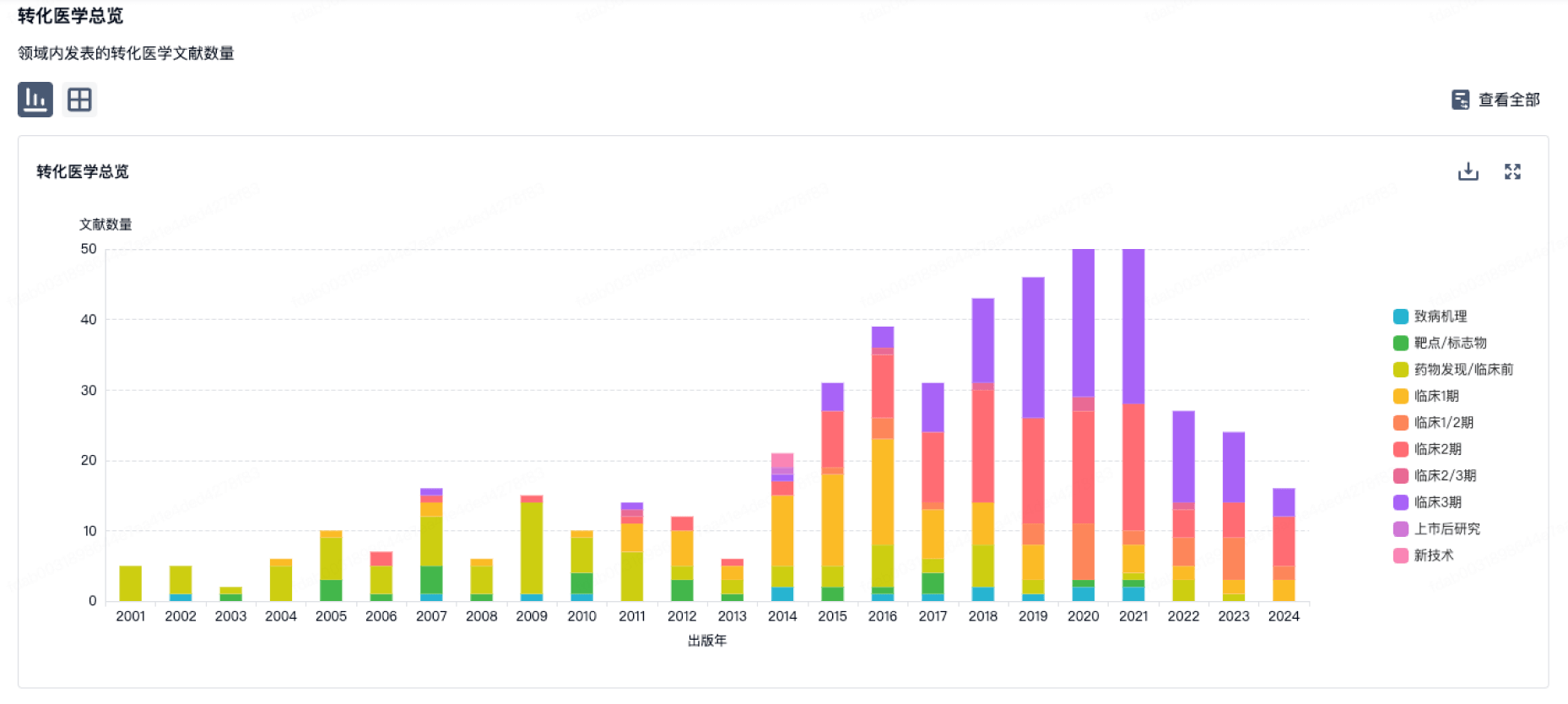
100 项与 合肥工业大学 相关的转化医学
登录后查看更多信息
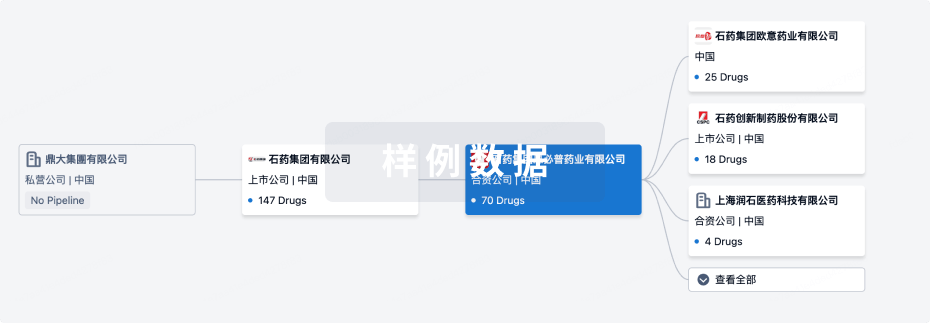
组织架构
使用我们的机构树数据加速您的研究。
登录
或
管线布局
2026年09月17日管线快照
管线布局中药物为当前组织机构及其子机构作为药物机构进行统计,早期临床1期并入临床1期,临床1/2期并入临床2期,临床2/3期并入临床3期
药物发现
6
10
临床前
其他
1
登录后查看更多信息
当前项目
登录后查看更多信息
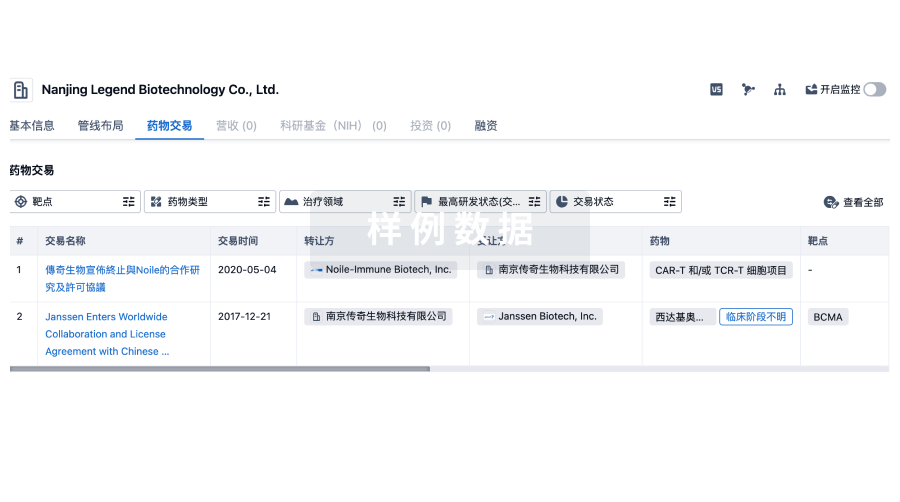
药物交易
使用我们的药物交易数据加速您的研究。
登录
或
转化医学
使用我们的转化医学数据加速您的研究。
登录
或
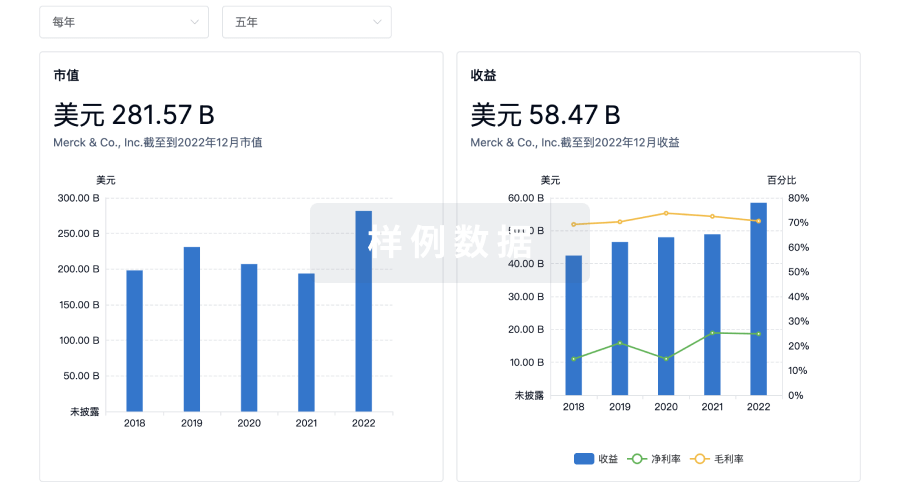
营收
使用 Synapse 探索超过 36 万个组织的财务状况。
登录
或
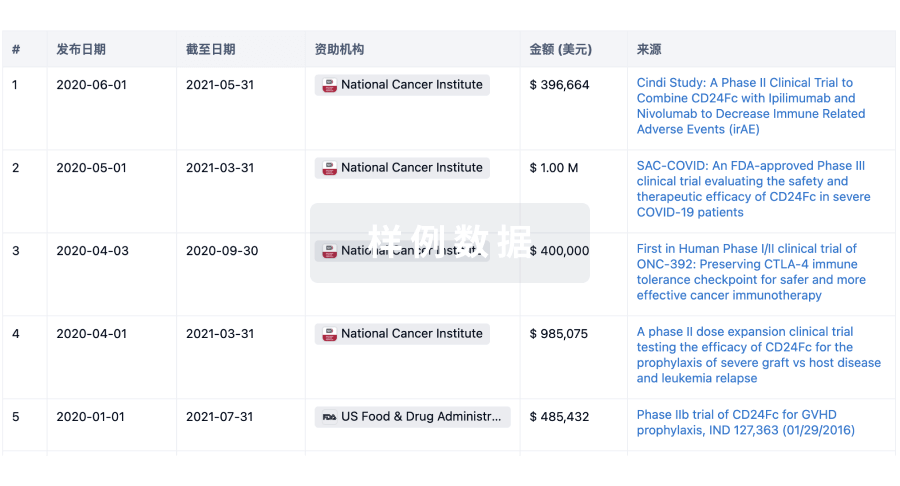
科研基金(NIH)
访问超过 200 万项资助和基金信息,以提升您的研究之旅。
登录
或
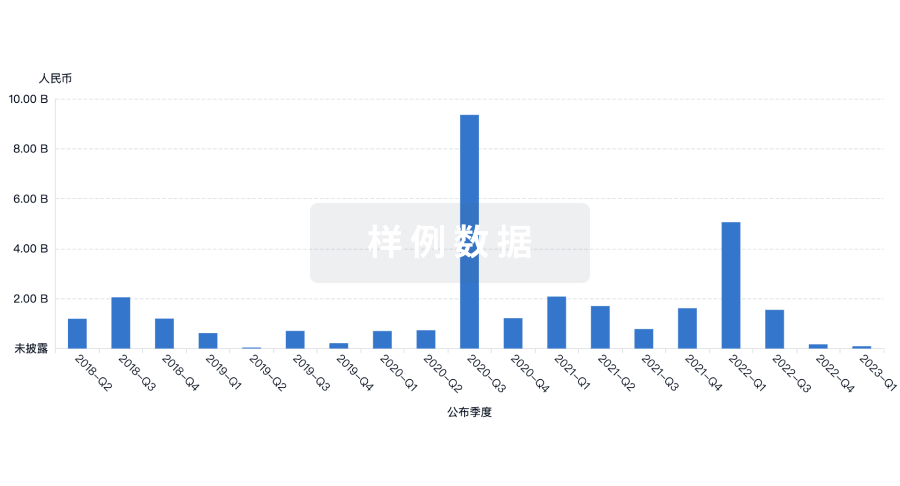
投资
深入了解从初创企业到成熟企业的最新公司投资动态。
登录
或
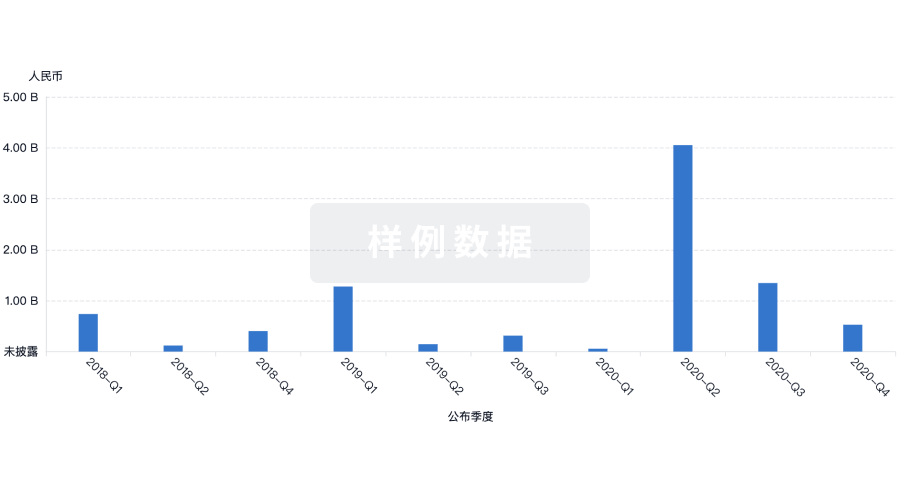
融资
发掘融资趋势以验证和推进您的投资机会。
登录
或
提出任何生物医药研究问题
让每一步生物医药决策都精准制胜
基于十亿级生物数据与全球情报的精准 AI,赋能早期药物发现
立即开始免费试用!
智慧芽新药情报库是智慧芽专为生命科学人士构建的基于AI的创新药情报平台,助您全方位提升您的研发与决策效率。
立即接入生物医药数据包
智慧芽新药库数据也通过智慧芽开放平台,以MCP或API服务形式对外开放。立即使用我们的MCP服务定制您的LLM智能体。
生物序列数据库
生物药研发创新
免费使用
化学结构数据库
小分子化药研发创新
免费使用