预约演示
更新于:2026-01-12
HMPV(INNORNA)
HMPV(深信生物)
更新于:2026-01-12
概要
基本信息
原研机构 |
在研机构 |
非在研机构- |
权益机构- |
最高研发阶段临床前 |
首次获批日期- |
最高研发阶段(中国)临床前 |
特殊审评- |

关联
100 项与 HMPV(深信生物) 相关的临床结果
登录后查看更多信息
100 项与 HMPV(深信生物) 相关的转化医学
登录后查看更多信息
100 项与 HMPV(深信生物) 相关的专利(医药)
登录后查看更多信息
36
项与 HMPV(深信生物) 相关的文献(医药)2025-07-16·JOURNAL OF INFECTIOUS DISEASES
Characteristics of Human Metapneumovirus Infection Compared to Respiratory Syncytial Virus and Influenza Infections in Adults Hospitalized for Influenza-Like Illness in France, 2012–2022
Article
作者: Foulongne, Vincent ; Nguyen, Liem Binh Luong ; Galtier, Florence ; Lefrancois, Louise H ; Houhou-Fidhou, Nadira ; Loubet, Paul ; Lina, Bruno ; Launay, Odile ; L’Honneur, Anne Sophie ; Vanhems, Philippe ; Valette, Martine ; Guitton, Salomé ; Durier, Christine ; Meyer, Laurence ; Duval, Xavier ; Lagathu, Giséle ; Carrat, Fabrice ; Laine, Fabrice ; Rolland, Simon
Abstract:
Background:
We aimed to compare the characteristics of human metapneumovirus (hMPV) infection with influenza A and B virus (FLUV) and respiratory syncytial virus (RSV) infections in adults hospitalized with influenza-like illness (ILI).
Methods:
We conducted a post hoc analysis of adult patients hospitalized with community-acquired ILI who were enrolled in the FLUVAC study at 5 French referral hospitals from 2012 to 2022.
Results:
At least 1 respiratory virus was detected in 3620 of 6618 patients (55%), including FLUV (1524/3620 [42%]), RSV (248/3620 [7%]), and hMPV (162/3620 [5%]). hMPV+ patients, when compared to FLUV+ patients were more likely to develop at least 1 complication (60% [86/143] vs 50% [716/1435]; P = .02), especially acute heart failure, which occurred twice as often in hMPV+ during the hospital stay (22% [32/143] vs 11% [160/1434]; P < .001). The rates of respiratory (30% [43/143] vs 32% [70/216]; P = .73) or cardiac (22% [32/143] vs 15% [33/216]; P = .09) complications did not differ between hMPV+ and RSV+ patients. The in-hospital all-cause death rate was similar among all 3 populations (4% hMPV+, 4% FLUV+, and 5% RSV+).
Conclusions:
Hospitalized hMPV infections affect older patients with multiple chronic conditions who face frequent cardiac and pulmonary complications during hospitalization more frequently than with influenza and similar to RSV.
2025-07-16·JOURNAL OF INFECTIOUS DISEASES
Outcomes of Human Metapneumovirus Infections in Nursing Home Residents: A Matched Cohort Analysis
Article
作者: Abul, Yasin ; Bhaskar, Nidhi ; Rudolph, James L ; Halladay, Christopher W ; DeVone, Frank ; Leonard, Tayler ; McConeghy, Kevin W ; Gravenstein, Stefan
Abstract:
Background:
Identified in 2001, human metapneumovirus (hMPV) infection can lead to hospitalization and death, especially in older adults and children.
Methods:
This retrospective, propensity-matched study compared cases of hMPV infection with cases of influenza virus and respiratory syncytial virus (RSV) infection for hospitalization and death outcomes in older adults living in Community Living Centers (CLCs), nursing homes operated by the US Department of Veterans Affairs. We evaluated electronic medical records from July 2017 to June 2024. We included CLC residents with laboratory-confirmed hMPV, influenza virus, or RSV infections. The propensity-matched analysis balanced demographic and clinical characteristics. Proportional hazards models estimated the risk of hospitalization, death or the combined outcome over the 90 days after diagnosis.
Results:
We identified 178 hMPV, 1379 influenza virus, and 681 RSV laboratory-confirmed infections. In the propensity analysis. Residents with hMPV infection (n = 173) were well matched to those with influenza virus infection (n = 746). The matched cohort proportional hazard analysis (hMPV vs influenza virus infection) showed similar hazards for 90-day outcomes of hospitalization (adjusted hazard ratio, 1.00 [95% confidence interval, .67–1.49]), death (0.79 [.48–1.29]), or both combined (0.81 [.58–1.12]). With use of similar methods, residents with hMPV (n = 170) were well matched to those with RSV (n = 437). The matched cohort proportional hazard analysis showed similar 90-day outcomes of hospitalization (adjusted hazard ratio, 1.00 [95% confidence interval, .66–1.51)], death (0.93 [.58–1.56], or both combined (0.97 [.68–1.37]).
Conclusions:
Resident infection with hMPV produced similar likelihoods of hospitalization and death as infection with influenza virus or RSV. Increased understanding of hMPV and appropriate testing are needed to accurately detect, prevent, and manage hMPV in nursing homes.
2025-07-16·JOURNAL OF INFECTIOUS DISEASES
A Comparative Profile of the Burden of Human Metapneumovirus, Respiratory Syncytial Virus, and Influenza in the HIVE Cohort, 2010–2022
Article
作者: Bassiouni, Sarah S ; Callear, Amy P ; Johnson, Emileigh ; Smith, Matthew ; Martin, Emily T ; Godonou, Elie-Tino ; Foster-Tucker, Joshua E ; Monto, Arnold S
Abstract:
Background:
Human metapneumovirus (HMPV) was initially identified as a cause of lower respiratory illness in young children; its characteristics are well documented in this group. However, when compared with other major respiratory viruses, less is known about its impact on adults, especially in community settings.
Methods:
Since 2010, the HIVE (Household Influenza Vaccine Evaluation) study has followed a cohort of households in Ann Arbor, Michigan, for acute respiratory illness (ARI) of viral etiology. Relative frequency of HMPV, respiratory syncytial virus (RSV), and influenza A and B virus (IAV/IBV) detection and associated reported symptoms was calculated; linear and Poisson mixed-effects models assessed measures of ARI burden. Additionally, a self-controlled case series analysis was conducted to characterize HMPV symptoms and burden.
Results:
Throughout 2010–2011 to 2021–2022, 11 714 specimens were collected. HMPV was identified in 3.4% of all specimens, RSV in 4.4%, and IAV and IBV in 6.7% and 2.5%, respectively. HMPV and RSV occurrence was comparable between adults aged 18 to 39 and ≥40 years. Mean HMPV symptom burden and severity fell between that of RSV and influenza ARIs, with HMPV associated with a rate of moderate to severe symptoms 11% below that of influenza ARI (rate ratio, 0.89; 95% CI, .79–.99). HMPV-associated disruptions in work attendance and productivity were comparable to those of RSV. No significant differences in symptom frequencies during HMPV ARIs were observed when compared with RSV, IAV, and IBV by self-controlled case series analysis.
Conclusions:
HMPV was comparable to RSV but not influenza in its overall occurrence, symptom frequency, and ARI burden among younger and older adults.
3
项与 HMPV(深信生物) 相关的新闻(医药)2025-09-03
·梅斯医学
呼吸道感染是全球面临的重要公共卫生挑战,可影响各年龄段人群。自2001年首次被发现以来,人类偏肺病毒(hMPV)作为副黏病毒科的一员,已被确认为引发人类呼吸道疾病的重要病原体。hMPV感染的临床谱广泛,从轻度上呼吸道症状到严重的下呼吸道感染(如肺炎和支气管炎),尤其在婴幼儿、老年人及免疫功能低下人群中可导致严重疾病。由于其临床表现与呼吸道合胞病毒(RSV)、流感病毒及SARS-CoV-2等其他呼吸道病毒高度相似,hMPV常被忽视或漏诊,导致其真实疾病负担被低估。
多项研究证实,hMPV是儿童重症肺炎的第二大病毒性病因,仅次于RSV,并可导致大量急性呼吸道感染住院病例,部分患者需入住重症监护病房。然而,全球hMPV的流行率报告存在显著异质性,受地理区域、季节变化、年龄分布及检测方法等多种因素影响。因此,系统整合多国、多中心的流行病学数据,全面揭示hMPV的全球流行特征与长期趋势,对于疾病监测、临床诊疗优化及未来疫苗和抗病毒药物的研发具有重要意义。
本系统综述与荟萃分析整合了2002年至2024年间全球超过220万名呼吸道感染患者的监测与研究数据,是迄今为止关于人类偏肺病毒(hMPV)流行病学特征规模最大、覆盖最全面的综合性研究。
研究严格遵循PRISMA指南,系统检索PubMed、Scopus及Web of Science数据库,筛选2002年至2024年发布的采用PCR方法检测hMPV的横断面和病例对照研究。纳入标准涵盖有呼吸症状的儿童及成人,排除免疫受损及基础疾病患者、非呼吸样本检测、非PCR方法检测、抗病毒治疗患者及非英文文献。数据提取包括样本量、检测方法、年龄分组、地理区域、疾病类型及hMPV基因型等。采用随机效应模型估算合并流行率,分组分析不同变量影响。病例对照研究采用合并OR评估hMPV感染与呼吸道感染风险的关联。
结果显示,共纳入611项研究,涵盖2236820名患者。hMPV总体合并流行率为5.3%(95% CI:5.0%-5.6%)。hMPV感染具有显著的年龄和临床表型差异:在5岁以下儿童中检出率最高,达6.7%,而在成人中仅为2.5%;在下呼吸道感染患者中,hMPV总体检出率为8.2%,尤以支气管炎和肺炎最为常见。住院患者中的hMPV检出率显著高于门诊患者,提示其与疾病严重程度密切相关。
图:根据全球地区划分,hMPV感染在全球呼吸道感染患者中的流行情况
病毒亚型分布分析显示,hMPV A型的流行优势明显高于B型,占64.6%。地区上,东地中海及美洲地区流行率较高(分别为6.6%和6.3%),非洲及西太平洋地区较低。疫情期间(2020-2023年)流行率显著下降(3.1%),可能与公共卫生措施相关。
图:根据病例对照研究中随机效应模型,hMPV感染与患者呼吸道感染风险之间关联的森林图
病例对照研究的合并分析进一步证实,hMPV感染与呼吸道疾病发生存在强关联性,其合并比值比(OR)达4.6(95% CI: 3.8–5.6),具有高度统计学意义。本研究系统描绘了hMPV的全球流行格局,为该病毒的临床识别、高危人群防控及未来疫苗研发策略提供了关键的循证依据。
综上,hMPV作为呼吸道病毒,尤其影响5岁以下儿童,2-3岁幼儿感染率最高,这可能因免疫发育不完善及集体环境暴露。成人感染率较低,可能因既往感染形成部分免疫。PCR检测是当前hMPV诊断的金标准,不同PCR方法敏感度存在差异。hMPV在重症下呼吸道感染中占重要比例,强调临床警惕及早期诊断意义。 COVID-19疫情期间,hMPV及其他呼吸道病毒流行显著下降,显示非药物干预措施对病毒传播影响显著。hMPV以上呼吸道样本检测效果最佳,住院患者感染率高,提示重症患者应加强hMPV监测。 研究发现hMPV A型优于B型流行,可能对疫苗设计有指导意义。综合全球数据,hMPV是重要的呼吸道感染病原体,特别在儿童及住院患者中负担显著,亟需增强监测、优化检测策略及疫苗研发。
原始出处
Pegah Khales,a Mohammad Hossein Razizadeh,b Saied Ghorbani.The prevalence and role of human metapneumovirus in respiratory tract infections: a systematic review and meta-analysis of global data.eClinicalMedicine 2025;88: 103480.https://doi.org/10.1016/j.eclinm.2025.103480
撰文 | 梅斯医学
编辑 | 阿拉斯加宝
● 延寿20岁,二甲双胍太“神”了!多项研究:不仅将活到90岁的几率提升30%,全身性抗衰,还能修复脑功能,与MYC抑制剂协同抗癌
●又反转了!抗衰再遭质疑?Science和Nature:饮料中这种常见成分,不仅促血癌,还与衰老无关;但曾因抗癌、抗衰多次登顶刊
●震撼!主任医师吐槽:谁见过55岁的正高值夜班?科里原本4个医生值班,离职一个,院里不准增加新人,科主任竟要求另一名主任医师值班!
版权说明:梅斯医学(MedSci)是国内领先的医学科研与学术服务平台,致力于医疗质量的改进,为临床实践提供智慧、精准的决策支持,让医生与患者受益。欢迎个人转发至朋友圈,谢绝媒体或机构未经授权以任何形式转载至其他平台。
点击下方「阅读原文」 立刻下载梅斯医学APP!
2025-06-23
摘要:在新冠疫情防控措施实施期间,包括人类偏肺病毒(hMPV)在内的呼吸道感染发病率显著下降。然而,随着疫情限制措施的解除,hMPV 在全球范围内出现了卷土重来的趋势,其流行病学特征、临床影响等方面都发生了显著变化,给公共卫生带来了新的挑战。本文将从 hMPV 的病毒学特征、发病机制、流行病学变化、临床影响、诊断与治疗现状以及未来面临的挑战等多个方面进行详细阐述,以帮助读者全面了解这一在新冠后复苏的重要呼吸道病原体。一、hMPV 的病毒学特征:潜伏的呼吸道 “隐形杀手”人类偏肺病毒(hMPV)是一种有包膜的单股负链 RNA 病毒,属于副黏病毒科,于 2001 年首次在荷兰被分离出来。其病毒颗粒大小约为 13 千碱基,虽然发现时间相对较晚,但它已成为各年龄段人群社区获得性呼吸道感染的重要病原体。hMPV 的结构中,融合蛋白(F 蛋白)扮演着关键角色,它就像是病毒入侵宿主细胞的 “钥匙”。F 蛋白能够使病毒包膜与宿主细胞膜融合,从而让病毒的遗传物质进入宿主细胞的细胞质。图 1 展示了 hMPV 的病毒结构及融合蛋白的三维结构,从中可以看到 F 蛋白在病毒入侵过程中的一系列变化,包括糖基化、蛋白水解切割等步骤,这些过程对于病毒的感染性至关重要(来源:参考文档图 1)。值得注意的是,hMPV 与呼吸道合胞病毒(RSV)在病毒颗粒结构和复制机制上有很多相似之处,不过 hMPV 的基因组更为简单,缺少 RSV 中抑制宿主干扰素反应的非结构基因 NS1 和 NS2。根据 F 蛋白和 G 蛋白的遗传特征,hMPV 可分为 A 和 B 两个主要谱系,并进一步细分为 A1、A2a、A2b、A2c、B1 和 B2 等多个亚群,这种基因多样性使得 hMPV 在不同地区呈现出不同的流行病学特征。二、hMPV 的发病机制:病毒与宿主的 “攻防战”hMPV 的感染过程是一个多步骤的复杂过程。病毒首先通过 F 蛋白与宿主细胞表面的硫酸乙酰肝素结合,随后借助 RGD 基序与整合素相互作用,从而附着在宿主细胞上。接着,在宿主细胞蛋白酶 TMPRSS2 的作用下,F 蛋白前体 F0 被切割成 F1 和 F2 两个亚基,形成具有活性的融合蛋白三聚体,促使病毒包膜与宿主细胞膜融合,实现病毒基因组的进入(图 2A 展示了这一过程,来源:参考文档图 2)。进入宿主细胞后,hMPV 利用宿主的细胞机制进行转录、翻译和病毒组装,新形成的病毒颗粒通过出芽方式从宿主细胞释放,继续感染邻近细胞,甚至形成多核巨细胞(合胞体),扩大感染范围。在病毒感染的同时,宿主的免疫系统也会启动防御机制。先天免疫和适应性免疫共同作用,干扰素信号、细胞毒性 T 淋巴细胞等在抗病毒过程中发挥重要作用。然而,hMPV 也有自己的 “反击策略”,其病毒蛋白如 G、P、SH 和 M2-2 等能够抑制宿主的免疫信号,干扰干扰素分泌,从而逃避免疫系统的攻击(图 2B 展示了 hMPV 感染过程中病毒与宿主免疫的相互作用,来源:参考文档图 2)。这种病毒与宿主之间的 “攻防战” 决定了感染的严重程度和病程发展。三、hMPV 的流行病学变化:新冠后的 “卷土重来”在新冠疫情期间,严格的公共卫生措施如佩戴口罩、保持社交距离等,不仅有效控制了新冠病毒的传播,也使得包括 hMPV 在内的多种呼吸道病毒的发病率大幅下降。例如,加拿大的一项研究显示,2020-2021 年 hMPV 的检测率降至大流行前水平的 0.038 倍。但随着疫情限制措施的解除,hMPV 出现了显著的复苏迹象。在中国上海,随着 “动态清零” 政策的结束,2023 年 hMPV 的检测率较 2022 年显著增加。更值得关注的是,hMPV 的流行病学特征在新冠后发生了明显变化:季节模式异常:在荷兰,解除新冠封锁措施后,hMPV 在 6-7 月出现了非季节性爆发;在中国,hMPV 的流行季节不再局限于传统的冬春季,而是在春、秋、冬季都出现了多个流行高峰。年龄分布拓宽:疫情前 hMPV 主要影响 1 岁以下婴儿,而疫情后年长儿童中的感染率显著增加,同时在老年人和免疫功能低下人群中也观察到更多重症病例。基因型分布改变:新型变异株如 A2c 亚型因其强大的免疫逃逸能力,在多个国家成为主要流行株。图 3 展示了 hMPV 基因型在三个不同时期(A2c 出现前、出现后和新冠疫情后)的地理分布情况,从中可以清晰看到基因型的演变和地域差异(来源:参考文档图 3)。此外,hMPV 的有效再生数平均为 1.3,具有稳定的社区传播潜力。大多数人在儿童时期就已感染过 hMPV,但抗体水平会随时间下降,导致终身都有再次感染的可能,这也是 hMPV 在成人中持续传播的重要原因。四、hMPV 的临床影响:从 “温和” 到 “致命” 的双面性hMPV 感染的临床表现差异很大,从无症状感染到严重的下呼吸道感染都有可能发生。在健康成人和青少年中,hMPV 感染通常表现为轻度或无症状,这也是它长期以来未被足够重视的原因之一。但对于婴幼儿、老年人和免疫功能低下人群,hMPV 可能引发严重的健康问题。婴幼儿由于免疫系统尚未发育成熟,感染 hMPV 后可能出现肺炎、急性呼吸窘迫综合征等严重下呼吸道感染,需要住院治疗甚至进入重症监护室。老年人,尤其是患有慢性心肺疾病、神经系统疾病或恶性肿瘤等基础疾病的老年人,感染 hMPV 后病情往往较重,死亡率较高。一项在法国进行的研究显示,住院的 hMPV 感染成人患者中,62.2% 出现了并发症,16.7% 需要进入重症监护室,4.4% 死亡。hMPV 感染的症状与其他呼吸道病毒感染相似,包括发热、咳嗽、流涕、喉咙痛、头痛和肌肉酸痛等,这给临床诊断带来了一定困难。值得注意的是,hMPV 常与其他呼吸道病毒发生共感染,如腺病毒、鼻病毒等,共感染可能加重病情。此外,hMPV 还可能与细菌或真菌发生共感染或继发感染,进一步恶化临床结局。hMPV 感染还可能诱发哮喘、慢性阻塞性肺疾病等气道疾病的急性加重,甚至有研究表明,儿童时期的 hMPV 感染与后续哮喘的发生有关。极少数情况下,hMPV 感染还可能累及中枢神经系统和心血管系统,引发严重的并发症。五、hMPV 的诊断与治疗:现状与挑战(一)诊断方法病毒分离培养曾是 hMPV 诊断的金标准,但 hMPV 在细胞培养中生长困难,且细胞病变效应罕见,使得这一方法在临床应用中受到限制。随着分子诊断技术的发展,聚合酶链反应(PCR)等分子生物学方法成为目前 hMPV 诊断的主要手段,这些技术提高了 hMPV 的检测率,使得更多以前被误诊为其他原因的呼吸道感染得以正确诊断。然而,对于轻度或无症状的 hMPV 感染,诊断仍然存在挑战,容易被临床医生忽视。(二)治疗现状目前,针对 hMPV 尚无特效的抗病毒药物或获批的疫苗,治疗主要以支持治疗为主,包括退热、止咳、吸氧、补液等,以缓解症状和维持机体功能。在抗病毒药物研发方面,虽然有一些药物如利巴韦林、干扰素等在体外实验或动物模型中显示出一定的抗病毒活性,但在临床应用中的效果仍存在争议,需要更多的临床试验来验证。疫苗研发是应对 hMPV 的重要策略,科学家们正在探索多种疫苗研发途径,包括基于融合蛋白的亚单位疫苗、mRNA 疫苗、活减毒疫苗等。例如,IVX-A12 是一种包含 hMPV 和 RSV 预融合稳定 F 蛋白的病毒样颗粒疫苗,已进入 2 期临床试验,显示出良好的免疫原性。但 hMPV 疫苗研发面临着诸多挑战,如病毒的免疫逃逸机制、如何诱导持久的免疫反应等,目前尚无获批的 hMPV 疫苗上市(表 1 总结了 hMPV 潜在的治疗和疫苗研发进展,来源:参考文档表 1)。六、应对 hMPV 的未来挑战与策略(一)加强监测与研究hMPV 在新冠后的复苏及其流行病学和基因型的变化,凸显了加强长期、系统监测的重要性。需要建立全球范围内的 hMPV 监测网络,持续追踪病毒的流行趋势、基因型分布和变异情况,为公共卫生决策提供依据。同时,深入研究 hMPV 的发病机制、免疫逃逸机制以及与其他病毒的相互作用,将有助于开发更有效的诊断方法、治疗药物和疫苗。例如,对 hMPV 融合蛋白结构的研究,为疫苗设计提供了重要的靶点。(二)加速疫苗与药物研发鉴于 hMPV 对公共卫生的威胁,加快 hMPV 疫苗和特效抗病毒药物的研发迫在眉睫。需要加大科研投入,鼓励产学研合作,推动疫苗和药物从实验室研究向临床应用转化。在疫苗研发中,可借鉴 RSV 疫苗的研发经验,利用结构生物学等技术,设计能够诱导广谱、持久免疫反应的疫苗。同时,考虑到 hMPV 与 RSV 等呼吸道病毒的相似性,开发多价疫苗或联合疫苗可能是一个有前景的方向。(三)完善公共卫生措施在 hMPV 疫苗和特效药物尚未上市的情况下,完善公共卫生措施是预防 hMPV 传播的重要手段。这些措施包括:感染后尽量居家休息,避免前往人群密集场所,减少病毒传播风险。养成良好的个人卫生习惯,如勤洗手、正确佩戴口罩等。加强对高频接触表面的清洁和消毒,保持环境整洁。在医疗机构中,严格执行感染控制措施,如接触预防、标准预防等,防止 hMPV 在院内传播。(四)提高公众认知与临床意识hMPV 作为一种相对 “年轻” 的呼吸道病原体,公众和部分临床医生对其认知仍不足。需要通过健康教育、科普宣传等方式,提高公众对 hMPV 的认识,增强自我防护意识。同时,加强对临床医生的培训,提高对 hMPV 感染的临床识别和诊断能力,尤其是在新冠后 hMPV 流行病学特征发生变化的情况下,避免漏诊和误诊,以便及时采取治疗措施,改善患者预后。识别微信二维码,添加生物制品圈小编,符合条件者即可加入生物制品微信群!请注明:姓名+研究方向!版权声明本公众号所有转载文章系出于传递更多信息之目的,且明确注明来源和作者,不希望被转载的媒体或个人可与我们联系(cbplib@163.com),我们将立即进行删除处理。所有文章仅代表作者观不本站。
申请上市临床1期
2024-10-29
IND2025主会场授课已被预定,大会第一天下午茶歇前授课时间段预定开始,咨询热线:177 0186 0390。点击图片,查看IND2024会后报告
文章来源:分子诊断实验室
儿童呼吸道感染病原包括病毒、细菌、真菌等。《儿童呼吸道感染病原体核酸检测专家共识》作为全球首个以儿童为主、涵盖全面的呼吸道感染病原学诊断应用标准,对这些病原体作了详细全面的介绍。
常见呼吸道病毒
病毒是儿童呼吸道感染的主要病原体,儿童呼吸道感染病毒种类至少涉及7个病毒科共200多个型别的病毒。
1.1 人呼吸道合胞病毒(human respiratory syncytial virus,HRSV)
HRSV是全球引起5岁以下儿童急性下呼吸道感染(acute lower respiratory tract infection,ALRTI)最重要的病毒病原体,占所有儿童ALRTI的22%。据估计,全球每年大约有270万~380万5岁以下儿童因HRSV感染住院,引起约4.8万~7.5万人死亡。
HRSV属于肺炎病毒科,正肺病毒属,为非节段性单股负链RNA病毒。目前,ON1和BA9基因型为我国及全球很多国家的优势流行基因型。
HRSV感染呈全球广泛流行,其流行受地理位置、温度和湿度等因素影响。在北半球国家和地区,HRSV的流行存在明显的流行季,主要集中于11月至次年2月的冬季和早春季节;在热带和亚热带,HRSV在潮湿的雨季感染率出现明显增高。我国北方地区HRSV流行季开始于第41周(10月中旬),结束于次年第20周(5月中旬),持续33周。
HRSV感染在不同年龄人群临床表现差异很大,毛细支气管炎和肺炎是婴幼儿HRSV感染的重要疾病,严重者可发生呼吸衰竭,甚至死亡,年长儿HRSV感染可表现为症状轻微的上呼吸道感染或中耳炎。
1.2 人流感病毒(human influenza virus,HIFV)
HIFV是急性呼吸道感染的重要病原,全人群人普遍易感,儿童和老年人感染后危害最为严重,每年可引起季节性流行,亦可引起暴发疫情。
HIFV可分为甲、乙、丙,共3型。甲型流感病毒依据其血凝素(hemagglutinin,HN)和神经氨酸酶(neuraminidase,NA)的亚型组合可进一步分为多种亚型,目前HN有18个亚型(H1~H18),NA有11个亚型(N1~N11)。乙型流感病毒根据HA的抗原性可分为Victoria和Yamagata两个种系。引起季节性流行的HIFV主要有甲型H1N1、H3N2亚型和乙型的Victoria和Yamagata系4个亚型HIFV。
HIFV在全球呈广泛流行,但不同地区的HIFV型别和流行规模有所不同。我国甲型HIFV在北方省份以冬季为流行高峰,南方省份每年4-6月份出现流行高峰,而中部省份则呈现每年1-2月和6-8月双流行峰。
HIFV感染后引起的临床表现轻重不一,包括无症状感染、上下呼吸道感染,重症病例可以迅速进展为肺炎,亦可并发心肌炎、脑膜炎或脑炎,甚至危及生命。
1.3 人副流感病毒(human parainfluenza virus,HPIVs)
HPIVs主要导致儿童和青少年呼吸道感染性疾病,是仅次于HRSV的第二大引起儿童呼吸道感染住院的病原体。
HPIVs属于副黏病毒科(Paramyxoviridae),有4个血清型(HPIV1、2、3和4),HPIV1和HPIV3属于呼吸道病毒属(Respirovirus genus),HPIV2和HPIV4属于腮腺炎病毒属(Rubulavirus genus)。通常HPIVs的流行是散发的,无明显的季节性。
HPIVs感染可引起鼻炎、咽炎、喉炎、气管支气管炎、细支气管炎和肺炎等,也可引发鼻窦炎和中耳炎。
1.4 人鼻病毒(human rhinovirus,HRV)
HRV长期以来被认为是"普通感冒"的主要病原体,主要引起上呼吸道感染。据统计,每年有30%~50%的呼吸道感染疾病与HRV感染有关。儿童是HRV的易感人群,据报道,有60%~80%在急诊科就诊的哮喘发作患儿伴有HRV感染,在3岁以下被诊断为毛细支气管炎的住院儿童病例中,有大约50%的婴儿感染或合并感染HRV,而几乎所有婴儿在出生1年后均会经历至少1次的HRV感染。
HRV属小核糖核酸RNA病毒科,肠道病毒属。截至目前已经发现了A、B、C 3个种共169个型别。HRV在全球范围内流行,一年四季均可发病。
HRV感染后主要表现为普通感冒症状,可引起喘息和哮喘急性加重。引起婴幼儿的支气管炎和毛细支气管炎。
1.5 人腺病毒(human adenovirus,HAdV)
HAdV可分为7个种(A~G)和至少104个基因型,其中与呼吸道感染相关的HAdV主要型别为B种(HAdV-3,7,11,14,16,21,50,55),C种(HAdV-1,2,5,6)和E种(HAdV-4)。HAdV-3和HAdV-7型是引起我国儿童呼吸道HAdV感染最常见的血清型,HAdV-55是引起成人HAdV社区型肺炎最常见的型别。
HAdV感染一年四季均可发生,在我国北方以冬春季节多见,南方以春夏季节常见。HAdV传染性较强,常可引起暴发流行。
HAdV感染可表现为上下呼吸道感染。HAdV是儿童重症肺炎的重要病原体,导致危重患者出现休克、呼吸衰竭、弥散性血管内凝血等,甚至导致死亡。
1.6 人偏肺病毒(human metapneumovirus,HMPV)
HMPV是导致儿童呼吸道感染的重要病毒病原之一。在急性呼吸道感染住院患者中,HMPV感染约为6.24%。
2017年国际病毒分类委员会将HMPV种属划分为肺病毒科(Pneumoviridae),偏肺病毒属。根据HMPV F、G蛋白基因序列的差异,将HMPV分为A1、A2a、A2b、A2c、B1和B2共6个基因型。
HMPV在热带地区全年活跃,在温带气候地区,HMPV季节性流行发生在冬季和春季,在3月和4月达到顶峰,其流行高峰与HRSV重叠或稍晚于后者。
HMPV感染患者临床症状与HRSV感染相似,严重者可发展为细支气管炎和肺炎。有研究表明儿童HMPV感染可能与中枢神经系统疾病相关,如癫痫、脑炎等。
1.7人冠状病毒(human coronavirus,HCoV)
HCoV是人类上呼吸道感染常见病原体。普通感冒中有15%~30%是由HCoV引起的。HCoV属于套式病毒目(Nidovirales),冠状病毒科(Coronaviridae),冠状病毒属(Coronavirus),分为4个属:α-HCoV、β-HCoV、γ-HCoV和δ-HCoV。HCoV可分为普通人冠状病毒(HCoV-NL63、HCoV-HUK1、HCoV-OC43、HCoV-N229E)及高致病性冠状病毒[严重急性呼吸综合征(severe acute respiratory syndrome,SARS)-CoV、中东呼吸综合征(Middle East respiratory syndrome,MERS)-CoV和严重急性呼吸综合征冠状病毒2 (severe acute respiratory syndrome coronavirus 2,SARS-CoV-2)等]。
1.7.1普通HCoV
引起儿童呼吸道感染的常见普通HCoV有4种,分别为α属的HCoV-229E、HCoV-NL63,β属的HCoV-OC43、HCoV-HKU1。
HCoV感染呈全年流行。不同型别的HCoV在不同地区流行特点具有差异性,流行高峰随地理区域有所不同,有一定的季节差异。北京地区HCoV-OC43感染多发于春季(4月和5月),HCoV-229E的流行高峰是在2月。在上海地区HCoV-OC43感染多发于夏秋季,HCoV-NL63感染多发生于秋冬季节。在中国香港地区HCoV-OC43感染主要发生在秋冬季,HCoV-HKU1在冬季检出更多,HCoV-229E多发生于冬春季节,HCoV-NL63感染多发生于夏秋季节。
这4种HCoV通常引起上呼吸道感染,多为自限性,但在婴幼儿、老年人或免疫缺陷患者也可引起严重的下呼吸道感染,表现为喘息、气促等。
1.7.2高致病性冠状病毒
SARS是由SARS-CoV感染引起的一种严重的致死性传染病,于2002年11月,在我国广东省首次报道。随后,SARS病例数在我国大幅增加,并在全球蔓延,超过30个国家和地区相继出现病例。2003年7月,世界卫生组织(World Health Organization,WHO)宣布其流行结束。全球SARS病例数达到8 437例,死亡813例,病死率约为10%。SARS-CoV感染起病迅速,常见的早期症状包括发热、畏寒、咳嗽、身体不适、肌肉疼痛和头痛等,可发展为进行性呼吸困难和低氧血症,严重者可造成急性呼吸窘迫综合征(ARDS),患者常因肺部损伤导致呼吸衰竭而死亡。与成人相比,儿童发病率低,且多为散发,患儿一般与SARS成人有密切接触史,未见在学校、托幼机构内流行;临床表现较轻,预后较好,一般没有远期严重并发症,未见死亡病例报道。
MERS是由MERS-CoV引起的一种严重的致死性传染病,于2012年9月在沙特阿拉伯王国首次报道。截至2020年,全球约27个国家报道过该疾病,其中沙特阿拉伯、阿拉伯联合酋长国和韩国疫情最为严重。截至2019年11月30日,全球总计2 494例实验室确诊病例和858例死亡病例。我国于2015年5月29日确诊了首例由韩国输入的病例。MERS-CoV的潜伏期为2~14 d,平均5~7 d,起病急,病情进展迅速;早期主要表现为发热、畏寒、乏力、头痛、肌痛等,随后出现咳嗽、胸痛、呼吸困难,部分病例还可出现呕吐、腹痛、腹泻等症状;重症病例多在7 d内进展为重症肺炎,可发生ARDS、急性肾衰竭,甚至多脏器功能衰竭等危及生命。MERS致死率较高,死亡率约为37%。老年人、免疫力较差或有基础疾病的患者病情较重,病程进展较快,预后较差。儿童发病率低,且大多数为无症状感染,死亡率较低,预后较好。
SARS-CoV-2是引起新型冠状病毒肺炎(coronavirus disease 2019,COVID-19)的病毒病原体。自2020年3月11日,WHO宣布COVID-19大流行,至今已1.5年的时间。目前,全球正处于第3次高峰的高位平台期。截至2021年11月29日,全球累计报告确诊病例超过2.5亿,死亡病例515万多例,病死率约为2.1%。
SARS-CoV-2属于冠状病毒科,β冠状病毒属。依据SARS-CoV-2的流行程度,WHO于2021年2月25日提出了关切变异株(variant of concern,VOC)和关注变异株(variant of interest,VOI)的定义。目前,WHO界定的VOC为4种,分别为Alpha(B.1.1.7及其亚分支)、Beta(B.1.351及其亚分支)、Gamma(P.1及其亚分支)和Delta(B.1.617.2及其亚分支)变异株;VOI为5种,分别为Eta(B.1.525)、Iota(B.1.526)、Kappa(B.1.617.1)、Lambda(C.37和C.37.1)和Mu(B.1.621和B.1.621.1)变异株。目前,Delta变异株为全球优势流行毒株。
SARS-CoV-2主要传播途径为呼吸道飞沫和密切接触传播,接触病毒污染的物品也可造成感染,在相对封闭的环境中暴露于高浓度气溶胶情况下存在经气溶胶传播可能。病毒在宿主外不能繁殖,但可在短期内存活,存活时间主要与湿度、温度和材质有关。在相同的材质下,低温干燥的环境有利于病毒的存活。因此,污染了SARS-CoV-2的冷链产品可通过国际贸易远距离跨国、跨地区和跨大洋传播。
SARS-CoV-2感染的临床表现差异很大,从无症状到死亡。确诊病例临床可分为轻型、普通型、重型、危重型。轻型患者症状很轻微,无肺炎表现;普通型有发热和呼吸道症状,影像有肺炎证据;重症患者气促、缺氧、肺部影像学进展迅速;危重型会出现呼吸衰竭、休克或合并其他脏器衰竭。
1.8人博卡病毒(human bocavirus,HBoV)
HBoV属于细小病毒科,细小病毒亚科,博卡病毒属。目前为止发现4个基因型HBoV(HBoV1~4)。
HBoV所引起的呼吸道感染疾病四季均可发生,季节性不明显。
HBoV呼吸道感染所致临床表现与呼吸道其他病毒相比无特异性,轻者可无症状,或发热、流涕、咳嗽等,重者可致喘息、呼吸困难等,甚至死亡。
1.9人肠道病毒(human enterovirus,HEV)
HEV在急性呼吸道感染中阳性检出率为4.7%~16.2%,EV-D68是公共卫生关注的一种肠道病毒病原体。
HEV属小核糖核酸RNA病毒科,肠道病毒属。基因组结构为单股正链RNA,可分为HEV-A(n=25),HEV-B(n=63)、HEV-C(n=23)和HEV-D(n=5)4组。
HEV全年散发,各月份均有检出。但在急性呼吸道感染中,HEV在我国流行具有明显的季节性,高峰期主要集中在4-7月,年龄分布主要在5岁以下。
HEV大多数血清型对人类可致病,既可表现为无症状或上下呼吸道感染,也可引起包括急性出血性结膜炎、病毒性脑炎、急性迟缓性麻痹、病毒性心肌炎等严重疾病。
常见细菌
引起儿童呼吸道感染的常见细菌有A族链球菌、肺炎链球菌、金黄色葡萄球菌、流感嗜血杆菌、百日咳鲍特菌、大肠埃希菌、肺炎克雷伯菌、结核分枝杆菌、铜绿假单胞菌等。这些常见细菌性呼吸道感染季节性并不明显,可能多见于季节变换的时期。
2.1 A族链球菌
具有β溶血性特点,也称为A组β溶血性链球菌,是致病力最强的链球菌。其主要致病因子包括链球菌M蛋白、溶血素和胞外酶等。在呼吸系统主要引起上呼吸道感染,包括咽扁桃体炎、化脓性中耳炎、鼻窦炎等,较少引起肺炎和胸膜炎。该菌可致链球菌感染后肾小球肾炎和急性风湿热。
2.2 肺炎链球菌
定植在人上呼吸道,可通过飞沫传播,其侵袭力主要为荚膜,溶血毒素(haemolysin,HL)和NA也是其主要致病因子,多引起呼吸道疾病;根据肺炎链球菌表面荚膜多糖抗原的差异,可分为不同血清型,目前已知有100种血清型,目前引起我国儿童感染的主要有19F、19A、23F、14、6A和6B型等;可以引起上下呼吸道感染,是儿童社区获得性肺炎最常见的细菌性病原。WHO建议将肺炎链球菌疫苗纳入婴儿常规免疫计划,对所有<2岁的儿童进行肺炎链球菌疫苗接种,以预防由该菌引起的多种感染。
2.3 流感嗜血杆菌
是一种多形性革兰阴性杆菌,常定植于人上呼吸道,有3种主要抗原成分,型特异性荚膜多糖抗原(M抗原)、型特异性菌体抗原(S抗原)和种特异性菌体抗原(R抗原),分为可分型(有荚膜)和不可分型(无荚膜)两类菌株,有荚膜流感嗜血杆菌分为a、b、c、d、e、f 6个血清型,其中b血清型致病力最强,f型次之。目前全球范围内致病型别以无荚膜型最为常见,是急性中耳炎、急性上颌窦炎、迁延性细菌性支气管炎、肺炎的重要病因。疫苗可以预防b型流感嗜血杆菌疾病。
2.4 金黄色葡萄球菌
金黄色葡萄球菌在显微镜下排列成葡萄串状,无芽孢、鞭毛,大多数无荚膜,常见于皮肤表面和上呼吸道黏膜,约30%的人可在鼻腔,特别是鼻前庭后部携带该细菌;产生并分泌外毒素休克综合征毒素1(toxic shock syndrome toxin-1,TSST-1)和肠毒素,特别是杀白细胞素(panton-valentine leukocidin,PVL),是一种具有强效细胞溶解及炎症活性的打孔毒素,另外HL、表皮剥脱素和耐热核酸酶也是金黄色葡萄球菌的毒力因子。金黄色葡萄球菌致病特点之一是引起化脓,造成组织坏死和脓肿。除了可以引起上呼吸道感染外,还可以导致支气管炎、肺炎、肺脓肿、肺大疱、胸膜炎等。由于广泛使用抗生素,耐药性(mecA)的传播越来越受到医疗机构的重视。
2.5 百日咳鲍特菌
是百日咳的病原体,人类是其唯一宿主,通过呼吸道飞沫传播,传染性强,易感人群主要集中在1岁以下婴儿,其致病物质包括荚膜、菌毛、内毒素和多种生物活性物质。百日咳毒素是主要的致病毒素。细菌附着在上呼吸道的纤毛上,释放毒素,从而损害纤毛并导致气道肿胀。尽管全球范围常年维持较高的疫苗接种率,近一二十年来多个国家地区出现了明显的百日咳再现。百日咳鲍特菌导致肺炎的比例为25%~88%,部分合并肺不张,极少见侵袭致胸膜炎。
2.6 大肠埃希菌
为革兰阴性杆菌,是一大群多样的细菌,大多数位于肠道内的大肠埃希菌为非致病性菌株,部分大肠埃希菌群含有毒力因子,可发生胃肠道外传播及致病;目前基于主要表面抗原可分为约190个血清群,某些种类的大肠埃希菌会导致腹泻,部分种类可致尿路感染,在呼吸系统常致新生儿和小婴儿肺炎,可伴有脓胸,较少致肺脓肿,多在医院环境下发生。
2.7 肺炎克雷伯菌
是肠杆菌科克雷伯杆菌属的一种细菌,属于人类口腔和肠道正常菌群,在致病性克雷伯杆菌中,肺炎克雷伯杆菌感染最为多见,是社区和医院获得性肺炎的重要细菌性病原,尤其是碳青霉烯耐药和高毒力肺炎克雷伯菌,肺部可形成空洞、单个或多个脓腔,与其他细菌比较,并发菌血症机会多。临床实验室分离的肺炎克雷伯菌主要分为3个亚种,分别为肺炎克雷伯菌肺炎亚种、肺炎克雷伯菌硬鼻亚种和肺炎克雷伯菌臭鼻亚种。
2.8 结核分枝杆菌
结核病是由一群关系密切的分枝杆菌引起的,统称为结核分枝杆菌复合群,包含至少13个成员,最常见的为人型、牛型、非洲型及鼠型,对人致病主要为人型,其次为牛型,在呼吸道主要导致原发性肺结核、血型播散性肺结核、支气管内膜结核及胸膜炎等。耐多药结核分枝杆菌是由至少对异烟肼和利福平这两种最有效的结核病药物有抗药性的病菌引起,成为危害人类健康的重要病原。
2.9 铜绿假单胞菌
是一种非发酵革兰阴性杆菌,在自然界分布广泛,各种水、空气、正常人的皮肤、呼吸道和肠道等均有本菌存在。为条件致病菌,是医院内感染的主要病原菌之一。主要的致病因子包括绿脓菌素、脂多糖、弹性蛋白酶和外毒素A,外毒素A是最主要的致病因子,经常引起术后伤口感染,也可引起褥疮、脓肿、化脓性中耳炎等;亦是呼吸机相关性肺炎的常见原因。
非典型病原
儿童呼吸道感染的非典型病原体主要包括肺炎支原体(Mycoplasma pneumoniae,MP)、肺炎衣原体(Chlamydia pneumonia,CP)、沙眼衣原体(Chlamydia trachomatis)及嗜肺军团菌(Legionella pneumophila,LP)。
3.1 支原体
是一类无细胞壁、多形性、可通过滤菌器的原核细胞型微生物。是目前所知的能在无生命培养基中繁殖的最小的微生物。其属于柔膜体纲支原体目下的支原体属。其中MP是呼吸道感染的常见病原体之一。全球感染率达9.6%~66.7%,且有逐年增高的趋势。全年发病,冬季更多见,每3~7年发生一次大流行。MP感染以学龄儿童多见,潜伏期为2~3周,突出表现为阵发性刺激性咳嗽,以夜间为重,咳少量黏痰或黏液脓性痰,有时痰中带血,也可有呼吸困难、胸痛。发热可持续2~3周,体温正常后仍可遗有咳嗽。严重MP感染可出现肺内肺外并发症的重症肺炎。
3.2 衣原体
是一群体积较小,能通过细菌滤器,细胞内专性寄生,并有独特发育周期的原核细胞型微生物,属于衣原体目衣原体科衣原体属。根据衣原体的抗原构造和DNA同源性的特点,将衣原体属分为4个种,包括沙眼衣原体、CP、鹦鹉热衣原体和家畜衣原体。能引起人类致病的主要是前3种。其中沙眼衣原体可分3个生物亚种,可引起结膜炎和婴幼儿肺炎。CP只有1个血清型,即TWAR组,CP传播方式主要是人与人之间经飞沫或呼吸道分泌物传播,常可呈地方性、散发性流行。CP引起的呼吸道感染约70%是无症状的或仅具有轻度症状,约30%为社区获得性肺炎。
3.3 军团菌
系需氧革兰阴性杆菌,广泛存在于湖泊和河流等天然水源及土壤中,也可在冷热水管道等人造水系统中繁殖。目前已知军团菌属有58个种和3个亚种,70个血清型,能引起人类疾病的约有30种,其中与人类疾病关系最密切的是LP,已确认有15个血清型,其中l型和6型最为常见,在欧美国家感染病例中,1型占80%。LP在自然界存活时间长,常在宿主免疫能力下降时依靠胞内寄生功能产生致病性,全年均可发病,夏秋季多,各年龄段均可以发病,成人发病高于儿童,男多于女。LP能引起社区获得性肺炎,特别是重症肺炎,还可引起医院内感染和旅游性肺炎,其潜伏期大约为2~14 d。可能出现前驱疾病,症状包括头痛、肌痛、虚弱和厌食。除了一些免疫功能低下的患者外,通常会出现发热,并且通常伴有相对的心动过缓。肺炎患者出现胃肠道和神经系统表现应提示军团病。胃肠道症状可能很突出,包括腹泻、恶心、呕吐和腹痛。约50%的患者咳嗽时会产生脓痰,并可能出现胸膜炎性胸痛。头痛可能很突出,并伴有意识模糊、癫痫发作和局灶性神经系统表现。
非典型病原
真菌是一种具有真核、能产孢、无叶绿体的真核生物。目前儿童呼吸道真菌感染的常见种类为假丝酵母菌属(Candida)、荚膜组织胞浆菌(Histoplasma capsulatum)、皮炎芽生菌(Blastomyces dermatitidis)、球孢子菌属(Coccidioides)、曲霉菌(Aspergillus)和新型隐球菌(Cryptococcus neoformans)等。真菌侵袭性感染常见于免疫功能受损时,尤其是各种免疫功能缺陷病、中性粒细胞减少、接受长期免疫抑制治疗及人类免疫缺陷病毒(HIV)感染的儿童;某些特殊情况下,如糖尿病酮症酸中毒患者的血清可刺激毛霉菌的生长。呼吸道真菌感染无明显季节特点。
由于全球气候变化和人类活动范围的扩大,真菌感染的流行病学也在发生变化。组织胞浆菌病和球孢子菌病在北美比较多见,芽生菌病和孢子丝菌病在北美和世界其他地区引起散发性病例,东南亚地区马尔尼菲青霉菌(Penicillium marneffei)病在免疫缺陷(如获得性免疫缺陷综合征)患儿中比较常见,而在南美洲,副球孢子菌经常引起皮肤和骨关节的感染。
4.1 假丝酵母菌感染
假丝酵母菌属菌体呈圆形或卵圆形,直径3~6 μm,革兰阳性,着色不均匀。可形成芽生孢子和假菌丝,经培养假菌丝中间或顶端可形成厚膜孢子。具有侵袭性的菌株在体内易形成假菌丝。
多种假丝酵母菌都能引起临床症状,但儿童以白色假丝酵母菌(Candida albicans)感染最常见。临床表现不一,可表现为局部黏膜感染,也可表现为广泛性播散,累及多系统器官。口咽假丝酵母菌病(鹅口疮)常见于小婴儿,也可见于使用抗菌药物、吸入性糖皮质激素(治疗哮喘或鼻炎)、化疗或放疗的年龄较大儿童以及有细胞免疫缺陷的儿童。侵袭性假丝酵母菌病尚与气管插管、中心静脉置管等有关。
4.2 荚膜组织胞浆菌感染
荚膜组织胞浆菌在自然界广泛分布,在被鸟类或蝙蝠粪便污染的土壤中最容易增殖。35 ℃培养时,可见直径3~5 μm,大小均匀的梨形孢子,人体感染荚膜组织胞浆菌后,一般可在巨噬细胞内或其周围发现其孢子,直径约2~4 μm,卵圆形,大小均一。
大多数病例是在较大量的暴露后数周发病,临床表现较轻,除发热外,体格检查通常无明显异常,但也可能发现啰音或实变证据。某些急性组织胞浆菌病患者可表现出流感样症状,伴呼吸道症状和影像学异常。症状通常在数周内缓解,但疲劳和乏力可能持续数月,尤其是病情更严重者。X线影像学通常显示局灶性浸润及纵隔或肺门淋巴结大。组织胞浆菌病经常被误诊为社区获得性肺炎,只有在经验性抗菌药物治疗无效后才会考虑该诊断。
4.3 隐球菌属感染
隐球菌在世界范围内广泛分布,其中新型隐球菌感染最为多见,其为圆形或卵圆形,单芽,厚壁,有宽阔、折光性的胶质样荚膜。隐球菌大小相差很大,一般直径多为4~7 μm,有些直径可达20 μm。周围荚膜由黏多糖组成,厚约3~5 μm。
隐球菌已成为一个重要的真菌感染病原体,可见于免疫功能正常的儿童。中枢神经系统和肺部是两个最常受累的器官,可表现为致命性脑膜脑炎和/或肺炎。咳嗽、呼吸困难和胸痛是最常见的肺部感染症状,但胸部影像学显示肺部结节或隐球菌性肉芽肿的儿童也可能无呼吸道症状。除了累及中枢神经系统和肺部,隐球菌还可累及皮肤、软组织、骨、关节、骨髓和淋巴结等,腹腔内隐球菌病少见。
4.4 曲霉菌感染
曲霉菌是一种典型的丝状菌,主要以枯死的植物、动物的排泄物及动物尸体为营养源。曲霉菌丝有隔膜,直径3~6 μm,分支呈锐角45°,菌丝两侧平行。
曲霉菌感染多见于宿主免疫抑制情况下。侵袭性曲霉菌病最常累及肺部。患儿表现出多种症状和体征,包括发热、胸痛、呼吸急促、咳嗽和/或咯血。中性粒细胞减少的肺曲霉菌病患儿存在典型三联征:发热、胸痛和咯血。胸部影像学检查常见肺结节和/或浸润影。烟曲霉亦可引起变应性支气管肺曲霉病(allergic bronchopulmonary aspergillosis,ABPA),急性期主要为咳嗽、喘息、咯痰、咯血及发热。可咯出棕色痰栓。曲霉尚可以引起中枢神经系统感染。
4.5 毛霉菌(Mucor)感染
毛霉菌在土壤、粪便、禾草及空气等环境中存在。菌丝粗大不规则,无隔、多核、分枝状,直径约5~60 μm,不产生定形菌落。
毛霉菌感染在儿童中发病率逐渐升高,与免疫受损或其他免疫抑制患儿生存率的提高有关。毛霉菌病的特征为菌丝侵犯血管系统导致宿主组织梗死和坏死。糖尿病酮症患儿容易发生鼻脑型毛霉菌病或肺毛霉菌病,这是一种罕见但通常致死的真菌感染。鼻脑型毛霉菌病表现为急性鼻窦炎,伴发热、鼻充血、脓性鼻分泌物、头痛和鼻窦区疼痛。所有鼻窦均受累,并蔓延至邻近结构。肺毛霉菌病主要表现为发热伴咯血,亦有肺梗死及血栓形成。
4.6 马尔尼菲蓝状菌感染
马尔尼菲蓝状菌,原名马尔尼菲青霉菌,是双相型真菌,在30 ℃时呈现为菌丝形态,而在37 ℃时则为酵母形态。在细胞内菌体呈卵圆形、椭圆形,其大小形状一致,直径约2 μm。而游离于组织细胞外的菌则具有多形性,大小形差异大,直径为1~8 μm。
马尔尼菲蓝状菌可引起全身性真菌感染,主要来自东南亚和中国南方,在免疫功能低下者中会发生蓝状菌病。马尔尼菲蓝状菌的传播方式仍不明确。症状和体征不一,轻则为单纯性皮肤病变,重则发生呼吸衰竭和循环衰竭,儿童和成人的表现相似。呼吸系统受累患儿可出现咳嗽、发热、呼吸困难和胸痛,胸片可显示弥漫性网状结节浸润、局限性或弥漫性肺泡浸润。
END
免责声明:本文仅作知识交流与分享及科普目的,不涉及商业宣传,不作为相关医疗指导或用药建议。文章如有侵权请联系删除。
TDS2025检测自动化建设与应用论坛主会场,大会第一天下午茶歇前授课时间段预定开始,咨询热线:177 0186 0390。点击图片,查看TDS2024会后报告
临床申请临床结果
100 项与 HMPV(深信生物) 相关的药物交易
登录后查看更多信息
研发状态
10 条进展最快的记录, 后查看更多信息
登录
| 适应症 | 最高研发状态 | 国家/地区 | 公司 | 日期 |
|---|---|---|---|---|
| 人类偏肺病毒感染 | 临床前 | 中国 | 2024-05-06 |
登录后查看更多信息
临床结果
临床结果
适应症
分期
评价
查看全部结果
| 研究 | 分期 | 人群特征 | 评价人数 | 分组 | 结果 | 评价 | 发布日期 |
|---|
No Data | |||||||
登录后查看更多信息
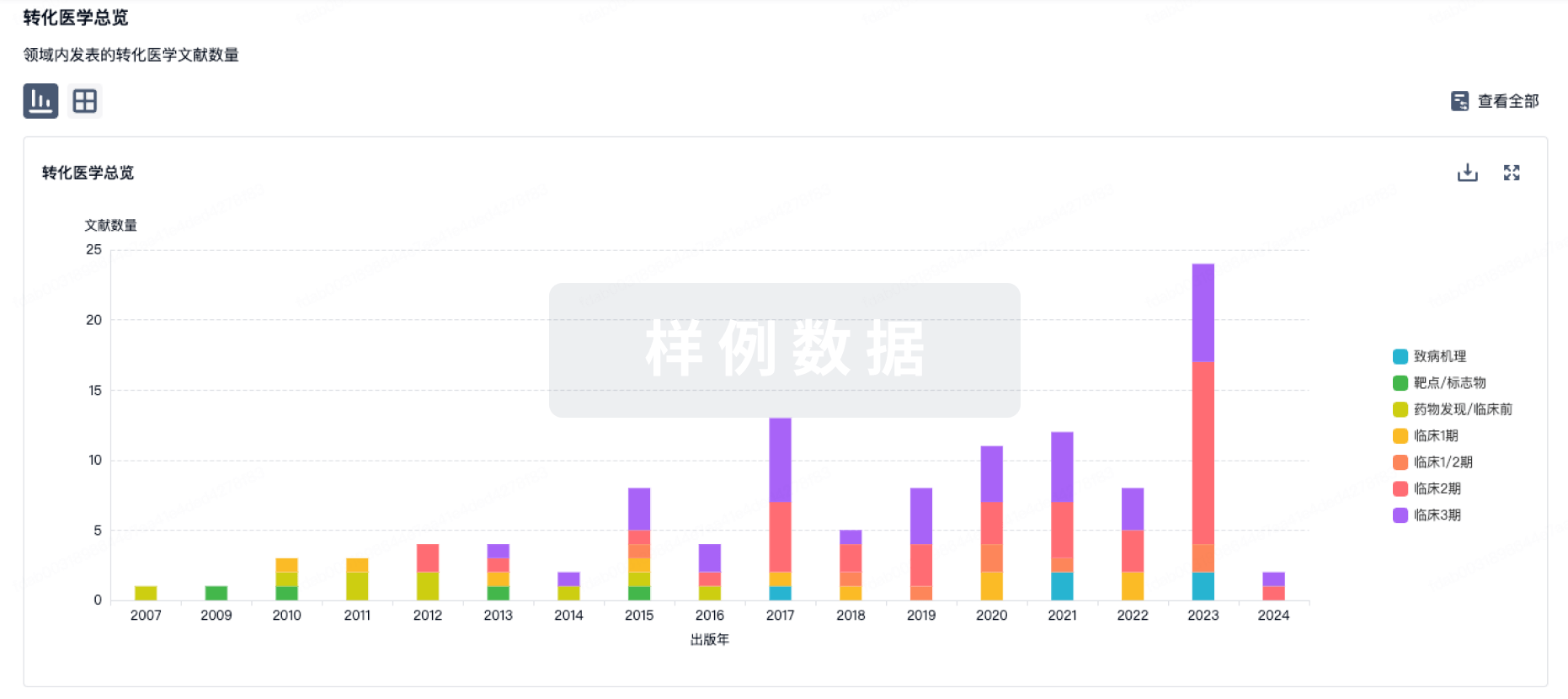
转化医学
使用我们的转化医学数据加速您的研究。
登录
或
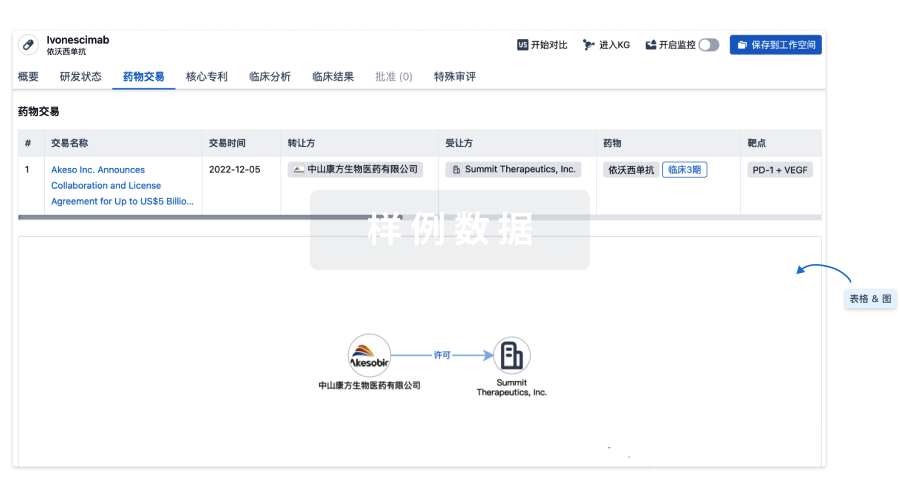
药物交易
使用我们的药物交易数据加速您的研究。
登录
或
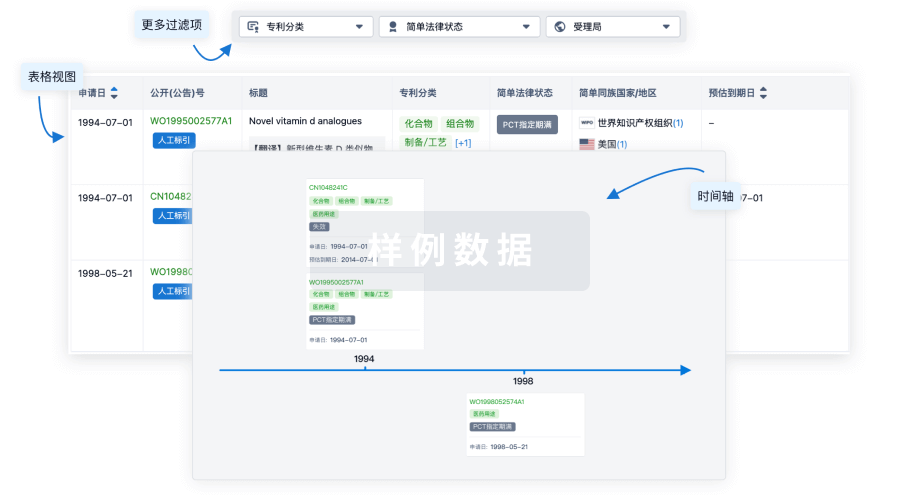
核心专利
使用我们的核心专利数据促进您的研究。
登录
或
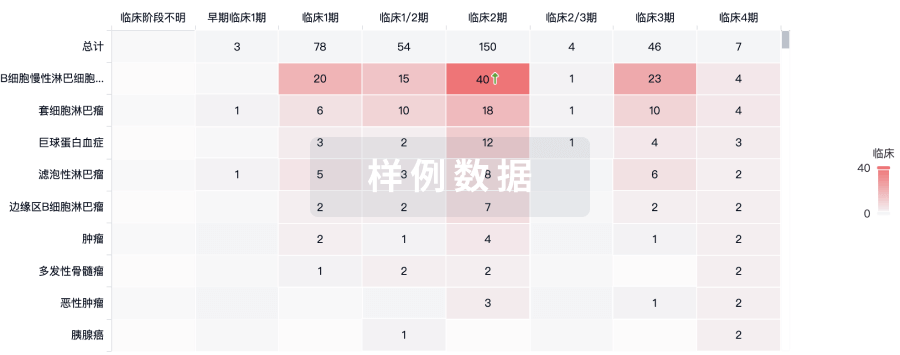
临床分析
紧跟全球注册中心的最新临床试验。
登录
或
批准
利用最新的监管批准信息加速您的研究。
登录
或
特殊审评
只需点击几下即可了解关键药物信息。
登录
或
生物医药百科问答
全新生物医药AI Agent 覆盖科研全链路,让突破性发现快人一步
立即开始免费试用!
智慧芽新药情报库是智慧芽专为生命科学人士构建的基于AI的创新药情报平台,助您全方位提升您的研发与决策效率。
立即开始数据试用!
智慧芽新药库数据也通过智慧芽数据服务平台,以API或者数据包形式对外开放,助您更加充分利用智慧芽新药情报信息。
生物序列数据库
生物药研发创新
免费使用
化学结构数据库
小分子化药研发创新
免费使用