预约演示
更新于:2026-04-18
Rimexolone
利美索龙
更新于:2026-04-18
概要
基本信息


结构/序列
分子式C24H34O3 |
InChIKeyQTTRZHGPGKRAFB-OOKHYKNYSA-N |
CAS号49697-38-3 |
关联
2
项与 利美索龙 相关的临床试验NCT02816905
Ocular-hypertensive Response to Topical Steroids in Children After Bilateral Strabismus Surgery (Topical Rimexolone Versus Topical Dexamethasone and Topical Fluorometholone)

NCT00471419
Phase II Study of AL-2178 (FID 109980) in the Treatment of Dry Eye
100 项与 利美索龙 相关的临床结果
登录后查看更多信息
100 项与 利美索龙 相关的转化医学
登录后查看更多信息
100 项与 利美索龙 相关的专利(医药)
登录后查看更多信息
93
项与 利美索龙 相关的文献(医药)2025-11-18ENVIRONMENTAL SCIENCE & TECHNOLOGY
High-Throughput Effect-Directed Analysis of Androgenic Compounds in Hospital Wastewater: Identifying Effect Drivers through Non-Target Screening Supported by Toxicity Prediction
Article
作者: Brack, Werner ; Muratuly, Aset ; Alvarez-Mora, Iker ; Hollert, Henner ; Johann, Sarah ; Krauss, Martin ; Arturi, Katarzyna ; Muz, Melis ; Huber, Carolin ; Jünger, Florian
The increasing number of contaminants released into the environment necessitates innovative strategies for their detection and identification, particularly in complex environmental matrices like hospital wastewater. Hospital effluents contain both natural and synthetic hormones that might significantly contribute to endocrine disruption in aquatic ecosystems. In this study, HT-EDA has been implemented to identify the main effect-drivers (testosterone, androsterone and norgestrel) from hospital effluent using microplate fractionation, the AR-CALUX bioassay and an efficient data processing workflow. Through nontargeted screening, over 5000 features (ESI+) were initially detected, but our workflow's prioritization based on androgenic activity prediction reduced the number of features requiring further analysis by over 95%, significantly streamlining the workload. In addition, the semiquantitative nontarget analysis allowed for the calculation of the contribution of an identified compound to the total activity of the sample without the need for reference standards. While this contribution was low (∼4.3%) and applicable to only one compound (1,4-androstadiene-3,17-dione), it presents the first approach for calculating such contributions without relying on standards. Compared to the available alternatives our workflow demonstrates clear environmental relevance by enhancing HT-EDA for more efficient identification and prioritization of effect-drivers in hospital effluents, and it can be adapted to address other environmental threats in complex mixtures.
2025-09-01ENVIRONMENTAL POLLUTION
Occurrence, distribution, and potential risk of 61 glucocorticoids in soils in Shandong Province, China
Article
作者: Zhao, Yifan ; Xu, Zhenzhen ; Chen, Qingfeng ; Li, Yimin ; Wang, Hongping ; Shen, Xiaoyan ; Liu, Yuzhen ; Jiao, Qianwen
Glucocorticoids (GCs) in the environment are of increasing concern due to the potent endocrine disrupting effects. However, most studies only explored their occurrences and behaviors in the aqueous phase, and few studies have investigated their concentrations and risks in soil. In this study, 61 natural and synthetic GCs were simultaneous analyzed, and their occurrences, spatial distribution and ecological risks in soil from 13 cities in Shandong Province, China were further discussed. Forty-three compounds were detected in the soil, with concentrations ranging from not detected (ND) to 40 ng/g dry weight. Natural metabolites, which are of less concern than synthetic compounds, were the dominant compounds and had higher concentrations (1.4-152 ng/g) and detection frequencies (>80 % for most compounds). Seventeen of the natural metabolites were found in soil for the first time. The concentrations and distribution of GCs exhibited significant correlations with the number of slaughtered sheep and goats, human population, oxidation reduction potential (ORP) and moisture content (MC) of the soil. Fluticasone propionate (FP), flumethasone (FM), triamcinolone acetonide (TLA), and budesonide (BD) were found to contribute most (57.4 %-99.9 %) to the total glucocorticoid receptor (GR) activity. Risk evaluation results suggested that terrestrial organisms were exposed to low risks posed by the detected GCs in soil in Shandong Province.
2025-03-11ENVIRONMENTAL SCIENCE & TECHNOLOGY
From High Resolution Tandem Mass Spectrometry to Pollutant Toxicity AI-Based Prediction: A Case Study of 7 Endocrine Disruptors Endpoints
Article
作者: Fu, Jianjie ; Qu, Guangbo ; Liu, Xian ; Xiang, Tongtong ; Jiang, Guibin ; Xue, Qiao ; Zhang, Aiqian ; Pan, Wenxiao ; Liu, Yanna ; Han, Xiaoxiao ; Zhang, Xin
Based on high-resolution mass spectrometry (HRMS), nontarget analysis (NTA) can rapidly identify and characterize numerous hazardous substances in complex environmental samples. However, the intricate identification process often results in the underutilization of many mass spectrometry features. Even when chemical structures are identified, their toxicological effects and health outcomes may remain unknown. To address these challenges, this study introduces MSFragTox, a novel approach that leverages the rich fragmentation spectra inherent in high resolution tandem mass spectrometry (MS/MS) to directly predict toxicity. This method integrates MS/MS data with high-throughput screening (HTS) assays, focusing on seven endocrine disruption-related endpoints from Tox21, and uses MS-derived fingerprints: substructure fragmentation probability vectors to construct toxicity predictions using machine learning algorithms. The best model demonstrated robust performance with an average area under the receiver operating characteristic curve (AUROC) of 0.845 on the test set, outperforming models based on traditional molecular fingerprints and descriptors. Additionally, a web client (http://ms.envwind.site:8500) is provided for users to screen toxicity based on chemical MS/MS data. Furthermore, in-depth analyses of commonalities and differences in substructures reveal the mechanisms underlying across toxicity endpoints. Using MSFragTox, we validated the potential endocrine-disrupting effects of substances corresponding to MS/MS from real samples, highlighting the feasibility of directly studying toxicity through MS/MS and its potential applications in risk prediction and early warning for environmental samples.
1
项与 利美索龙 相关的新闻(医药)2026-01-15
·知乎专栏
100 项与 利美索龙 相关的药物交易
登录后查看更多信息
研发状态
批准上市
10 条最早获批的记录, 后查看更多信息
登录
| 适应症 | 国家/地区 | 公司 | 日期 |
|---|---|---|---|
| 葡萄膜炎 | 德国 | - | 1999-12-26 |
| 术后炎症 | 美国 | 1994-12-30 | |
| 前葡萄膜炎 | 美国 | 1994-12-30 |
未上市
10 条进展最快的记录, 后查看更多信息
登录
| 适应症 | 最高研发状态 | 国家/地区 | 公司 | 日期 |
|---|---|---|---|---|
| 干眼综合征 | 临床3期 | 美国 | 2006-07-01 |
登录后查看更多信息
临床结果
临床结果
适应症
分期
评价
查看全部结果
登录后查看更多信息
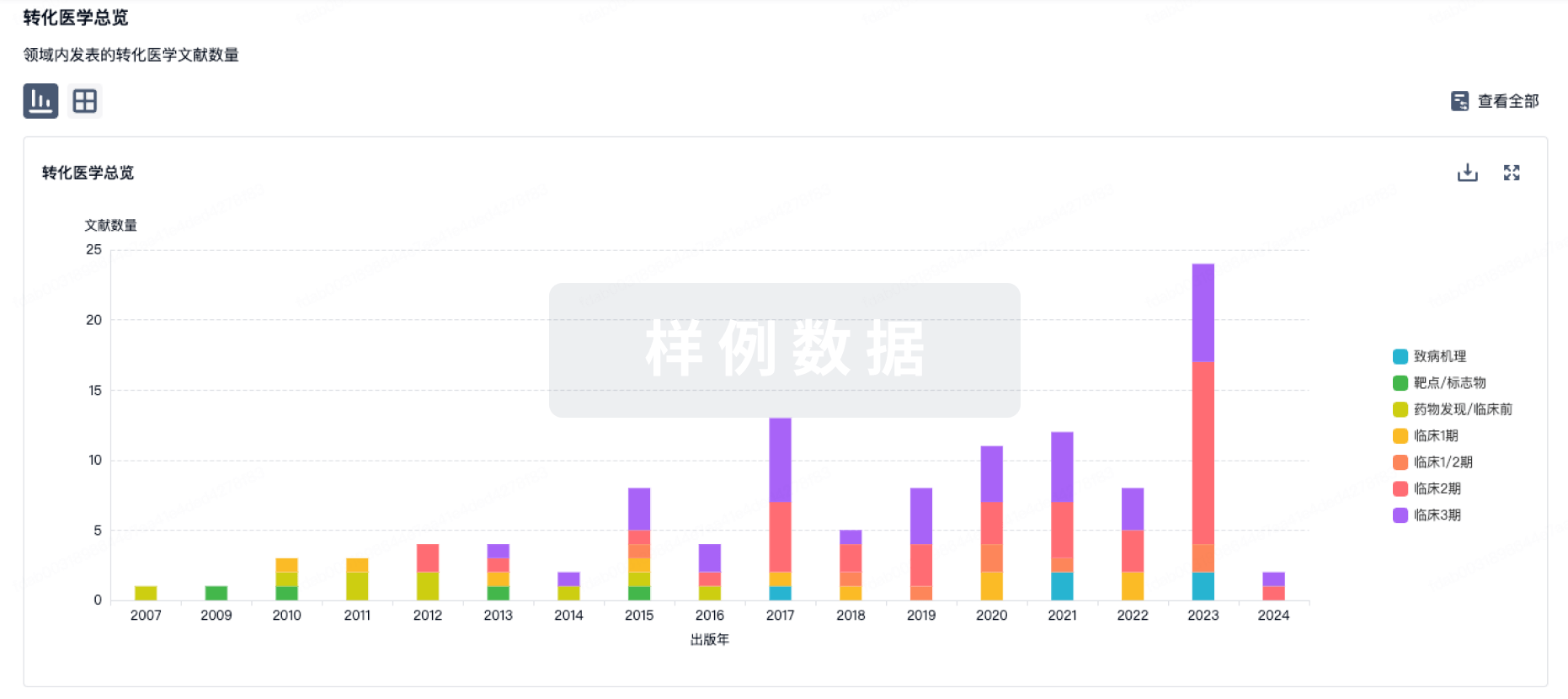
转化医学
使用我们的转化医学数据加速您的研究。
登录
或
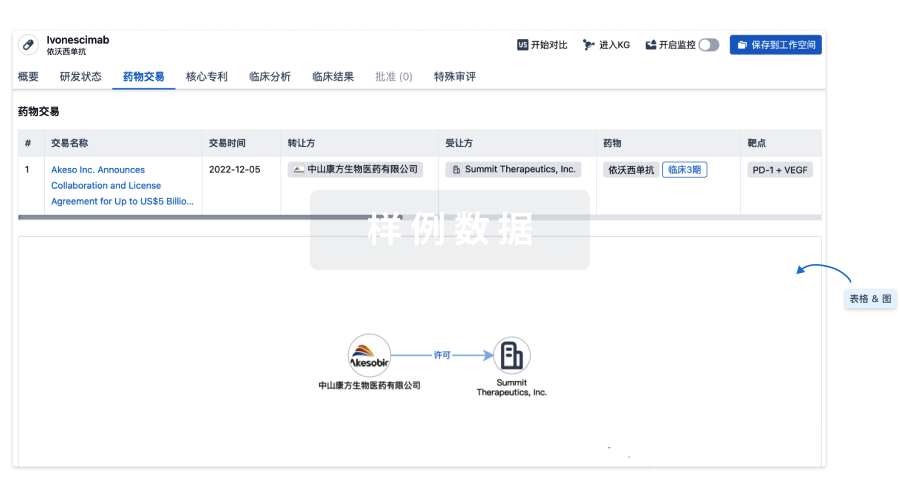
药物交易
使用我们的药物交易数据加速您的研究。
登录
或
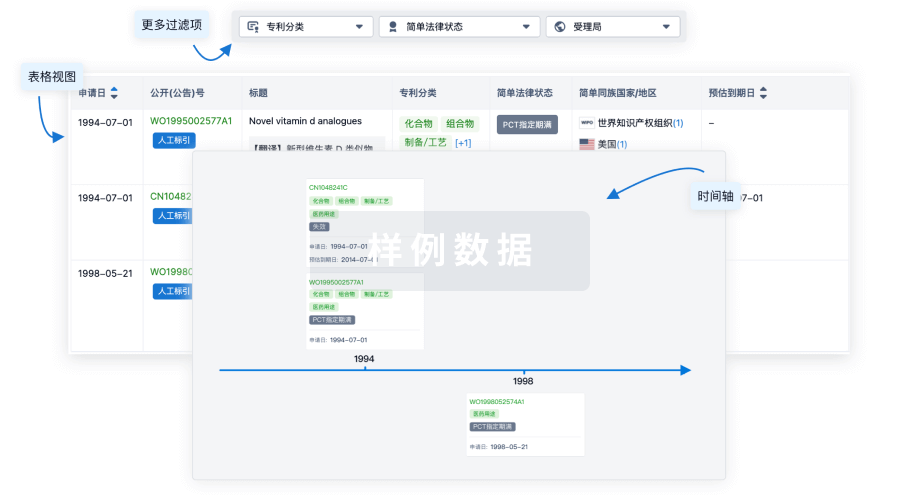
核心专利
使用我们的核心专利数据促进您的研究。
登录
或
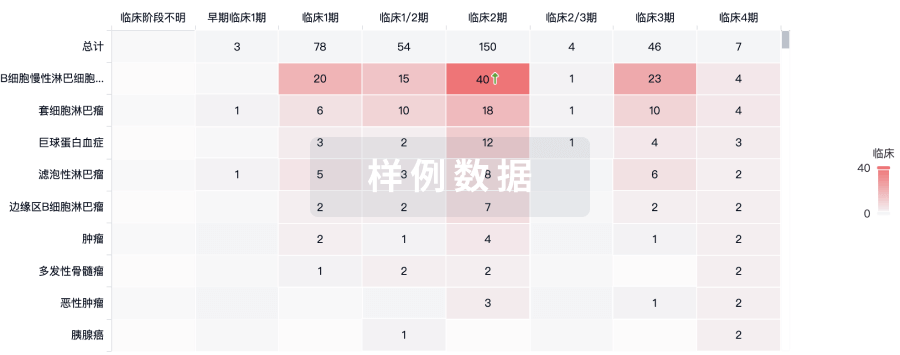
临床分析
紧跟全球注册中心的最新临床试验。
登录
或
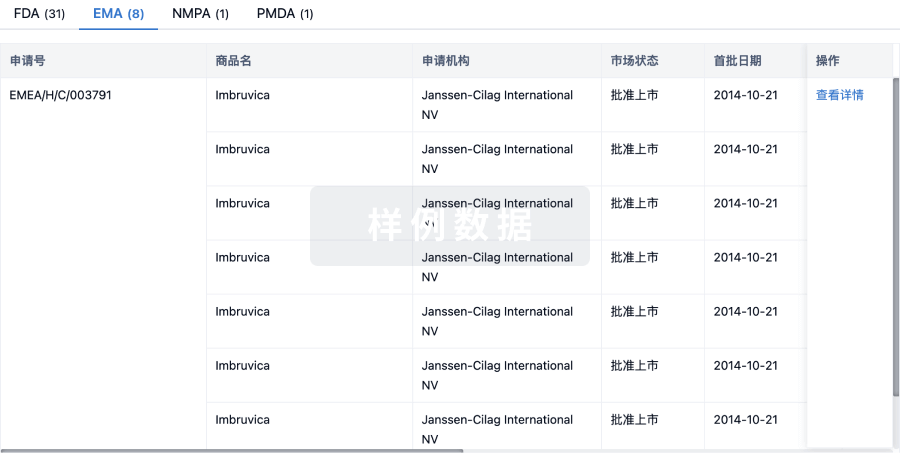
批准
利用最新的监管批准信息加速您的研究。
登录
或
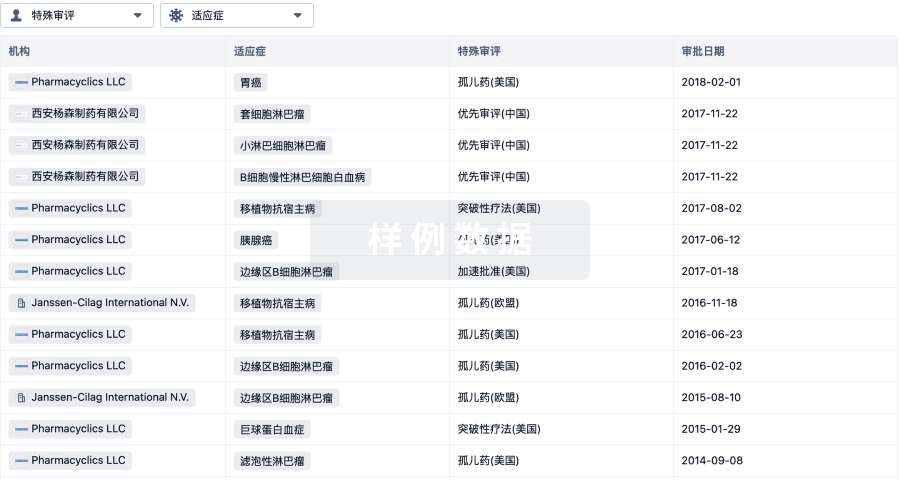
特殊审评
只需点击几下即可了解关键药物信息。
登录
或
生物医药百科问答
全新生物医药AI Agent 覆盖科研全链路,让突破性发现快人一步
立即开始免费试用!
智慧芽新药情报库是智慧芽专为生命科学人士构建的基于AI的创新药情报平台,助您全方位提升您的研发与决策效率。
立即开始数据试用!
智慧芽新药库数据也通过智慧芽数据服务平台,以API或者数据包形式对外开放,助您更加充分利用智慧芽新药情报信息。
生物序列数据库
生物药研发创新
免费使用
化学结构数据库
小分子化药研发创新
免费使用