预约演示
更新于:2026-04-25
MALT1 inhibitors(Hansoh)
MALT1抑制剂(豪森)
更新于:2026-04-25
概要
基本信息
在研机构 |
非在研机构- |
权益机构- |
最高研发阶段临床前 |
首次获批日期- |
最高研发阶段(中国)临床前 |
特殊审评- |


关联
100 项与 MALT1抑制剂(豪森) 相关的临床结果
登录后查看更多信息
100 项与 MALT1抑制剂(豪森) 相关的转化医学
登录后查看更多信息
100 项与 MALT1抑制剂(豪森) 相关的专利(医药)
登录后查看更多信息
18
项与 MALT1抑制剂(豪森) 相关的文献(医药)2026-03-01·Journal of Cell Communication and Signaling
Therapeutic targeting of MALT1 in oncology: Mechanism, inhibitor development, and clinical prospects
Review
作者: Zhang, Dejiu ; Sun, Yongliang ; Wang, Peixia ; Ji, Yuan ; Cao, Xintao
Abstract:
MALT1, a multifunctional protease molecule, plays a pivotal role in the adaptive immunity by regulating immune cell survival, proliferation and activation through the nuclear transcription factor‐κB (NF‐κB) signaling pathway by scaffold and protease activities. Aberrant activation of MALT1 is implicated in the pathogenesis of hematologic malignancies, particularly diffuse large B‐cell lymphoma, and select solid tumors. Emerging research studies highlight MALT1 inhibitors as promising therapeutic agents for B‐cell malignancies, with several candidates demonstrating preclinical and clinical efficacy. Notably, agents such as safimaltib (JNJ‐67856633) have shown manageable safety profiles and preliminary antitumor activity in early‐phase trials for relapsed/refractory B‐cell malignancies. However, MALT1‐targeted therapy poses a dual challenge: although inhibiting oncogenic signaling and tumor cell proliferation, it also disrupts immunosuppressive Treg function, risking autoimmune toxicity by compromising the tumor microenvironment. This review systematically analyzes MALT1's oncogenic roles across cancers, clarifies inhibitor mechanisms, and evaluates translational challenges and strategic opportunities for precision oncology and combination immunotherapy.
2026-01-29·JOURNAL OF PHYSICAL CHEMISTRY B
Decoding Allosteric Inhibition in MALT1: The Hidden Role of Conformational Plasticity in Metastable States via Biased MD and Deep Learning
Article
作者: Santos, Taináh M. R. ; Ramalho, Teodorico C. ; Santos, Rodrigo M.
The mucosa-associated lymphoid tissue lymphoma-translocation protein 1 (MALT1) is a key protein in the adaptive immune response system in humans. This protein is widely expressed in the human body and is related to nuclear factor-κB (NF-κB) signaling activation in response to T-cell receptors. Due to this, MALT1 is key in the regulation of inflammatory events in a variety of tissues, where its dysregulation is associated with several types of cancer, especially hematological cancers. In this sense, its relevance makes MALT1 a valuable target to treat many diseases, drawing the attention of many researchers with the aim of proposing new MALT1 inhibitors. However, there is a lack of literature describing its complex dynamical behavior and allosteric inhibition, which considerably hampers the computational design of new MALT1 allosteric inhibitors. In that regard, the present work investigated the complex conformational behavior of MALT1 protein during its allosteric inhibition. For this, biased molecular dynamics simulations, sophisticated machine learning techniques such as neural networks, and docking calculations were used. From the performed investigation, it was observed that through allosteric inhibition, Loop 1 and 3 movements were crucial to reduce the catalytic site cavity volume, keeping cysteine unavailable for substrate mimic binding. In addition, statistical information over the explored ensemble showed that the great majority of the inhibited conformations presented an unavailable catalytic cysteine for substrate binding. Hence, the presented results can be used as an objective criterion for the computational proposal of new MALT1 allosteric inhibitors. However, despite mouse MALT1 and human MALT1 presenting 93% homology, the generalization of the findings to human MALT1 protein should be taken with care, and the obtained results apply specifically to the mouse MALT1 construct.
2025-06-12·ACS Medicinal Chemistry Letters
Novel MALT1 Inhibitors for Treating Cancer
作者: Sabnis, Ram W.
Provided herein are novel MALT1 inhibitors, pharmaceutical compositions, use of such compounds in treating cancer, and processes for preparing such compounds.
15
项与 MALT1抑制剂(豪森) 相关的新闻(医药)2026-04-24
·精准药物
肿瘤药物筛选服务
1. 新型 MALT1 抑制剂治疗癌症
专利号
WO 2026/003039 A1(比利时杨森)背景介绍
MALT1是经典 NF-κB 信号通路的关键分子。MALT1 是唯一的人类胱天蛋白酶(胱天蛋白酶(Caspases,也被称为半胱天冬酶)是一类半胱氨酸蛋白酶的统称。通常半胱天冬酶以酶原的形式合成,称为半胱天冬酶原(Procaspases))。MALT1能够传递来自 B 细胞受体(BCR)和 T 细胞受体(TCR)的信号。MALT1 是受体激活后形成的 CBM 复合物的活性亚基。CBM 复合物由三种蛋白质的多个亚基组成:CARD11、BCL和 MALT1。NF-κB 信号的组成型激活是 ABC-DLBCL(活化 C 细胞样亚型弥漫性大 B 细胞淋巴瘤)的标志,ABC-DLBCL 是 DLBCL 中更具侵袭性的类型。DLBCL 是非霍奇金淋巴瘤中最常见的类型。本专利描述了一系列新型 MALT1 抑制剂化合物,用于治疗癌症。
关键结构
生物活性
进行了体外 MALT1 生化蛋白酶活性测定。本申请中描述的化合物均经过测试,以评估其抑制 MALT1 的能力。MALT1 IC50 (μM) 值见下表。
2. 新型 PKMYT1 激酶抑制剂治疗癌症专利号
WO 2026/037849 A1(罗氏)背景介绍
细胞经常遭受内在和外在的基因毒性应激,这些应激会导致 DNA 损伤并损害基因组的完整性。为了应对这些 DNA 损伤因素可能造成的基因改变,细胞需要建立多种机制来检测 DNA 损伤并修复 DNA 损伤,从而维持基因组的稳定性。这种复杂的网络被称为 DNA 损伤反应(DDR),它由多个高度进化保守且协调的信号通路共同调控,能够修复不同类型的 DNA 损伤。DDR 机制的一个关键组成部分是细胞周期检查点的激活,这些检查点会将细胞周期阻滞在特定阶段,直到受损 DNA 被修复为止。至少有两种类型的检查点参与 DDR 信号传导,即 G1/S 期和 G2/M 期。
在癌细胞中,由于 DNA 损伤修复(DDR)机制的失调,基因组不稳定和复制压力十分常见,而这种失调通常是由癌细胞内源性基因改变或基因毒性药物引起的。例如,G1/S 检查点(如 p53)在癌细胞中经常发生突变和功能紊乱。因此,承受复制压力且 G1/S 检查点功能异常的癌细胞的存活高度依赖于 G2/M 检查点进行 DNA 损伤修复。因此,通过抑制蛋白激酶PKMYT1 的活性来破坏 G2/M 检查点,已成为一种很有前景的治疗方法,尤其适用于基因靶向癌症治疗。关键结构
生物活性
采用 ADP-Glo PKMYT1 激酶活性测定法对化合物进行检测,以评估其抑制 PKMYT1 激酶的能力。PKMYT1 IC50 (nM) 值见下表。
3. DNA 聚合酶POLQ抑制剂治疗同源重组缺陷型肿瘤
专利号
WO 2025/248119 A1(阿斯利康) 背景介绍
聚合酶是一类特殊的转移酶,它们催化核酸聚合物(DNA 和 RNA)新拷贝的合成。DNA 聚合酶通过“读取”模板链来合成互补链。根据结构和序列同源性,DNA 聚合酶主要分为七个家族,分别命名为 A、B、C、D、X、Y 和 RT(逆转录酶)。A 家族的成员之一是 DNA 聚合酶 θ (Polθ),因此也简称为 POLQ。由于缺乏校对功能,Polθ 被认为是易错的。它是唯一一种同时含有活性 DNA 解旋酶结构域的人类 DNA 聚合酶。 POLQ 通过参与跨损伤合成(TLS,一种 DNA 损伤耐受机制)和替代性 DNA 末端连接(alt-EJ,一种参与 DNA 双链断裂(DNA-DSB)修复的 DNA 修复机制)参与基因组维护过程。DNA-DSB 是细胞面临的最具细胞毒性和灾难性的损伤,如果不能修复,可能导致染色体重排、细胞死亡甚至癌症。 双链断裂(DSB)难以修复,因为它可能导致遗传信息的丢失,这与单链断裂不同。单链断裂的修复机制可以利用未受损的互补链(保留了 DNA 信息)作为模板进行修复。目前已经进化出多种 DNA 损伤信号传导和修复机制来应对 DNA 双链断裂。 在人类细胞中,DSB 修复主要通过以下三种机制进行:
1、
非同源末端连接 (NHEJ) :这是细胞快速修复双链断裂 (DSB) 的主要机制。它是一种易出错的机制,贯穿细胞周期的各个阶段,但在 G0 期和 G1 期最为显著,其快速修复对于防止染色体重排至关重要。NHEJ 的作用机制是直接连接断裂的末端,无需同源模板,修复过程通常包含小的插入或缺失。
2、
同源重组修复(HRR)途径: 这是细胞用来修复 DNA 双链断裂(DSB)的一种缓慢但高保真的机制。它主要在细胞周期的 S 期和 G2 期发挥作用,利用未受损的同源姐妹染色单体来精确地恢复遗传信息。
3、
替代性末端连接(alt-EJ,也称为MMEJ):这是一种较少使用的易错 DNA 双链断裂修复机制,可作为非同源末端连接( NHEJ)和同源重组修复(HRR)机制的替代方案。它通常利用短的(2-6 个碱基对)微同源序列,通过直接退火、DNA 片段加工和连接来重新连接断裂的 DNA 末端;这一过程经常导致缺失、插入和染色体易位。
近期研究表明,POLQ 参与 MMEJ 修复,但在 HRR 中作用不大。这使得 POLQ 成为迄今为止已知的唯一一种 MMEJ 特异性 DNA 聚合酶。 HRR 相关基因(BRCA1、BRCA2、FANCD2、ATM)的失活突变与 POLQ 聚合酶或解旋酶活性缺失之间存在显著的合成致死遗传依赖性。
虽然目前已知有多种 POLQ 抑制剂,其中一些正在进行临床试验,但仍然需要更多选择性强、生物利用度高且适合给药的 POLQ 抑制剂。本专利的化合物是 POLQ 抑制剂,可能用于治疗 HRD 癌症。关键结构
描述了 22 个式 1 实例的结构,其中包括以下代表性实例。
生物活性
发明人采用Polθ聚合酶结构域酶抑制、和同源重组合成致死增殖抑制。下表以 PIC 50 值的形式显示。
4. 新型 KRAS 的小分子抑制剂
专利号
WO 2025/136346 A1(安进)背景介绍
RAS 编码鸟苷三磷酸(GTP)激酶,该激酶在细胞生长、分化和存活中起着至关重要的作用。RAS 在大约 20%的人类癌症中发生突变。近年来,结构生物学的进展使得 KRAS 抑制剂的研发成为可能,例如索托拉西布和阿达格拉西布。然而,针对其他 KRAS 突变的有效治疗方法仍然是亟待解决的医学难题。本专利旨在开发针对各种 KRAS 突变类型的新型高效 KRAS 抑制剂。关键结构
生物活性
为了研究该专利化合物抑制 KRAS G12D 的活性,进行了体外时间分辨荧光共振能量转移(TR-FRET)测定。下面列出了一些代表性化合物的 IC50 值(μM)。5. TEAD 抑制剂治疗癌症
专利号
US2025/0214995 A(阿斯利康)背景介绍
Hippo 信号通路得名于果蝇中发现的一种特定突变,该突变会导致组织异常生长,使果蝇的头部和身体呈现出类似河马的形态。Hippo 信号通路(也称为 Salvador-Warts-Hippo 通路)是一种高度保守的信号通路,它通过调控包括细胞增殖、存活、凋亡和分化在内的多种基因表达过程,发挥着调控器官大小、组织再生和干细胞自我更新的关键作用。Hippo 通路最终调控转录共激活因子 Yes 相关蛋白(YAP)和具有 PDZ 结合基序的转录共激活因子(TAZ)。YAP 和 TAZ 均可与 DNA 结合的转录增强型关联结构域蛋白 1-4(TEAD 1-4)结合,形成双元转录复合物,从而激活 TEAD 依赖性基因表达。 YAP 和 TAZ 通常一起表示为 YAP/TAZ,因为它们是高度同源的转录共激活因子(旁系同源物),在 Hippo 信号通路中发挥几乎相同的功能。Hippo 通路的核心是一个受到严格调控的激酶信号级联。LATS1/2 是重要的丝氨酸/苏氨酸激酶,也是 Hippo 通路的核心组成部分,发挥着主要的肿瘤抑制作用。当 Hippo 信号通路被激活时,LATS1/2 激酶会磷酸化 YAP/TAZ,使其滞留在细胞质中而非细胞核内,从而抑制 TEAD 依赖性基因的表达。 相反,失活的 Hippo 信号通路,导致 LATS1/2 激酶失活,进而导致 YAP/TAZ 去磷酸化,并随后易位到细胞核中与 TEAD 依赖性转录相互作用并激活 TEAD 依赖性转录。
Hippo 信号通路作为一种肿瘤抑制通路,能够调控细胞增殖和器官大小。Hippo 通路组分的遗传和表观遗传改变均可导致 YAP/TAZ 和 TEAD 依赖性转录的异常激活,而这些改变与多种人类恶性肿瘤密切相关。在 Hippo 信号通路失调的情况下,TEAD 蛋白因子与共激活因子 YAP 和 TAZ 结合,从而驱动促进肿瘤生长、转移并导致对标准癌症治疗产生耐药性的基因表达。因此,通过抑制 TEAD 来阻断转录因子 TEAD 与共激活因子 YAP 和 TAZ 的相互作用,是一种很有前景的癌症治疗策略。目前,已有多种 TEAD 抑制剂作为一类极具潜力的治疗药物问世,它们能够通过阻断 TEAD 与 YAP 和 TAZ 的结合来抑制 Hippo 信号通路的转录输出,从而为癌症治疗提供潜在有效的途径。为了实现这一目标,人们已经开发出多种 TEAD 抑制剂,其中许多(例如,诺华的 IK-930)目前正在针对多种癌症类型进行临床试验。
本专利的化合物具有强效的 TEAD 抑制剂活性,有望用于治疗多种癌症。此外,与其他已知的 TEAD 抑制剂相比,这些化合物表现出更优异的物理性质(例如更低的亲脂性、更高的水溶性、更高的渗透性、更低的血浆蛋白结合率和/或更高的化学稳定性)。它们还具有良好的毒性特征(例如对 hERG 的活性降低)和/或良好的代谢或药代动力学特征。良好的 TEAD 抑制剂生物活性以及优异的性质相结合,有望成为治疗癌症的理想药物。关键结构
发明人描述了101个式1实施例的结构和制备方法。下列化合物是选定的代表性实施例。
生物活性
发明人采用以下生物测定方法对式1的化合物进行测试:TEAD4 FRET、和TEAD 报告基因检测。以 IC50 值(单位为 μM)表示。
6、新型 GLP-1R 受体激动剂治疗糖尿病专利公开号
WO 2026/039329 A1(Terns Pharmaceuticals)背景介绍
糖尿病因其日益增长的患病率和相关的健康风险而成为一项重大的公共卫生问题。该疾病的特征是血糖水平过高,这是由于胰岛素分泌不足、胰岛素作用缺陷或两者兼有造成的。糖尿病主要分为两大类:1 型糖尿病和 2 型糖尿病。1 型糖尿病 (T1D) 的发生是由于人体免疫系统破坏了胰腺 β 细胞,而胰腺 β 细胞是人体内唯一能够产生胰岛素(一种调节血糖的激素)的细胞。1 型糖尿病患者必须通过注射或胰岛素泵来补充胰岛素才能生存。2 型糖尿病 (T2DM) 通常始于胰岛素抵抗或胰岛素分泌不足以维持正常血糖水平。
目前,有多种药物可用于治疗 2 型糖尿病(T2DM)。其中一种是胰高血糖素样肽-1 受体(GLP-1R)激动剂,它通过作用于胰岛β细胞来增强胰岛素分泌。GLP-1 是一种由 30 个氨基酸组成的肠促胰岛素,由肠道 L 细胞在进食后分泌。研究表明,GLP-1 能够以生理性和葡萄糖依赖性的方式刺激胰岛素分泌,减少胰高血糖素分泌,抑制胃排空,降低食欲并促进β细胞增殖。本专利描述了一系列新型化合物,它们作为GLP-1R受体激动剂用于治疗糖尿病。关键结构
生物活性
进行了人 GLP-1 受体细胞活性测定。GLP-1R EC50 (nM) 值见下表。
7. 新型MRGX2 拮抗剂治疗慢性自发性荨麻疹
专利号
WO 2026/033047 A1(GSK)背景介绍
成熟的哺乳动物肥大细胞通常位于血管或神经附近、上皮组织下方或内部、气道、胃肠道、平滑肌和黏液腺附近。MRGPR家族,特别是 Mrgprb2 在肥大细胞活化中有重要作用。利用基因敲除(KO)小鼠进行的多项观察结果表明,Mrgprb2/MRGPRX2 受体在肥大细胞介导的神经源性炎症中发挥作用。
研究表明,P 物质/Mrgprb2 感觉簇在驱动严重特应性皮炎临床前模型的临床评分中起着关键作用。除了使用 Mrgprb2 缺陷小鼠的多项研究报告外,进一步的证据表明 MRGPRX2 的多种配体在人类疾病中发挥作用。例如,在严重慢性荨麻疹中,表达 MRGPRX2 的肥大细胞数量显著增加。除了皮肤疾病外,肥大细胞在炎症性肠病(IBD)、关节炎、哮喘和偏头痛等疾病中的作用也已被证实。本专利描述了一系列新型苯并噻二嗪衍生物,作为MRGPRX2或 MRGX2 拮抗剂,用于治疗慢性自发性荨麻疹。关键结构
生物活性
进行了 MRGX2 FLIPR TETRA 检测。MRGX2 的 pIC50 值见下表。
8、新型可溶性环氧化物水解酶抑制剂治疗糖尿病视网膜病变
专利号
WO 2026/041679 A1(罗氏)背景介绍
糖尿病视网膜病变是糖尿病常见的严重并发症,会影响眼部视网膜的血管,是成人失明的主要原因之一。糖尿病视网膜病变的发病机制复杂,涉及多种分子和细胞机制。其中,可溶性环氧化物水解酶(sEH)是糖尿病视网膜病变研究领域中备受关注的一种酶。
可溶性环氧化物水解酶(sEH)在环氧二十碳三烯酸(EETs)的代谢中起着至关重要的作用,EETs 是源自花生四烯酸的脂质介质。在糖尿病视网膜病变中,EET 通路发生改变,sEH 活性增强,这些改变与疾病的发生发展密切相关。研究表明,糖尿病会导致视网膜中 sEH 表达上调。sEH 活性增强会导致 EETs 降解,从而降低其有益作用。EET 通路的这种失衡会导致糖尿病视网膜病变中的血管功能障碍、炎症和氧化应激。临床前研究表明,抑制 sEH 可能是一种治疗糖尿病视网膜病变的潜在策略,并已显示出良好的疗效。本专利描述了一系列新型吡啶酮羧酰胺衍生物,它们作为可溶性环氧化物水解酶抑制剂用于治疗糖尿病视网膜病变。关键结构
生物活性
对人可溶性环氧化物水解酶 (sEH) 抑制活性进行了测定。sEH IC50 (nM) 值见下表。
9、用于治疗亨廷顿病的新型化合物专利号
US2026/0035387 A1(美国 Biogen Ma )背景介绍
亨廷顿病是一种常染色体显性遗传的进行性神经退行性疾病,全球发病率约为每 10 万人中 3 至 7 人。HD 是由亨廷顿基因(HTT)中胞嘧啶-腺嘌呤-鸟嘌呤(CAG)重复序列的扩增引起的,导致普遍表达的致病性突变 HTT(mHTT)蛋白的产生。突变亨廷顿蛋白包含一个异常长的多聚谷氨酰胺(polyQ)序列,该序列与 CAG 基因扩增相对应;这种蛋白具有毒性,会导致神经元功能障碍和死亡。该疾病的特征是运动、认知、精神和功能能力的下降。近年来,一种能够调节 RNA 表达(即 RNA 剪接)的小分子化合物平台正在研发中。本专利描述了一系列用于治疗亨廷顿病的新型化合物。关键结构
生物活性
本研究进行了体外突变型和总亨廷顿蛋白(HTT)细胞活性测定,其 IC50 (nM)值见下表。
声明:发表/转载本文仅仅是出于传播信息的需要,并不意味着代表本公众号观点或证实其内容的真实性。据此内容作出的任何判断,后果自负。若有侵权,告知必删!
长按关注本公众号
粉丝群/投稿/授权/广告等
请联系公众号助手
觉得本文好看,请点这里↓
2026-04-07
过去几十年,Big Pharma一直都有自己的管线故事,用十年时间围绕一个已验证靶点构建护城河:发现先导物、优化分子、推进后续项目、建立专利壁垒、积累临床数据。这套模式行之有效,但也意味着任何外部出现的、与主线相关的药物,都可能成为搅局者。
AI改变了这一节奏。目前AI并不能消除生物学的不确定性,但它能显著缩短检验一个靶点假设是否值得追求所需的时间。在传统模式下,从靶点提名到PCC需要2-3年;在AI辅助下,部分项目的周期可以压缩到12-18个月。
这样的背景下,AI药物发现市场已从2025年的233亿美元增长至2026年估计的293亿美元,复合年增长率25.9%。近期主要事件包括,验证事件: III期成功(如zasocitinib)和新药申请提交验证了AI的价值主张;大型药企参与:礼来与英矽智能的27.5亿美元合作代表了战略伙伴关系的规模;平台并购: Anthropic以约4亿美元收购Coefficient Bio,IBAC以5亿美元收购GNQ,预示着早期整合;
截至2026年3月,AI相关的临床阶段药物项目约130个(另有约38个处于IND-enabling阶段,即将进入临床)。这些AI项目只是冰山一角,水面下还有约2800个由AI驱动发现平台生成的临床前候选药物,按照当前临床前的高成功率和临床I期80-90%的成功率,理论上后续两年会有大量管线争相进入临床,大量新申请涌入将加剧患者、临床基地、CRO等资源的争夺,导致试验启动延迟或成本上升。参考近一年港股IPO因申请过多而逐渐收紧的情况,正处于验证周期的AI制药,更需要差异化竞争力,从科学、商业两方面证明自己的潜力,争取优先地位。
第一部分: AI药物的全景数据
1.1 总体规模与适应症分布
适应症分布呈现明显的肿瘤主导格局:肿瘤学
以约72个项目占据主导地位,占比约55%。神经系统
有17个项目,占比约13%。自身免疫
有9个项目,占比约7%。呼吸系统
有7个项目,占比约5%。其他领域
(包括代谢、感染、罕见病等)合计约25个项目,占比约20%。
肿瘤学的主导地位并不意外,但值得注意的细节是:从当前可识别项目看,实体瘤占肿瘤项目的大多数,而血液瘤相对较少。这与AI制药所需的差异竞争力有关,毕竟针对血液瘤的药物更加成熟且竞争格局更为激烈。
1.2 临床阶段分布:典型的早期漏斗
在130个临床阶段项目中,各阶段数量如下:Phase 1
:84个项目Phase 2
:24个项目Phase 3
:5个项目终止
:17个项目
这组数据说明了AI制药处于快速验证期,而非收获期,任何关于AI即将颠覆制药业的论断都应谨慎对待。Phase 3仅有5个项目,但这5个项目揭示了AI在后期临床阶段的三种并行价值路径,其中 BioXcel 的 IGALMI 与BXCL501 属于同一底层产品平台在不同监管/适应症路径上的延展,因此在模式上合并讨论。
1.3 Phase III药物详解:三种路径,同一个终点
当前进入Phase III的AI相关项目可以归类为三种模式,每一种都代表了AI在药物开发中的不同价值主张:
路径一:de novo分子设计,AI从头创造的新化学实体GB-0895 (Generate:Biomedicines)
:一款AI工程化的长效抗TSLP单抗。TSLP是哮喘等2型气道炎症的上游驱动因子,已有tezepelumab等生物制剂验证。Generate利用其AI平台设计了具有更长半衰期和潜在更低给药频率的抗体。该药物已进入重症哮喘的Phase III试验。这是大分子AI设计进入后期临床的最有力证明。zasocitinib / TAK-279 (Takeda / Nimbus)
:一款高选择性的口服TYK2变构抑制剂。Nimbus利用AI辅助的分子设计平台发现了该分子,随后于2022年以40亿美元首付+20亿美元里程碑的价格授权给Takeda。2025年底公布的Phase III银屑病数据达到主要终点,NDA正在准备中。这是小分子AI设计后期临床成功案例,也是AI制药领域最大的一笔对外授权交易之一。
路径二:AI药物重定位,为已知分子找到新用途IGALMI (BXCL501, BioXcel Therapeutics)
:活性成分为右美托咪定(dexmedetomidine),一种已获批的α2-肾上腺素能受体激动剂。BioXcel利用其AI平台(主要是自然语言处理和机器学习)分析海量生物医学文献和真实世界数据,识别出右美托咪定在激越(agitation)相关CNS适应症中的新用途,并开发了舌下膜剂型。该药物已获得FDA批准用于精神分裂症和双相障碍相关的激越,并在其他激越适应症中完成了Phase III。FDA 已于 2026 年 4 月 1 日正式受理 居家使用(At-Home Setting)的补充新药申请。这是AI驱动药物重定位的典型成功案例。
路径三:AI制剂优化,用AI改进已获批药物的递送MTS004 (METiS Pharmaceuticals)
:一款用于假性延髓情绪(pseudobulbar affect, PBA)的口腔崩解制剂。METiS利用其AI平台优化了制剂的溶出特性和口感,提高了患者依从性。该药物已在中国完成Phase III试验,公司计划于 2026 年正式向中国国家药监局(NMPA)提交新药上市申请(NDA)。这是AI赋能制剂开发,一个常被忽视但价值巨大的应用方向。
这三种路径的商业价值和竞争壁垒差异很大:de novo分子设计(尤其是小分子)一旦成功,往往拥有更强的专利保护和更高的商业回报;重定位和制剂优化则风险相对更低、路径更短,但差异化空间相对有限。
第二部分:公司格局,碎片化竞争,无绝对领导者
2.1 临床阶段资产的公司集中度
在130个临床项目中,公司分布呈现碎片化特征:第一梯队
:Insilico Medicine以约10个临床项目领先。第二梯队
:Recursion、Pharos iBio、Accutar Biotechnology、Relay Therapeutics、Alto Neuroscience各有约3-5个临床项目。
其余公司大多只有1-2个临床项目。这意味着没有一家公司已建立起压倒性的临床领导地位。竞争格局仍是多平台、多策略并行。管线数量不等于管线质量。一个公司有10个临床项目固然引人注目,但关键在于这些项目是否有真正的差异化,以及能否在Phase 3读出积极数据,验证平台的能力。
第三部分:靶点格局,三类策略并行
基于临床阶段项目的110个靶点分析,AI管线的靶点选择呈现出清晰的三类策略并行格局。
第一类:已验证靶点,低生物学新颖性,高转化概率
代表靶点:FGFR2、HER2、EGFR、FLT3、GLP-1R、TSLP、TYK2。
特点:
靶点本身的生物学已充分验证。
多个上市药物或临床后期资产存在。
竞争拥挤,但市场空间大。
AI的价值主张:不是发现新生物学,而是设计更优分子,更好的选择性、更长的半衰期、更强的PK/PD、更好的CNS穿透、更宽的安全窗口、更优的制造工艺。
典型案例详解:TSLP
:上游上皮细胞因子,驱动哮喘等2型气道炎症。已有tezepelumab等生物制剂验证。Generate Biomedicines的GB-0895(已进入Phase III)定位为AI工程化的长效抗TSLP抗体。这里的核心问题不是TSLP是否有效,而是AI能否做出一款更长效、依从性更佳的产品。这是典型的Best-in-Class策略。FGFR2
:胆管癌中的经典精准肿瘤靶点。Relay Therapeutics的RLY-4008的差异化在于选择性(避免FGFR1/3相关的高磷血症等毒性)和耐药突变覆盖,这是分子质量的竞争。TYK2
:自身免疫领域(尤其是银屑病)已验证的靶点。BMS的deucravacitinib已证明变构抑制的价值。Nimbus/Takeda的TAK-279(Phase III积极结果)是AI辅助设计的下一代TYK2变构抑制剂,在选择性和效力上进一步优化。这是已验证靶点上AI产出BIC药物的最成熟案例。
投资视角:这类靶点近期至中期价值创造概率最高,因为生物学风险已基本解除。但竞争极度拥挤是最大风险。AI不能消除拥挤,只能通过分子质量赢得份额。成功的关键是:能否在头对头(即使是非正式的)对比中显示出明确的差异化优势。TAK-279的后期成功将验证这一路径的可行性。
第二类:新兴但合理的靶点,生物学连贯,尚未广泛验证
代表靶点:TNIK、MALT1、USP1、PRMT5、MAT2A、TEAD、TL1A。
特点:
生物学机制连贯且有吸引力。
已有较强的临床前或早期临床数据支持。
但尚未达到第一类那样的广泛验证水平(即没有上市药物或Phase 3成功)。
AI的价值主张:帮助行业更早、更快地进入这些有希望但尚未拥挤的靶点空间。AI的快速验证和推进能力在这里尤为关键。
重点靶点详解:TNIK
:这是最值得关注的差异化靶点之一。Insilico围绕TNIK构建了多个纤维化项目,将TNIK定位为系统水平的抗纤维化节点,连接TGF-β、NF-κB、EMT/FMT和YAP/TAZ相关信号通路。这种“多通路汇聚节点”的靶点策略,与传统的单一通路抑制剂形成鲜明对比。如果TNIK在临床中成功(尤其是在特发性肺纤维化IPF中),它将成为AI帮助行业识别和推进非显而易见靶点的标志性案例。MALT1
:在淋巴恶性肿瘤中,MALT1是NF-κB驱动的生存信号通路的关键节点。机制上令人信服,但临床开发尚处于早期。AI可以帮助设计更特异性的MALT1抑制剂(避免脱靶效应),同时优化口服生物利用度和脑暴露(如果扩展到中枢神经系统淋巴瘤)。USP1 / MAT2A
:合成致死策略的代表。USP1在DNA损伤修复通路中起作用,MAT2A则涉及甲基化代谢。这些靶点受益于AI的多参数优化,不仅需要高选择性,还需要与PARP抑制剂等联合用药的协同设计。这类项目智力上强大、商业上有吸引力,但验证风险仍然较高。TEAD
:Hippo信号通路下游的转录因子,是近年来肿瘤学领域兴趣最高的新兴靶点之一。多家AI公司声称其平台能解锁TEAD这类难成药靶点。但真正的挑战在于:转录因子的药物干预通常面临选择性差、毒性谱宽的问题。AI能否通过计算设计找到真正选择性的TEAD抑制剂,将是检验其解锁难成药靶点能力的关键。TL1A
:在炎症性肠病(IBD)中成为重要靶点,已有后期临床资产。AI的角色是寻找差异化分子(如更低的免疫原性、更长的半衰期)。
投资视角:这类靶点提供了中等新颖性、中高等风险、潜在高回报的机会。成功的关键在于:公司是否能比竞争对手更快、更高质量地推进临床验证。
第三类:高新颖性靶点与架构,高上行空间,高验证风险
代表:PIKfyve、GBA1、eIF2B、ALPK1、ENPP1、QPCTL、DCN1、KIF18A,以及逻辑门控细胞疗法和个性化新抗原疫苗方法。
特点:
生物学差异化程度最高。
验证最不成熟(多数没有临床概念验证)。
如果成功,将创造最大价值(First-In-Class);但失败风险也最高。
重点案例详解:PIKfyve
:出现在神经退行性疾病(尤其是帕金森病和相关痴呆)项目中。其机制论题与内溶酶体功能障碍相关,这是神经退行性疾病的重要病理机制之一。但PIKfyve作为药物靶点的验证远不如激酶或细胞因子成熟。AI可能帮助导航更窄的治疗窗口和更难的化学空间(PIKfyve抑制剂需要在抑制致病活性的同时保留正常的溶酶体功能)。但生物学本身仍然是不确定性的主要来源。GBA1 / eIF2B
:这两者分别与戈谢病(GBA1突变导致)和脑白质营养不良(eIF2B相关)等罕见/神经退行性疾病相关。AI在这里的角色是设计能够穿越血脑屏障、恢复酶活性或调控翻译起始的小分子。罕见病领域的优势在于:一旦验证成功,商业竞争相对较小;劣势在于患者群体小,临床开发慢。FDA近年推出的罕见病证据原则(RDEP)与合理机制路径(PMP)等加速审评新政,特定条件下允许基于单臂试验及多元证据体系审评超级罕见病疗法,可能为AI设计的罕见病药物提供更灵活的注册路径。逻辑门控细胞疗法
:这是全新的靶向架构。例如“PSMA/CA9”双抗原逻辑门控CAR-T,意味着只有当肿瘤细胞同时表达两个抗原时才会被激活,从而减少脱靶毒性。AI的贡献在于预测最优的抗原组合、逻辑门设计和构建体优化。这类项目的新颖性来自组合识别和安全逻辑,而非单个靶点。个性化新抗原疫苗
:如EVX-01( Evaxion Biotech ),其不依赖通用靶点,而是基于患者肿瘤的突变谱选择个体化新抗原。AI在抗原预测、排序和疫苗设计中的角色至关重要。长尾靶点
(ALPK1、QPCTL、DCN1、KIF18A、ENPP1、ROS清除机制等):这些代表了AI药物发现命题的长尾,使用计算方法打开较少涉足的生物学空间。战略上,这些是AI如果能成功,将创造最大差异化价值的地方。但它们也是最可能出现假阳性、弱转化生物学和临床淘汰的地方。
投资视角:这类靶点适合风险偏好较高的投资者或大型药企的探索性管线。对于大多数投资者而言,应将这类资产视为期权价值,而非核心持仓。
第四部分:失败案例没有AI特有的失败模式
约17个项目显示失败类结果(终止、暂停、停用),大部分在Phase 1和Phase 2。部分具体案例包括:Exscientia
的 EXS-21546(A2A受体拮抗剂,Phase 1终止)Schrödinger
的 SGR-2921(CDC7抑制剂,Phase 1终止)Recursion
的 REC-2282(NF2突变脑膜瘤,Phase 2终止)和 REC-994(CCM,Phase 2终止)
失败原因主要集中在安全性、疗效不足、治疗窗偏窄、长期疗效不持续及战略性收缩。这些失败模式与传统生物技术高度一致,未见AI特有的失败模式。这在概念上是积极的,意味着AI没有引入新的、不可预测的风险类型。但同时也说明,AI无法完全预测生物学的复杂性。
因此,对AI制药公司的估值,当前更审慎的立足点或许是AI在临床前和I期阶段展现了显著的速度和安全性筛选优势,但在II期临床与传统经验水平相比未显示出差异化优势,且尚未证明其能系统性降低行业约90%的临床失败率。因此,在评估AI制药公司的价值时,速度优势和临床前成本优势是已有实证支撑的维度,而成功率的提升仍是尚未被验证的假设。
第五部分:战略启示——杠铃式配置与调查要点
5.1 核心结论
AI药物发现并没有创造一个完全独立的靶点宇宙。它正在重塑行业在已验证靶点和新兴靶点上的竞争方式。
当前管线的真实格局是,最大份额仍是为熟悉的生物学提供更优分子(BIC策略);有选择性地涉足标准发现效率较低的崭新领域(突破策略)。AI的角色可以概括为:已知生物学上的加速器 + 新兴生物学的组合扩展工具(de novo分子设计、药物重定位和制剂优化)。AI的价值不再局限于早期发现,而是渗透到全链条。然而,这三种路径的商业价值和风险差异显著,应区分对待。
5.2 杠铃式配置框架
杠铃的一端:已验证靶点,执行可见性强。代表靶点包括TSLP、FGFR2、TYK2、GLP-1R、HER2、EGFR、FLT3。这类资产的特点是低新颖性、高概率,AI的目标是生产更优产品(BIC),关注点在于分子质量、临床执行和监管路径。
杠铃的另一端:差异化、高波动性靶点。代表靶点包括TNIK、PIKfyve、TEAD、USP1、MAT2A、逻辑门控或个性化架构。这类资产的特点是高中行空间、高生物学风险,AI的目标是解锁新生物学(FIC),关注点在于靶点验证、转化生物学和早期临床信号。
中间地带:新兴但合理的靶点,PRMT5、MALT1、NK3R、TL1A以及部分免疫肿瘤检查点等靶点,也可能有吸引力,但只有在分子层面和试验层面的差异化足够锐利时才能脱颖而出。
此外,重定位和制剂优化路径(如IGALMI、MTS004)代表了一种低风险、短周期的投资机会,适合风险偏好较低的投资者。这类项目的市场独占期通常较短(因为活性成分已知),但开发和监管路径更快,资本效率更高。
5.3 尽职调查的核心问题
对于任何AI制药资产或公司,从管线的角度,投资者应该问三个问题:
第一,靶点属于哪一类?
如果是已验证靶点:差异化是否真正存在?(不要被“AI设计”的宣传迷惑,要看具体数据。)
如果是新兴靶点:生物学假设是否可测试?是否有转化生物标志物?
第二,临床阶段与数据质量如何?Phase 1
项目的价值在于安全性和PK/PD数据,不要过早期待疗效信号。Phase 2
项目的关键在于:是否有清晰的POC信号?效应量是否足以支持Phase 3?Phase 3
项目:关注试验设计、终点选择、竞争格局。
第三,公司的“重复能力”是否建立?
一个成功的资产可能是运气。
多个进入临床后期的、来自不同靶点的资产,才初步说明平台可重复性。
AI可能不会让成功更频繁,但它可以让失败发生得更快、更便宜。而这,对于整个制药生态系统的效率和资本配置,本身就是一场深刻的变革。
2026-04-01
·小药说药
-01-
引言
外周T细胞淋巴瘤是一组高度异质性且通常临床预后不良的侵袭性癌症。这些恶性肿瘤起源于外周成熟T细胞,因此是适应性免疫关键协调者的恶性对应物。大多数人类PTCL起源于CD4⁺辅助T细胞。PTCL可表现为淋巴结、结外组织或血液中的肿瘤,并根据组织学和表型特征细分为多种亚型。最常见的亚型包括血管免疫母细胞性T细胞淋巴瘤、皮肤T细胞淋巴瘤、成人T细胞白血病/淋巴瘤、肠病相关T细胞淋巴瘤、肝脾T细胞淋巴瘤和间变性大细胞淋巴瘤。此外,还有PTCL非特指型以及几种罕见的PTCL亚型。最近还有报道称,用于治疗其他恶性肿瘤而设计并回输给患者的嵌合抗原受体T细胞也可能发生恶性转化,形成T细胞淋巴瘤。
PTCL约占所有淋巴瘤的5-20%,通常生存率很低,且有效治疗方案的开发仍处于早期阶段,部分原因在于对其发病机制的理解有限及其显著的异质性。然而,最近对PTCL的基因组分析进展已识别出多个T-NHL特异性突变作为疾病的驱动因素。有趣的是,结构和功能分析揭示,这些致癌或肿瘤抑制驱动突变经常利用正常情况下调节非转化T淋巴细胞活化和扩增的细胞信号机制,这些机制位于免疫突触——一个在抗原识别后迅速在抗原感知T细胞克隆与呈递主要组织相容性复合体-抗原肽复合物的抗原呈递细胞之间形成的高度组织化和动态的接触区。
-02-
一、生理性T细胞突触信号传导
在生理性免疫应答中,抗原识别后调节健康T细胞活性的信号在T细胞-APC界面受到控制。通过TCR进行抗原识别(称为T细胞活化的信号1)后,微绒毛T细胞膜突起处会在数秒内触发磷酸酪氨酸和钙信号,并且免疫突触在初始T细胞-APC接触后15-30分钟组装和巩固,以调节T细胞效应功能。在24-48小时内,信号1与共刺激信号(信号2)和细胞因子受体信号(信号3)共同驱动活化T细胞的扩增,细胞分裂大约每6-12小时发生一次——这是哺乳动物生物学中最快的细胞周期之一。
为了防止长时间刺激后的免疫病理,专门的抑制性共受体下调T细胞免疫应答。这些信号的正确整合对于针对特定刺激的适当T细胞免疫应答、有效的宿主防御和组织稳态的维持至关重要。
TCR-CD3复合物与APC上MHC结合的抗原肽结合,改变了激酶和磷酸酶之间的局部平衡,导致激酶LCK以及较小程度上的FYN的磷酸化和激活。这些激酶磷酸化CD3蛋白胞质尾部的免疫受体酪氨酸激活基序,导致酪氨酸激酶ZAP70募集至TCR并被激活。
ZAP70的一个关键底物是跨膜衔接蛋白LAT。LAT的酪氨酸磷酸化为磷脂酶Cγ1和衔接蛋白GRB2产生停靠位点,GRB2将LAT与衔接蛋白SLP76桥接,促进其他效应分子的募集和激活。这些包括鸟嘌呤核苷酸交换因子VAV1、小GTP酶RHOA和IL-2诱导激酶ITK,它们将TCR近端事件与下游效应通路连接起来,包括MAPK信号传导和肌动蛋白重组。
ITK激活PLCγ1,水解磷脂酰肌醇-4,5-二磷酸生成肌醇-1,4,5-三磷酸和二酰甘油。IP₃通过内质网和钙释放激活通道的钙池操纵性钙内流促进细胞内Ca²⁺增加。增加的胞质钙激活钙依赖性磷酸酶钙调磷酸酶,随后激活转录因子NFAT。同时,DAG在免疫突触中央区域激活激酶PKCθ。
T细胞-APC相互作用也促进了共刺激受体的结合。T细胞上典型的共刺激受体CD28被其配体B7-1和B7-2激活,这些配体在APC上表达。CD28募集激酶PI3K,催化PIP₂转化为PIP₃,导致PKB通过PDK1激活并促进mTOR复合物激活。除了CD28,诱导性T细胞共刺激分子ICOS在T细胞活化后强烈上调。ICOS与其配体结合,激活PI3K和类似于CD28连接启动的信号通路。
PI3K-AKT信号传导通过共受体结合也增强了PKCθ活性,并通过支架蛋白CARMIL2放大了信号。连同酪蛋白激酶1α,活化的PKCθ和AKT磷酸化CARD11。然后CARD11被募集到中央免疫突触,在那里它组装一个由CARD11、BCL10和MALT1组成的信号复合物,统称为CBM复合物。这个三分子复合物对于涉及泛素连接酶TRAF6的经典NF-κB激活至关重要。总之,共刺激放大了由TCR-CD3连接启动的信号,汇聚于关键转录因子(包括AP-1、NFAT和NF-κB)的激活。同时,mTOR依赖的mRNA翻译和代谢重编程提供了维持快速T细胞增殖所需的灵活性。
强大效应T细胞群体的完全发育需要细胞因子(如IL-2、IL-4和IL-12)介导的额外信号,这些细胞因子通常向免疫突触分泌。这些细胞因子与其受体结合后,激活Janus激酶和酪氨酸激酶2,导致STAT转录因子(特别是STAT3和STAT5)的激活,这些转录因子也调节驱动T细胞扩增和分化为功能亚群的生存和代谢通路。
为了下调T细胞免疫,激活反应受到共抑制受体的负向调节。其中,PD1和CTLA4是最主要的检查点受体;两者都在TCR结合后上调,并被认为在免疫突触的中央区域发挥作用。T细胞上的PD1与其配体相互作用,并募集蛋白酪氨酸磷酸酶SHP2,导致T细胞活性抑制。另一方面,CTLA4与CD28竞争结合B7-1和B7-2,对这些配体表现出更高的亲和力。值得注意的是,除了简单的竞争,CTLA4还通过一个称为反式内吞的过程主动从APC上移除B7-1和B7-2。
总之,免疫突触整合了四大类对T细胞扩增和功能的正向和负向调节至关重要的信号免疫受体:T细胞抗原受体、共刺激受体、细胞因子受体和检查点受体。在PTCL中,所有这些系统的缺陷(可能由遗传机制引起)可以为恶性T细胞提供增殖和生存优势,从而促进淋巴瘤发生。
-03-
二、致癌性TCR信号传导
在T细胞抗原受体链编码基因分离后不久,TCR序列被用作评估恶性T细胞克隆性的分子探针,该技术迅速成为T-NHL分子诊断的基石。
影响TCR近端信号分子的基因融合
在T-NHL中鉴定出的第一个影响抗原受体近端信号激酶的遗传改变是复发性染色体易位t(5;9)(q33;q22),最初在PTCL-NOS中发现,随后在AITL中发现。该易位将5号染色体上的ITK基因与9号染色体上编码ZAP70同源物脾酪氨酸激酶的基因融合,产生在ITK位点表达的嵌合ITK-SYK融合蛋白。生化研究表明,ITK-SYK融合蛋白作为一种组成型活性酪氨酸激酶,无需外部触发。因此,ITK-SYK通过其激酶活性作为近端TCR信号的致癌模拟物促进T细胞转化。
随后在T-NHL中发现了涉及TCR近端信号激酶LCK和FYN的其他染色体改变。具体而言,在PTCL-NOS患者中鉴定出框内融合转录本KHDRBS1–LCK和FYN–TRAF3IP2,并且所得融合蛋白在原代T细胞或Jurkat T细胞中异位表达时被证明可激活下游TCR信号通路。除了FYN–TRAF3IP2融合,FYN中的激活点突变也有报道——最值得注意的是SH2结构域内的L174R和R176C,以及C端调节酪氨酸Y531H。这些变异在非造血细胞中增加了FYN活性,因此是候选的功能获得性等位基因;然而,其生化效应和致癌潜力仍未得到验证。
TCR近端酪氨酸激酶通过鸟嘌呤核苷酸交换因子VAV1将TCR激活与下游MAPK、NFAT和NF-κB通路连接起来。该过程需要VAV1磷酸化以解除其自身抑制,并涉及RHO家族GTP酶的参与,从而促进细胞骨架重组和下游信号激活。已经鉴定出几种破坏VAV1生理性自身抑制的致癌基因融合。特别是侵袭性PTCL-NOS亚型可以携带VAV1融合,如VAV1-MYO1F、VAV1-THAP4、VAV1-S100A7和VAV1-STAP2,这些融合有助于淋巴瘤发生。
对VAV1功能获得性融合分子和功能获得性缺失突变体的实验分析表明,这些改变在T细胞中持续诱导MAPK和NFAT通路的组成型激活。这种异常的VAV1信号传导导致CD40配体表达增加和自主IL-2产生,从而促进T细胞增殖。
总之,涉及ITK-SYK、KHDRBS1-LCK、FYN-TRAF3IP2和VAV1-MYO1F的转基因研究表明,TCR近端信号分子的致癌融合变体可以作为T细胞淋巴瘤发展的关键驱动因子。
TCR信号介导分子中的致癌点突变
除了组成型活性融合变体,在T-NHL的TCR信号分子中也鉴定出几种致癌点突变。PTCL中最常见的热点突变之一是GTP酶RHOA,它在TCR刺激下被VAV1激活。RHOA的功能通常由其固有的GTP酶活性自我限制,该活性将活性GTP结合形式转化为GDP。RHOA的GTP结合结构域突变,特别是G17V RHOA突变,在PTCL中特别常见,据报道高达70%的AITL病例中存在,从而使其成为T-NHL中最普遍的遗传改变之一。
此外,还检测到其他复发性RHOA突变,如AITL中常见的A161E突变和CTCL中鉴定的N117I变异。生化研究表明,G17V RHOA突变体以显性负性方式起作用,降低了活性(GTP结合)RHOA的水平,同时表现出与VAV1的结合增强,导致VAV1在Tyr174处的磷酸化增加,从而放大下游TCR信号传导。同样,A161E突变降低了GTP结合的RHOA水平,表明其机制类似于G17V。相比之下,N117I突变仅被提议以显性负性方式起作用,但支持这一效应的直接生化证据仍然缺失。
在T细胞中转基因表达RHOA G17V突变体促进了Tfh细胞表型。这种Tfh样细胞状态的特征是典型Tfh细胞标志物(如PD1、CXCR5和BCL6)的上调、病理性生发中心活性以及Tfh样细胞的癌前扩增。结合额外的突变,RHOA G17V驱动的Tfh细胞可以进展为明显的恶性肿瘤。
T-NHL中另一个具有频繁热点突变的TCR近端分子是PLCγ1。在生理条件下,PLCγ1通过Tyr783处的磷酸化被激活,这破坏了cSH2结构域与催化中心之间的自身抑制性相互作用,从而能够产生第二信使IP₃和DAG。在T细胞淋巴瘤中,PLCγ1的点突变通常发生在TIM桶的环中或spPH结构域中。当在HEK293细胞中表达时,S345F和S520F都增强了NFAT激活,因此作为激活的功能获得性突变起作用。
在正常的TCR和共受体信号传导期间,DAG和钙水平的增加激活介导NF-κB激活的PKC同工酶。在AITL、ATLL和CTCL中,已经描述了PKCβ和PKCθ中的几种功能获得性点突变,这些突变“劫持”了该通路。ATLL肿瘤复发性携带PKCβ激酶结构域中的PKCβ D427N和PKCβ D630N/Y/G突变。对PKCβ D427N的功能研究表明,当在HEK293和Jurkat报告细胞中表达时,组成型激酶活性导致增强的IKK信号传导和增加的NF-κB活性。
-04-
三、PTCL中强制的共受体信号传导
共刺激受体信号传导——最显著的是来自CD28和ICOS的信号——对于在生理条件下实现强大的增殖和存活至关重要。在PTCL中,该通路经常因影响受体或信号蛋白的遗传改变而被颠覆。
CD28融合与CD28点突变
几项研究表明,T-NHL经常携带框内融合基因,这些基因将CD28的细胞内信号传导结构域与抑制性检查点受体CTLA4的胞外结构域连接起来。通过将CTLA4的高亲和力配体结合区与CD28的共刺激尾部偶联,这些嵌合蛋白将本质上抑制性的检查点相互作用转化为致癌的共刺激信号。功能研究表明,CTLA4–CD28融合增强了IL-2产生并促进了T细胞增殖,特别是在被激动性CTLA4靶向抗体结合时。
除了CTLA4–CD28基因融合,在AITL、ATLL、CTCL和PTCL-NOS中也鉴定出增强其信号传导的CD28基因点突变。一个例子是在ATLL和CTCL中检测到的F51V功能获得性突变,它改变了CD28 V-set免疫球蛋白超家族结构域中的谷氨酰胺-苯丙氨酸-精氨酸基序。这种变化模拟了CTLA4中天然存在的谷氨酰胺-缬氨酸-精氨酸基序,从而增强了CD28与其配体CD86的结合亲和力。其他报道的突变,包括CD28细胞内信号传导尾部的T195P,进一步放大了其信号传导。在Jurkat T细胞中表达时,T195P增加了CD28与衔接蛋白(如GRAP2和GADS)的结合,最终增强了配体依赖的NF-κB激活。这种效应很可能赋予淋巴瘤细胞生存优势。
ICOS的作用
在正常T细胞中,共刺激受体ICOS在TCR和CD28信号传导后强烈上调,并被其配体激活,该配体在APC以及一些非造血细胞上表达。将ICOS N端信号肽与CD28胞外、跨膜和细胞内结构域连接的基因融合事件已在ATLL、AITL、Tfh样PTCL和PTCL-NOS中检测到。鉴于ICOS基因表达通常在T细胞应答的后期被诱导,ICOS–CD28基因融合排列很可能导致恶性细胞中持续的CD28表达。然而,复发性ICOS–CD28融合的具体生化影响仍未完全了解。
尽管在T细胞淋巴瘤中尚未报道ICOS基因本身的直接突变,但ICOS在T-NHL中经常过表达,特别是在CTCL和源自Tfh细胞的亚型中。在正常情况下,ICOS支持生发中心中Tfh细胞的维持并促进B细胞分化。由于ICOS表达由TCR–CD28信号传导诱导,致癌性TCR通路改变(如AITL中普遍的RHOA G17V突变)可能驱动淋巴瘤细胞中异常的ICOS水平。相反,生发中心微环境中的慢性ICOS信号传导可以促进恶性T细胞扩增。与这一概念一致,阻断ICOS信号传导在T-NHL的小鼠模型中显示出治疗前景。
共受体信号通路中的功能获得性突变
正常T细胞中的共刺激信号放大了TCR信号传导,最终汇聚于NF-κB、AP-1和NFAT的激活。在此背景下,支架蛋白CARMIL2通过其富含亮氨酸重复序列结构域将CD28触发与CARD11结合连接起来。在CTCL和ATL中已鉴定出CARMIL2中的复发性功能获得性热点突变,特别是LRR结构域内的Q575E。当在细胞系中表达时,CARMIL2 Q575E变体显著增加了CARMIL2与CARD11在TCR刺激下的结合,从而增强了NF-κB通路激活。
CARD11本身在各种T细胞淋巴瘤实体中也常见突变,包括CTCL、ATL、AITL和PTCL-NOS。一组抑制性连接区中的功能获得性突变破坏了自身抑制。类似地,靶向CARD11连接区的小的基因内缺失在ATL中复发,并可能破坏相同的自身抑制机制。此外,在一名Sézary综合征患者中报道的CARD11–PIK3R3基因融合编码了一种组成型活性CARD11变体,该变体增强了NF-κB报告基因活性。
-05-
四、致病性细胞因子受体信号传导
类似于TCR和共刺激通路,通过JAK-STAT通路的促生存细胞因子信号传导在T-NHL中也经常被颠覆,以维持肿瘤细胞的无限扩增。
致癌性JAK基因融合
涉及JAK2和各种伙伴基因的复发性致癌基因融合已在具有CD8⁺表型的CTCL中观察到。在所有情况下,编码JAK2催化激酶结构域的序列与伙伴基因(如KHDRBS1、CAPRIN1、PCM1、STAT3和PICALM)框内融合。因此,所得嵌合蛋白保留了JAK2激酶结构域但缺乏其正常调节元件。对CAPRIN1–JAK2变体的功能研究表明,其在IL-3依赖的Ba/F3原B细胞中的异位表达促进了JAK2和下游向STAT3和STAT5的信号传导的磷酸化,赋予了生存优势并使IL-3非依赖性增殖成为可能。
JAK-STAT通路中的点突变
JAK2中的功能获得性点突变,特别是V617F和G571S变异,在AITL中也常见。V617F变异也可以在髓系恶性肿瘤中检测到,它促进不依赖于受体刺激的组成型STAT5磷酸化。在T细胞中,JAK2 V617F增加了TNF和IFNγ的产生,并在CD3–CD28共刺激后增强了增殖。
在CTCL、PTCL-NOS、AITL、ALCL、T-PLL、T-ALL和LGL白血病中记录了影响JAK-STAT通路核心成分的许多其他点突变。JAK1和JAK3中的突变通常位于它们的假激酶结构域内,例如T-PLL中的V658F和CTCL中的L710V用于JAK1,以及T-PLL和NKTCL中的A572V或A573V用于JAK3。类似地,STAT3和STAT5B中的突变经常涉及它们的SH2结构域,例如ALCL、LGL和CTCL中STAT3的Y640F,以及LGL中STAT5B的D661Y、ALCL中的D661V、CTCL、γδ T细胞淋巴瘤、NKTCL和T-PLL中的N642H,以及LGL、T-PLL和NKTCL中的Y665F。
-06-
五、被破坏的检查点信号传导
检查点受体信号传导,它抑制正常的TCR–CD28驱动的T细胞激活和增殖,已成为T-NHL中的关键肿瘤抑制机制。这些抑制通路经常被破坏,使恶性T细胞能够绕过关键的负向控制。
PD1作为肿瘤抑制因子的失活
PD1作为T-NHL中T细胞内在单倍体不足肿瘤抑制因子的初步鉴定源于在致癌T细胞信号传导驱动的T细胞淋巴瘤小鼠模型中进行的全基因组诱变筛选。在该模型中,Pdcd1被确定为当被破坏时会加速恶性T细胞生长的首要候选基因。在T细胞中存在活性癌基因的情况下,PD1的缺失使得失调的致癌信号传导能够促进T细胞转化。
从机制上讲,PD1缺失重编程了恶性T细胞的细胞代谢。在小鼠Pdcd1缺陷型淋巴瘤和人类PD1阴性T-NHL样本中,过度活跃的AKT-mTOR信号传导促进了缺氧诱导因子-1α活性增加,从而促进了糖酵解、磷酸戊糖通量和代谢重塑。
T-NHL中其他失活的检查点
虽然PDCD1基因在T细胞淋巴瘤中经常缺失,但在T细胞恶性肿瘤中并不常见基因组水平的CTLA4缺失。尽管如此,上面讨论的将CTLA4胞外结构域与CD28信号传导尾部连接起来的复发性融合事件有效地破坏了CTLA4的抑制功能,同时增强了CD28介导的共刺激。
将检查点受体与T细胞激活或增殖的负向调节联系起来的细胞内通路尚未完全了解。然而,TNFAIP3作为抑制性T细胞信号传导的细胞内介质,通过编辑关键NF-κB衔接子上的泛素链,从而终止TCR诱导的NF-κB活性。在CTCL、Sézary综合征和结外NKTCL中经常记录了TNFAIP3失活或缺失,这与缩短的无进展生存期相关。
-07-
结语
总之,过去十年的研究和免疫学视角显示PTCL可以被理解为由异常免疫突触信号传导驱动的癌症。TCR近端调节因子、共刺激受体、细胞因子和JAK–STAT通路以及检查点模块中的功能获得性病变覆盖了控制正常T细胞激活和稳态的精确编排程序,从而促进了癌细胞的增殖和存活。
对T-NHL中异常信号传导的见解已经在指导靶向分子疗法。临床前研究和早期临床试验表明,靶向TCR相关激酶(LCK、FYN、ITK)以及PI3Kδ、PI3Kγ和MALT1抑制剂的小分子抑制剂可以抑制过度活跃的信号传导并抑制PTCL增殖。处于临床评估的药物包括AITL中的达沙替尼、ITK拮抗剂CPI-818、ITK–BTK抑制剂伊布替尼以及PI3K抑制剂(如tenalisib和duvelisib)用于复发/难治性淋巴瘤。
总之,进一步阐明将异常免疫突触信号传导与T细胞淋巴瘤发生联系起来的机制,将推进PTCL的基于机制的治疗,并揭示T细胞生物学的基本原理,促进更安全、更有效的下一代T细胞免疫疗法的合理开发。
参考文献:
T cell lymphomas: cancers of aberrant immune synapse signalling. Nat Rev Immunol. 2026 Mar 25
公众号已建立“小药说药专业交流群”微信行业交流群以及读者交流群,扫描下方小编二维码加入,入行业群请主动告知姓名、工作单位和职务。
免疫疗法临床研究细胞疗法
100 项与 MALT1抑制剂(豪森) 相关的药物交易
登录后查看更多信息
研发状态
10 条进展最快的记录, 后查看更多信息
登录
| 适应症 | 最高研发状态 | 国家/地区 | 公司 | 日期 |
|---|---|---|---|---|
| 自身免疫性疾病 | 临床前 | 中国 | 2023-08-01 | |
| 肿瘤 | 临床前 | 中国 | 2023-08-01 |
登录后查看更多信息
临床结果
临床结果
适应症
分期
评价
查看全部结果
| 研究 | 分期 | 人群特征 | 评价人数 | 分组 | 结果 | 评价 | 发布日期 |
|---|
No Data | |||||||
登录后查看更多信息
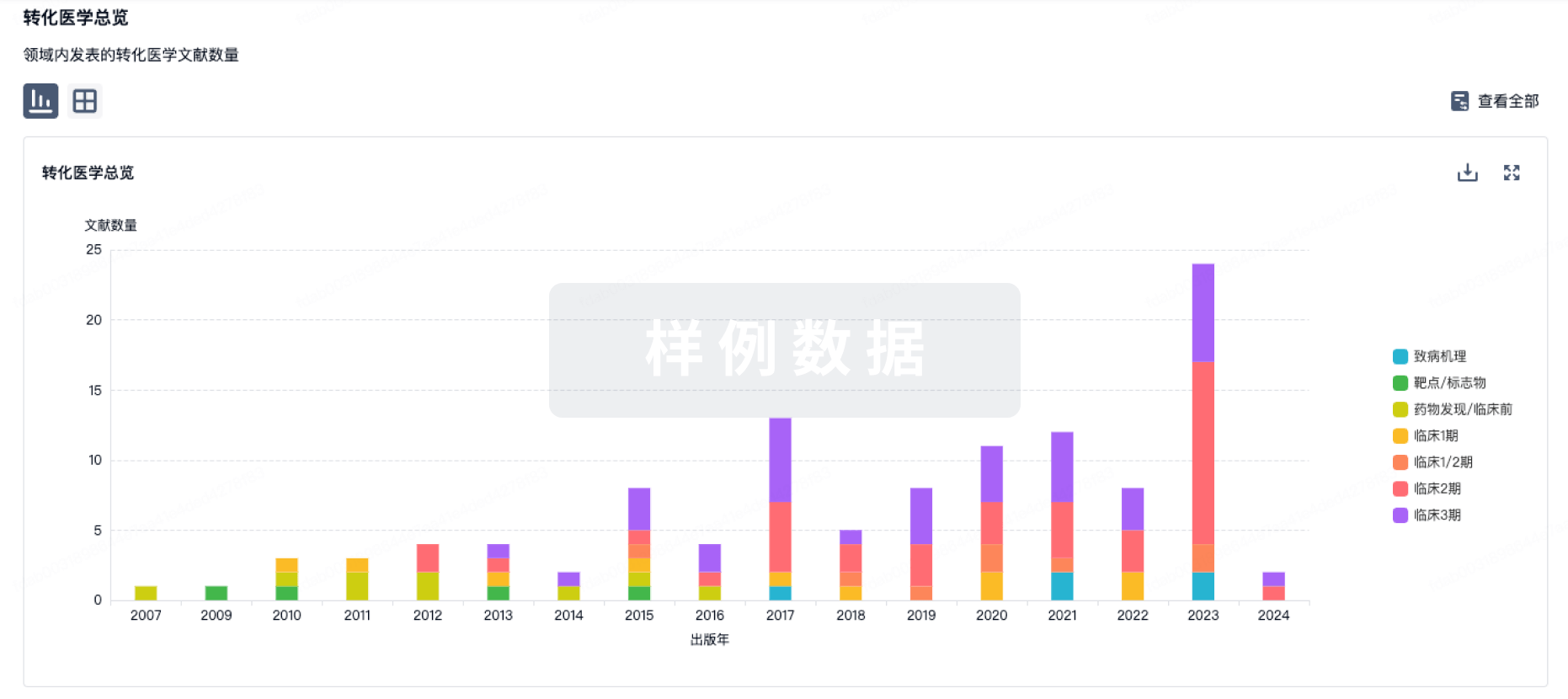
转化医学
使用我们的转化医学数据加速您的研究。
登录
或
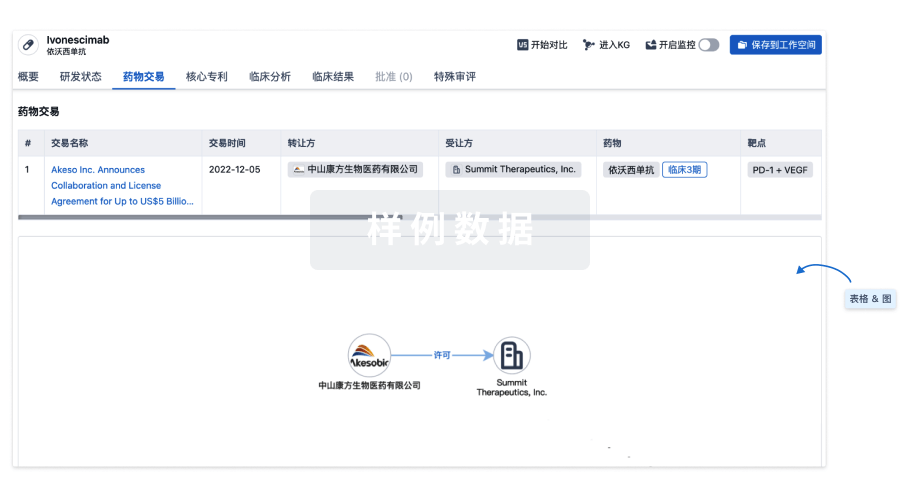
药物交易
使用我们的药物交易数据加速您的研究。
登录
或
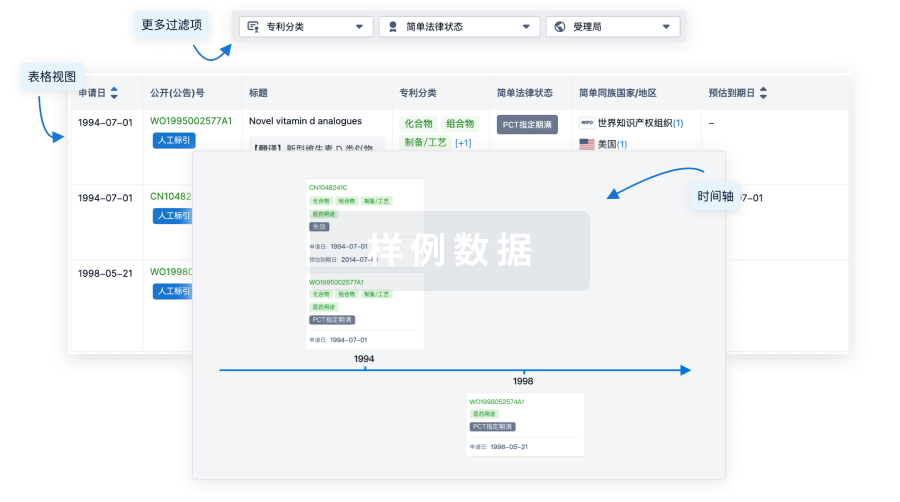
核心专利
使用我们的核心专利数据促进您的研究。
登录
或
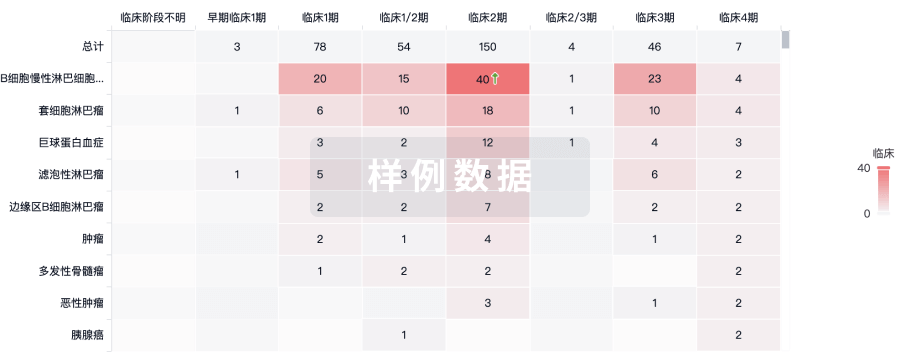
临床分析
紧跟全球注册中心的最新临床试验。
登录
或
批准
利用最新的监管批准信息加速您的研究。
登录
或
特殊审评
只需点击几下即可了解关键药物信息。
登录
或
提出任何生物医药研究问题
让每一步生物医药决策都精准制胜
基于十亿级生物数据与全球情报的精准 AI,赋能早期药物发现
立即开始免费试用!
智慧芽新药情报库是智慧芽专为生命科学人士构建的基于AI的创新药情报平台,助您全方位提升您的研发与决策效率。
立即接入生物医药数据包
智慧芽新药库数据也通过智慧芽开放平台,以MCP或API服务形式对外开放。立即使用我们的MCP服务定制您的LLM智能体。
生物序列数据库
生物药研发创新
免费使用
化学结构数据库
小分子化药研发创新
免费使用