预约演示
更新于:2026-09-12
CPL-200-075
更新于:2026-09-12
概要
基本信息
原研机构 |
在研机构- |
非在研机构 |
权益机构- |
最高研发阶段无进展药物发现 |
首次获批日期- |
最高研发阶段(中国)- |
特殊审评- |

关联
6
项与 CPL-200-075 相关的临床试验TCTR20241103001
Sodium-glucose cotransporter 2 inhibitors (SGLT2i) prescription rates among diabetologists for type 2 diabetes patients with albuminuric diabetic kidney disease: A real-world data at a diabetes center in Bangkok
开始日期2023-09-01 |
申办/合作机构- |
CTRI/2023/06/054440
A Prospective Observational Study to Assess the Efficacy & Safety of Sodium-glucose Cotransporter-2(SGLT2) Inhibitors as an Add-On drug to other Oral Hypoglycemic Agents in Reducing Glycated Hemoglobin and Weight in Type 2 Diabetes Mellitus at a Tertiary Care Hospital in Jaipur. - SWAG
开始日期2023-07-01 |
申办/合作机构- |
TCTR20210315003
Effects of sodium glucose co-transporter-2 inhibitor on atrial arrhythmia burden in patient with cardiovascular implantable electronic device: a randomized controlled trial
开始日期2021-03-16 |
申办/合作机构- |
100 项与 CPL-200-075 相关的临床结果
登录后查看更多信息
100 项与 CPL-200-075 相关的转化医学
登录后查看更多信息
100 项与 CPL-200-075 相关的专利(医药)
登录后查看更多信息
3,535
项与 CPL-200-075 相关的文献(医药)2026-12-01·MOLECULAR BIOLOGY REPORTS
Dapagliflozin confers protection against ferroptosis in cardiomyocyte via the inhibition of interferon-gamma pathway
Article
作者: Babu, Sowmiya ; Madhyastha, Harishkumar ; Madhyastha, Radha ; Nakajima, Yuichi ; Sukmawan, Renan ; Watanabe, Nozomi ; Menaldi, Rizki Radhitya ; Maruyama, Tomoko
BACKGROUND:
Ferroptosis is reported to have a role in cardiovascular disease (CVD) progression. Recent emerging evidences demonstrate the role of Sodium-Glucose Co-Transporter 2 (SGLT-2) inhibitors in CVD owing to its promising cardioprotective benefits. However, the detailed molecular mechanism underlying its cardioprotective effects remain incompletely understood. We aimed to investigate the potential ferroptosis-inhibitory mechanism of SGLT-2 inhibitor in HL-1 mouse cardiomyocytes.
METHODS AND RESULTS:
Cardiomyocytes were incubated for 5 h under hypoxic conditions (1% O2) to simulate ischemic injury with or without dapagliflozin (DAPA, 10 µM), a SGLT-2 inhibitor. Reactive oxygen species (ROS) was detected by immunofluorescence. Ferroptosis activity was analysed by measuring levels of intracellular iron, lipid peroxidation, malondialdehyde (MDA), and glutathione (GSH). Increase in ROS generation, intracellular iron, MDA concentration, and lipid peroxidation indicated increasing ferroptosis activity during hypoxic stress in cardiomyocytes. Treatment with DAPA caused reduction in ferroptosis. Pathway-specific gene analysis showed that interferon-gamma (IFN-γ) was upregulated during hypoxia, and was downregulated with DAPA treatment. Silencing of IFN-γ by using small interfering RNA (siRNA) resulted in inhibition of lipid peroxidation; on the other hand, incorporating recombinant IFN-γ resulted in the reversal of this phenomenon, thus validating the role of IFN-γ in hypoxia-induced ferroptosis.
CONCLUSION:
Our findings reveal IFN-γ pathway as a novel intracellular target of ferroptosis inhibition by DAPA in cardiomyocytes, providing molecular insight into the mechanisms underlying the cardioprotective effects of SGLT-2 inhibitor.
2026-11-01·HEART & LUNG
Sex based differences in clinical outcomes among heart failure patients with cardiac amyloidosis on sodium glucose Co-transporter-2 inhibitor therapy: A propensity score–matched analysis
Article
作者: Khalife, Wissam ; Saxena, Ritika ; Jneid, Hani ; Yang, Michelle ; Chatila, Khaled ; Bashir, Zubair ; Albaeni, Aiham
BACKGROUND:
Cardiac amyloidosis (CA) is an increasingly recognized cause of heart failure (HF), and sex differences in the clinical outcomes of SGLT2i in HF patients with CA remain insufficiently studied.
OBJECTIVE:
To study the sex related differences of SGLT2i among HF patients with CA.
METHODS:
We used TriNetX to identify adults (≥18 years) with HF and CA on SGLT2i therapy from Jan 2021 to May 2025. Patients with end-stage renal disease (ESRD), chronic kidney disease (CKD) stage 5, atrial fibrillation/ atrial flutter (AF/AFL), type 1 diabetes mellitus (T1DM), or diabetic ketoacidosis (DKA) were excluded. The primary and secondary outcomes were compared between males and females in the overall sample and in subgroups stratified by HF phenotype. These groups were balanced by sex using a 1:1 propensity score matching. Cox regression and Kaplan-Meier curves assessed outcomes at 6 months and 3 years.
RESULTS:
Among 1485 patients with CA+HF on SGLT2i, 34.7% were female. After matching, 478 patients (mean age 70±13 years) were identified in each group. No significant sex-based differences were found in mortality (HR 0.93; 95% CI 0.65-1.33), stroke, acute MI, incident AF, ESRD, or MACE. The risk of acute HF diagnosis at 6 months was also similar. However, among 271 matched HFpEF patients, females had a lower 3-year all-cause mortality rate compared to males (HR 0.54; 95% CI 0.32-0.90), while among 245 HFrEF patients, females had a higher 3-year all-cause mortality rate compared to males (HR 1.79; 95% CI 1.08-2.96).
CONCLUSION:
Comparable outcomes were observed across sexes in HF+CA patients treated with SGLT2i. However, variable outcomes between sexes across the HF spectrum warrant further investigation.
2026-11-01·PHARMACOLOGY & THERAPEUTICS
Irisin upregulation as a contributory mechanism for the therapeutic benefits of SGLT-2 inhibitors
Review
作者: Cubeddu, Luigi X ; Parmar, Mayur S ; Fidelia, Sebastian ; Speth, Robert C ; Gurusamy, Narasimman ; Noto, Natalia Motzko ; Martin, Kaitlin
Different pharmacological and non-pharmacological interventions have been suggested for the management of blood glucose, among which are sodium-glucose cotransporter-2 (SGLT-2) inhibitors and exercise. SGLT-2 inhibitors (-gliflozins) are a class of drugs that reduceglucose reabsorption from the proximal renal tubule, thereby decreasing its levels in the blood, while increasing its excretion in the urine. Several studies have demonstrated cardio-, neuro-, and renoprotective benefits of these drugs, including reduced cardiovascular deaths, hospitalizations due to heart failure, rate of progression of kidney disease, cognitive deficits, reactive oxygen species, and progression of amyloid beta (Aβ) formation. Several additional mechanisms of action have been proposed for the observed benefits of SGLT-2 inhibitors. Irisin is a myokine released by skeletal muscles in response to exercise that results in browning of adipose tissue, that has been shown to have similar benefits to SGLT-2 inhibitors. Recent studies have shown that SGLT-2 inhibitors upregulate fibronectin type III domain-containing protein 5 (FNDC5) expression, from which irisin is derived, presumably by activating upstream regulators, such as adenosine monophosphate-activated protein kinase (AMPK) and peroxisome proliferator-activated receptor gamma coactivator 1 alpha (PGC-1α), thereby mimicking exercise-induced pathways, contributing to their protective benefits across various organ systems. We hypothesize that activation of the PGC-1α - FNDC5/irisin axis represents a previously unrecognized downstream mediator of the pleiotropic cardiorenal and neuroprotective effects of SGLT-2 inhibitors. While current evidence is largely preclinical and associative, this framework generates a testable mechanistic model in which circulating irisin could serve both as a mediator and biomarker of SGLT-2 inhibitor-induced tissue protection.
37
项与 CPL-200-075 相关的新闻(医药)2026-08-26
The FDA has cleared Abbott’s first-of-its-kind bio-wearable sensor that can warn diabetics of increased ketones—a condition that can lead to diabetic ketoacidosis.
The company’s Libre Duo 10 Day system tracks real-time glucose levels in diabetics, which are essential for daily management of the chronic autoimmune disease, while also monitoring for increased ketone levels.
The system, which Abbott first unveiled it was working on in 2022, is for people with diabetes ages 2 and older and can be worn for up to 10 days. The new sensor is expected to become available in the U.S. later this year, the company said.
“If glucose is the speedometer, ketones are like the check engine light—providing an alert that something may need attention,” Chris Scoggins, Abbott’s executive vice president of diabetes care business, said in a statement. “Libre Duo 10 Day brings both glucose and ketone levels together in a single dashboard, providing a more complete picture to help people with diabetes make more informed decisions.”
Diabetic ketoacidosis, also known as DKA, results when there is a shortage of insulin, which triggers the breakdown of fat, rather than glucose, to use as energy. When that occurs, acids called ketones build up in the bloodstream, that if untreated, can lead to DKA, which can result in nausea, pain, confusion, fatigue and even death in severe cases.
The Libre Duo 10 Day targets patients who may be at higher risk of elevated ketones, including those with Type 1 or Type 2 diabetes who use insulin or other glucose-lowering medications like sodium-glucose cotransporter 2 inhibitors, also known as SGLT2s.
“As a physician, I see how quickly DKA can develop—and how often early warning signs or opportunities to measure ketones are missed,” Jennifer Sherr, a pediatric endocrinologist at Yale School of Medicine, said in a statement. “Abbott's dual glucose-ketone system is meaningful because ketone data is collected in the background, helping provide earlier awareness of rising ketone levels.”
Abbott also reaffirmed its ongoing work to integrate Beta Bionics’ iLet and Sequel Med Tech’s twists AID systems by the end of this year and devices from Insult and Tandem next year.
Abbott’s collaboration with MiniMed to develop an integration between the Abbott-manufactured dual glucose-ketone sensors and MiniMed’s smart dosing systems could debut in 2027, the company said.
2026-08-25
Libre Duo 10 Day is a first-of-its-kind, two-in-one biowearable that monitors glucose and helps detect rising ketone levels that can lead to diabetic ketoacidosis (DKA), a serious health condition for people living with diabetes
Designed to seamlessly address a critical gap in ketone monitoring, providing needed health data without adding burden on people living with diabetes
Integrates with the latest-generation Libre app available in the U.S. and the full Libre digital health ecosystem; designed for compatibility with leading automated insulin delivery (AID) systems
ABBOTT PARK, Ill., Aug. 25, 2026 /PRNewswire/ -- Abbott (NYSE: ABT), the global healthcare leader, today announced U.S. Food and Drug Administration (FDA) authorization of its Libre Duo 10 Day system, the world's first dual glucose‑ketone sensing technology. The new biowearable is designed to alert people living with diabetes of rising ketones that can lead to a diabetic ketoacidosis (DKA) emergency, a serious health complication for people with diabetes. Libre Duo 10 Day delivers real-time visibility into glucose levels needed for daily diabetes management while also monitoring rising ketones in the background, avoiding additional mental or physical burden for people with diabetes. Abbott plans to launch Libre Duo 10 Day in the United States later this year.
Continue Reading
Abbott receives FDA authorization for world’s first dual glucose-ketone sensing technology for people with diabetes
Abbott receives FDA authorization for world’s first dual glucose-ketone sensing technology for people with diabetes
First-of-its-kind technology
Libre Duo 10 Day received De Novo authorization after securing breakthrough device designation from the FDA through a program designed to help people gain faster access to innovative medical technologies. It's the first system to meet the FDA's integrated continuous glucose monitoring (iCGM) standard and the new integrated continuous glucose and ketone monitoring (iCGK) standard, which establishes a benchmark for continuous ketone monitoring in the United States.
Monitoring ketones in the background
DKA is the most common hyperglycemic emergency for people living with diabetes,1,2 and hospital admissions for DKA have increased 55% over the past decade.3 DKA can develop quickly when the body does not have enough insulin and then starts to break down fat for energy, causing ketone levels to rise to potentially dangerous levels in the blood.4 According to the American Diabetes Association, DKA can progress within hours and, if left untreated, can lead to coma or death.4 While clinical guidance is to test ketones during illness or periods of elevated glucose, the majority of people do not have access to a blood ketone meter at home5 and early signs of rising ketones are often mistaken for common infections, resulting in delayed treatment .2,6,7
"As a physician, I see how quickly DKA can develop—and how often early warning signs or opportunities to measure ketones are missed," said Jennifer Sherr, M.D., Ph.D., pediatric endocrinologist at Yale School of Medicine. "Abbott's dual glucose-ketone system is meaningful because ketone data is collected in the background, helping provide earlier awareness of rising ketone levels."
How Libre Duo 10 Day works
Libre Duo 10 Day continuously monitors both glucose – the standard of care for daily diabetes management – and ketone levels. Unlike blood or urine ketone tests, which provide only a single point-in-time reading, the sensors continuously track ketones and are designed to alert people when ketones are rising.
"If glucose is the speedometer, ketones are like the check engine light—providing an alert that something may need attention," said Chris Scoggins, executive vice president of Abbott's diabetes care business. "Libre Duo 10 Day brings both glucose and ketone levels together in a single dashboard, providing a more complete picture to help people with diabetes make more informed decisions."
Libre Duo 10 Day is designed for those who may be at higher risk of elevated ketones. This includes people with Type 1 or Type 2 diabetes who use insulin or other glucose-lowering medications, such as sodium-glucose cotransporter 2 inhibitors, also known as SGLT2s.
Libre Duo 10 Day offers up to 10 days of wear8 and is intended for people with diabetes ages 2 and older. It uses the latest-generation Libre app available in the United States today and will integrate with the broader Libre digital health ecosystem, including LibreView for health care providers and LibreLinkUp for caregivers.
Abbott is working with leading pump companies to enable automated insulin delivery (AID) systems to connect with the sensors. The company expects Libre Duo 10 Day to work with Beta Bionics' iLet and Sequel Med Tech's twiist AID systems by the end of this year and with devices from Insulet and Tandem in 2027. Abbott and MiniMed are collaborating on an exclusive integration between Abbott-manufactured dual glucose-ketone sensors and MiniMed smart dosing systems, which is expected in 2027.
"In my role with Breakthrough T1D, and as someone who has lived with Type 1 diabetes for decades, I understand the serious risk of diabetic ketoacidosis and how challenging it can be to identify and monitor elevated ketone levels," said Aaron J. Kowalski, Ph.D., chief executive officer of Breakthrough T1D. "New technology like Abbott's dual glucose-ketone system has the potential to change that reality by giving people early and actionable information that can help identify and prevent dangerous complications like DKA. Breakthrough T1D is excited that the diabetes community will have this option available to support their day-to-day management."
Abbott received CE Mark for Libre Duo systems earlier this year.
For more about Libre Duo 10 Day, visit .
Frequently Asked Questions
Do people with diabetes need a continuous ketone monitor?
Continuous glucose monitors (CGMs) track glucose, but they do not measure ketones. According to the American Diabetes Association, elevated ketones can progress to diabetic ketoacidosis (DKA) within hours, making early detection critical. Because ketone levels can rise quickly — sometimes independently of glucose and differently for each person — and symptoms are often mistaken for common illnesses, having an alert system helps people act sooner.4,6,9,7
Can ketones be elevated even when glucose is normal?
DKA can still develop even when glucose levels appear stable6. While CGMs play an essential role in helping people manage their diabetes, they do not currently measure ketones, which are the key driver of DKA. Relying on glucose data alone may not always provide an early warning before DKA develops, which is why a dual glucose-ketone sensor, like Libre Duo 10 Day in the United States, can provide useful information for people living with diabetes.
How will people know when to take action?
Similar to how CGMs help with glucose, Abbott's Libre Duo 10 Day will operate in the background, and alert people when ketone levels are elevated. Libre Duo 10 day is designed to provide important information when people need it.
About Libre:
Abbott is the global leader in diabetes technology and biowearables. More than 10 years ago, Abbott transformed diabetes care with its world-leading Libre continuous glucose monitoring portfolio, now used by more than 8 million people in over 60 countries10. Libre technology provides real-time, personalized insights to help people understand how food, activity and medications affect their bodies. The latest Libre innovation is the world's first dual glucose-ketone sensor, which monitors glucose and helps detect rising ketone levels that can lead to diabetic ketoacidosis, a serious diabetes-related complication.
About Abbott:
Abbott is a global healthcare leader that helps people live more fully at all stages of life. Our portfolio of life-changing technologies spans the spectrum of healthcare, with leading businesses and products in diagnostics, medical devices, nutritionals and branded generic medicines. Our 122,000 colleagues serve people in more than 160 countries.
Connect with us at and on LinkedIn, Facebook, Instagram, X, and YouTube.
Important Safety Information (for U.S. residents only):
Failure to use the Libre Duo 10 Day system as instructed in labeling may result in missing a severe glucose and/or ketones event and/or making a treatment decision, resulting in injury. If readings and alarms (if enabled) do not match symptoms or expectations, use a fingerstick glucose value from a blood glucose meter for treatment decisions. Ketone output should be used in conjunction with glucose levels. The Urgent Low Glucose alarm and Urgent High Ketones alarm may not detect all instances of glucose less than 55 mg/dL and ketones higher than 3.0 mmol/L, so these should be used together with respective sensor readings for treatment decisions. Get medical attention when appropriate. For more information, call Abbott Customer Service at 855-632-8658 or visit FreeStyleLibre.us.
Centers for Disease Control. "National Diabetes Statistics Report." Accessed May 4, 2026. National Diabetes Statistics Report - United States Diabetes Surveillance System
Nguyen, K. T. Journal of Diabetes Science and Technology (2022). .
Umpierrez, et al. Diabetes Care (2024): .
American Diabetes Association. "Planning for Sick Days." Accessed February 6, 2026. .
Albanese-O'Neill et al. Diabetes Care (2017): .
Dhatariya, et al. Lancet Diabetes & Endocrinology (2025):
Virdi, N. Diabetes Technology & Therapeutics (2023). .
A study was conducted to evaluate Libre Duo 10 Day sensor wear duration. Results showed that 84.1% of sensors in the adult population and 68.8% of sensors in the pediatric population lasted the full 10 days. This means that, when the product is used according to the labeling, approximately 16% of sensors in the adult population and 31% of sensors in the pediatric population may not last for the full 10 days.
Seidu S. et al. 'Rising burden of diabetic ketoacidosis in the UK: 23-year trends, recurrence, and predictors from linked primary–secondary care data.' Oral presentation, ATTD 2026, Barcelona, Spain, 11-14 March 2026.
Data on File, Abbott Diabetes Care. Data based on the number of patients assigned to each manufacturer.
SOURCE Abbott
21%
more press release views with
Request a Demo
上市批准
2026-08-10
·今日头条
——Cell Stem Cell最新研究解读
射血分数保留型心力衰竭(heart failure with preserved ejection fraction, HFpEF)是当前心血管领域最棘手的治疗难题之一。随着人口老龄化与肥胖、糖尿病、高血压等代谢性疾病的流行,HFpEF在全部心衰中的占比已超过50%,但治疗手段长期匮乏——除钠-葡萄糖共转运蛋白2抑制剂(sodium-glucose cotransporter 2 inhibitor, SGLT2i)外,几乎所有在射血分数降低型心衰(HFrEF)中有效的药物,在HFpEF临床试验中均告失败。制约药物研发的关键瓶颈,在于缺乏能真实复现人类HFpEF病理特征的研究模型。2026年8月,日本庆应义塾大学Shugo Tohyama团队在《细胞·干细胞》(Cell Stem Cell)发表重磅研究,利用人诱导多能干细胞(human induced pluripotent stem cell, hiPSC)构建了稳定模拟人类HFpEF舒张功能障碍的工程心脏组织(human engineered heart tissue, hEHT)模型,并藉此阐明了SGLT2i改善心功能的关键分子机制。
一、HFpEF建模为何如此之难
HFpEF的核心病理特征是左心室舒张功能障碍(diastolic dysfunction),即心肌僵硬度增加、松弛受损,而射血分数维持正常。其发病与全身慢性炎症、微血管内皮功能障碍密切相关,内皮型一氧化氮合酶(eNOS)—一氧化氮(NO)—环磷酸鸟苷(cGMP)—蛋白激酶G(PKG)信号通路失活被认为是关键机制。然而HFpEF是多合并症驱动的全身性疾病,单一危险因素难以诱导典型表型;小鼠模型心率、代谢与人类差异巨大;传统二维培养心肌细胞又无法模拟组织水平的力学特性与多细胞互作。模型缺位,使机制研究与药物筛选长期受限。
二、hEHT模型的构建与表型验证
Tohyama团队采用明胶基水凝胶构建三维hEHT,将hiPSC分化的心肌细胞与心脏成纤维细胞共培养,形成具有自发搏动能力的条带状心肌组织。为模拟HFpEF的临床驱动因素,团队以高脂肪酸(high fatty acid)联合eNOS抑制剂L-NAME进行双重诱导:脂肪酸模拟代谢异常与胰岛素抵抗,L-NAME直接阻断NO生成、模拟内皮功能障碍。诱导后的hEHT呈现一系列人类HFpEF标志性特征——收缩功能保留而舒张功能显著受损;组织僵硬度升高;炎症与纤维化程序激活;单细胞RNA测序(scRNA-seq)显示各细胞组分转录谱改变与人类HFpEF心肌活检数据高度吻合;患者来源iPSC构建的hEHT亦复现相同表型。尤为重要的是,团队用该模型测试多类心衰候选药物后发现,唯有SGLT2i能显著逆转舒张功能障碍,与EMPEROR-Preserved、DELIVER等里程碑临床试验结论完全一致,印证了模型的临床预测价值。
三、机制突破:内皮细胞是SGLT2i护心的关键枢纽
该研究最具创新性的发现,是明确了SGLT2i心脏保护作用的关键细胞靶点与分子通路。既往观点认为SGLT2几乎不在心脏表达,其护心机制成谜。团队发现,在HFpEF-hEHT中,内皮细胞eNOS表达与NO生物利用度显著下降,导致心肌细胞cGMP-PKG信号减弱、肌联蛋白(titin)磷酸化不足、心肌僵硬度上升;而SGLT2i可选择性恢复内皮细胞eNOS-NO-cGMP-PKG轴活性。通过构建内皮—心肌"旁分泌对话"体系,团队进一步证实:SGLT2i抑制内皮细胞上的钠-氢交换体(Na⁺/H⁺ exchanger, NHE),降低胞内Na⁺与Ca²⁺超载,解除对eNOS的抑制,NO生成增加;NO以旁分泌方式弥散至邻近心肌细胞,激活可溶性鸟苷酸环化酶(sGC),提升cGMP、激活PKG,最终改善心肌松弛。这一"内皮—心肌细胞串扰(endothelial-cardiomyocyte crosstalk)"机制,为SGLT2i"代谢药物治心衰"的临床现象提供了直接的细胞生物学解释。
四、科学意义与临床转化价值
该研究价值体现在三个层面。其一,模型层面:hEHT-HFpEF是首个在组织水平稳定复现人类HFpEF舒张功能障碍的人源体外模型,兼具患者特异性、可扩展性与高通量筛选兼容性,为这一"未被满足需求"最大的心衰亚型提供了可靠平台。其二,机制层面:首次将SGLT2i的心脏保护效应锚定于内皮NHE-Na⁺/Ca²⁺-eNOS-NO-cGMP-PKG通路,整合"代谢—内皮—心肌力学"三大环节,为理解HFpEF多细胞互作病理提供了统一框架。其三,转化层面:该模型可量化评估药物对舒张功能、组织僵硬度与炎症的多维效应,有望加速HFpEF精准药物筛选,并支持基于患者iPSC的个体化疗效预测。
当然,模型仍有局限:hEHT缺乏血管网络、免疫细胞与神经支配,hiPSC心肌细胞成熟度亦低于成人心肌。未来整合血管化、免疫化与器官芯片(organ-on-a-chip)技术的下一代模型,或将进一步弥合体外研究与临床现实的鸿沟。但无论如何,这项工作已证明:以人源干细胞工程组织为桥梁,我们正以前所未有的精度逼近HFpEF这一"心血管领域最后堡垒"的真相。
参考文献
Tani H, Haga K, Moriwaki T, et al. Human iPSC-derived engineered heart tissue model of diastolic dysfunction in heart failure with preserved ejection fraction. Cell Stem Cell. 2026. doi:10.1016/j.stem.2026.06.007
文:顾建文
100 项与 CPL-200-075 相关的药物交易
登录后查看更多信息
研发状态
10 条进展最快的记录, 后查看更多信息
登录
| 适应症 | 最高研发状态 | 国家/地区 | 公司 | 日期 |
|---|---|---|---|---|
| 糖尿病 | 药物发现 | 波兰 | - |
登录后查看更多信息
临床结果
临床结果
适应症
分期
评价
查看全部结果
| 研究 | 分期 | 人群特征 | 评价人数 | 分组 | 结果 | 评价 | 发布日期 |
|---|
No Data | |||||||
登录后查看更多信息
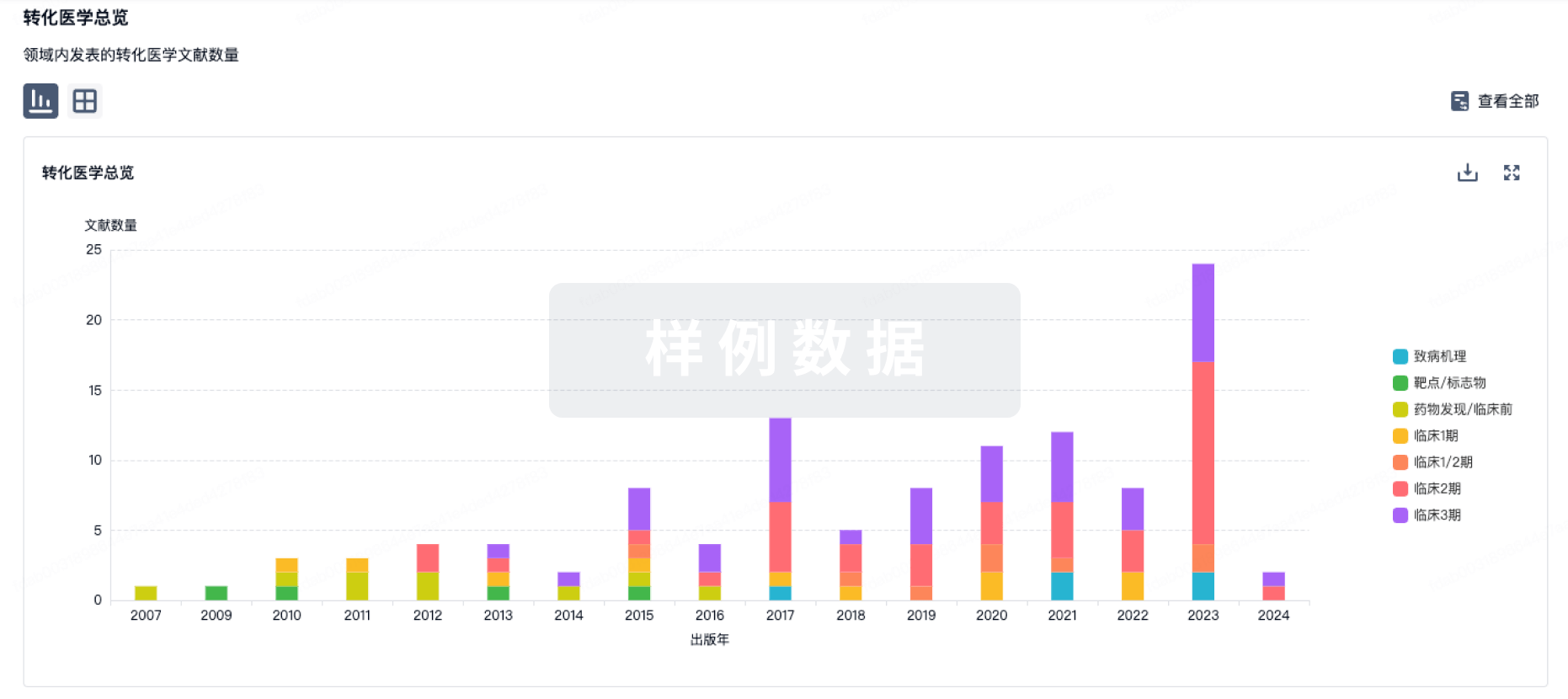
转化医学
使用我们的转化医学数据加速您的研究。
登录
或
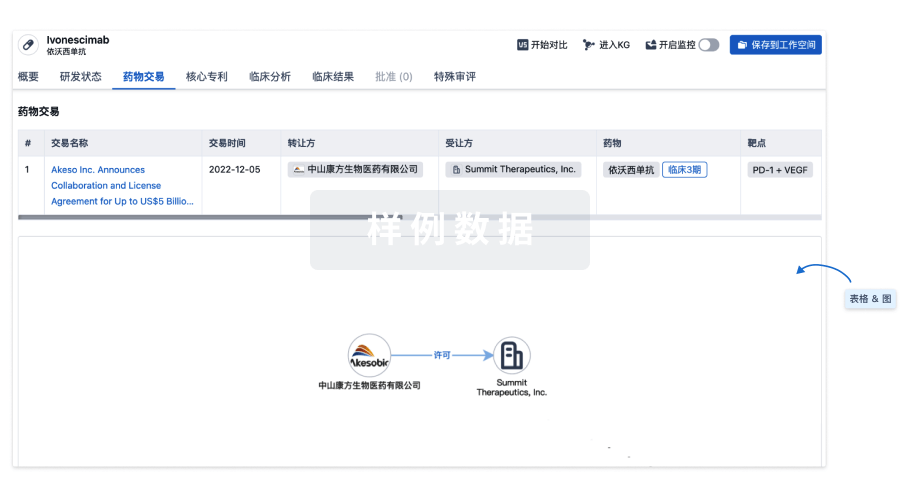
药物交易
使用我们的药物交易数据加速您的研究。
登录
或
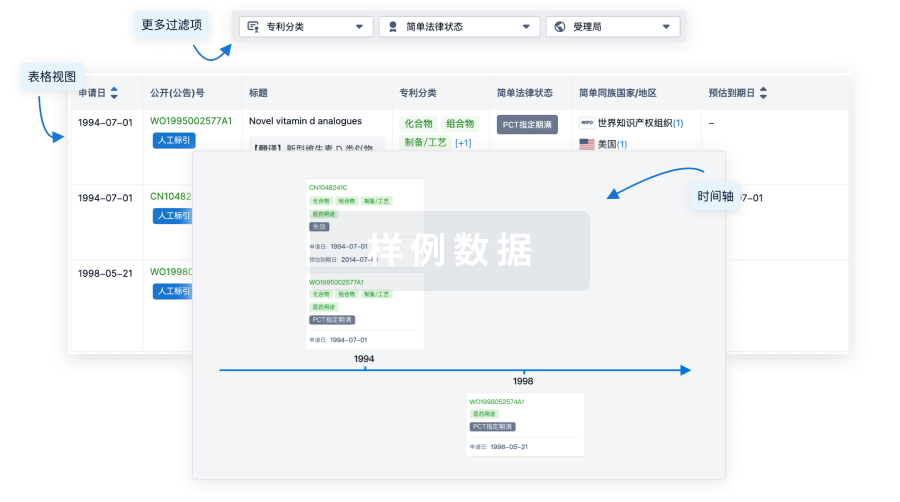
核心专利
使用我们的核心专利数据促进您的研究。
登录
或
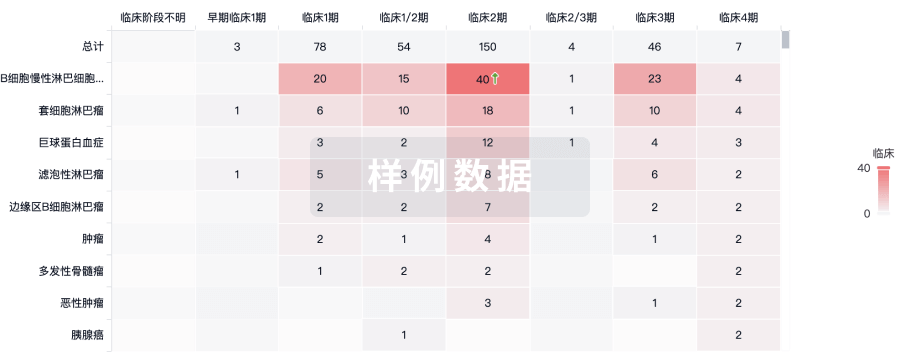
临床分析
紧跟全球注册中心的最新临床试验。
登录
或
批准
利用最新的监管批准信息加速您的研究。
登录
或
特殊审评
只需点击几下即可了解关键药物信息。
登录
或
提出任何生物医药研究问题
让每一步生物医药决策都精准制胜
基于十亿级生物数据与全球情报的精准 AI,赋能早期药物发现
立即开始免费试用!
智慧芽新药情报库是智慧芽专为生命科学人士构建的基于AI的创新药情报平台,助您全方位提升您的研发与决策效率。
立即接入生物医药数据包
智慧芽新药库数据也通过智慧芽开放平台,以MCP或API服务形式对外开放。立即使用我们的MCP服务定制您的LLM智能体。
生物序列数据库
生物药研发创新
免费使用
化学结构数据库
小分子化药研发创新
免费使用