预约演示
更新于:2026-09-01
BXOS-110
更新于:2026-09-01
概要
基本信息
原研机构 |
在研机构 |
非在研机构- |
权益机构- |
最高研发阶段临床3期 |
首次获批日期- |
最高研发阶段(中国)临床3期 |
特殊审评- |
登录后查看时间轴
关联
3
项与 BXOS-110 相关的临床试验NCT07520565
A Multicentre, Randomised, Double-blind, Placebo-parallel Controlled Phase Ⅲ Clinical Trial Evaluating the Efficacy and Safety of BXOS110 Injection in the Treatment of Acute Ischaemic Stroke Within 3 Hours of Onset.
The purpose of this study was to evaluate the efficacy of early administration of BXOS110 for injection in reducing overall disability in patients with acute ischaemic stroke
开始日期2026-01-19 |
申办/合作机构 |
NCT06322394
A Multicentre, Randomised, Double-blind, Placebo-parallel Controlled Phase II Clinical Trial Evaluating the Efficacy and Safety of BXOS110 Injection in the Treatment of Acute Ischaemic Stroke Within 3 Hours of Onset
The purpose of this study was to evaluate the effectiveness of early administration of BXOS110 for injection in reducing overall disability in patients with acute ischaemic stroke.
开始日期2024-02-07 |
申办/合作机构 |
CTR20212520
评价注射用BXOS110在中国健康受试者中单次、多次给药的安全性、耐受性和药代动力学特征的单中心、随机、双盲、安慰剂对照的Ⅰ期临床研究
主要目的:
评估注射用BXOS110在健康受试者中单次及多次给药的安全性和耐受性。
次要目的:
评估注射用BXOS110在健康受试者中单次及多次给药的药代动力学特征。
开始日期2021-12-09 |
申办/合作机构 |
100 项与 BXOS-110 相关的临床结果
登录后查看更多信息
100 项与 BXOS-110 相关的转化医学
登录后查看更多信息
100 项与 BXOS-110 相关的专利(医药)
登录后查看更多信息
1
项与 BXOS-110 相关的文献(医药)2026-05-01·NEUROPHARMACOLOGY
The novel PSD-95 inhibitor BXOS110 provides neuroprotection in acute ischemic stroke
Article
作者: Li, Shu-Ya ; Han, Hua-Min ; Wang, Yong-Jun ; Feng, Bao-Yu ; Li, Zi-Xiao ; Zheng, Huan-Yu ; Li, He ; Guo, Fei-Yang ; Dong, Ge-Hong ; Ding, Ya-Rong ; Lyu, Tian-Jie
Acute ischemic stroke remains a major public health challenge due to its high incidence and limited effective treatment options. Reperfusion therapies, including thrombolysis and endovascular intervention, help restore blood flow in some patients but often fall short due to ineffective recanalization or reperfusion injury, emphasizing the urgent need for adjunctive neuroprotective strategies. BXOS110, a novel neuroprotective agent, targets PSD-95, a postsynaptic density protein that mediates excitotoxic damage by interacting with N-methyl-D-aspartate (NMDA) receptors and neuronal nitric oxide synthase. In this study, BXOS110 demonstrated a higher binding affinity for PSD-95 than its predecessor, nerinetide (NA-1). Our data further confirmed that BXOS110 directly binds to PSD-95 and mitigates NMDA-induced neurotoxicity in vitro. In vivo, BXOS110 exhibited robust brain penetration and sustained localization in ischemic brain regions of rats, as well as significant neuroprotective effects in both rat and primate models of ischemic stroke when administered within 1 h of ischemia onset. Additionally, we determined that BXOS110 administration must be carefully timed with thrombolytic agents to prevent its degradation, identifying optimal dosing intervals to maximize therapeutic efficacy. These findings highlight the potential of BXOS110 as an integrated stroke therapeutic agent, which combines vascular recanalization with targeted neuroprotection to enhance patient outcomes.
6
项与 BXOS-110 相关的新闻(医药)2026-08-08
·医药专利
国家医保局最新数据揭示:一个病种花费超第2、3名之和的120亿,药占比降但耗材占比升,3000+项在研试验——医保大数据也成为新药研发的"需求地图"
表1-1根据2023年-2025年全国医保结算住院人次Top10的疾病诊断进行排名。
表1-1 2023年-2025年Top10疾病住院人次情况
图1-1 2023-2025年Top10疾病药品费用占比年度趋势一、医保数据揭示的"头号病种"
2026年8月,国家医保局发布《2023-2025年医保结算住院人次TOP10疾病费用结构分析》。最核心的数据是:脑梗死以绝对优势位列住院人次和医保结算费用双料第一。
2023-2025年,全国脑梗死患者医保结算住院人次达4504.41万人次,年均1501万人次;次均住院费用8441元;年均医保结算住院费用1267亿元——比第2位冠心病(709亿元)和第3位肺感染(438亿元)之和还多120亿元。Top10合计4182亿元/年,脑梗死一个病种就占了30%。
排序
疾病
年均住院人次
次均费用
年均医保支出1脑梗死1501万8,441元1,267亿
2
冠心病
687万
10,326元
709亿
3
肺感染
714万
6,134元
438亿
4
2型糖尿病
—
—
421亿
5
高血压
—
—
354亿
对药企而言,这是一个清晰信号:脑梗死是医保基金最大的单病种支出,也是新药研发最应该关注的方向。1267亿的年支出中,药品费用占比正在下降(从2023年的29.22%降至2025年的26.01%),但耗材费用占比在三级医院显著上升——集采压缩了药品利润,但介入治疗(机械取栓)的普及正在创造新的器械和耗材市场。二、流行病学:280万新发/年,18秒死1人
卒中被列为中国三大死因之一,已成为危害人们健康的公共卫生问题。高发病率、死亡率和残疾率给中风患者、家庭和社会带来了沉重负担。随着中国经济的发展、城市化和人口老龄化,中风的患病率和发病率仍在上升。2023年GBD:中国卒中现患2670万、年新发420万、年死亡210万。缺血性卒中62.8%、脑出血32.6%、蛛网膜下腔4.6%。
脑梗死(缺血性脑卒中)是我国致死致残率最高的疾病。每年新发280万例,每天超4700人死亡——每18秒1人。
三大特征:① 发病率持续上升(中国是全球卒中负担最重的国家,发病率250-300/10万);② 年轻化(40-50岁发病率逐年上升,部分患者<35岁);③ 地域差异(农村>城市,北方>南方);④高血压患者2.74亿,知晓率31%→38%,控制率仅7%→12%。2026年4月,华西医院刘鸣教授团队在Lancet Neurology封面发文指出,中国卒中防控正从"重治轻防"向"防重于治"转型,但距"健康中国2030"仍有差距。
对研发的启示:庞大的患者基数意味着即使只覆盖10%的患者群体,也是一个年销售额数十亿的市场。更重要的是,年轻化趋势意味着"终身用药"的需求在增加——二级预防药物(抗血小板、他汀)的市场天花板远高于急性期药物。三、发病机制:三个亚型,三种研发思路
脑梗死是脑血管堵了(与脑出血"破了"完全相反,急救先做CT排除出血)。根据病因分三种亚型:
• 血栓形成性(60%)——动脉粥样硬化斑块破裂→原位血栓形成。研发方向:抗血小板药、抗凝血药、降脂药。
• 栓塞性(30%)——心源性栓子(房颤、瓣膜病)脱落。研发方向:新型抗凝药(XI因子抑制剂等出血风险更低的药物)。
• 血流动力学性(10%)——低灌注导致分水岭梗死。研发方向:脑血流调节剂。
核心危险因素:高血压(最上游)、糖尿病、高脂血症、房颤、吸烟、肥胖。其中高血压通过损伤血管内皮、加速动脉粥样硬化,是最大可干预因素。四、诊疗指南与研发机会:从急性期到二级预防的"全链条"
脑梗死治疗的核心是"时间就是大脑"——缺血中心区数分钟不可逆坏死,半暗带4.5小时内可挽救,每延误1分钟=190万神经元死亡。
急性期再灌注治疗:
• 静脉溶栓——4.5小时内阿替普酶(rt-PA)或6小时内尿激酶。替奈普酶(TNK)单次推注更便捷,正在逐步进入指南。研发方向:超时间窗溶栓(4.5→24小时)是当前最大的临床热点。
• 机械取栓——6-24小时大血管闭塞,血管再通率>80%。2026年AHA/ASA指南进一步扩大适应人群。医保数据显示耗材占比上升,印证了介入治疗的普及。
脑保护治疗:依达拉奉右莰醇(先必新,先声)和丁苯酞(石药)是个体化联合用药的选择。2026年2月,中国卒中学会发布GM1专家共识,拓宽神经保护治疗选择。
二级预防:1年复发率10-15%,5年>30%。核心:抗血小板(阿司匹林/氯吡格雷)、他汀、血压血糖控制、生活方式干预。
对研发的启示:脑梗死的药物需求覆盖"溶栓→脑保护→二级预防"全链条。溶栓药虽然市场巨大但专利壁垒高、仿制难度大;脑保护剂正经历"先必新被仿制围剿、丁苯酞独家维持"的格局分化;二级预防药物虽然单价低,但患者基数大、用药周期长,是"慢病管理"逻辑下的长线市场。五、药物市场格局:千亿赛道,品种分化
• 溶栓药——阿替普酶(勃林格)年销约15亿。替奈普酶(TNK)正在崛起,石药明复乐(rhTNK-tPA)在冲刺超时间窗适应症。
• 脑保护剂——先必新33.67亿(2025年),2026年8月首仿获批(南京优科/九华华源/福建大谱),30+家排队,集采在即。丁苯酞50亿+(石药独家),因未入参比目录无法仿制。
• 抗血小板药——阿司匹林、氯吡格雷、替格瑞洛等,多数已集采降价。
• 他汀类——阿托伐他汀、瑞舒伐他汀等,均已集采,年费用降至百元级。
脑梗死药占比从29.22%降至26.01%,集采效果已体现。但脑保护剂作为创新药仍维持较高价格。从医保数据看,药品费用在压缩,但患者数量在增长——"以价换量"的逻辑在脑梗死领域同样适用。六、3735项临床试验:超时间窗溶栓是最大热点
截至2026年8月,中国临床试验注册平台登记卒中相关试验共3735项(268种药品、890家申办单位、755家机构),已完成2618项。华山医院申办120项居首,天坛医院王拥军教授团队牵头绝大多数III期注册试验。
活跃中的III期试验(12项):
企业
核心管线
病毒类型
进展
亮点替奈普酶
勃林格殷格翰
超时间窗4.5-24h溶栓203
王拥军明复乐(rhTNK-tPA)
石药集团
超时间窗4.5-24h大动脉闭塞57
王拥军Milvexian
强生/Janssen
XI因子抑制剂,二级预防201
王拥军硝酮嗪
广州喜鹊医药
联合溶栓脑保护65
王拥军吡拉格雷钠
合肥医工医药
抗血小板+脑保护双功能64
王拥军XY03-EA片
以岭药业
中药脑保护53
曾进胜Y-6舌下片(依达拉奉右莰醇)
南京宁丹新药
舌下给药脑保护42
王伊龙SHPL-49注射液
上海和黄药业
中药脑保护40
王拥军海参糖胺聚糖
上海开润生物
中药(瘀血阻络证)43
马青峰先必新+舌下片序贯
烟台益诺依宁
注射+舌下序贯治疗55
樊东升蛭龙通络片
北京同御康泰
中药脑保护12
蔡业峰BXOS110
拜西欧斯生物
脑保护7
王拥军
三大趋势:① 超时间窗溶栓——替奈普酶+明复乐双双冲刺4.5→24小时,若成功将彻底改变救治格局,释放更大的溶栓药市场空间。② 脑保护剂第二波——先必新注射剂被仿制围剿后,舌下片(Y-6)和注射+舌下序贯研究试图用"组合拳"延长生命周期。硝酮嗪(65例)和SHPL-49(40例)代表新生力量。③ 新型抗栓——强生Milvexian(XI因子,出血风险更低)和拜耳Asundexian(638例已完成)代表新一代抗栓方向。
已完成的III期包括:注射用Y-3(宁丹)、注射用GD-11(万高)、TTYP01依达拉奉片(上海澳宗)、注射用重组人尿激酶原(天士力)、拜耳Asundexian(638例)等,后续可能陆续申报上市。干细胞治疗(人脐带间充质、人胎盘3D间充质)尚处早期。
一句话总结:脑梗死——中国住院第一病种,年均1267亿医保支出,远超第2、3名之和。280万新发/年、4700人死亡/天、18秒1人——这是需求侧的真实数据。3735项在研试验、268种药品、890家申办单位——这是供给侧的真实投入。但供需之间仍有巨大鸿沟:超时间窗溶栓、出血风险更低的抗凝药、差异化脑保护剂、以及更有效的二级预防方案,都是明确的临床未满足需求。医保大数据不仅是支付工具,更应成为新药研发的"需求地图"——谁先读懂这张地图,谁就能在1267亿的赛道上找到自己的位置。
免责声明:本报告仅供参考,不构成投资建议© 2026 医药专利 版权所有
📌 关注"医药专利",深度解读最新医药资讯、技术、专利、药政
临床研究
2026-06-18
引用本文
何丹丹,李俭,王春娟,等.我国急性缺血性卒中脑细胞保护剂基础实验与临床研究的挑战与突破[J].中国卒中杂志,2026,21(5):517-524.
HE D D,LI J,WANG C J,et al. Challenges and Breakthroughs in Basic and Clinical Research of Brain Cytoprotective Agents for Acute Ischemic Stroke in China[J]. Chinese Journal of Stroke,2026,21(5):517-524.
卒中是导致全球成人死亡与残疾的主要原因之一,其中急性缺血性卒中(AIS)占所有卒中类型的六成以上。目前,静脉溶栓和血管内治疗是AIS的标准再灌注治疗方案,但部分患者仍可能遗留不同程度的永久性神经功能障碍。脑细胞保护剂被视为再灌注治疗的重要补充手段,但其在国际上长期面临临床转化失败的困境。
面对上述挑战,我国科研团队立足临床需求,采用新药研发与老药新用相结合的策略,针对AIS脑细胞保护剂开展了一系列高质量临床研究,成功推动多款脑细胞保护剂的上市应用。该系列成果不仅为AIS患者提供了多种脑细胞保护疗法的选择,更有效破解了长期困扰全球的脑细胞保护疗法临床转化困境,为提升我国卒中救治整体水平、实现“健康中国2030”战略目标奠定了坚实基础。
基于此,本文系统梳理了近年来我国AIS脑细胞保护剂的基础实验与临床研究进展,深入分析了当前药物研发与临床应用所面临的困境与挑战,以期为推动AIS脑细胞保护治疗领域的创新与发展提供参考。
1 脑细胞保护疗法的基础实验介绍
1
脑细胞保护的治疗靶点:从单一靶点到多维度协同的发展演进
随着卒中病理机制研究的不断深入,脑细胞保护治疗靶点已从传统单一环节的经典靶点,逐步向多维度、多通路的新兴靶点拓展,经典靶点与新兴靶点相互补充,为脑细胞保护剂的研发提供了明确方向与重要支撑。
兴奋性毒性通路:N-甲基-D-天冬氨酸受体(NMDAR)是介导兴奋性毒性的核心分子靶点。大量动物实验显示,NMDAR拮抗剂可有效减小卒中动物模型的梗死体积,但该类药物的Ⅲ期临床研究尚未取得成功。γ-氨基丁酸A型受体(GABAAR)激动剂可抑制钙离子内流,从而拮抗兴奋性毒性,在部分临床前实验中显示出保护效应。
突触后致密区95(PSD-95):PSD-95作为NMDAR下游关键支架蛋白,其代表药物奈瑞奈肽(nerinetide)在未联用阿替普酶的情况下,可使接受血管内治疗的患者获益。但进一步研究证实,奈瑞奈肽是由天然L型氨基酸构成的多肽,可被阿替普酶激活纤溶酶原产生的纤溶酶特异性酶切降解,导致其血药浓度大幅下降、脑细胞保护作用丧失,这也是该药物在联合溶栓治疗中未显示获益的重要原因。为克服这一缺陷,研究者将多肽中易被酶切位点的L型氨基酸替换为D型对映异构体,成功研发出耐纤溶酶的D型奈瑞奈肽,为实现溶栓与脑细胞保护的联合应用提供了新的优化方向。
氧化应激通路:依达拉奉作为一种自由基清除剂,在多项临床研究中被证实可改善AIS患者预后。尿酸作为内源性抗氧化剂,具有清除自由基、减少炎症因子表达、保护血管内皮细胞和促进神经再生的多重作用。
神经炎症通路:米诺环素是一种四环素类抗生素。可抑制小胶质细胞的急性活化,促进小胶质细胞从促炎表型向抗炎表型转化,抑制基质金属蛋白酶通路以维持血脑屏障的完整性,并减少外周白细胞向脑实质的浸润。临床研究证据表明,米诺环素对AIS患者的功能结局具有改善作用。
多靶点药物/策略:此类药物同时作用于缺血级联反应的多个环节,代表药物包括依达拉奉右莰醇(兼具自由基清除和抗炎作用)、Nelonemdaz(同时拮抗NMDAR并清除自由基)、洛贝米柳(loberamisal)(兼具PSD-95受体抑制剂和GABAAR激动作用)等。
脑细胞保护的治疗靶点研究呈现出两个重要方向:一是向更上游、更核心的调控节点深入;二是向更系统、更整合的治疗策略发展,即多靶点干预。经典靶点只针对缺血级联反应中的单一环节,因而虽在临床前实验中效果显著,在临床研究中却普遍失效。其原因在于,缺血损伤本质上是一个多通路并行的网络事件,单一靶点干预难以阻断整个级联反应的损伤进程。奈瑞奈肽的阿替普酶拮抗现象进一步提示,基础实验必须评估实验药物与临床标准治疗用药的相互作用,而非孤立地验证疗效。多靶点策略已被临床证实是一种可行的路径——依达拉奉右莰醇的2项Ⅲ期临床研究均获得阳性结果,印证了同时阻断氧化应激与炎症的科学性。
2
STAIR与SPAN:规范临床前实验,助力脑细胞保护剂临床转化
卒中治疗学术产业圆桌会议(STAIR)与卒中临床前评估网络(SPAN)从顶层设计与实践验证两端构建标准化体系,推动动物实验向临床化、规范化、可重复转型,这对提升临床研究成功率具有重要的支撑作用。
STAIR制定统一研究规范,以临床需求为导向,实现研究设计、动物模型、评价标准与临床实践高度接轨,从源头提升候选药物进入临床研究的可靠性,同时为临床研究设计、患者筛选、疗效终点设定提供科学依据。
SPAN将临床多中心、随机、盲法及偏倚控制理念引入动物实验,依托标准化模型与客观评估方式提升研究结果的稳健性,可为临床研究人群选择、给药时机把控、联合治疗方案制订提供直接参考。2024年中国卒中学会明确呼吁参照SPAN规范开展临床前实验,这进一步凸显了其对国内高质量临床研究的引领价值。
STAIR与SPAN协同形成了从规则制定、标准化验证到临床转化落地的闭环,可有效降低临床研究失败风险,为我国脑细胞保护剂从动物实验转向高质量临床研究提供了核心方法论支撑。
2 脑细胞保护剂的临床研究发展历程
基于基础实验的理论支撑与规范化指导,我国科研团队立足临床需求,开展了多项脑细胞保护相关临床研究。其中依达拉奉右莰醇、米诺环素、洛贝米柳等代表性药物的相关研究均取得了突破性进展,既为脑细胞保护剂的临床转化提供了坚实的循证支持,也推动了我国AIS救治从单一再灌注模式逐步转向再灌注联合脑细胞保护的协同治疗模式。
1
依达拉奉右莰醇:多剂型迭代,填补再灌注治疗脑细胞保护空白
依达拉奉右莰醇是由依达拉奉与右莰醇按4:1比例组成的一种多靶点脑细胞保护剂。其中,依达拉奉可有效清除AIS急性期产生的大量氧自由基,从而保护神经元;右莰醇能够抑制炎症因子释放、调控神经炎症。药理学研究证实,二者联用存在协同增效作用,依达拉奉右莰醇的脑细胞保护效果优于单一成分制剂,且作用时间更长,该结论为其临床应用奠定了理论基础。
我国科研团队围绕依达拉奉右莰醇开展了多项高质量临床研究。2013年启动的1项Ⅱ期临床研究(NCT01929096),在发病48 h内的AIS患者中进行多剂量给药探索,纳入患者按1:1:1:1比例随机分配至4种给药剂量组(12.5 mg、30 mg、37.5 mg、62.5 mg)。所有患者均采用30 min静脉输注给药方式,每12小时1次,连续治疗14 d。该研究为确定37.5 mg作为依达拉奉右莰醇Ⅲ期临床研究推荐剂量奠定了基础。2015年启动的依达拉奉右莰醇治疗AIS(TASTE)大型Ⅲ期临床研究(NCT02430350),采用多中心、随机、双盲、平行对照设计,纳入患者按1:1比例随机分配至依达拉奉右莰醇组(30 mg依达拉奉+7.5 mg右莰醇)和依达拉奉组(30 mg依达拉奉)。所有患者均采用静脉输注给药方式,每12小时1次,连续治疗14 d。该研究共纳入1165例发病48 h内的AIS患者,结果显示,依达拉奉右莰醇组90 d优良功能结局(mRS评分0~1分)患者比例高于依达拉奉组(67.18% vs. 58.97%,OR 1.42,95%CI 1.12~1.81),且两组安全性相当。依达拉奉右莰醇于2020年被国家药品监督管理局正式批准用于AIS的治疗,随后被纳入《中国脑血管病临床管理指南》(第2版),成为AIS脑细胞保护治疗的重要手段。
依达拉奉右莰醇的静脉给药高度依赖医疗资源,其在临床实践中易出现给药延迟;同时,约40%的急性期卒中患者合并吞咽困难,进一步限制了给药方式的选择。因此,临床亟需开发更为便利的给药途径。我国研究者研发的依达拉奉右莰醇舌下片无须静脉给药,用药方便且生物利用度高,便于在急救和院前场景使用。2021年开展的依达拉奉右莰醇舌下片治疗AIS-舌下制剂(TASTE-SL)大型Ⅲ期临床研究(NCT04950920),采用多中心、随机、双盲、平行对照设计,纳入患者按1:1比例随机分配至依达拉奉右莰醇舌下片组(依达拉奉30 mg+右莰醇6 mg)和安慰剂组(依达拉奉0 mg+右莰醇60 μg);给药方式为每日2次,持续14 d。该研究共纳入914例发病48 h内的AIS患者,结果显示,依达拉奉右莰醇舌下片组90 d优良功能结局(mRS评分0~1分)患者比例高于安慰剂组(64.4% vs. 54.7%,OR 1.50,95%CI 1.15~1.95)。基于该研究证据,2024年国家药品监督管理局正式批准依达拉奉右莰醇舌下片应用于AIS治疗;同时,该药物在AIS治疗领域已获得美国食品和药品管理局的突破性疗法认定。
值得注意的是,依达拉奉右莰醇在非血管内治疗AIS患者中的疗效已得到证实,但其在血管内治疗患者中的应用价值尚未明确。针对这一临床现状,我国科研团队开展了TASTE-2研究(NCT05249920),采用多中心、随机、双盲、平行对照设计,纳入患者按1:1比例随机分配至依达拉奉右莰醇组(依达拉奉30 mg+右莰醇7.5 mg)和安慰剂组;给药方式为静脉注射,每日2次,每次输注30 min,持续给药10~14 d,首次注射需在血管内治疗前进行,且不得晚于股动脉穿刺时间。该研究共纳入1360例发病24 h内接受血管内治疗的中重度AIS患者,结果显示,相较于安慰剂,依达拉奉右莰醇可显著提高患者90 d功能独立(mRS评分0~2分)的比例(55.0% vs. 49.6%,RR 1.11,95%CI 1.00~1.23),且未增加安全性风险。该研究为接受血管内治疗的AIS患者的脑细胞保护治疗提供了高质量循证证据。
2
米诺环素:老药新用,抗炎导向脑细胞保护治疗新路径
米诺环素的临床应用广泛、耐受性良好且成本较低,目前在多种神经系统疾病治疗中展现出良好的应用潜力。有研究表明,该药具有降低AIS静脉溶栓患者脑出血风险的潜力;同时,其可通过多分子机制靶向抑制脑缺血继发神经炎症,有助于改善卒中患者的远期功能预后。1项纳入14项局灶性脑缺血啮齿动物模型临床前实验的荟萃分析显示,米诺环素可减小脑梗死体积,改善动物的神经功能预后。但既往米诺环素用于AIS患者的临床研究结果尚不一致,限制了其在临床中的应用。
我国研究团队为进一步明确米诺环素在AIS患者中的有效性与安全性,于2023年启动了米诺环素在AIS患者的疗效和安全性(EMPHASIS)研究(NCT05836740),采用多中心、双盲、随机对照设计,纳入患者按1:1比例随机分配至米诺环素组和安慰剂组;给药方式为口服,初始剂量200 mg,随后每12小时100 mg,持续4 d。该研究共纳入1724例发病72 h内的AIS患者,结果表明,在常规治疗基础上联合短期口服米诺环素,可显著提高患者90 d mRS评分0~1分比例(校正后RR 1.11,95%CI 1.03~1.20),且未增加安全性风险。进一步分析显示,米诺环素组的超敏C反应蛋白下降幅度显著大于安慰剂组,提示其抗炎作用可能是改善AIS患者预后的重要机制。
该研究成果在2026年发表于Lancet后,加拿大卡尔加里大学卡明医学院临床神经科学系Hill教授在同期述评中指出,该项研究为缺血性卒中发病后数天内靶向干预神经炎症提供了高质量随机对照试验证据,充分印证了神经炎症作为卒中潜在治疗靶点的科学价值。该研究不仅为米诺环素老药新用治疗AIS提供了权威研究依据,更支持了神经炎症是AIS治疗关键靶点的理论,为AIS的联合治疗开辟了新路径。
3
洛贝米柳:双靶点创新,兼顾脑细胞保护与情绪调节
近1/3的卒中患者发病1年内出现抑郁、焦虑等精神障碍,该症状不仅会降低患者的生活质量,还会增加功能预后不良及死亡的发生风险。然而,传统抗精神病药虽能改善患者精神状态,却未能对卒中相关功能恢复产生积极作用。因此,研发兼具脑细胞保护与情绪调节功能的新型药物,成为解决这一临床痛点的重要方向。
洛贝米柳是我国自主研发的双靶点脑细胞保护剂,可同时作用于PSD-95与GABAAR α2亚型活性通路。该药物通过阻断PSD-95介导的神经毒性信号传导,抑制过度的钙离子内流和兴奋性毒性;同时增强GABAAR α2亚型的抑制性神经传递,减轻神经元损伤。因此,洛贝米柳既能减轻AIS患者的脑损伤,也能改善卒中后抑郁、焦虑等精神障碍,具有独特的双重治疗潜力。此外,其对GABAAR α2亚型的高选择性激动作用,能减少由GABAAR α1亚型介导的中枢神经系统不良反应(如镇静、共济失调、记忆减退及成瘾性等)。
2023年,我国科研团队开展了洛贝米柳用于发病48 h内的AIS患者的Ⅱ期多剂量探索临床研究(NCT06429384),纳入患者按1:1:1:1的比例随机分配至洛贝米柳组(20 mg、40 mg、60 mg)和安慰剂组。所有患者均采用(60±10)min静脉输注给药方式,每日1次,连续治疗10 d。研究结果显示,洛贝米柳在AIS患者中具有良好的耐受性。研究团队基于Ⅱ期临床研究结果,明确了洛贝米柳40 mg为Ⅲ期临床研究的推荐剂量,并于2024年开展了洛贝米柳用于AIS(LAIS)的大型Ⅲ期临床研究(NCT06517173)。该研究采用多中心、随机、双盲、平行对照设计,纳入998例发病48 h内未接受血管内治疗的中重度AIS患者。2026年国际卒中大会公布的研究结果显示,洛贝米柳组达到90 d优良功能结局(mRS评分0~1分)的患者比例显著高于安慰剂组(69.7% vs. 56.3%,RR 1.24,95%CI 1.22~1.36),且两组安全性相当。
除上述已取得突破性进展或成功上市的药物外,由我国主导或参与研发的BXOS-110(NCT07520565)、泰瑞拉奉(teruravone)(CTR20180986)、TMS-007(NCT06990867)等脑细胞保护剂也已进入临床研究阶段,为AIS脑细胞保护治疗领域注入了新的活力,有望进一步丰富临床治疗选择。
3 挑战与展望
以我国开展的依达拉奉右莰醇、米诺环素、洛贝米柳三大脑细胞保护剂为代表的一系列临床研究,为AIS治疗提供了高质量循证医学证据,不仅破解了长期困扰全球的脑细胞保护疗法临床转化难题,更为我国AIS脑细胞保护治疗开创了多药可选的新局面。然而,我国AIS脑细胞保护剂从循证证据到临床普及应用之间仍有待进一步推进,亟需通过系统性、前瞻性的战略布局加以突破。其一,拓展药物研发,提升治疗可及性。既要研发多靶点新型脑细胞保护剂,以覆盖AIS患者的多重病理损伤机制;也应充分重视老药新用的转化潜力,积极挖掘兼具成本优势与良好安全性的脑细胞保护剂。其二,优化给药方式,拓展治疗场景。持续优化舌下、吸入等便捷给药方式,降低医疗资源依赖,缩短发病至给药时间间隔;同步探索经颅骨骨髓靶向给药途径,最大化释放脑细胞保护剂的神经保护效能。其三,深化精准治疗,构建个体化用药体系。结合影像学、血液生物标志物及患者个体特征,实现精准施治,优化治疗效果,规避用药风险。
综上所述,脑细胞保护剂的相继问世标志着我国AIS治疗进入新的发展阶段。持续研发新型药物、优化给药方案和推行个体化治疗,是推动AIS救治水平迈上新台阶的核心着力点。唯有多学科协作合力、贯通多环节救治链条,方能将高质量循证证据切实转化为普惠临床的治疗实效,为我国居民脑健康提供坚实的保障。
撰稿:何丹丹,李俭,王春娟,等
编校:刘芳
审核:蔡蓉
点击下方,轻松关注我们
点击 阅读原文 下载文献
2026-04-25
·证券之星
证券之星消息,近期圣诺生物(688117)发布2025年年度财务报告,报告中的管理层讨论与分析如下:发展回顾:一、报告期内公司所从事的主要业务、经营模式、行业情况说明 (一)主要业务、主要产品或服务情况 1、公司的主要业务 圣诺生物致力于为国内外医药企业的多肽类创新药研发提供药学研究和定制生产服务,自主研发、生产和销售多肽类仿制药原料药和制剂产品以及多肽药物生产技术转让服务。经过多年的研究与开发,公司在多肽药物研发和生产领域积累了先进的核心技术和丰富的研发生产经验,具有自主多肽合成和修饰核心技术,并积累了大量非专利技术,依托技术的不断创新,持续满足多肽医药市场需求。 2、主要产品与服务 (1)多肽创新药CDMO服务 公司的药学研究服务针对客户筛选或指定的多肽分子进行药学研究,并将形成的研究资料和所生产样品交付客户用于进一步研发或注册申报,服务过程中的相关知识产权归客户所有。公司按照技术合同约定收取研发服务费用,相应费用计入主营业务成本。 经过25年的发展,公司在多肽CDMO领域已经具备较强竞争力,是国内最具实力的多肽研发生产企业之一,先后为山东鲁抗、山西锦波、派格生物、百奥泰制药、江苏普莱、哈尔滨医大药业、众生睿创、中美华东、拜西欧斯等新药研发企业和科研机构提供了40余个项目的多肽创新药药学CDMO服务,并在报告期内荣获“2025中国医药CDM0企业20强”。 (2)公司自主研发、销售的多肽原料药和制剂产品 1)多肽原料药 截至本报告披露日,公司已拥有25个自主研发的多肽原料药品种。在国内市场,公司取得17个品种多肽原料药生产批件或激活备案,其中恩夫韦肽、卡贝缩宫素为国内首仿品种;在国外市场,公司比伐芦定、依替巴肽、利拉鲁肽、司美格鲁肽等11个品种获得美国DMF备案,其中11个品种处于激活状态,可被制剂生产企业引用申报;艾替班特为首家提交此品种美国DMF备案的仿制原料药,并被我国卫健委纳入《第一批鼓励仿制药品目录建议清单》。 目前,公司原料药产品已销往俄罗斯、欧美、韩国等国家和地区,与费森尤斯(Fresenius)、Masung、DAEHAN、华源沙赛、海南中和、上药第一生化、扬子江等众多国内外知名制药企业建立了合作关系。 2)多肽制剂产品 公司多肽制剂立足于公司多肽原料药规模化生产能力,终端客户为国内医疗机构。公司多肽制剂产品均使用自产原料药生产,具有质量可靠、稳定性好等特点,已在全国31个省、自治区、直辖市销售。 (3)多肽类产品定制生产服务 多肽类产品定制生产服务包括为客户提供的定制肽生产服务,以及多肽原料药、制剂定制生产服务。定制肽生产服务包括为客户提供新药研发筛选阶段所需多肽化合物、对照品的定制生产,以及按照客户提供的产品结构定制生产的多肽化合物产品。 多肽原料药、制剂定制生产服务主要是公司根据药学研究服务客户需求,或按照其他客户提供的质量标准和生产工艺要求等,为客户定制生产用于临床试验、商业化销售阶段所需的创新药原料药及制剂产品。 公司多肽创新药药学研究服务和多肽类产品定制生产服务使公司持续参与国内多肽创新药前沿项目的研发和生产,随着相关客户创新药获批上市,公司将持续获取客户定制生产订单,将成为公司业务持续发展壮大的动力之一。 (4)多肽药物生产技术转让服务 公司多肽药物生产技术转让服务是指公司出于自身资本实力、药品审批风险、市场推广成本等因素考虑,将自主研发并已经向国家药品审批部门提交药品注册申请的多肽仿制药品种(包括原料药和制剂)的整体权益转让,包括但不限于知识产权及开发、商业化、销售和分销、再许可、对外许可和其他使用的权利、所有权和利益。 (二)主要经营模式 1、研发模式 公司以自主研发为主,同时采用部分合作研发的方式,以积极布局创新药,加快实现创新药研发的突破。公司所属的多肽药物行业,是典型的“研发周期长、投入大、技术难度高”行业,从研制开发到投入生产需要通过小试、中试、验证、注册申报、临床等环节,在取得药品批准文号并通过药品生产质量管理规范检查后方可投入生产及销售。 公司以药品的临床需求与市场竞争力为导向,充分利用公司的多肽药物规模化技术和产能优势,布局消化系统、免疫系统疾病、抗肿瘤、糖尿病及产科等多个重点领域,保持公司的核心技术优势。 2、采购模式 公司建立了完善的采购与供应商管理体系,涵盖了采购申请、采购审批、采购询价、合同签订、药品交付与验收等各个环节。为提高生产效率,高质量、高标准交付客户订单,公司在经营生产过程中严格实施《采购管理制度》,对采购进行集中统一管理;为保证原材料供应稳定,公司对供应商相应资质、供货能力、资信和售后服务水平进行严格审查筛选。公司日常物资采购主要包括原材料(保护氨基酸、化学试剂)、原料辅料以及包装材料等。 3、生产模式 公司生产模式一直以自主生产为主。在自主生产模式下,公司采用“以销定产”制订生产计划,并结合产线实际情况,合理制定各车间的生产计划并协调和督促生产计划的完成。在生产过程中,公司严格按照GMP和最新法规监督管理,保证药品质量及药品的安全性、稳定性、有效性。 4、销售模式 为适应国家药品集中采购等政策及行业环境的不断变化,公司持续加强以流程管理为主线的销售体系建设,精细化运作销售模式,以更好的实现公司产品与价值的传递。 目前公司主要有以下销售模式: 直销模式,公司多肽创新药药学研究服务、多肽类产品定制生产服务面向国内外医药企业,以及公司多肽原料药产品面向国内客户主要采用直销模式,公司部分多肽原料药产品在国外销售采用直销模式。 代理销售模式,公司多肽原料药产品在国外销售主要以与凯华(Chemwerth)、Tecoland等专业原料药代理商合作,通过国外代理商的渠道、影响力及人脉资源去争取更多的客户、开发国外市场。同时,公司可通过与代理商签订买断式销售合同的方式,按照合同订单完成生产并直接报关发货到终端客户所在地。 推广商模式,目前主要针对在国内销售的制剂产品,通过与推广商签订市场推广协议,由推广商负责在一定区域内推广一种或多种产品。 (三)所处行业情况 1、行业的发展阶段、基本特点、主要技术门槛 (1)行业发展阶段 从市场规模来看,全球多肽药物市场飞速发展。根据Frost&Sullivan数据,全球多肽药物市场规模已从2019年的617亿美元增长至2024年的1,096.00亿美元,期间年复合增长率为12.2%。GLP-1受体激动剂(GLP-1RA)成为驱动整体多肽市场扩容的重要动力,全球GLP-1药物市场规模自2019年的114.00亿美元激增至2024年的555.00亿美元,年复合增长率高达37.3%。根据Frost&Sullivan预计到2030年全球多肽药物市场规模将达到2,338.00亿美元。 从国内市场来看,多肽药物市场呈现加速增长趋势。根据Frost&Sullivan的数据,中国的多肽药物市场规模则是从2019年的539.00亿元人民币上升至2024年的602.00亿元人民币,年复合增速2.30%。近年来纳入医保的多肽药物数量增加,2025年版中国国家医保药品目录新增12个多肽药物,使纳入医保的多肽药物总数达到58个,提高了多肽药物的可及性和市场渗透率。Frost&Sullivan预计到2030年中国多肽药物市场规模将达到1,652.00亿元人民币,年复合增长率将达到18.3%,其中GLP-1药物年复合增长率将达40.6%。 多肽药物市场持续扩容推动相关API及CDMO需求提升。CognitiveMarketResearch数据显示,2025年全球多肽API市场规模约为96.00亿美元,预计2025至2033年将以23.50%的年均复合增速扩张。随着多肽创新药物研发热度上升,相关外包需求有望持续扩容。根据Frost&Sullivan预测,2030年全球多肽CDMO市场规模将达118.00亿美元,国内多肽CDMO市场规模将达185.00亿元,CAGR增速高于全球。 从市场分布来看,我国多肽药物市场与国外发达国家相比产品结构也有一定的差异。我国已上市多肽药物主要分布在免疫、消化道、抗肿瘤、骨科、产科、糖尿病和心血管等七大领域。其中,免疫药物一家独大,消化道和抗肿瘤领域次之;骨科、产科、糖尿病、心血管市场较小,市场以初级产品为主,还未进入成熟期。而从全球多肽市场来看,肿瘤、糖尿病、罕见病是拉动多肽药物市场的“三架马车”,慢病治疗才是多肽行业真正的富矿。相比之下我国多肽市场中免疫、消化道、产科、心血管(心绞痛、心梗急救等)都是短期用药或急救药物,肿瘤、骨科(骨质疏松治疗)、糖尿病等慢病治疗所占市场份额相对较小,还有很大发展空间。 近几年,国家积极支持化学合成多肽药物行业的发展,国家产业政策为多肽药物产业的发展创造了良好的政策环境,另外,随着多肽类药物行业的不断发展,临床应用范围的不断扩大,医生和患者对多肽类药物的接受度日益提高,进一步带动了多肽类药物的发展。预计未来将有更多具有显著临床效果的多肽创新药和多肽仿制药获批上市,使得我国多肽药物市场进一步扩容。 整体上,我国多肽药物市场尚处于发展阶段,未来一段时期内,我国多肽药物产业仍将以仿制药为主,创新药主要是国外已上市同靶点药物的跟随,目前已有少量全新靶点多肽创新药已进入临床阶段。 (2)行业基本特点与主要技术门槛 近年来,多肽药物凭借其高特异性、低毒性等优势,在全球医药领域掀起研发新浪潮,成为创新药赛道的核心焦点之一。从靶点突破到产业落地,多肽药物的研发与应用正经历着前所未有的变革。在国内,随着政策支持力度加大、科研投入持续增加以及产业布局不断完善,多肽药物领域迎来了从跟随创新到源头创新的关键转型期;在国际上,新靶点发现、技术革新与产业化进程的加速,也为多肽药物的全球发展注入强劲动力。 而多肽药物作为介于小分子化药与大分子生物药之间的一类重要治疗手段,虽然具有高活性、高选择性和低毒性等优势,但其固有缺陷也显著限制了其更广泛的应用。这些缺陷主要体现在稳定性、膜渗透性、口服生物利用度、杂质控制以及长期使用的潜在风险等方面。 同时,多肽全流程面临着一系列复杂且相互关联的技术壁垒,这些壁垒贯穿于药物发现、结构修饰、规模化生产及高效递送等关键环节,构成了该领域发展的核心挑战。如高端制剂技术(如缓释微球、脂质体)和复杂长肽的规模化生产工艺,仍是限制许多企业发展的关键瓶颈。 规模化合成与生产成本壁垒,实现高质量、低成本的大规模生产是多肽药物商业化的基础。目前主流合成方法各有局限: 化学合成法:以固相合成法为主,适用于10-50个氨基酸的多肽。其核心在于对氨基酸的氨基、羧基及侧链基团在合成过程中进行精确的活化与保护(如使用Fmoc、Boc等保护基)。随着肽链增长,每步反应的收率递减,累积导致最终总收率下降,纯化难度剧增,成本显著上升。 生物合成法:包括发酵法、基因重组法等,适合长链多肽或复杂结构多肽的生产,具有定向表达强、潜在成本低的优势;但其工艺开发周期长,对表达系统、纯化工艺要求极高;技术迭代旨在提高规模化程度并降低成本,但如何选择最适合目标分子的合成路径并优化工艺,仍是巨大挑战。 2、公司所处的行业地位分析及其变化情况 公司始终专注于多肽类药物的研发、生产和销售。经过20多年的发展,公司在多肽原料药和多肽CDMO领域已经具备较强竞争力,是国内最具实力的多肽研发生产企业之一。 公司凭借多肽合成和修饰核心技术优势,在多肽药物研发生产领域获得较高的知名度和认可度,先后为山东鲁抗、山西锦波、派格生物、百奥泰制药、江苏普莱、哈尔滨医大药业、众生睿创、中美华东、拜西欧斯等新药研发企业和科研机构提供了40余个项目的多肽创新药药学CDMO服务,其中3个项目获批上市进入商业化阶段,1个项目进入申报生产阶段,20多个项目进入临床试验阶段。公司挑选在国内外具有较大市场容量及较强市场竞争力的多肽仿制药品种进行研发,公司目前已拥有25个自主研发的多肽类原料药品种。在国内市场,公司取得17个品种多肽原料药生产批件或激活备案,其中恩夫韦肽、卡贝缩宫素、依替巴肽为国内首仿品种;在国外市场,公司比伐芦定、依替巴肽、利拉鲁肽、司美格鲁肽等11个品种获得美国DMF备案,其中11个品种处于激活状态;延伸开发的12个多肽制剂品种在国内取得了17个生产批件,产品涵盖糖尿病、免疫系统疾病、肿瘤、心血管、慢性乙肝及产科疾病等多肽药物发挥重要作用的领域。 截至本报告期,公司及子公司拥有发明专利35项、实用新型专利41项(其中2项同时取得国际专利)和大量非专利技术,先后获评国家级、省级科研和技术改造项目十余项。公司多肽制剂产品注射用恩夫韦肽和卡贝缩宫素注射液为国内首仿多肽药物,司美格鲁肽、替尔泊肽、利拉鲁肽、比伐芦定、恩夫韦肽等合成难度较大的仿制原料药已出口至俄罗斯、欧美、韩国等国际市场,终端客户包括费森尤斯(Fresenius)、Masung、DAEHAN、华源沙赛、海南中和、上药第一生化、扬子江等国内外知名医药企业。 3、报告期内新技术、新产业、新业态、新模式的发展情况和未来发展趋势 新药研发上市速度明显加快,创新药成为医药制造业的主旋律医药企业在新药的研发支出不断增加,在研新药数量稳步上升。据Frost&Sullivan预测数据,根据Frost&Sullivan预测,2030年全球多肽CDMO市场规模将达118亿美元,国内多肽CDMO市场规模将达185亿元,CAGR增速高于全球。 长期来看,随着人工智能的发展,AI技术可大幅缩短新药的研发时间并节省研发费用。AI技术可深入参与新药研发从靶点发现到新药上市的各个环节,AI+药物研发具有缩短研发周期、节约资金成本、提高成功率,充分利用现有医疗资源等优势。据统计,传统模式下的药物研发光是临床前阶段可能就需要4-5年,而基于AI和生物计算的新药研发管线平均1-2年就可以完成临床前药物研发,药物研发明显提速。 同时,随着多肽专利药大量到期,仿制药竞争将日益激烈,倒逼企业向高技术壁垒的创新药和高端仿制药转型。知识产权与市场竞争壁垒,从先导化合物结构、特定修饰方法到核心递送技术,多肽药物研发全链条投入巨大,高昂的研发与生产成本直接影响产品的最终定价与市场竞争力。对于上游原料药企业而言,如果不能通过技术壁垒构建核心竞争力,将很容易在价格战和原研药主导企业的供应链调整中被边缘化。 在国内,带量采购常态化使得仿制药品的生命周期缩短、单产品利润空间降低,要求企业具备产品线丰富、生产的成本管控和商业化学术推广等综合的组合的优势。从产品端角度,各仿制药品种的价值将出现分化:针对仿制门槛较低、通过一致性评价的批件较多的药品品种,其在带量采购招标竞价过程中将面临较大竞争压力,拥有成本优势的企业将具备较强的竞争优势;针对仿制门槛较高、通过一致性评价的批件较少的药品品种,则将具备较强的竞争优势和议价权。 二、经营情况讨论与分析 2025年,公司持续专注于多肽医药行业,密切关注行业发展趋势,加快研发创新和国际化步伐,加大核心原料药与制剂产品市场开拓和渠道建设,积极完善的产业链优势,做强多肽原料药、多肽制剂与多肽CDMO服务业务,为公司成长为多肽医药前端企业奠定坚实基础。 同时,公司积极布局糖尿病、肥胖症等多肽药品放量应用场景,推进美容多肽类应用市场放量,强化和巩固在辅助生殖、慢性乙肝、抗肿瘤、消化系统、免疫系统疾病等重大疾病领域的全产业链优势,致力于服务重大疾病及大健康领域,为公司实现战略发展目标持续助力。 报告期内,公司实现营业收入74,145.54万元,同比增长62.57%;实现归属于母公司所有者的净利润15,792.44万元,同比增长215.70%;实现归属于母公司所有者的扣除非经常性损益的净利润16,480.23万元,同比增长261.31%。 在报告期内重点开展如下工作: (一)加速产能建设落地,优化质量管理体系 2025年,基于公司产能与产线综合生产效率的提升,公司较好地完成了年度生产经营计划,实现高质量、高标准的客户订单生产与交付。 报告期内,公司积极推动现有产线的升级改造,优化车间生产任务配置,综合提升生产效率;另一方面,公司募集资金投资项目“年产395千克多肽原料药生产线项目”“制剂产业化技术改造项目”已顺利结项并在年内陆续投入使用;自有资金建设项目“多肽创新药CDMO、原料药产业化项目”的106车间于2024年底顺利投产,107、108车间在年内也正式投入运营。公司募投项目及自有资金建设项目的顺利投产,不仅有效满足市场持续增长的订单需求,更将推动公司在产品研发、生产制造、市场供应等环节形成更强优势。为保证未来年度能全方位满足客户订单需求,新原料药生产基地“司美格鲁肽、替尔泊肽等多肽原料药产业化生产基地项目”于2025年10月底已正式开工建设,项目建成后,将实现年产10吨多肽原料药的总产能。 与此同时,公司拥有高效的质量控制运营管理体系,新投入使用的车间均严格执行GMP相关标准进行生产管理,生产过程严格按照相关规程实施产品质量控制,产品安全、有效、质量合格。 截至报告期末,公司严格执行GMP、EFFCIGMP和ISO相关标准进行生产管理,共接受各类审计40次,其中官方审计7次(含国家局、省局),其他重要审计33次(含客户、代理商、咨询公司、医药协会审计等),各项审计均顺利通过。 公司坚信持续不断的投入规模化生产线和高效的质量控制运营管理体系是公司未来构建行业领先竞争优势的有力保障。 (二)高端产业研发中心提速增效,管线药物研发进程持续落地 报告期内,公司研发投入合计5,594.99万元,较上年同期增加10.89%,占营业收入比重为7.55%。 2025年,公司在提升自主研发项目进展的同时,重点加速客户端多肽创新药药学CDMO服务产品的转化与交付。在公司核心研发团队的带领下,多个创新药CDMO项目达到预期目标,取得阶段性重要研发进展:如公司为客户“派格生物医药(杭州)股份有限公司”提供的糖尿病适应症研发项目“维培那肽/聚乙二醇化艾塞那肽注射液”已经获批上市,为客户“众生睿创”提供的糖尿病、肥胖适应症研发项目“RAY1225注射液”进入临床Ⅲ期,为客户“杭州中美华东制药有限公司”提供的糖尿病、肥胖适应症研发项目“HDM1005注射液”进入临床Ⅲ期,为客户“拜西欧斯”提供的脑卒中适应症研发项目“注射用BXOS110”也已进入临床Ⅲ期;同时,多个项目进入临床Ⅱ期,如为客户“雷恩康亚(深圳)生物医药科技有限公司”提供的心力衰竭适应症研发项目“注射用GNP”,为客户“深圳市图微安创科技开发有限公司”提供的肝纤维化适应症研发项目“注射用TB001”,为客户“中山莱博瑞辰生物医药有限公司”提供的骨坏死适应症研发项目“RAB001注射液”等。 总体上,截止本报告披露日:(1)在多肽药物CDMO服务项目方面:公司为新药研发企业和科研机构提供了40余个项目的药学研究服务,其中3个品种获批上市进入商业化阶段,20多个多肽创新药进入临床试验阶段。(2)在国内外注册申报上,参与研发和立项研发的项目中,维培那肽原料药、利那洛肽原料药获得上市申请批准通知书;艾塞那肽注射液、醋酸加尼瑞克注射液获得药品注册证书;化妆品原料环肽-113、五肽-18通过国家药品监督管理局化妆品新原料备案。 (3)在专利授权上,截止报告期末,公司累计获授权实用新型专利41项、发明专利35项。 公司始终聚焦核心技术发展,坚持仿制药与创新药结合,强化优势产品管线,打造多肽药物全产业链平台,以“致力多肽产业·守护生命健康”的企业使命,服务行业、服务未来。 (三)加强海内外市场拓展能力,完善销售体系 报告期内,为适应多肽原料药行业环境的不断变化,以及制剂品种国家药品集中采购政策的调整,公司不断调整及加强销售体系建设,持续开拓国内外市场,提升主营优势产品的营销渠道,重点实现区域化、精细化运作销售模式,以更好地实现公司产品与价值的传递,提升公司在多肽领域的产品影响力。 (1)原料药市场:公司积极拓展美国、俄罗斯、韩国、东南亚及欧洲等市场,在年内实现多肽原料药销量的大幅增长,并持续加大海外网点拓展力度,在公司优势产品与优质客户的基础之上,进一步挖掘现有产品市场潜力,并加大新产品的推广力度。同时,加快原料药国际注册、申报步伐,优化在美国、欧盟、韩国、俄罗斯等国家的产品布局,打造全球范围内有竞争优势的特色原料药产品,继而拓展原料药的国际销售渠道,带动公司国外业务量的突破。针对国内原料药市场,稳定优势客户资源和渠道资源,匹配经营理念一致且具备市场优势的客户开展长期合作。 (2)制剂市场:优化现有制剂产品销售管线营销渠道布局,因地制宜制定营销策略,在年内已经组建东北、西北、西南、华南、华中、华北、华东等区域销售团队;积极推进优势产品的各级带量采购、招标挂网和医保支付标准的申报工作;截止本报告披露日,公司已实现奥曲肽、生长抑素、阿托西班、胸腺法新、依替巴肽注射剂的集采药品接续采购工作。 同时,公司常态化、体系化推进主营产品学术推广活动,通过线上、线下多维度的宣传,提升公司在多肽行业的影响力。报告期内,公司策划开展2场全国大型产品学术推广会议,8场省级产品学术推广会议及32场区域科室会议,系统构建公司主营产品品牌学术形象,全面深化产品在各级医疗机构的推广覆盖,显著提升公司主营产品市场渗透率与行业影响力。 (四)完善人才梯队建设,重点推进产线技术与管理团队的搭建 报告期末,公司总人数达到1,605人,较上年同期增长16.22%。公司一直以来高度重视人才培养工作,围绕经营发展战略的需要,进一步完善符合公司行业结构的人才培养机制、管理机制、激励机制,充分调动内部人才潜能,吸引外部人才加入,增加人力资源储备,不断提升公司的综合研发实力与管理团队效能。报告期内,公司在建产能陆续投入使用,相关技术生产与职能管理人员配置均按需全部到位,并提前完成专业技术人员与生产职能人员的车间系统化配置与岗前培训,实现车间生产组织顺畅、工艺流程规范、现场管理有序的标准化模式,为客户产品的稳定交付、品质管控提供坚实保障。 (五)全面提高内部治理水平,为股东和社会创造长期价值 公司将以更高标准、更严要求、更实举措全面提升内部治理水平,严格按照监管要求规范运作,健全内控体系,强化信息披露质量,保障公司规范、透明、高效运行;同时公司积极践行可持续发展理念,统筹推进环境、社会与治理(ESG)工作,上市五年来已连续发布了社会责任/ESG报告,坚守合规底线、强化风险防控,切实维护全体股东及利益相关方合法权益,以高质量治理赋能科技创新与长期稳健发展,走可持续、高质量发展之路,为股东和社会创造长期价值。 三、报告期内核心竞争力分析 (一)核心竞争力分析 1、技术研发和体系优势 公司自成立以来一直专注于多肽类药物规模化生产技术的研发,经过二十余年的技术积累,公司掌握了长链肽偶联技术、单硫环肽规模化生产技术、多对二硫环肽合成技术、聚乙二醇化修饰、脂肪酸修饰等多肽合成和修饰类自主核心技术,成功解决了多个多肽原料药品种规模化生产的技术瓶颈;并在多肽药物合成路线设计、工艺研发、产业链平台以及技术人员经验等方面形成了体系优势。与此同时,公司成功研发多个国内外市场的热门原料药品种,同时对外提供多肽创新药药学研究服务和多肽类产品定制生产服务,拥有的多肽原料药品种数量和对外服务项目数量均处于行业前列。 2、丰富的研发管线储备优势 公司基于多年的多肽类药物的研发服务经验,对多类药品的开发技术、市场前景具有深刻理解。截至报告期末,公司有8个研发产品已向国家药品监督管理局申报注册批件,共有中长期在研储备项目26项,形成了科学的研发产品梯队,能够保证持续有新的产品完成研发为市场提供生产服务。其中利拉鲁肽已取得临床许可通知;醋酸特利加压素、利那洛肽等品种申报资料已齐全,待国家药监局药审中心审评批准。 3、原料药与制剂全产业链生产服务优势 公司具备多肽原料药和制剂的全流程研发管线和全产业链平台,能够为多肽创新药和仿制药提供从工艺路线设计,到小试、中试、工艺验证和质量研究等药学研究服务,以及药物研发及商业化生产所需原料药、制剂产品的全链条定制生产服务,涵盖从药物发现、临床前研究,到临床试验和上市销售的完整药物开发周期。得益于公司提供的全产业链服务平台以及在医药研发服务领域长期的项目经验积累,目前公司在多肽药物研发生产领域获得较高的知名度和认可度,先后为山东鲁抗、山西锦波、苏州派格生物、百奥泰生物、江苏普莱、哈尔滨医大药业、众生睿创、中美华东、拜西欧斯等新药研发企业和科研机构提供了40余个项目的多肽创新药药学CDMO服务,其中3个多肽创新药已获批上市进入商业化阶段,1个多肽创新药进入申报生产阶段,另有多个多肽创新药进入临床试验阶段。 4、核心团队优势 公司研发团队由首席科学家、董事长文永均先生创立并组建,其中文永均先生是国内最早研究多肽药物领域的专家之一,曾主持开发了国内第一个获批的多肽药物胸腺五肽、国内首个销售超20亿元的多肽药物胸腺法新,先后获得第十届、第十二届国际多肽会议“多肽应用杰出贡献奖”、第二届全国多肽药物研发及规模化生产前沿技术交流会“杰出人才奖”,2017年入选“成都市有突出贡献的优秀专家”,2018年入选四川省天府创业领军人才项目,2021年获得“新兴产业十大杰出企业家”称号,2022年获得“化工工程”正高级工程师。 公司核心团队成员均具有20多年的多肽合成领域研究和实践经验,曾获得四川省高层次人才引进顶尖创新创业团队称号。对行业的发展趋势和市场需求有较强的把握能力,为公司的持续健康发展奠定了基础。 5、质量管理优势 公司建立了从药物研发到商业化生产的完整质量管理体系,实现全流程管理服务。在药品规模化生产和质量控制方面践行20余年,具备丰富的实践经验和强大的执行团队;建立了GMP级原料药和制剂生产线在内的全流程研发管线和全产业链平台,多次通过美国FDA等机构的认证检查。未来展望:(一)行业格局和趋势 随着合成方法的不断改进,多肽药物的市场规模和经济价值稳步增长,迎来战略机遇期。据弗若斯特沙利文数据,预计2030年全球多肽药物市场规模将达到2,108.00亿美元,其中,中国市场规模占全球比重维持在15.00%左右(如图所示)。多肽药物市场中,糖尿病、肿瘤、罕见病是拉动市场扩容的“三驾马车”。 我国高度重视医药业发展,稳步推进多肽药物研发和生产。国家《“十四五”医药工业发展规划》明确将多肽、PDC等前沿核心技术产品列为重点发展对象。2023年3月,国家药监局药品审评中心发布的《化学合成多肽药物药学研究技术指导原则(试行)》,进一步规范了涉及化学合成多肽药物药学研究的原料药制备工艺、结构确证、制剂处方工艺、质量研究与控制、稳定性研究等方面技术要求,为多肽药物开发和产业化奠定了坚实的基础。 目前,中国是糖尿病第一大国家,药物控制为主要治疗方式之一。米内网数据显示,2023-2025年前三季度中国城市公立医院、县级公立医院、城市社区中心以及乡镇卫生院(简称“中国公立医疗机构”)终端糖尿病化药市场呈持续上涨态势,2024年其销售额接近300.00亿元,同比增长约11.00%;2025年前三季度超过230亿元,同比增长约4.00%。 未来一段时期内,我国多肽药物产业仍将以仿制药为主,创新将主要集中于多肽仿制药的研发和生产工艺的改进优化。与国外医药巨头在多肽药物产业化程度相比还有较大差距,但差距同时孕育着提升空间,由于我国人口基数大且进口产品产能有限,需求端存在较大缺口,未来我国多肽药物市场发展空间广阔。此外,本土企业等效性研究开展与临床申报数量的双提升证明中国多肽药物产业正蓬勃发展。 (二)公司发展战略 2025年,公司紧跟多肽行业发展趋势,以“技术创新驱动产品研发、高质量服务CDMO项目、加速扩产扩能、布局国内外营销市场”为经营战略,坚持“创新药物为重点、仿制药为核心”的业务发展模式,聚焦辅助生殖、糖尿病、慢性乙肝、抗肿瘤、消化系统、免疫系统疾病等重大疾病领域;2026年,公司将持续不断的研发投入,助力公司突破行业前沿技术与专利技术等的研发屏障,打造圣诺生物高端技术研发平台,实现公司高技术壁垒、高质量发展并行的经营战略。 (三)经营计划 2026年,公司将持续专注于多肽医药行业,密切关注行业发展趋势,加大核心原料药与制剂产品市场开拓和渠道建设,借力完善的产业链优势,做强多肽原料药、多肽制剂与多肽CDMO服务业务,为公司成长为多肽医药前端企业奠定坚实基础。 在年内重点开展以下工作: (1)稳产与增产并重,充分满足客户订单需求 公司募投项目及自有资金建设项目的陆续投产,使得整体产能稳步释放,有效匹配当前市场订单需求,保障了公司主营业务相关产品的交付,为公司稳固现有市场份额、维持良好客户合作关系奠定了坚实基础。 2026年,公司将以市场订单与客户交付为核心目标,有序推进生产运营全流程管理。生产职能部门将继续做好年度生产任务的细化分解,严格把控生产进度与产品质量,保障各类客户订单高效、及时交付,持续提升客户满意度与市场服务能力。 同时,公司将立足长远发展战略与市场扩容趋势,稳步推进新增产能规划与建设工作,通过优化产能布局、扩充生产规模、提升生产效率,提前布局未来市场需求增量,为后续承接更多客户订单、实现公司持续稳健发展提供充分的产能保障。 (2)完善销售体系建设,充分拓展国内外市场 2026年,公司在加强销售团队建设的同时,将持续开拓国内外市场,提升主营优势产品的营销渠道,进一步巩固优势市场,提升公司在多肽领域的产品影响力。 原料药国内外市场:加快原料药国际注册、申报步伐,优化在美国、欧盟、韩国、俄罗斯等国家的产品布局,打造全球范围内有竞争优势的特色原料药产品,继而拓展原料药的国际销售渠道,带动公司国外业务量的突破。针对国内市场,稳定优势客户资源和渠道资源,匹配经营理念一致且具备市场优势的客户开展长期合作。 制剂国内外市场:优化现有制剂产品销售管线营销渠道布局,因地制宜制定营销策略,加快推进战略产品的市场推广速度与广度,进一步提升市场份额;积极推进优势产品的各级带量采购、招标挂网和医保支付标准的申报工作。针对制剂国外市场,加速公司主营产品在海外重点销售区域的注册申报,实现新的业务增长点。另外,策划周期性的主营产品学术推广活动,加强产品线上、线下多维度的宣传与推广工作。 创新药CDMO业务国内外市场:优化运营模式,根据客户需求制定技术路线、产品研发方案、价佫、服务流程等差异化订单模式,并将公司二十余年来积累的大量专利与非专利技术运用于客户订单,以专业、高质量、高效率的服务模式实现研发成果的交付。 (3)强化核心产品管线,保持公司核心竞争力 2026年,公司在提升自主研发项目研发进程的同时,将重点加速多肽CDMO项目的交付转化;在核心研发团队的带领下,公司将进一步强化优势产品管线,高度聚焦糖尿病、辅助生殖、抗肿瘤、消化系统、免疫系统疾病等重点领域,不断推出技术含量高、安全稳定性好、具有成本优势的产品,提升公司在多肽领域的竞争优势。 在研发平台的全产业链布局方面,公司美容多肽业务的核心美容肽原料药成功通过国际HALAL认证,为美容多肽原料药迈向全球实现“关键一步”,也是公司以国际标准作为研发、生产质量管理要求的体现;公司将继续携手浙江大学衢州研究院就“美容肽创新联合研发中心”共同推进技术创新及科研成果的转化,提升公司在多肽大健康领域的竞争实力。 (4)紧跟投融资政策,提升全产业链竞争力 公司管理层将持续密切跟踪国内外多肽生物医药行业发展趋势,并结合内外部市场环境变化情况、公司经营发展目标、核心技术优势等因素,审慎布局,拓展多肽生物医药全产业链平台的生态圈。实时关注国际相关政策动态,精准把握海外市场发展机遇,高效推进境外投资项目的落地建设与稳步实施;同时,根据公司发展战略需要,积极挖掘各种潜在的投融资机会,不断优化和完善公司业务和技术布局,提升公司在多肽医药市场的全球化竞争力。 (5)人才建设,打造高质量技术与管理团队 2026年,公司将围绕经营发展战略的需要,持续优化完善员工绩效考核管理体系,创新推出多样化、多层次激励措施,全方位激发内部核心人才潜能,加速内部骨干人才的培养历练与梯队晋升,做好各级关键岗位人才的储备与培育工作;同时,积极拓宽引才渠道,精准引进行业内具备前沿技术水平与丰富实战经验的高端人才,打造兼具创新力与执行力的高素质研发及管理团队,为公司实现稳健长远发展、深耕多肽行业核心赛道提供全方位、强有力的人才资源保障。以上内容为证券之星据公开信息整理,由AI算法生成(网信算备310104345710301240019号),不构成投资建议。
100 项与 BXOS-110 相关的药物交易
登录后查看更多信息
研发状态
10 条进展最快的记录, 后查看更多信息
登录
| 适应症 | 最高研发状态 | 国家/地区 | 公司 | 日期 |
|---|---|---|---|---|
| 急性缺血性卒中 | 临床3期 | 中国 | 2025-01-01 |
登录后查看更多信息
临床结果
临床结果
适应症
分期
评价
查看全部结果
| 研究 | 分期 | 人群特征 | 评价人数 | 分组 | 结果 | 评价 | 发布日期 |
|---|
No Data | |||||||
登录后查看更多信息
转化医学
使用我们的转化医学数据加速您的研究。
登录
或

药物交易
使用我们的药物交易数据加速您的研究。
登录
或

核心专利
使用我们的核心专利数据促进您的研究。
登录
或

临床分析
紧跟全球注册中心的最新临床试验。
登录
或

批准
利用最新的监管批准信息加速您的研究。
登录
或

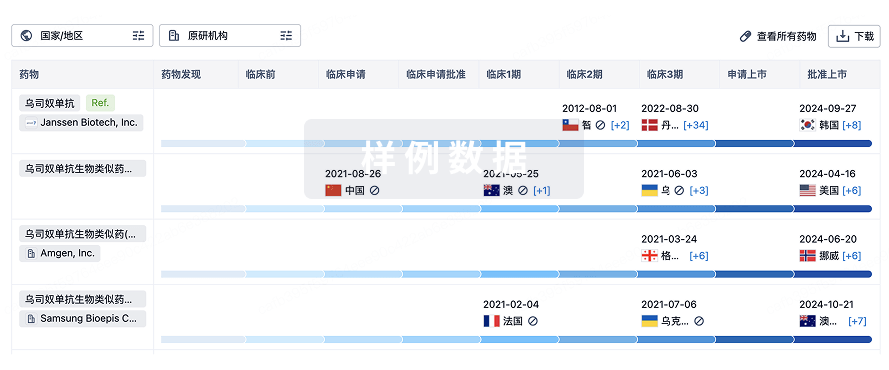
生物类似药
生物类似药在不同国家/地区的竞争态势。请注意临床1/2期并入临床2期,临床2/3期并入临床3期
登录
或
特殊审评
只需点击几下即可了解关键药物信息。
登录
或

提出任何生物医药研究问题
让每一步生物医药决策都精准制胜
基于十亿级生物数据与全球情报的精准 AI,赋能早期药物发现
立即开始免费试用!
智慧芽新药情报库是智慧芽专为生命科学人士构建的基于AI的创新药情报平台,助您全方位提升您的研发与决策效率。
立即接入生物医药数据包
智慧芽新药库数据也通过智慧芽开放平台,以MCP或API服务形式对外开放。立即使用我们的MCP服务定制您的LLM智能体。
生物序列数据库
生物药研发创新
免费使用
化学结构数据库
小分子化药研发创新
免费使用