预约演示
更新于:2026-05-16
EP4 Receptor Antagonist(TCG Lifesciences)
更新于:2026-05-16
概要
基本信息
非在研机构- |
权益机构- |
最高研发阶段临床前 |
首次获批日期- |
最高研发阶段(中国)- |
特殊审评- |


关联
100 项与 EP4 Receptor Antagonist(TCG Lifesciences) 相关的临床结果
登录后查看更多信息
100 项与 EP4 Receptor Antagonist(TCG Lifesciences) 相关的转化医学
登录后查看更多信息
100 项与 EP4 Receptor Antagonist(TCG Lifesciences) 相关的专利(医药)
登录后查看更多信息
106
项与 EP4 Receptor Antagonist(TCG Lifesciences) 相关的文献(医药)2025-06-01·British Journal of Pharmacology
Systemic EP4 receptor agonist and Arginase‐1 therapy in a murine model of chronic asthma and influenza virus‐induced asthma exacerbation
Article
作者: Kolahian, Saeed ; Bloch, Konstantin ; Gercke, Philipp ; Vedder, Nora ; Vetter, Charlotte ; Brunn, Tobias ; Lange, Tim ; van Geffen, Chiel
Background and Purpose:
Myeloid‐derived suppressor cells (MDSCs) play important roles in the pathogenesis of asthma. Recent studies demonstrate that their function can be modulated by different pharmacological approaches. In this study, we focussed on the effects of systemically administered prostaglandin EP4 receptor agonist L‐902,688 and pegylated human Arginase‐1 on MDSCs in a murine model of chronic asthma and asthma exacerbation.
Experimental Approach:
BALB/c mice were challenged with house dust mite (HDM) over a period of 5 weeks, establishing a chronic asthma phenotype. To induce asthma exacerbation, mice were infected with Influenza Virus H1N1 A/Puerto Rico/8/1934. In vivo lung function, lung inflammatory features, number and suppressive activity of MDSCs, number of different T cell subsets in lung and spleen and viral titer in the bronchoalveolar lavage fluid (BALF) were assessed.
Key Results:
In asthmatic mice, treatment with the EP4 receptor agonist or Arginase‐1 significantly reduced the number of eosinophils in the BALF. Both treatments improved lung function and ameliorated airway hyperresponsiveness (AHR) in asthma exacerbation. The number and suppressive activity of MDSCs in the lung were increased by virus‐induced asthma exacerbation.
Conclusion and Implications:
We found beneficial effects of systemic EP4 receptor agonist and Arginase‐1 therapy in a murine model of chronic asthma and influenza virus‐induced asthma exacerbation. Our findings highlight the potential efficacy of EP4 receptor agonists, Arginase‐1, and MDSCs, as novel therapeutic approaches in asthma and asthma exacerbation.
2025-06-01·Chemical Biology & Drug Design
Discovery of 1‐(Cyclopropylmethyl)‐2‐(Dibenzo[b,d]Thiophen‐2‐yl)‐1H ‐Benzo[d]Imidazole‐5‐Carboxylic Acid as Orally Bioavailable EP4 Receptor Antagonist
Article
作者: Basu, Sohini ; Das, Sonali ; Phukan, Karabi ; Mondal, Susanta K. ; Roy, Chandreyee ; Kumar, Sanjay ; Mondal, Trisha ; Kundu, Mrinalkanti ; Subudhi, Enketeswara ; Roy, Subhasis ; Chakraborty, Sabyasachi ; Banerjee, Manish ; Sen, Priyam ; Malik, Pradip ; Paul, Debajyoti ; De Mandal, Surajit ; Hajra, Arun K. ; Chakraborty, Rajib ; Bera, Rammohan
ABSTRACT:
The prostaglandin E2 (PGE2) regulates several biological processes via interaction with 1 of 4 E‐type prostanoid receptors (EP1–EP4). The E‐type prostanoid receptor 4 (EP4) is expressed primarily on myeloid cells, T lymphocytes, and tumor cells, and has emerged as a major contributor to PGE2‐mediated enhancement of tumor survival pathways and as a suppressor of innate and adaptive antitumor immune responses. To date, significant work on the discovery of EP4 receptor antagonists has been carried out, but no compound has been approved for use in humans yet. Toward our aim of discovering potential EP4 antagonists, a pharmacophore‐based scaffold‐hopping approach combined with docking studies has been envisaged. As a result, compound 4 was found to be a non‐toxic, potent EP4 antagonist binding in the orthosteric site. This compound exhibited good aqueous solubility, with acceptable in vitro metabolic stability and permeability. Albeit high protein binding, it displayed sustained exposure and significant oral bioavailability in mice and can thus have the potential for further optimization to yield next‐generation EP4 antagonists.
2024-12-01·BIOCHEMICAL PHARMACOLOGY
Pharmacological characterization of prostaglandin E2 EP2 and EP4 receptors in male rat locus coeruleus neurons ex vivo
Article
作者: Mendiguren, Aitziber ; Pineda, Joseba ; Nazabal, Amaia
The inflammatory mediator prostaglandin E2 (PGE2) binds to Gs-coupled EP2 and EP4 receptors. These receptors are located in the locus coeruleus (LC), the principal noradrenergic nucleus in the brain, but their functional role remains unknown. In this study, the PGE2 EP2 and EP4 receptors in LC cells from male rat brain slices were pharmacologically characterized by single-unit extracellular electrophysiology. The EP2 receptor agonists butaprost (0.01-10 μM) and treprostinil (0.03-10 µM) and the EP4 receptor agonists rivenprost (0.01 nM-1 µM) and TCS2510 (0.20 nM-2 µM) increased the firing rate of LC neurons in a concentration-dependent manner. The EP2 receptor antagonist PF-04418948 (10 nM) hindered the excitatory effect of butaprost and treprostinil while the EP4 receptor antagonist L-161,982 (30 and 300 nM) blocked the excitatory effect caused by rivenprost and TCS2510. The effects of butaprost and rivenprost were prevented by extracellular sodium replacement but were not modified by the protein kinase A (PKA) activator 8-Br-cAMP (1 mM) or the inhibitor H-89 (10 μM). However, the Gβγ subunit blocker gallein (20 μM) hindered the stimulatory effect of butaprost while the Gαs subunit inhibitor NF449 (10 µM) prevented that of rivenprost. Finally, rivenprost-induced stimulation (30 nM) was not occluded by butaprost (1 µM). In conclusion, activation of EP2 and EP4 receptors excites LC noradrenergic neurons through sodium-dependent currents via different G protein subunits in male rat brain slices. EP2 and EP4 in the LC may constitute pharmacological targets for the treatment of pain, fever, drug addiction, anxiety and neuroinflammatory diseases.
1
项与 EP4 Receptor Antagonist(TCG Lifesciences) 相关的新闻(医药)2026-01-12
Kainova Therapeutics rebrand reflects expanding capabilities powering next stage of corporate growth
Kainova champions scientific agility, bold ambition, and unity of purpose
MONTREAL, STRASBOURG, France and BOSTON, Jan. 12, 2026 /PRNewswire/ -- Kainova Therapeutics ("Kainova" or "the Company"), a catalyst for breakthrough treatments for patients in immuno-oncology and inflammation, today announced a transformative rebrand. The new name and brand reflect the Company's clinical momentum, global focus, and readiness for the next chapter of strategic growth, anchored by a mature pipeline of G Protein-Coupled Receptor (GPCR)-modulating therapies.
The name "Kainova" combines "Kairos," the opportune or decisive moment, and "Nova," symbolizing innovation and renewal. It embodies the Company's transformation and ambition, reflecting its drive to innovate, determination to deliver, and commitment to therapies that truly transform lives. Built on a strong scientific foundation, a proprietary discovery platform, an integrated development approach, and experienced leadership, the new brand underscores Kainova's commitment to clinical excellence, value creation, and lasting impact.
"The rebrand is not a break from our scientific or strategic roots",
said Sean A. MacDonald, Chief Executive Officer of Kainova Therapeutics. "It is the clearer expression of who we are today and the impact we strive to deliver for patients. It highlights a continuation between our past successes and the growth path we envision for the future. Above all, Kainova Therapeutics embodies our belief that better is always possible."
Leveraging decades of scientific and medical expertise and a proven track record of collaborations with pharma, Kainova is advancing innovative, clinically differentiated therapies designed to unlock the untapped potential of GPCRs.
Kainova employs a fully integrated, forward-thinking approach to GPCR drug discovery and smart development, moving programs efficiently from concept to clinic and strengthening its position as a leader in the field. The Company's leading programs include DT-7012, a Treg-depleting anti-CCR8 antibody with competitive properties in Phase I/II trials for solid tumors, DT-9046, a first-in-modality, pre-IND biased PAR2 antagonist in inflammation, and DT-9081, a Phase II-ready EP4 receptor antagonist for solid tumors.
With operations in North America, France, and Australia, and a growing clinical pipeline, Kainova is entering its next chapter, shaping the future of GPCR-modulating therapies, transforming lives, and expanding its global reach.
The Kainova leadership will be in San Francisco during the J.P. Morgan Healthcare Conference, January 12–15, 2026, and welcomes the opportunity to share how the Company is advancing its clinical pipeline of GPCR-modulating therapies to create a meaningful impact for patients.
About Kainova Therapeutics
Kainova Therapeutics is a clinical-stage biopharmaceutical company, headquartered in Montreal, Canada, driving a robust pipeline of breakthrough therapies that precisely modulate G protein-coupled receptors (GPCRs) to transform patient outcomes, particularly in immuno-oncology and inflammation. Kainova's key programs include a unique clinical-stage Treg-depleting anti-CCR8 antibody with differentiated competitive features and a first-in-class pre-IND stage biased antagonist of PAR2.
By unlocking challenging and unexploited GPCR targets through its validated approach that integrates deep biological knowledge, Kainova delivers highly differentiated therapies designed to address unmet medical needs and improve therapeutic efficacy. Grounded in scientific excellence and recognized for a solid track record of collaborations with major pharma, physicians and KOLs worldwide, Kainova creates long-term value in competitive and fast-expanding markets.
Operating in North America, France and Australia, Kainova is progressing with clinical momentum towards global commercialization. As GPCRs gain renewed attention as next-generation drug targets, Kainova is uniquely positioned to lead the field, combining deep biological insight with commercial maturity to drive global impact.
About GPCRs
GPCRs are the most important class of therapeutic targets in the pharma industry and play strategic roles in complex signaling cascades, being responsible for translating extracellular signals into intracellular actions, making them critical for various biological processes and attractive for therapeutic intervention. Despite being the most validated drug target family, with 30-35% of all marketed drugs acting on them, they remain challenging to drug, with existing drugs targeting only 10% of the total potential GPCR targets. While most efforts in GPCR drug discovery and development have traditionally focused on central nervous system and cardio-metabolic disorders, Kainova recognizes the untapped potential of GPCRs in immuno-oncology and inflammatory disease areas where GPCRs have not been as extensively explored.
SOURCE Kainova Therapeutics
21%
more press release views with
Request a Demo
临床2期
100 项与 EP4 Receptor Antagonist(TCG Lifesciences) 相关的药物交易
登录后查看更多信息
研发状态
10 条进展最快的记录, 后查看更多信息
登录
| 适应症 | 最高研发状态 | 国家/地区 | 公司 | 日期 |
|---|---|---|---|---|
| 肿瘤 | 临床前 | 印度 | 2025-05-31 | |
| 肿瘤 | 临床前 | 印度 | 2025-05-31 |
登录后查看更多信息
临床结果
临床结果
适应症
分期
评价
查看全部结果
| 研究 | 分期 | 人群特征 | 评价人数 | 分组 | 结果 | 评价 | 发布日期 |
|---|
No Data | |||||||
登录后查看更多信息
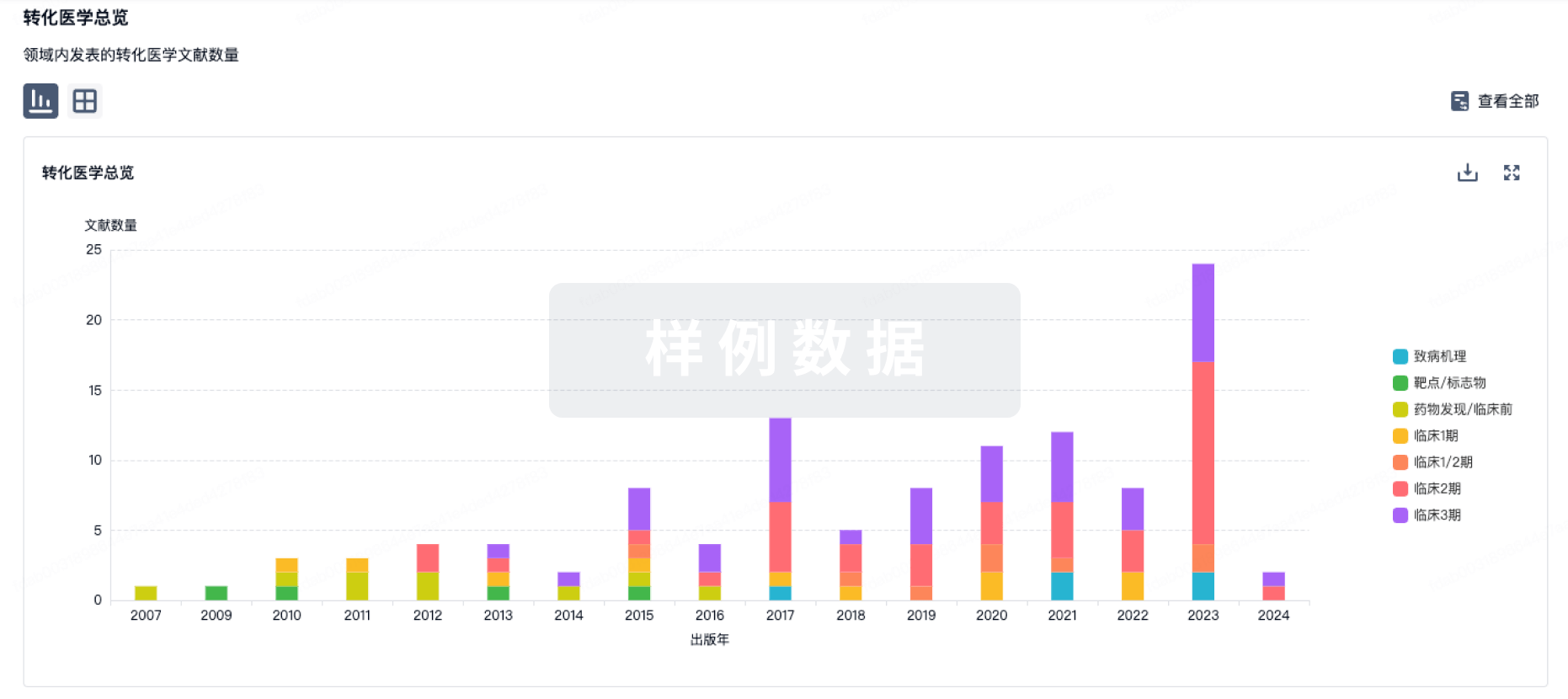
转化医学
使用我们的转化医学数据加速您的研究。
登录
或
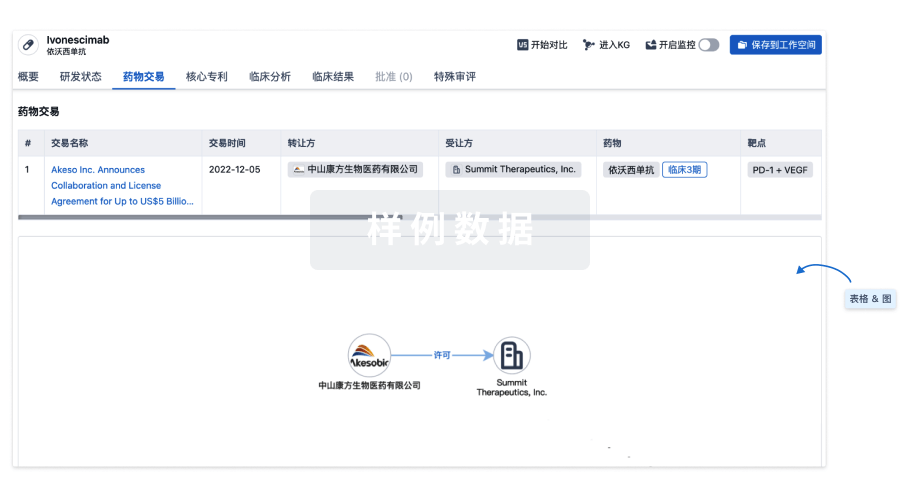
药物交易
使用我们的药物交易数据加速您的研究。
登录
或
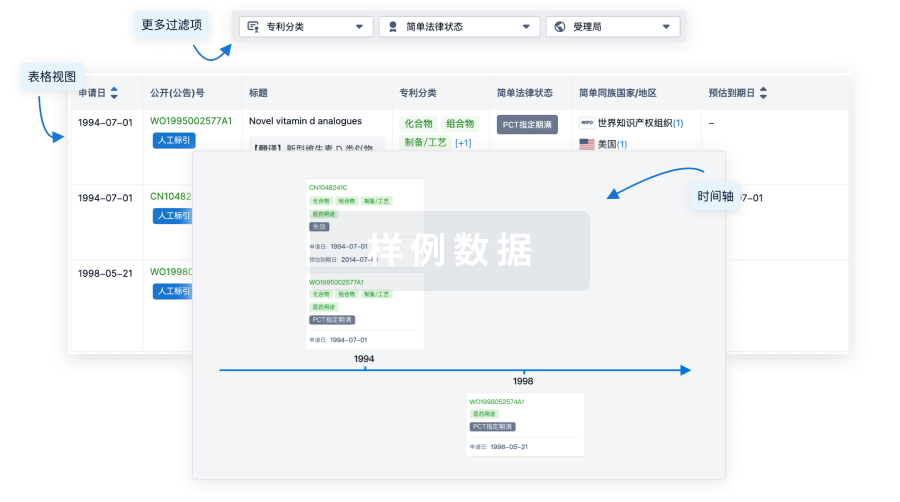
核心专利
使用我们的核心专利数据促进您的研究。
登录
或
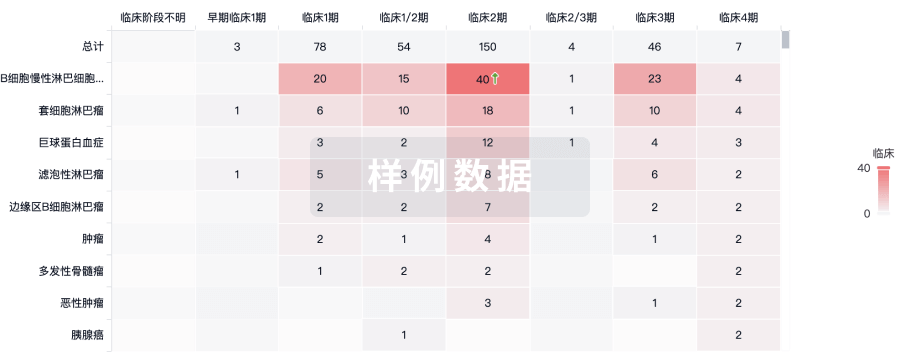
临床分析
紧跟全球注册中心的最新临床试验。
登录
或
批准
利用最新的监管批准信息加速您的研究。
登录
或
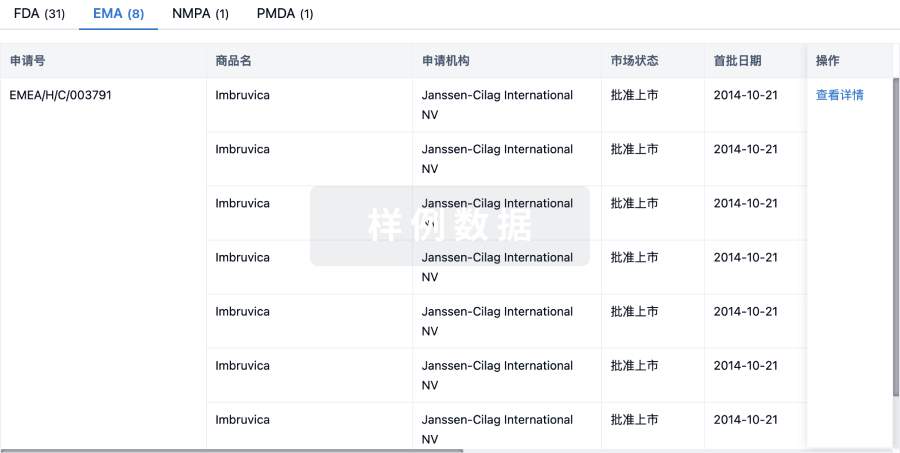
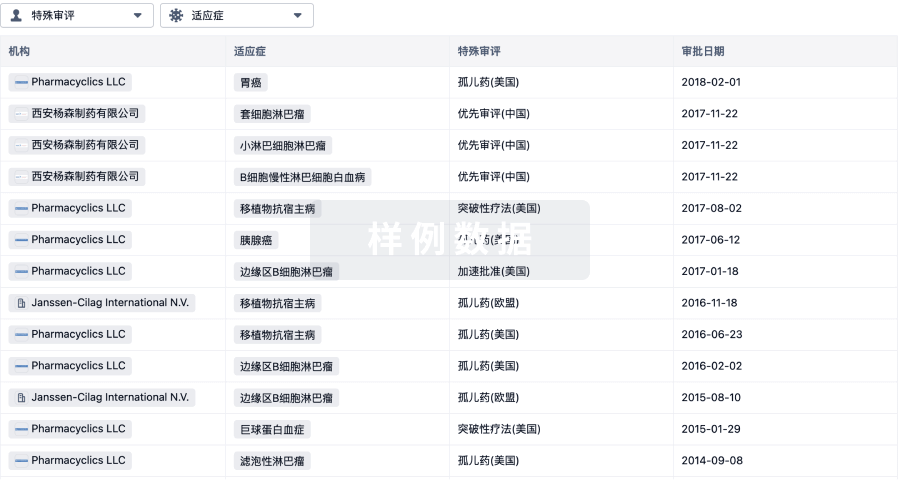
特殊审评
只需点击几下即可了解关键药物信息。
登录
或
提出任何生物医药研究问题
让每一步生物医药决策都精准制胜
基于十亿级生物数据与全球情报的精准 AI,赋能早期药物发现
立即开始免费试用!
智慧芽新药情报库是智慧芽专为生命科学人士构建的基于AI的创新药情报平台,助您全方位提升您的研发与决策效率。
立即接入生物医药数据包
智慧芽新药库数据也通过智慧芽开放平台,以MCP或API服务形式对外开放。立即使用我们的MCP服务定制您的LLM智能体。
生物序列数据库
生物药研发创新
免费使用
化学结构数据库
小分子化药研发创新
免费使用