预约演示
更新于:2026-02-07
AZD-0186
更新于:2026-02-07
概要
基本信息
原研机构 |
在研机构- |
非在研机构 |
权益机构- |
最高研发阶段终止临床1期 |
首次获批日期- |
最高研发阶段(中国)- |
特殊审评- |

登录后查看时间轴
关联
1
项与 AZD-0186 相关的临床试验NCT05694741
A Phase 1 Randomized, Single-blind, Placebo-controlled, First-in-Human and Sequential Group Study to Assess Safety, Tolerability, and Pharmacokinetics of AZD0186 Following Single Ascending Doses Via Oral Administration
100 项与 AZD-0186 相关的临床结果
登录后查看更多信息
100 项与 AZD-0186 相关的转化医学
登录后查看更多信息
100 项与 AZD-0186 相关的专利(医药)
登录后查看更多信息
1
项与 AZD-0186 相关的文献(医药)2025-10-01JOURNAL OF PHARMACOLOGY AND EXPERIMENTAL THERAPEUTICS
Preclinical evaluation and first-in-human phase 1 trial of AZD0186, a novel, oral small molecule glucagon-like peptide-1 receptor agonist
Article
作者: van Zuydam, Natalie ; Davies, Graeme ; Eckernäs, Daniel ; Brighton, Cheryl A ; Field, Joss ; Hansen, Lars ; Grundevik, Pernilla ; Lundqvist, Sara ; Qi, Weier ; Fredberg, Monica ; Logue, Jennifer ; Boca, Simina M ; Wallenius, Kristina ; Melin, Johanna ; Omar, Sami ; Boianelli, Alessandro ; Polla, Magnus ; Janzén, David ; Träff, Annika Maria ; Snijder, Arjan ; Pettersen, Daniel
Small molecule glucagon-like peptide-1 receptor agonist AZD0186 was developed to provide accessible and convenient treatment for a broad patient population with type 2 diabetes mellitus and/or obesity. We describe the preclinical and first-in-human single ascending dose data (NCT05694741) for this novel small molecule glucagon-like peptide-1 receptor agonist. AZD0186 was profiled in cell lines overexpressing human or cynomolgus glucagon-like peptide-1 receptor (GLP-1R) and in human-derived EndoC-βH5 cells. Glucose-stimulated insulin secretion (GSIS) was assessed following an intravenous glucose tolerance test in obese nonhuman primates and humanized GLP-1R (hGLP-1R) mice. Effects of oral repeated dosing on body weight and food intake were assessed in hGLP-1R mice. AZD0186 was evaluated at 4 oral single ascending dose levels (5, 15, 50, and 150 mg) in healthy participants. Results showed that AZD0186 is potent on the hGLP-1R and showed a concentration-dependent potentiation of GSIS in EndoC-βH5 cells (EC50 = 0.6 nM). Insulin secretion was enhanced in obese nonhuman primates at all 3 dose levels evaluated following an intravenous glucose tolerance test. In hGLP-1R mice, body weight was reduced 9.9% ± 2.3% (mean ± SD) following 5 days of oral dosing (25 mg/kg per day twice a day). In the healthy participants, AZD0186 was well tolerated, with nausea reported at 150 mg, in keeping with GLP-1RA class effects. Across the dose range, AZD0186 area under the concentration-time curve increased in an approximately dose-proportional manner. Median terminal half-life ranged from 1.95 to 7.58 hours. Findings demonstrate that AZD0186 is a potent agonist of the GLP-1R, and the first-in-human study indicates a favorable safety and tolerability profile. SIGNIFICANCE STATEMENT: AZD0186 is a novel small molecule glucagon-like peptide-1 receptor agonist that allows for oral dosing. We describe the preclinical and first-in-human single ascending dose data for AZD0186. The findings demonstrate that AZD0186 is a potent agonist of the human glucagon-like peptide-1 receptor, improves glucose control and reduces body weight in a human glucagon-like peptide-1 receptor mouse model, and has a favorable safety and tolerability profile in healthy human participants.
13
项与 AZD-0186 相关的新闻(医药)2025-06-28
·同写意
上市批准
2024-02-06
·生物谷
并购临床3期临床2期临床成功临床结果
2023-11-20
·药研网
抗体药物偶联物临床1期引进/卖出临床2期
100 项与 AZD-0186 相关的药物交易
登录后查看更多信息
研发状态
10 条进展最快的记录, 后查看更多信息
登录
| 适应症 | 最高研发状态 | 国家/地区 | 公司 | 日期 |
|---|---|---|---|---|
| 2型糖尿病 | 临床1期 | 美国 | 2022-12-20 |
登录后查看更多信息
临床结果
临床结果
适应症
分期
评价
查看全部结果
登录后查看更多信息
转化医学
使用我们的转化医学数据加速您的研究。
登录
或
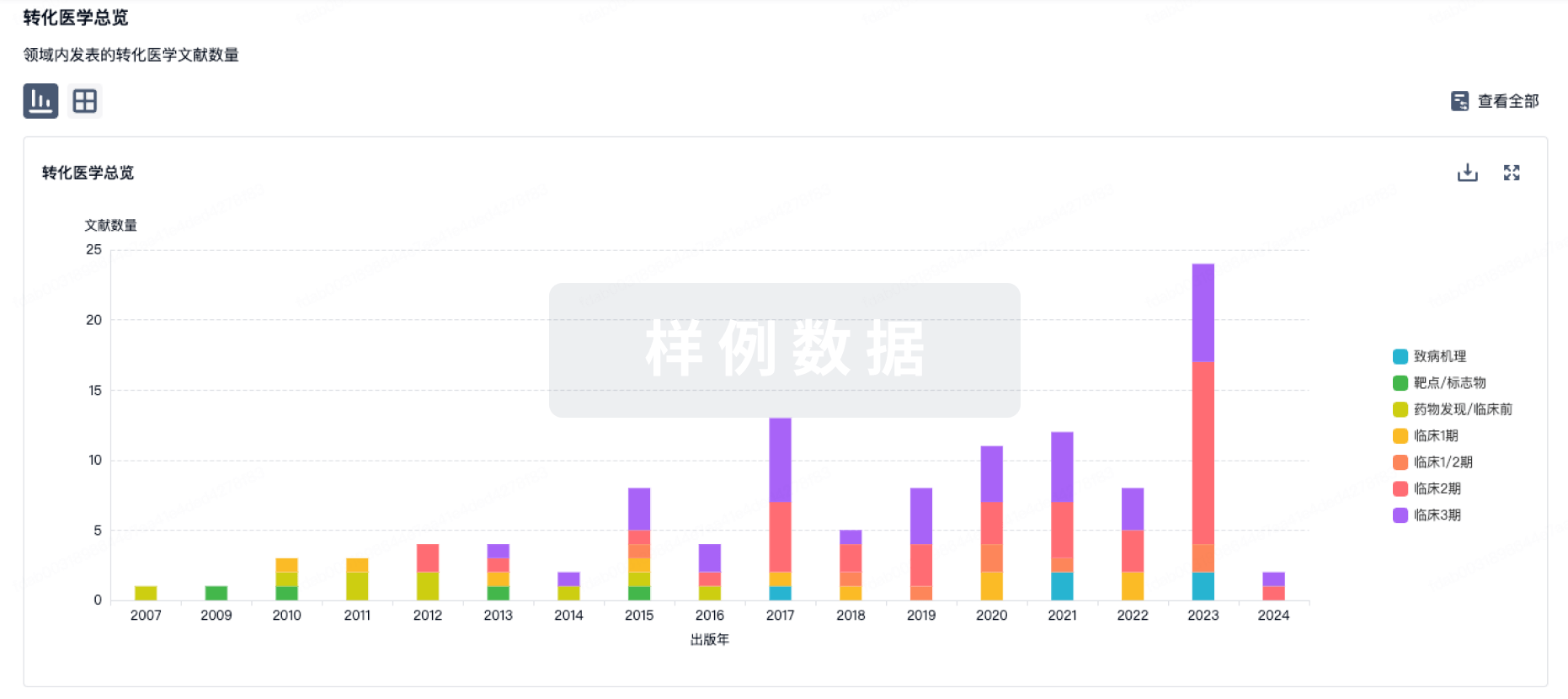
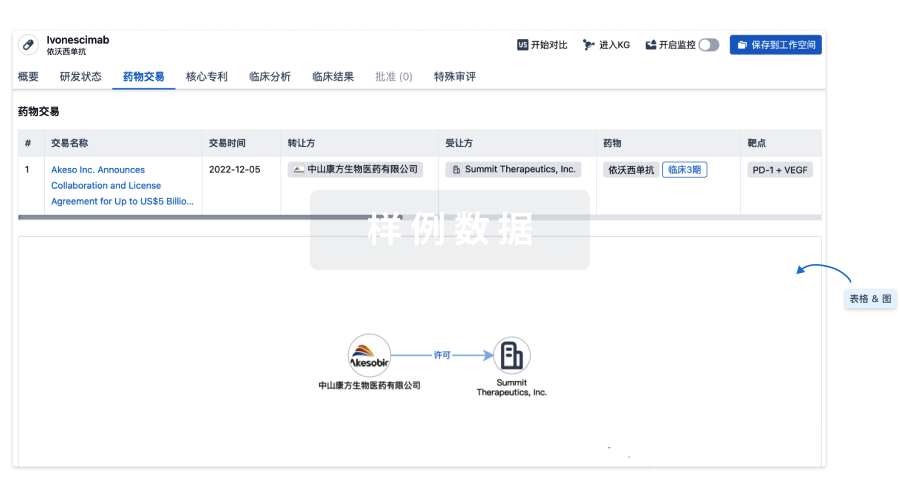
药物交易
使用我们的药物交易数据加速您的研究。
登录
或
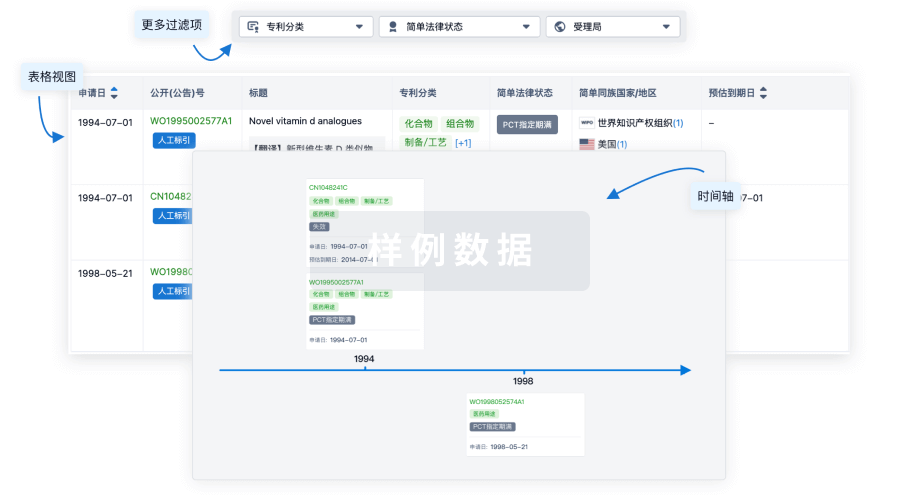
核心专利
使用我们的核心专利数据促进您的研究。
登录
或
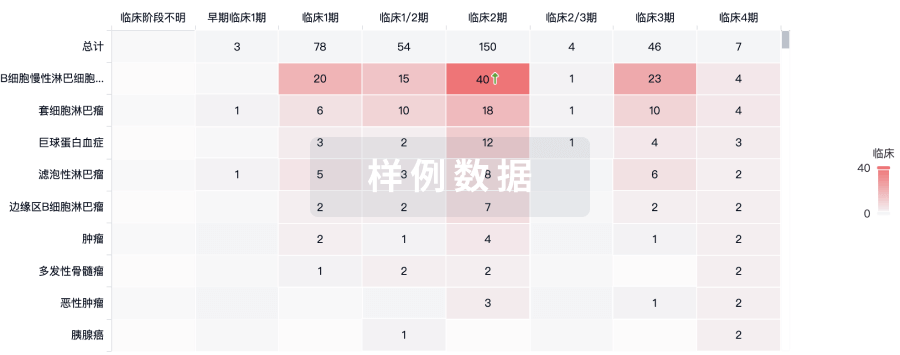
临床分析
紧跟全球注册中心的最新临床试验。
登录
或
批准
利用最新的监管批准信息加速您的研究。
登录
或
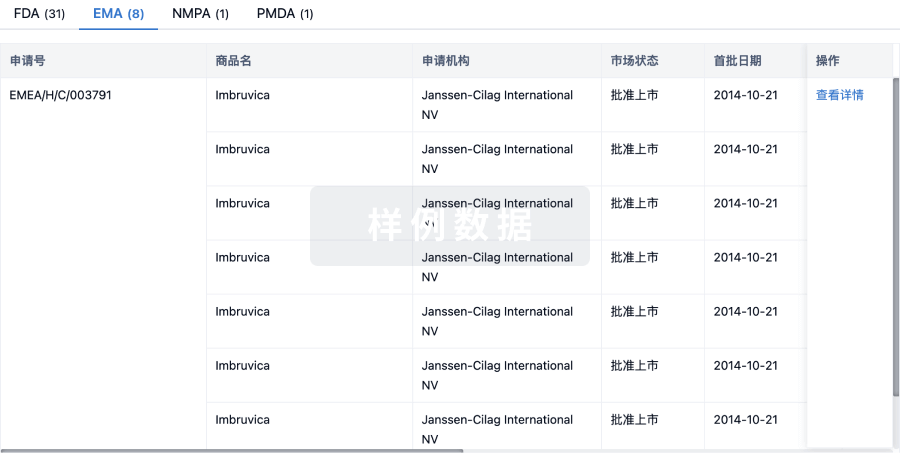
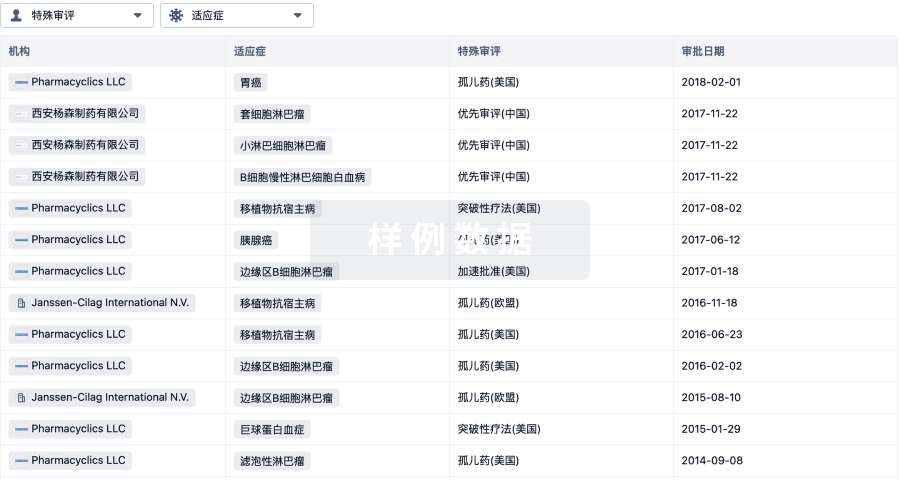
特殊审评
只需点击几下即可了解关键药物信息。
登录
或
生物医药百科问答
全新生物医药AI Agent 覆盖科研全链路,让突破性发现快人一步
立即开始免费试用!
智慧芽新药情报库是智慧芽专为生命科学人士构建的基于AI的创新药情报平台,助您全方位提升您的研发与决策效率。
立即开始数据试用!
智慧芽新药库数据也通过智慧芽数据服务平台,以API或者数据包形式对外开放,助您更加充分利用智慧芽新药情报信息。
生物序列数据库
生物药研发创新
免费使用
化学结构数据库
小分子化药研发创新
免费使用