预约演示
更新于:2025-08-27
Peking University School of Pharmaceutical Sciences
北京大学药学院|教育|中国北京市
北京大学药学院|教育|中国北京市
更新于:2025-08-27
概览
标签
其他疾病
神经系统疾病
肿瘤
小分子化药
转运RNA
蛋白水解靶向嵌合体(PROTAC)
疾病领域得分
一眼洞穿机构专注的疾病领域

技术平台
公司药物应用最多的技术
靶点
公司最常开发的靶点
关联
靶点 |
作用机制 |
在研机构 |
原研机构 |
在研适应症 |
非在研适应症 |
最高研发阶段 |
首次获批国家/地区 |
首次获批日期 |
靶点 |
作用机制 |
在研机构 |
原研机构 |
在研适应症 |
非在研适应症 |
最高研发阶段 |
首次获批国家/地区 |
首次获批日期 |
靶点 |
作用机制 |
在研机构 |
原研机构 |
在研适应症 |
非在研适应症 |
最高研发阶段 |
首次获批国家/地区 |
首次获批日期 |

ChiCTR2400084056
The application of digital technology in immediate implant placement and restoration after tooth extraction
ChiCTR2300074225
Construction and preliminary application of the resistance exercise program for community elderly with MCI based on nudge
ChiCTR2200065885
Cognitive screening and follow-up of the elderly in community: a cohort study
100 项与 北京大学药学院 相关的临床结果
登录后查看更多信息
登录后查看更多信息
2025-07-01Circulation-Cardiovascular Quality and Outcomes
Impact of the Volume-Based Procurement Policy on the Use of Coronary Stents in China: Cross-Sectional Study
Letter
作者: Da, Linlin ; Wu, Yongyi ; Zhao, Wei ; Yang, Zhao ; Li, Jianping ; Jiang, Bin ; Ross-Degnan, Dennis ; Li, Yuxi ; Ni, Liangyu ; Zhu, Qiyun
2025-06-18Beijing da xue xue bao. Yi xue ban = Journal of Peking University. Health sciences
[Dynamic distribution and clearance of 99mTc-DTPA in brain extracellular space].
Article
作者: Han, H ; Lv, P ; Wang, Y ; Cheng, Y ; Ren, M ; Yuan, L ; Long, R ; Gao, T ; Liu, D ; Xie, Z ; Zou, J ; Liu, M ; Xu, Z
OBJECTIVE:
To explore the distribution and clearance of 99mTc labeled diethylenetriamine pentaacetic acid (99mTc-DTPA) in different brain regions of adult rats after administration through brain extracellular space (ECS) pathway.
METHODS:
After the injection of a volume of 2 μL and radioactive activity of about 3.7 MBq (100 μCi) of 99mTc-DTPA into the caudate nucleus and thalamus of SD rats through stereotactic positioning of rat brain, the single photon emission computed tomography/computed tomography (SPECT/CT) for small animals was used for imaging at different time points, and the dyna-mic distribution and clearance of the tracer in the whole body were observed continuously. The SD rats were injected with 99mTc-DTPA into thalamus and caudate nucleus respectively for biological distribution in vivo. They were put to death 4 h later. Their blood and urine were collected. The brain, cerebellum, heart, liver, spleen, lung, and kidney were taken and weighed by γ counter to measure its radioactivity.
RESULTS:
SPECT/CT imaging results showed that after 99mTc-DTPA was administered through brain ECS, the radioactivity was concentrated in the brain, kidney and bladder. The tracer administered to the left caudate nucleus was preferentially drained to the right cerebellum, while the tracer administered to the right caudate nucleus was preferentially drained to the left cerebellum. There was a phenomenon of "contralateral cerebellar dominant drainage" in the caudate nucleus. The thalamic area preferentially drained to the ipsilateral cerebellum after administration. Four hours after administration via ECS, high radioactive uptake appeared in urine, cerebellum and brain, followed by blood and kidney. The radioactive uptake values of heart, liver, spleen and lung were low, which were mainly excreted through urinary system.
CONCLUSION:
Intracerebral ECS administration is a promising method of administration, but there are significant differences in distribution and clearance in different brain regions. This study further expands the content and significance of "ECS regions", and also provides an important theoretical foundation for the treatment of encephalopathy and the research of new drugs through brain ECS in the future.
2025-02-28ACS Sensors
Development of a Genetically Encoded Sensor for Arginine
Article
作者: Zhang, Xiaoxue ; Rao, Yi ; Wang, Chun ; Mao, Haoyu ; Xian, Yi
The amino acid l-arginine (Arg) plays important roles in multiple metabolic and physiological processes, and changes in its concentration have been implicated in pathological processes. While it is important to measure Arg levels in biological systems directly and in real-time, existing Arg sensors respond to l-ornithine or l-lysine. Here we report ArgS1, a new Arg sensor. It showed a concentration-dependent increase in the ratio Ex488/405 for Arg with an apparent affinity of ∼64 μM and with a dynamic range (ΔR/R0) of 3. ArgS1 responds to Arg in both the cytoplasm and the subcellular organelles. ArgS1 monitored Arg levels in MDA-MB-231 cells, a breast cancer cell line deficient in a key enzyme for Arg synthesis (arginino-succinate synthetase1, ASS1) and amenable to Arg depletion therapy. We found that Arg levels in MDA-MB-231 cells decreased after depletion of extracellular Arg with a concomitant decline in cell viability. When ASS1 was overexpressed in the cells, Arg levels increased and cell viability was also enhanced. Thus, ArgS1 is an effective tool for real-time monitoring of Arg in human cells over a dynamic range of physiological and pathological relevance.
100 项与 北京大学药学院 相关的药物交易
登录后查看更多信息
100 项与 北京大学药学院 相关的转化医学
登录后查看更多信息
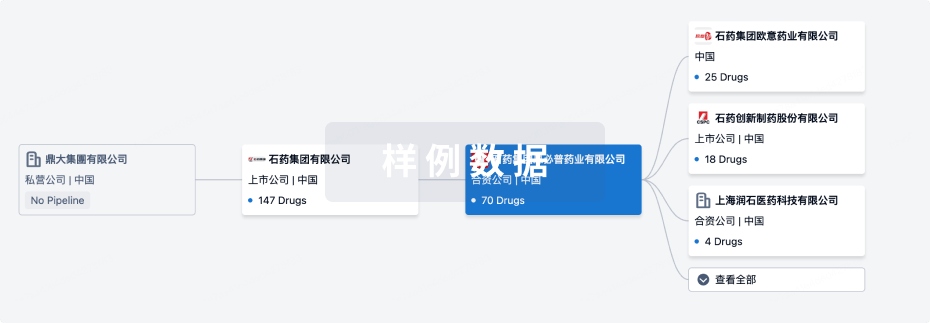
组织架构
使用我们的机构树数据加速您的研究。
登录
或
管线布局
2026年05月22日管线快照
管线布局中药物为当前组织机构及其子机构作为药物机构进行统计,早期临床1期并入临床1期,临床1/2期并入临床2期,临床2/3期并入临床3期
药物发现
2
3
临床前
其他
2
登录后查看更多信息
当前项目
登录后查看更多信息
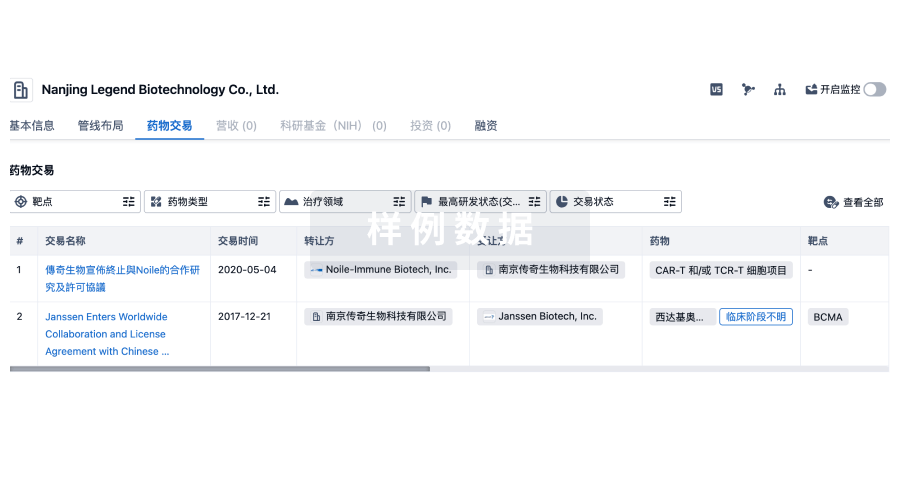
药物交易
使用我们的药物交易数据加速您的研究。
登录
或
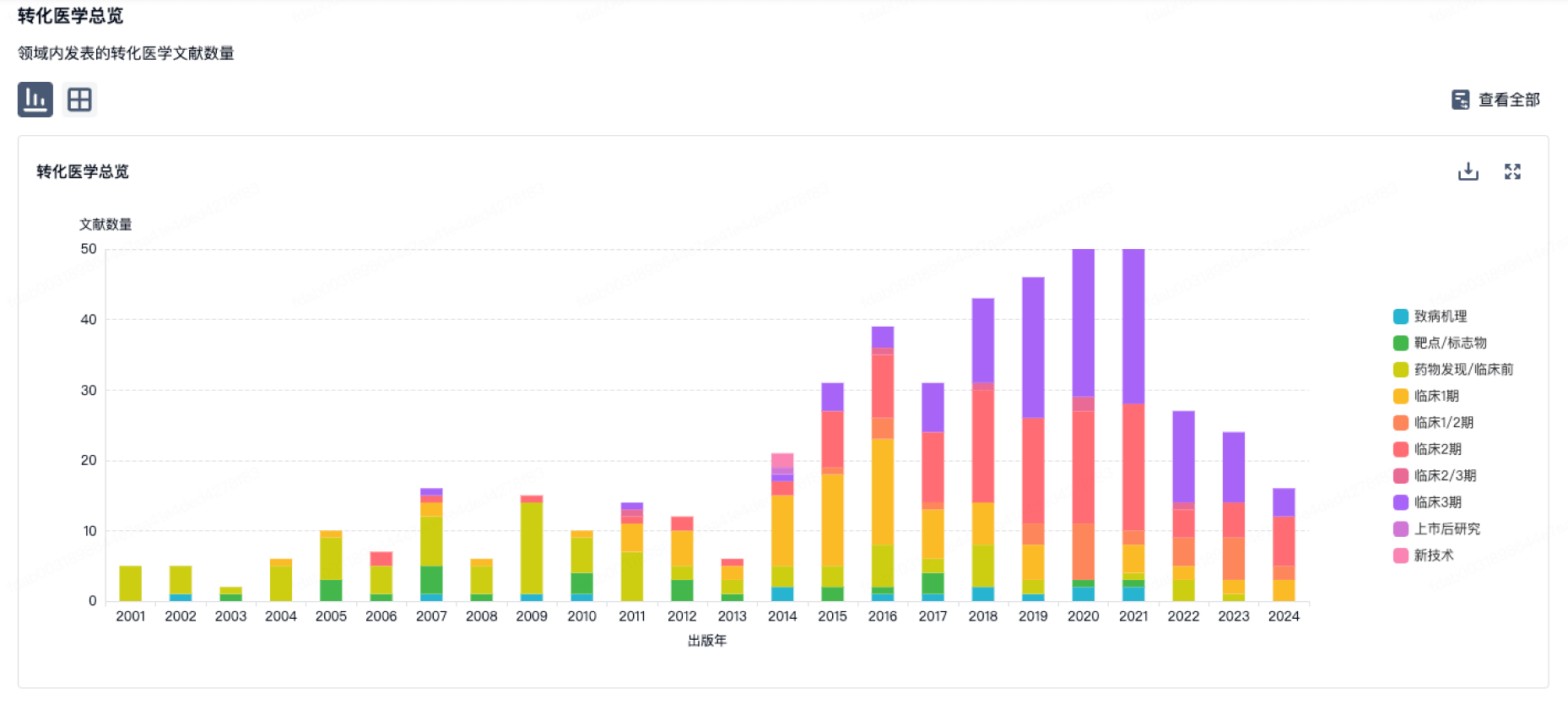
转化医学
使用我们的转化医学数据加速您的研究。
登录
或
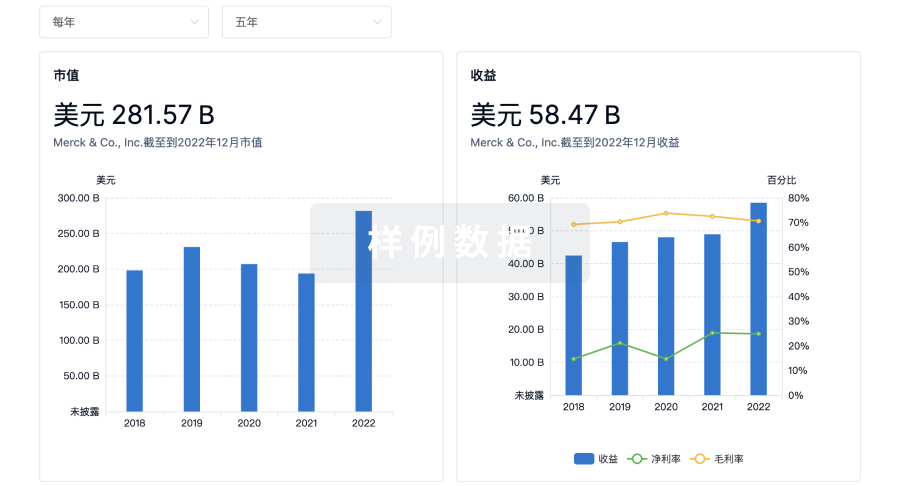
营收
使用 Synapse 探索超过 36 万个组织的财务状况。
登录
或
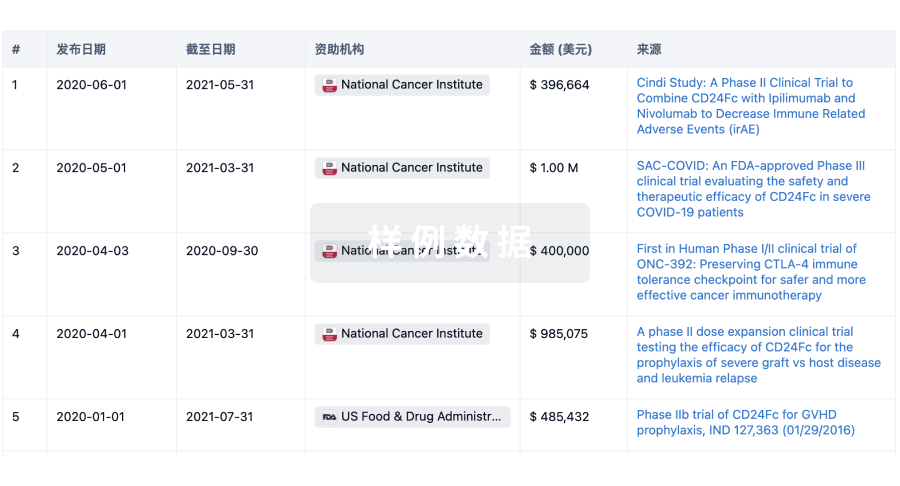
科研基金(NIH)
访问超过 200 万项资助和基金信息,以提升您的研究之旅。
登录
或
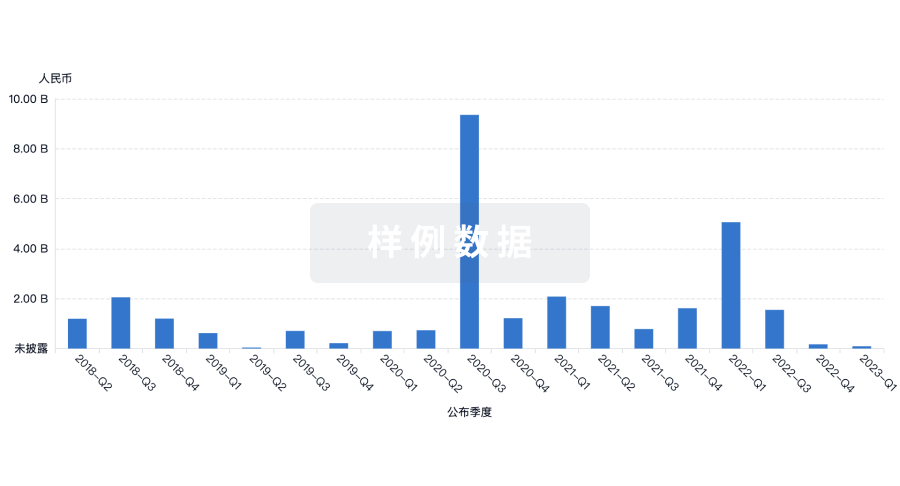
投资
深入了解从初创企业到成熟企业的最新公司投资动态。
登录
或
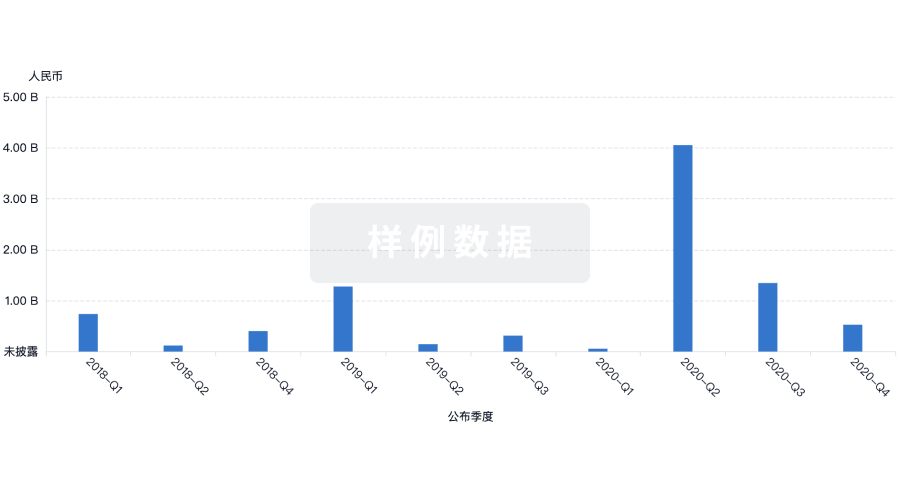
融资
发掘融资趋势以验证和推进您的投资机会。
登录
或
生物医药百科问答
全新生物医药AI Agent 覆盖科研全链路,让突破性发现快人一步
立即开始免费试用!
智慧芽新药情报库是智慧芽专为生命科学人士构建的基于AI的创新药情报平台,助您全方位提升您的研发与决策效率。
立即开始数据试用!
智慧芽新药库数据也通过智慧芽数据服务平台,以API或者数据包形式对外开放,助您更加充分利用智慧芽新药情报信息。
生物序列数据库
生物药研发创新
免费使用
化学结构数据库
小分子化药研发创新
免费使用