预约演示
更新于:2026-02-19

Sergenex Co. Ltd.
更新于:2026-02-19
概览
标签
肿瘤
其他疾病
泌尿生殖系统疾病
siRNA
疾病领域得分
一眼洞穿机构专注的疾病领域
技术平台
公司药物应用最多的技术
靶点
公司最常开发的靶点

暂无数据
关联
US20240327832
专利挖掘靶点 |
作用机制 |
在研机构 |
原研机构 |
在研适应症 |
非在研适应症 |
最高研发阶段 |
首次获批国家/地区 |
首次获批日期 |
100 项与 Sergenex Co. Ltd. 相关的临床结果
登录后查看更多信息
登录后查看更多信息
2024-01-01Annals of surgical treatment and research
Pioneering PGC-1α–boosted secretome: a novel approach to combating liver fibrosis
Article
作者: Kim, Say-June ; Park, Jung Hyun ; Seo, Chang Ho ; Lee, Sang Chul ; Hong, Tae Ho ; Kim, Ok-Hee ; Lee, Dosang ; Choi, Ho Joong ; Na, Gun Hyung ; Kim, Kee-Hwan
Purpose:
Liver fibrosis is a critical health issue with limited treatment options. This study investigates the potential of PGC-Sec, a secretome derived from peroxisome proliferator-activated receptor gamma coactivator 1-alpha (PGC-1α)-overexpressing adipose-derived stem cells (ASCs), as a novel therapeutic strategy for liver fibrosis.
Methods:
Upon achieving a cellular confluence of 70%-80%, ASCs were transfected with pcDNA-PGC-1α. PGC-Sec, obtained through concentration of conditioned media using ultrafiltration units with a 3-kDa cutoff, was assessed through in vitro assays and in vitro mouse models.
Results:
In vitro, PGC-Sec significantly reduced LX2 human hepatic stellate cell proliferation and mitigated mitochondrial oxidative stress compared to the control-secretome. In an in vivo mouse model, PGC-Sec treatment led to notable reductions in hepatic enzyme activity, serum proinflammatory cytokine concentrations, and fibrosis-related marker expression. Histological analysis demonstrated improved liver histology and reduced fibrosis severity in PGC-Sec-treated mice. Immunohistochemical staining confirmed enhanced expression of PGC-1α, optic atrophy 1 (a mitochondrial function marker), and peroxisome proliferator-activated receptor alpha (an antifibrogenic marker) in the PGC-Sec-treated group, along with reduced collagen type 1A expression (a profibrogenic marker).
Conclusion:
These findings highlight the therapeutic potential of PGC-Sec in combating liver fibrosis by enhancing mitochondrial biogenesis and function, and promoting antifibrotic processes. PGC-Sec holds promise as a novel treatment strategy for liver fibrosis.
Biomedicines
Intraparenchymal Penicillin G Injection Promotes Wound Healing and Lowers POPF in Pigs After Pancreatic Surgery
Article
作者: Park, Jung Hyun ; Hong, Tae Ho ; Kim, Ok-Hee ; Choi, Ho Joong ; Kim, Kee-Hwan ; Lee, Dosang ; Kim, Say-June ; Jeon, Sang-Jin ; Han, Jae Hyun
Background: Postoperative pancreatic fistula (POPF) is a significant complication following pancreatic surgery, considerably influenced by the texture of the pancreatic tissue. This study aims to explore the potential of Penicillin G (PG) in reducing the severity of POPF in a porcine surgical model. Study Design: After performing distal pancreatectomy with pancreaticojejunostomy (PJ), pigs were administered either normal saline or varying concentrations of PG (0.75, 1.5, and 3.0 mM) at the PJ site. The study estimated POPF by measuring pancreatic hardness, tensile force, fibrosis, and amylase levels in Jackson-Pratt (JP) drain samples. Results: Intraparenchymal PG injection significantly increased pancreatic hardness and tensile force (p < 0.05) while upregulating profibrotic markers like MMP2 and TGF-β1, indicating enhanced fibrosis (p < 0.05). Importantly, these profibrotic changes reverted to baseline levels by POD 14, suggesting reversible fibrosis without lasting consequences. The 0.75 PG and 1.5 PG groups exhibited significantly lower JP amylase levels than the control group on both POD 3 and POD 4 (p < 0.05). Notably, the 0.75 PG group also demonstrated the highest survival rate compared to the 1.5 PG and NS groups (p < 0.05). Conclusions: The intrapancreatic PG injection could effectively reduce the severity of POPF by promoting wound healing through intensified fibrosis around the PJ site.
Journal of Cancer Research and Clinical Oncology
A novel strategy for sorafenib-resistant hepatocellular carcinoma: autotaxin Inhibition by PF-8380
Article
作者: Lee, Sang Chul ; Park, Jung Hyun ; Hong, Tae Ho ; Choi, Ho Joong ; Kim, Ok-Hee ; Kim, Say-June ; Kim, Kee-Hwan ; Lee, Dosang ; Kwak, Bong Jun
Abstract:
By inhibiting the conversion of lysophosphatidylcholine into lysophosphatidic acid, a process pivotal to tumor progression, the autotaxin (ATX) inhibitor PF-8380 offers a new anticancer therapeutic strategy, distinct from the action mechanism of sorafenib. This study explored the potential anticancer effects of the PF-8380 on hepatocellular carcinoma (HCC) cells, especially sorafenib-resistant strains. The investigation included both in vitro and in vivo experiments to evaluate the impact of PF-8380 treatment on epithelial-mesenchymal transition (EMT) and autophagy markers. An orthotopic HCC model served as the in vivo platform. PF-8380 showed a significant reduction in cell viability in both sorafenib-susceptible and resistant HCC cells. It effectively altered EMT by increasing E-cadherin and reducing Snail levels, and inhibited autophagy, as indicated by changes in LC3 and p62 markers. These effects were consistently observed in the orthotopic HCC mouse model, reinforcing PF-8380’s potential as a dual inhibitor of EMT and autophagy in HCC treatment. Our research indicates that PF-8380 could provide substantial therapeutic benefits in the treatment of HCC, even in cases resistant to sorafenib, primarily by suppressing both EMT and autophagy processes.
100 项与 Sergenex Co. Ltd. 相关的药物交易
登录后查看更多信息
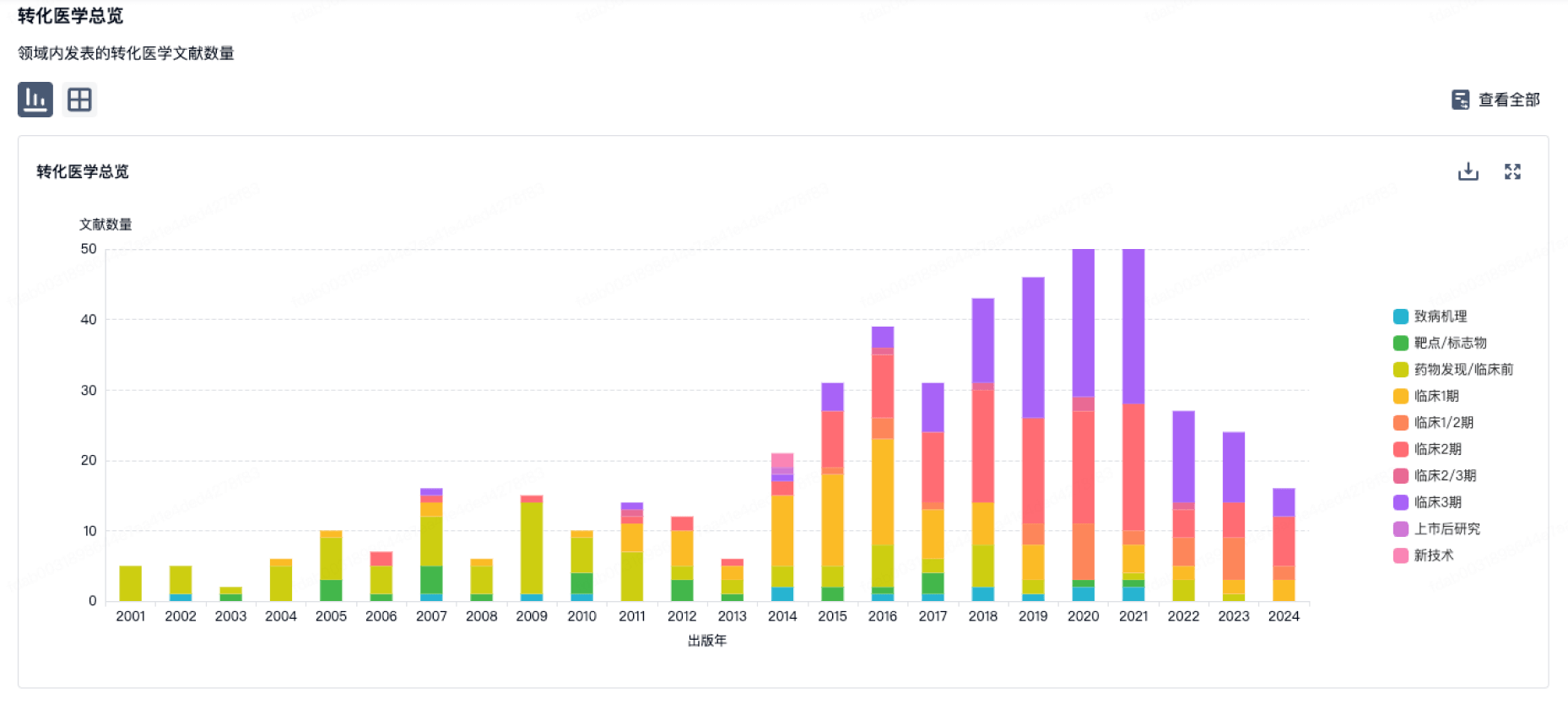
100 项与 Sergenex Co. Ltd. 相关的转化医学
登录后查看更多信息
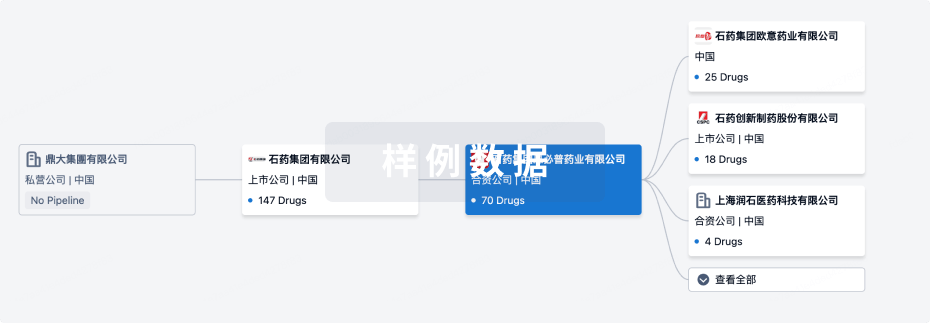
组织架构
使用我们的机构树数据加速您的研究。
登录
或
管线布局
2026年03月13日管线快照
管线布局中药物为当前组织机构及其子机构作为药物机构进行统计,早期临床1期并入临床1期,临床1/2期并入临床2期,临床2/3期并入临床3期
药物发现
1
登录后查看更多信息
当前项目
登录后查看更多信息
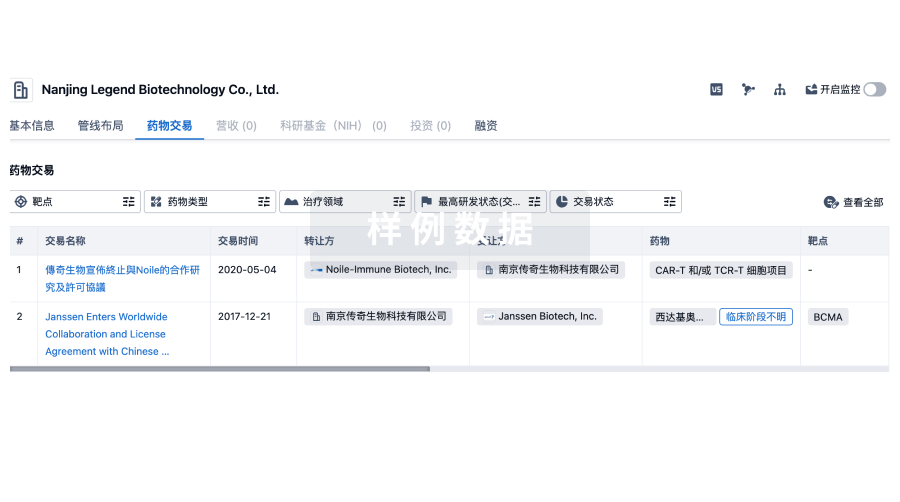
药物交易
使用我们的药物交易数据加速您的研究。
登录
或
转化医学
使用我们的转化医学数据加速您的研究。
登录
或
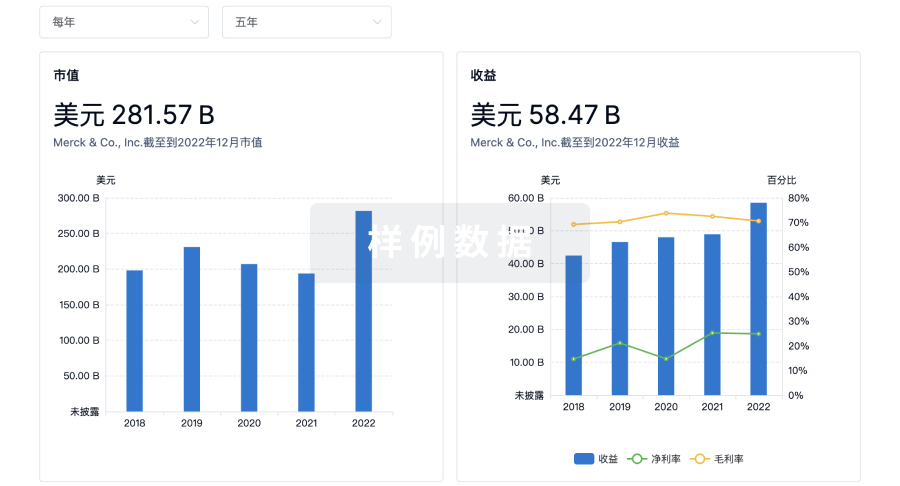
营收
使用 Synapse 探索超过 36 万个组织的财务状况。
登录
或
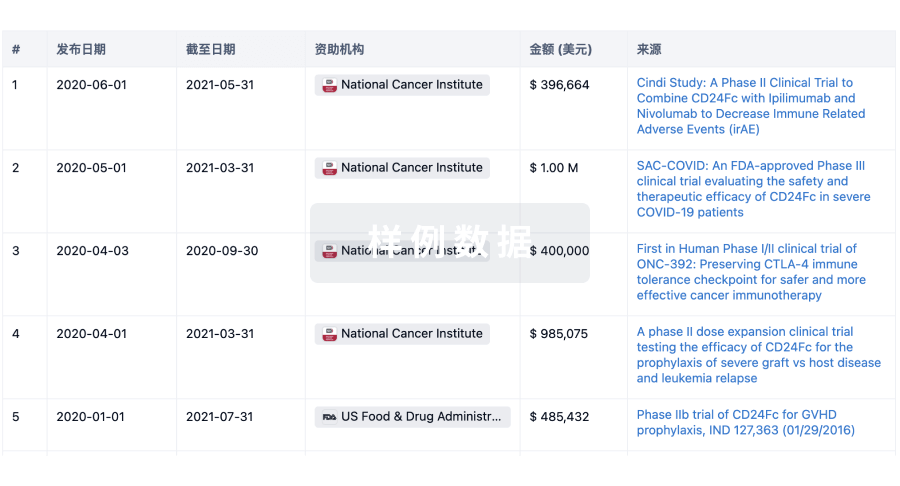
科研基金(NIH)
访问超过 200 万项资助和基金信息,以提升您的研究之旅。
登录
或
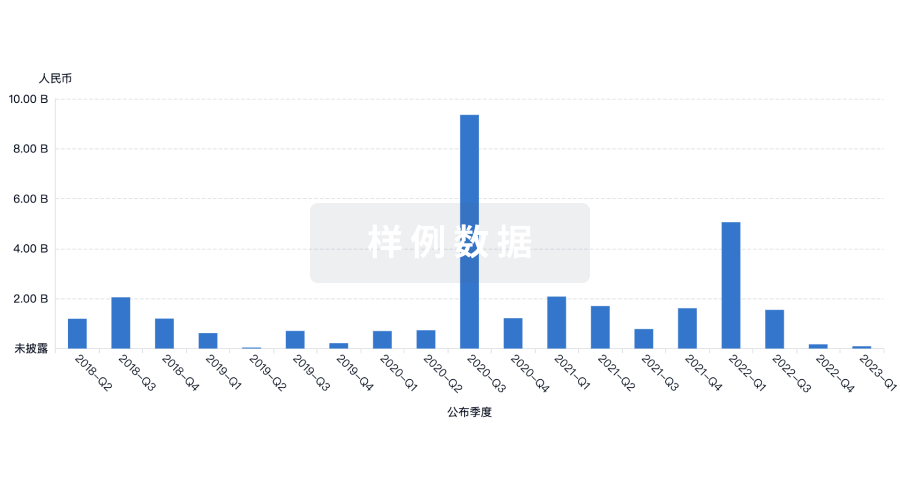
投资
深入了解从初创企业到成熟企业的最新公司投资动态。
登录
或
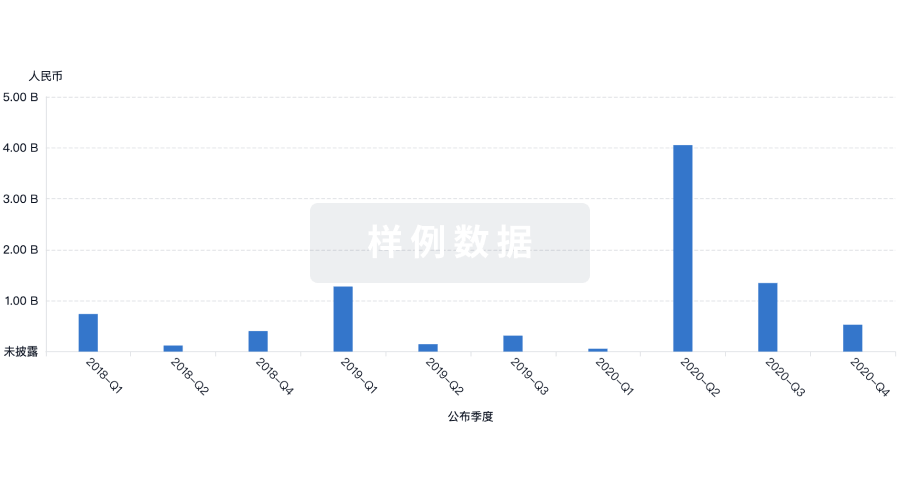
融资
发掘融资趋势以验证和推进您的投资机会。
登录
或
生物医药百科问答
全新生物医药AI Agent 覆盖科研全链路,让突破性发现快人一步
立即开始免费试用!
智慧芽新药情报库是智慧芽专为生命科学人士构建的基于AI的创新药情报平台,助您全方位提升您的研发与决策效率。
立即开始数据试用!
智慧芽新药库数据也通过智慧芽数据服务平台,以API或者数据包形式对外开放,助您更加充分利用智慧芽新药情报信息。
生物序列数据库
生物药研发创新
免费使用
化学结构数据库
小分子化药研发创新
免费使用