预约演示
更新于:2026-06-11

Terrestrial Bio, Inc.
更新于:2026-06-11
概览
标签
肿瘤
疫苗
疾病领域得分
一眼洞穿机构专注的疾病领域
技术平台
公司药物应用最多的技术
靶点
公司最常开发的靶点

暂无数据
关联
靶点 |
作用机制 |
在研机构 |
原研机构 |
在研适应症 |
非在研适应症 |
最高研发阶段 |
首次获批国家/地区 |
首次获批日期 |
NCT06125717
A Phase 1, Randomized, Rater and Subject Blinded Placebo Controlled Study to Evaluate the Safety, Reactogenicity, Tolerability and Immunogenicity of a Standard and a Fractional Dose of H1 Influenza Vaccine Delivered by VX-103 (a MIMIX Microneedle Patch (MAP) System) in Healthy Adults ≥18-39 Years of Age
100 项与 Terrestrial Bio, Inc. 相关的临床结果
登录后查看更多信息
登录后查看更多信息
2021-09-01Vaccine3区 · 医学
Enhancing influenza vaccine immunogenicity and efficacy through infection mimicry using silk microneedles
3区 · 医学
Article
作者: Miller, David P ; Kluge, Jonathan A ; Dirckx, Matthew ; Boopathy, Archana V ; Cieslewicz, Brian M ; Tarbet, E Bart ; Hartman, Nickolas W ; Hurst, Brett L ; Zhang, Yichen ; Stinson, Jordan A ; Kosuda, Kathryn M
Traditional bolus vaccine administration leads to rapid clearance of vaccine from lymphoid tissue. However, there is increasing evidence suggesting that the kinetics of antigen delivery can impact immune responses to vaccines, particularly when tailored to mimic natural infections. Here, we present the specific enhancements sustained release immunization confers to seasonal influenza vaccine, including the magnitude, durability, and breadth of humoral responses. To achieve sustained vaccine delivery kinetics, we have developed a microneedle array patch (MIMIX), with silk fibroin-formulated vaccine tips designed to embed in the dermis after a short application to the skin and release antigen over 1-2 weeks, mimicking the time course of a natural influenza infection. In a preclinical murine model, a single influenza vaccine administration via MIMIX led to faster seroconversion, response-equivalence to prime-boost bolus immunization, higher HAI titers against drifted influenza strains, and improved protective efficacy upon lethal influenza challenge when compared with intramuscular injection. These results highlight infection mimicry, achieved through sustained release silk microneedles, as a powerful approach to improve existing seasonal influenza vaccines, while also suggesting the broader potential of this platform technology to enable more efficacious next-generation vaccines and vaccine combinations.
2020-02-01Vaccine3区 · 医学
Thin silk fibroin films as a dried format for temperature stabilization of inactivated polio vaccine
3区 · 医学
Article
作者: Jost, Heather ; Weldon, William C ; Miller, David P ; Oberste, M Steven ; Li, Adrian B ; Palmer, Carter R ; Kluge, Jonathan A ; Lightner, Kandice ; Stinson, Jordan A ; Kosuda, Kathryn M
Current inactivated polio vaccine (IPV) products are sensitive to both freezing and elevated temperatures and therefore must be shipped and stored between 2 °C and 8 °C, a requirement that imposes financial and logistical challenges for global distribution. As such, there is a critical need for a robust, thermally stable IPV to support global polio eradication and post-eradication immunization needs. Here, we present the development of air-dried thin films for temperature stabilization of IPV using the biomaterial silk fibroin. Thin-film product compositions were optimized for physical properties as well as poliovirus D-antigen recovery and were tested under accelerated and real-time stability storage conditions. Silk fibroin IPV films maintained 70% D-antigen potency after storage for nearly three years at room temperature, and greater than 50% potency for IPV-2 and IPV-3 serotypes at 45 °C for one year. The immunogenicity of silk fibroin IPV films after 2-week storage at 45 °C was assessed in Wistar rats and the stressed films generated equivalent neutralizing antibody responses to commercial vaccine for IPV-1 and IPV-2. However, the absence of IPV-3 responses warrants further investigation into the specificity of ELISA for intact IPV-3 D-antigen. By demonstrating immunogenicity post-storage, we offer the air-dried silk film format as a means to increase IPV vaccine access through innovative delivery systems such as microneedles.
2026-03-29
100 项与 Terrestrial Bio, Inc. 相关的药物交易
登录后查看更多信息
100 项与 Terrestrial Bio, Inc. 相关的转化医学
登录后查看更多信息
组织架构
使用我们的机构树数据加速您的研究。
登录
或
管线布局
2026年10月11日管线快照
管线布局中药物为当前组织机构及其子机构作为药物机构进行统计,早期临床1期并入临床1期,临床1/2期并入临床2期,临床2/3期并入临床3期
临床前
1
2
其他
登录后查看更多信息
当前项目
登录后查看更多信息
药物交易
使用我们的药物交易数据加速您的研究。
登录
或
转化医学
使用我们的转化医学数据加速您的研究。
登录
或
营收
使用 Synapse 探索超过 36 万个组织的财务状况。
登录
或
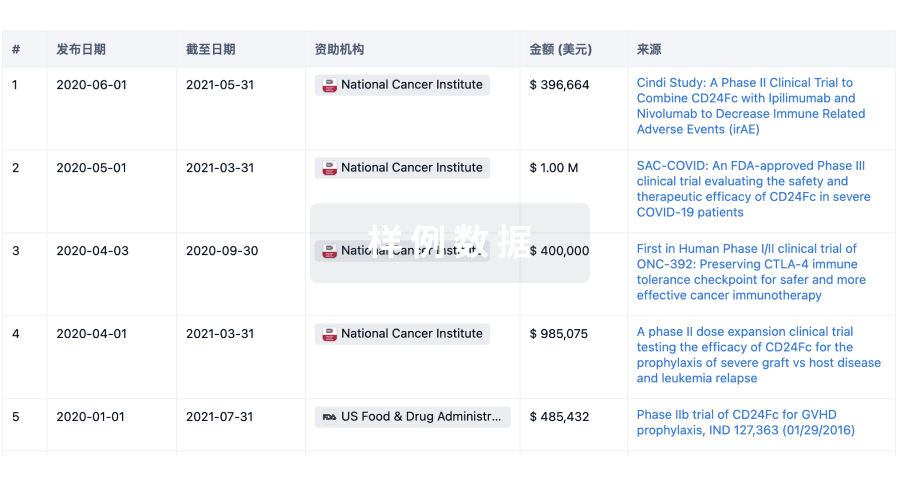
科研基金(NIH)
访问超过 200 万项资助和基金信息,以提升您的研究之旅。
登录
或
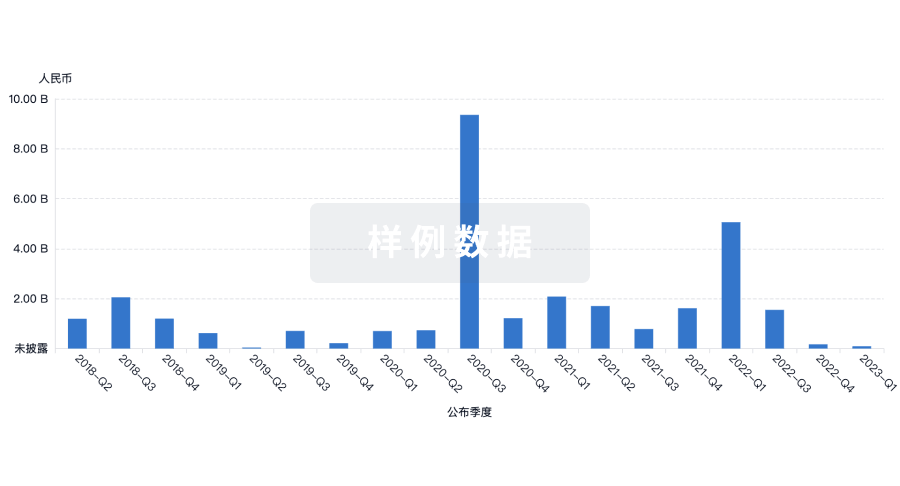
投资
深入了解从初创企业到成熟企业的最新公司投资动态。
登录
或
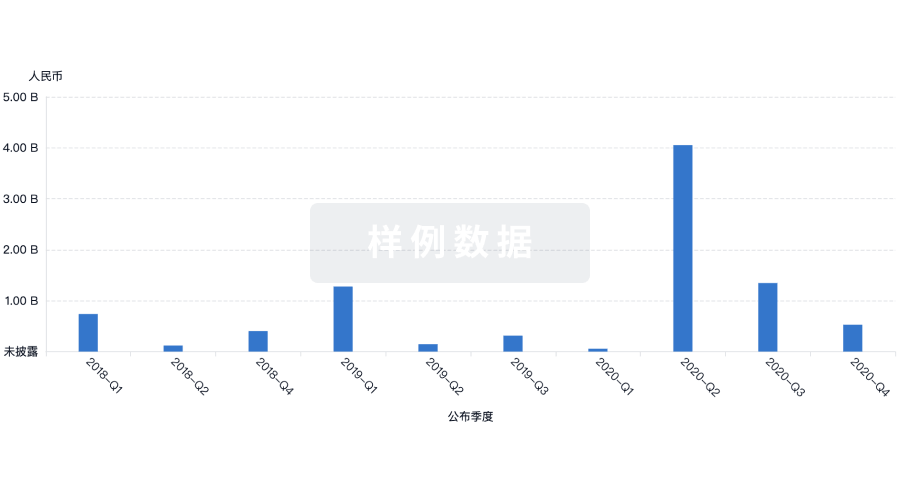
融资
发掘融资趋势以验证和推进您的投资机会。
登录
或
提出任何生物医药研究问题
让每一步生物医药决策都精准制胜
基于十亿级生物数据与全球情报的精准 AI,赋能早期药物发现
立即开始免费试用!
智慧芽新药情报库是智慧芽专为生命科学人士构建的基于AI的创新药情报平台,助您全方位提升您的研发与决策效率。
立即接入生物医药数据包
智慧芽新药库数据也通过智慧芽开放平台,以MCP或API服务形式对外开放。立即使用我们的MCP服务定制您的LLM智能体。
生物序列数据库
生物药研发创新
免费使用
化学结构数据库
小分子化药研发创新
免费使用