预约演示
更新于:2026-03-08

Stanley Medical College
更新于:2026-03-08
概览
关联
CTRI/2025/07/091429
Role of duloxetine in the prevention of chemotherapy induced peripheral neuropathy in patients recieving paclitaxel - NIL
CTRI/2024/08/072672
Steroid induced Diabetes Mellitus in Cancer patients due to use of Dexamethasone as premedication for chemotherapy
CTRI/2024/04/065465
Role of topical nitroglycerin in the prevention and treatment of post mastectomy skin flap necrosis- a prospective comparative study - Nil
100 项与 Stanley Medical College 相关的临床结果
登录后查看更多信息
登录后查看更多信息
2026-03-01Annals of Medicine and Surgery
Periodontitis and respiratory infections – exploring the oral–systemic link
Article
作者: Caroicar, Yash Satish ; Jani, Het Tushar ; Dwivedi, Ayush ; Rawat, Akash ; Patil, Kashyapi ; Ribeiro da Costa, Rafael Everton Assunção ; Manickavelan, Hari Vorappan ; Said, Adam Sheikh ; Panjabi, Chandramani ; Beniwal, Shreya Singh ; Desai, Arusha ; Cacas, Alyanna Cabe
Periodontitis is a chronic inflammatory disorder that has been recognized as a significant public health concern worldwide. An imbalance between the protective oral microbiota and numerous oral pathogens has been implicated in its pathogenesis. Periodontitis not only impacts an individual’s oral health but also has systemic implications. The pathogenesis of periodontitis and these respiratory infections has been shown to be intricately linked. Numerous clinical research and animal studies have highlighted that the oral health of a population is closely related to their systemic health. It has been suggested that the periodontal pockets can act as a reservoir for oral pathogens, which can later migrate into the respiratory tract through aspiration or systemic circulation. This is a narrative review conducted after a wide literature search on databases such as PubMed, Cochrane, and Google Scholar with keywords including “Periodontitis,” “Respiratory,” “Infections,” “Tuberculosis,” ‘COVID-19’, “Pneumonia,” “Asthma,” and “COPD” published in the last 15 years. The cornerstone of this comprehensive review lies in deciphering the pathogenesis and epidemiology of periodontitis and how these periodontal bacteria contribute to respiratory infections through numerous biological mechanisms, inflammatory pathways, and the potential pathways of infection transmission. We also explore the empirical evidence through research studies supporting the periodontitis–respiratory infections link and also studies with conflicting or inconclusive results. By connecting the dots between this crucial oral–systemic link, we hope to uncover the gaps in the current research and find new avenues for developing cost-effective, targeted, transformative preventive and therapeutic strategies that will not only improve oral health but will also support respiratory health and help reduce the global burden of respiratory infections. Strengthening oral hygiene programs could reduce the burden of respiratory diseases, particularly in elderly and high-risk populations.
2026-01-13Cureus Journal of Medical Science
Laparoscopic Cholecystectomy for Acute Cholecystitis: Defining the Golden Period
Article
作者: Periyasamy, Karthik ; Pon Chidambaram, M ; Govindaraj Raman, Senthilkumaran ; Uthirapthy, Aravindan ; Rengasamy, Sudhagar
Background/aims Laparoscopic cholecystectomy (LC) performed within the first week of acute cholecystitis (AC) is generally regarded as safe and effective, while delayed surgery is often recommended for unresolved or complicated cases. This study assessed perioperative outcomes of LC performed during the first week versus two to six weeks following symptom onset. Methods This prospective observational comparative study was conducted at a tertiary care center from January 2021 to December 2024 using data from a prospectively maintained database. Patients with acute calculous cholecystitis who underwent LC within six weeks of symptom onset were included. Patients with acalculous cholecystitis, choledocholithiasis, spreading peritonitis, or cholecystoenteric/choledochoenteric fistula and emergency open cholecystectomy were excluded. Patients were categorized into Group A (surgery within one week) and Group B (surgery between two and six weeks). Operative duration, conversion to open cholecystectomy, postoperative morbidity, and hospital stay were analyzed. Results Among 121 patients, 69 underwent early LC (Group A) and 52 underwent intermediate LC (Group B). Bile leak occurred in 10.1% and 21.2% of cases, respectively (p = 0.057). Mean operative time and subtotal cholecystectomy rates were comparable between groups. The mean duration of hospital stay was approximately 5-6 days (5.68 ± 1.79 days in Group A and 6.21 ± 1.65 days in Group B). Conclusions Intermediate LC represents a safe and practical alternative when early surgery is not feasible, provided appropriate patient selection and meticulous surgical technique are ensured. Early LC should remain the treatment of choice whenever feasible, given its well-established benefits of shorter hospital stay, fewer recurrent biliary events, and lower overall costs.
2025-12-01Indian Journal of Plastic Surgery
An Overview of Vaginoplasty Techniques: Spotlight on the Efficacy of the Horseshoe Labia Minora Flap
Article
作者: Philip, Manimegala ; Muthachari, Sugumar ; Begum, Rasheedha ; Kandasamy, Mahadevan ; Shanmugam, Sridevi
Abstract:
Mayer–Rokitansky–Küster–Hauser (MRKH) syndrome involves vaginal agenesis and variable uterine development, often accompanied by renal, skeletal, and auditory anomalies. The primary objective of treatment is to reconstruct a neovagina that closely resembles the natural anatomy, enabling normal sexual function. This study evaluates various vaginoplasty techniques performed at our institution and their outcomes.This retrospective study, conducted from January 2012 to January 2024, includes patients who underwent different types of vaginoplasty, including the McIndoe, Singapore flap, islanded pudendal flap, labia minora flap, and horseshoe modification of the labia minora flap. Procedures were chosen based on clinical examination. Outcomes were assessed using an institutional scoring system evaluating vaginal length, introitus diameter, neovaginal skin quality, and pain during intercourse.Twenty patients of primary vaginal agenesis (aged 18–27) diagnosed clinically and confirmed with pelvic MRI underwent vaginoplasty by the same surgical team. One (14.28%) patient of the McIndoe procedure experienced graft contracture, which was released and regrafted, while another (14.28%) had partial graft loss managed conservatively. No significant complications occurred in the remaining patients. All used a postoperative vaginal mould for three months. The average follow-up period was 18 months, with neovaginal length ranging from 6 to 10 cm.The horseshoe modification of the labia minora flap offers a reliable, effective approach for vaginal reconstruction in cases of MRKH syndrome. This technique fulfils the basic tenets of plastic surgery, namely the restoration of form and function. The simplicity of the procedure and relatively short learning curve render it an attractive flap option even for the novice plastic surgeon.
100 项与 Stanley Medical College 相关的药物交易
登录后查看更多信息
100 项与 Stanley Medical College 相关的转化医学
登录后查看更多信息
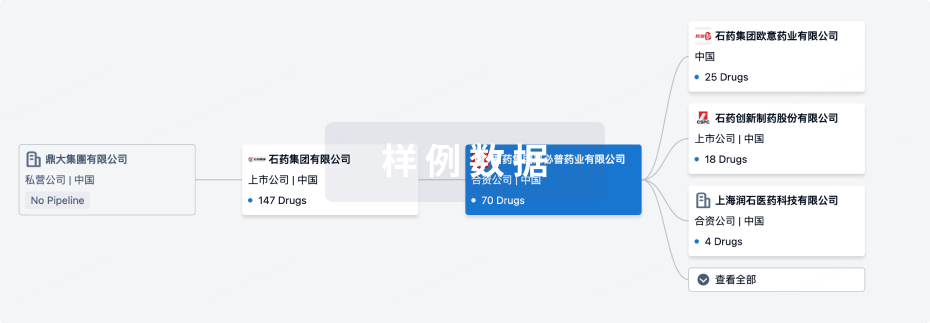
组织架构
使用我们的机构树数据加速您的研究。
登录
或
管线布局
2026年11月07日管线快照
无数据报导
登录后保持更新
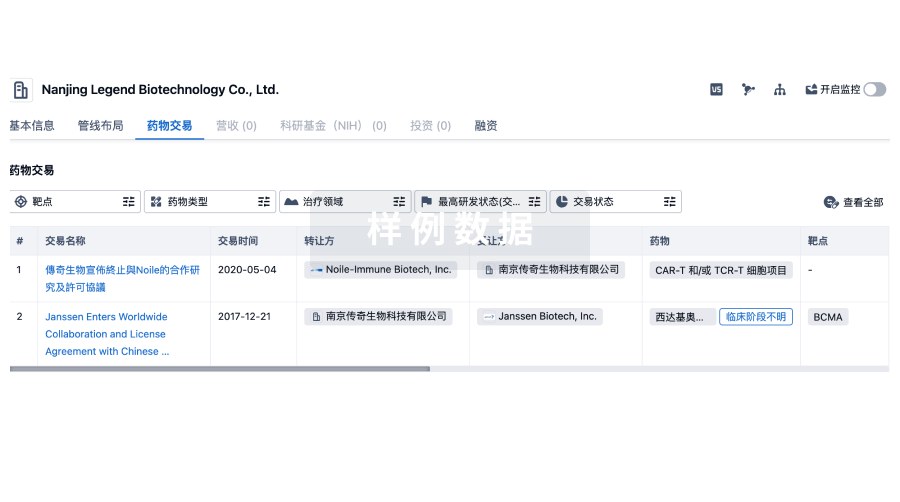
药物交易
使用我们的药物交易数据加速您的研究。
登录
或
转化医学
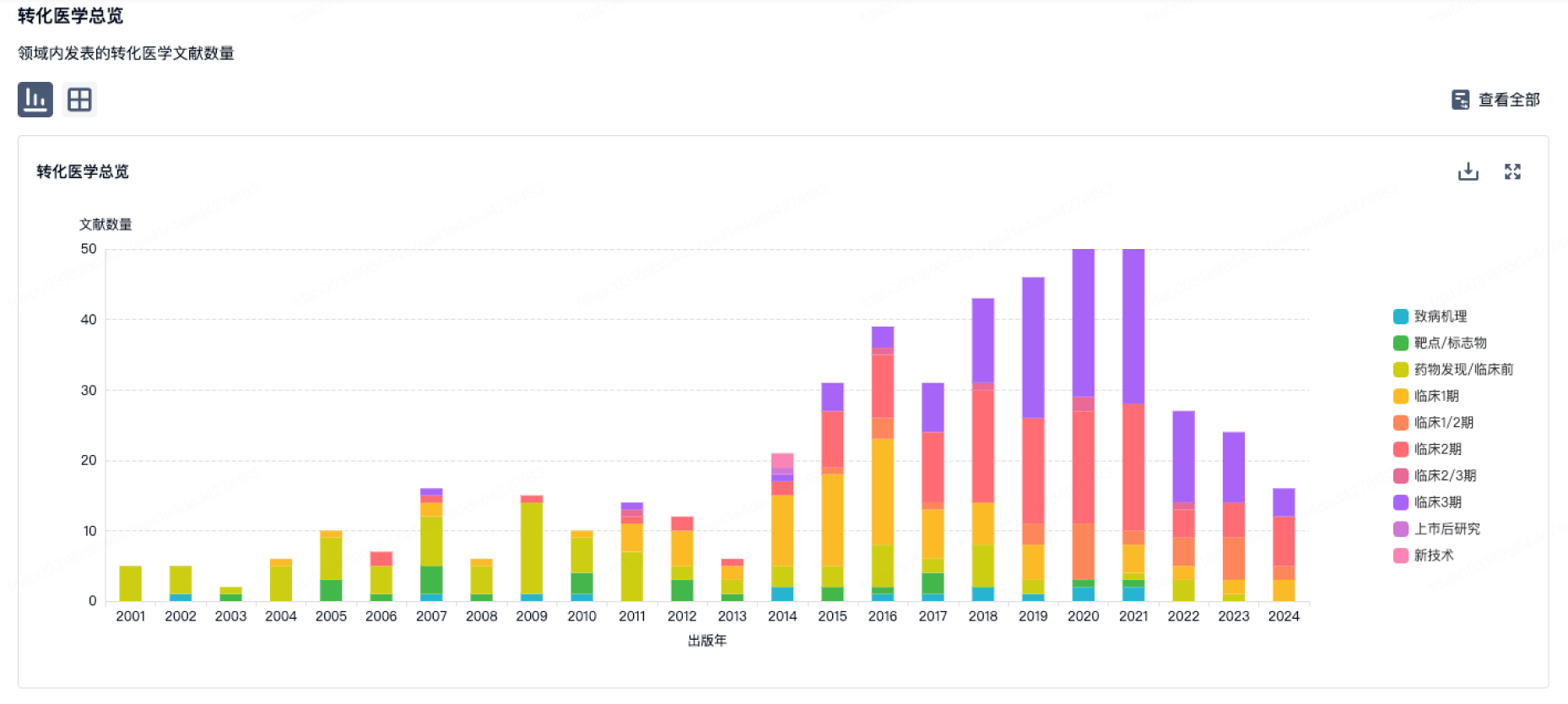
使用我们的转化医学数据加速您的研究。
登录
或
营收
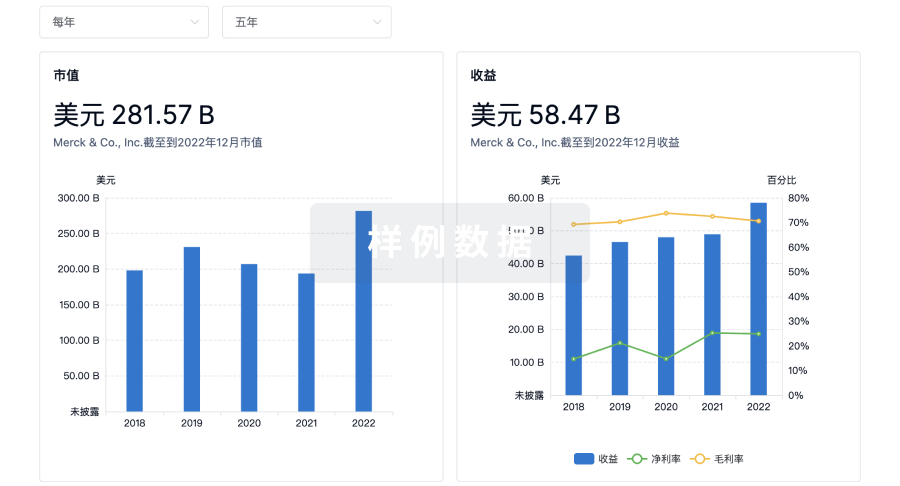
使用 Synapse 探索超过 36 万个组织的财务状况。
登录
或
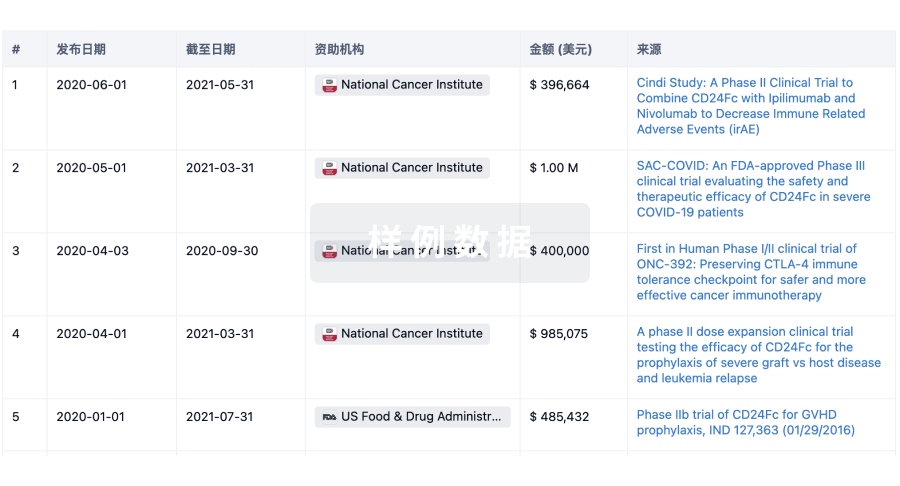
科研基金(NIH)
访问超过 200 万项资助和基金信息,以提升您的研究之旅。
登录
或
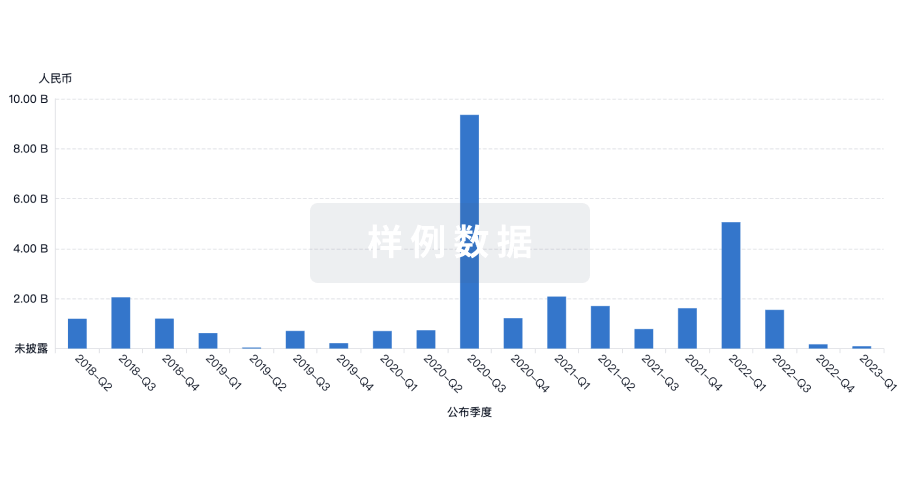
投资
深入了解从初创企业到成熟企业的最新公司投资动态。
登录
或
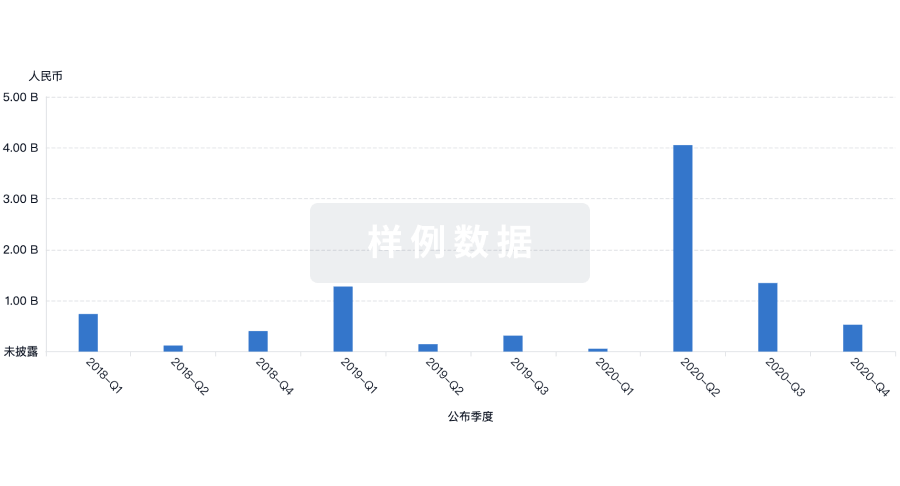
融资
发掘融资趋势以验证和推进您的投资机会。
登录
或
提出任何生物医药研究问题
让每一步生物医药决策都精准制胜
基于十亿级生物数据与全球情报的精准 AI,赋能早期药物发现
立即开始免费试用!
智慧芽新药情报库是智慧芽专为生命科学人士构建的基于AI的创新药情报平台,助您全方位提升您的研发与决策效率。
立即接入生物医药数据包
智慧芽新药库数据也通过智慧芽开放平台,以MCP或API服务形式对外开放。立即使用我们的MCP服务定制您的LLM智能体。
生物序列数据库
生物药研发创新
免费使用
化学结构数据库
小分子化药研发创新
免费使用