预约演示
更新于:2026-10-13

Apogee Therapeutics, Inc.
更新于:2026-10-13
概览
标签
免疫系统疾病
皮肤和肌肉骨骼疾病
遗传病与畸形
单克隆抗体
双特异性抗体
疾病领域得分
一眼洞穿机构专注的疾病领域

技术平台
公司药物应用最多的技术
靶点
公司最常开发的靶点
关联
靶点 |
作用机制 |
在研机构 |
原研机构 |
在研适应症 |
非在研适应症 |
最高研发阶段 |
首次获批国家/地区 |
首次获批日期 |

靶点 |
作用机制 |
在研机构 |
原研机构 |
在研适应症 |
非在研适应症 |
最高研发阶段 |
首次获批国家/地区 |
首次获批日期 |
靶点 |
作用机制 |
在研机构 |
原研机构 |
在研适应症 |
非在研适应症 |
最高研发阶段 |
首次获批国家/地区 |
首次获批日期 |
NCT07027527
A Phase 1b, Open-label, Randomized, Multicenter, Active Comparator Study to Evaluate the Safety, Tolerability, and Pharmacokinetics of the Combination of APG777 + APG990 in Adults With Moderate-to-Severe Atopic Dermatitis
NCT07003425
A Long-term Extension Study to Evaluate the Safety and Efficacy of APG777 in Patients With Atopic Dermatitis Previously Treated With APG777
NCT06920901
A Phase 1b, Multicenter, Randomized, Double-blind, Placebo-controlled Study to Evaluate the Safety, Tolerability, Pharmacokinetics, and Immunogenicity of APG777 in Adults With Mild-to-Moderate Asthma
100 项与 Apogee Therapeutics, Inc. 相关的临床结果
登录后查看更多信息
登录后查看更多信息
2025-11-01The journal of allergy and clinical immunology. Global
In vitro potency and pharmacokinetics of APG777, a novel anti–IL-13 mAb
Article
作者: Oh, Jason ; Dabora, Rebecca ; Dambkowski, Carl L ; Prentice, Holly ; Zhu, Eric ; Wickman, Grant ; Shaheen, Hussam ; Gandhi, Namita A ; Dillinger, Lukas
Background:
IL-13 plays a key role in the induction and perpetuation of type 2 immune responses associated with the development of atopic dermatitis and other chronic inflammatory diseases. mAbs targeting IL-13 have demonstrated efficacy in IL-13-driven diseases; however, current therapeutics require dosing every 2 to 4 weeks, resulting in significant injection burden for patients. APG777 is a humanized, IgG1 IL-13-targeting mAb that has been engineered to have an optimized pharmacokinetic profile, allowing for less frequent dosing.
Objective:
We sought to investigate the in vitro potency and in vivo pharmacokinetics of APG777.
Methods:
The affinity of APG777 was characterized using surface plasmon resonance; the half-maximal inhibitory concentration (IC50) of APG777 was determined in various in vitro assays measuring inhibition of IL-13 signaling via signal transducer and activator of transcription 6 phosphorylation and chemokine release in relevant cell lines. Pharmacokinetics of APG777 were evaluated in nonhuman primates following a single intravenous or subcutaneous infusion. All studies included lebrikizumab produced based on the publicly available sequence as key comparator.
Results:
APG777 demonstrated a similar in vitro potency across numerous assays compared with lebrikizumab and a 2-fold longer serum half-life following subcutaneous injection in nonhuman primates.
Conclusions:
These data provide evidence in support of the clinical potential of APG777 in diseases where IL-13 signaling is a main driver of the inflammatory response. The prolonged half-life of APG777 may enable less frequent dosing compared with current treatments, which could reduce injection burden and increase compliance. APG777 is currently being investigated in a phase 2 randomized, controlled trial in patients with atopic dermatitis.
100 项与 Apogee Therapeutics, Inc. 相关的药物交易
登录后查看更多信息
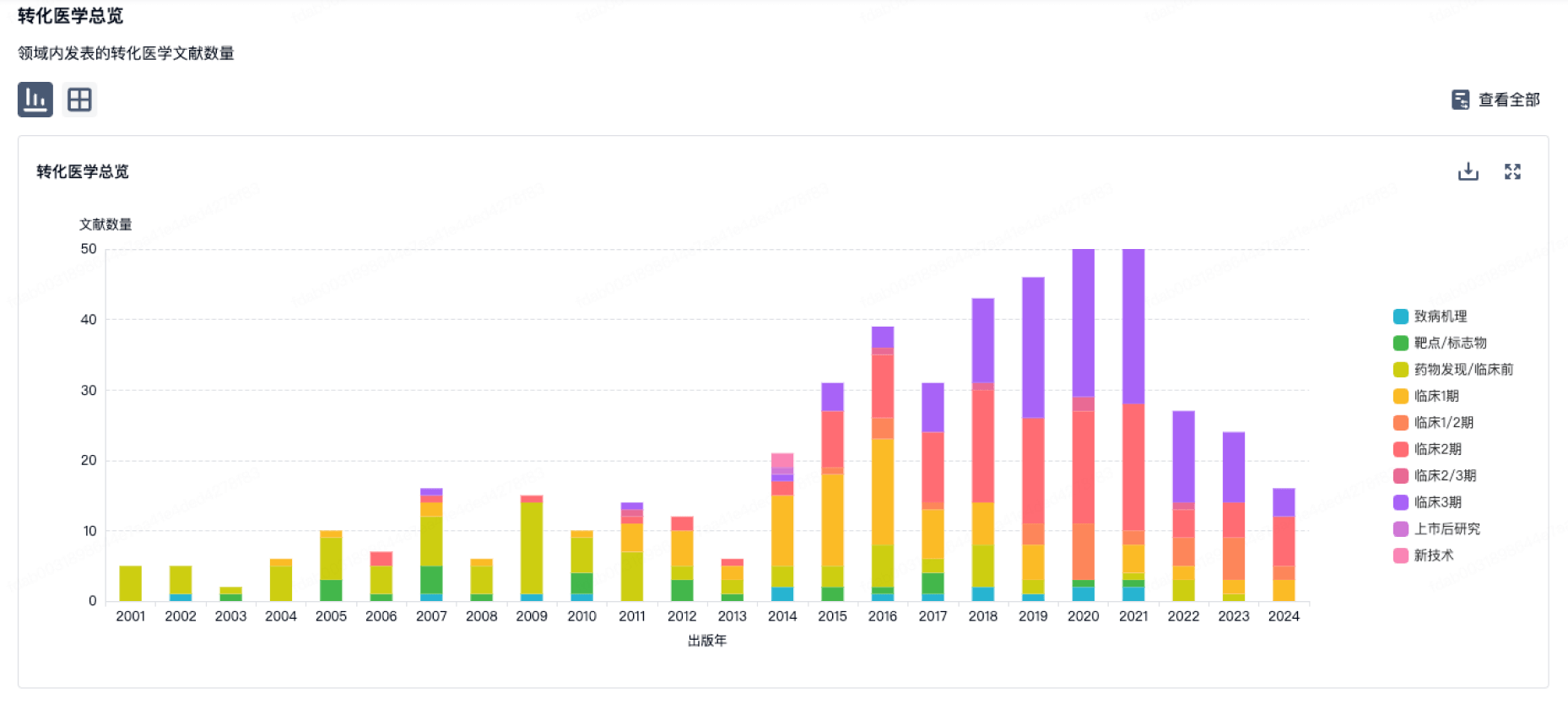
100 项与 Apogee Therapeutics, Inc. 相关的转化医学
登录后查看更多信息
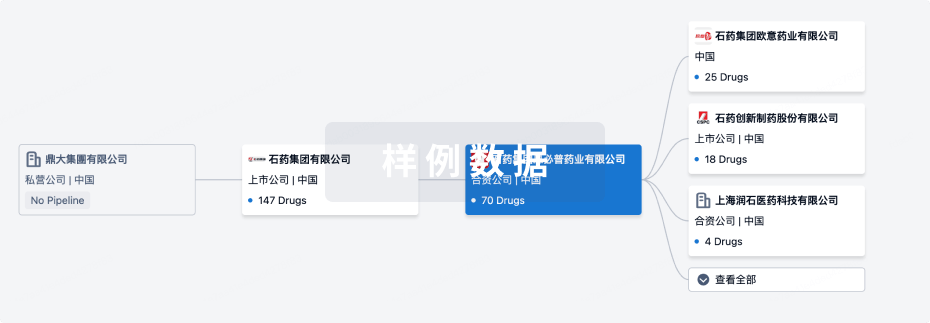
组织架构
使用我们的机构树数据加速您的研究。
登录
或
管线布局
2026年10月22日管线快照
管线布局中药物为当前组织机构及其子机构作为药物机构进行统计,早期临床1期并入临床1期,临床1/2期并入临床2期,临床2/3期并入临床3期
药物发现
2
3
临床前
临床1期
4
1
临床2期
登录后查看更多信息
当前项目
登录后查看更多信息
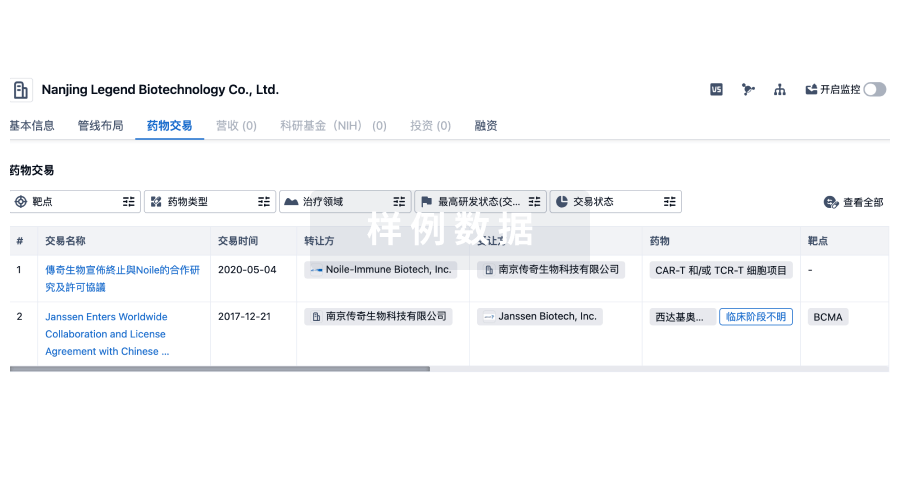
药物交易
使用我们的药物交易数据加速您的研究。
登录
或
转化医学
使用我们的转化医学数据加速您的研究。
登录
或
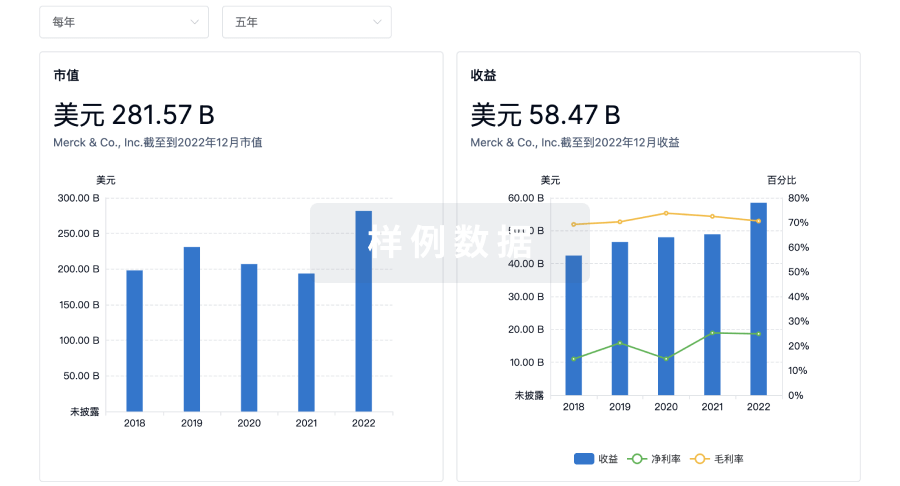
营收
使用 Synapse 探索超过 36 万个组织的财务状况。
登录
或
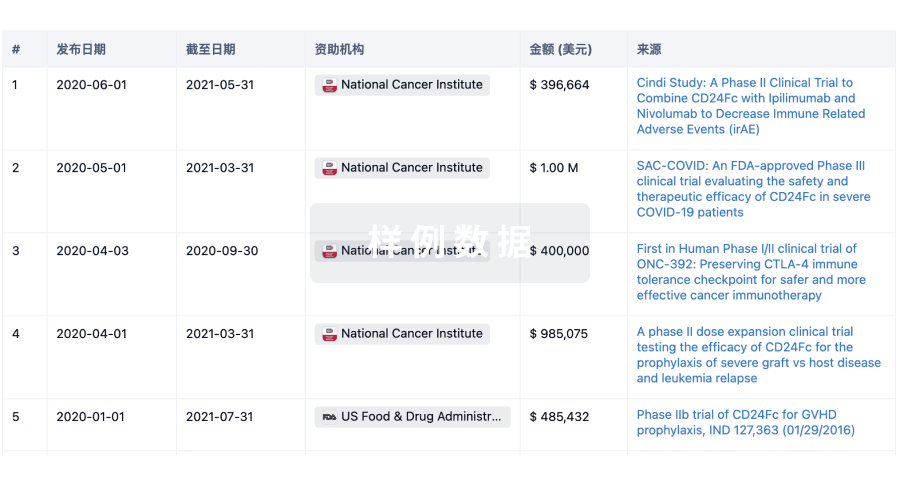
科研基金(NIH)
访问超过 200 万项资助和基金信息,以提升您的研究之旅。
登录
或
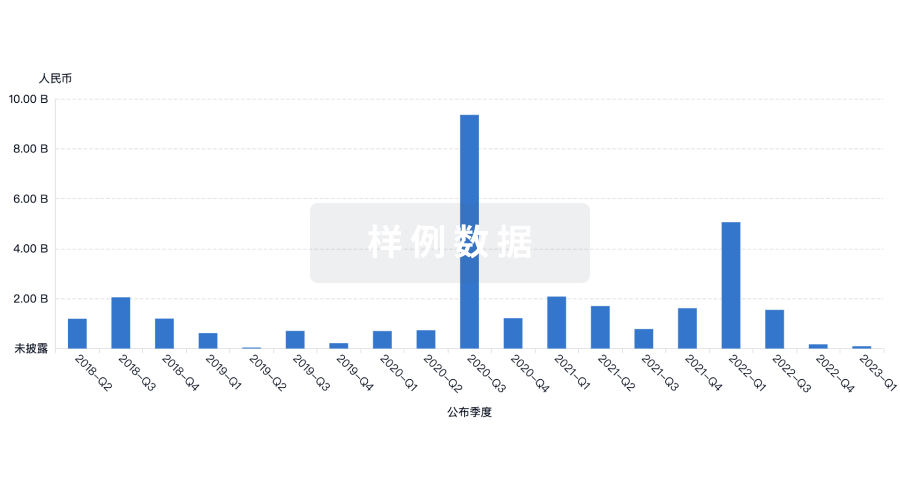
投资
深入了解从初创企业到成熟企业的最新公司投资动态。
登录
或
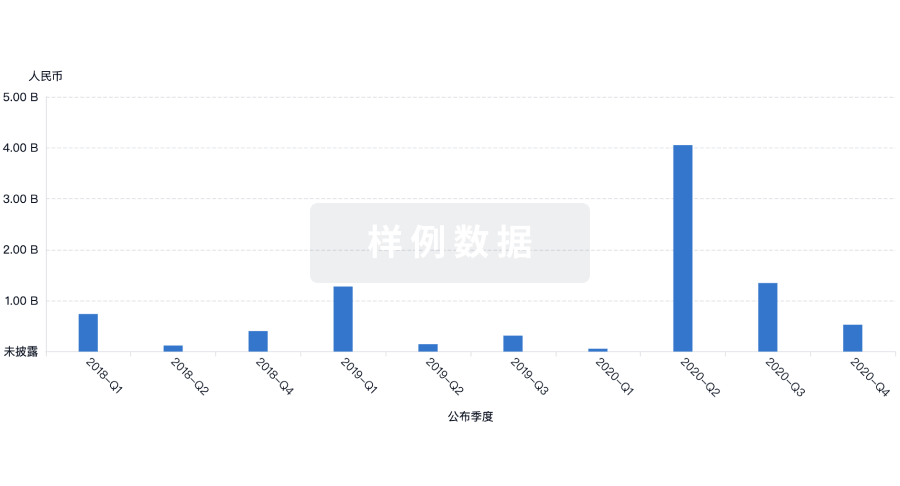
融资
发掘融资趋势以验证和推进您的投资机会。
登录
或
提出任何生物医药研究问题
让每一步生物医药决策都精准制胜
基于十亿级生物数据与全球情报的精准 AI,赋能早期药物发现
立即开始免费试用!
智慧芽新药情报库是智慧芽专为生命科学人士构建的基于AI的创新药情报平台,助您全方位提升您的研发与决策效率。
立即接入生物医药数据包
智慧芽新药库数据也通过智慧芽开放平台,以MCP或API服务形式对外开放。立即使用我们的MCP服务定制您的LLM智能体。
生物序列数据库
生物药研发创新
免费使用
化学结构数据库
小分子化药研发创新
免费使用