预约演示
更新于:2025-05-07
New Discovery, Inc.
更新于:2025-05-07
概览
关联
7
项与 New Discovery, Inc. 相关的临床试验NCT04201808
Efficacy and Safety of Tenofovir Alafenamide in Chronic Hepatitis B Patients With Suboptimal Response Following Nucleos(t)Ide Therapy
Both tenofovir disoproxil fumarate (TDF) and tenofovir alafenamide (TAF) are potent antiviral agents for hepatitis B virus (HBV) and recommended by the American Association for the Study of Liver Disease (AASLD) as well as the European Association for the Study of Liver (EASL) guidelines for the treatment of nucleos(t)ide therapy induced HBV resistance. However, it is not clear if chronic hepatitis B (CHB) patients with nucleos(t)ide treatment experience without genotypic mutations would be benefit from TAF therapy. Previous studies have observed that suboptimal response (SOR) following antiviral therapy with nucleos(t)ide treatment is associated with an increased risk of subsequent treatment failure and viral resistance. It remains unclear whether switching to TAF is a reasonable approach in patients with SOR to second-line antivirals Lamivudine (LAM)/ Telbivudine (LdT)/ Adefovir Dipivoxil (ADV) and its combinations with other second-line antivirals for 24 weeks, or SOR to the first-line antiviral Entecavir (ETV) or any antiviral combinations containing ETV for 48 weeks. This study is aimed to determine how the aforementioned patients with SOR to nucleos(t)ide treatment respond to TAF monotherapy. The investigator's study will provide evidence base for therapy selection in SOR patients, especially in China where the majority of patients with CHB are treated with nucleos(t)ide therapy.
开始日期2021-05-01 |
申办/合作机构 New Discovery, Inc. [+1] |
NCT04211805
Real World Study of Tenofovir Alafenamide Versus Tenofovir Disoproxil Fumarate to Prevent Vertical Transmission of Hepatitis B in Mothers With High Viral Load
Immunoprophylaxis failure of hepatitis B (HBV) remains a concern and has been reported in approximately 10-30% of infants born to highly viremic mothers with HBeAg-positive. Maternal HBV DNA >6log10 copies/mL (or 200,000 IU/mL) is the major independent risk for mother-to-child transmission (MTCT). Two recent random controlled trial (RCT) studies have shown that the use of Tenofovir Disoproxil Fumarate (TDF) in highly viremic HBsAg positive mothers may safely reduce the rate of MTCT when compared between groups of TDF treated and untreated patients. Tenofovir Alafenamide (TAF) is the successor to TDF, and both drugs have a similar mechanism of action to reduce HBV DNA levels and normalize serum alanine aminotransferase (ALT) in chronic hepatitis B patients (CHB) with few adverse effects. TAF however, has a better safety profile with less adverse effects to bone mineral density and renal function. The present prospective, double-arm study is to evaluate the non-inferiority in the efficacy and safety of TAF therapy versus TDF therapy in highly viremic mothers and their infants for the prevention of MTCT in the real world setting.
开始日期2020-01-27 |
申办/合作机构 |
NCT04237376
Chronic HBV Infection in Pregnant Women Taking TAF to Prevent Mother-to-child Transmission in the Third Trimester: a Multicenter, Prospective Study
Mother-to-child transmission is the main route of transmission of Hepatitis B Virus (HBV) in China, and about 30% - 50% of chronic HBV carriers are infected by this. Although the current hepatitis B vaccine combined with hepatitis B immunoglobulin scheme has achieved excellent results, about 5% - 10% of infants born to chronic hepatitis B (CHB) mothers are still infected. A pregnant women's blood hepatitis B virus load ≥ 2 × 10^5 IU/mL before delivery is the main risk factor for transmission prevention failure. Two recent random controlled trial (RCT) studies have shown that the use of Tenofovir Disoproxil Fumarate (TDF) in highly viremic HBsAg positive mothers may safely reduce the rate of MTCT in comparisons between groups of TDF treated and untreated patients. Tenofovir Alafenamide (TAF) is the successor to TDF, and both drugs have a similar mechanism of action to reduce HBV DNA levels and normalize serum alanine aminotransferase (ALT) in chronic hepatitis B patients (CHB). TAF however, has a better safety profile with less adverse effects to hip and spine bone mineral density and renal function. Currently, TAF has been approved by the State Food and Drug Administration and marketed in China in December 2018. On the drug label, it has been suggested that TAF may be considered during pregnancy if necessary. However, it has not been reported whether the application of TAF in pregnant women can achieve better effects and safety in prevention of mother-to-child transmission. This prospective, triple arm, multicenter study seeks to evaluate the efficacy and safety of TAF in the prevention of mother-to-child transmission as compared to a retrospective cohort of mothers who were treated with TDF.
开始日期2019-04-09 |
申办/合作机构 |
100 项与 New Discovery, Inc. 相关的临床结果
登录后查看更多信息
0 项与 New Discovery, Inc. 相关的专利(医药)
登录后查看更多信息
100 项与 New Discovery, Inc. 相关的药物交易
登录后查看更多信息
100 项与 New Discovery, Inc. 相关的转化医学
登录后查看更多信息
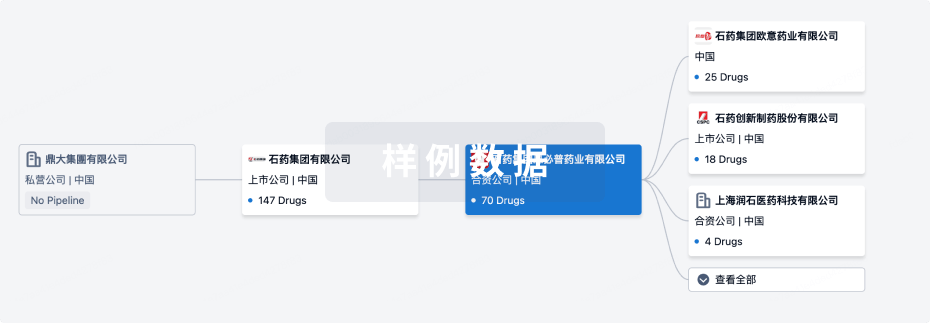
组织架构
使用我们的机构树数据加速您的研究。
登录
或
管线布局
2026年02月08日管线快照
无数据报导
登录后保持更新
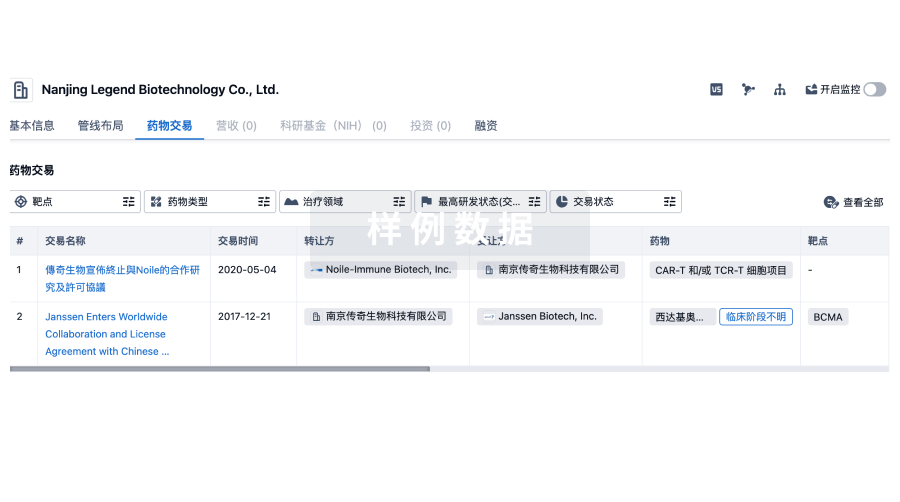
药物交易
使用我们的药物交易数据加速您的研究。
登录
或
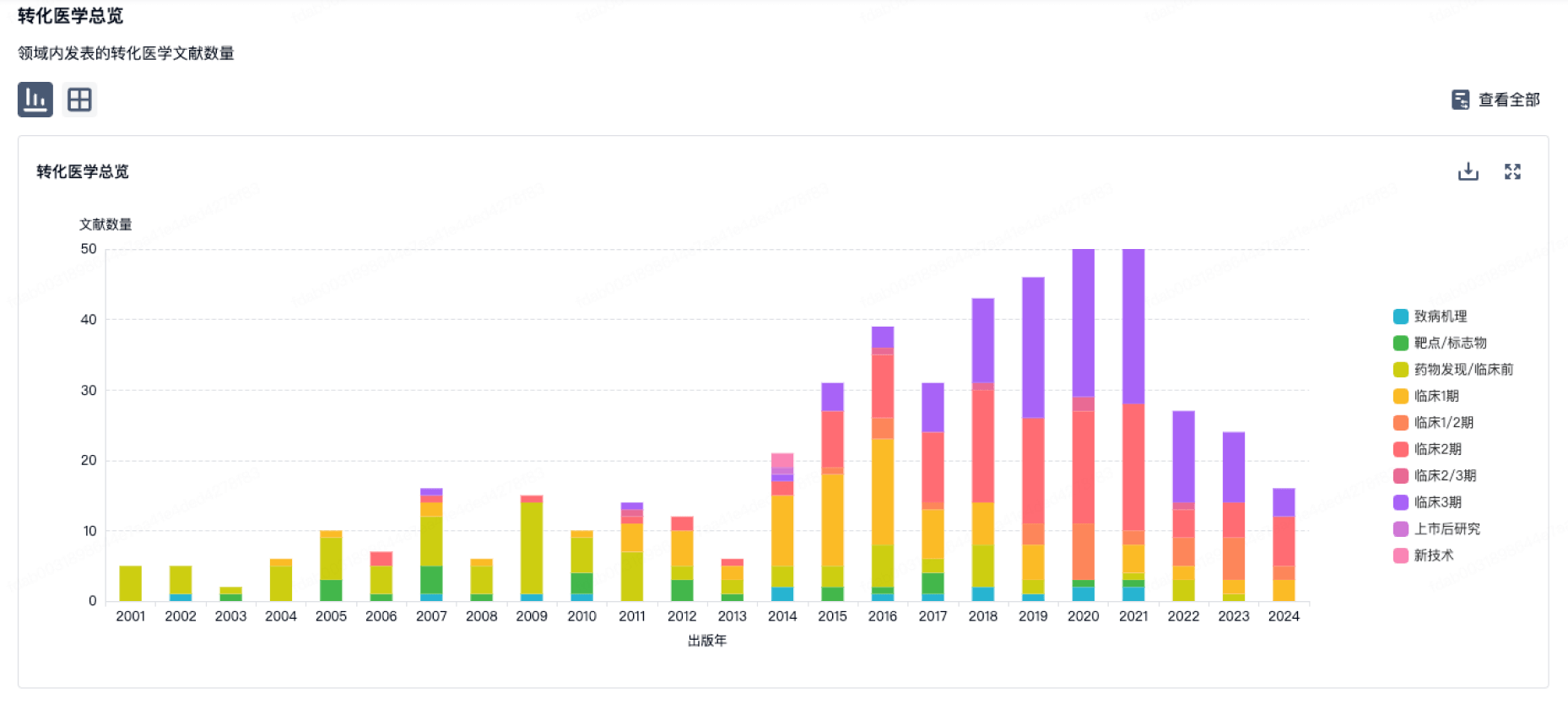
转化医学
使用我们的转化医学数据加速您的研究。
登录
或
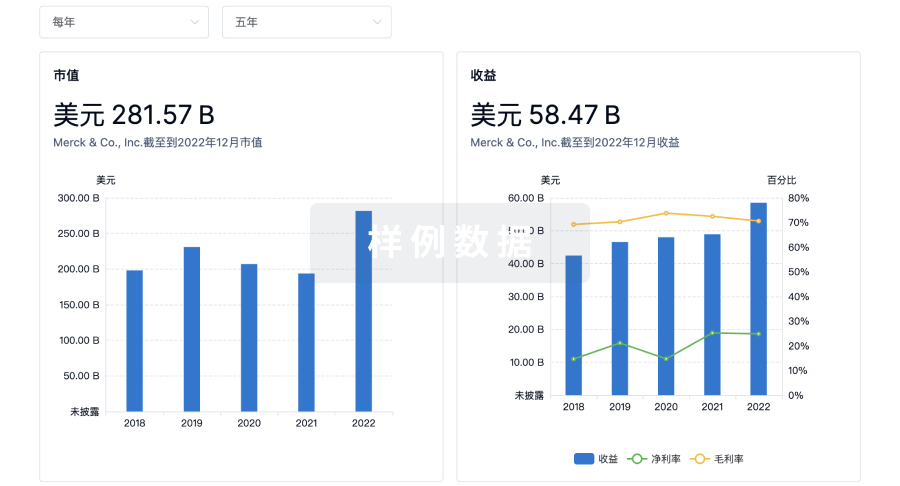
营收
使用 Synapse 探索超过 36 万个组织的财务状况。
登录
或
科研基金(NIH)
访问超过 200 万项资助和基金信息,以提升您的研究之旅。
登录
或
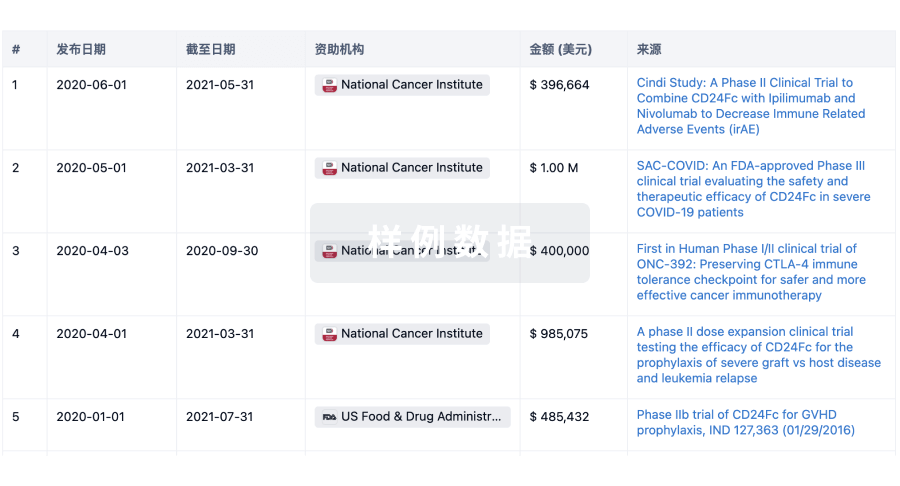
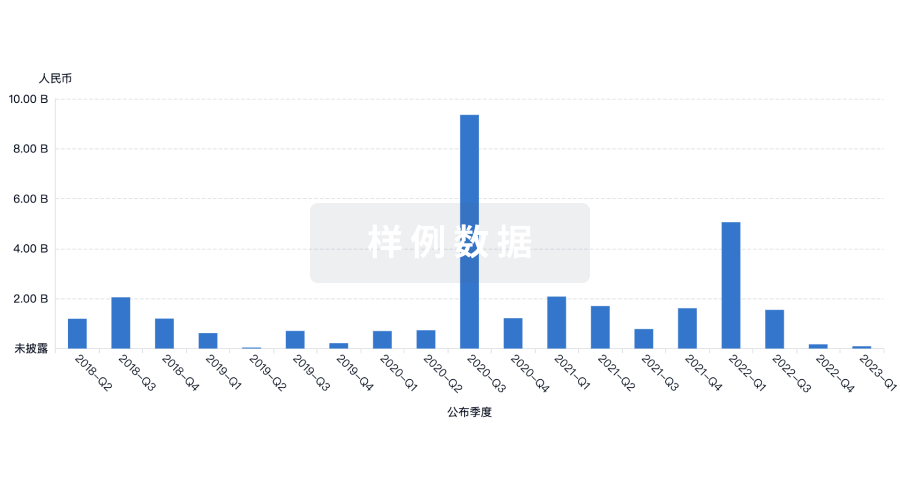
投资
深入了解从初创企业到成熟企业的最新公司投资动态。
登录
或
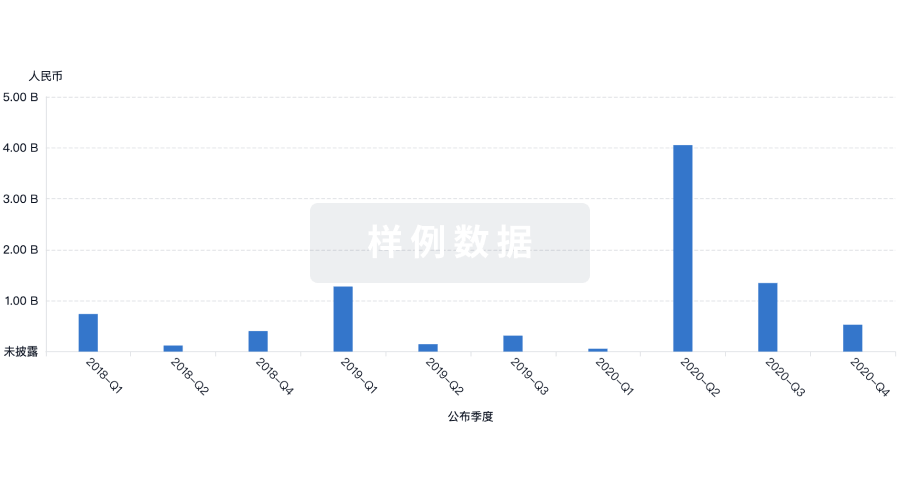
融资
发掘融资趋势以验证和推进您的投资机会。
登录
或
生物医药百科问答
全新生物医药AI Agent 覆盖科研全链路,让突破性发现快人一步
立即开始免费试用!
智慧芽新药情报库是智慧芽专为生命科学人士构建的基于AI的创新药情报平台,助您全方位提升您的研发与决策效率。
立即开始数据试用!
智慧芽新药库数据也通过智慧芽数据服务平台,以API或者数据包形式对外开放,助您更加充分利用智慧芽新药情报信息。
生物序列数据库
生物药研发创新
免费使用
化学结构数据库
小分子化药研发创新
免费使用