预约演示
更新于:2026-03-04

Allen Institute
更新于:2026-03-04
概览
标签
神经系统疾病
其他疾病
基因疗法
疾病领域得分
一眼洞穿机构专注的疾病领域

技术平台
公司药物应用最多的技术
靶点
公司最常开发的靶点
关联
靶点 |
作用机制 |
在研机构 |
原研机构 |
在研适应症 |
非在研适应症 |
最高研发阶段 |
首次获批国家/地区 |
首次获批日期 |
NCT06315179
Seattle Spatial Transcriptomic Research in Inflammatory Bowel Disease Evaluation

100 项与 Allen Institute 相关的临床结果
登录后查看更多信息
登录后查看更多信息
2026-03-01Brain Stimulation
Cortical potentials evoked by stimulation of cervical vagus vs. auricular nerve: a comparative, parametric study in nonhuman primates
Article
作者: Rembado, I ; Akerman, M ; Sanchez, M M ; Ravan, M ; Fetz, E E ; Boyd, H ; Hur, J W ; Perlmutter, S ; Morse, A ; Birch, C ; Kemp, I ; Zanos, S ; Amoeni, B ; Su, D ; Bascoc, K J ; Sison, C
Stimulation of sensory vagal pathways is typically delivered via invasive, cervical vagus nerve stimulation (cVNS) or noninvasive, trans-auricular nerve stimulation (taNS). While both methods are investigated therapeutically, their effects on brain physiology remain poorly understood, hindering mechanistic insights and stimulus optimization. In 6 awake nonhuman primates, we recorded cortical vagal-evoked potentials (VEPs) from subdural electrodes placed in prefrontal, sensorimotor and parietal cortical areas, in response to cVNS or taNS. Across 478 different taNS and cVNS protocols, we varied stimulation side, intensity, frequency, pulse count, and pulse width and assessed independent effects on amplitude and latency of early (EC; 30-100 ms), intermediate (IC; 101-200 ms) and late components (LC; 201-500 ms) of VEPs. Fixed and random effects of stimulation parameters and subjects, respectively, on VEPs were assessed using a linear mixed-effects model. Overall, cVNS elicits more robust VEPs than taNS, with larger EC, IC and LC amplitudes, in both hemispheres. cVNS-elicited ECs and LCs are largest in PFC and PC areas, whereas ICs are largest in SM areas. On the other hand, taNS generally does not elicit area-specific responses. cVNS-elicited ECs have slower latency than ta-NS elicited ECs. Higher stimulation frequencies and intensities and a longer pulse width elicit larger ECs and ICs for cVNS, and to some extent for taNS. Both short and long cVNS trains elicit stronger ECs, and long trains elicit slower ICs. Earlobe stimulation elicits VEPs that partially overlap with those from taNS. In conclusion, cVNS and taNS elicit cortical VEPs in a manner consistent with distinct engagement of ascending vagal pathways, with both similarities and differences in the effects of stimulation parameters on evoked responses.
2025-12-01NEURON
Ultra-high-density Neuropixels probes improve detection and identification in neuronal recordings
Article
作者: Ye, Zhiwen ; Siegle, Joshua H ; Colonell, Jennifer ; Boussard, Julien ; Harris, Timothy D ; Dutta, Barundeb ; Shelton, Andrew M ; Sawtell, Nathaniel B ; Carandini, Matteo ; Paninski, Liam ; Weiss, Shahaf ; Ness, Torbjørn V ; Raducanu, Bogdan C ; Manavi, Sahar ; Chen, Susu ; Pedraja, Federico ; Hurwitz, Cole ; Häusser, Michael ; Einevoll, Gaute T ; Yu, Han ; Windolf, Charlie ; Bair, Wyeth ; Koch, Christof ; Birman, Daniel ; Rossi, L Federico ; Jia, Xiaoxuan ; Mastroberardino, Giulia ; Shaker, Jordan R ; Olsen, Shawn R ; Pasupathy, Anitha ; Steinmetz, Nicholas A ; Namima, Tomoyuki ; Mora Lopez, Carolina ; Laurent, Gilles
To understand the neural basis of behavior, it is essential to sensitively and accurately measure neural activity at single-neuron and single-spike resolution. Extracellular electrophysiology delivers this, but it has biases in the neurons it detects and it imperfectly resolves their action potentials. To minimize these limitations, we developed a silicon probe with much smaller and denser recording sites than previous designs, called Neuropixels Ultra (NP Ultra). Using NP Ultra, neuronal yield in mouse visual cortex recordings increased by more than 2-fold. With ultra-high spatial resolution, we discovered that a feature of extracellular waveforms, the spatial extent or "footprint," distinguished axonal from somatic recordings. In addition, three genetically identified cortical cell types could be discriminated from one another with ∼80% accuracy and from other neurons with ∼85% accuracy. NP Ultra improves yield, detection of subcellular compartments, and cell type identification to enable a more powerful dissection of neural circuit activity during behavior.
2025-12-01CELL
Stimulant medications affect arousal and reward, not attention networks
Article
作者: Chauvin, Roselyne J ; Dosenbach, Nico U F ; Kay, Benjamin P ; Eck, Andrew ; Baden, Noah J ; Raichle, Marcus E ; Siegel, Joshua S ; Raut, Ryan V ; Miranda-Domínguez, Óscar ; Wang, Anxu ; Roland, Jarod L ; Moore, Lucille A ; Feczko, Eric ; Adeyemo, Babatunde ; Laumann, Timothy O ; Hermosillo, Robert J M ; Barch, Deanna M ; Metoki, Athanasia ; Nelson, Steven M ; Tervo-Clemmens, Brenden ; Wheelock, Muriah D ; Nicol, Ginger E ; Monk, Julia S ; Ramirez-Perez, Nadeshka ; Scheidter, Kristen M ; Whiting, Forrest I ; Pollaro, Jim ; Randolph, Anita ; Suljic, Vahdeta ; Gordon, Evan M ; Madison, Thomas ; Fair, Damien A ; Marek, Scott ; Rajesh, Aishwarya ; Hendrickson, Timothy J ; Shinohara, Russell T ; Krimmel, Samuel R
Prescription stimulants (e.g., methylphenidate) are thought to improve attention, but evidence from prior fMRI studies is conflicted. We utilized resting-state fMRI data from the Adolescent Brain Cognitive Development Study (n = 11,875; 8-11 years old) and validated the functional connectivity findings in a precision imaging drug trial with highly sampled (n = 5, 165-210 min each) healthy adults (methylphenidate 40 mg). Stimulant-related connectivity differences in sensorimotor regions matched fMRI patterns of daytime arousal, sleeping longer at night, and norepinephrine transporter expression. Taking stimulants reversed the effects of sleep deprivation on connectivity and school grades. Connectivity was also changed in salience and parietal memory networks, which are important for dopamine-mediated, reward-motivated learning, but not the brain's attention systems (e.g., dorsal attention network). The combined noradrenergic and dopaminergic effects of stimulants may drive brain organization towards a more wakeful and rewarded configuration, improving task effort and persistence without effects on attention networks.
100 项与 Allen Institute 相关的药物交易
登录后查看更多信息
100 项与 Allen Institute 相关的转化医学
登录后查看更多信息
组织架构
使用我们的机构树数据加速您的研究。
登录
或
管线布局
2026年05月31日管线快照
管线布局中药物为当前组织机构及其子机构作为药物机构进行统计,早期临床1期并入临床1期,临床1/2期并入临床2期,临床2/3期并入临床3期
临床前
1
登录后查看更多信息
当前项目
登录后查看更多信息
药物交易
使用我们的药物交易数据加速您的研究。
登录
或
转化医学
使用我们的转化医学数据加速您的研究。
登录
或
营收
使用 Synapse 探索超过 36 万个组织的财务状况。
登录
或
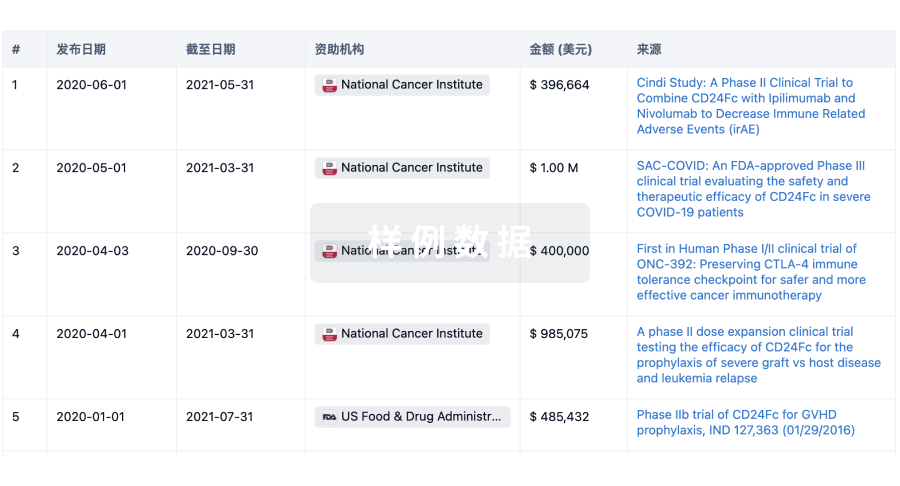
科研基金(NIH)
访问超过 200 万项资助和基金信息,以提升您的研究之旅。
登录
或
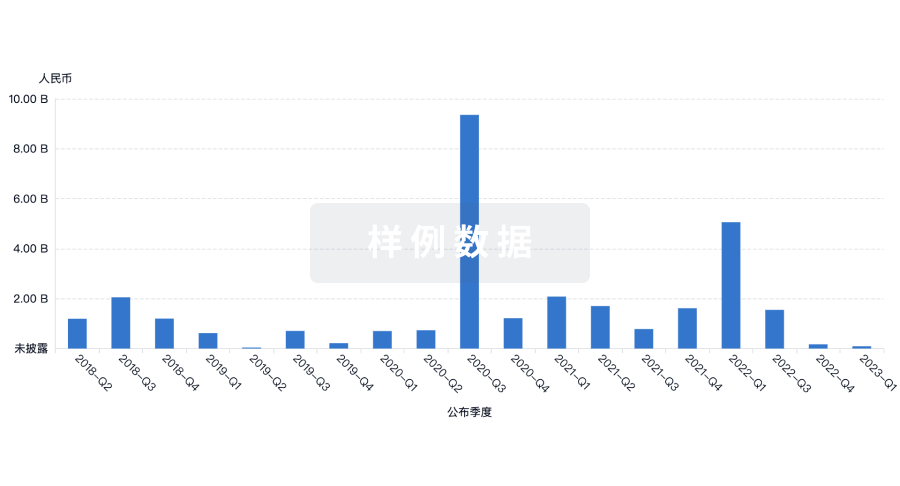
投资
深入了解从初创企业到成熟企业的最新公司投资动态。
登录
或
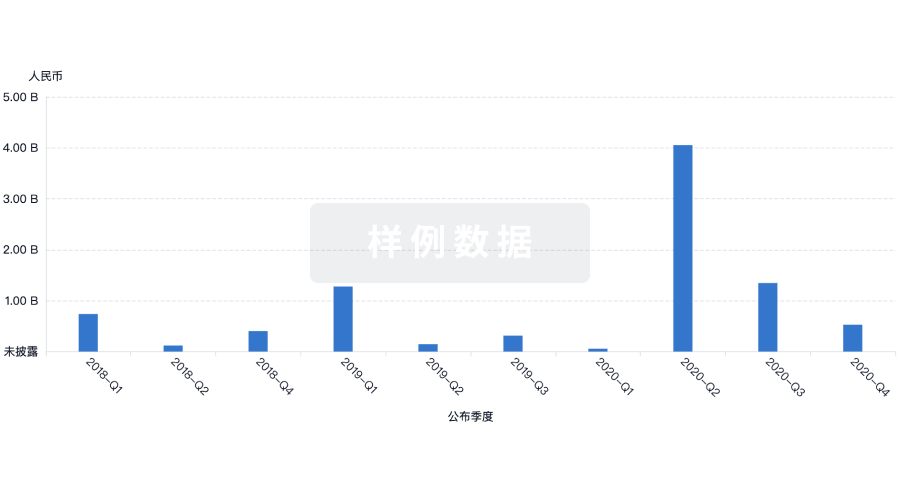
融资
发掘融资趋势以验证和推进您的投资机会。
登录
或
生物医药百科问答
全新生物医药AI Agent 覆盖科研全链路,让突破性发现快人一步
立即开始免费试用!
智慧芽新药情报库是智慧芽专为生命科学人士构建的基于AI的创新药情报平台,助您全方位提升您的研发与决策效率。
立即开始数据试用!
智慧芽新药库数据也通过智慧芽数据服务平台,以API或者数据包形式对外开放,助您更加充分利用智慧芽新药情报信息。
生物序列数据库
生物药研发创新
免费使用
化学结构数据库
小分子化药研发创新
免费使用